HTML SitemapExplore
logo
Find Things to DoFind The Best Restaurants

National War Memorial — Attraction in New Delhi

Name
National War Memorial
Description
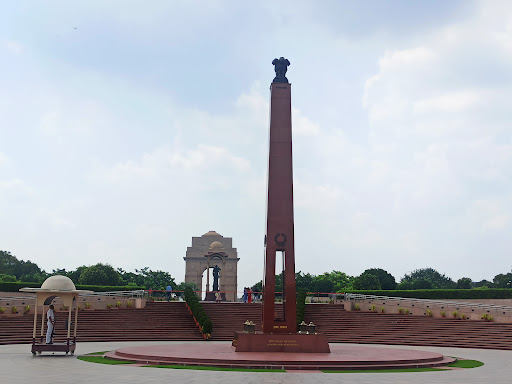
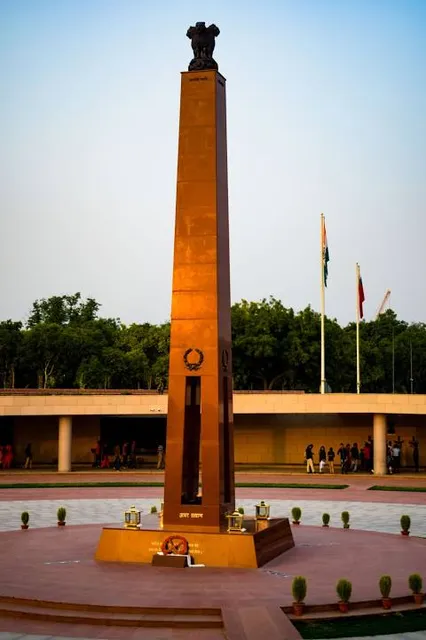
The National War Memorial is a war memorial in New Delhi, Delhi, India, located at India Gate Circle. It has been built to honour and remember soldiers of the Indian Armed Forces who fought in armed conflicts of independent India.
Nearby attractions
Amar Jawan Jyoti
J67M+36V, Rajpath, India Gate, New Delhi, Delhi 110001, India
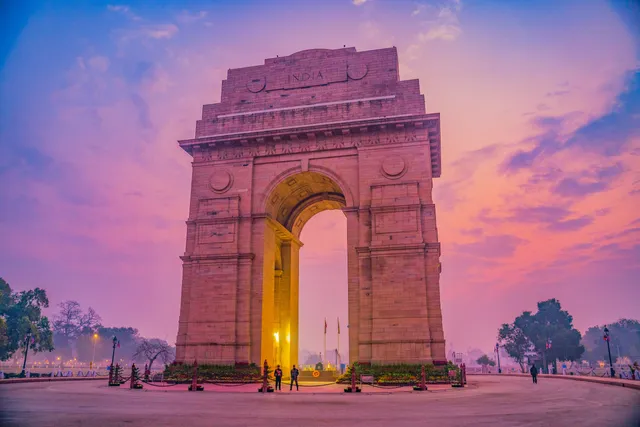
India Gate
Kartavya Path, India Gate, New Delhi, Delhi 110001, India
National Gallery of Modern Art
Jaipur House, Shershah Rd, near India Gate, Delhi High Court, India Gate, New Delhi, Delhi 110003, India
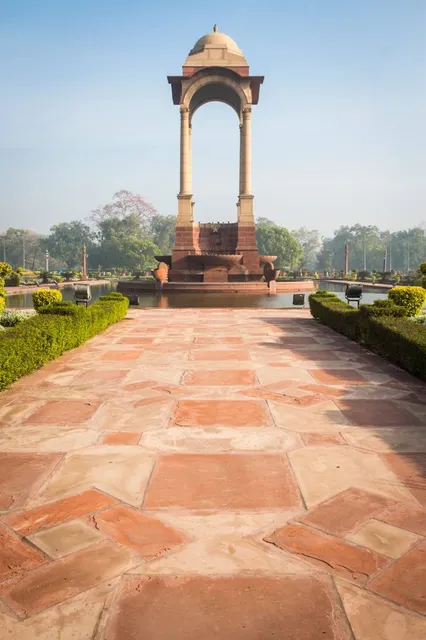
Netaji Subhash Chandra Bose Canopy Delhi
J67J+4CW, India Gate, New Delhi, Delhi 110001, India
India Gate Terriers TA Battalion
INDIA GATE TERRIERS, National Stadium, India Gate, New Delhi, Delhi 110001, India
India gate Delhi
J66M+CRJ, Delhi High Court, India Gate, New Delhi, Delhi 110001, India
India gate centre
J67J+772, India Gate, New Delhi, Delhi 110001, India
India Gate
J67H+5RC, Kartavya Path, India Gate, New Delhi, Delhi 110001, India
India Gate
J67H+5R6, India Gate, New Delhi, Delhi 110001, India
National Crafts Museum & Hastkala Academy
Bhairon Marg, Pragati Maidan, New Delhi, Delhi 110001, India
Nearby restaurants
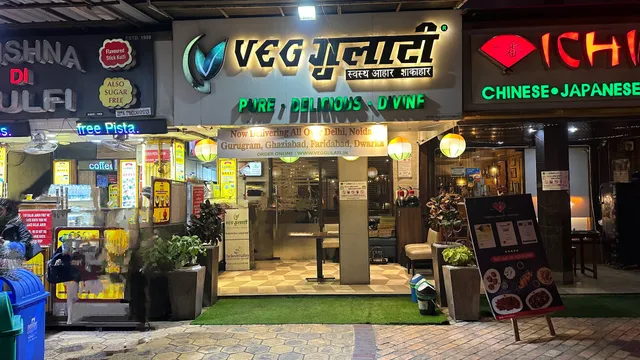
Veg Gulati
Market, 8, Pandara Rd, India Gate, New Delhi, Delhi 110003, India
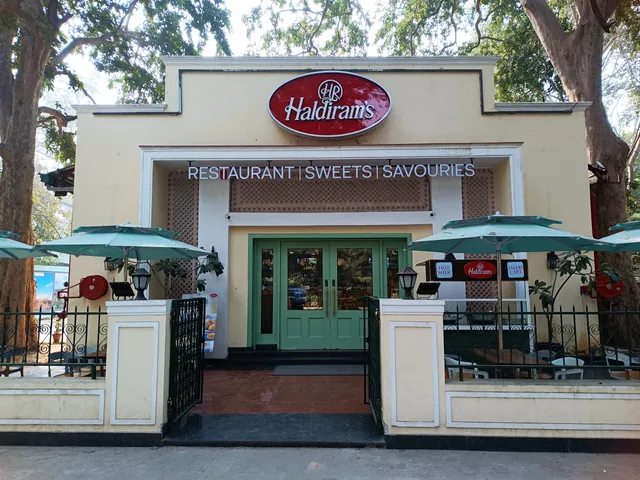
Haldiram's - Pandara Road
Bikaner House, Pandara Flats, Man Singh Road Area, New Delhi, Delhi 110003, India
Diggin
Bikaner House, Pandara Flats, India Gate, New Delhi, Delhi 110003, India
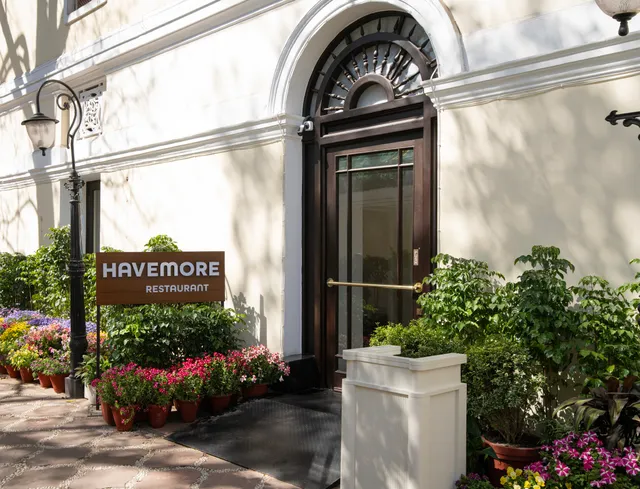
Havemore Restaurant Bikaner House
Bikaner House between Pandara Rd, &, Shahjahan Rd, India Gate, New Delhi, Delhi 110011, India
Have More
Pandara Market, 11-12, Barda Ukil Marg, Pandara Flats, India Gate, New Delhi, Delhi 110003, India
Pindi Restaurant Delhi
16, Pandara Rd, Pandara Flats, Market, New Delhi, Delhi 110003, India
Ichiban Pandara Road
9, Pandara Rd, Pandara Flats, Market, New Delhi, Delhi 110003, India
Amoda
National Gallery Of Modern Art, C - Hexagon, Delhi High Court, India Gate, New Delhi, Delhi 110003, India
Prabhu Chaat Bhandar
Shahjahan Rd, near UPSC Bhavan, UPSC, Man Singh Road Area, New Delhi, Delhi 110069, India
Maharashtra Sadan Canteen
Faridkot House Lane, Copernicus Marg, next to Baroda House, India Gate, New Delhi, Delhi 110001, India
Nearby hotels
Maharashtra Sadan Resort
Copernicus Marg, Mahatma Jyoti Rao Phule Marg Area, New Delhi, Delhi 110001, India
Related posts
Keywords
National War Memorial tourism.National War Memorial hotels.National War Memorial bed and breakfast. flights to National War Memorial.National War Memorial attractions.National War Memorial restaurants.National War Memorial travel.National War Memorial travel guide.National War Memorial travel blog.National War Memorial pictures.National War Memorial photos.National War Memorial travel tips.National War Memorial maps.National War Memorial things to do.
National War Memorial things to do, attractions, restaurants, events info and trip planning
National War Memorial
IndiaDelhiNew DelhiNational War Memorial

Basic Info

National War Memorial

C - Hexagon, India Gate, New Delhi, Delhi 110001, India
4.8(6.3K)
Closed
Save
spot

Ratings & Description

Info

The National War Memorial is a war memorial in New Delhi, Delhi, India, located at India Gate Circle. It has been built to honour and remember soldiers of the Indian Armed Forces who fought in armed conflicts of independent India.

Cultural
Accessibility
attractions: Amar Jawan Jyoti, India Gate, National Gallery of Modern Art, Netaji Subhash Chandra Bose Canopy Delhi, India Gate Terriers TA Battalion, India gate Delhi, India gate centre, India Gate, India Gate, National Crafts Museum & Hastkala Academy, restaurants: Veg Gulati, Haldiram's - Pandara Road, Diggin, Havemore Restaurant Bikaner House, Have More, Pindi Restaurant Delhi, Ichiban Pandara Road, Amoda, Prabhu Chaat Bhandar, Maharashtra Sadan Canteen
logoLearn more insights from Wanderboat AI.
Website
nationalwarmemorial.gov.in
Open hoursSee all hours
Tue9 AM - 7:30 PMClosed

Plan your stay

hotel
Pet-friendly Hotels in New Delhi
Find a cozy hotel nearby and make it a full experience.
hotel
Affordable Hotels in New Delhi
Find a cozy hotel nearby and make it a full experience.
hotel
The Coolest Hotels You Haven't Heard Of (Yet)
Find a cozy hotel nearby and make it a full experience.
hotel
Trending Stays Worth the Hype in New Delhi
Find a cozy hotel nearby and make it a full experience.

Reviews

Nearby attractions of National War Memorial

Amar Jawan Jyoti

India Gate

National Gallery of Modern Art

Netaji Subhash Chandra Bose Canopy Delhi

India Gate Terriers TA Battalion

India gate Delhi

India gate centre

India Gate

India Gate

National Crafts Museum & Hastkala Academy

Amar Jawan Jyoti

Amar Jawan Jyoti

4.7

(663)

Open 24 hours
Click for details
India Gate

India Gate

4.6

(81.6K)

Open 24 hours
Click for details
National Gallery of Modern Art

National Gallery of Modern Art

4.5

(3.8K)

Open 24 hours
Click for details
Netaji Subhash Chandra Bose Canopy Delhi

Netaji Subhash Chandra Bose Canopy Delhi

4.7

(508)

Open 24 hours
Click for details

Things to do nearby

Candlelight: Tribute to Kishore Kumar
Sat, Dec 13 • 6:00 PM
Apparel House, Ground, Fortis Hospital Road, Sector 44, Gurugram, 122003
View details
Old Delhi Food-Temples-Spice Market & Rickshaw
Tue, Dec 9 • 10:00 AM
New Delhi, Delhi, 110006, India
View details
Same Day Taj Mahal Tour from Delhi by Car
Tue, Dec 9 • 2:30 AM
New Delhi, Delhi, 110001, India
View details

Nearby restaurants of National War Memorial

Veg Gulati

Haldiram's - Pandara Road

Diggin

Havemore Restaurant Bikaner House

Have More

Pindi Restaurant Delhi

Ichiban Pandara Road

Amoda

Prabhu Chaat Bhandar

Maharashtra Sadan Canteen

Veg Gulati

Veg Gulati

4.3

(4K)

Closed
Click for details
Haldiram's - Pandara Road

Haldiram's - Pandara Road

4.3

(918)

$

Click for details
Diggin

Diggin

4.4

(1.1K)

$$

Click for details
Havemore Restaurant Bikaner House

Havemore Restaurant Bikaner House

4.9

(514)

$$

Click for details
Get the Appoverlay
Get the AppOne tap to find yournext favorite spots!
Wanderboat LogoWanderboat

Your everyday Al companion for getaway ideas

CompanyAbout Us
InformationAI Trip PlannerSitemap
SocialXInstagramTiktokLinkedin
LegalTerms of ServicePrivacy Policy

Get the app

© 2025 Wanderboat. All rights reserved.
logo

Reviews of National War Memorial

4.8
(6,300)
avatar
5.0
1y

Drawing inspiration from the ‘Chakravyuh’ formation, the iconic National War Memorial boasts of four thematic concentric circles with a tall ceremonial obelisk at its centre that bears the eternal flame. The central part of the sprawling complex has been built in a sunken plot as the design had to respect the heritage look of the India Gate’s Central Vista. The names of 25,942 battle casualties have been inscribed across 16 walls that consist of granite pieces bearing the name, rank, and regiment of the fallen heroes.

The layout of the memorial located behind the India Gate canopy and across the National Stadium consists of four concentric circles, radially outwards. The central obelisk is topped with an Ashokan Capital and the base bears the famous couplet ‘“शहीदों की चिताओं पर लगेंगे हर बरस मेले,वतन पर मर मिटने वालों का यही बाकी निशां होगा।” by poet Jagdamba Prasad Mishra ‘Hitaishi’. The Ashokan Capital topping the 15.5-m obelisk, was made by noted sculptor Ram Sutar.

Drawing inspiration from the ‘Chakravyuh’ formation, the iconic National War Memorial boasts of four thematic concentric circles with a tall ceremonial obelisk at its centre that bears the eternal flame. These four circles are the Amar Chakra, Veerta Chakra, Tyag Chakra and Rakshak Chakra.

Amar Chakra (Circle of Immortality): This structure of the memorial derives its name from the Eternal Flame (Amar Jawan Jyoti), continuously burning under the main obelisk at the centre of the monument. The flame symbolises the immortality of the spirit of fallen soldiers and the promise that the Nation will never forget their sacrifices.

Veerta Chakra (Circle of Bravery): The second circle depicts the Bravery of Indian forces in the form of a covered gallery that exhibits six bronze murals, made by noted sculptor Ram Sutar, depicting famous battles fought by the Army, Air Force and Navy. The battles showcased here are Battle of Gangasagar, Longewala, Tithwal, Rizangla, Operation Meghdoot and Operation Trident.

Tyag Chakra (Circle of Sacrifice): The circular concentric walls of honour symbolise the ancient war formation 'Chakravyuh'. The walls are clad with granite tablets where an independent granite tablet is dedicated to each soldier who has made the supreme sacrifice in the battlefield, where his name is etched in golden letters along with the details of Rank. 16 walls in concentric fashion have been constructed in the ‘Tyag Chakra’ area for paying homage to 25,942 battle casualties.

Walls 1A and IB, 2A and 2B, 3A and 3B have granite tablets with names of brave hearts who lost their lives in Indo Pk War (1947-48) and Indo Pak War (1965)

Walls 4A and 4B have granite tablets with names of brave hearts who lost their lives in Indo China War (1962), Indo Pk War (1947-48), Indo Pak War (1965) and Indo Pak War (1971)

Walls 5A and 5B have granite tablets with names of brave hearts who lost their lives in Indo China War (1962), Indo Pak War (1965) and Indo Pak War (1971)

Walls 6A and 6B, 7A and 7A and 7B, 8A and 8B have granite tablets with names of brave hearts who lost their lives in - Indo China War (1962) and Indo Pak War (1965)

Rakshak Chakra (Circle of Protection): The outermost circle made of rows of trees in the Rakshak Chakra is a reassurance to the citizens of the country about their safety against any threat, with each tree representing the soldiers who ensure the territorial integrity of the Nation, round the clock. It comprises rows of more than 600 dense trees with each tree representing many soldiers who guard the territorial integrity of the nation round the clock. It also commemorates the soldiers who participated and made supreme sacrifice in the UN Peace Keeping Missions, during Humanitarian Assistance and Disaster Relief (HADR) Operations, counter-insurgency operations and Low Intensity Capital...

   Read more
avatar
5.0
4y

Nation’s Pride

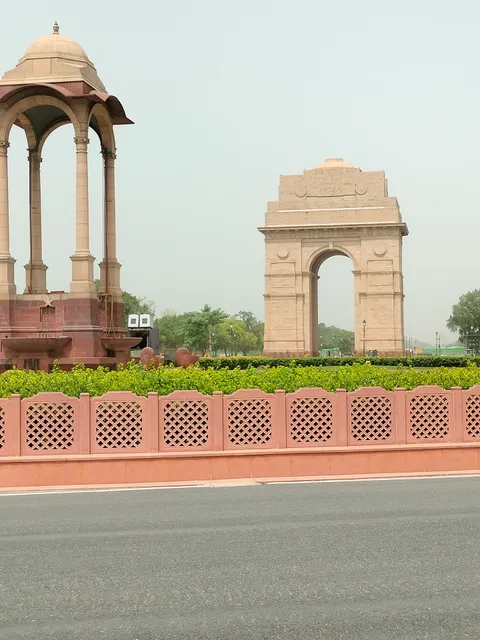
While the much older and more well-known India Gate commemorates the martyred Indian soldier of the First World War, the very recently created National War Memorial, just behind India Gate’s canopy, is in memory of the soldiers fallen in battle ever since India’s independence in 1947.

The National War Memorial is designed in a circular form, with steps (and ramps) leading down into a large amphitheatre-like circular space, in the centre of which stands an obelisk. At the base of this burns the Amar Jawan Jyoti, the eternal flame burning in memory of the Unknown Soldier. A sentry is always on duty beside this. Along one arc of the circle surrounding the obelisk, the area is roofed, with the walls decorated with bronze murals depicting battle scenes form important battles fought (and won) by Indian forces: Operation Trident, the Battle of Longewala, the Battle of Rezang La, and so on. There are about half a dozen of these, and in the centre are the emblems of the Navy, Airforce, Army and Combined Defence Services.

Once you come up from the Amar Jawan Jyoti and its surrounding circle, you can move around, at ground level, in the circles surrounding this (this circle is supposed to be modelled on the mythical ‘Chakravyuh’ of the Mahabharat). This circle consists of thousands of small brick-coloured granite slabs, each etched with the number, name and regiment of an Indian soldier killed in one of the wars. They’re arranged in order of war, and—if you’re here to find the slab of a dear one, there’s a digital assistant too, a touch screen where you can enter the soldier’s ID, name, and regiment in order to find out the location of his slab at the memorial. I didn’t try this, so can’t tell if it works.

Beyond these are gardens, mostly trees (many of them still young), some flowerbeds, and water channels. On the southern side is a small gallery with engraved-metal maps and descriptions of major battlefields in which Indian armed forces have proven their mettle. Right opposite, across the memorial and at the exit gate, is a similar one with more of the same information. Both galleries have toilets attached to them.

I liked the concept of the War Memorial, and since we visited in spring (and there were a lot of flowers around), it looked really pretty. However, I thought that while the design and the layout is good, the artwork of the murals left much to be desired. These were poorly done, with figures all disproportionate and rather tacky. Something of this scale deserved more accomplished artists.

Still, not a bad place to visit if you’re in the area. No entry...

   Read more
avatar
5.0
1y

The National War Memorial in New Delhi is a profound tribute to the bravery and sacrifices of India's armed forces. Located near India Gate, this memorial is a significant addition to the city's landscape, dedicated to honoring the soldiers who have laid down their lives in various conflicts since India's independence.

Inaugurated in 2019, the National War Memorial features an impressive and thoughtfully designed layout. At the heart of the memorial is the central obelisk, which stands tall and dignified, surrounded by four concentric circles: the Amar Chakra (Circle of Immortality), the Veerta Chakra (Circle of Bravery), the Tyag Chakra (Circle of Sacrifice), and the Rakshak Chakra (Circle of Protection). Each circle represents different aspects of the sacrifices made by the armed forces and is inscribed with the names of over 25,000 martyrs.

The Amar Jawan Jyoti, an eternal flame, burns at the base of the obelisk, symbolizing the immortal spirit of the fallen soldiers. The names of the soldiers are etched on granite tablets, providing a tangible connection to their valor and dedication.

The design of the memorial is both modern and respectful, blending seamlessly with the surrounding landscape. The pathways and gardens are meticulously maintained, offering a serene environment for visitors to reflect and pay their respects. The lush greenery and open spaces around the memorial enhance its peaceful ambiance, making it a fitting place for contemplation and remembrance.

The National War Memorial is also equipped with an informative gallery that provides insights into the history and achievements of the Indian Armed Forces. Through interactive displays and exhibits, visitors can learn about the various operations and missions that have defined India's military history.

Accessibility to the memorial is straightforward, given its central location near India Gate. It is easily reachable by public transportation, with the nearest metro station being Central Secretariat. The memorial is open to the public from morning until evening, allowing ample time for visitors to explore and absorb the solemn atmosphere.

In summary, the National War Memorial stands as a powerful homage to the courage and sacrifice of India's soldiers. Its thoughtful design, serene surroundings, and educational exhibits make it an essential visit for anyone in New Delhi. Whether you are a history enthusiast, a patriot, or someone seeking a place of quiet reflection, the National War Memorial offers a moving and...

   Read more
Page 1 of 7
Previous
Next

Posts

Vikas SinghVikas Singh
Drawing inspiration from the ‘Chakravyuh’ formation, the iconic National War Memorial boasts of four thematic concentric circles with a tall ceremonial obelisk at its centre that bears the eternal flame. The central part of the sprawling complex has been built in a sunken plot as the design had to respect the heritage look of the India Gate’s Central Vista. The names of 25,942 battle casualties have been inscribed across 16 walls that consist of granite pieces bearing the name, rank, and regiment of the fallen heroes. The layout of the memorial located behind the India Gate canopy and across the National Stadium consists of four concentric circles, radially outwards. The central obelisk is topped with an Ashokan Capital and the base bears the famous couplet ‘“शहीदों की चिताओं पर लगेंगे हर बरस मेले,वतन पर मर मिटने वालों का यही बाकी निशां होगा।” by poet Jagdamba Prasad Mishra ‘Hitaishi’. The Ashokan Capital topping the 15.5-m obelisk, was made by noted sculptor Ram Sutar. Drawing inspiration from the ‘Chakravyuh’ formation, the iconic National War Memorial boasts of four thematic concentric circles with a tall ceremonial obelisk at its centre that bears the eternal flame. These four circles are the Amar Chakra, Veerta Chakra, Tyag Chakra and Rakshak Chakra. Amar Chakra (Circle of Immortality): This structure of the memorial derives its name from the Eternal Flame (Amar Jawan Jyoti), continuously burning under the main obelisk at the centre of the monument. The flame symbolises the immortality of the spirit of fallen soldiers and the promise that the Nation will never forget their sacrifices. Veerta Chakra (Circle of Bravery): The second circle depicts the Bravery of Indian forces in the form of a covered gallery that exhibits six bronze murals, made by noted sculptor Ram Sutar, depicting famous battles fought by the Army, Air Force and Navy. The battles showcased here are Battle of Gangasagar, Longewala, Tithwal, Rizangla, Operation Meghdoot and Operation Trident. Tyag Chakra (Circle of Sacrifice): The circular concentric walls of honour symbolise the ancient war formation 'Chakravyuh'. The walls are clad with granite tablets where an independent granite tablet is dedicated to each soldier who has made the supreme sacrifice in the battlefield, where his name is etched in golden letters along with the details of Rank. 16 walls in concentric fashion have been constructed in the ‘Tyag Chakra’ area for paying homage to 25,942 battle casualties. Walls 1A and IB, 2A and 2B, 3A and 3B have granite tablets with names of brave hearts who lost their lives in Indo Pk War (1947-48) and Indo Pak War (1965) Walls 4A and 4B have granite tablets with names of brave hearts who lost their lives in Indo China War (1962), Indo Pk War (1947-48), Indo Pak War (1965) and Indo Pak War (1971) Walls 5A and 5B have granite tablets with names of brave hearts who lost their lives in Indo China War (1962), Indo Pak War (1965) and Indo Pak War (1971) Walls 6A and 6B, 7A and 7A and 7B, 8A and 8B have granite tablets with names of brave hearts who lost their lives in - Indo China War (1962) and Indo Pak War (1965) Rakshak Chakra (Circle of Protection): The outermost circle made of rows of trees in the Rakshak Chakra is a reassurance to the citizens of the country about their safety against any threat, with each tree representing the soldiers who ensure the territorial integrity of the Nation, round the clock. It comprises rows of more than 600 dense trees with each tree representing many soldiers who guard the territorial integrity of the nation round the clock. It also commemorates the soldiers who participated and made supreme sacrifice in the UN Peace Keeping Missions, during Humanitarian Assistance and Disaster Relief (HADR) Operations, counter-insurgency operations and Low Intensity Capital Operation (LICO)
Nishant SharmaNishant Sharma
Nation’s Pride While the much older and more well-known India Gate commemorates the martyred Indian soldier of the First World War, the very recently created National War Memorial, just behind India Gate’s canopy, is in memory of the soldiers fallen in battle ever since India’s independence in 1947. The National War Memorial is designed in a circular form, with steps (and ramps) leading down into a large amphitheatre-like circular space, in the centre of which stands an obelisk. At the base of this burns the Amar Jawan Jyoti, the eternal flame burning in memory of the Unknown Soldier. A sentry is always on duty beside this. Along one arc of the circle surrounding the obelisk, the area is roofed, with the walls decorated with bronze murals depicting battle scenes form important battles fought (and won) by Indian forces: Operation Trident, the Battle of Longewala, the Battle of Rezang La, and so on. There are about half a dozen of these, and in the centre are the emblems of the Navy, Airforce, Army and Combined Defence Services. Once you come up from the Amar Jawan Jyoti and its surrounding circle, you can move around, at ground level, in the circles surrounding this (this circle is supposed to be modelled on the mythical ‘Chakravyuh’ of the Mahabharat). This circle consists of thousands of small brick-coloured granite slabs, each etched with the number, name and regiment of an Indian soldier killed in one of the wars. They’re arranged in order of war, and—if you’re here to find the slab of a dear one, there’s a digital assistant too, a touch screen where you can enter the soldier’s ID, name, and regiment in order to find out the location of his slab at the memorial. I didn’t try this, so can’t tell if it works. Beyond these are gardens, mostly trees (many of them still young), some flowerbeds, and water channels. On the southern side is a small gallery with engraved-metal maps and descriptions of major battlefields in which Indian armed forces have proven their mettle. Right opposite, across the memorial and at the exit gate, is a similar one with more of the same information. Both galleries have toilets attached to them. I liked the concept of the War Memorial, and since we visited in spring (and there were a lot of flowers around), it looked really pretty. However, I thought that while the design and the layout is good, the artwork of the murals left much to be desired. These were poorly done, with figures all disproportionate and rather tacky. Something of this scale deserved more accomplished artists. Still, not a bad place to visit if you’re in the area. No entry fee is charged.
Prince KushwahaPrince Kushwaha
The National War Memorial in New Delhi is a profound tribute to the bravery and sacrifices of India's armed forces. Located near India Gate, this memorial is a significant addition to the city's landscape, dedicated to honoring the soldiers who have laid down their lives in various conflicts since India's independence. Inaugurated in 2019, the National War Memorial features an impressive and thoughtfully designed layout. At the heart of the memorial is the central obelisk, which stands tall and dignified, surrounded by four concentric circles: the Amar Chakra (Circle of Immortality), the Veerta Chakra (Circle of Bravery), the Tyag Chakra (Circle of Sacrifice), and the Rakshak Chakra (Circle of Protection). Each circle represents different aspects of the sacrifices made by the armed forces and is inscribed with the names of over 25,000 martyrs. The Amar Jawan Jyoti, an eternal flame, burns at the base of the obelisk, symbolizing the immortal spirit of the fallen soldiers. The names of the soldiers are etched on granite tablets, providing a tangible connection to their valor and dedication. The design of the memorial is both modern and respectful, blending seamlessly with the surrounding landscape. The pathways and gardens are meticulously maintained, offering a serene environment for visitors to reflect and pay their respects. The lush greenery and open spaces around the memorial enhance its peaceful ambiance, making it a fitting place for contemplation and remembrance. The National War Memorial is also equipped with an informative gallery that provides insights into the history and achievements of the Indian Armed Forces. Through interactive displays and exhibits, visitors can learn about the various operations and missions that have defined India's military history. Accessibility to the memorial is straightforward, given its central location near India Gate. It is easily reachable by public transportation, with the nearest metro station being Central Secretariat. The memorial is open to the public from morning until evening, allowing ample time for visitors to explore and absorb the solemn atmosphere. In summary, the National War Memorial stands as a powerful homage to the courage and sacrifice of India's soldiers. Its thoughtful design, serene surroundings, and educational exhibits make it an essential visit for anyone in New Delhi. Whether you are a history enthusiast, a patriot, or someone seeking a place of quiet reflection, the National War Memorial offers a moving and meaningful experience.
See more posts
See more posts
hotel
Find your stay

Pet-friendly Hotels in New Delhi

Find a cozy hotel nearby and make it a full experience.

Drawing inspiration from the ‘Chakravyuh’ formation, the iconic National War Memorial boasts of four thematic concentric circles with a tall ceremonial obelisk at its centre that bears the eternal flame. The central part of the sprawling complex has been built in a sunken plot as the design had to respect the heritage look of the India Gate’s Central Vista. The names of 25,942 battle casualties have been inscribed across 16 walls that consist of granite pieces bearing the name, rank, and regiment of the fallen heroes. The layout of the memorial located behind the India Gate canopy and across the National Stadium consists of four concentric circles, radially outwards. The central obelisk is topped with an Ashokan Capital and the base bears the famous couplet ‘“शहीदों की चिताओं पर लगेंगे हर बरस मेले,वतन पर मर मिटने वालों का यही बाकी निशां होगा।” by poet Jagdamba Prasad Mishra ‘Hitaishi’. The Ashokan Capital topping the 15.5-m obelisk, was made by noted sculptor Ram Sutar. Drawing inspiration from the ‘Chakravyuh’ formation, the iconic National War Memorial boasts of four thematic concentric circles with a tall ceremonial obelisk at its centre that bears the eternal flame. These four circles are the Amar Chakra, Veerta Chakra, Tyag Chakra and Rakshak Chakra. Amar Chakra (Circle of Immortality): This structure of the memorial derives its name from the Eternal Flame (Amar Jawan Jyoti), continuously burning under the main obelisk at the centre of the monument. The flame symbolises the immortality of the spirit of fallen soldiers and the promise that the Nation will never forget their sacrifices. Veerta Chakra (Circle of Bravery): The second circle depicts the Bravery of Indian forces in the form of a covered gallery that exhibits six bronze murals, made by noted sculptor Ram Sutar, depicting famous battles fought by the Army, Air Force and Navy. The battles showcased here are Battle of Gangasagar, Longewala, Tithwal, Rizangla, Operation Meghdoot and Operation Trident. Tyag Chakra (Circle of Sacrifice): The circular concentric walls of honour symbolise the ancient war formation 'Chakravyuh'. The walls are clad with granite tablets where an independent granite tablet is dedicated to each soldier who has made the supreme sacrifice in the battlefield, where his name is etched in golden letters along with the details of Rank. 16 walls in concentric fashion have been constructed in the ‘Tyag Chakra’ area for paying homage to 25,942 battle casualties. Walls 1A and IB, 2A and 2B, 3A and 3B have granite tablets with names of brave hearts who lost their lives in Indo Pk War (1947-48) and Indo Pak War (1965) Walls 4A and 4B have granite tablets with names of brave hearts who lost their lives in Indo China War (1962), Indo Pk War (1947-48), Indo Pak War (1965) and Indo Pak War (1971) Walls 5A and 5B have granite tablets with names of brave hearts who lost their lives in Indo China War (1962), Indo Pak War (1965) and Indo Pak War (1971) Walls 6A and 6B, 7A and 7A and 7B, 8A and 8B have granite tablets with names of brave hearts who lost their lives in - Indo China War (1962) and Indo Pak War (1965) Rakshak Chakra (Circle of Protection): The outermost circle made of rows of trees in the Rakshak Chakra is a reassurance to the citizens of the country about their safety against any threat, with each tree representing the soldiers who ensure the territorial integrity of the Nation, round the clock. It comprises rows of more than 600 dense trees with each tree representing many soldiers who guard the territorial integrity of the nation round the clock. It also commemorates the soldiers who participated and made supreme sacrifice in the UN Peace Keeping Missions, during Humanitarian Assistance and Disaster Relief (HADR) Operations, counter-insurgency operations and Low Intensity Capital Operation (LICO)
Vikas Singh

Vikas Singh

hotel
Find your stay

Affordable Hotels in New Delhi

Find a cozy hotel nearby and make it a full experience.

Get the Appoverlay
Get the AppOne tap to find yournext favorite spots!
Nation’s Pride While the much older and more well-known India Gate commemorates the martyred Indian soldier of the First World War, the very recently created National War Memorial, just behind India Gate’s canopy, is in memory of the soldiers fallen in battle ever since India’s independence in 1947. The National War Memorial is designed in a circular form, with steps (and ramps) leading down into a large amphitheatre-like circular space, in the centre of which stands an obelisk. At the base of this burns the Amar Jawan Jyoti, the eternal flame burning in memory of the Unknown Soldier. A sentry is always on duty beside this. Along one arc of the circle surrounding the obelisk, the area is roofed, with the walls decorated with bronze murals depicting battle scenes form important battles fought (and won) by Indian forces: Operation Trident, the Battle of Longewala, the Battle of Rezang La, and so on. There are about half a dozen of these, and in the centre are the emblems of the Navy, Airforce, Army and Combined Defence Services. Once you come up from the Amar Jawan Jyoti and its surrounding circle, you can move around, at ground level, in the circles surrounding this (this circle is supposed to be modelled on the mythical ‘Chakravyuh’ of the Mahabharat). This circle consists of thousands of small brick-coloured granite slabs, each etched with the number, name and regiment of an Indian soldier killed in one of the wars. They’re arranged in order of war, and—if you’re here to find the slab of a dear one, there’s a digital assistant too, a touch screen where you can enter the soldier’s ID, name, and regiment in order to find out the location of his slab at the memorial. I didn’t try this, so can’t tell if it works. Beyond these are gardens, mostly trees (many of them still young), some flowerbeds, and water channels. On the southern side is a small gallery with engraved-metal maps and descriptions of major battlefields in which Indian armed forces have proven their mettle. Right opposite, across the memorial and at the exit gate, is a similar one with more of the same information. Both galleries have toilets attached to them. I liked the concept of the War Memorial, and since we visited in spring (and there were a lot of flowers around), it looked really pretty. However, I thought that while the design and the layout is good, the artwork of the murals left much to be desired. These were poorly done, with figures all disproportionate and rather tacky. Something of this scale deserved more accomplished artists. Still, not a bad place to visit if you’re in the area. No entry fee is charged.
Nishant Sharma

Nishant Sharma

hotel
Find your stay

The Coolest Hotels You Haven't Heard Of (Yet)

Find a cozy hotel nearby and make it a full experience.

hotel
Find your stay

Trending Stays Worth the Hype in New Delhi

Find a cozy hotel nearby and make it a full experience.

The National War Memorial in New Delhi is a profound tribute to the bravery and sacrifices of India's armed forces. Located near India Gate, this memorial is a significant addition to the city's landscape, dedicated to honoring the soldiers who have laid down their lives in various conflicts since India's independence. Inaugurated in 2019, the National War Memorial features an impressive and thoughtfully designed layout. At the heart of the memorial is the central obelisk, which stands tall and dignified, surrounded by four concentric circles: the Amar Chakra (Circle of Immortality), the Veerta Chakra (Circle of Bravery), the Tyag Chakra (Circle of Sacrifice), and the Rakshak Chakra (Circle of Protection). Each circle represents different aspects of the sacrifices made by the armed forces and is inscribed with the names of over 25,000 martyrs. The Amar Jawan Jyoti, an eternal flame, burns at the base of the obelisk, symbolizing the immortal spirit of the fallen soldiers. The names of the soldiers are etched on granite tablets, providing a tangible connection to their valor and dedication. The design of the memorial is both modern and respectful, blending seamlessly with the surrounding landscape. The pathways and gardens are meticulously maintained, offering a serene environment for visitors to reflect and pay their respects. The lush greenery and open spaces around the memorial enhance its peaceful ambiance, making it a fitting place for contemplation and remembrance. The National War Memorial is also equipped with an informative gallery that provides insights into the history and achievements of the Indian Armed Forces. Through interactive displays and exhibits, visitors can learn about the various operations and missions that have defined India's military history. Accessibility to the memorial is straightforward, given its central location near India Gate. It is easily reachable by public transportation, with the nearest metro station being Central Secretariat. The memorial is open to the public from morning until evening, allowing ample time for visitors to explore and absorb the solemn atmosphere. In summary, the National War Memorial stands as a powerful homage to the courage and sacrifice of India's soldiers. Its thoughtful design, serene surroundings, and educational exhibits make it an essential visit for anyone in New Delhi. Whether you are a history enthusiast, a patriot, or someone seeking a place of quiet reflection, the National War Memorial offers a moving and meaningful experience.
Prince Kushwaha

Prince Kushwaha

See more posts
See more posts