HTML SitemapExplore
logo
Find Things to DoFind The Best Restaurants

Netaji Subhash Chandra Bose Canopy Delhi — Attraction in New Delhi

Name
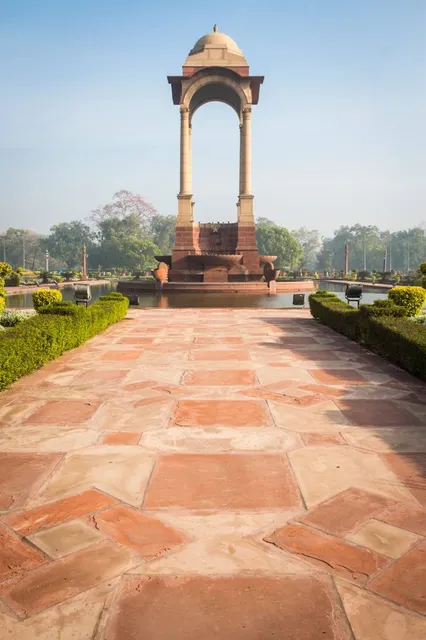
Netaji Subhash Chandra Bose Canopy Delhi
Description
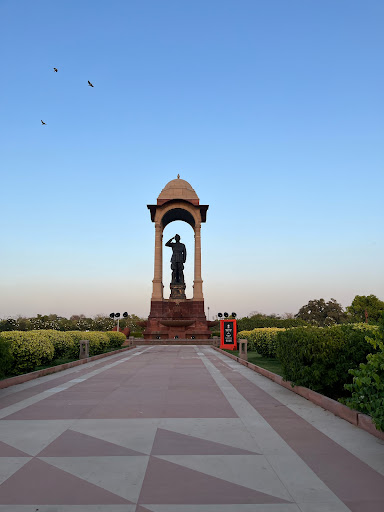
Statue of Subhas Chandra Bose, also known as the Netaji's Statue, is a monolithic statue made of black granite, dedicated to Netaji Subhas Chandra Bose, Indian freedom fighter and Commander-in-Chief of Indian National Army. The statue 28 feet in total height, including a 8 feet in total width.
Nearby attractions
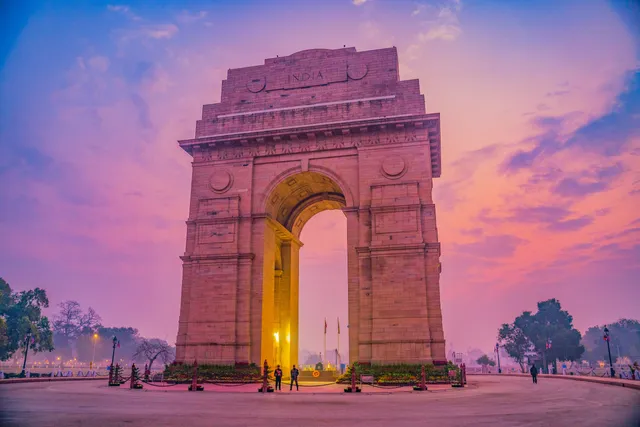
India Gate
Kartavya Path, India Gate, New Delhi, Delhi 110001, India
National War Memorial
C - Hexagon, India Gate, New Delhi, Delhi 110001, India
Amar Jawan Jyoti
J67M+36V, Rajpath, India Gate, New Delhi, Delhi 110001, India
National Gallery of Modern Art
Jaipur House, Shershah Rd, near India Gate, Delhi High Court, India Gate, New Delhi, Delhi 110003, India
India gate centre
J67J+772, India Gate, New Delhi, Delhi 110001, India
India Gate
J67H+5RC, Kartavya Path, India Gate, New Delhi, Delhi 110001, India
India Gate
J67H+5R6, India Gate, New Delhi, Delhi 110001, India
India Gate Terriers TA Battalion
INDIA GATE TERRIERS, National Stadium, India Gate, New Delhi, Delhi 110001, India
India gate Delhi
J66M+CRJ, Delhi High Court, India Gate, New Delhi, Delhi 110001, India
India gate
J67G+854, Rajpath Area, India Gate, New Delhi, Delhi 110001, India
Nearby restaurants
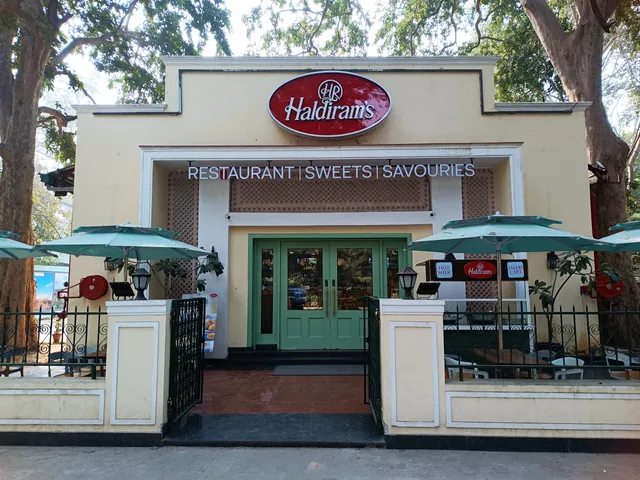
Haldiram's - Pandara Road
Bikaner House, Pandara Flats, Man Singh Road Area, New Delhi, Delhi 110003, India
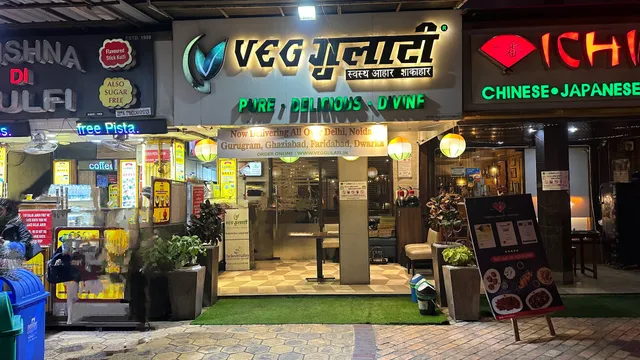
Veg Gulati
Market, 8, Pandara Rd, India Gate, New Delhi, Delhi 110003, India
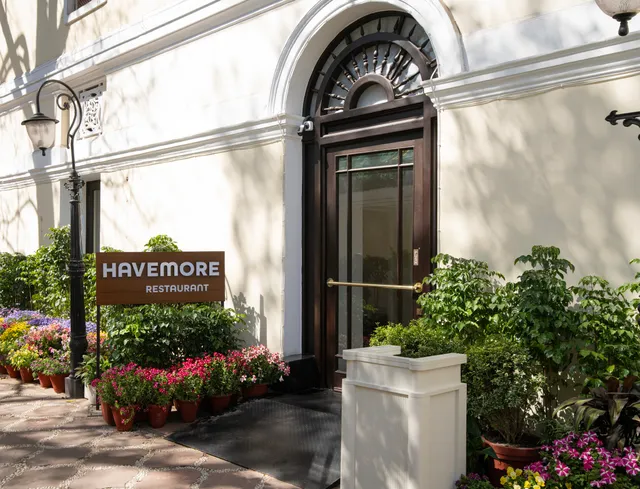
Havemore Restaurant Bikaner House
Bikaner House between Pandara Rd, &, Shahjahan Rd, India Gate, New Delhi, Delhi 110011, India
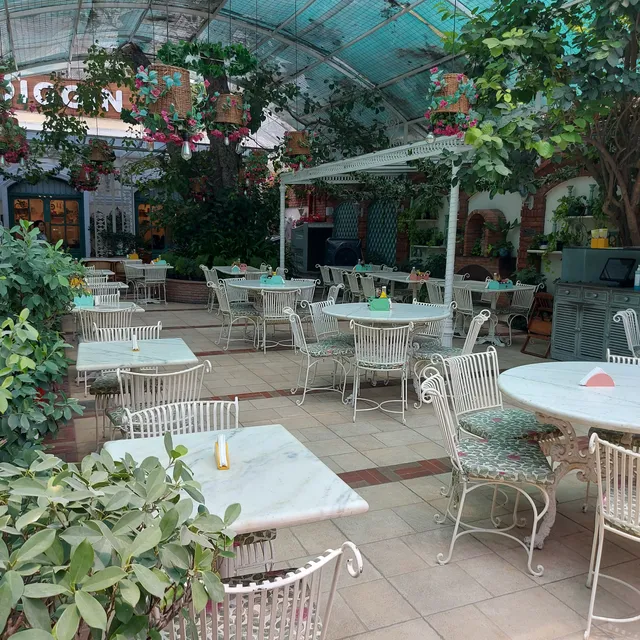
Diggin
Bikaner House, Pandara Flats, India Gate, New Delhi, Delhi 110003, India
Have More
Pandara Market, 11-12, Barda Ukil Marg, Pandara Flats, India Gate, New Delhi, Delhi 110003, India
Prabhu Chaat Bhandar
Shahjahan Rd, near UPSC Bhavan, UPSC, Man Singh Road Area, New Delhi, Delhi 110069, India
Pindi Restaurant Delhi
16, Pandara Rd, Pandara Flats, Market, New Delhi, Delhi 110003, India
Maharashtra Sadan Canteen
Faridkot House Lane, Copernicus Marg, next to Baroda House, India Gate, New Delhi, Delhi 110001, India
UPSC Street Food Eateries
J65H+P47, UPSC Lane, UPSC, Man Singh Road Area, New Delhi, Delhi 110069, India
Ichiban Pandara Road
9, Pandara Rd, Pandara Flats, Market, New Delhi, Delhi 110003, India
Nearby hotels
Maharashtra Sadan Resort
Copernicus Marg, Mahatma Jyoti Rao Phule Marg Area, New Delhi, Delhi 110001, India
Related posts
Keywords
Netaji Subhash Chandra Bose Canopy Delhi tourism.Netaji Subhash Chandra Bose Canopy Delhi hotels.Netaji Subhash Chandra Bose Canopy Delhi bed and breakfast. flights to Netaji Subhash Chandra Bose Canopy Delhi.Netaji Subhash Chandra Bose Canopy Delhi attractions.Netaji Subhash Chandra Bose Canopy Delhi restaurants.Netaji Subhash Chandra Bose Canopy Delhi travel.Netaji Subhash Chandra Bose Canopy Delhi travel guide.Netaji Subhash Chandra Bose Canopy Delhi travel blog.Netaji Subhash Chandra Bose Canopy Delhi pictures.Netaji Subhash Chandra Bose Canopy Delhi photos.Netaji Subhash Chandra Bose Canopy Delhi travel tips.Netaji Subhash Chandra Bose Canopy Delhi maps.Netaji Subhash Chandra Bose Canopy Delhi things to do.
Netaji Subhash Chandra Bose Canopy Delhi things to do, attractions, restaurants, events info and trip planning
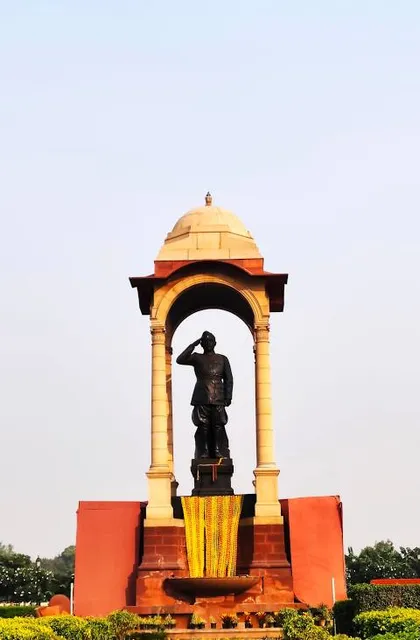
Netaji Subhash Chandra Bose Canopy Delhi
IndiaDelhiNew DelhiNetaji Subhash Chandra Bose Canopy Delhi

Basic Info

Netaji Subhash Chandra Bose Canopy Delhi

J67J+4CW, India Gate, New Delhi, Delhi 110001, India
4.7(508)
Open 24 hours
Save
spot

Ratings & Description

Info

Statue of Subhas Chandra Bose, also known as the Netaji's Statue, is a monolithic statue made of black granite, dedicated to Netaji Subhas Chandra Bose, Indian freedom fighter and Commander-in-Chief of Indian National Army. The statue 28 feet in total height, including a 8 feet in total width.

Cultural
Scenic
Outdoor
attractions: India Gate, National War Memorial, Amar Jawan Jyoti, National Gallery of Modern Art, India gate centre, India Gate, India Gate, India Gate Terriers TA Battalion, India gate Delhi, India gate, restaurants: Haldiram's - Pandara Road, Veg Gulati, Havemore Restaurant Bikaner House, Diggin, Have More, Prabhu Chaat Bhandar, Pindi Restaurant Delhi, Maharashtra Sadan Canteen, UPSC Street Food Eateries, Ichiban Pandara Road
logoLearn more insights from Wanderboat AI.

Plan your stay

hotel
Pet-friendly Hotels in New Delhi
Find a cozy hotel nearby and make it a full experience.
hotel
Affordable Hotels in New Delhi
Find a cozy hotel nearby and make it a full experience.
hotel
The Coolest Hotels You Haven't Heard Of (Yet)
Find a cozy hotel nearby and make it a full experience.
hotel
Trending Stays Worth the Hype in New Delhi
Find a cozy hotel nearby and make it a full experience.

Reviews

Nearby attractions of Netaji Subhash Chandra Bose Canopy Delhi

India Gate

National War Memorial

Amar Jawan Jyoti

National Gallery of Modern Art

India gate centre

India Gate

India Gate

India Gate Terriers TA Battalion

India gate Delhi

India gate

India Gate

India Gate

4.6

(81.6K)

Open 24 hours
Click for details
National War Memorial

National War Memorial

4.8

(6.3K)

Closed
Click for details
Amar Jawan Jyoti

Amar Jawan Jyoti

4.7

(663)

Open 24 hours
Click for details
National Gallery of Modern Art

National Gallery of Modern Art

4.5

(3.8K)

Open 24 hours
Click for details

Things to do nearby

Candlelight: Tribute to Kishore Kumar
Sat, Dec 13 • 6:00 PM
Apparel House, Ground, Fortis Hospital Road, Sector 44, Gurugram, 122003
View details
Old Delhi Food-Temples-Spice Market & Rickshaw
Tue, Dec 9 • 10:00 AM
New Delhi, Delhi, 110006, India
View details
Same Day Taj Mahal Tour from Delhi by Car
Tue, Dec 9 • 2:30 AM
New Delhi, Delhi, 110001, India
View details

Nearby restaurants of Netaji Subhash Chandra Bose Canopy Delhi

Haldiram's - Pandara Road

Veg Gulati

Havemore Restaurant Bikaner House

Diggin

Have More

Prabhu Chaat Bhandar

Pindi Restaurant Delhi

Maharashtra Sadan Canteen

UPSC Street Food Eateries

Ichiban Pandara Road

Haldiram's - Pandara Road

Haldiram's - Pandara Road

4.3

(918)

$

Click for details
Veg Gulati

Veg Gulati

4.3

(4K)

Closed
Click for details
Havemore Restaurant Bikaner House

Havemore Restaurant Bikaner House

4.9

(514)

$$

Click for details
Diggin

Diggin

4.4

(1.1K)

$$

Click for details
Get the Appoverlay
Get the AppOne tap to find yournext favorite spots!
Wanderboat LogoWanderboat

Your everyday Al companion for getaway ideas

CompanyAbout Us
InformationAI Trip PlannerSitemap
SocialXInstagramTiktokLinkedin
LegalTerms of ServicePrivacy Policy

Get the app

© 2025 Wanderboat. All rights reserved.
logo

Posts

ChaithreshChaithresh
The Subhas Chandra Bose Canopy, located in front of India Gate in New Delhi, is a historic and significant monument that pays tribute to one of India's most revered freedom fighters. Visiting this canopy is like taking a journey through time to the era of India's struggle for independence. The canopy itself is an architectural marvel, designed with intricate detailing and a distinctive blend of Indian and European architectural styles. It stands as a testament to the indomitable spirit of Netaji Subhas Chandra Bose, a visionary leader who played a pivotal role in the fight against British colonial rule. The location of the canopy, in close proximity to India Gate, creates a powerful symbolism of unity and sacrifice. It serves as a reminder that the struggle for freedom was led by numerous brave souls, and Subhas Chandra Bose was a luminary among them. The serene and well-maintained surroundings of the canopy make it an ideal place for contemplation and reflection. As you stand beneath the canopy and gaze at the statue of Netaji, you can't help but feel a sense of reverence and inspiration. The statue captures his determined and resolute demeanor, which fueled his relentless pursuit of independence for India. Visiting the Subhas Chandra Bose Canopy is not just a historical excursion; it's a chance to connect with the ideals and principles that drove India's quest for freedom. It's a place where one can pay homage to the visionaries who shaped the destiny of the nation. In conclusion, the Subhas Chandra Bose Canopy in front of India Gate is a fitting tribute to a charismatic leader who left an indelible mark on India's history. It stands as a reminder of the sacrifices made and the unwavering determination that ultimately led to India's independence. A visit to this monument is a journey into the heart of India's freedom struggle and a source of inspiration for generations to come.
Amit K Khurana (A K K)Amit K Khurana (A K K)
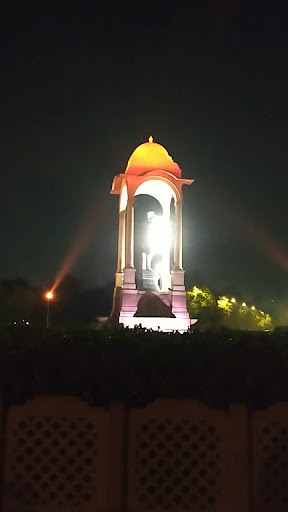
If you are coming here from Central Secretariat metro station route then this statue will not be visible to you directly, it's behind the India Gate. So first of all you need to come to India Gate first and then go behind it, although it starts getting visible the closer you get to India Gate. Competitively it's height is negligible in comparison to India Gate, it should have been more vivid and big at least half of India Gate, though they have given too much space around this statue but I feel it's not that great. It's beautiful though, again at night the lights too are okay but not up to my standard. It doesn't seem special, there was too much darkness from behind, only the lights had focus on the statue but the garden which seems beautiful is not visible. I mean all the attention gets diverted towards the India Gate eventually. The fountain looks more beautiful in my opinion. It was eight pm, closing time, may be due to that they may have dimmed the lights I guess. In my opinion one should visit this place first before dawn and then India Gate. Also they don't allow you to be inside the garden around the statue, that looks unfair to me. One has to watch it from outside that garden area which is around hundred feet or more in my opinion. Anyhow one should visit both before six pm. Early morning after ten am and before evening are best times in winter's. Hot weather is not a nice time to visit this place. Or one needs to be in great health, because one has to walk lot here and get tired. Nothing is handy here, if you have your drinking water with you then it's great else even getting drinking water is comber some. I mean one has to walk a lot for it. Some pictures and videos for viewers to judge themselves.
Lokesh JangraLokesh Jangra
सुभाष चन्द्र बोस (23 जनवरी 1897 - 18 अगस्त 1945) भारत के स्वतन्त्रता संग्राम के अग्रणी तथा सबसे बड़े नेता थे। द्वितीय विश्वयुद्ध के दौरान, अंग्रेज़ों के खिलाफ लड़ने के लिए, उन्होंने जापान के सहयोग से आज़ाद हिन्द फ़ौज का गठन किया था।[3] उनके द्वारा दिया गया "जय हिन्द" का नारा भारत का राष्ट्रीय नारा बन गया है। "तुम मुझे खून दो मैं तुम्हे आजादी दूंगा" का नारा भी उनका था जो उस समय अत्यधिक प्रचलन में आया।[4]भारतवासी उन्हें नेता जी के नाम से सम्बोधित करते हैं। कुछ इतिहासकारों का मानना है कि जब नेता जी ने जापान और जर्मनी से सहायता लेने का प्रयास किया था, तो ब्रिटिश सरकार ने अपने गुप्तचरों को 1941 में उन्हें खत्म करने का आदेश दिया था।[5] नेता जी ने 5 जुलाई 1943 को सिंगापुर के टाउन हाल के सामने 'सुप्रीम कमाण्डर' के रूप में सेना को सम्बोधित करते हुए "दिल्ली चलो!" का नारा दिया और जापानी सेना के साथ मिलकर ब्रिटिश व कामनवेल्थ सेना से बर्मा सहित इम्फाल और कोहिमा में एक साथ जमकर मोर्चा लिया। 21 अक्टूबर 1943 को बोस ने आज़ाद हिंद फौज के सर्वोच्च सेनापति की हैसियत से स्वतंत्र भारत की अस्थायी सरकार बनाई जिसे जर्मनी, जापान, फ़िलीपीन्स, कोरिया, चीन, इटली, मान्चुको और आयरलैंड सहित 11 देशो की सरकारों ने मान्यता दी थी। जापान ने अण्डमान और निकोबार द्वीपसमूह इस अस्थायी सरकार को दे दिए। सुभाष उन द्वीपों में गए और उनका नया नामकरण किया। 1944 को आज़ाद हिंद फौज ने अंग्रेजों पर दोबारा आक्रमण किया और कुछ भारतीय प्रदेशों को अंग्रेजों से मुक्त भी करा लिया। कोहिमा का युद्ध 4 अप्रैल 1944 से 22 जून 1944 तक लड़ा गया एक भयंकर युद्ध था। इस युद्ध में जापानी सेना को पीछे हटना पड़ा था और यही एक महत्वपूर्ण मोड़ सिद्ध हुआ। 6 जुलाई 1944 को उन्होंने रंगून रेडियो स्टेशन से महात्मा गांधी के नाम एक प्रसारण जारी किया जिसमें उन्होंने इस निर्णायक युद्ध में विजय के लिए उनका आशीर्वाद और शुभ कामनाएँ मांगी।[6] नेताजी की मृत्यु को लेकर आज भी विवाद है।[7] जहाँ जापान में प्रतिवर्ष 18 अगस्त को उनका शहीद दिवस धूमधाम से मनाया जाता है वहीं भारत में रहने वाले उनके परिवार के लोगों का आज भी यह मानना है कि सुभाष की मौत 1945 में नहीं हुई। वे उसके बाद रूस में नज़रबन्द थे। यदि ऐसा नहीं है तो भारत सरकार ने उनकी मृत्यु से संबंधित दस्तावेज अब तक सार्वजनिक नहीं किए क्योंकि नेता जी की मृत्यु नहीं हुई थी। [8] 16 जनवरी 2014 (गुरुवार) को कलकत्ता उच्च न्यायालय ने नेता जी के लापता होने के रहस्य से जुड़े खुफिया दस्तावेजों को सार्वजनिक करने की मांग वाली जनहित याचिका पर सुनवाई के लिए विशेष पीठ के गठन का आदेश दिया।[9] आज़ाद हिन्द सरकार के 75 वर्ष पूर्ण होने पर इतिहास में पहली बार वर्ष 2018 में भारत के प्रधानमन्त्री नरेन्द्र मोदी ने लाल क़िला पर तिरंगा फहराया। 23 जनवरी 2021 को नेताजी की 125वीं जयंती है जिसे भारत सरकार के निर्णय के तहत पराक्रम दिवस के रूप में मनाया गया ।8 सितम्बर 2022 को नई दिल्ली में राजपथ, जिसका नामकरण कर्तव्यपथ किया गया है , पर नेताजी की विशाल प्रतिमा का अनावरण किया गया । हिरोशिमा और नागासाकी के विध्वंस के बाद सारे संदर्भ ही बदल गये। आत्मसमर्पण के उपरान्त जापान चार-पाँच वर्षों तक अमेरिका के पाँवों तले कराहता रहा। यही कारण था कि नेताजी और आजाद हिन्द सेना का रोमहर्षक इतिहास टोकियो के अभिलेखागार में वर्षों तक पड़ा धूल खाता रहा। नवम्बर 1945 में दिल्ली के लाल किले में आजाद हिन्द फौज पर चलाये गये मुकदमे ने नेताजी के यश में वर्णनातीत वृद्धि की और वे लोकप्रियता के शिखर पर जा पहुँचे। अंग्रेजों के द्वारा किए गये विधिवत दुष्प्रचार तथा तत्कालीन प्रमुख राजनीतिक दलों द्वारा सुभाष के विरोध के बावजूद सारे देश को झकझोर देनेवाले उस मुकदमे के बाद माताएँ अपने बेटों को ‘सुभाष’ का नाम देने में गर्व का अनुभव करने लगीं। घर–घर में राणा प्रताप और छत्रपति शिवाजी महाराज के जोड़ पर नेताजी का चित्र भी दिखाई देने लगा। आजाद हिन्द फौज के माध्यम से भारत को अंग्रेजों के चंगुल से आजाद करने का नेताजी का प्रयास प्रत्यक्ष रूप में सफल नहीं हो सका किन्तु उसका दूरगामी परिणाम हुआ। सन् १९४६ के नौसेना विद्रोह इसका उदाहरण है। नौसेना विद्रोह के बाद ही ब्रिटेन को विश्वास हो गया कि अब भारतीय सेना के बल पर भारत में शासन नहीं किया जा सकता और भारत को स्वतन्त्र करने के अलावा उनके पास कोई दूसरा विकल्प नहीं बचा। आजाद हिन्द फौज को छोड़कर विश्व-इतिहास में ऐसा कोई भी दृष्टांत नहीं मिलता जहाँ तीस-पैंतीस हजार युद्धबन्दियों ने संगठित होकर अपने देश की आजादी के लिए ऐसा प्रबल संघर्ष छेड़ा हो। जहाँ स्वतन्त्रता से पूर्व विदेशी शासक नेताजी की सामर्थ्य से घबराते रहे, तो स्वतन्त्रता के उपरान्त देशी सत्ताधीश जनमानस पर उनके व्यक्तित्व और कर्तृ
See more posts
See more posts
hotel
Find your stay

Pet-friendly Hotels in New Delhi

Find a cozy hotel nearby and make it a full experience.

The Subhas Chandra Bose Canopy, located in front of India Gate in New Delhi, is a historic and significant monument that pays tribute to one of India's most revered freedom fighters. Visiting this canopy is like taking a journey through time to the era of India's struggle for independence. The canopy itself is an architectural marvel, designed with intricate detailing and a distinctive blend of Indian and European architectural styles. It stands as a testament to the indomitable spirit of Netaji Subhas Chandra Bose, a visionary leader who played a pivotal role in the fight against British colonial rule. The location of the canopy, in close proximity to India Gate, creates a powerful symbolism of unity and sacrifice. It serves as a reminder that the struggle for freedom was led by numerous brave souls, and Subhas Chandra Bose was a luminary among them. The serene and well-maintained surroundings of the canopy make it an ideal place for contemplation and reflection. As you stand beneath the canopy and gaze at the statue of Netaji, you can't help but feel a sense of reverence and inspiration. The statue captures his determined and resolute demeanor, which fueled his relentless pursuit of independence for India. Visiting the Subhas Chandra Bose Canopy is not just a historical excursion; it's a chance to connect with the ideals and principles that drove India's quest for freedom. It's a place where one can pay homage to the visionaries who shaped the destiny of the nation. In conclusion, the Subhas Chandra Bose Canopy in front of India Gate is a fitting tribute to a charismatic leader who left an indelible mark on India's history. It stands as a reminder of the sacrifices made and the unwavering determination that ultimately led to India's independence. A visit to this monument is a journey into the heart of India's freedom struggle and a source of inspiration for generations to come.
Chaithresh

Chaithresh

hotel
Find your stay

Affordable Hotels in New Delhi

Find a cozy hotel nearby and make it a full experience.

Get the Appoverlay
Get the AppOne tap to find yournext favorite spots!
If you are coming here from Central Secretariat metro station route then this statue will not be visible to you directly, it's behind the India Gate. So first of all you need to come to India Gate first and then go behind it, although it starts getting visible the closer you get to India Gate. Competitively it's height is negligible in comparison to India Gate, it should have been more vivid and big at least half of India Gate, though they have given too much space around this statue but I feel it's not that great. It's beautiful though, again at night the lights too are okay but not up to my standard. It doesn't seem special, there was too much darkness from behind, only the lights had focus on the statue but the garden which seems beautiful is not visible. I mean all the attention gets diverted towards the India Gate eventually. The fountain looks more beautiful in my opinion. It was eight pm, closing time, may be due to that they may have dimmed the lights I guess. In my opinion one should visit this place first before dawn and then India Gate. Also they don't allow you to be inside the garden around the statue, that looks unfair to me. One has to watch it from outside that garden area which is around hundred feet or more in my opinion. Anyhow one should visit both before six pm. Early morning after ten am and before evening are best times in winter's. Hot weather is not a nice time to visit this place. Or one needs to be in great health, because one has to walk lot here and get tired. Nothing is handy here, if you have your drinking water with you then it's great else even getting drinking water is comber some. I mean one has to walk a lot for it. Some pictures and videos for viewers to judge themselves.
Amit K Khurana (A K K)

Amit K Khurana (A K K)

hotel
Find your stay

The Coolest Hotels You Haven't Heard Of (Yet)

Find a cozy hotel nearby and make it a full experience.

hotel
Find your stay

Trending Stays Worth the Hype in New Delhi

Find a cozy hotel nearby and make it a full experience.

सुभाष चन्द्र बोस (23 जनवरी 1897 - 18 अगस्त 1945) भारत के स्वतन्त्रता संग्राम के अग्रणी तथा सबसे बड़े नेता थे। द्वितीय विश्वयुद्ध के दौरान, अंग्रेज़ों के खिलाफ लड़ने के लिए, उन्होंने जापान के सहयोग से आज़ाद हिन्द फ़ौज का गठन किया था।[3] उनके द्वारा दिया गया "जय हिन्द" का नारा भारत का राष्ट्रीय नारा बन गया है। "तुम मुझे खून दो मैं तुम्हे आजादी दूंगा" का नारा भी उनका था जो उस समय अत्यधिक प्रचलन में आया।[4]भारतवासी उन्हें नेता जी के नाम से सम्बोधित करते हैं। कुछ इतिहासकारों का मानना है कि जब नेता जी ने जापान और जर्मनी से सहायता लेने का प्रयास किया था, तो ब्रिटिश सरकार ने अपने गुप्तचरों को 1941 में उन्हें खत्म करने का आदेश दिया था।[5] नेता जी ने 5 जुलाई 1943 को सिंगापुर के टाउन हाल के सामने 'सुप्रीम कमाण्डर' के रूप में सेना को सम्बोधित करते हुए "दिल्ली चलो!" का नारा दिया और जापानी सेना के साथ मिलकर ब्रिटिश व कामनवेल्थ सेना से बर्मा सहित इम्फाल और कोहिमा में एक साथ जमकर मोर्चा लिया। 21 अक्टूबर 1943 को बोस ने आज़ाद हिंद फौज के सर्वोच्च सेनापति की हैसियत से स्वतंत्र भारत की अस्थायी सरकार बनाई जिसे जर्मनी, जापान, फ़िलीपीन्स, कोरिया, चीन, इटली, मान्चुको और आयरलैंड सहित 11 देशो की सरकारों ने मान्यता दी थी। जापान ने अण्डमान और निकोबार द्वीपसमूह इस अस्थायी सरकार को दे दिए। सुभाष उन द्वीपों में गए और उनका नया नामकरण किया। 1944 को आज़ाद हिंद फौज ने अंग्रेजों पर दोबारा आक्रमण किया और कुछ भारतीय प्रदेशों को अंग्रेजों से मुक्त भी करा लिया। कोहिमा का युद्ध 4 अप्रैल 1944 से 22 जून 1944 तक लड़ा गया एक भयंकर युद्ध था। इस युद्ध में जापानी सेना को पीछे हटना पड़ा था और यही एक महत्वपूर्ण मोड़ सिद्ध हुआ। 6 जुलाई 1944 को उन्होंने रंगून रेडियो स्टेशन से महात्मा गांधी के नाम एक प्रसारण जारी किया जिसमें उन्होंने इस निर्णायक युद्ध में विजय के लिए उनका आशीर्वाद और शुभ कामनाएँ मांगी।[6] नेताजी की मृत्यु को लेकर आज भी विवाद है।[7] जहाँ जापान में प्रतिवर्ष 18 अगस्त को उनका शहीद दिवस धूमधाम से मनाया जाता है वहीं भारत में रहने वाले उनके परिवार के लोगों का आज भी यह मानना है कि सुभाष की मौत 1945 में नहीं हुई। वे उसके बाद रूस में नज़रबन्द थे। यदि ऐसा नहीं है तो भारत सरकार ने उनकी मृत्यु से संबंधित दस्तावेज अब तक सार्वजनिक नहीं किए क्योंकि नेता जी की मृत्यु नहीं हुई थी। [8] 16 जनवरी 2014 (गुरुवार) को कलकत्ता उच्च न्यायालय ने नेता जी के लापता होने के रहस्य से जुड़े खुफिया दस्तावेजों को सार्वजनिक करने की मांग वाली जनहित याचिका पर सुनवाई के लिए विशेष पीठ के गठन का आदेश दिया।[9] आज़ाद हिन्द सरकार के 75 वर्ष पूर्ण होने पर इतिहास में पहली बार वर्ष 2018 में भारत के प्रधानमन्त्री नरेन्द्र मोदी ने लाल क़िला पर तिरंगा फहराया। 23 जनवरी 2021 को नेताजी की 125वीं जयंती है जिसे भारत सरकार के निर्णय के तहत पराक्रम दिवस के रूप में मनाया गया ।8 सितम्बर 2022 को नई दिल्ली में राजपथ, जिसका नामकरण कर्तव्यपथ किया गया है , पर नेताजी की विशाल प्रतिमा का अनावरण किया गया । हिरोशिमा और नागासाकी के विध्वंस के बाद सारे संदर्भ ही बदल गये। आत्मसमर्पण के उपरान्त जापान चार-पाँच वर्षों तक अमेरिका के पाँवों तले कराहता रहा। यही कारण था कि नेताजी और आजाद हिन्द सेना का रोमहर्षक इतिहास टोकियो के अभिलेखागार में वर्षों तक पड़ा धूल खाता रहा। नवम्बर 1945 में दिल्ली के लाल किले में आजाद हिन्द फौज पर चलाये गये मुकदमे ने नेताजी के यश में वर्णनातीत वृद्धि की और वे लोकप्रियता के शिखर पर जा पहुँचे। अंग्रेजों के द्वारा किए गये विधिवत दुष्प्रचार तथा तत्कालीन प्रमुख राजनीतिक दलों द्वारा सुभाष के विरोध के बावजूद सारे देश को झकझोर देनेवाले उस मुकदमे के बाद माताएँ अपने बेटों को ‘सुभाष’ का नाम देने में गर्व का अनुभव करने लगीं। घर–घर में राणा प्रताप और छत्रपति शिवाजी महाराज के जोड़ पर नेताजी का चित्र भी दिखाई देने लगा। आजाद हिन्द फौज के माध्यम से भारत को अंग्रेजों के चंगुल से आजाद करने का नेताजी का प्रयास प्रत्यक्ष रूप में सफल नहीं हो सका किन्तु उसका दूरगामी परिणाम हुआ। सन् १९४६ के नौसेना विद्रोह इसका उदाहरण है। नौसेना विद्रोह के बाद ही ब्रिटेन को विश्वास हो गया कि अब भारतीय सेना के बल पर भारत में शासन नहीं किया जा सकता और भारत को स्वतन्त्र करने के अलावा उनके पास कोई दूसरा विकल्प नहीं बचा। आजाद हिन्द फौज को छोड़कर विश्व-इतिहास में ऐसा कोई भी दृष्टांत नहीं मिलता जहाँ तीस-पैंतीस हजार युद्धबन्दियों ने संगठित होकर अपने देश की आजादी के लिए ऐसा प्रबल संघर्ष छेड़ा हो। जहाँ स्वतन्त्रता से पूर्व विदेशी शासक नेताजी की सामर्थ्य से घबराते रहे, तो स्वतन्त्रता के उपरान्त देशी सत्ताधीश जनमानस पर उनके व्यक्तित्व और कर्तृ
Lokesh Jangra

Lokesh Jangra

See more posts
See more posts

Reviews of Netaji Subhash Chandra Bose Canopy Delhi

4.7
(508)
avatar
5.0
5y

Visitors to Delhi are usually delighted to be driven around the area of the city known as New Delhi or Lutyens’ Delhi. It’s a vast area of broad, leafy streets and gracious buildings designed by British architect Sir Edwin Lutyens to be the capital of the British Raj, the seat of power for their “Jewel in the Crown.”

The centre point is India Gate, which is bisected by Raj Path—formerly King’s Way—and makes for a very impressive imperial vista. However, the empty cupola that lines up a few meters behind India Gate presents a head-scratching mystery to the uninitiated. The answer lies in an ancient prophecy: “Whosoever builds a new city in Delhi will lose it.” Delhi has been the capital city of at least seven or eight great epochs, and probably several more lesser ones. But every conqueror gets conquered and loses the city, some believe due to the prophecy. The British are only the most recent. They declared Delhi the capital of British India in 1911, built a glorious planned city, and lost it in 1947—a mere 36 years of rule from Delhi. After India declared independence on August 15, 1947, the Indian people pulled down the statue of King George V that had stood in the canopy behind India Gate, and left it empty as mute testimony to their struggle and their victory. The empty canopy is just one of countless monuments, forts, tombs, and other ruins, scattered throughout the city, that tell the story of Delhi’s many epochs, and point to the truth in the ancient prophecy. The Mughal dynasty ruled India before the British occupation superseded them in the mid-19th century. Red Fort was once the opulent home and seat of power of the Mughal Emperor Shah Jahan, better known as the builder of the Taj Mahal. He moved the capital to Delhi from Agra and began construction on the Red Fort, a massive citadel that took 10 years to complete, in 1639. The area around Red Fort, called Shajahanabad, was also developed to include Chandni Chowk, which means “moonlight square.” It was designed by the emperor’s favourite daughter Princess Jahanara Begum, to include a series of canals that reflected moonlight. Today, Red Fort is a UNESCO World Heritage site, and the former glorious capital is called Old Delhi—an area of the city notorious for overcrowded markets, chaotic narrow lanes, dilapidated buildings, and masses of tangled electrical wires that defy believability. Old Delhi is but another example of a lost empire, though the Mughals did hold it for about 200 years until it fell into British hands after the 1857 uprising. The history of Delhi goes all the way back to the Mahabharata, the great epic of ancient India. The Pandavas cleared an area to establish their kingdom Indraprastha on the banks of the Yamuna river, where Delhi now stands. Much more recently, between 1100 and 1947, there have been eight capital cities in Delhi—though historians often refer to the “Seven Cities of Delhi.” They are: The oldest city, near the site of the Qutab Minar; Siri; Tughlqabad; Jahanpanah; Firozobad; the city around Purana Qila; Shahjahanabad; and New Delhi. All of these civilizations have left behind remnants, and three of them are UNESCO World Heritage sites: Qutab Minar, Red Fort, and Humayun’s Tomb. You can visit the Qutab Minar complex, and see the crumbling walls of Siri Fort. Purana Qila is still standing and of course Red Fort and Old Delhi are top tourist attractions. Each one is a living reminder of the...

   Read more
avatar
5.0
2y

The Subhas Chandra Bose Canopy, located in front of India Gate in New Delhi, is a historic and significant monument that pays tribute to one of India's most revered freedom fighters. Visiting this canopy is like taking a journey through time to the era of India's struggle for independence.

The canopy itself is an architectural marvel, designed with intricate detailing and a distinctive blend of Indian and European architectural styles. It stands as a testament to the indomitable spirit of Netaji Subhas Chandra Bose, a visionary leader who played a pivotal role in the fight against British colonial rule.

The location of the canopy, in close proximity to India Gate, creates a powerful symbolism of unity and sacrifice. It serves as a reminder that the struggle for freedom was led by numerous brave souls, and Subhas Chandra Bose was a luminary among them.

The serene and well-maintained surroundings of the canopy make it an ideal place for contemplation and reflection. As you stand beneath the canopy and gaze at the statue of Netaji, you can't help but feel a sense of reverence and inspiration. The statue captures his determined and resolute demeanor, which fueled his relentless pursuit of independence for India.

Visiting the Subhas Chandra Bose Canopy is not just a historical excursion; it's a chance to connect with the ideals and principles that drove India's quest for freedom. It's a place where one can pay homage to the visionaries who shaped the destiny of the nation.

In conclusion, the Subhas Chandra Bose Canopy in front of India Gate is a fitting tribute to a charismatic leader who left an indelible mark on India's history. It stands as a reminder of the sacrifices made and the unwavering determination that ultimately led to India's independence. A visit to this monument is a journey into the heart of India's freedom struggle and a source of inspiration for...

   Read more
avatar
4.0
1y

If you are coming here from Central Secretariat metro station route then this statue will not be visible to you directly, it's behind the India Gate. So first of all you need to come to India Gate first and then go behind it, although it starts getting visible the closer you get to India Gate. Competitively it's height is negligible in comparison to India Gate, it should have been more vivid and big at least half of India Gate, though they have given too much space around this statue but I feel it's not that great. It's beautiful though, again at night the lights too are okay but not up to my standard. It doesn't seem special, there was too much darkness from behind, only the lights had focus on the statue but the garden which seems beautiful is not visible. I mean all the attention gets diverted towards the India Gate eventually. The fountain looks more beautiful in my opinion. It was eight pm, closing time, may be due to that they may have dimmed the lights I guess. In my opinion one should visit this place first before dawn and then India Gate. Also they don't allow you to be inside the garden around the statue, that looks unfair to me. One has to watch it from outside that garden area which is around hundred feet or more in my opinion. Anyhow one should visit both before six pm. Early morning after ten am and before evening are best times in winter's. Hot weather is not a nice time to visit this place. Or one needs to be in great health, because one has to walk lot here and get tired. Nothing is handy here, if you have your drinking water with you then it's great else even getting drinking water is comber some. I mean one has to walk a lot for it. Some pictures and videos for viewers to...

   Read more
Page 1 of 7
Previous
Next