HTML SitemapExplore

Parliament of India — Attraction in New Delhi

Name
Parliament of India
Description
Nearby attractions
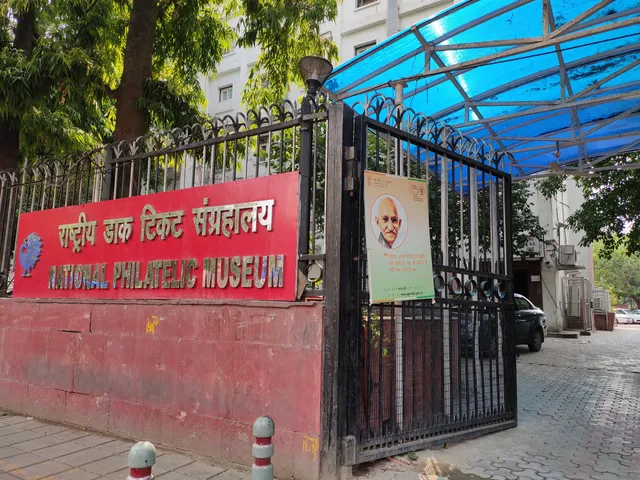
National Philatelic Museum
J6F7+36G Dak Bhawan, Dak Bhavan, Sardar Patel Chowk, Sansad Marg, Sansad Marg Area, New Delhi, Delhi 110001, India
Indira Gandhi National Centre for the Arts
Janpath Building, near Western Court, Janpath, New Delhi, Delhi 110001, India
Jaipur Column
J672+PP4, Rashtrapati Bhawan, Raisina Hills, New Delhi, Delhi 110001, India
DAG
22A, Janpath Rd, Windsor Place, New Delhi, Delhi 110001, India
India Gate
J679+93V, Kartavya Path, Rajpath Area, Central Secretariat, New Delhi, Delhi 110001, India
Statue of Kamaraj
J655+F94, Meena Bagh, Krishna Manon Lane Area, New Delhi, Delhi 110011, India
Nearby restaurants
Article Twenty One Restaurant
Ground floor, Rafi Marg, inside Constitutional Club of India, Sansad Marg Area, New Delhi, Delhi, 110001, India
PTI Canteen
Press Trust Of India, Ground floor, PTI building, 4, Sansad Marg, Gokul Nagar, Sansad Marg Area, New Delhi, Delhi 110001, India
Cine Tree Cafe | Best Coffee shop near Connaught place
Rafi Marg, behind RBI Bank Inside Constitutional Club of India, Sansad Marg Area, New Delhi, Delhi 110001, India
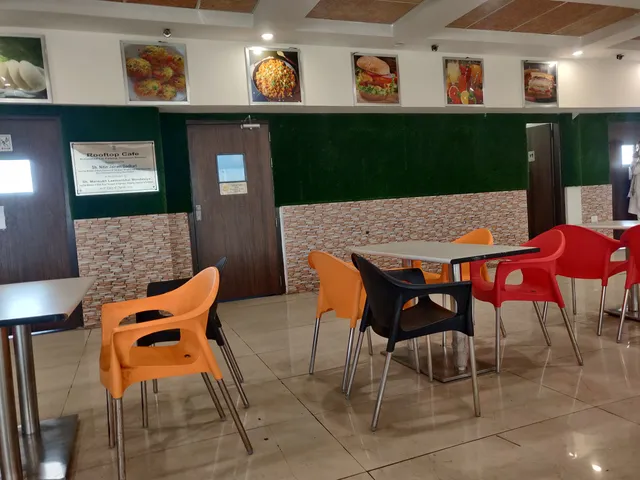
Roof Top Cafe Transport Bhawan
Gokul Nagar, Sansad Marg Area, New Delhi, Delhi 110001, India
katmandu
Kartavya Path, Rajpath Area, Raisina Hills, New Delhi, Delhi 110011, India
Sarvana palace
J675+HJC, Rajpath Area, Central Secretariat, New Delhi, Delhi 110011, India
The Indian Momo Co & Chinese
Metro Station, Rajpath Area, Central Secretariat, New Delhi, Delhi 110001, India
Chole Bhature Stall
J687+WMP, Windsor Place, New Delhi, Delhi 110001, India
The One, Le Meridien
Windsor Place, New Delhi, Delhi 110001, India
Tamra Restaurant
Level 1 Shangri-La Eros New Delhi, 19, Ashoka Rd, Janpath, Connaught Place, New Delhi, Delhi 110001, India
Nearby hotels
Le Méridien New Delhi
Windsor Pl, Connaught Place, New Delhi, Delhi 110001, India
Hotel The Royal Plaza
19, Ashoka Rd, Janpath, Connaught Place, New Delhi, Delhi 110001, India
Shangri-La Eros New Delhi
19, Ashoka Rd, Janpath, Connaught Place, New Delhi, Delhi 110001, India
Bloomrooms @ Janpath
1, Janpath Rd, near Ram Mandir, Janpath, Connaught Place, New Delhi, Delhi 110001, India
Blue Triangle Family Hostel YWCA OF DELHI
Ashoka Rd, Janpath, Connaught Place, New Delhi, Delhi 110001, India
Related posts
Keywords
Parliament of India tourism.Parliament of India hotels.Parliament of India bed and breakfast. flights to Parliament of India.Parliament of India attractions.Parliament of India restaurants.Parliament of India travel.Parliament of India travel guide.Parliament of India travel blog.Parliament of India pictures.Parliament of India photos.Parliament of India travel tips.Parliament of India maps.Parliament of India things to do.
Parliament of India things to do, attractions, restaurants, events info and trip planning
Parliament of India
IndiaDelhiNew DelhiParliament of India

Basic Info

Parliament of India

118, Rafi Marg, Sansad Marg Area, New Delhi, Delhi 110001, India
4.7(249)
Open 24 hours
Save
spot

Ratings & Description

Info

Cultural
Accessibility
attractions: National Philatelic Museum, Indira Gandhi National Centre for the Arts, Jaipur Column, DAG, India Gate, Statue of Kamaraj, restaurants: Article Twenty One Restaurant, PTI Canteen, Cine Tree Cafe | Best Coffee shop near Connaught place, Roof Top Cafe Transport Bhawan, katmandu, Sarvana palace, The Indian Momo Co & Chinese, Chole Bhature Stall, The One, Le Meridien, Tamra Restaurant

logoLearn more insights from Wanderboat AI.
Website
sansad.in

Plan your stay

hotel
Pet-friendly Hotels in New Delhi
Find a cozy hotel nearby and make it a full experience.
hotel
Affordable Hotels in New Delhi
Find a cozy hotel nearby and make it a full experience.
hotel
The Coolest Hotels You Haven't Heard Of (Yet)
Find a cozy hotel nearby and make it a full experience.
hotel
Trending Stays Worth the Hype in New Delhi
Find a cozy hotel nearby and make it a full experience.

Reviews

Nearby attractions of Parliament of India

National Philatelic Museum

Indira Gandhi National Centre for the Arts

Jaipur Column

DAG

India Gate

Statue of Kamaraj

National Philatelic Museum

National Philatelic Museum

4.4

(252)

Open 24 hours
Click for details
Indira Gandhi National Centre for the Arts

Indira Gandhi National Centre for the Arts

4.3

(2.2K)

Open 24 hours
Click for details
Jaipur Column

Jaipur Column

4.6

(132)

Open 24 hours
Click for details
DAG

DAG

4.4

(198)

Open 24 hours
Click for details

Things to do nearby

Taj Mahal Sunrise & Agra Fort Day Tour from Delhi
Sat, Jan 3 • 3:00 AM
New Delhi, Delhi, 110001, India
View details
Chandni Chowk Food Tour with 15-plus tastings
Sat, Jan 3 • 10:30 AM
New Delhi, Delhi, 110006, India
View details
Taj Mahal & Agra Tour from Delhi by Express Train
Sat, Jan 3 • 5:30 PM
New Delhi, Delhi, India
View details

Nearby restaurants of Parliament of India

Article Twenty One Restaurant

PTI Canteen

Cine Tree Cafe | Best Coffee shop near Connaught place

Roof Top Cafe Transport Bhawan

katmandu

Sarvana palace

The Indian Momo Co & Chinese

Chole Bhature Stall

The One, Le Meridien

Tamra Restaurant

Article Twenty One Restaurant

Article Twenty One Restaurant

4.5

(668)

$$

Closed
Click for details
PTI Canteen

PTI Canteen

3.9

(121)

Click for details
Cine Tree Cafe | Best Coffee shop near Connaught place

Cine Tree Cafe | Best Coffee shop near Connaught place

4.0

(401)

Click for details
Roof Top Cafe Transport Bhawan

Roof Top Cafe Transport Bhawan

4.3

(24)

Click for details
Get the Appoverlay
Get the AppOne tap to find yournext favorite spots!
Wanderboat LogoWanderboat

Your everyday Al companion for getaway ideas

CompanyAbout Us
InformationAI Trip PlannerSitemap
SocialXInstagramTiktokLinkedin
LegalTerms of ServicePrivacy Policy

Get the app

© 2025 Wanderboat. All rights reserved.

Posts

Mohsin AshianMohsin Ashian
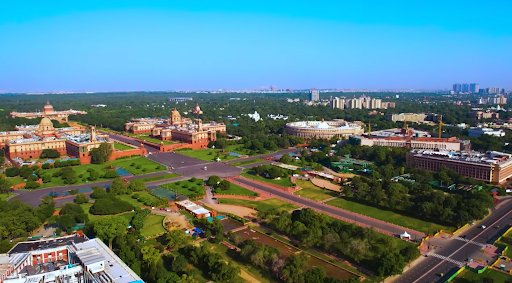
Indian Parliament – The Temple of Democracy** The Indian Parliament is the supreme legislative body of the Republic of India and a cornerstone of the nation’s democratic framework. Located in New Delhi, this historic institution plays a pivotal role in shaping the laws, policies, and future of the country. It comprises two houses: the **Rajya Sabha** (Council of States) and the **Lok Sabha** (House of the People). Together, they represent the voices of over 1.4 billion citizens, making it one of the largest and most vibrant democratic institutions in the world. The Parliament House, originally designed by British architects Edwin Lutyens and Herbert Baker, was completed in 1927. Its circular structure and 144 majestic columns represent the blend of Indian and Western architectural styles. In 2023, a **new Parliament building** was inaugurated as part of the Central Vista redevelopment project. The new structure is more modern, eco-friendly, and technologically advanced, while still reflecting India’s cultural heritage through motifs, artwork, and materials from across the country. The Parliament is not just a building, but a living institution. It is where national policies are debated, laws are passed, budgets are discussed, and the government is held accountable. The Lok Sabha is composed of members directly elected by the people, while the Rajya Sabha members are elected by the legislative assemblies of the states and union territories. This bicameral system ensures a balance between regional and national interests. Over the decades, the Indian Parliament has witnessed historic events that shaped the destiny of the nation—from the adoption of the Constitution in 1950 to landmark debates on social, economic, and political reforms. It has played a crucial role in the implementation of major legislations such as land reforms, economic liberalization, and various social welfare schemes. However, like any democratic institution, it has faced criticism. Disruptions, lack of productive debate, and declining decorum in recent years have raised concerns among citizens and political observers. Despite these challenges, Parliament remains the most powerful and essential platform for democratic discourse and decision-making in India. The new Parliament building is equipped with state-of-the-art digital systems, larger seating capacity, and improved infrastructure to facilitate smoother and more inclusive proceedings. It also features a grand Constitution Hall, showcasing India’s journey from colonial rule to democracy. This symbolizes not only progress but also respect for the nation’s foundational values. Visiting the Parliament is a deeply educational experience. It inspires awe and reverence, especially when one observes the sessions live from the galleries or explores the historic exhibits. It serves as a reminder of the responsibilities of citizenship and the value of democratic participation. In conclusion, the Indian Parliament is more than just a seat of power. It is a symbol of the people’s will, the diversity of India, and the spirit of democracy. It stands tall as a guardian of the Constitution and a beacon of the nation’s democratic ethos.
Surajit SenSurajit Sen
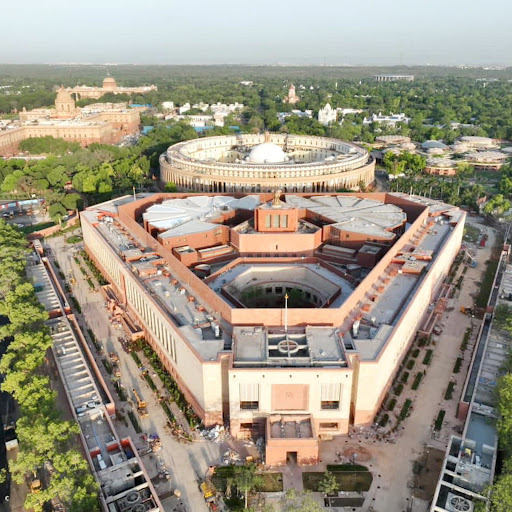
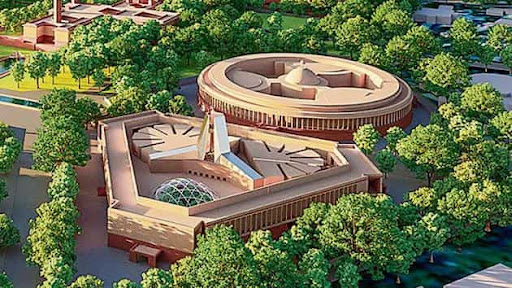
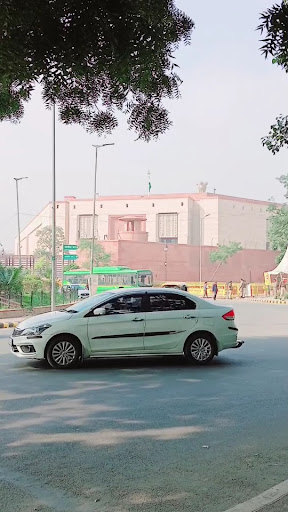
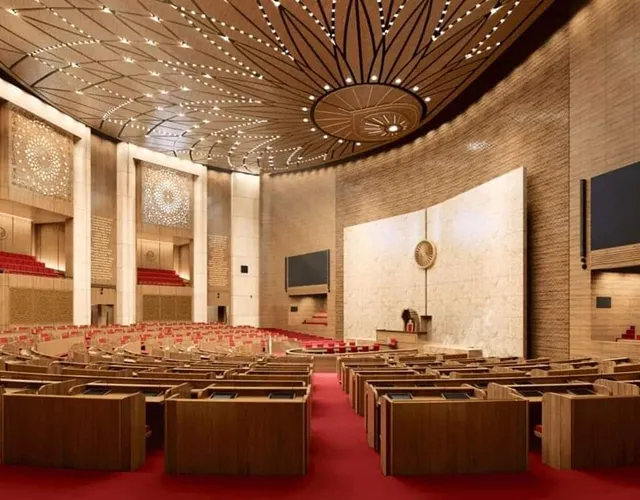
As part of India's Central Vista Redevelopment Project, a new parliament building is currently under construction in New Delhi. Once completed, it will be the seat of the Parliament of India, which currently occupies Parliament House, located directly opposite the new building's site. The building will have a life of more than 150 years. The current Parliament building will be retained as an archeological asset of the country, and will be modified for more functional spaces for parliament. The project with an estimated budget of ₹971 crore (US$140 million) is expected to be completed in 2024. TATA projects won the bid to construct the building at a cost of 861.9 crores in September 2020, and began construction in January 2021. It is designed to be earthquake resistant, and will incorporate architectural styles from different parts of India. The proposed chambers for the Lok Sabha and the Rajya Sabha will have large seating capacities to accommodate more members than are currently present, since the number of MPs may increase with India's growing population, and consequent future delimitation. The Lok Sabha may need to have 888 members by 2026. The new complex will have 888 seats in the Lok Sabha chamber, and 384 seats in the Rajya Sabha chamber. Unlike the present parliament building, it will not have a central hall, and the Lok Sabha chamber itself will be able to house 1,224 members, in case of a joint session. The rest of the building will have 4 floors, with offices of ministers and committee rooms. The building will have a built area of 20,866 m² (excluding open-sky area within the structure), which makes it 4022 m² (approximately 1 acre), more spacious than existing circular structure of 16,844 m² (diameter 170 m), excluding its open area.
SUJIT NaNDiSUJIT NaNDi
In September 2021, there were plans to construct a new Parliament House New Delhi India. The proposed new Parliament building was part of the Central Vista Redevelopment Project, which aimed to revamp the central government district in New Delhi. The existing Parliament House, designed by Edwin Lutyens, was considered to be inadequate to accommodate the growing number of members of parliament and the modern needs of governance. The new Parliament House was designed to be a modern and technologically advanced structure while maintaining some architectural elements to harmonize with the existing buildings in the area. The new building's design was intended to accommodate more seating for members, better facilities for meetings, and upgraded technology. The new complex has 888 seats in the Lok Sabha chamber and 384 seats in the Rajya Sabha chamber. Unlike the old parliament building, it does not have a central hall. The Lok Sabha chamber able to house 1,272 members in case of a joint session. However, it's common for important government buildings to incorporate design elements that reflect the culture, history, and values of the nation. The interior decoration of the new Parliament House would likely aim to strike a balance between modern functionality and traditional aesthetics, while also ensuring a dignified and functional space for parliamentary proceedings.
See more posts
See more posts
hotel
Find your stay

Pet-friendly Hotels in New Delhi

Find a cozy hotel nearby and make it a full experience.

Indian Parliament – The Temple of Democracy** The Indian Parliament is the supreme legislative body of the Republic of India and a cornerstone of the nation’s democratic framework. Located in New Delhi, this historic institution plays a pivotal role in shaping the laws, policies, and future of the country. It comprises two houses: the **Rajya Sabha** (Council of States) and the **Lok Sabha** (House of the People). Together, they represent the voices of over 1.4 billion citizens, making it one of the largest and most vibrant democratic institutions in the world. The Parliament House, originally designed by British architects Edwin Lutyens and Herbert Baker, was completed in 1927. Its circular structure and 144 majestic columns represent the blend of Indian and Western architectural styles. In 2023, a **new Parliament building** was inaugurated as part of the Central Vista redevelopment project. The new structure is more modern, eco-friendly, and technologically advanced, while still reflecting India’s cultural heritage through motifs, artwork, and materials from across the country. The Parliament is not just a building, but a living institution. It is where national policies are debated, laws are passed, budgets are discussed, and the government is held accountable. The Lok Sabha is composed of members directly elected by the people, while the Rajya Sabha members are elected by the legislative assemblies of the states and union territories. This bicameral system ensures a balance between regional and national interests. Over the decades, the Indian Parliament has witnessed historic events that shaped the destiny of the nation—from the adoption of the Constitution in 1950 to landmark debates on social, economic, and political reforms. It has played a crucial role in the implementation of major legislations such as land reforms, economic liberalization, and various social welfare schemes. However, like any democratic institution, it has faced criticism. Disruptions, lack of productive debate, and declining decorum in recent years have raised concerns among citizens and political observers. Despite these challenges, Parliament remains the most powerful and essential platform for democratic discourse and decision-making in India. The new Parliament building is equipped with state-of-the-art digital systems, larger seating capacity, and improved infrastructure to facilitate smoother and more inclusive proceedings. It also features a grand Constitution Hall, showcasing India’s journey from colonial rule to democracy. This symbolizes not only progress but also respect for the nation’s foundational values. Visiting the Parliament is a deeply educational experience. It inspires awe and reverence, especially when one observes the sessions live from the galleries or explores the historic exhibits. It serves as a reminder of the responsibilities of citizenship and the value of democratic participation. In conclusion, the Indian Parliament is more than just a seat of power. It is a symbol of the people’s will, the diversity of India, and the spirit of democracy. It stands tall as a guardian of the Constitution and a beacon of the nation’s democratic ethos.
Mohsin Ashian

Mohsin Ashian

hotel
Find your stay

Affordable Hotels in New Delhi

Find a cozy hotel nearby and make it a full experience.

Get the Appoverlay
Get the AppOne tap to find yournext favorite spots!
As part of India's Central Vista Redevelopment Project, a new parliament building is currently under construction in New Delhi. Once completed, it will be the seat of the Parliament of India, which currently occupies Parliament House, located directly opposite the new building's site. The building will have a life of more than 150 years. The current Parliament building will be retained as an archeological asset of the country, and will be modified for more functional spaces for parliament. The project with an estimated budget of ₹971 crore (US$140 million) is expected to be completed in 2024. TATA projects won the bid to construct the building at a cost of 861.9 crores in September 2020, and began construction in January 2021. It is designed to be earthquake resistant, and will incorporate architectural styles from different parts of India. The proposed chambers for the Lok Sabha and the Rajya Sabha will have large seating capacities to accommodate more members than are currently present, since the number of MPs may increase with India's growing population, and consequent future delimitation. The Lok Sabha may need to have 888 members by 2026. The new complex will have 888 seats in the Lok Sabha chamber, and 384 seats in the Rajya Sabha chamber. Unlike the present parliament building, it will not have a central hall, and the Lok Sabha chamber itself will be able to house 1,224 members, in case of a joint session. The rest of the building will have 4 floors, with offices of ministers and committee rooms. The building will have a built area of 20,866 m² (excluding open-sky area within the structure), which makes it 4022 m² (approximately 1 acre), more spacious than existing circular structure of 16,844 m² (diameter 170 m), excluding its open area.
Surajit Sen

Surajit Sen

hotel
Find your stay

The Coolest Hotels You Haven't Heard Of (Yet)

Find a cozy hotel nearby and make it a full experience.

hotel
Find your stay

Trending Stays Worth the Hype in New Delhi

Find a cozy hotel nearby and make it a full experience.

In September 2021, there were plans to construct a new Parliament House New Delhi India. The proposed new Parliament building was part of the Central Vista Redevelopment Project, which aimed to revamp the central government district in New Delhi. The existing Parliament House, designed by Edwin Lutyens, was considered to be inadequate to accommodate the growing number of members of parliament and the modern needs of governance. The new Parliament House was designed to be a modern and technologically advanced structure while maintaining some architectural elements to harmonize with the existing buildings in the area. The new building's design was intended to accommodate more seating for members, better facilities for meetings, and upgraded technology. The new complex has 888 seats in the Lok Sabha chamber and 384 seats in the Rajya Sabha chamber. Unlike the old parliament building, it does not have a central hall. The Lok Sabha chamber able to house 1,272 members in case of a joint session. However, it's common for important government buildings to incorporate design elements that reflect the culture, history, and values of the nation. The interior decoration of the new Parliament House would likely aim to strike a balance between modern functionality and traditional aesthetics, while also ensuring a dignified and functional space for parliamentary proceedings.
SUJIT NaNDi

SUJIT NaNDi

See more posts
See more posts

Reviews of Parliament of India

4.7
(249)
avatar
5.0
2y

The New Parliament Building in India

The New Parliament Building in India is a grand architectural masterpiece that truly reflects the spirit and aspirations of the nation. As one of the most iconic structures in the country, it stands as a symbol of democracy, progress, and the collective will of the people. Having had the opportunity to visit this remarkable building, I am thrilled to share my review.

First and foremost, the design and aesthetics of the New Parliament Building are awe-inspiring. The architecture seamlessly blends modern elements with traditional Indian motifs, creating a harmonious and visually stunning structure. The impressive domes, intricate carvings, and meticulous attention to detail showcase the skill and craftsmanship of the architects and artisans involved in its construction. It is a proud representation of India's rich cultural heritage and architectural prowess.

The scale and grandeur of the New Parliament Building are truly remarkable. The structure stands tall and majestic, commanding attention and evoking a sense of reverence. The spacious interiors are thoughtfully designed, incorporating state-of-the-art technology and facilities to cater to the needs of the lawmakers and the smooth functioning of the parliamentary proceedings. The attention to detail in the layout, acoustics, and seating arrangements ensures an efficient and conducive environment for democratic discussions and debates.

One of the most noteworthy aspects of the New Parliament Building is its commitment to sustainability and eco-friendliness. The structure incorporates several green building features, such as efficient lighting systems, rainwater harvesting, and renewable energy sources. These initiatives not only showcase India's dedication to environmental conservation but also set an example for future infrastructure projects.

Moreover, the New Parliament Building is a significant step forward in terms of accessibility and inclusivity. The design includes ramps, elevators, and other provisions to ensure that it is accessible to people with disabilities. This commitment to inclusivity is a testament to India's progress in creating spaces that cater to the diverse needs of its citizens.

The New Parliament Building also serves as a vibrant hub for democratic discourse and engagement. It provides ample spaces for discussions, committee meetings, and public interactions. The inclusion of a museum and exhibition spaces further enhances public understanding and appreciation of the democratic process.

Lastly, the New Parliament Building is an architectural marvel that will undoubtedly become an iconic landmark in India. Its strategic location in the heart of New Delhi adds to its significance and prominence. It stands as a testament to India's progress and commitment to democracy, and it will continue to inspire generations to come.

In conclusion, the New Parliament Building in India is a magnificent testament to the nation's architectural prowess, cultural heritage, and democratic ideals. It stands tall as a symbol of progress, inclusivity, and sustainability. A visit to this extraordinary structure is not only a visual treat but also a chance to witness the spirit and strength of...

   Read more
avatar
5.0
32w

Indian Parliament – The Temple of Democracy**

The Indian Parliament is the supreme legislative body of the Republic of India and a cornerstone of the nation’s democratic framework. Located in New Delhi, this historic institution plays a pivotal role in shaping the laws, policies, and future of the country. It comprises two houses: the Rajya Sabha (Council of States) and the Lok Sabha (House of the People). Together, they represent the voices of over 1.4 billion citizens, making it one of the largest and most vibrant democratic institutions in the world.

The Parliament House, originally designed by British architects Edwin Lutyens and Herbert Baker, was completed in 1927. Its circular structure and 144 majestic columns represent the blend of Indian and Western architectural styles. In 2023, a new Parliament building was inaugurated as part of the Central Vista redevelopment project. The new structure is more modern, eco-friendly, and technologically advanced, while still reflecting India’s cultural heritage through motifs, artwork, and materials from across the country.

The Parliament is not just a building, but a living institution. It is where national policies are debated, laws are passed, budgets are discussed, and the government is held accountable. The Lok Sabha is composed of members directly elected by the people, while the Rajya Sabha members are elected by the legislative assemblies of the states and union territories. This bicameral system ensures a balance between regional and national interests.

Over the decades, the Indian Parliament has witnessed historic events that shaped the destiny of the nation—from the adoption of the Constitution in 1950 to landmark debates on social, economic, and political reforms. It has played a crucial role in the implementation of major legislations such as land reforms, economic liberalization, and various social welfare schemes.

However, like any democratic institution, it has faced criticism. Disruptions, lack of productive debate, and declining decorum in recent years have raised concerns among citizens and political observers. Despite these challenges, Parliament remains the most powerful and essential platform for democratic discourse and decision-making in India.

The new Parliament building is equipped with state-of-the-art digital systems, larger seating capacity, and improved infrastructure to facilitate smoother and more inclusive proceedings. It also features a grand Constitution Hall, showcasing India’s journey from colonial rule to democracy. This symbolizes not only progress but also respect for the nation’s foundational values.

Visiting the Parliament is a deeply educational experience. It inspires awe and reverence, especially when one observes the sessions live from the galleries or explores the historic exhibits. It serves as a reminder of the responsibilities of citizenship and the value of democratic participation.

In conclusion, the Indian Parliament is more than just a seat of power. It is a symbol of the people’s will, the diversity of India, and the spirit of democracy. It stands tall as a guardian of the Constitution and a beacon of the nation’s...

   Read more
avatar
5.0
2y

I recently had the opportunity to visit the magnificent New Parliament of India, and I was awe-struck by its grandeur, architectural brilliance, and symbolic significance. The new parliament building stands as a testament to the country's democratic values and serves as a beacon of progress. Here, I would like to share my impressions of this remarkable structure.

First and foremost, the architectural design of the new parliament building is awe-inspiring. The blend of traditional and modern elements creates a harmonious and visually striking edifice. The building's imposing dome, intricate details, and meticulously crafted facades make it an architectural marvel. The use of sustainable materials and eco-friendly design principles further showcases a commitment to both aesthetics and environmental responsibility.

Upon entering the premises, I was greeted by a sense of grandeur and history. The spacious and well-maintained public spaces provide a welcoming environment for visitors. The landscaping and gardens surrounding the building add to the overall charm and serenity of the complex, offering a respite from the bustling city.

The new parliament building is equipped with state-of-the-art facilities and advanced technology. The assembly halls, committee rooms, and support infrastructure are designed to accommodate the needs of a modern parliamentary system. The building's efficient layout and amenities provide a conducive environment for lawmakers to engage in productive debates and decision-making processes.

What sets the new parliament building apart is its symbolic significance. It represents the strength of India's democracy, where diverse voices converge to shape the nation's destiny. The building's architecture and layout emphasize transparency, accessibility, and inclusivity. It reflects the ideals of equality and representation, serving as a physical embodiment of the democratic principles enshrined in the Indian Constitution.

The new parliament building also fosters a sense of national pride and unity. It serves as a venue for hosting national and international events, fostering collaboration, and strengthening diplomatic ties. The building's iconic presence has become a landmark, evoking a sense of awe and admiration among citizens and visitors alike.

Additionally, the new parliament building is a testament to India's commitment to progress and development. Its construction showcases the nation's determination to embrace the future while honoring its rich heritage. The building serves as a catalyst for innovation, as it provides a platform for lawmakers to discuss and shape policies that address the evolving needs of the nation.

In conclusion, the New Parliament of India is a magnificent symbol of democracy and national pride. Its architectural splendor, modern amenities, and symbolic significance make it a remarkable landmark that embodies the spirit of India. The building's design and functionality reflect the values of transparency, inclusivity, and progress. A visit to the new parliament building is a truly enriching experience, offering a glimpse into the heart of Indian democracy and its pursuit of a...

   Read more
Page 1 of 7
Previous
Next