Indira Gandhi National Centre for the Arts things to do, attractions, restaurants, events info and trip planning
Basic Info
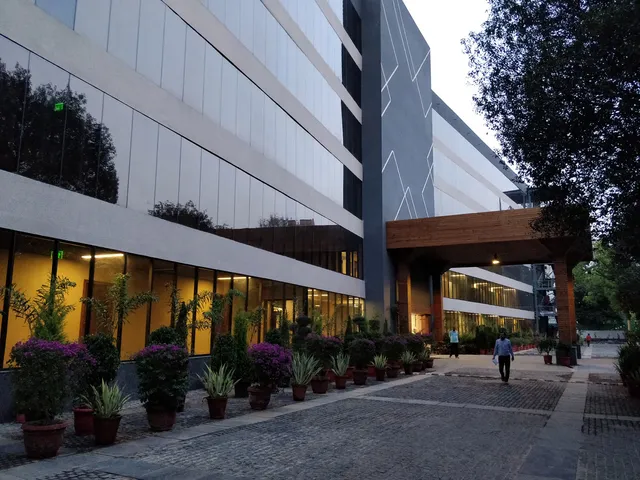
Indira Gandhi National Centre for the Arts
Janpath Building, near Western Court, Janpath, New Delhi, Delhi 110001, India
4.3(2.2K)
Closed
Save
spot
spot
Ratings & Description
Info
Indira Gandhi National Centre for the Arts, New Delhi is a premier government-funded arts organization in India. It is an autonomous institute under the Union Ministry of Culture.
Cultural
Family friendly
Accessibility
attractions: Jantar Mantar, Metro Museum, DAG, Ugrasen Ki Baoli, Shri Ganesh Mandir Connaught place, India Gate, Pracheen Hanuman Mandir, Connaught Place, restaurants: Tamra Restaurant, Kala Cafe, Kerala House Samridhi Canteen, Mister Chai, Shang Palace, Sorrento, Le Petit Chef - Shangri-La Eros New Delhi, Grappa Bar, Hotel Janapth Cafe Kala Svasti, Belisario Delhi, local businesses: Shangri Las Eros Hotel, Janpath Rd, Gurudwara Sri Bangla Sahib, Pracheen Hanuman Mandir, Janpath Bhavan, Malik Sweet House, Drama Delhi, Shivaji Stadium, Playboy Cafe, Parliament of India
 Learn more insights from Wanderboat AI.
Website
ignca.gov.in
Open hoursSee all hours
Tue9 AM - 5:30 PMClosed
Plan your stay

Pet-friendly Hotels in New Delhi
Find a cozy hotel nearby and make it a full experience.

Affordable Hotels in New Delhi
Find a cozy hotel nearby and make it a full experience.

The Coolest Hotels You Haven't Heard Of (Yet)
Find a cozy hotel nearby and make it a full experience.

Trending Stays Worth the Hype in New Delhi
Find a cozy hotel nearby and make it a full experience.
Reviews
Live events
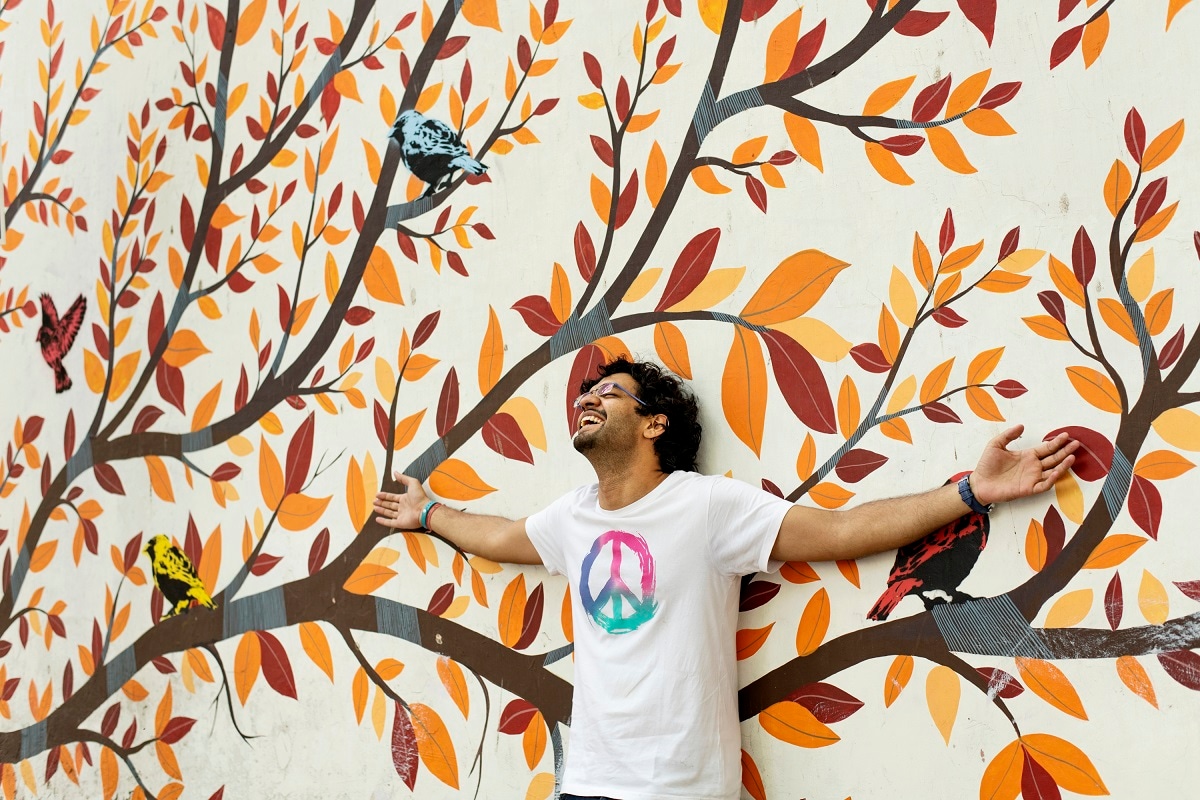
Walk into secret society of street art & food tour
Wed, Jan 28 • 8:00 AM
New Delhi, Delhi, 110003, India
View details
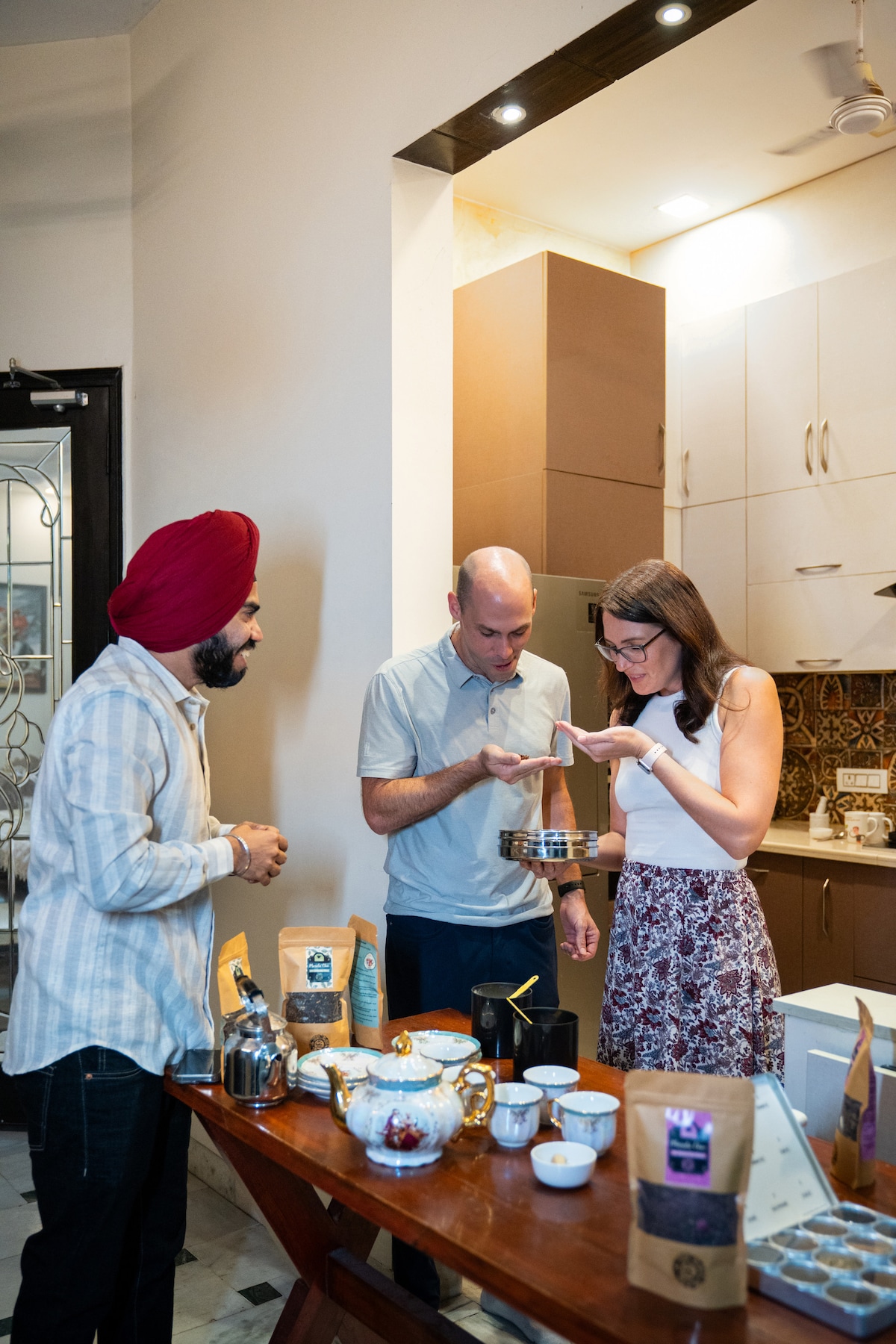
Chai Workshop & Food in Local Indian Family Home
Wed, Jan 28 • 2:30 PM
New Delhi, Delhi, 110048, India
View details
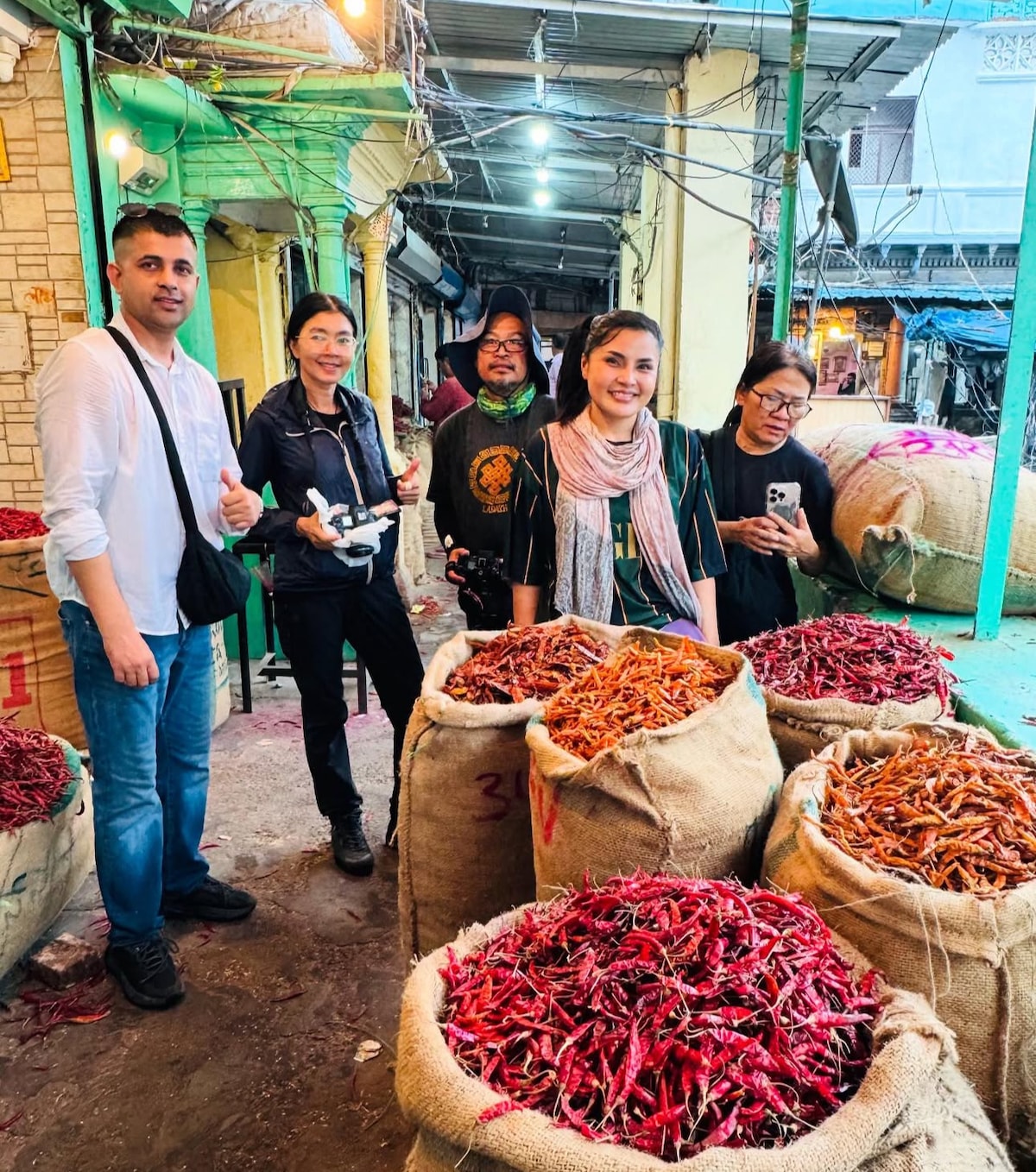
Spice street: Old Delhi food & rickshaw
Wed, Jan 28 • 9:00 AM
New Delhi, Delhi, 110006, India
View details
Nearby attractions of Indira Gandhi National Centre for the Arts
Jantar Mantar
Metro Museum
DAG
Ugrasen Ki Baoli
Shri Ganesh Mandir Connaught place
India Gate
Pracheen Hanuman Mandir, Connaught Place
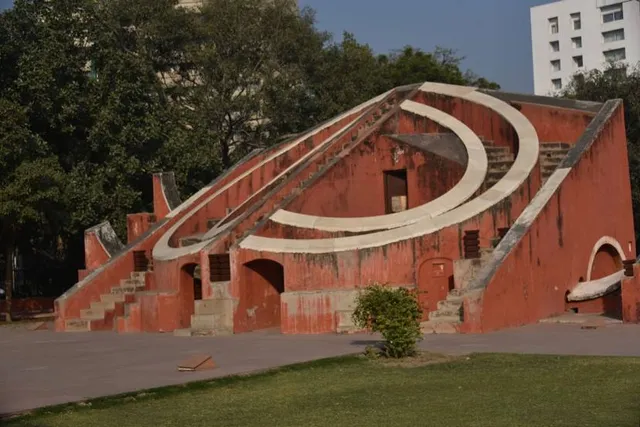
Jantar Mantar
4.2
(12.5K)
Closed
Click for details
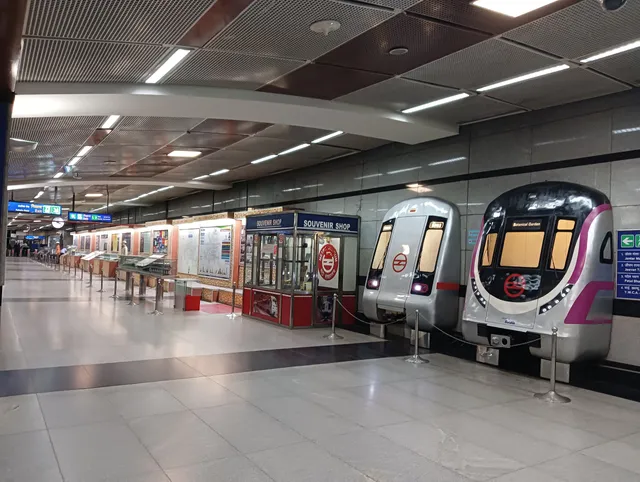
Metro Museum
4.2
(293)
Open until 12:00 AM
Click for details
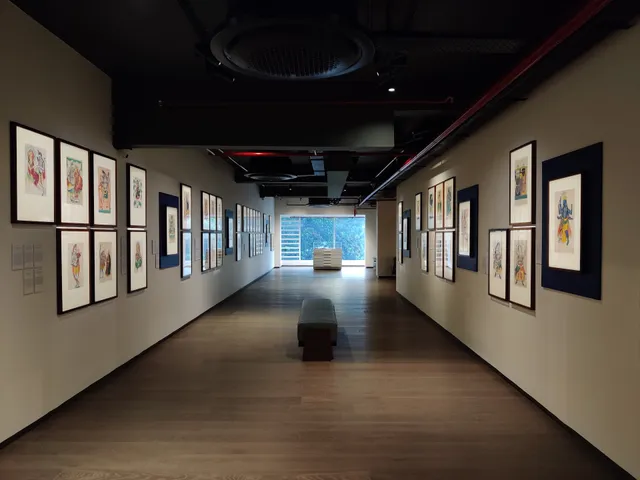
DAG
4.4
(216)
Closed
Click for details
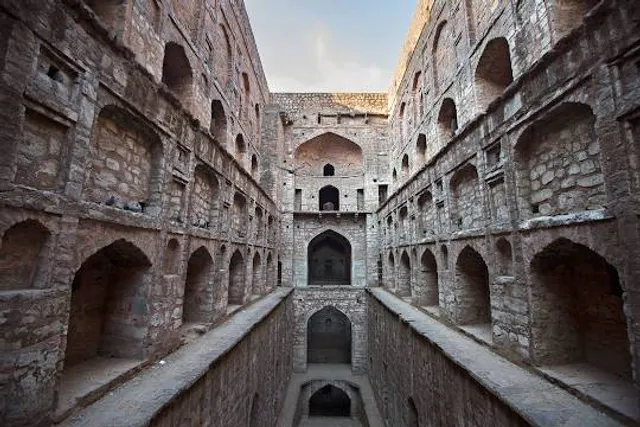
Ugrasen Ki Baoli
4.2
(15.8K)
Closed
Click for details
Nearby restaurants of Indira Gandhi National Centre for the Arts
Tamra Restaurant
Kala Cafe
Kerala House Samridhi Canteen
Mister Chai
Shang Palace
Sorrento
Le Petit Chef - Shangri-La Eros New Delhi
Grappa Bar
Hotel Janapth Cafe Kala Svasti
Belisario Delhi
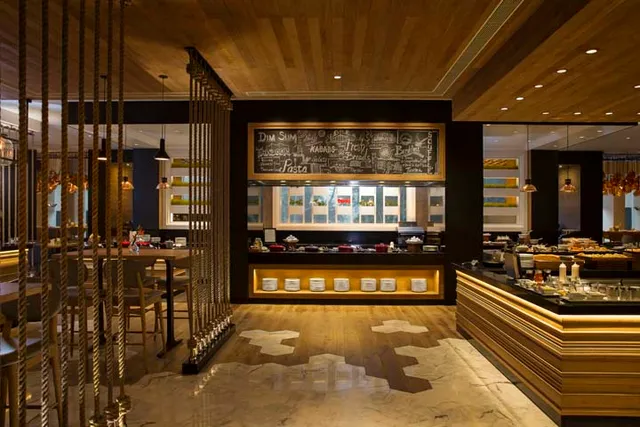
Tamra Restaurant
4.4
(2.1K)
Open until 11:30 PM
Click for details
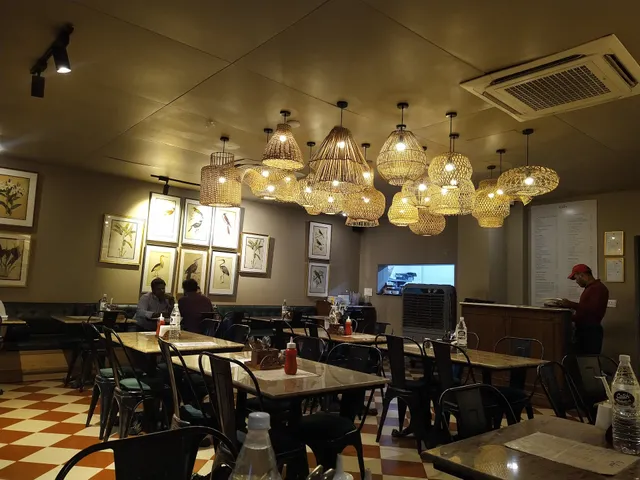
Kala Cafe
3.8
(508)
$$
Open until 9:00 PM
Click for details
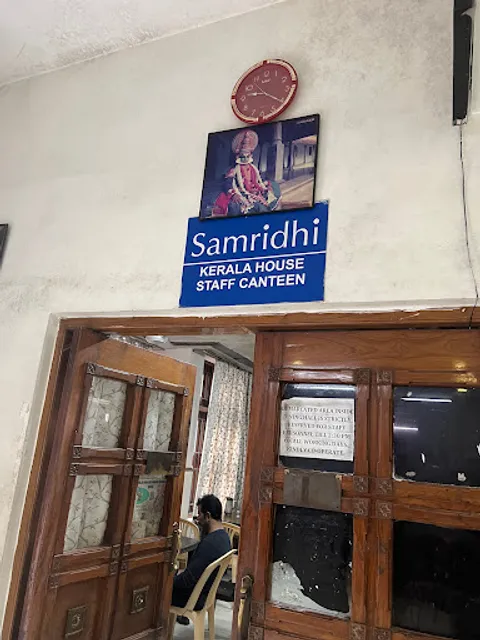
Kerala House Samridhi Canteen
4.1
(1.0K)
Open until 9:00 PM
Click for details
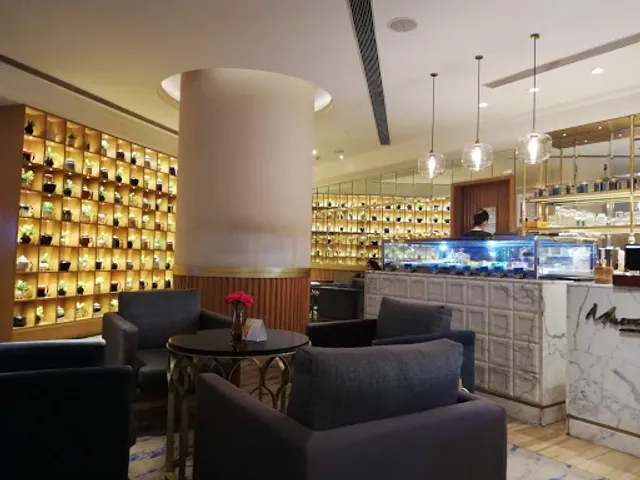
Mister Chai
4.3
(363)
$$$$
Open until 12:00 AM
Click for details
Nearby local services of Indira Gandhi National Centre for the Arts
Shangri Las Eros Hotel
Janpath Rd
Gurudwara Sri Bangla Sahib
Pracheen Hanuman Mandir
Janpath Bhavan
Malik Sweet House
Drama Delhi
Shivaji Stadium
Playboy Cafe
Parliament of India
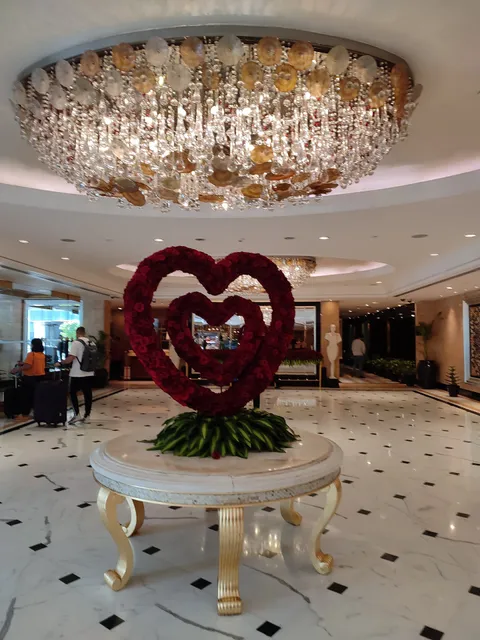
Shangri Las Eros Hotel
4.6
(9.7K)
Click for details
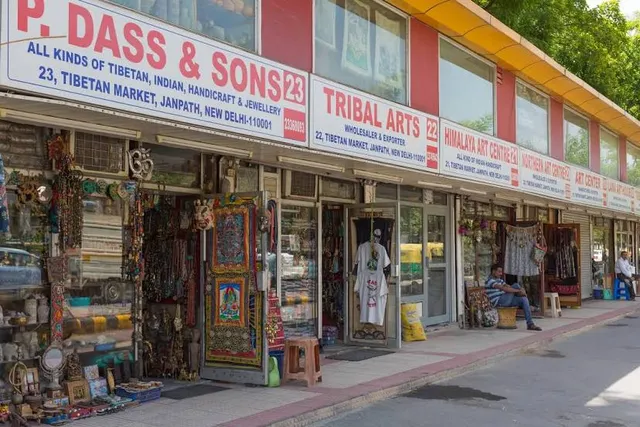
Janpath Rd
4.3
(150)
Click for details
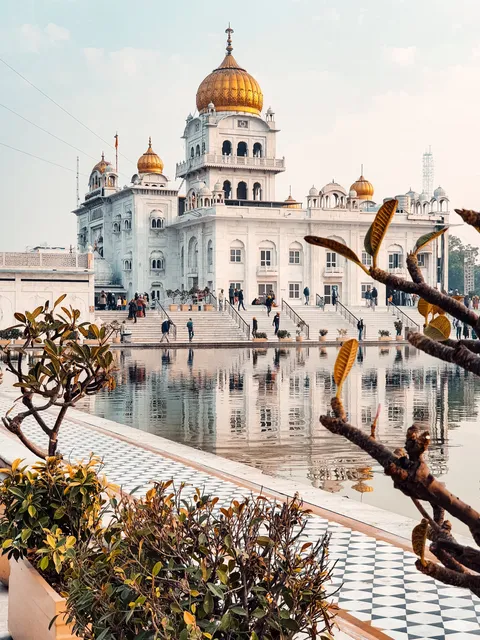
Gurudwara Sri Bangla Sahib
4.8
(37K)
Click for details
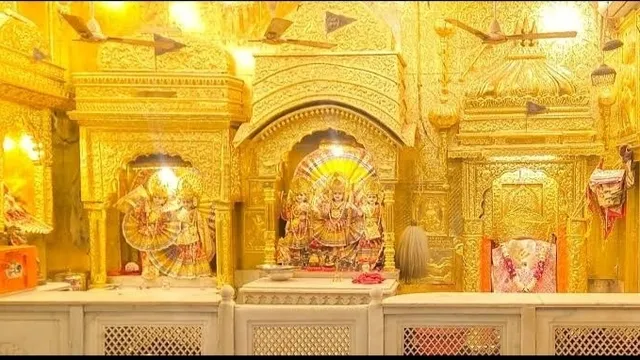
Pracheen Hanuman Mandir
4.8
(6.1K)
Click for details