Jaisalmer Fort – A Timeless Wonder in the Golden City
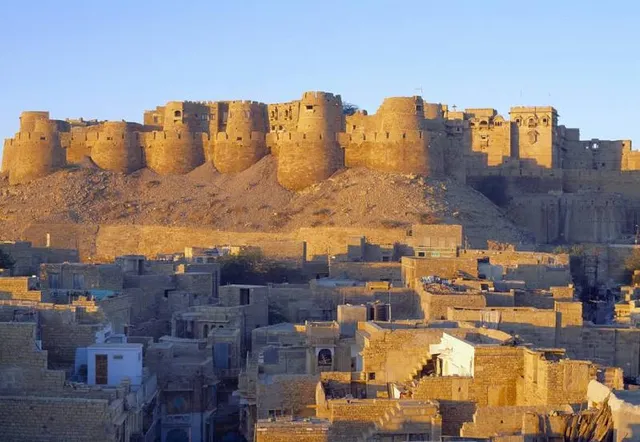
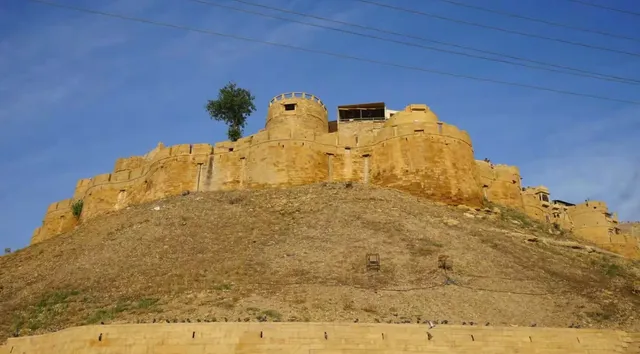
Jaisalmer Fort, also known as Sonar Quila or the Golden Fort, is one of the most magnificent forts in India. Nestled in the heart of Jaisalmer, Rajasthan, this breathtaking fort stands as a testament to the architectural brilliance and rich history of the region. Built in 1156 AD by Rao Jaisal, the fort is a UNESCO World Heritage Site and remains one of the very few "living forts" in the world, with thousands of people still residing within its walls.
Architectural Grandeur & Design
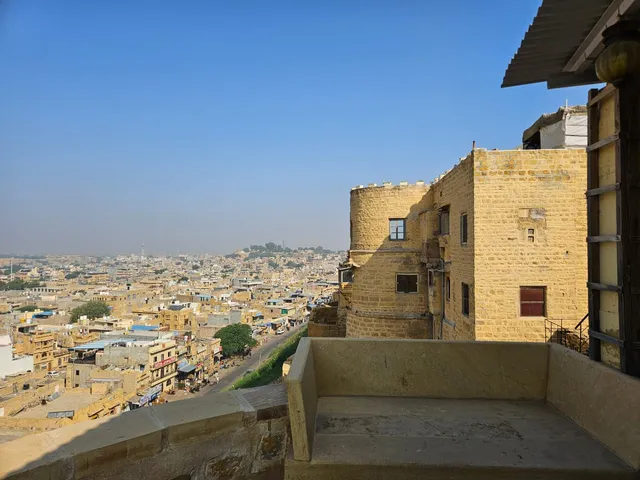
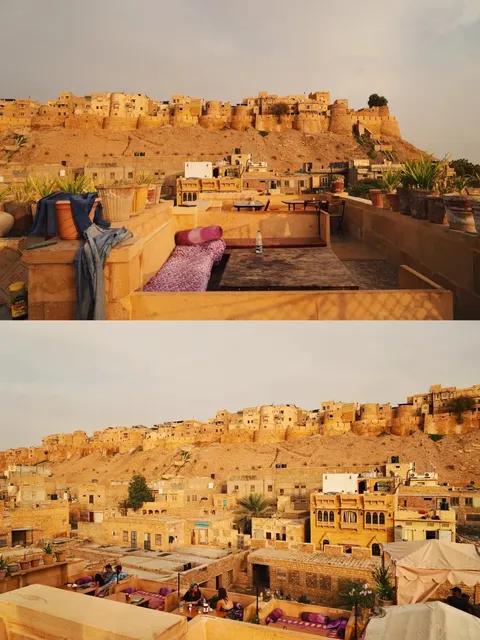
What makes Jaisalmer Fort truly unique is its construction from yellow sandstone, which gives it a golden glow, especially during sunrise and sunset. The fort rises about 250 feet above the city, offering a stunning panoramic view of Jaisalmer. It has 99 bastions, giving it a formidable yet elegant appearance.
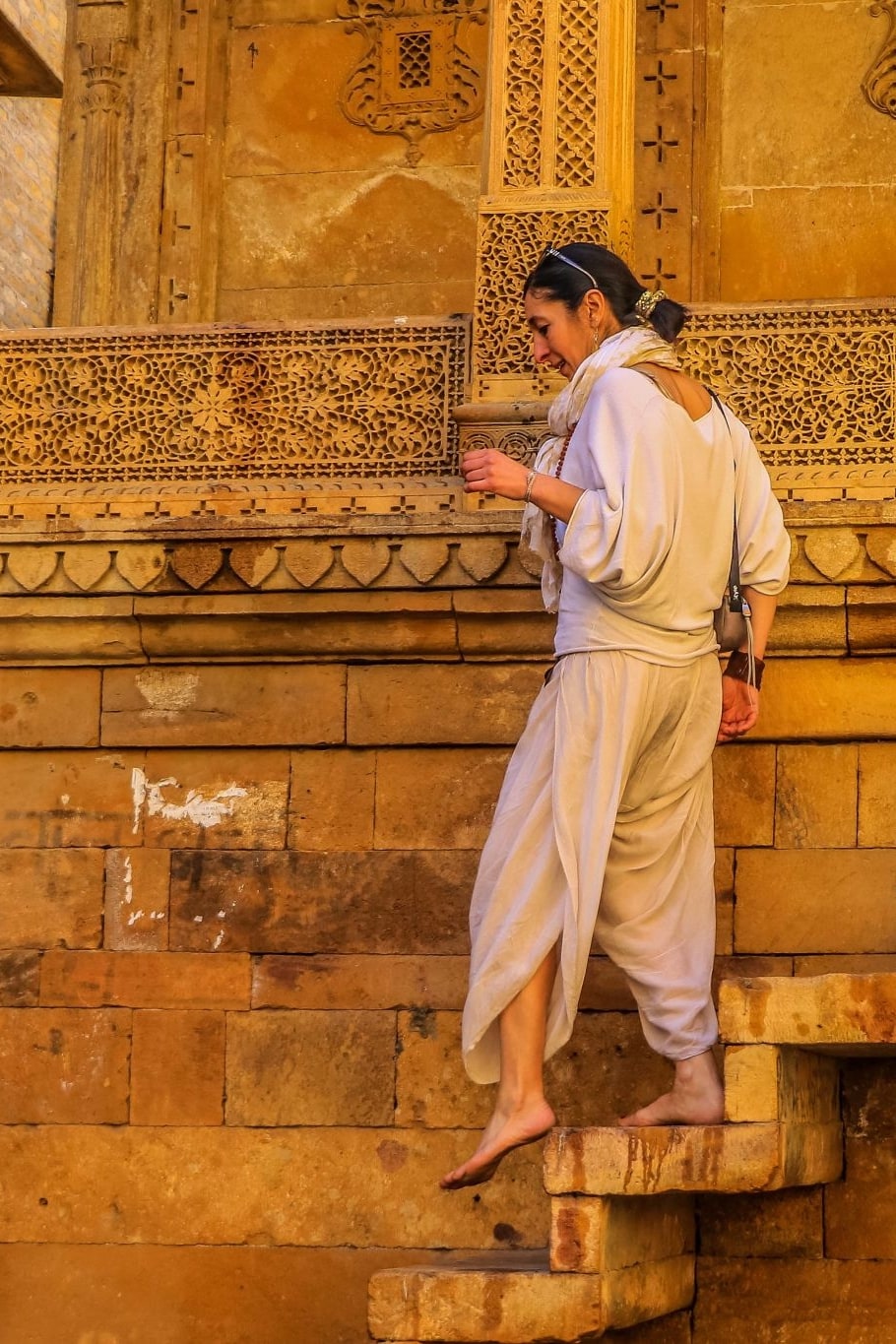
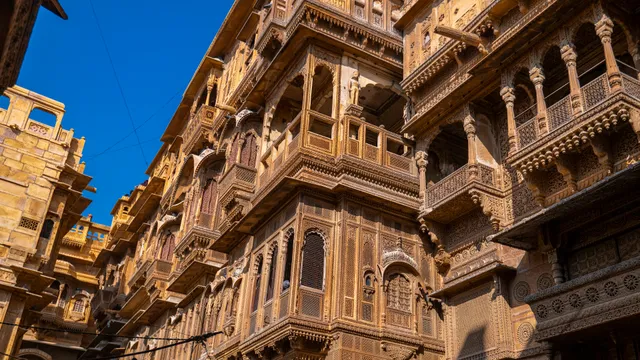
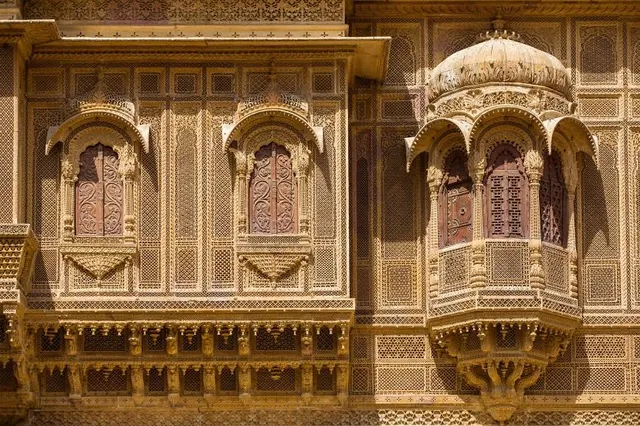
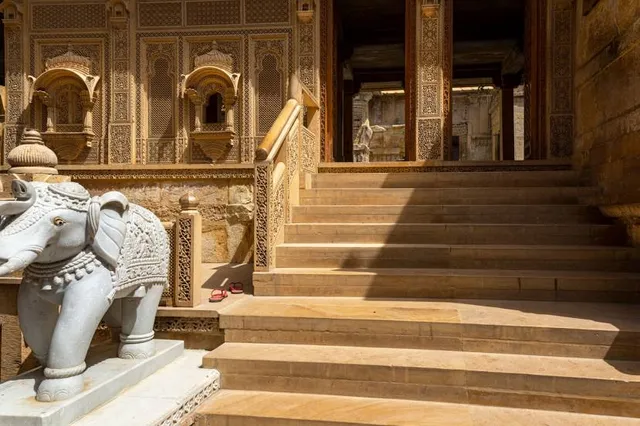
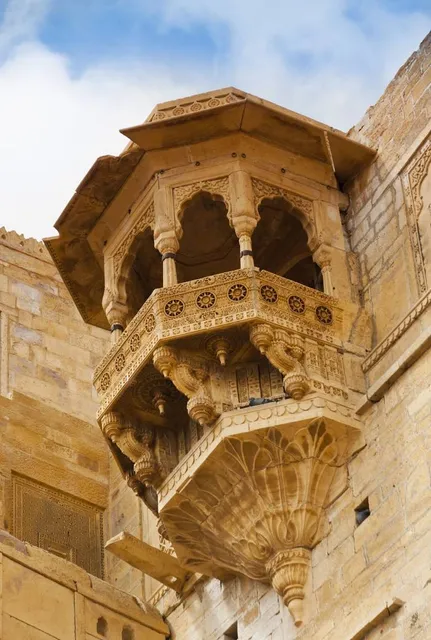
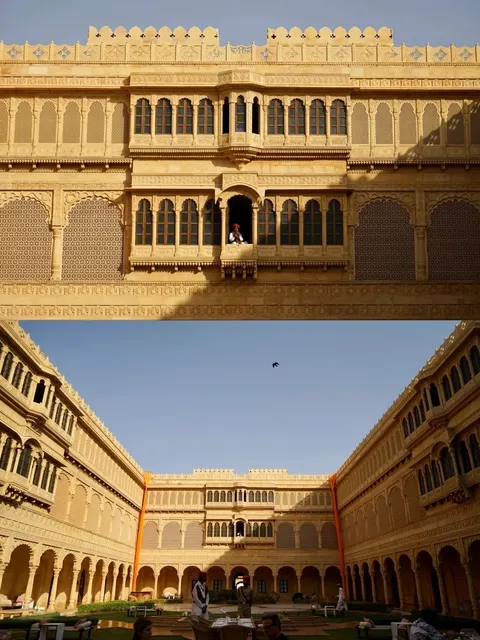
As you enter through the grand gates – Akhai Pol, Suraj Pol, Ganesh Pol, and Hawa Pol – you feel transported back in time. The intricate carvings, traditional Rajasthani jharokhas (balconies), and beautifully designed windows showcase the craftsmanship of the bygone era.
A Living Fort – Home to Generations
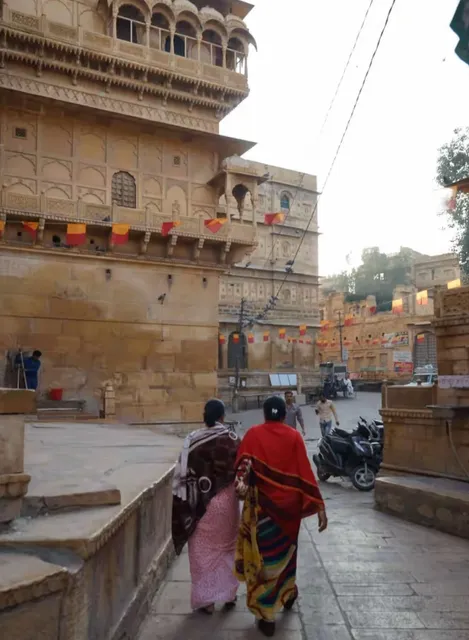
Unlike many forts that are now purely tourist attractions, Jaisalmer Fort is alive with people, culture, and commerce. Nearly 4,000 residents, primarily descendants of the original fort inhabitants, still live within its walls. Walking through the narrow, winding alleys, you’ll find houses, temples, shops, restaurants, and even guesthouses, all seamlessly blending into the historic surroundings.
The vibrant local markets inside the fort sell exquisite Rajasthani handicrafts, jewelry, textiles, and leather goods. It’s an excellent place to pick up souvenirs and experience the local culture firsthand.
Historical Significance & Battles
Jaisalmer Fort has witnessed numerous battles and invasions, being strategically located on the ancient Silk Route. It played a crucial role in trade between India, Persia, Egypt, and Africa. Over the centuries, the fort saw conflicts between Rajput rulers and Muslim invaders, including attacks by Alauddin Khilji in 1299 and Mughal Emperor Humayun in the 16th century.
Despite facing several sieges, the fort has stood the test of time, symbolizing the resilience and bravery of the Rajput warriors.
Major Attractions Inside Jaisalmer Fort
Raj Mahal (Royal Palace) – The former residence of the Jaisalmer rulers, this palace boasts stunning architecture and houses relics of the bygone era.
Jain Temples – Built between the 12th and 15th centuries, these temples are known for their intricate carvings and detailed architecture, resembling the Dilwara Temples of Mount Abu.
Laxminath Temple – Dedicated to Lord Vishnu and Goddess Lakshmi, this is an important Hindu temple within the fort.
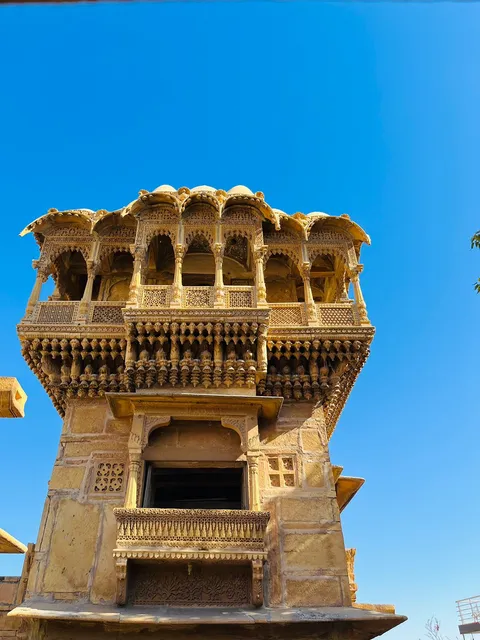
Merchant Havelis – Beautifully carved mansions like the Patwon Ki Haveli, Nathmal Ki Haveli, and Salim Singh Ki Haveli showcase the prosperity of Jaisalmer’s wealthy traders.
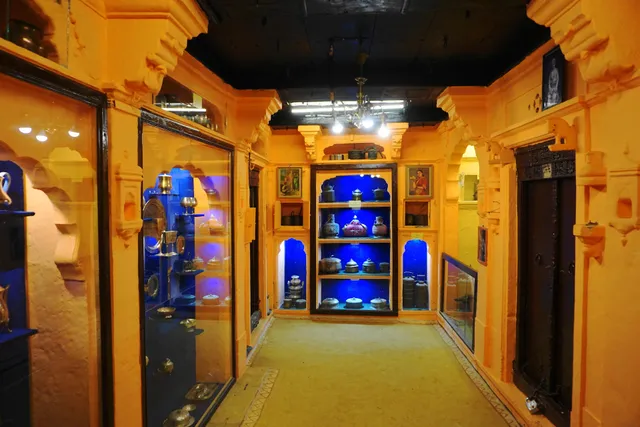
Fort Museum – A great place to learn about the history, weapons, artifacts, and royal belongings of Jaisalmer’s rulers.
Best Time to Visit & Entry Details
The best time to visit Jaisalmer Fort is between October and March, when the weather is pleasant. Summers can be extremely hot, with temperatures soaring above 40°C. The fort is open throughout the day, and while entry to the fort itself is free, some attractions inside may have a small ticket fee.
A Must-Visit Destination
Jaisalmer Fort is more than just a historical site; it is a cultural and architectural marvel that tells the tales of Rajasthan’s glorious past. Whether you’re a history enthusiast, an architecture lover, or simply a traveler looking for an unforgettable experience, this fort will leave you mesmerized.
A visit to Jaisalmer is incomplete without exploring this golden fortress, walking through its ancient alleys, and soaking in its magical ambiance. If you ever find yourself in Rajasthan, make sure Jaisalmer Fort is at the top of...
Read moreJAISALMER FORT- is a combination of two word 'Jaisal',the name the ruler that built it and 'Meru'-meaning fort built over a parvat/hilltop i.e. a fort made by Rawal Jaisal on top of a hill
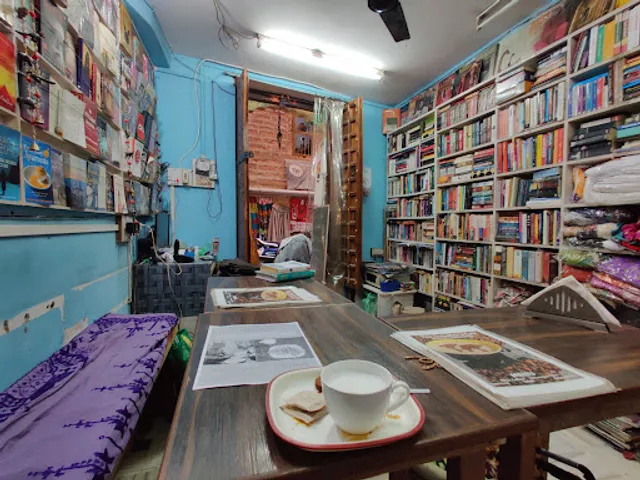
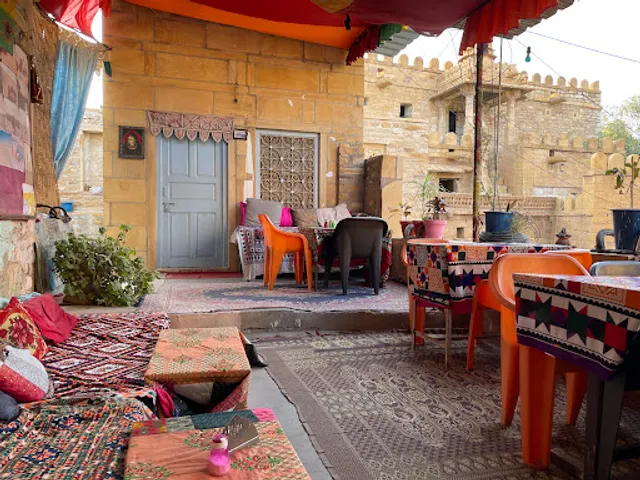
Outside the fort is the market.You will find local cuisines like 'DAL PAKWAN', 'KACHORI', 'DAL BATI CHURMA' and 'GATTE KI SABZI' . Along the fort's border wall, outside the fort, you will find many cafe's ,hotels and local shops selling indigenous products like KHAR-TAL(a local wood block rajasthani musical instrument ). You can even find a restaurant 'MID-TOWN-CAFE ' where the movie 'PARMANU' was shot nearby.
The fort is coincidently resembles the MAP OF INDIA and is made in a triangular fashion. The Jaisalmer fort itself used to be the Jaisalmer city, unlike now, the city has expanded outside the fort wall as well.
You will find many 'Local Guides' as you enter the fort premises(recommendation: kindly choose your guide wisely, most of the guides are local and are reside inside the fort only and even though they are govt. certified ,many of them lack technical knowledge of fort or museum artifacts and might fool you; costs around : 350/400 off season; The guide charges include the guide services for Patwaon ki haveli where most guides will accompany you)
Entering the fort, you will find steep entrance with market along side. The whole fort is made of "GOLDEN SANDSTONE"/yellow sandstone and hence a.k.a SAONAR KILA.The stone ,although sedimentary, has good strength and is known for its unique property of making Curd very easily (in a utensil made of yellow sandstone)(you can even find a few sandstone utensils in the premises).
Within the fort, you will find :
-The place from where the king used to address people -Unique temples where idols of both HINDU deities and JAIN deities exists alongside(unique among any temple in india) -fine art and engravings patronized by the king built within temples -Havelis of many rich Jain merchants- like 'Baa-ri-haveli'(every haveli has an entry ticket) -Small restaurants -great view of the whole city from where you can locate almost every nearby monument and other famous havelis outside the fort -A small circular mythological instrument that 'tells the fortune of this fort' using a flag and wind direction -a museum
Museum in the fort:(Its a must visit)(charges:500/person)(defence personnel: 200/person )Yoi will find: Arms and Ammunition used by the kings -Bull horns used to store gun powder -various instruments that were used to control different animals like elephants and horses -personal items of kings which shows their exposure to western products -wooden ceilings(within a rock based fort) to sustain strong winters -various idols -Chronology of hierarchal kings of this fort
No charges for entry into the fort(only museum charges) Ample parking available outside the fort Heads up-Choose your guide carefully as there are many locally certified guides that can fool you, skip important points in the fort and misguide you with inaccurate information.(which happened in my case-'Rahul Guide')
Conclusion: The second largest fort of Rajasthan is a must visit. This fort is like none other...
Read moreJaisalmer Fort: A Majestic Marvel of Medieval Architecture
Located in the heart of the Thar Desert, Jaisalmer Fort is a breathtaking example of medieval architecture that has stood the test of time. This majestic fort is a must-visit destination for anyone interested in history, culture, and architecture. As a traveler, I had the privilege of exploring Jaisalmer Fort, and I'm excited to share my detailed review.
History and Architecture: 5/5
Jaisalmer Fort was built in the 12th century by the Bhati Rajput ruler, Rawal Jaisal. The fort is constructed from yellow sandstone, which gives it a distinctive golden hue. The architecture is a blend of Rajput and Islamic styles, with intricate carvings, ornate facades, and majestic palaces.
Ambiance: 5/5
As I walked through the fort's narrow streets, I was struck by the vibrant ambiance that pervades the area. The fort is still inhabited by locals, who go about their daily lives amidst the ancient architecture. The sound of laughter, music, and chatter fills the air, creating a lively and welcoming atmosphere.
Attractions: 5/5
Jaisalmer Fort is home to several attractions, including:
Raj Mahal Palace: A majestic palace that showcases the opulence and grandeur of the Rajput era. Jain Temples: A series of intricately carved temples dedicated to the Jain faith. Laxminath Temple: A beautiful temple dedicated to the Hindu goddess, Laxmi. Merchant Havelis: A collection of beautifully carved havelis (mansions) that showcase the architectural skills of the local merchants.
Facilities: 4/5
Jaisalmer Fort has a range of facilities to cater to visitors, including:
Restaurants and Cafes: A variety of restaurants and cafes serving local and international cuisine. Shops and Markets: A range of shops and markets selling local handicrafts, souvenirs, and textiles. Accommodation: A variety of accommodation options, ranging from budget-friendly guesthouses to luxury hotels. Guided Tours: Guided tours are available to help visitors navigate the fort and its attractions.
Tips and Insights:
Best Time to Visit: The best time to visit Jaisalmer Fort is during the winter months (October to February), when the weather is cool and pleasant. Wear Comfortable Shoes: Wear comfortable shoes, as you'll be doing a lot of walking on uneven terrain. Respect Local Customs: Respect local customs and traditions, especially when visiting temples and other sacred sites. Haggle Politely: Haggle politely when shopping at local markets and shops.
Jaisalmer Fort is a must-visit destination for anyone interested in history, culture, and architecture. This majestic fort is a testament to the ingenuity and craftsmanship of the Rajput era, and its vibrant ambiance and stunning attractions make it an unforgettable experience.
Rating: 4.9/5
Recommendation:
Jaisalmer Fort is perfect for:
History buffs and architecture enthusiasts Cultural enthusiasts and those interested in Indian heritage Families with older children Solo travelers looking for a unique and immersive experience Couples seeking a romantic and...
Read more