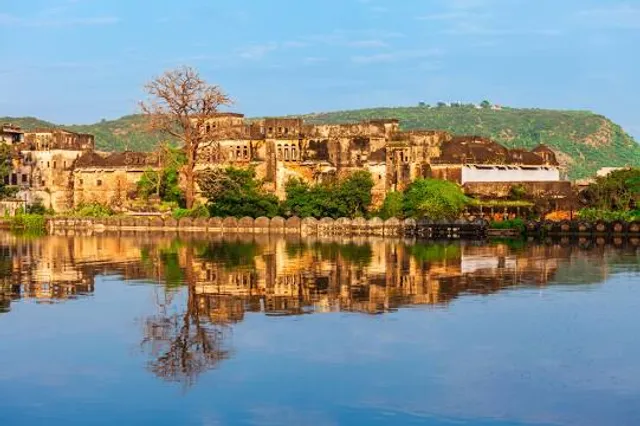
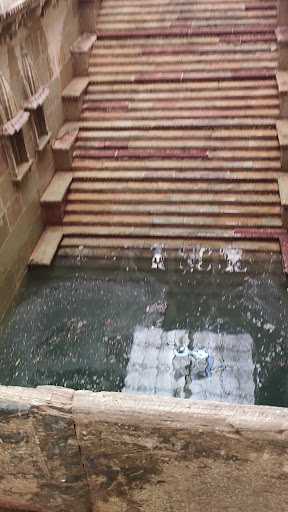
The history of Raniji Ki Baori can be traced back to the 17th century during the reign of Rao Raja Anirudh Singh, a ruler of Bundi. It was built by his queen, Rani Nathavati, and hence the name "Raniji Ki Baori" or "Queen's Stepwell". The stepwell was constructed as a community water reservoir and a place for the locals to access water for daily use, especially during the dry seasons when water scarcity was a common issue.
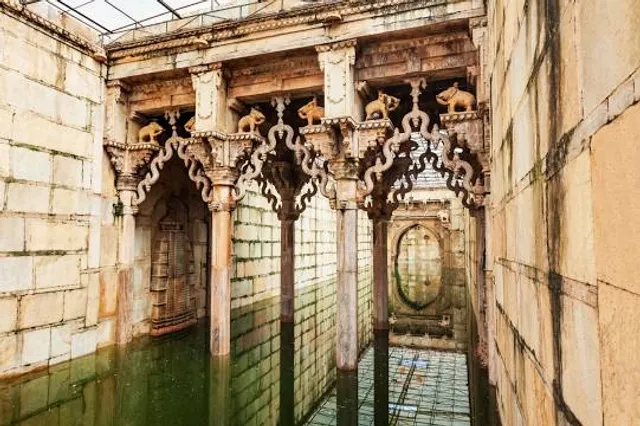
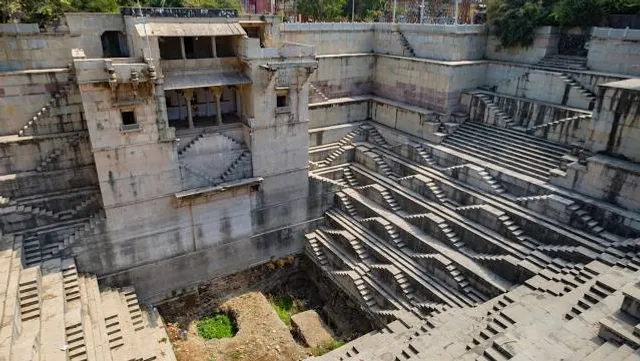
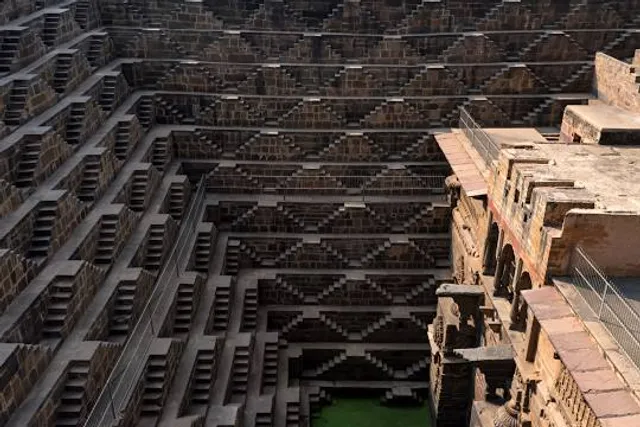
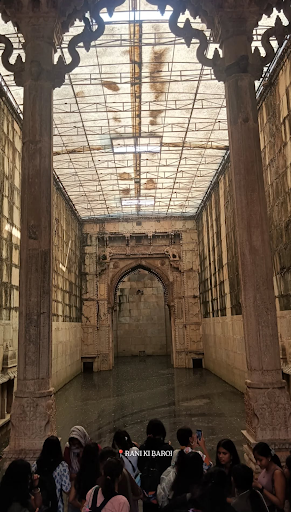
Raniji Ki Baori is known for its unique architectural design, characterized by a series of steps leading down to the water level. The stepwell is multi-storied, with several levels of steps and platforms adorned with intricately carved pillars, arches, and niches. The walls of the stepwell are adorned with intricate carvings of gods, goddesses, musicians, and mythological scenes, showcasing the artistic brilliance of Rajputana architecture.
The stepwell also features a pavilion or a pillared hall with beautifully carved pillars and arches, which was used as a resting place for the visitors and a venue for cultural and social events. The pavilion is adorned with frescoes depicting scenes from Hindu mythology and Rajput history, although many of them have faded over time.
Raniji Ki Baori was not only a functional water reservoir but also served as a place for social gatherings, cultural events, and religious ceremonies. It was an important social and cultural hub for the local community, serving as a place for social interaction and community bonding.
Over the years, Raniji Ki Baori has become a popular tourist attraction in Bundi, drawing visitors from all over the world who are fascinated by its unique architecture, historical significance, and intricate carvings. The stepwell stands as a testimony to the rich cultural heritage and architectural prowess of Bundi, reflecting the patronage of the rulers towards art and architecture during the medieval period.
In conclusion, Raniji Ki Baori in Bundi, Rajasthan, is a historically significant stepwell with a rich history that reflects the architectural brilliance of Rajputana culture. It serves as a popular tourist attraction and stands as a reminder of the cultural heritage and...
Read moreIf you’re in Bundi, you absolutely have to visit Raniji Ki Baori, also known as the Queen’s Stepwell! This stunning 17th-century stepwell is a true marvel of architecture and history. Built by Rani Nathavati Ji, the queen of Rao Raja Anirudh Singh, it’s not just a water source but a beautiful gathering place that reflects the rich cultural heritage of Rajasthan.
As you approach the stepwell, you’ll be greeted by its grand entrance adorned with intricate carvings and majestic elephant sculptures. The moment you step inside, you can feel the history surrounding you. The baori is massive, spanning three stories and plunging to a depth of 151 feet! It’s fascinating to think about how this place once served as a social hub for the locals.
The craftsmanship here is simply exquisite. Each level features beautifully carved pillars and detailed murals that showcase the artistry of the time. I loved exploring the narrow staircases that lead down to the water level, where you can admire the ornate designs and take in the cool atmosphere.
One of the most touching stories behind Raniji Ki Baori is how it came to be. Rani Nathavati Ji built it after making a significant sacrifice for her family, dedicating her life to the welfare of her people.
The entry fee is quite reasonable—just ₹50 for Indian visitors—and it's open from 9:30 AM to 5:00 PM. I recommend spending at least half an hour here to soak in all the details and snap some photos. Just be sure to wear comfortable shoes since there are quite a few steps!
Raniji Ki Baori is a must-visit spot in Bundi. It’s not just about seeing a beautiful structure; it’s about experiencing a piece of Rajasthan’s history and culture. I always love coming here—it’s like stepping...
Read moreAs someone who has visited Raniji ki Baori in Bundi few weeks ago, I must say that it is a truly magnificent structure that leaves a lasting impression on one's mind. The moment you step into the Baori, you are transported to a different era, where the grandness and beauty of architecture were paramount. The stunning stepwell, which was built in the 17th century by Rani Nathavati, is a testament to the rich cultural heritage of India.
The first thing that struck me about Raniji ki Baori was its impressive size. The 46-meter deep stepwell is simply awe-inspiring, and the more than 200 steps that lead down to the water level only add to the sense of grandeur. But what truly sets this Baori apart is its intricate carvings and elaborate designs. Every inch of the Baori is adorned with stunning patterns, from the walls to the pillars and even the steps. It is a visual treat that will leave you marveling at the skill and artistry of the craftsmen who created it.
Another thing that I appreciated about Raniji ki Baori is how well-maintained it is. In a country where many historical sites are sadly neglected, this Baori stands out as an exception. The care and attention given to preserving the structure have paid off, and it is a joy to see the Baori in such good condition. All in all, if you have a chance to visit Bundi, I highly recommend taking the time to see Raniji ki Baori. It is a unique and memorable experience that is sure to leave a...
Read more