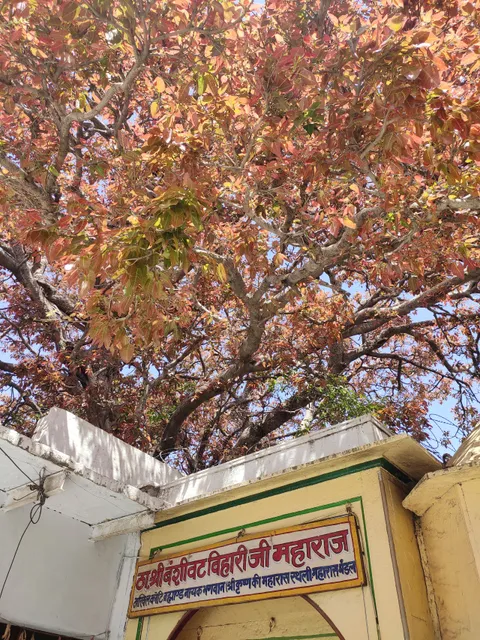
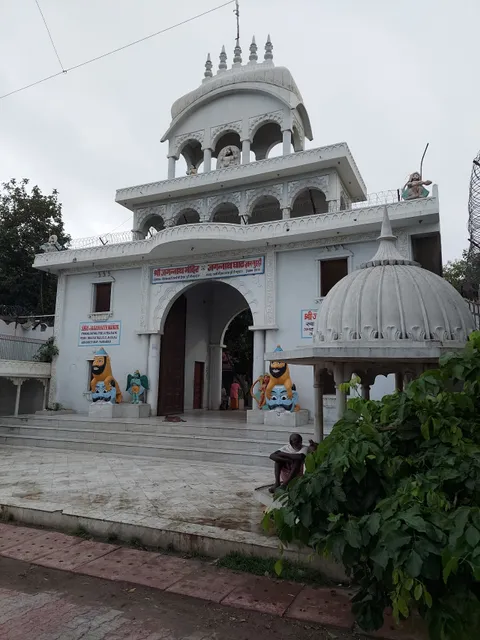
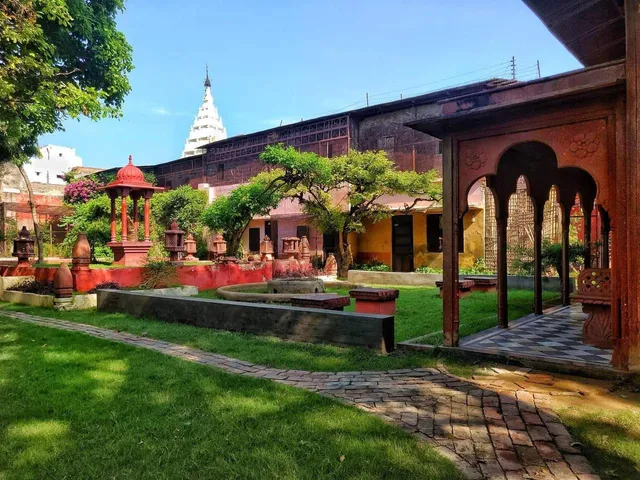
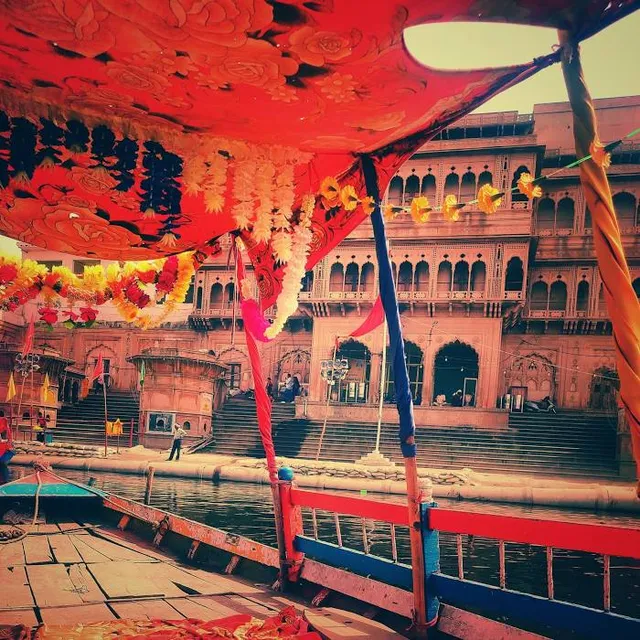
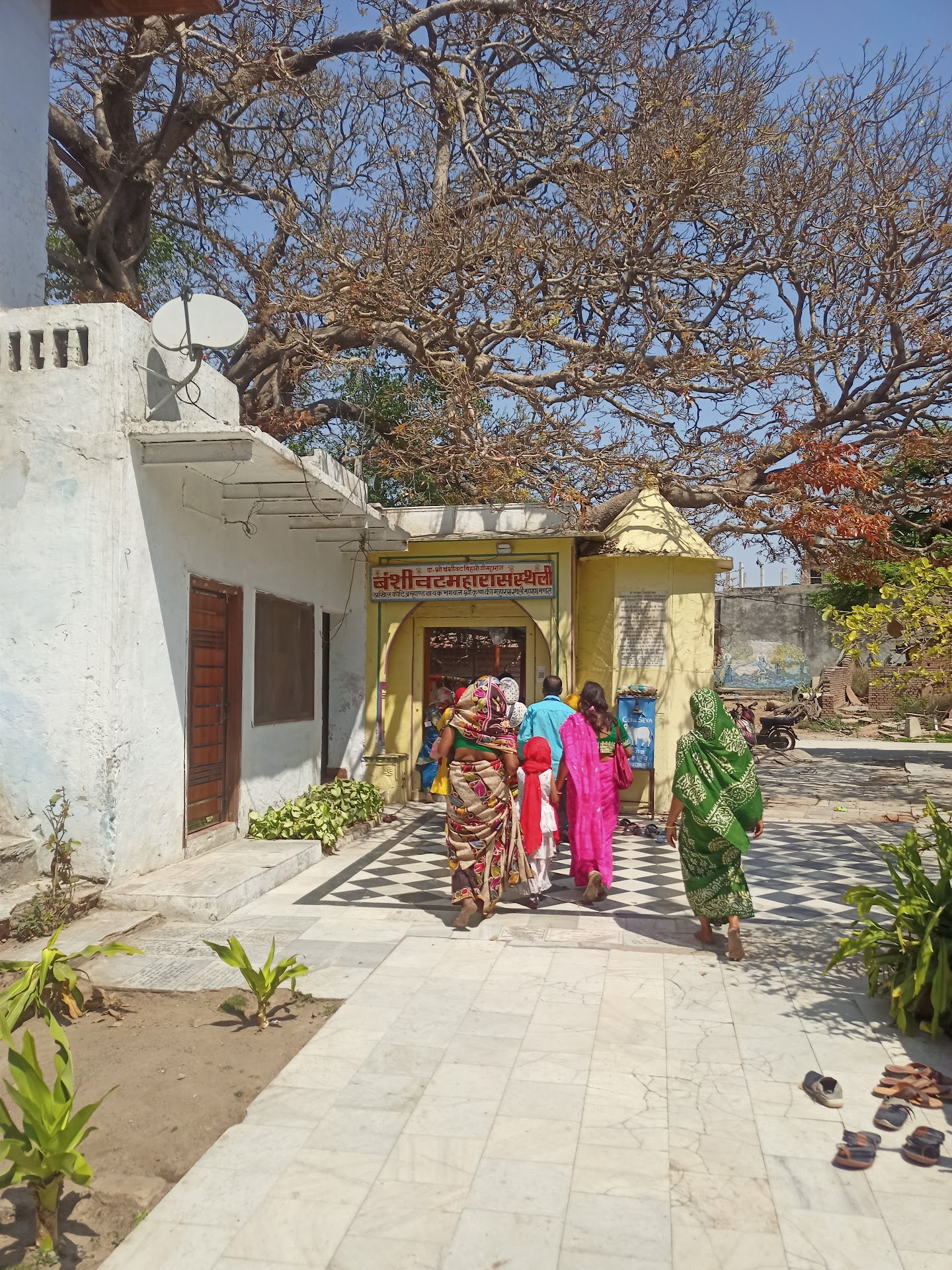
Vanshivat, Vrindavan: Whispers of Krishna's Pastimes in a Tranquil Grove Vanshivat, meaning "Banyan Forest," is a significant and revered location in Vrindavan, deeply intertwined with the divine pastimes (lilas) of Radha and Krishna. Unlike the grand temples, Vanshivat offers a serene and natural setting, allowing devotees to connect with the sacred history and the tranquil beauty of Braj. What Makes Vanshivat Special: Direct Association with Krishna's Leelas: Vanshivat is believed to be the very spot where Lord Krishna played his enchanting flute (Vanshi), captivating the hearts of the gopis (cowherd girls) and the entire forest. The very name evokes images of these divine musical gatherings. Tranquil and Natural Ambiance: In contrast to the bustling temple areas, Vanshivat provides a peaceful and relatively secluded environment. The ancient banyan trees offer shade and a sense of timelessness, fostering a contemplative atmosphere. Historical Significance: As one of the twelve sacred forests (dvadashavan) of Braj, Vanshivat holds immense historical and spiritual importance. It's a place where countless devotees have come to remember and meditate on Krishna's activities. Kali Dah Ghat: Situated on the banks of the Yamuna River, Vanshivat is also associated with the "Kaliya Daman Lila," where Lord Krishna subdued the venomous serpent Kaliya. The Kali Dah Ghat marks this significant event. Opportunity for Quiet Contemplation: The natural setting and the historical significance make Vanshivat an ideal place for quiet reflection, meditation, and connecting with the spiritual energy of Vrindavan. Connection to Nature: Visiting Vanshivat offers a chance to experience the natural beauty of Braj and imagine the forests as they were during Krishna's time. The ancient trees and the proximity to the Yamuna create a unique sensory experience. Potential Considerations: Less Formal Structure: Unlike temples with elaborate architecture and daily rituals, Vanshivat is primarily a natural grove. While there might be small shrines or places for prayer, it lacks the formal structure of a temple. Accessibility: Reaching Vanshivat might involve navigating through some of the older parts of Vrindavan, and the pathways within the grove might be uneven in places. Maintenance: Being a natural area, the maintenance might be less formal than that of a temple. Limited Facilities: You might find fewer facilities like restrooms or shops directly within the grove compared to the main temple areas. Overall: Vanshivat offers a unique and deeply spiritual experience in Vrindavan for those seeking a connection to the natural setting of Krishna's pastimes. The tranquil atmosphere, the ancient banyan trees, and the association with the divine flute playing create a powerful sense of history and devotion. It's a place to step away from the crowds and immerse oneself in the serene beauty and spiritual significance of Braj. I recommend visiting if: You are interested in connecting with the natural sites associated with Krishna's life. You appreciate a peaceful and contemplative environment. You want to experience the historical significance of the forests of Braj. You wish to visit the Kali Dah Ghat and reflect on the Kaliya Daman Lila. You enjoy being in nature and imagining the pastimes that took place there. Be prepared for a more natural and less formal setting. Embrace the tranquility and allow yourself to be transported to the times of Krishna's enchanting presence...
Read more"This is the place where the Youthful Couple Śrī Rādhā-Kṛṣṇa together with the sakhīs performed their pastimes of rāsa as described in Śrīmad-Bhāgavatam, the pure and faultless scriptural authority. To bestow the result of the Kātyāyanī-pūjā upon the young, unmarried gopīs, rasika-bihārī Śrī Kṛṣṇa granted them a boon. To fulfil this boon, He played a sweet tune on His flute on a full moon night. Hearing the wonderful flute-song, the gopīs, intoxicated in prema, came here. Śrīmad-Bhāgavatam (10.29.4) describes this as follows: niśamya gītāṁ tad anaṅga-vardhanaṁ vraja-striyaḥ kṛṣṇa-gṛhīta-mānasāḥ ājagmur anyonyam alakṣitodyamāḥ sa yatra kānto java-lola-kuṇḍalāḥ “The young women of Vraja heard the sound of Kṛṣṇa’s flute. This sound, which reinforces amorous feelings, captivated their minds. Each unknown to the other, they went to where their lover Kṛṣṇa waited. Because they moved so quickly their earrings swung back and forth.”
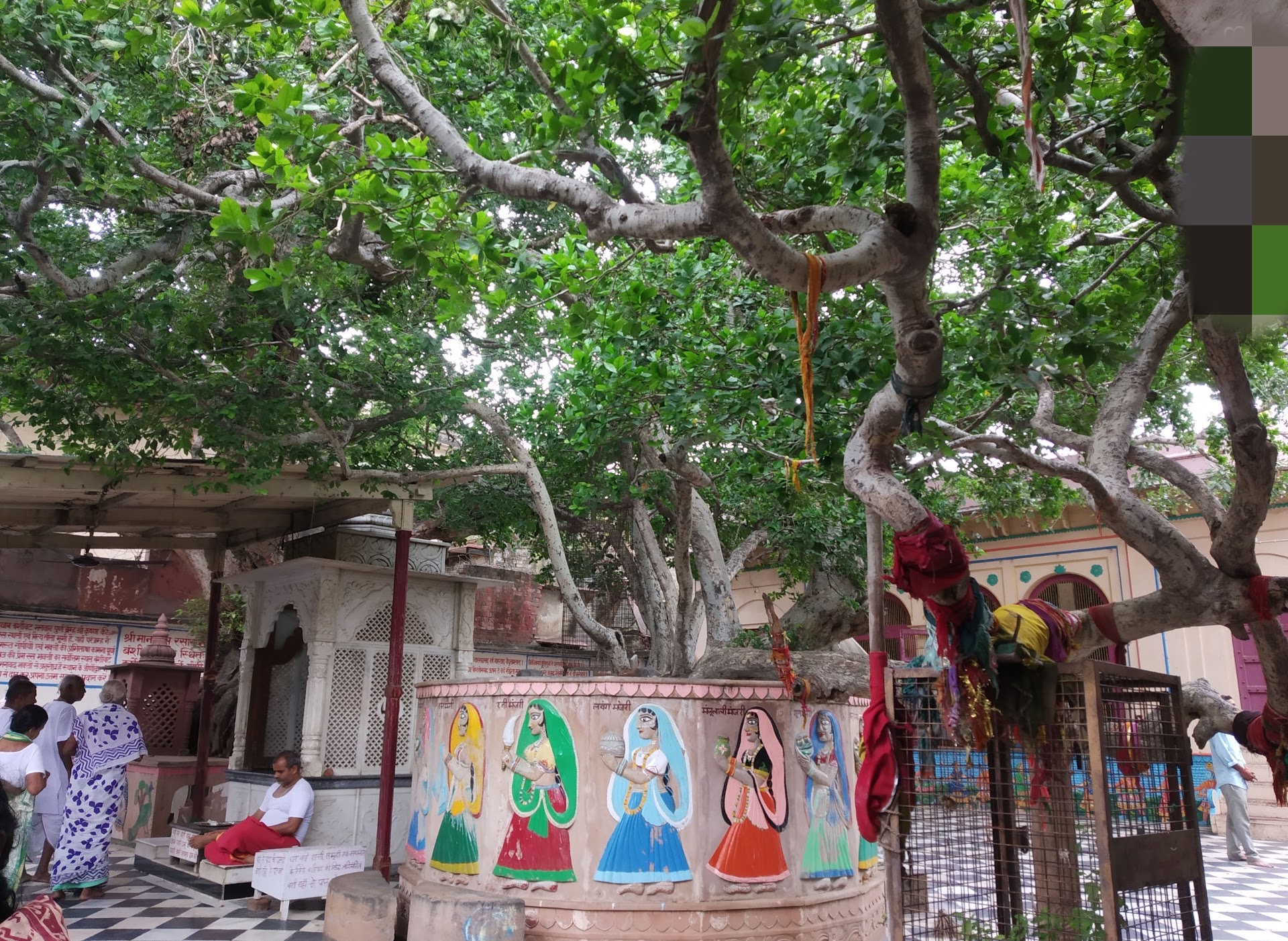
On the pretext of correcting the gopīs transgression of righteous conduct, rasikendra-śekhara Śrī Kṛṣṇa gave His surrendered gopīs many reasons why they should return home to serve their husbands, but the clever gopīs easily refuted all His arguments. Kṛṣṇa’s autumnal rāsa (śāradīya-rāsa) with countless gopīs took place here. One Kṛṣṇa danced between two gopīs or one gopī was dancing between two Kṛṣṇas. In this way, rāsa took place with astonishing dancing and singing. The other gopīs became proud of their good fortune (saubhāgya-mada) and Śrīmatī Rādhikā entered into a sulky angry mood, māna. Seeing this, rasika-śekhara Śrī Kṛṣṇa disappeared from that place in order to soothe Śrīmatī Rādhikā’s māna and to remove the pride of the other gopīs. Thereafter, the gopīs, suffering separation from Kṛṣṇa and crying loudly, began to sing, jayati te ’dhikaṁ janmanā vrajaḥ… Hearing their singing, Śrī Kṛṣṇa again appeared, and at this place He expressed His gratitude to the gopīs in sweet words: “You have performed an extraordinary deed: you have given up everything for Me. For this sacrifice, I am eternally indebted to you and can never repay you.” This is the place where rāsa-līlā was performed, and thus it is the crest jewel among all places of pastimes. Śrī Kṛṣṇa’s great-grandson Śrī Vajranābha Mahārāja planted a tree here in remembrance of this place of rāsa, but after some time the Yamunā flooded that place. More recently, five hundred and fifty years ago, Śrī Mādhu Paṇḍita, a disciple of Śrī Gadādhara Paṇḍita, took one of its branches and planted it here, and that branch transformed into a vast tree. Śrī Mādhu Paṇḍita found the deity Śrī Gopīnātha here while engaged in bhajana. There are four very small temples in each of the four corners of the quadrangular wall of Vaṁśīvaṭa. The deities of Śrī Rāmānujācārya, Śrī Madhvācārya, Śrī Viṣṇusvāmī and Śrī Nimbārkācārya were established within them. Nowadays, some other deities have replaced them. Gauḍīya Vaiṣṇavas used to serve here, but then Brahmacārījī, the spiritual guide of a king of Gvāliyor, bought this place. Since then, it has been in the care of the Nimbārka sampradāya."
Excerpt from the book 'Sri Vraja-mandal Parikrama' by Srila Bhaktivedanta Narayana...
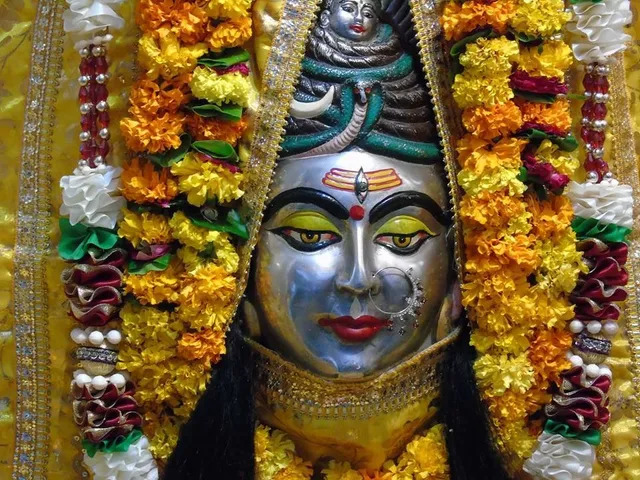
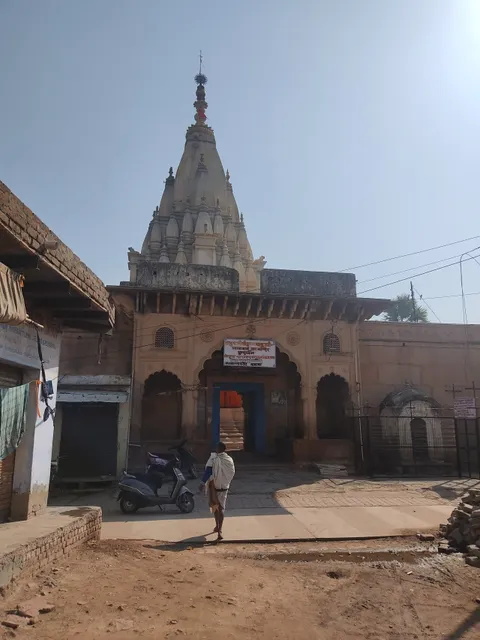
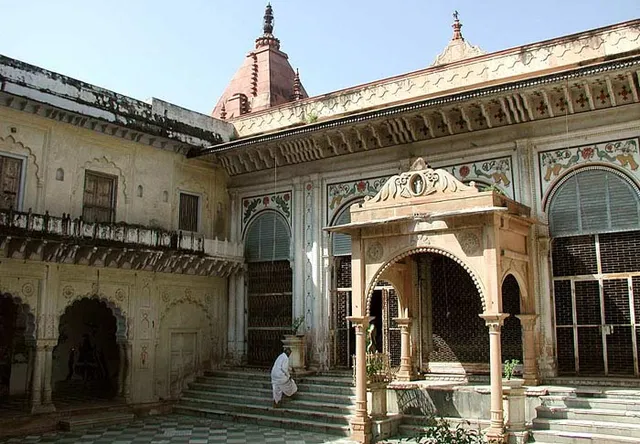
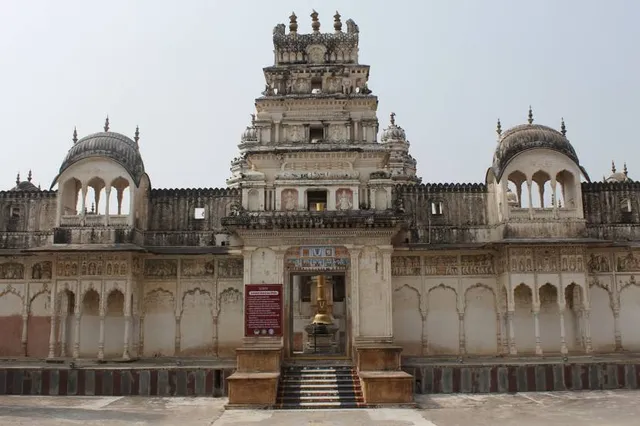
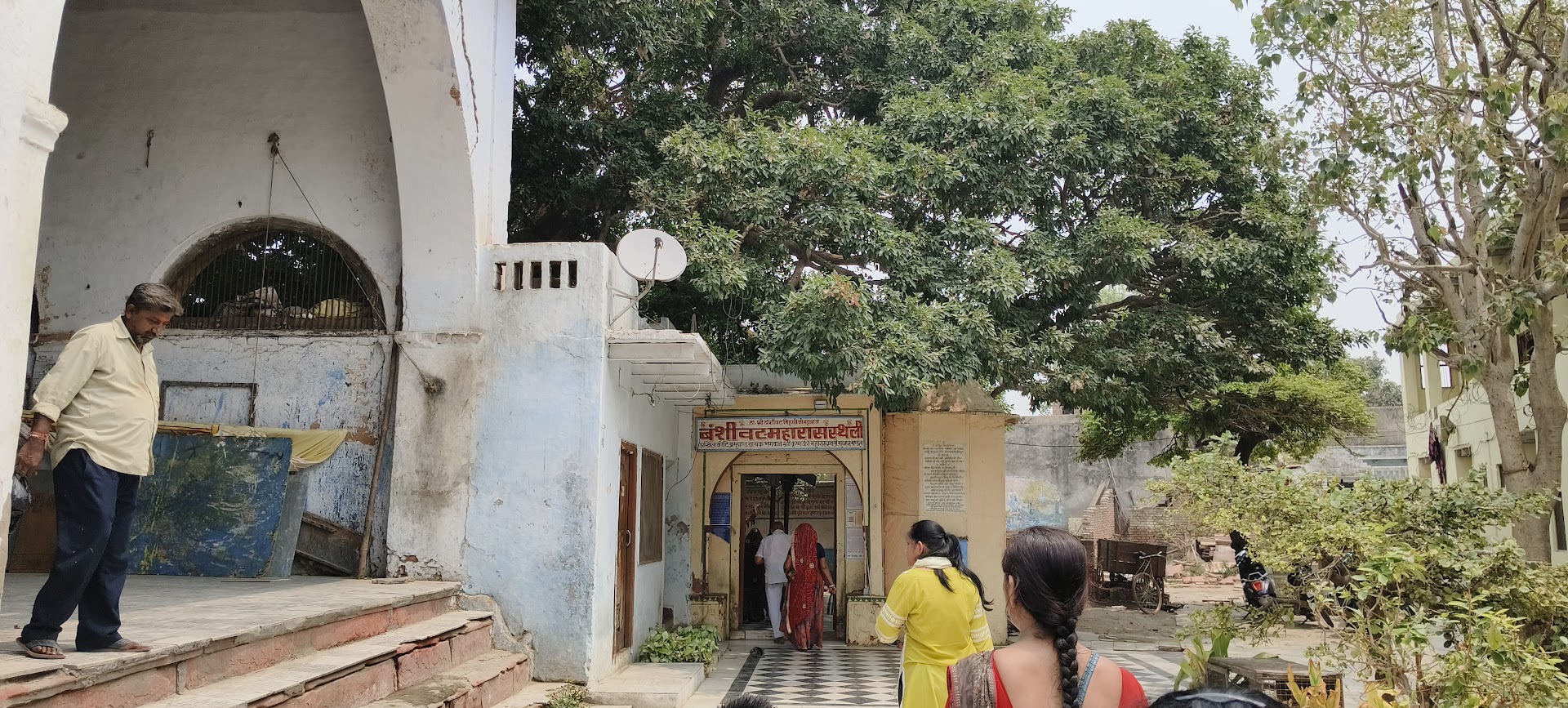
Read moreBanshi Vat is a very sacred place in Vrindavan. Infact it is very difficult to pick any specific spot in Vrindavan which can be regarded as best or less because entire Braj is the Heart of Radha Rani where Krishna is present in everything and every where. However Banshi Vat is quiet unique as it is the original spot of MAHARASA. During the Sharad poornima night Lord Krishna played his flute sitting under a Vat tree which was heared by Gopis and Lord Shiva meditating in Kailash and he performed the divine Rasa Leela at this place by manifesting into several firms for each Gopis. Location :About 200 Mts away from Gopeshwar Mahadev ji Mandir. There are two mandirs here; one is the small 'Charan' mandir which is situated in the center of the parisar. These divine 'Charan' of RadhaKrishn were established in 1820, by a great sage, Girdhari Sharn Dev acharya; he was a great devotee and served Ras Bihari with a lot of bhao, which pleased the Divine, and Radha Ras Bihari gave Their Charan (footprints) to him. The other large mandir was built by King Oyal (from Lucknow) in the 1900’s; in which the proper sewa is done daily of the Deities of Radha Krishna today. The Banshivat mandir was founded by the Acharya of Nimbark sampradaya - Shri Nivasachary; for the benefit of devotees. After him Sri Sri Bhatt Dev served this place, and did bhajan for many years. Once when Madhu Pandit was sweeping this place, he saw a flute in root of this tree. On digging deeper the Deity Radha Gopinath appeared from here, which unfortunately during the reign of Aurangzeb, had to be shifted to Jaipur for safety. Founder of Pushti maarg samprada Sri Maha Prabhu Vallabhacharya came to Vrindavan, looking for a place to hold the Bhagvat katha. He found Banshivat to be the most pure and decided to have the Bhagvat katha here. Truly this holy place is very Divine, peaceful, and a must see in Vrindavan. Jai Shri...
Read more