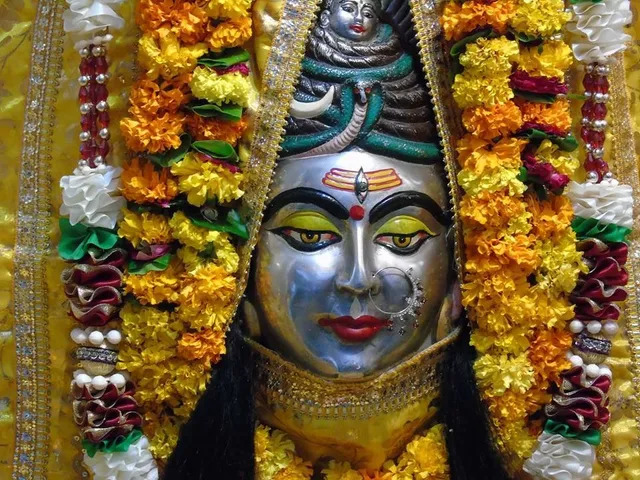
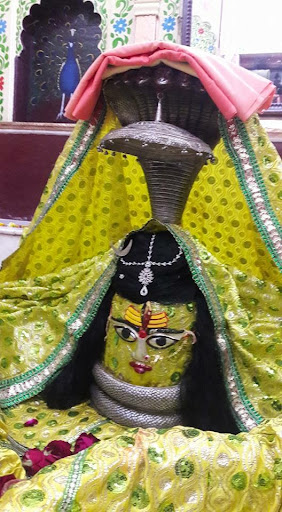
"In Śrīmad-Bhāgavatam, Mahādeva Śaṅkara, the god of gods, has been called the foremost Vaiṣṇava. He and Bhagavatī Pārvatī are always absorbed in meditation on Kṛṣṇa’s eternal eightfold daily pastimes (aṣṭa-kālīya līlā). Once, during Śrī Kṛṣṇa’s manifest pastimes, Śaṅkara desired to take darśana of Kṛṣṇa’s captivating rāsa-līlā with his own eyes. Being eager to do so, he came directly to Vṛndāvana from Kailāśa. At the gate outside Vṛndāvana, some attendant gopīs stopped him, because no male except for Śrī Kṛṣṇa can enter the rāsa. But since when has Śaṅkara easily agreed to anything? He asked the attendant gopīs how he might be admitted, and they told him to satisfy Bhagavatī Yogamāyā Paurṇamāsī (Pūrṇimā) with his worship. Śaṅkara followed their advice and after arduous worship he received darśana of Yogamāyā. Knowing the desire of Śaṅkara, Pūrṇimā took his hands and dipped him in the nearby Brahma-kuṇḍa. When he came out of the pond, he had been transformed into an extremely beautiful young gopī. Pūrṇimā seated Śaṅkara, now a gopī, inside a kuñja north-east of the rāsa-sthalī. She told him to behold the rāsa-līlā from there, and then she disappeared. After a short while, the rāsa-līlā began. The gopīs thought, “Today, for some reason or other, we are not feeling any happiness in singing and dancing.” They understood that some outsider had entered the arena, and they began to search for that person. In their search they came to this place‚ where they saw a new, unknown gopī sitting in a kuñja. They caught that new gopī and began to question her, “What is your name? What is the name of your village? Who is your husband? Who is your father-in-law?” But the new gopī was unable to answer any of their questions. Instead, she could only cry. Yogamāyā had neither arranged her birth from the womb of a gopī, nor given her any name. The new gopī was not married to any gopa either, so what answers could she give? When the gopīs received no answer, they began to slap her cheeks till they became swollen. Seeing Mahādeva’s misery, Pūrṇimā’s heart melted. She went there and explained that this gopī was an object of her mercy. She requested the gopīs and Kṛṣṇa to be merciful to her. Śrī Kṛṣṇa, knowing the internal desire of Pūrṇimā, gave Śaṅkara the name Gopīśvara and granted him the boon that a sādhaka would be unable to enter Vṛndāvana, and especially into Kṛṣṇa’s sweet pastimes there, without first receiving his mercy. The Gosvāmī literatures also describe that at the time of Kṛṣṇa’s manifest pastimes, the gopīs worshipped Gopīśvara Mahādeva with the desire to obtain service to Kṛṣṇa. For instance, Raghunātha dāsa Gosvāmī’s Śrī Vraja-vilāsa-stava (verse 87) states:
mudā gopendrasyātmaja-bhuja-pariṣvaṅga-nidhaye sphurada-gopī-vṛndairyamaiha bhagavantaṁ praṇayibhiḥ bhajadbhisa tair bhaktyā svama bhilaṣitaṁ prāptuma cirād yamī-tīre gopīśvaramanudinaṁ taṁ kila bhaje
“To obtain the jewel of being embraced by the arms of Vrajendra-nandana Śyāmasundara, the gopīs, who possess firm, loving, intimate attachment for Śrī Kṛṣṇa, joyfully worshipped Sadāśiva with great devotion and had all their internal desires fulfilled without delay. Daily I worship that Gopīśvara Mahādeva who resides on the bank of the Yamunā.”
The praṇāma-mantra (from Śrī Viśvanātha Cakravartī Ṭhākura’s Saṅkalpa-kalpa-druma, text 103) for Gopīśvara Mahādeva clearly indicates that Gopīśvara Mahādeva is the bestower of unadulterated kṛṣṇa-prema:
vṛndāvanāvani-pate! jaya soma! soma-maule sanaka-sanandana-sanātana-naradeḍya gopīśvara! vraja-vilāsī-yugāṅghri-padme prema prayaccha nirupādhi namo namste
“O gatekeeper of Vṛndāvana, O Soma, all glories to you. O you whose forehead is decorated with the moon, and who is worshipful for the sages headed by Sanaka, Sanandana, Sanātana and Nārada. O Gopīśvara, desiring that you bestow upon me prema for the lotus feet of Śrī Rādhā-Mādhava, who perform joyous pastimes in Vraja-dhāma, I offer obeisances unto you time and again.”
Excerpt from the book 'Sri Vraja-mandal Parikrama' by Srila Bhaktivedanta Narayana...
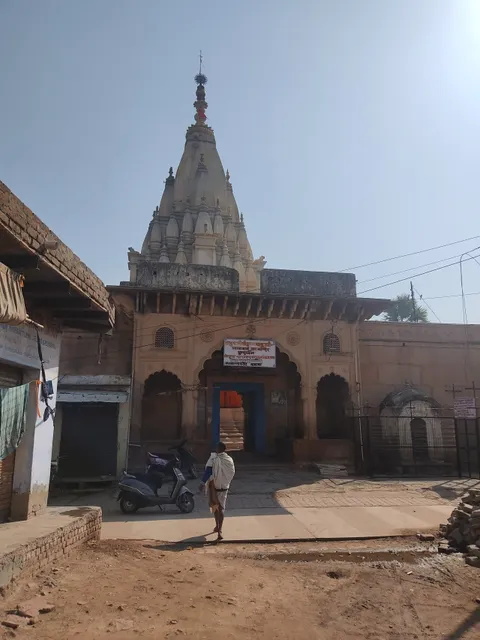
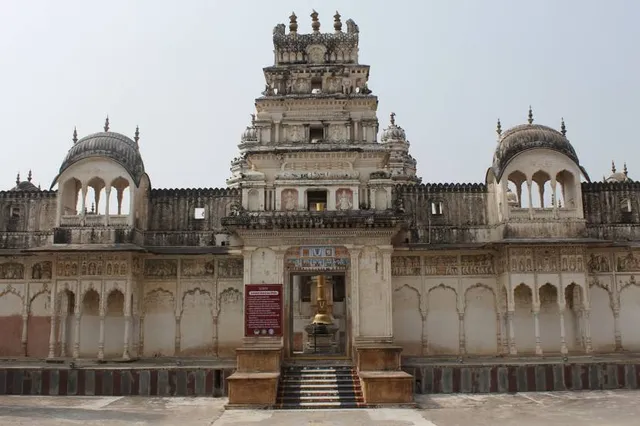
Read moreThe Gopeshwar Mahadev Temple is a revered Hindu temple in Vrindavan, Uttar Pradesh, India. Here's some information about the Gopeshwar Mahadev Temple:
Significance: The Gopeshwar Mahadev Temple is dedicated to Lord Shiva and is considered one of the ancient and vital temples in Vrindavan. It holds special significance for devotees of Lord Shiva and is believed to be associated with the divine pastimes of Radha and Krishna.
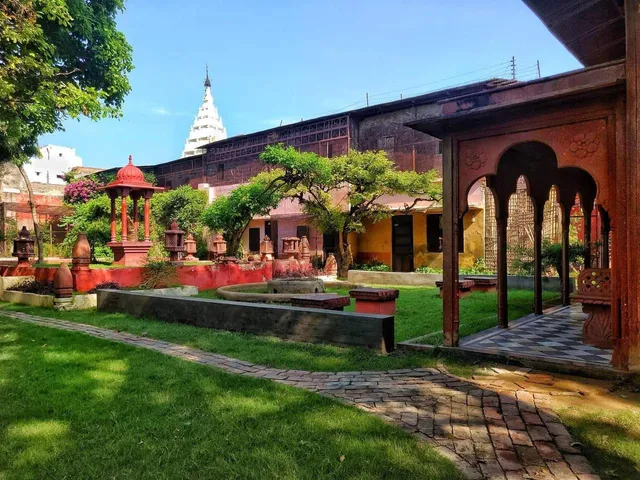
Location: The temple is situated near the sacred Govind Dev Temple in Vrindavan amidst the lush greenery and serene surroundings of the holy town.
Legend: According to local legend and mythology, the Gopeshwar Mahadev Temple was established by Lord Krishna's consort, Radha, and her companions (gopis). It is said that Radha and the gopis worshipped Lord Shiva here to seek his blessings for their divine love and devotion towards Krishna.
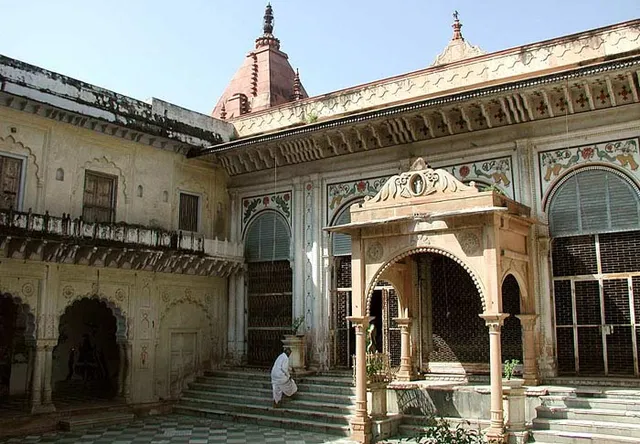
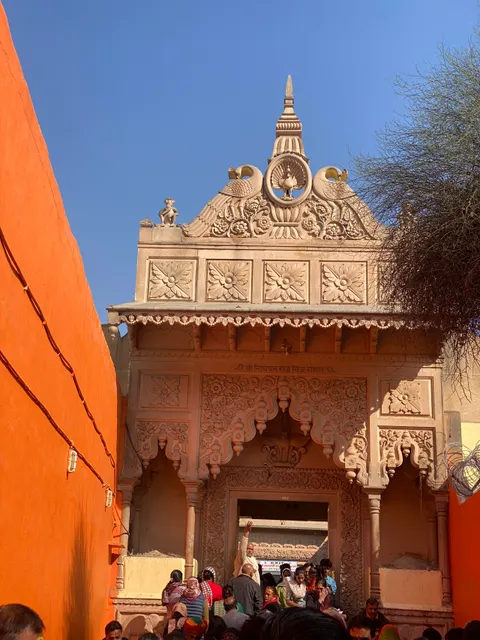
Architecture: The temple architecture reflects traditional Hindu temple design, with a simple yet elegant structure adorned with sculptures and carvings depicting various deities and mythological motifs. The temple's sanctum houses the Shivlinga (symbol of Lord Shiva), which devotees worship with great reverence.
Devotional Practices: Devotees visit the Gopeshwar Mahadev Temple to offer prayers, perform rituals, and seek blessings from Lord Shiva. The temple provides a serene and spiritual atmosphere for meditation, contemplation, and devotional activities such as chanting mantras and reciting hymns.
Festivals: The Gopeshwar Mahadev Temple celebrates various Hindu festivals throughout the year, including Mahashivaratri (the great night of Lord Shiva), Shravan Month (dedicated to Lord Shiva), and other auspicious occasions associated with Lord Shiva's worship.
Pilgrimage Destination: The Gopeshwar Mahadev Temple is a sacred pilgrimage destination for devotees of Lord Shiva and attracts visitors from all over India and abroad. It is considered a place of spiritual significance and divine energy, where devotees can experience the blessings and grace of Lord Shiva.
Overall, the Gopeshwar Mahadev Temple is a cherished place of worship and pilgrimage in Vrindavan, where devotees can connect with the divine presence of Lord Shiva and experience the spiritual essence of this sacred town associated with the holy love of Radha...
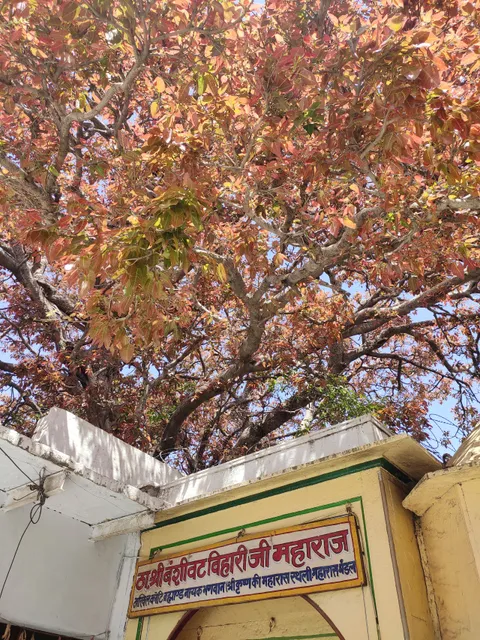
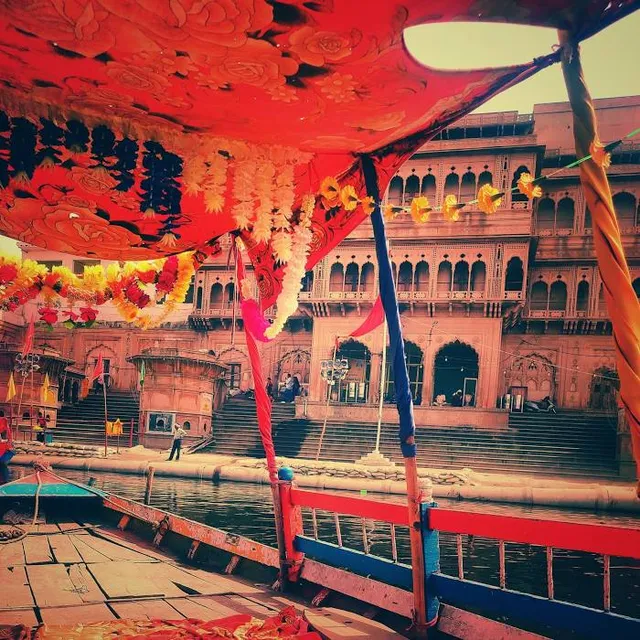
Read moreJai Gopeshwar Mahadev. The most sacred place dedicated to Lord Shiva in Vrindavan is Gopeshwar Mahadev. It is believed that the Shiva linga was established here by the great grand son of Lord Krishna, Shri Vajranabh more than 4000 years ago in Vrindavan. Some quick information are as follows #Ication - Around a km away from Radharaman Mandir and can be easily reached by rickshaw or by walking #bholenaath is worshipped here as Gopi hence the evening shringar of Bholenath is as Gopi. Same can be witnessed every evening in the temple. Just outside at the entrance is another Shiva linga which is very Divine to behold. #Bashi Vat or the spot of Maharasa is at a distance of 200 Mts away from Gopeshwar Mahadev ji and not to be missed. Let me share the story of Gopeshwar Mahadev ji as per the legends. On an autumn night, under a lustrous full moon, Lord Krishna performs his sweetest eternal pastime known as the Maha Rasa Lila, his enchanting night of dancing with the beautiful gopis of Vrindavan. Since no males other than Krishna are ever allowed to enter into this dance, Lord Shiva was denied entrance by the presiding Queen of Vrindavan, Vrinda devi. While standing guard outside the sacred dance area, Shiva’s desire to join the dance grew stronger, and he began meditating intensely on Krishna’s beloved Sri Radha, who took notice and dispatched one of her attendants Lalita devi to initiate Shiva into the dance.She instructed Shiva to bathe in the sacred Yamuna River, and when he emerged from the purifying waters transformed into a charming young gopi, he was allowed to enter the dance. Taking notice of the new “gopi”, Krishna smiled mischievously at Lord Shiva and named him Gopeshwara. To this day, Shiva is considered the guardian of the Rasa Lila dance and is affectionately called Gopeshwara Mahadev...
Read more