
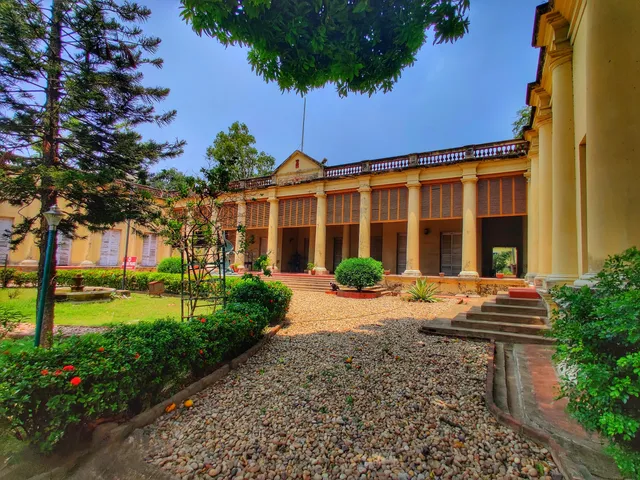
 Learn more insights from Wanderboat AI.



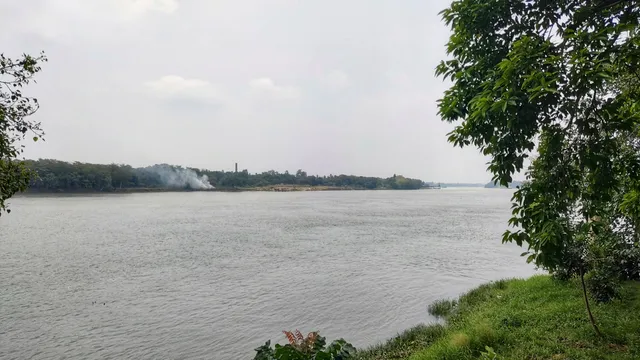
Chandannagar Strand
4.7
(2.4K)
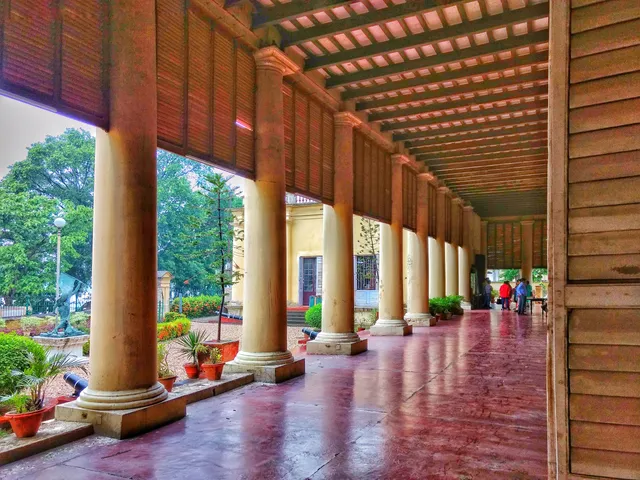
Institut de Chandernagor (The Indo French Cultural Centre & Museum)
4.5
(187)
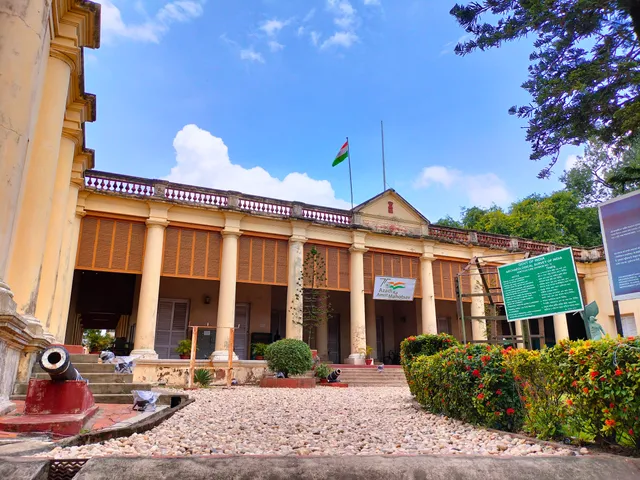
Chandannagar Museum
4.5
(62)
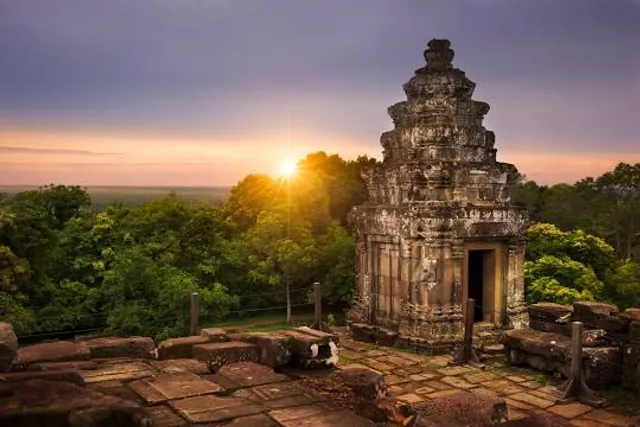
Nandadulal Temple
4.5
(284)

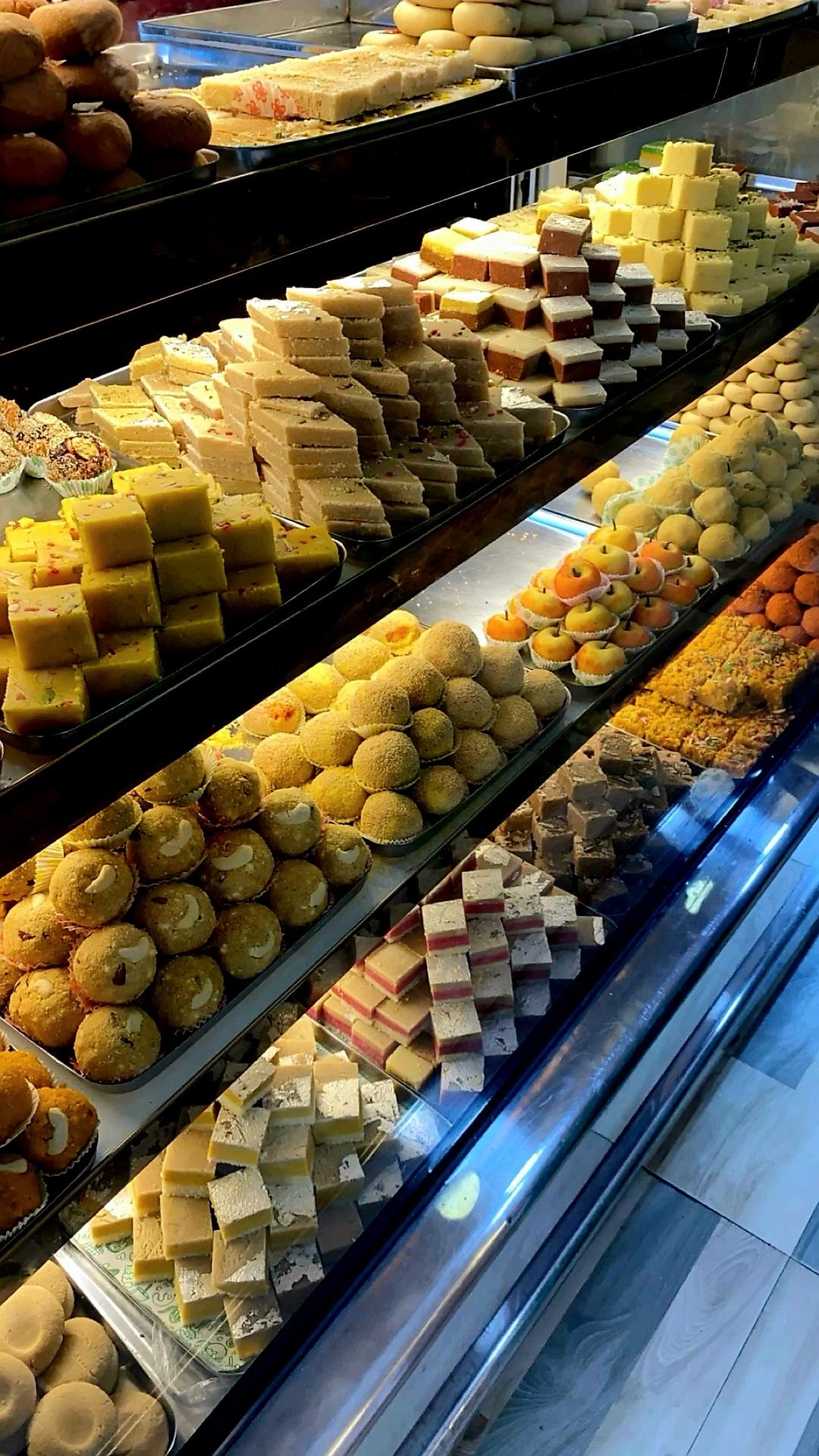

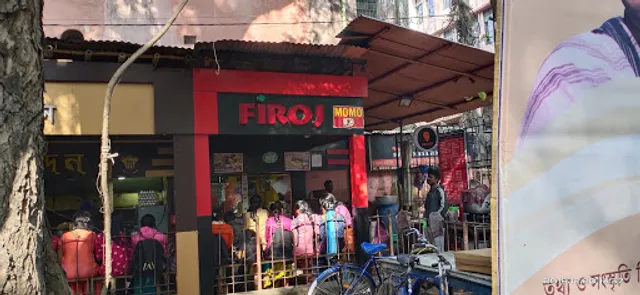
Firoj Biryani Caterer
3.4
(217)
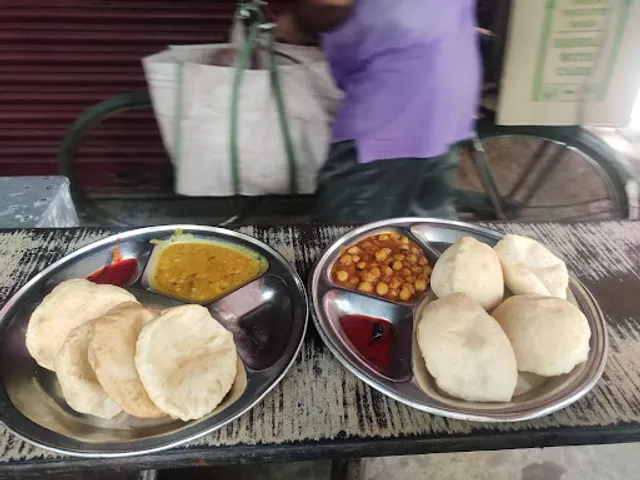
abhinandan fast food centre
4.0
(19)
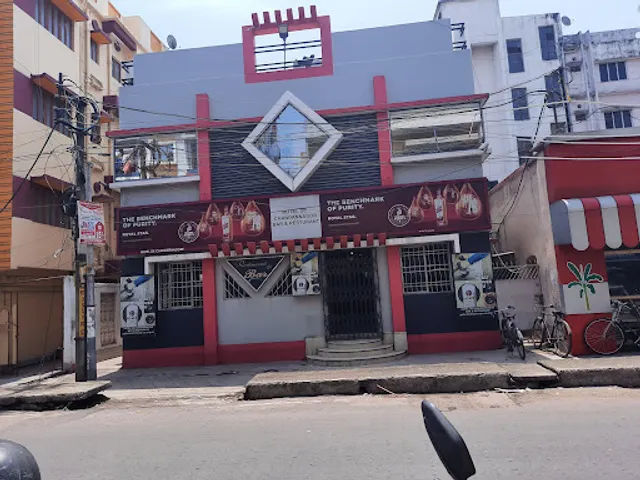
Hotel De Chandernagore
4.3
(1.1K)
$$
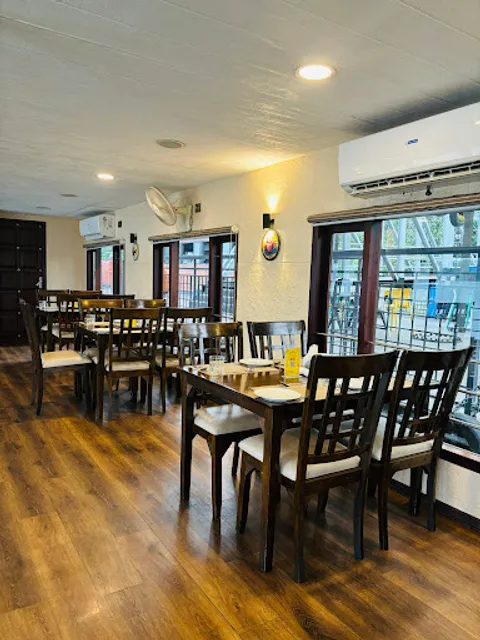
Joloshree Restaurant
4.2
(1.0K)


Chandannagar, formerly spelled as Chandernagore, is a Corporation city and former French colony located about 35 kilometers (22 mi) north of Kolkata, in West Bengal, India. It is headquarter of Chandannagore subdivision of Hooghly district. It is one of the 7 municipal corporations in West Bengal. It is a part of the area covered by Kolkata Metropolitan Development Authority. Located on the Hooghly River, the city has been able to maintain a unique identity different from all other cities and abide by her own characteristics. The total area is 19 square kilometers (7.3 sq mi), and had a population of 166,867 at the 2011 Census. Chandannagar is connected to Kolkata by railway, roadways and Hooghly river and it takes about an hour to reach there by car.
Origin of name of Chandannagar
The name Chandannagar is possibly derived from the shape of the bank of the river Hooghly which is bent like a half moon (in Bengali, Chand means moon and Nagarimplies city), so originally it was chander nagar. From the river bank it looked like a moon-shaped necklace (crescent moon). Some local people say that once, the place was the major hub of the trade of Sandal(Bengali-chandan). In some old documents the spelling of Chandannagar was Chandernagore which probably came from Chandra Nagar. To mention, Chandra is the Bengali of Moon. One more reason behind the name is, in Chandernagore there is a temple of Goddess 'Chandi'. So it might come from there. But earlier people knew the place by the name Farasdangaor "France donmgi" as it was a French colony (Bengali: Farasi means French, danga means land).The name Pharasdanga appears in Bengali literature.
History
The capture of the position of Chandernagore in 1757 by the Royal Navy.
Chandannagar was established as a Frenchcolony in 1673, when the French obtained permission from Ibrahim Khan, the Mughalsubadar of Bengal, to establish a trading poston the right bank of the Hughli River. Bengal was then a province of the Mughal Empire. It became a permanent French settlement in 1688, and in 1730 Joseph François Dupleixwas appointed governor of the city, during whose administration more than two thousand brick houses were erected in the town and a considerable maritime trade was carried on. For a time, Chandannagar was the main center for European commerce in Bengal.
Chandannagar waterfront c. 1850
In 1756 war broke out between France and Great Britain, and Colonel Robert Clive of the British East India Company and Admiral Charles Watson of the British Navy bombarded and captured Chandannagar on 23 March 1757. The town's fortifications and many houses were demolished thereafter, and Chandannagar's importance as a commercial center was eclipsed by that of Calcuttasituated down river. Chandernagore was restored to the French in 1763, but retaken by the British in 1794 in the Napoleonic Wars. The city was returned to France in 1816, along with a 3 sq mi (7.8 km2) enclave of surrounding territory. It was governed as part of French India until 1850, under the political control of the governor-general in Pondicherry. By 1900 the town's former commercial importance was gone, and it was little more than a quiet suburb of Calcutta, with a population of 25,000 (1901). But it was noted for its clean wide thoroughfares, with many elegant residences along the riverbank.
Like the other three French occupied colonies of India, Chandernagore was under...
Read more
History: Chandannagar was originally known as Chandernagore and it was the former French capital in India before it was shifted to Pondicherry the way New Delhi was latter became the capital of British India after it was shifted from Calcutta. Hindi 18th century it was the French hub in Indian subcontinent and duplex was a French governor, it is said that the French first started to expand the empire in India later on that was adopted by the British and the French could no longer keep up with the British after losing battle after battle against them. This palace was once inhabited by the French governor duplex who was also known as the founding father of French empire in Chandannagar and also one of the earliest developers of this beautiful French town.
Location: Duplex palace is situated opposite the Chandannagar stand road at the Chanchal of Chandannagar sacred heart cathedral and easy stand monument.
Ticket: For Indian people it is only 5 rupees, and believe me this 5 rupees is worth it, could have easily charged at least 25. however the main goal is to teach people about the glorious history of this former French capital in undivided India.
Art: The way West Bengal has its Raj bhavan which was earlier known as the Government house which is the house of the governor of the state of West Bengal what's the same building was inhabited by the coconut general of India, similarly in the French Empire this building was the Government house of the French.
Visiting this beautiful palace is truly worth it and the time spent here is not time wasted rather a...
Read more
Dupleix Palace.. located at Chandannagar, West Bengal , India.. this is a Historical Iconic Structure in Chandannagar.. located at very convenient place on Chandannagar Strand Road.. vey easily accessible. One can reach Chandannagar Station from Howrah or from any direction and from Chandannagar Station it will take just 5-7 minute by Toto, Auto. This building also known as Institute De Chandernagor.. it is open on all days except Thursday & Saturday. Ticket price for Indians is Rs.5/- and for foreigners Rs.20/-s. One needs to keep mobiles and bags in lockers provided by the staff here before entering the Museum. As per information available The museum was founded with the core collection coming from the gifts made by the famous antiquarian named Harihar Sett, the first president of the Free City of Chandernagore, a philanthropist and noted social reformer. He continued his efforts towards researching the culture and rich history of Bengal throughout his lifetime. He received the French Government’s Chevalier de la Legion D’Honneur on May 29, 1934. With efforts made by the then chief minister of West Bengal, Jyoti Basu, the French government made a conservation blueprint for the Dupleix Palace or Institute, putting a sum of Rs 58,26,000 to the government in 1988. INTACH (The National Trust for Arts and Cultural Heritage) took up the job of conservation in 1989, finishing the...
Read more


