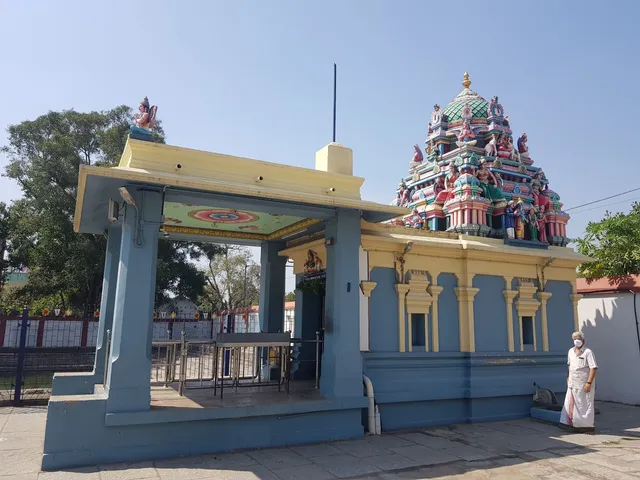
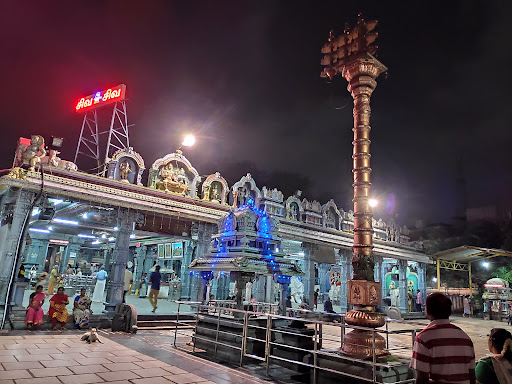
The Kasi Viswanathar Temple in Tenkasi, Tamil Nadu, is a revered Hindu shrine dedicated to Lord Shiva. Nestled amidst the scenic beauty of the Western Ghats, this temple holds both architectural and spiritual significance.
The temple's history dates back centuries, with its roots intertwined with the rich cultural tapestry of the region. As a place of worship, it not only serves the spiritual needs of devotees but also stands as a testament to the artistic and architectural prowess of its builders.
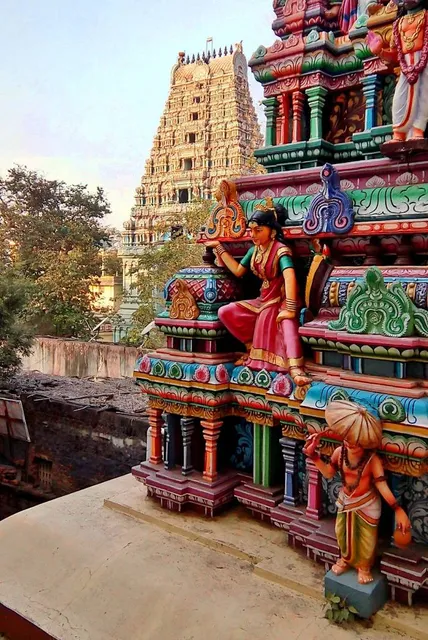
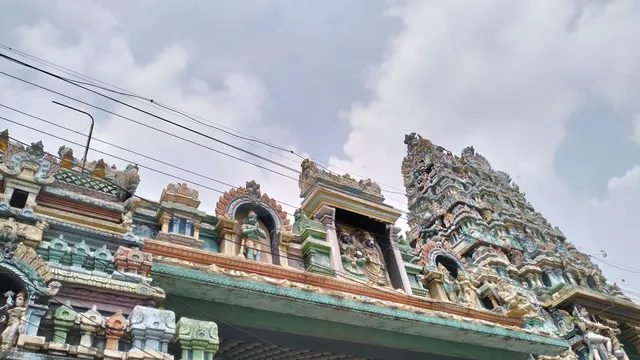
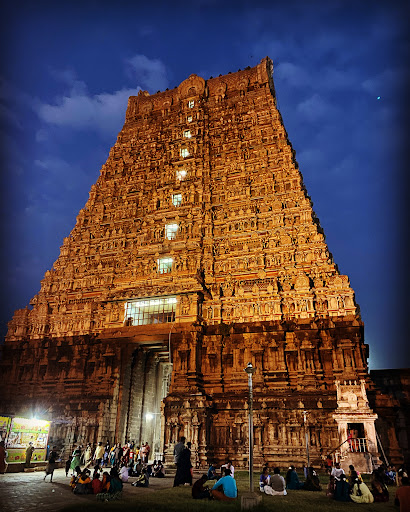
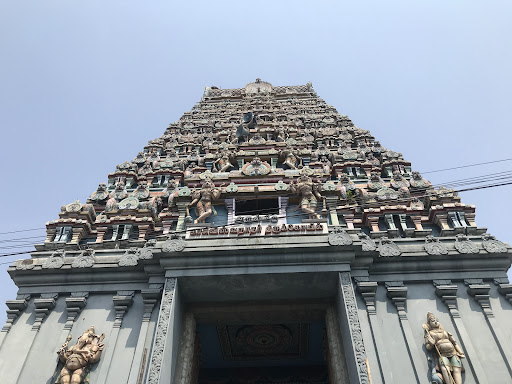
One of the distinctive features of the Kasi Viswanathar Temple is its intricate architecture, showcasing the Dravidian style that is characteristic of many South Indian temples. The towering gopuram (entrance tower) adorned with ornate sculptures welcomes visitors into the sacred precincts.
Devotees flock to the temple to seek blessings and perform rituals, particularly those associated with Lord Shiva. The sanctum sanctorum houses the main deity, Lord Kasi Viswanathar, a manifestation of Shiva. The rituals and ceremonies conducted here follow age-old traditions, adding a sense of continuity to the spiritual practices.
The temple's location in Tenkasi adds to its allure. Surrounded by lush greenery and set against the backdrop of the Western Ghats, it provides a serene and tranquil atmosphere for prayer and reflection. Pilgrims often find solace in the peaceful surroundings as they connect with the divine.
Festivals are an integral part of the temple's calendar, attracting devotees from far and wide. The vibrant celebrations, marked by processions, music, and rituals, create a festive atmosphere that resonates with the religious fervor of the community.
In essence, the Kasi Viswanathar Temple in Tenkasi is not merely a place of worship; it's a cultural and spiritual hub that preserves traditions and serves as a symbol of devotion. Its architectural grandeur, spiritual significance, and natural beauty make it a must-visit destination for those seeking a holistic experience that combines faith, history, and the wonders of nature.
The temple complex comprises various structures that contribute to its overall grandeur. The halls and corridors adorned with intricate carvings depict mythological stories and divine symbolism, offering a visual feast for art enthusiasts and religious scholars alike. The temple's architecture reflects the intricate craftsmanship of the artisans of its time, showcasing the cultural and artistic prowess prevalent in the region.
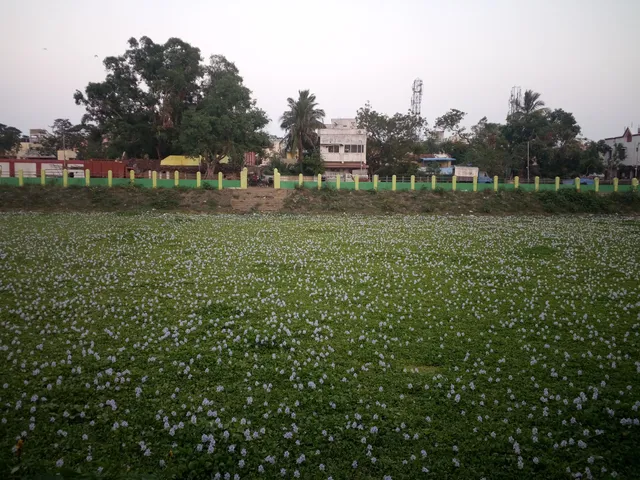
Devotees often undertake a circumambulation (pradakshina) around the sanctum sanctorum as part of their worship. The sacred tank or temple pond within the premises adds a touch of serenity, and it is not uncommon for pilgrims to take a ritualistic dip, considering it purifying.
The priests, known as archakas, play a crucial role in maintaining the sanctity of the temple. Their hereditary responsibilities include performing daily rituals, conducting ceremonies, and ensuring that the traditions are passed down through generations.
Beyond its religious significance, the Kasi Viswanathar Temple is an integral part of the local community. It serves as a focal point for social and cultural gatherings, fostering a sense of unity among the residents. The temple's management often engages in charitable activities, contributing to the well-being of the surrounding areas.
Visitors to the temple not only experience a spiritual journey but also witness the amalgamation of history, art, and culture. The temple stands as a living testimony to the enduring faith of generations and the continual evolution of religious practices in the region.
In conclusion, the Kasi Viswanathar Temple in Tenkasi is a sacred destination that transcends its role as a mere place of worship. It encapsulates the essence of a rich cultural heritage, architectural brilliance, and the deep-rooted spirituality that defines the people of Tamil Nadu. As pilgrims and tourists alike explore its precincts, they become part of a tradition that has withstood the test of time, connecting the past...
Read moreThe temple is easy to find, being situated adjacent to the main road. It has a clean and peaceful ambience. It is a place to get darshan of Lord Shiva in the form of Kasi Viswanathar (Baana Lingam), akin to the actual Sri Kasi Viswanathar in Kashi sthalam. The temple is also known for the deity Sri Kasi Visalakshi Ambal.
A brief history of the temple:
Arulmigu Kasi Viswanathar Temple is more than 700 years old, and was once situated on the St. Thomas Mount hill, and was worshipped by the great Bringhi Rishi, which is why the area is known as Bringhi Malai (now Parangi Malai) The temple is now situated here, near the foot of the hill, and is also the site of Jeevasamadhi of the great Bringhi Rishi.
A brief history of Bringhi Rishi:
It is said that the great Rishi once took upon a journey from the Himalayas to the South to meet the great Agasthiya Rishi, and during his passage back, he visited this temple, and decided to stay here, on the St. Thomas Mount hill, to worship the Lord Viswanathar and do penance for the rest of his life, and attained mukti at this very location.
The Rishi was also known for worshipping only the God Shiva, and never worshipped the Goddess Parvati Devi. To make the world aware of his devotion to Lord Shiva, as a test to the Rishi, Goddess Parvati sat by the side of Lord Shiva. Thus, to worship the Lord only, the Rishi took the form of a small bug and went in between them such that he could only worship Him. Goddess Parvati, to test his devotion, took his Shakti from him. When the Rishi was unable to stand due to exhaustion, Lord Shiva gave him the strength to stand up and continue worshipping him by blessing him with a third leg. Such is the devotion of the great Bringhi Rishi, and thus this temple holds a lot of spiritual and cultural significance, being the resting place of such a great Rishi.
Hope you found the review helpful 😊
🙏 Om...
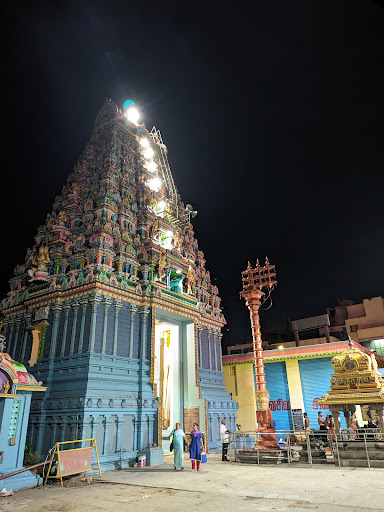
Read moreOne of the old temples around T nagar/west mambalam. This Temple is also known as Mahabilva Kshetram. The Presiding Deity of this Temple is Kasi Visvanathar who is an incarnation of Lord Shiva. He Blesses His Devotees along with His Consort Kasi Visalakshi Ambal. This Temple is named after the Sri Vishwanathar Temple of Varanasi. Initially this place was called as Mahabilam because in olden days this place was filled with Mango and Vilvam Tree. The Presiding Deity of this Temple is in the form of a self Manifested Swayambu Lingam. It is believed that this Temple is 400 years old and the Rulers of Vijayanagara and Nayaks had built this Temple. This Temple complex was reconstructed in the year 2003. The Nayak King who built the Tenkasi Temple is believed to have built this too. There are two Rajagopurams, one facing the North which is seven tiered and the other is facing South which is three tiered. The Kostha of this Temple consist of Idols of Vinayaka, Dakshinamoorthy, Vishnu, Brahma and Durga. The Images of Nataraja and Urdhava Thandavar can be seen on the either side of Shiva and Parvathy in Kalyana Kolam. This Temple has Idols of Gods and Goddesses like Sankaranayana, Sarabeswarar, Prathiyangara Devi seated on a Lion, Yoga Narasimhar, Sanjeeviraayar, Garudalwar, Kamakshi Amman and Arthanareeshwarar can be seen on the pillars of this...
Read more