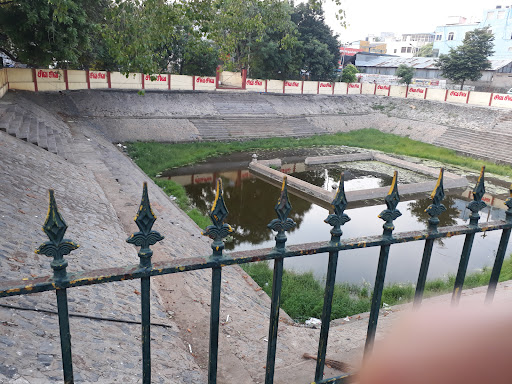
History of Dandeeswarar Temple The temple was earlier built during the reign of the Pallava kings and was later modified by the Chola dynasty. The oldest inscription found in the temple belongs to the period of King Gandaraditya Chola. It is believed that, based on this inscription, the temple could have been built in the 10th century CE during the Chola dynasty. There are inscriptions of the Chola dynasty in the 11th century, during the reign of Raja Raja Chola I and Rajendra Chola I.
The walls in the sanctum area have a lot of Tamil inscriptions. The Goddess Ambal was installed in the temple by Appayya Dikshithar with the Sri Chakra in the 16th century. A devotee from Arcot is believed to have built the shrine of Ganesha inside the temple and made provisions for Nithya Pooja.
Velachery was said to have existed as a village as far back as 9th century CE. The oldest inscriptions in Velachery are seen in the Selliyamman temple, during the reign of King Parakesarivarman, Parantaka Chola and Parthivendravarman in the 9th century.
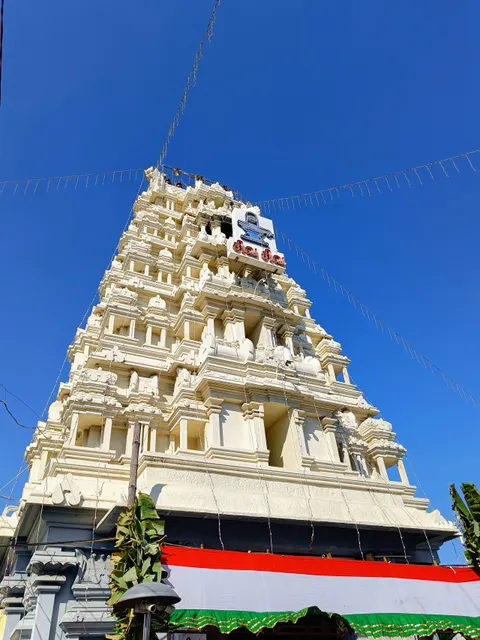
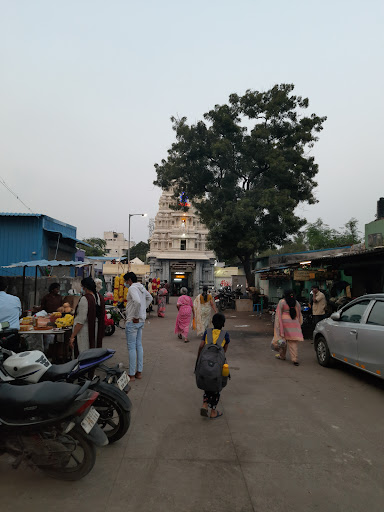
It was believed that during the 12th century, Velachery came briefly under the rule of the Kadavas, feudal powers under the Chola kings and Pandya emperors. An inscription of King Kopperunjingan I of Senthamangalam in the South Arcot region was found in Velachery. Architecture of Dandeeswarar Temple The temple has three entrances – in the east, west, and north directions. The sanctum faces east, but the north-facing tower with the five tiers is the main entrance.
The presiding deity is Dandeeswarar, in Shiva Lingam form in an east-facing sanctum. It was said that during the early period, the rays of the sun would fall on the Lingam on the exact date of the Tamil New Year day, but later with high-rise buildings built around the temple, this could not be viewed.
Mother Karunambika is housed in a separate sanctum facing south, located in the Maha Mandapam. She is seen in a standing posture with four arms. A noteworthy fact is that the Sri Chakra installed by the renowned Vedic scholar, Sri Appayya Dikshithar, is in Goddess Karunambika’s shrine.
The temple has a 5-tiered Vimana (tower) and separate shrines for Ganapati, Shasta, and Subramanya. The shrines for Ganesha and Subramanya are found at the north gate. They are usually found at the rear of the prakaram (corridor). Instead, the Utsava idols of Somaskanda, Chandrasekara, and Uma, Lakshmi and Saraswathi are found here.
The Nandi Mandapam, flagstaff, and Bali Peetam are found in this area. Nandi appears in a submissive posture with his head bowed. The Dwarapalas are at the entrance of the Ardha Mandapam. Here the idols of Ganesha and Kartikeya with his consorts Valli and Deivanai can also be seen.
The outer prakaram houses the idols of Surya, the 63 Nayanmars, Nalvar, Sekkizhar, Ganesha, Veerabhadra, and Saneeswara. Other shrines include that of Vishvanathar and Visalakshi, with small idols of Ganesha and Subramanya. Vaitheeswara Lingam with Nandi, big Chokkanatha Lingam, Goddess Meenakshi with Nandi, Navagrahas, and Veda Vinayaka are seen in the outer prakaram.
Tamil and Devanagri etchings can be seen on the pillars. In the gostha wall of the sannidhi is Goddess Durga. There are idols of Goddesses Mahalakshmi and Saraswati in the prakaram (corridor).
Generally, in temples, Virabhadra is seen in a standing posture with a Danda. But in this temple, he is seen seated, with his right leg folded. He holds a Rudraksha mala instead of a Mazhu and a Danda. The Kostha idols reflect the beauty of Chola sculpture. Ganesha and Yoga Dakshinamurthi are found in a unique position, and Nandi is seen on a Peeta.
Since Shiva removed the Doshas incurred by the Vedas, Dakshinamurthy in this temple is worshipped as Yoga Dakshinamurthy. Chandikeswara and Gnanasambandhar are seen in south-facing shrines. A big idol of Nataraja and Sivakami are found in a separate shrine. The idol of Bhairava, a sculpture of Sambu Surya, and an idol of Vishnu, in place of Chandra, are seen in...
Read moreDhandeeswaram Temple in Velachery is a serene and sacred spot that holds immense spiritual significance. Dedicated to Lord Shiva, this ancient temple stands as a testament to timeless devotion and traditional architecture. The temple exudes a calm and peaceful atmosphere, making it a perfect place for prayer and introspection amidst the bustling city.
The main deity, Lord Dhandeeswarar, is beautifully adorned and commands reverence from devotees. The temple also houses shrines for Goddess Parvati and other deities, making it a complete spiritual experience. The priests perform rituals with devotion, creating an aura of divine connection during the aartis and pujas.
The temple’s architecture reflects traditional South Indian styles, with intricate carvings and a towering gopuram that adds to its grandeur. Despite being located in a busy area, the temple premises are well-maintained, clean, and welcoming. The management ensures that devotees have a hassle-free experience, and the crowd is well-organized, even during special occasions.
What stands out most about Dhandeeswaram Temple is its ability to provide a sense of solace and spiritual upliftment. Whether visiting for regular worship or to explore a historic and divine site, this temple offers a fulfilling and calming experience that lingers long...
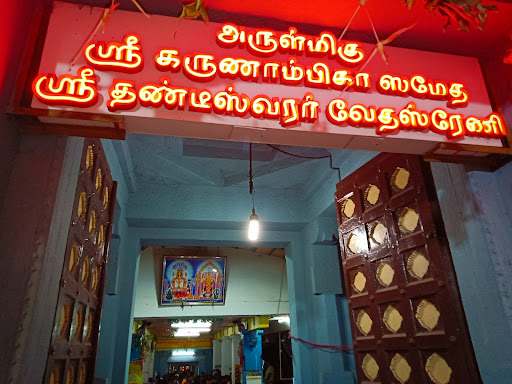
Read moreஅருள்தரும் கருணாம்பிகை உடனுறை அருள்மிகு தண்டீஸ்வரர் திருக்கோயில், வேளச்சேரி.600 042. சென்னை.
தல சிறப்பு: பொதுவாக எல்லா கோயில்களிலும் நின்ற கோலத்தில் அருள்பாலிக்கும் வீரபத்திரர் இத்தலத்தில் அமர்ந்த கோலத்தில் அருள்பாலிப்பது மிகவும் சிறப்பு.சூரிய ஒளி தை முதல் தேதியில், சிவலிங்கம் மீது விழுகிறது.
திருவிழா: சித்ராபவுர்ணமி, ஆடி ஞாயிறு, சிவராத்திரி, ஐப்பசி அன்னாபிஷேகம்.
திறக்கும் நேரம்: வீரபத்திரர் (செல்லியம்மன்) சன்னதி காலை 6 மணி முதல் 9 மணி வரை, மாலை 5 மணி முதல் இரவு 8 .30 மணி வரையும், தண்டீஸ்வரர் சன்னதி காலை 5.30 மணி முதல் 11 மணி வரை, மாலை 4.30 மணி முதல் இரவு- 8.30 மணி திறந்திருக்கும்.
பொது தகவல்: வேத விநாயகர்: சுவாமி சன்னதி கோஷ்டத்தில் துர்க்கையும், பிரகாரத்தில் லட்சுமி, சரஸ்வதியும் உள்ளனர். ஒரே இடத்தில் நின்று மூன்று தேவியரையும் தரிசிக்கலாம். பிரகாரத்தில் உள்ள விநாயகர், வேத விநாயகர் என்றழைக்கப்படுகிறார்.இவர் கைகளில் வேதங்களுடன் காட்சி தருகிறார். எமதர்மன் மீண்டும் தண்டம் பெற்ற தலம் என்பதால், இங்கு அறுபது, எண்பதாம் திருமணம் மற்றும் ஆயுள் விருத்தி ஹோமங்கள் செய்து கொள்கிறார்கள்.
பிரார்த்தனை: ஆயுள் விருத்தி பெற, இழந்த பதவி கிடைக்க இங்கு வேண்டிக்கொள்ளலாம். கன்னிப்பெண்கள், சப்தகன்னியரையும், வீரபத்திரரையும் வணங்கிச் செல்கிறார்கள்.
நேர்த்திக்கடன்: வேண்டுதல் நிறைவேறிட சுவாமி, அம்பாள், வீரபத்திரருக்கு வஸ்திரம் அணிவித்து, அபிஷேகம் செய்து வேண்டிக்கொள்கிறார்கள்.
தலபெருமை: அமர்ந்த கோல வீரபத்திரர்: வீரபத்திரருக்கு தண்டாயுதம் என்ற உலக்கை போன்ற ஆயுதமே தரப்பட்டிருப்பது மரபு. இவரை நின்ற கோலத்திலேயே பார்க்க முடியும். ஆனால், சிவாம்சமான வீரபத்திரர், கைகளில் மான், மழு தாங்கி, அமர்ந்த கோலத்தில் இருப்பதை இக்கோயிலில் காணலாம். இவர் கன்னிப்பெண்களைக் காக்கும் தெய்வமாக அருளுகிறார்.அசுரன் ஒருவனை அழிக்கச்சென்ற சப்தகன்னியர், தவறுதலாக ஒரு மகரிஷியை அழித்து விட்டனர். தங்களை அழிக்க ஏழு கன்னிகள் புறப்பட்டிருக்கும் செய்தியை அந்த அசுரனும் அறிந்து கொண்டான்.முனிவரைக் கொன்ற தோஷம் ஒருபுறம், அசுரனின் மிரட்டல் மறுபுறமுமாக இருந்த வேளையில், சிவபெருமான், அவர்களைக் காக்க தனது அம்சமான வீரபத்திரரை அனுப்பி வைத்தார். வீரபத்திரர் கன்னியர்களை காத்ததோடு, அசுரனையும் அழித்தார். இதன் அடிப்படையில் இத்தலத்தில் சப்த கன்னியர் அருகில் வீரபத்திரர் காவல் தெய்வமாக இருக்கிறார்.வீரபத்திரர், வலது காலை மடக்கி அமர்ந்திருக்கிறார்.கைகளில் தண்டத்திற்கு பதிலாக ருத்ராட்ச மாலை மற்றும் மழு (கோடரி போன்ற ஆயுதம்) ஏந்தியிருக்கிறார். பீடத்தில் நந்தி இருக்கிறது. பவுர்ணமியில் இவருக்கு விசேஷ அபிஷேக, ஆராதனை நடக்கிறது. கன்னியரைக் காத்த கடவுள் என்பதால், பெண்கள் இவருக்கு பாலபிஷேகம் செய்து, வெற்றிலை மாலை அணிவித்து, தங்களுக்கு இழைக்கப்படும் அநீதிகளைச் சொல்லி வேண்டிக்கொள்கிறார்கள். சப்தகன்னியரில் ஒருத்தியான சாமுண்டியை, செல்லியம்மனாக பாவித்து வழிபடுகிறார்கள். சப்தகன்னியர் சன்னதியை, "செல்லியம்மன் சன்னதி' என்றே அழைக்கின்றனர். வீரபத்திரர் எதிரே விநாயகர் இருக்கிறார்.
சூரியபூஜை: தண்டீஸ்வரர் எதிரேயுள்ள நந்தி, தலையை பணிவாக கீழே சாய்த்திருப்பது விசேஷமான அமைப்பு. அம்பாள் கருணாம்பிகை சன்னதியில் அப்பைய தீட்சிதர் பிரதிஷ்டை செய்த ஸ்ரீசக்ரம் இருக்கிறது. சூரிய ஒளி தை முதல் தேதியில், சிவலிங்கம் மீது விழுகிறது. வேதங்களின் தோஷம் போக்கிய சிவன், இங்கிருப்பதால், இங்குள்ள தெட்சிணாமூர்த்தி "யோக தெட்சிணாமூர்த்தி' எனப்படுகிறார். இவரது பீடத்தில் நந்தி இருக்கிறது.
தண்டம் தந்த சிவன்: அற்ப ஆயுள் பெற்றிருந்த, தன் பக்தனான மார்க்கண்டேயரின் ஆயுளை எடுக்கச் சென்ற எமனை சிவபெருமான் எட்டி உதைத்தார். அவனது பதவியையும் பறித்தார். இழந்த பதவியைப் பெற எமன், பூலோகத்தில் சிவத்தல யாத்திரை மேற்கொண்டான். இத்தலத்தில் தீர்த்தம் உருவாக்கி, சிவனை வழிபட்டான். அப்போது எமனுக்கு காட்சி தந்த சிவன், தண்டம் கொடுத்து பணி செய்யும்படி அறிவுறுத்தி அருளினார். எனவே இத்தலத்து சிவன், "தண்டீஸ்வரர்' என்று பெயர் பெற்றார். இழந்த பதவி திரும்பக் கிடைக்க இவரிடம் வேண்டிக் கொள்கிறார்கள்.
தல வரலாறு: சோமாசுரன் என்னும் அசுரன், நான்கு வேதங்களையும் பிரம்மாவிடமிருந்து பறித்துச்சென்றான். அதனை திருமால் மீட்டு வந்தார். அசுரனிடம் தாங்கள் இருந்த தோஷம் நீங்க, வேதங்கள் சிவனை வேண்டி தவமிருந்தன. அவற்றிற்கு காட்சி தந்த சிவன், தோஷம் நீக்கி அருளினார். வேதங்கள் வழிபட்டதால் "வேதச்சேரி' என்றழைக்கப்பட்ட தலம் பிற்காலத்தில், "வேளச்சேரி' என்று மருவியது. வேதஸ்ரேணி என்பது இத்தலத்தின்...
Read more