HTML SitemapExplore
logo
Find Things to DoFind The Best Restaurants

Arg of Karim Khan — Attraction in Shiraz

Name
Arg of Karim Khan
Description
Nearby attractions
Vakil Historical Bath
Shiraz, Lotf Ali Khan Zand St, JG7W+W3H, Iran
Vakil Bazaar
Shiraz, Iran
Vakil Mosque
Fars Province, Shiraz، طالقانی، JG7W+P56, Iran
Vakil Water Storage
JG8W+RP9, Shiraz, Fars Province, Iran
Holy Shrine of Shahecheragh
JG5V+V8, Shiraz, Fars Province, Iran
Shahcheragh Holy Shrine
JG5V+V82 District 8, Shiraz, Fars Province, Iran
Shapouri House
Fars Province, Shiraz, Anvari St, JG9P+HC5, Iran
Meshkinfam Historical House
JG7Q+74H District 8, Shiraz, Fars Province, Iran
Manteghinejad Historical Mansion
Fars Province, Shiraz, District 8, 9 Dey St, JG6R+97M, Iran
Nearby restaurants
Sharze Restaurant
Fars Province, Shiraz, Zand Underpass, JG8W+4CG مجموعه وکیل, Iran
Doosi Restaurant
Fars Province, Shiraz, Piroozi St, JG8R+HWC, Iran
Vakil Cultural House
JG7W+X5V District 8, Shiraz, Fars Province, Iran
قصردشت
استان فارس، شیراز،, Park Hotel Rd, Iran
Vakil Traditional Restaurant
Fars Province, Shiraz, Taleqani St, JG7V+JQV, Iran
Qavam Restaurant
JG8W+3GC District 8, Shiraz, Fars Province, Iran
Golbahari Mansion
JG7W+F2X District 8, Shiraz, Fars Province, Iran
Anahita Traditional House
Shiraz, Zand St, No. 1, Iran
Sarayeh Mehr Traditional Restaurant
Fars Province, Shiraz, Vakil Bazaar, Saraye Moshir, Iran
Rudaki Restaurant
JGCP+5WV, Shiraz, Fars Province, Iran
Nearby hotels
Zandiyeh Hotel
Fars Province, Shiraz, Hejrat Bypass, JG9V+VW5, Iran
Nomad Sky Hostel
Fars Province, Shiraz, Shahzadeh Jamali, JG6Q+R97, Iran
Taha Traditional Hostel
Fars Province, Shiraz, Sang Siah, JG6P+HWM Front of Armanian Church, Iran
Related posts
Keywords
Arg of Karim Khan tourism.Arg of Karim Khan hotels.Arg of Karim Khan bed and breakfast. flights to Arg of Karim Khan.Arg of Karim Khan attractions.Arg of Karim Khan restaurants.Arg of Karim Khan travel.Arg of Karim Khan travel guide.Arg of Karim Khan travel blog.Arg of Karim Khan pictures.Arg of Karim Khan photos.Arg of Karim Khan travel tips.Arg of Karim Khan maps.Arg of Karim Khan things to do.
Arg of Karim Khan things to do, attractions, restaurants, events info and trip planning
Arg of Karim Khan
IranFars ProvinceShirazArg of Karim Khan

Basic Info

Arg of Karim Khan

JG8V+VGJ منطقه ۸، شیراز، استان فارس،, Iran
4.5(1.9K)
Closed
Save
spot

Ratings & Description

Info

Cultural
Accessibility
attractions: Vakil Historical Bath, Vakil Bazaar, Vakil Mosque, Vakil Water Storage, Holy Shrine of Shahecheragh, Shahcheragh Holy Shrine, Shapouri House, Meshkinfam Historical House, Manteghinejad Historical Mansion, restaurants: Sharze Restaurant, Doosi Restaurant, Vakil Cultural House, قصردشت, Vakil Traditional Restaurant, Qavam Restaurant, Golbahari Mansion, Anahita Traditional House, Sarayeh Mehr Traditional Restaurant, Rudaki Restaurant
logoLearn more insights from Wanderboat AI.
Open hoursSee all hours
FriClosedClosed

Plan your stay

hotel
Pet-friendly Hotels in Shiraz
Find a cozy hotel nearby and make it a full experience.

hotel
Affordable Hotels in Shiraz
Find a cozy hotel nearby and make it a full experience.

hotel
The Coolest Hotels You Haven't Heard Of (Yet)
Find a cozy hotel nearby and make it a full experience.

hotel
Trending Stays Worth the Hype in Shiraz
Find a cozy hotel nearby and make it a full experience.

Reviews

Nearby attractions of Arg of Karim Khan

Vakil Historical Bath

Vakil Bazaar

Vakil Mosque

Vakil Water Storage

Holy Shrine of Shahecheragh

Shahcheragh Holy Shrine

Shapouri House

Meshkinfam Historical House

Manteghinejad Historical Mansion
Vakil Historical Bath

Vakil Historical Bath

4.5

(460)

Open 24 hours
Click for details
Vakil Bazaar

Vakil Bazaar

4.5

(1.6K)

Open 24 hours
Click for details
Vakil Mosque

Vakil Mosque

4.6

(417)

Open 24 hours
Click for details
Vakil Water Storage

Vakil Water Storage

3.9

(43)

Closed
Click for details

Nearby restaurants of Arg of Karim Khan

Sharze Restaurant

Doosi Restaurant

Vakil Cultural House

قصردشت

Vakil Traditional Restaurant

Qavam Restaurant

Golbahari Mansion

Anahita Traditional House

Sarayeh Mehr Traditional Restaurant

Rudaki Restaurant

Sharze Restaurant

Sharze Restaurant

3.6

(450)

Click for details
Doosi Restaurant

Doosi Restaurant

4.0

(174)

Click for details
Vakil Cultural House

Vakil Cultural House

4.4

(40)

Click for details
قصردشت

قصردشت

4.8

(14)

Click for details
Get the Appoverlay
Get the AppOne tap to find yournext favorite spots!
Wanderboat LogoWanderboat

Your everyday Al companion for getaway ideas

CompanyAbout Us
InformationAI Trip PlannerSitemap
SocialXInstagramTiktokLinkedin
LegalTerms of ServicePrivacy Policy

Get the app

© 2025 Wanderboat. All rights reserved.
logo

Reviews of Arg of Karim Khan

4.5
(1,857)
avatar
5.0
7y

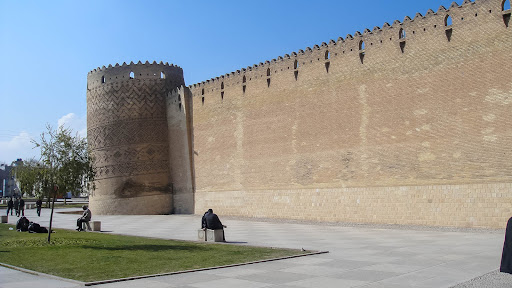
The Arg of Karim Khan or Karim Khan Prison was the residence of Karim Khan and where he ruled. It was built in 1180 AH (1766-7) as part of a complex during the Zand dynasty and is named after Karim Khan, and served as his living quarters. It is the biggest and the most important building of the Zand Dynasty. The citadel is located North-East of Shiraz. Its shape resembles a medieval fortress. Karim Khan invited the best architects and artists of the time and bought the best materials from other cities and abroad for the construction of the citadel and had it constructed quickly. The design of the citadel combines military and residential architectures for it was the residence of Karim Khan and had to have high security. Hence, the exterior walls, which essentially resemble the walls of a military castle, are quite tall.

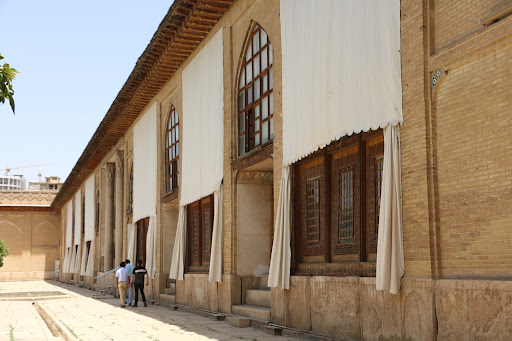
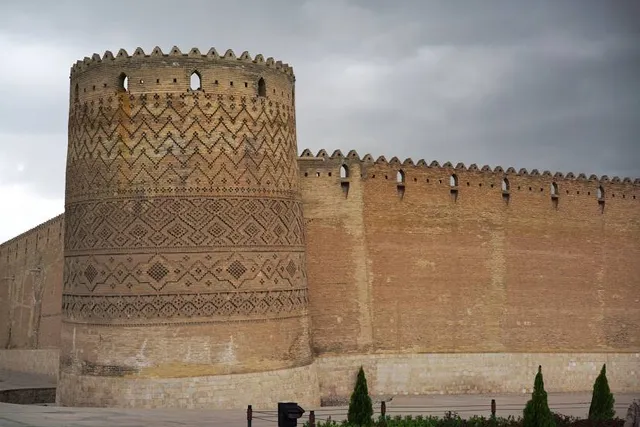
Thus the utter walls, which resemble the walls of a military castle, are very high with a height of about 15 meters. The citadel consists of four high walls. The lower section of the exterior walls is three meters in width. It is shaped like an incomplete cone and its width at the top reaches 2.8 meters. In the upper section of the wall, there is a small chamber, which houses soldiers and guards. Ramparts are built around the top of a castle with regular gap, some of which are small and diagonal for firing arrows or guns. The bigger gaps were for repelling the enemy. The palace’s entrance hall is rather large. Located in the eastern side of the citadel, it has one door which opens to the horse stable and another door, which opens toward the roof. Above  the entrance gate there is a beautiful painting depicting a scene from the battle between Rostam and the White Demon, two mythical personas in the renowned Iranian poet Ferdowsi’s masterpiece ’Shahnameh’. Colorful enameled tiles are used in the painting.  The king’s private bathroom, hall and guards’ residence are constructed behind this wall. There is a balcony in front of which there are two wooden columns and a square pond. The walls of the citadel are made of stone and baked clay is used in other parts of the building. Interior decorations include marbles of Yazd and Tabriz and large mirrors bought from Europe, Ottoman Turkey and Russia. Herbal colors and gold plates are used in the ceilings’ ornaments. The rooms are mainly decorated with flora designs. The citadel has three palaces and its entrance angle is allocated to services section. After the fall of Zand Dynasty and during the Qajar period, the citadel was used as the governor’s seat and turned into the residence of Fars governors. This situation continued until the early years after the coming to power of the Pahlavi dynasty. The tiles of the citadel were repaired at the order of the then governor, Prince Abdulhossein Mirza Farmanfarma (1857-1939). It was converted to the big city prison and was put at the disposal of the police department during the reign of Reza Shah, the first Pahlavi monarch (1925-1941) and afterwards. During all this time, all paintings were covered with plaster and all rooms and halls were turned into small prison cells by constructing walls. The citadel building was put at the disposal of the Cultural Heritage Organization and from this time attention is paid to rehabilitation of the building. Great attention has been paid to rehabilitation of the citadel to preserve the genuineness of the building and its beautiful paintings have been brought to light from under the plaster-work. This is one of the most important monuments of the Zand era and especially that of Karim Khan. It is also important because of depicting the architectural style...

   Read more
avatar
4.0
49w

The Karim Khan Citadel in Shiraz, Iran, is a stunning architectural masterpiece that exemplifies the grandeur of the Zand era. Karim Khan Zand commissioned the citadel, which functioned as a royal home as well as a fortress, showing his reign's might and refinement.

The citadel's construction began in 1180 AH (1766 CE), after Shiraz was designated as the Zand dynasty's capital. The castle was intended to be more than simply a royal palace; it was a symbol of the Zand dynasty's supremacy and a showcase for Persian architecture.

Throughout history, the citadel has served several purposes. Under the Zand dynasty, it served as the royal home and seat of authority. During the Qajar era, it served as the home of local governors. Unfortunately, it was utilized as a jail under the Pahlavi era, which caused some damage to the edifice.

Recognizing its historical significance, the citadel was designated a national heritage monument in 1972. Since then, substantial restoration and preservation efforts have been made to return the fortress to its former magnificence.

The citadel's rectangular layout covers around 12,000 square meters. It has two primary sections: residential and military. The residential part has rooms, halls, and courtyards, whilst the military section contains towers, walls, and defenses.

Four majestic towers, each 14 meters tall, stand at the citadel's corners. These towers not only served a military role, but also improved the structure's aesthetics.

The citadel is lavishly decorated with beautiful tile work, plasterwork, paintings, and sculptures. These decorations often feature floral designs, hunting scenes, and regal iconography.

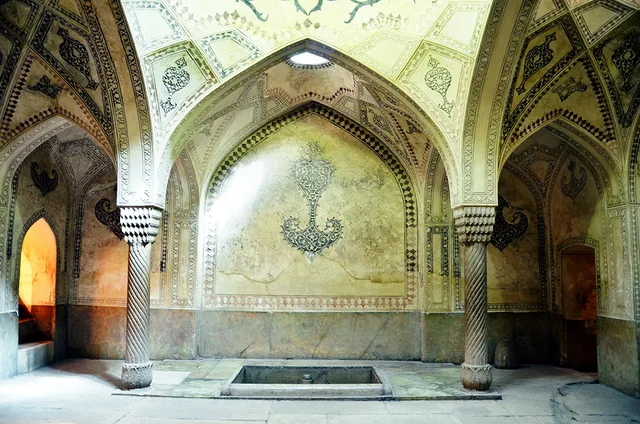
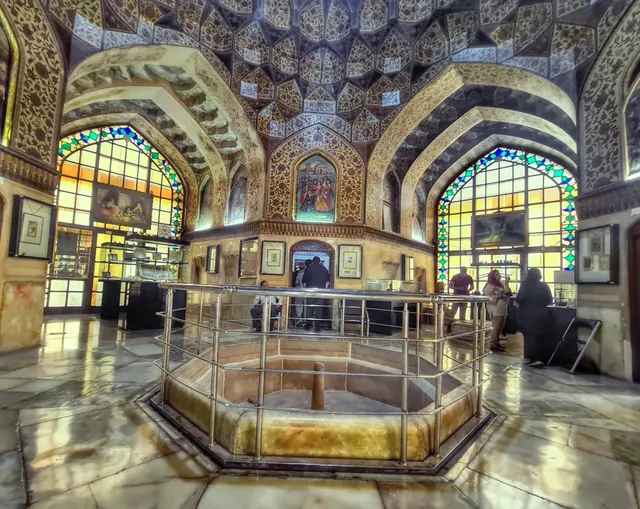
Within the citadel's walls is a historic Persian bathhouse, which provides tourists with a look into previous...

   Read more
avatar
5.0
3y

Karim Khan Citadel of Shiraz

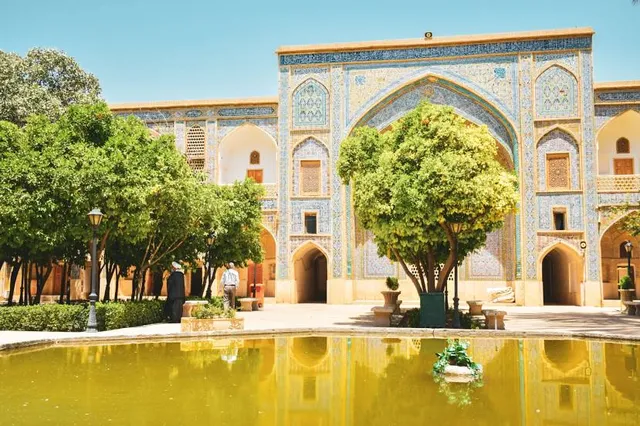
One of the most spectacular places in Shiraz is Karim Khan Citadel. This castle, which is located in the center of the city, was built during the reign of Zandieh and by the order of Karim Khan Zand. And since he was living in this castle, it became known as Karimkhani Citadel. Most of the materials of Karim Khan citadel of Shiraz are stone and brick. On the outer body of the walls and its four towers, simple and beautiful patterns can be seen. At the top of the citadel, you can see crescent-shaped holes that have been made for shooting. In the four corners of the castle there are four guard towers with a height of 14 meters, inside of which there is a spiral staircase and two rooms, one for the guards to rest and the other for storing weapons. These towers are probably slightly tilted due to landslides. There are rooms around the courtyard that lead to each other and are beautifully decorated. The stained glass of the rooms also has a captivating beauty when the sun shines into the rooms. The floor of the courtyard is paved with large sawdust stones. The large fountain located among the gardens full of orange trees makes this residential / war fortress much more pleasant. Another part of the citadel building is its bath, which is decorated with very valuable motifs. This place was used as a prison during the first...

   Read more
Page 1 of 7
Previous
Next

Posts

negar havazadehnegar havazadeh
The Arg of Karim Khan or Karim Khan Prison was the residence of Karim Khan and where he ruled. It was built in 1180 AH (1766-7) as part of a complex during the Zand dynasty and is named after Karim Khan, and served as his living quarters. It is the biggest and the most important building of the Zand Dynasty. The citadel is located North-East of Shiraz. Its shape resembles a medieval fortress. Karim Khan invited the best architects and artists of the time and bought the best materials from other cities and abroad for the construction of the citadel and had it constructed quickly. The design of the citadel combines military and residential architectures for it was the residence of Karim Khan and had to have high security. Hence, the exterior walls, which essentially resemble the walls of a military castle, are quite tall. Thus the utter walls, which resemble the walls of a military castle, are very high with a height of about 15 meters. The citadel consists of four high walls. The lower section of the exterior walls is three meters in width. It is shaped like an incomplete cone and its width at the top reaches 2.8 meters. In the upper section of the wall, there is a small chamber, which houses soldiers and guards. Ramparts are built around the top of a castle with regular gap, some of which are small and diagonal for firing arrows or guns. The bigger gaps were for repelling the enemy. The palace’s entrance hall is rather large. Located in the eastern side of the citadel, it has one door which opens to the horse stable and another door, which opens toward the roof. Above  the entrance gate there is a beautiful painting depicting a scene from the battle between Rostam and the White Demon, two mythical personas in the renowned Iranian poet Ferdowsi’s masterpiece ’Shahnameh’. Colorful enameled tiles are used in the painting.  The king’s private bathroom, hall and guards’ residence are constructed behind this wall. There is a balcony in front of which there are two wooden columns and a square pond. The walls of the citadel are made of stone and baked clay is used in other parts of the building. Interior decorations include marbles of Yazd and Tabriz and large mirrors bought from Europe, Ottoman Turkey and Russia. Herbal colors and gold plates are used in the ceilings’ ornaments. The rooms are mainly decorated with flora designs. The citadel has three palaces and its entrance angle is allocated to services section. After the fall of Zand Dynasty and during the Qajar period, the citadel was used as the governor’s seat and turned into the residence of Fars governors. This situation continued until the early years after the coming to power of the Pahlavi dynasty. The tiles of the citadel were repaired at the order of the then governor, Prince Abdulhossein Mirza Farmanfarma (1857-1939). It was converted to the big city prison and was put at the disposal of the police department during the reign of Reza Shah, the first Pahlavi monarch (1925-1941) and afterwards. During all this time, all paintings were covered with plaster and all rooms and halls were turned into small prison cells by constructing walls. The citadel building was put at the disposal of the Cultural Heritage Organization and from this time attention is paid to rehabilitation of the building. Great attention has been paid to rehabilitation of the citadel to preserve the genuineness of the building and its beautiful paintings have been brought to light from under the plaster-work. This is one of the most important monuments of the Zand era and especially that of Karim Khan. It is also important because of depicting the architectural style of this era.
pegah esmailipegah esmaili
The Karim Khan Citadel in Shiraz, Iran, is a stunning architectural masterpiece that exemplifies the grandeur of the Zand era. Karim Khan Zand commissioned the citadel, which functioned as a royal home as well as a fortress, showing his reign's might and refinement. The citadel's construction began in 1180 AH (1766 CE), after Shiraz was designated as the Zand dynasty's capital. The castle was intended to be more than simply a royal palace; it was a symbol of the Zand dynasty's supremacy and a showcase for Persian architecture. Throughout history, the citadel has served several purposes. Under the Zand dynasty, it served as the royal home and seat of authority. During the Qajar era, it served as the home of local governors. Unfortunately, it was utilized as a jail under the Pahlavi era, which caused some damage to the edifice. Recognizing its historical significance, the citadel was designated a national heritage monument in 1972. Since then, substantial restoration and preservation efforts have been made to return the fortress to its former magnificence. The citadel's rectangular layout covers around 12,000 square meters. It has two primary sections: residential and military. The residential part has rooms, halls, and courtyards, whilst the military section contains towers, walls, and defenses. Four majestic towers, each 14 meters tall, stand at the citadel's corners. These towers not only served a military role, but also improved the structure's aesthetics. The citadel is lavishly decorated with beautiful tile work, plasterwork, paintings, and sculptures. These decorations often feature floral designs, hunting scenes, and regal iconography. Within the citadel's walls is a historic Persian bathhouse, which provides tourists with a look into previous bathing customs.
Mohamad FaghihfardMohamad Faghihfard
Karim Khan Citadel of Shiraz One of the most spectacular places in Shiraz is Karim Khan Citadel. This castle, which is located in the center of the city, was built during the reign of Zandieh and by the order of Karim Khan Zand. And since he was living in this castle, it became known as Karimkhani Citadel. Most of the materials of Karim Khan citadel of Shiraz are stone and brick. On the outer body of the walls and its four towers, simple and beautiful patterns can be seen. At the top of the citadel, you can see crescent-shaped holes that have been made for shooting. In the four corners of the castle there are four guard towers with a height of 14 meters, inside of which there is a spiral staircase and two rooms, one for the guards to rest and the other for storing weapons. These towers are probably slightly tilted due to landslides. There are rooms around the courtyard that lead to each other and are beautifully decorated. The stained glass of the rooms also has a captivating beauty when the sun shines into the rooms. The floor of the courtyard is paved with large sawdust stones. The large fountain located among the gardens full of orange trees makes this residential / war fortress much more pleasant. Another part of the citadel building is its bath, which is decorated with very valuable motifs. This place was used as a prison during the first Pahlavi era.
See more posts
See more posts
hotel
Find your stay

Pet-friendly Hotels in Shiraz

Find a cozy hotel nearby and make it a full experience.

The Arg of Karim Khan or Karim Khan Prison was the residence of Karim Khan and where he ruled. It was built in 1180 AH (1766-7) as part of a complex during the Zand dynasty and is named after Karim Khan, and served as his living quarters. It is the biggest and the most important building of the Zand Dynasty. The citadel is located North-East of Shiraz. Its shape resembles a medieval fortress. Karim Khan invited the best architects and artists of the time and bought the best materials from other cities and abroad for the construction of the citadel and had it constructed quickly. The design of the citadel combines military and residential architectures for it was the residence of Karim Khan and had to have high security. Hence, the exterior walls, which essentially resemble the walls of a military castle, are quite tall. Thus the utter walls, which resemble the walls of a military castle, are very high with a height of about 15 meters. The citadel consists of four high walls. The lower section of the exterior walls is three meters in width. It is shaped like an incomplete cone and its width at the top reaches 2.8 meters. In the upper section of the wall, there is a small chamber, which houses soldiers and guards. Ramparts are built around the top of a castle with regular gap, some of which are small and diagonal for firing arrows or guns. The bigger gaps were for repelling the enemy. The palace’s entrance hall is rather large. Located in the eastern side of the citadel, it has one door which opens to the horse stable and another door, which opens toward the roof. Above  the entrance gate there is a beautiful painting depicting a scene from the battle between Rostam and the White Demon, two mythical personas in the renowned Iranian poet Ferdowsi’s masterpiece ’Shahnameh’. Colorful enameled tiles are used in the painting.  The king’s private bathroom, hall and guards’ residence are constructed behind this wall. There is a balcony in front of which there are two wooden columns and a square pond. The walls of the citadel are made of stone and baked clay is used in other parts of the building. Interior decorations include marbles of Yazd and Tabriz and large mirrors bought from Europe, Ottoman Turkey and Russia. Herbal colors and gold plates are used in the ceilings’ ornaments. The rooms are mainly decorated with flora designs. The citadel has three palaces and its entrance angle is allocated to services section. After the fall of Zand Dynasty and during the Qajar period, the citadel was used as the governor’s seat and turned into the residence of Fars governors. This situation continued until the early years after the coming to power of the Pahlavi dynasty. The tiles of the citadel were repaired at the order of the then governor, Prince Abdulhossein Mirza Farmanfarma (1857-1939). It was converted to the big city prison and was put at the disposal of the police department during the reign of Reza Shah, the first Pahlavi monarch (1925-1941) and afterwards. During all this time, all paintings were covered with plaster and all rooms and halls were turned into small prison cells by constructing walls. The citadel building was put at the disposal of the Cultural Heritage Organization and from this time attention is paid to rehabilitation of the building. Great attention has been paid to rehabilitation of the citadel to preserve the genuineness of the building and its beautiful paintings have been brought to light from under the plaster-work. This is one of the most important monuments of the Zand era and especially that of Karim Khan. It is also important because of depicting the architectural style of this era.
negar havazadeh

negar havazadeh

hotel
Find your stay

Affordable Hotels in Shiraz

Find a cozy hotel nearby and make it a full experience.

Get the Appoverlay
Get the AppOne tap to find yournext favorite spots!
The Karim Khan Citadel in Shiraz, Iran, is a stunning architectural masterpiece that exemplifies the grandeur of the Zand era. Karim Khan Zand commissioned the citadel, which functioned as a royal home as well as a fortress, showing his reign's might and refinement. The citadel's construction began in 1180 AH (1766 CE), after Shiraz was designated as the Zand dynasty's capital. The castle was intended to be more than simply a royal palace; it was a symbol of the Zand dynasty's supremacy and a showcase for Persian architecture. Throughout history, the citadel has served several purposes. Under the Zand dynasty, it served as the royal home and seat of authority. During the Qajar era, it served as the home of local governors. Unfortunately, it was utilized as a jail under the Pahlavi era, which caused some damage to the edifice. Recognizing its historical significance, the citadel was designated a national heritage monument in 1972. Since then, substantial restoration and preservation efforts have been made to return the fortress to its former magnificence. The citadel's rectangular layout covers around 12,000 square meters. It has two primary sections: residential and military. The residential part has rooms, halls, and courtyards, whilst the military section contains towers, walls, and defenses. Four majestic towers, each 14 meters tall, stand at the citadel's corners. These towers not only served a military role, but also improved the structure's aesthetics. The citadel is lavishly decorated with beautiful tile work, plasterwork, paintings, and sculptures. These decorations often feature floral designs, hunting scenes, and regal iconography. Within the citadel's walls is a historic Persian bathhouse, which provides tourists with a look into previous bathing customs.
pegah esmaili

pegah esmaili

hotel
Find your stay

The Coolest Hotels You Haven't Heard Of (Yet)

Find a cozy hotel nearby and make it a full experience.

hotel
Find your stay

Trending Stays Worth the Hype in Shiraz

Find a cozy hotel nearby and make it a full experience.

Karim Khan Citadel of Shiraz One of the most spectacular places in Shiraz is Karim Khan Citadel. This castle, which is located in the center of the city, was built during the reign of Zandieh and by the order of Karim Khan Zand. And since he was living in this castle, it became known as Karimkhani Citadel. Most of the materials of Karim Khan citadel of Shiraz are stone and brick. On the outer body of the walls and its four towers, simple and beautiful patterns can be seen. At the top of the citadel, you can see crescent-shaped holes that have been made for shooting. In the four corners of the castle there are four guard towers with a height of 14 meters, inside of which there is a spiral staircase and two rooms, one for the guards to rest and the other for storing weapons. These towers are probably slightly tilted due to landslides. There are rooms around the courtyard that lead to each other and are beautifully decorated. The stained glass of the rooms also has a captivating beauty when the sun shines into the rooms. The floor of the courtyard is paved with large sawdust stones. The large fountain located among the gardens full of orange trees makes this residential / war fortress much more pleasant. Another part of the citadel building is its bath, which is decorated with very valuable motifs. This place was used as a prison during the first Pahlavi era.
Mohamad Faghihfard

Mohamad Faghihfard

See more posts
See more posts