Dung Gate things to do, attractions, restaurants, events info and trip planning
Basic Info
Dung Gate
Jerusalem
4.5(958)
Open 24 hours
Save
spot
spot
Ratings & Description
Info
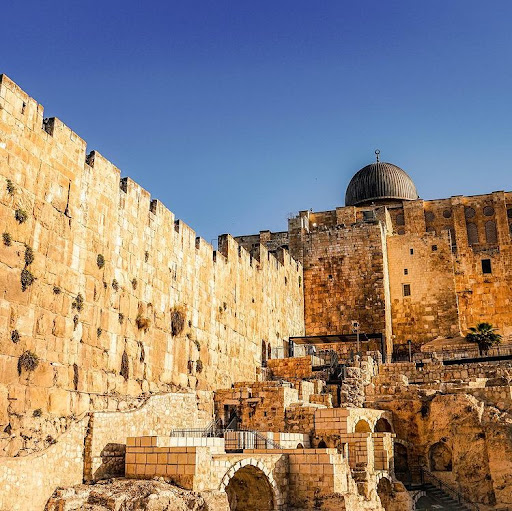
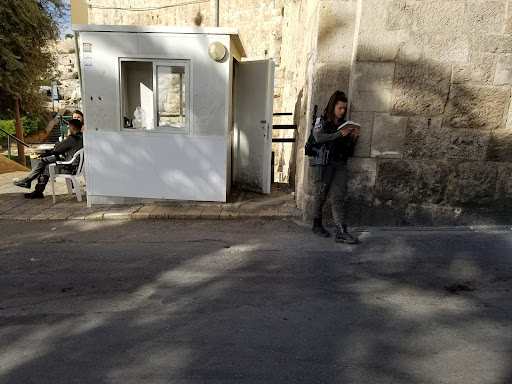
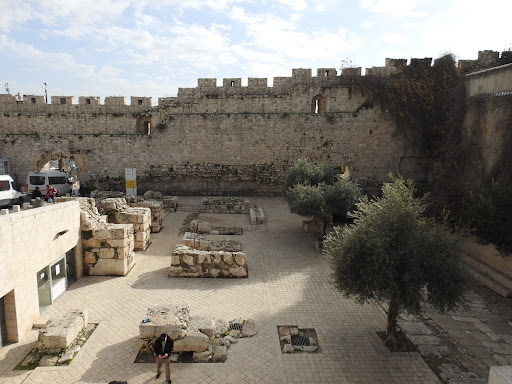
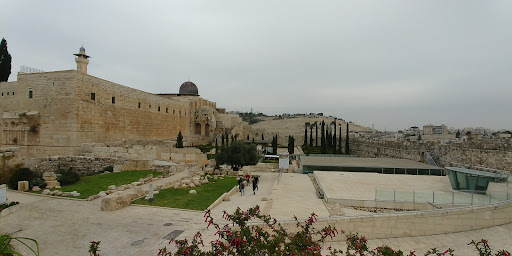
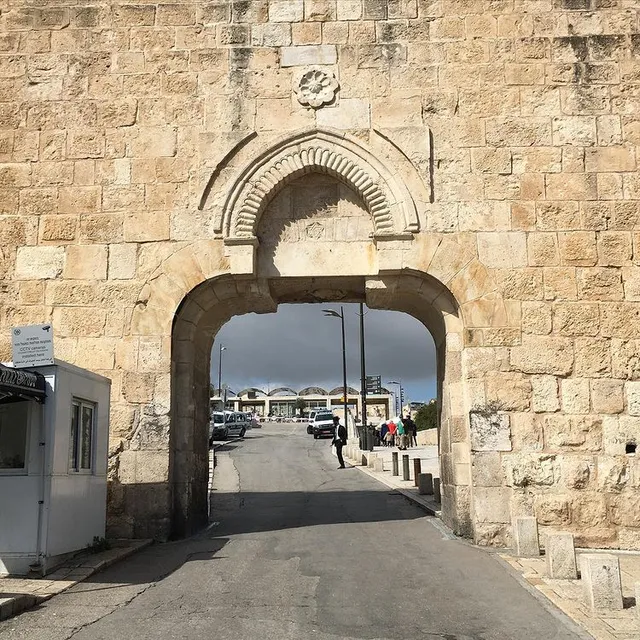
The Dung Gate, also known in Arabic as the Silwan Gate and Mughrabi Gate, is one of the Gates of the Old City of Jerusalem. It was built as a small postern gate in the 16th century by the Ottomans, first widened for vehicular traffic in 1952 by the Jordanians, and again in 1985 by the Israeli authorities.
Cultural
Accessibility
attractions: Al-Aqsa Mosque, Western Wall, מכון המקדש, הבית השרוף - The Burnt House, Aish World Center, Hurva Synagogue, Dome of the Rock, הרובע ההרודיאני - The Wohl Archaeological Museum, Islamic Museum, מנהרות הכותל, restaurants: חצר ברובע, Between the Arches Restaurant, Arafat Hummus, Abu Shukri, Lina, Armenian Tavern, Bulghourji, Al-Sultan Restaurant, The Eucalyptus, Old city shawarma & falafel, local businesses: Temple Mount, Gihon Spring, Austrian Hospice, Via Dolorosa Street, Armenian Patriarchate, Via Dolorosa, Mount Zion, Basílica de Ecce Homo, Jesus Holyland, Eastern Wall
 Learn more insights from Wanderboat AI.
Plan your stay

Pet-friendly Hotels in Jerusalem
Find a cozy hotel nearby and make it a full experience.

Affordable Hotels in Jerusalem
Find a cozy hotel nearby and make it a full experience.

The Coolest Hotels You Haven't Heard Of (Yet)
Find a cozy hotel nearby and make it a full experience.

Trending Stays Worth the Hype in Jerusalem
Find a cozy hotel nearby and make it a full experience.
Reviews
Live events
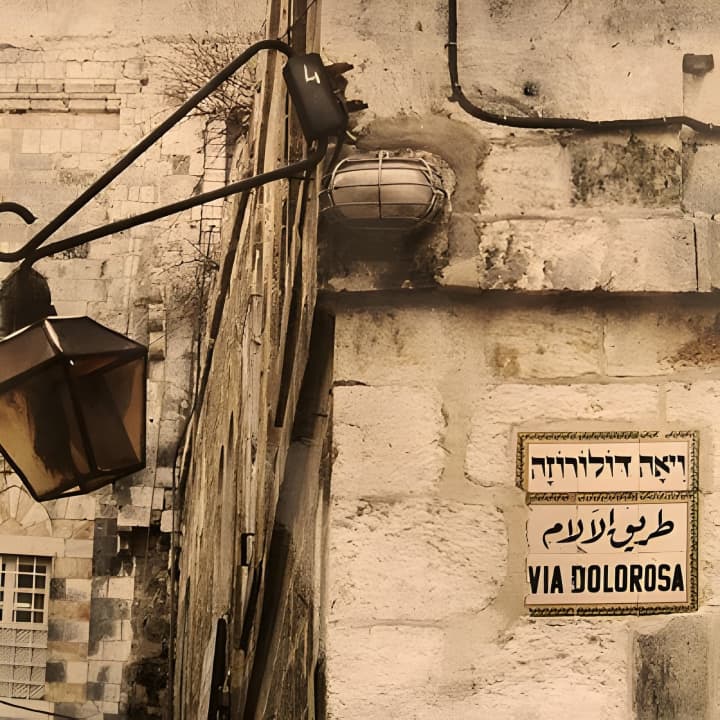
מירושלים/ סיור של יום שלם בירושלים וים המלח
Sat, Feb 21 • 6:45 AM
דוד המלך 7, ירושלים, 9410119
View details
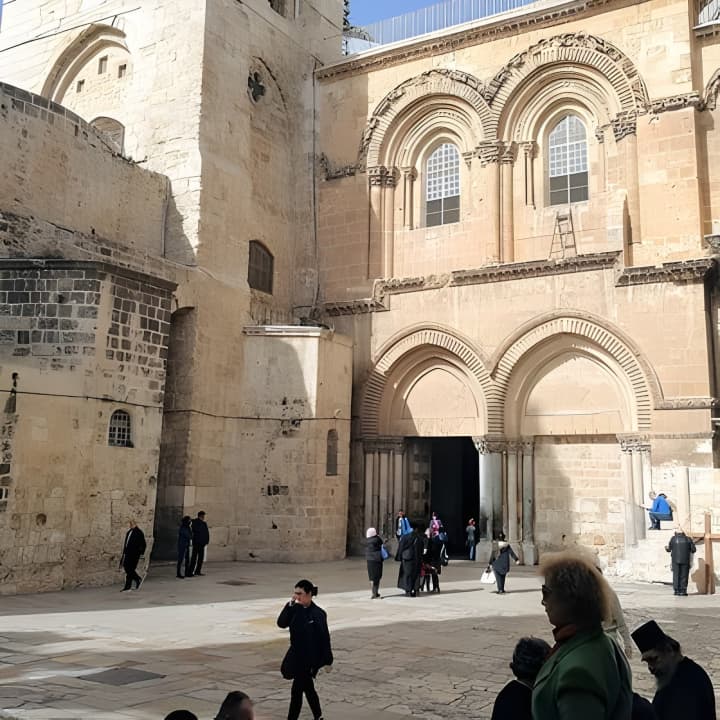
סיור פרטי: סיור נצרות בעיר העתיקה של ירושלים
Sat, Feb 21 • 8:00 AM
C. la Palma, 2, Amadores, 35139
View details
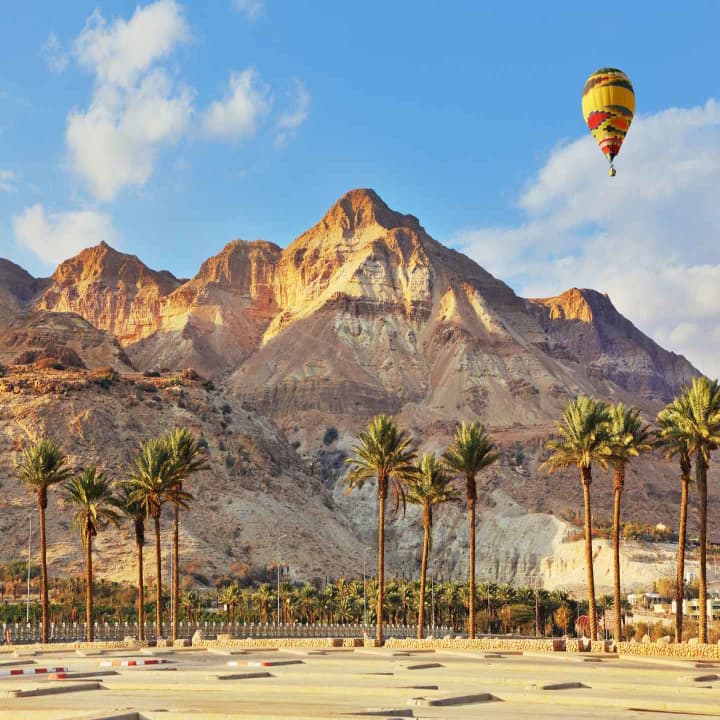
מתל אביב: כרטיסים לסיור רגוע של יום שלם בים המלח
Sat, Feb 21 • 11:00 PM
ירושלים
View details
Nearby attractions of Dung Gate
Al-Aqsa Mosque
Western Wall
מכון המקדש
הבית השרוף - The Burnt House
Aish World Center
Hurva Synagogue
Dome of the Rock
הרובע ההרודיאני - The Wohl Archaeological Museum
Islamic Museum
מנהרות הכותל
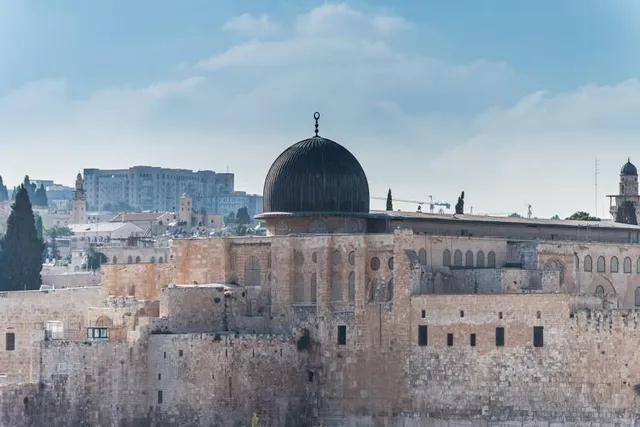
Al-Aqsa Mosque
4.8
(6.9K)
Open 24 hours
Click for details
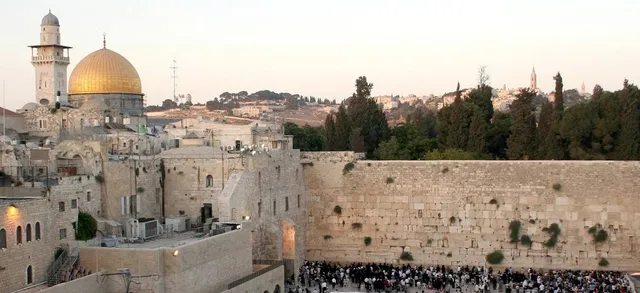
Western Wall
4.8
(4.5K)
Open until 12:00 AM
Click for details
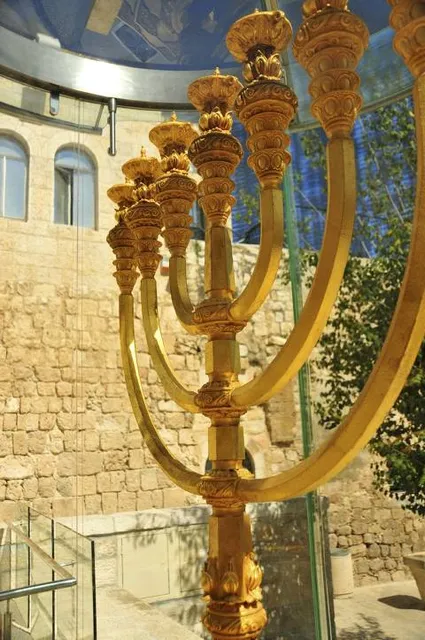
מכון המקדש
4.6
(550)
Open 24 hours
Click for details
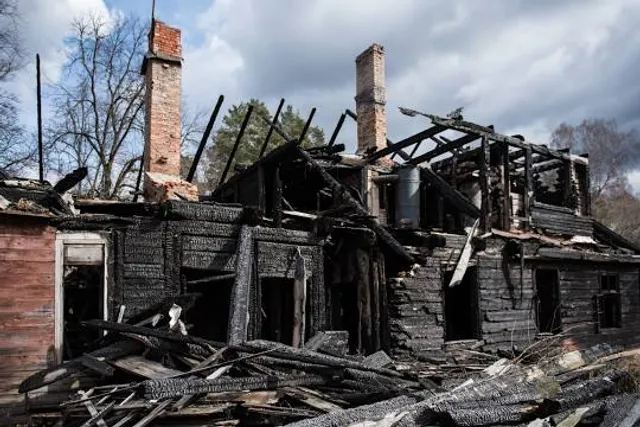
הבית השרוף - The Burnt House
4.2
(176)
Open until 12:00 AM
Click for details
Nearby restaurants of Dung Gate
חצר ברובע
Between the Arches Restaurant
Arafat Hummus
Abu Shukri
Lina
Armenian Tavern
Bulghourji
Al-Sultan Restaurant
The Eucalyptus
Old city shawarma & falafel
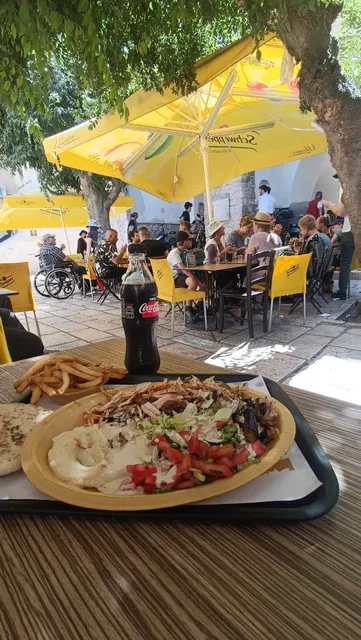
חצר ברובע
4.7
(74)
Click for details
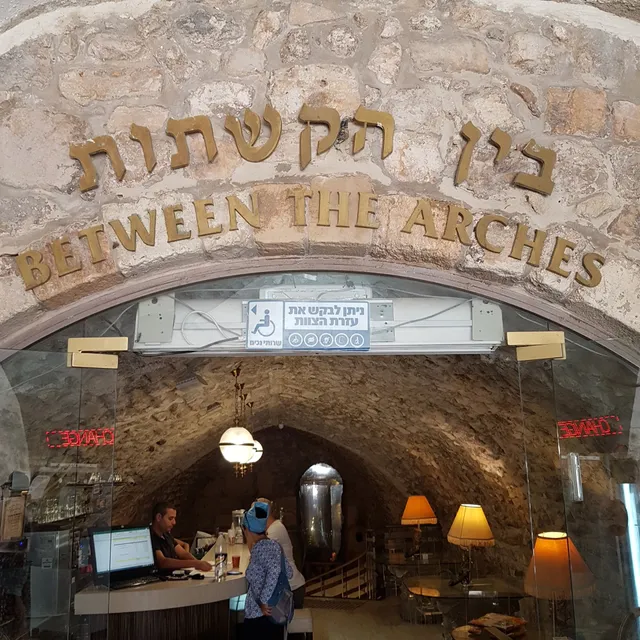
Between the Arches Restaurant
4.2
(287)
$$
Open until 12:00 AM
Click for details
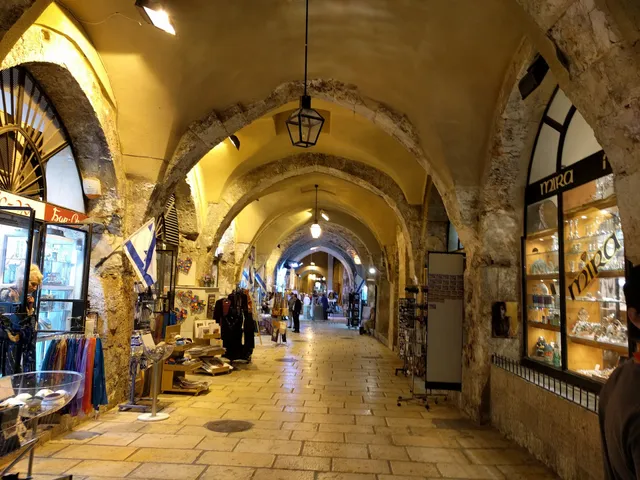
Arafat Hummus
4.2
(178)
Click for details
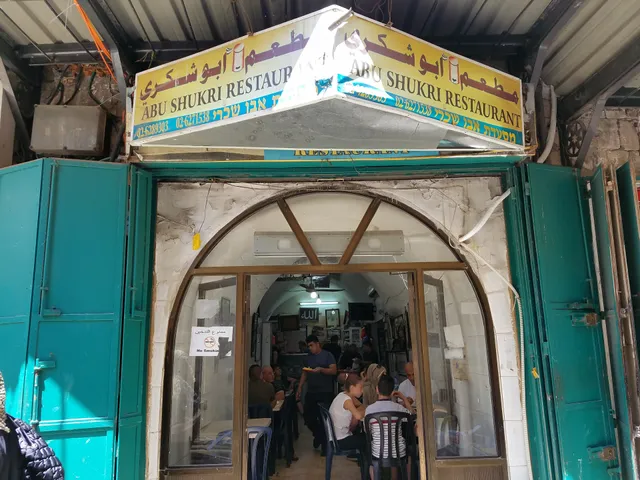
Abu Shukri
4.1
(322)
$$
Click for details
Nearby local services of Dung Gate
Temple Mount
Gihon Spring
Austrian Hospice
Via Dolorosa Street
Armenian Patriarchate
Via Dolorosa
Mount Zion
Basílica de Ecce Homo
Jesus Holyland
Eastern Wall
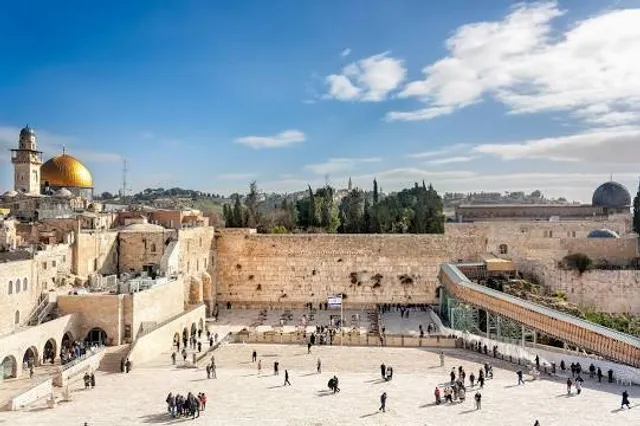
Temple Mount
4.6
(1.3K)
Click for details
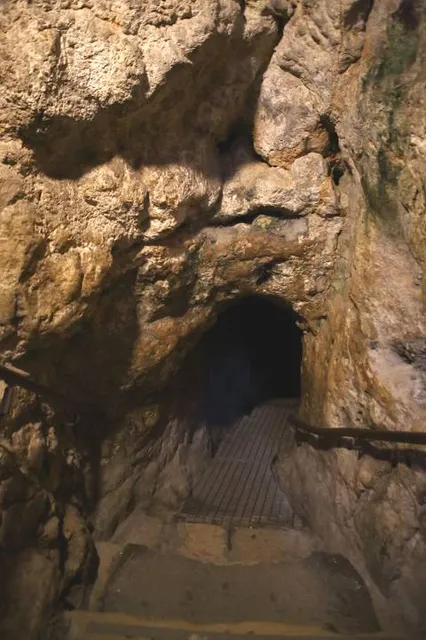
Gihon Spring
4.7
(50)
Click for details
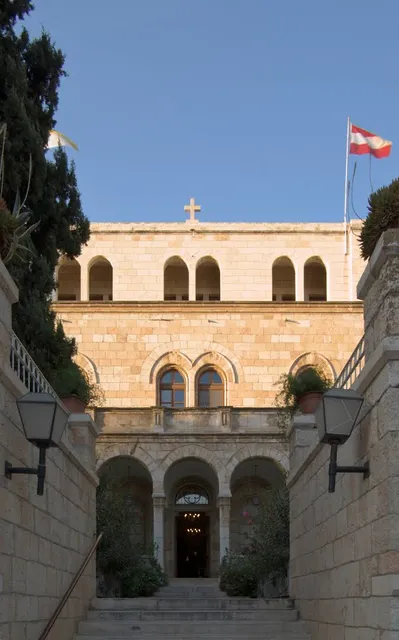
Austrian Hospice
4.6
(1.2K)
Click for details
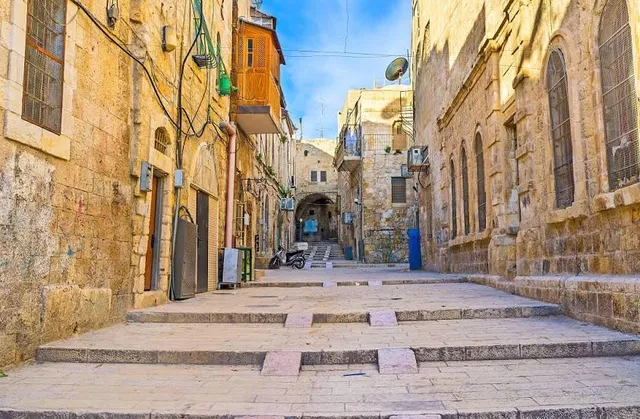
Via Dolorosa Street
4.7
(105)
Click for details