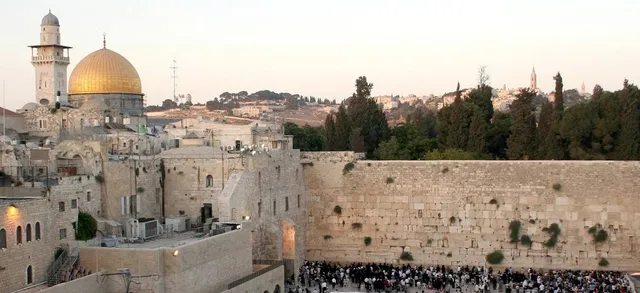
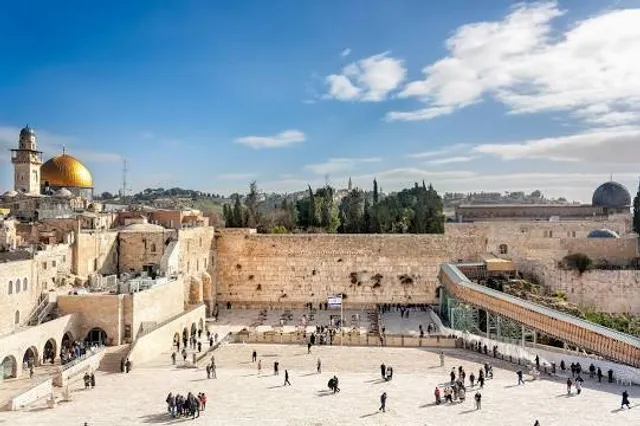
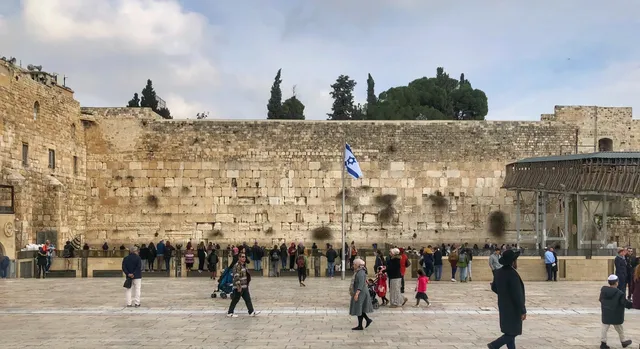
Nestled in the heart of Jerusalem’s Old City, the Western Wall — also known as the Kotel — is far more than just an ancient structure. It’s a heartbeat, a gathering place, and a living memory of generations past. It stands as the last visible remnant of the Second Temple, which was destroyed by the Romans in 70 CE. Built over 2,000 years ago by King Herod, the Wall was part of the retaining structure surrounding the Temple Mount. Today, it serves as the holiest place where Jews are allowed to pray.
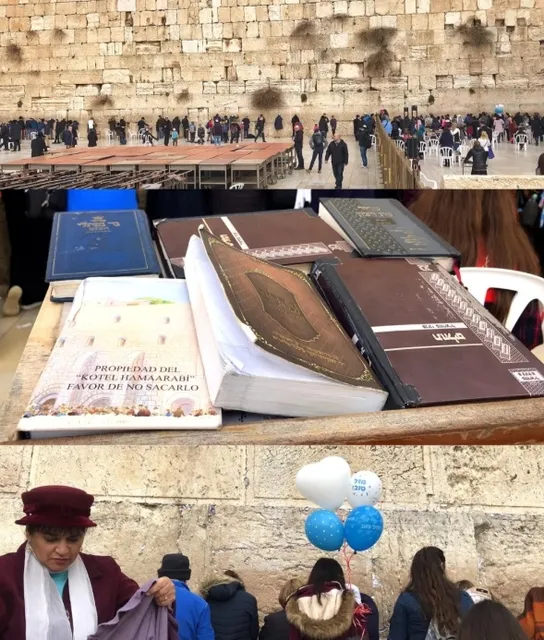
When you arrive at the Western Wall, there’s a quiet awe that settles over you. You don’t need a ticket, you don’t need to plan — you just come. And when you come, you see something incredible: Jews from every walk of life. Some in long black coats, others in jeans and t-shirts. Tourists, locals, soldiers, rabbis, and children — all swaying in prayer, pressing their hands and foreheads against the stones, tucking little notes into the cracks. The air feels thick with something timeless. It’s not just a wall; it’s a place of deep connection — to God, to the past, to each other.
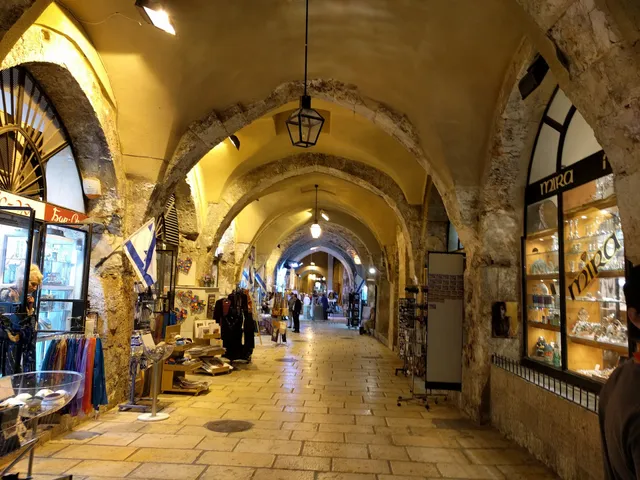
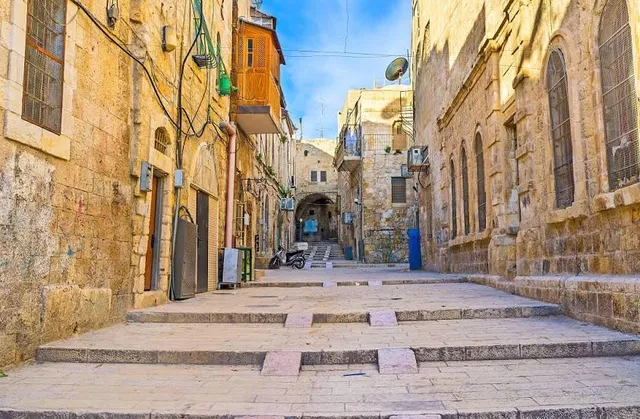
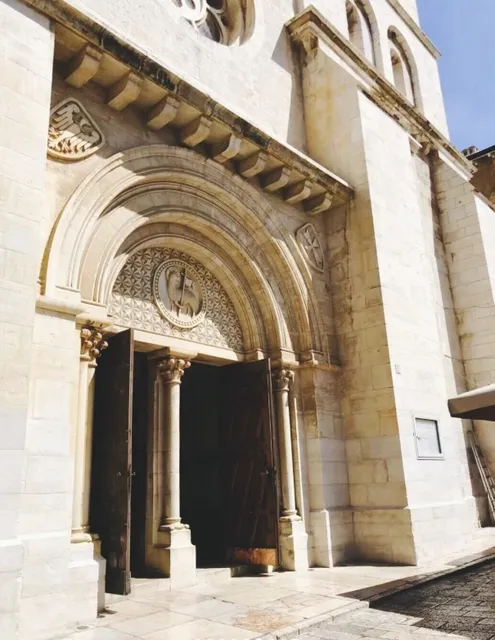
Directly behind and above the wall, through small, winding alleyways paved in smooth Jerusalem stone, you’ll find the Jewish Quarter (HaRova HaYehudi). It’s a charming area filled with white-stone buildings, arched doorways, and narrow staircases that seem to have come straight out of a storybook. The atmosphere is peaceful yet alive, with shops, cafés, and hidden courtyards. There’s a rebuilt synagogue — the Hurva Synagogue — once destroyed and now standing proudly once more, echoing the theme of restoration that defines the whole area.
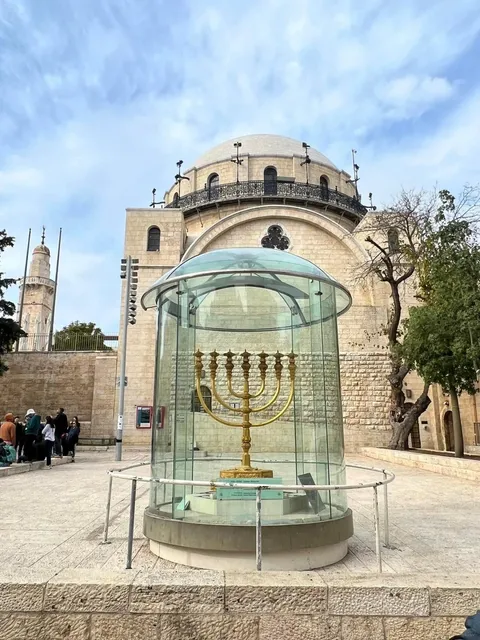
One striking feature is the massive golden menorah — a pure gold replica built according to the Torah’s description of the one that stood in the Temple. It sits encased in glass near the steps, glowing in the sunlight, reminding everyone of the Temple’s glory and what once was — and what may one day return.
Just before reaching the Western Wall plaza, there’s an incredible archaeological site — the Davidson Center — where you can walk among stones and streets from the Second Temple period. You can see remnants of arches, steps the ancient pilgrims climbed, and mikvahs (ritual baths) carved into the rock. It gives a stunning glimpse into the daily life of Jerusalem thousands of years ago.
The Western Wall isn’t just for the religious or the historical enthusiast. It’s for anyone who wants to feel part of something greater. It's a place to pause, reflect, pray — or just to stand still and feel. The stones have absorbed so much history, so much hope and heartache, that you almost feel they could speak.
Whether you're visiting Israel for the first time or returning again, the Western Wall is not something to check off a list. It’s something...
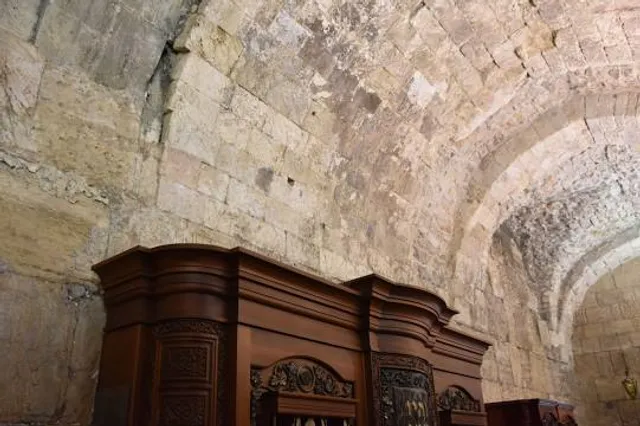
Read moreThe Western Wall is a holy site for the Jewish people, a place for prayer and religious & national gatherings. The Western wall is one of four huge supporting walls built during the 1st century BCE, when Herod renovated the Second Temple. Herod created a huge courtyard on the Temple Mount The stones of the wall are chiseled in a way that is characteristic of the construction during the times of Herod the Great: The stone frame is chiseled, smoothed and a bit sunken, whereas the center of the stone protrudes outwards. The wall is made out of quarried stones of massive size. Their weight ranges from 2 to 5 tons. Those who stand near the wall will notice that each course of stones recedes around 3 cm inwards from the course under it. This building method was meant to strengthen and stabilize the wall. During the 16th century, when the Jews’ pilgrimage to the Temple Mount was prohibited, the wall began to serve as a prayer place for them, a symbol of longing for the temple. A small alley lay at the foot of the wall, where Jews gathered, wishing to be as close as possible to the site of the destroyed temple. During the years in which Jerusalem was divided between Israel and the Kingdome of Jordan (1948-1967), access to the wall was prohibited. During this era, many Jewish pilgrims ascended to King David’s tomb in Mount Zion, in order to observe the Temple Mount from the building’s roof, hoping for a future return to praying at the Western Wall. Soon after the end of the 6- day- war, masses flocked to the Jewish Quarter and, of course, to the Western Wall. Shortly after this, the houses of the Mughrabi neighborhood which were built adjoining the wall were destroyed, and the prayer plaza was created in its place. Even today, many visit this place, which became a magnet for the Jewish people. Many tourists arrive here to visit and pray, many of them placing notes with requests between the cracks of the wall. Many ceremonies and events take place throughout the year at the Western Wall plaza: Bar Mitzva celebrations, special praying events and swearing in ceremonies of IDF soldiers. It is highly recommended you visit the Western Wall Tunnels, which enable visitation of underground caverns and narrow corridors where the Western Wall is exposed throughout its length. It is also highly recommended that you visit the Chain of Generations Center, where a heart moving exhibition that presents the generations of Israel with breathtaking art works made out of layers of...
Read moreWe traveled to our Holy Land, The State of Israel on a Journey of Faith, visiting very important historical places, but our visit to the Western Wall was simply... an introspective experience.
The Western Wall is also known as the Wailing Wall, an ancient limestone wall in the Old City of Jerusalem.
The wall was originally erected as part of the expansion of the Second Jewish Temple begun by Herod the Great, which resulted in the encasement of the natural, steep hill known to Jews and Christians as the Temple Mount, in a large rectangular structure topped by a huge flat platform, thus creating more space for the Temple itself and its auxiliary buildings.
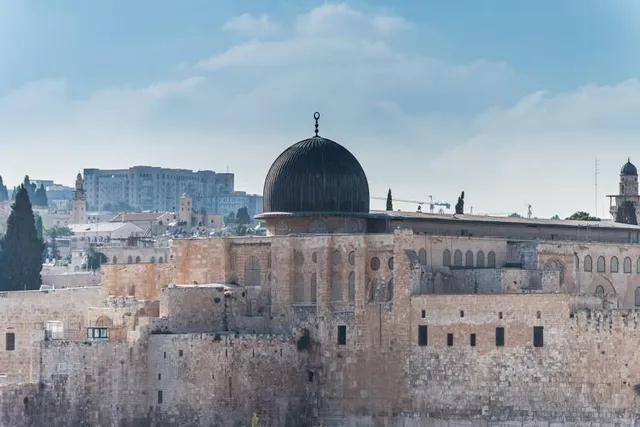
For Muslims, it is the site where the Islamic Prophet Muhammad tied his steed, al-Buraq, on his night journey to Jerusalem before ascending to paradise, and constitutes the Western border of al-Haram al-Sharif.
The Western Wall is considered holy due to its connection to the Temple Mount. Because of the Temple Mount entry restrictions, the Wall is the holiest place where Jews are permitted to pray, though the holiest site in the Jewish faith lies behind it.
The original, natural, and irregular-shaped Temple Mount was gradually extended to allow for an ever-larger Temple compound to be built at its top. This process was finalised by Herod, who enclosed the Mount with an almost rectangular set of retaining walls, built to support extensive substructures and earth fills needed to give the natural hill a geometrically regular shape.
On top of this box-like structure Herod built a vast paved esplanade which surrounded the Temple. Of the four retaining walls, the western one is considered to be closest to the former Temple, which makes it the most sacred site recognised by Judaism outside the former Temple Mount esplanade.
Just over half the wall's total height, including its 17 courses located below street level, dates from the end of the Second Temple period, and is commonly believed to have been built around 19 BCE by Herod the Great, although recent excavations indicate that the work was not finished by the time Herod died in 4 BCE.
Men and women pray separately and we wrote messages and inserted these on the cracks on the wall as prayers. Mine was: Dear GOD, let there be PEACE on...
Read more