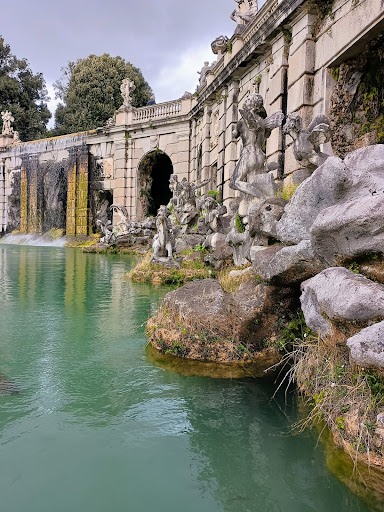
Fountain of Aeolus things to do, attractions, restaurants, events info and trip planning
Basic Info
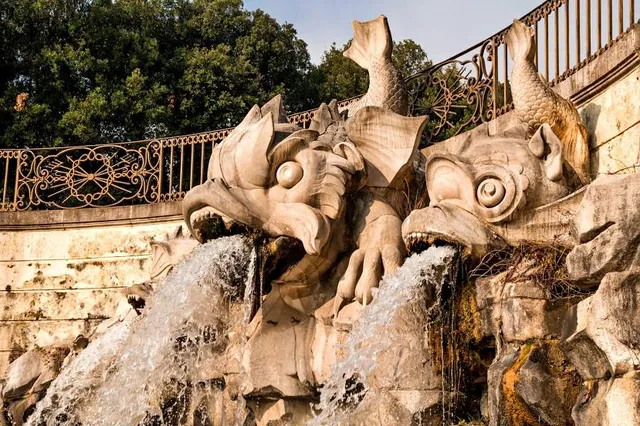
Fountain of Aeolus
Parco Reale, 81100 Caserta CE, Italy
4.7(972)
Open 24 hours
Save
spot
spot
Ratings & Description
Info
Cultural
Outdoor
Family friendly
attractions: Teatro Città di Pace, Bagno of Venus, Fountain of Diana and Actaeon, Zabihian Art Gallery | Tappeti Persiani, Orientali e Moderni, English Garden, Aperia, restaurants: Osteria Pizzeria Terra Mia, La Vera Bellezza - Trattoria e Pizzeria, La Locanda Di Mimi By Marco, Caffè Santillo Torrefazione, Pasticceria Pieretti, Il Palazzo del Gusto, Chillout Pub, Cambia-Menti di Ciccio Vitiello, Manouche Bistrot B&B, Ristorantino Diana&Atteone, local businesses: BonCelì Caserta di Annalisa - Specializzati nel Senza Glutine e Bio, B&C Computer, Vanessa Sound Sas, Fontana di Venere e Adone, Arredamenti Visone Vasar Srl, Escape room Caserta, DEGRA, Cioccolateria Biscotteria Paolillo, Nuts x nut's frutta secca, Caserta.
 Learn more insights from Wanderboat AI.
Website
reggiadicaserta.cultura.gov.it
Plan your stay

Pet-friendly Hotels in Caserta
Find a cozy hotel nearby and make it a full experience.

Affordable Hotels in Caserta
Find a cozy hotel nearby and make it a full experience.

The Coolest Hotels You Haven't Heard Of (Yet)
Find a cozy hotel nearby and make it a full experience.

Trending Stays Worth the Hype in Caserta
Find a cozy hotel nearby and make it a full experience.
Reviews
Live events

Naples Street Food Tour with a Local Expert
Sun, Feb 22 • 1:30 PM
80138, Naples, Campania, Italy
View details

Neapolitan pizza lesson with appetizer and drink
Sun, Feb 22 • 1:30 PM
80139, Naples, Campania, Italy
View details
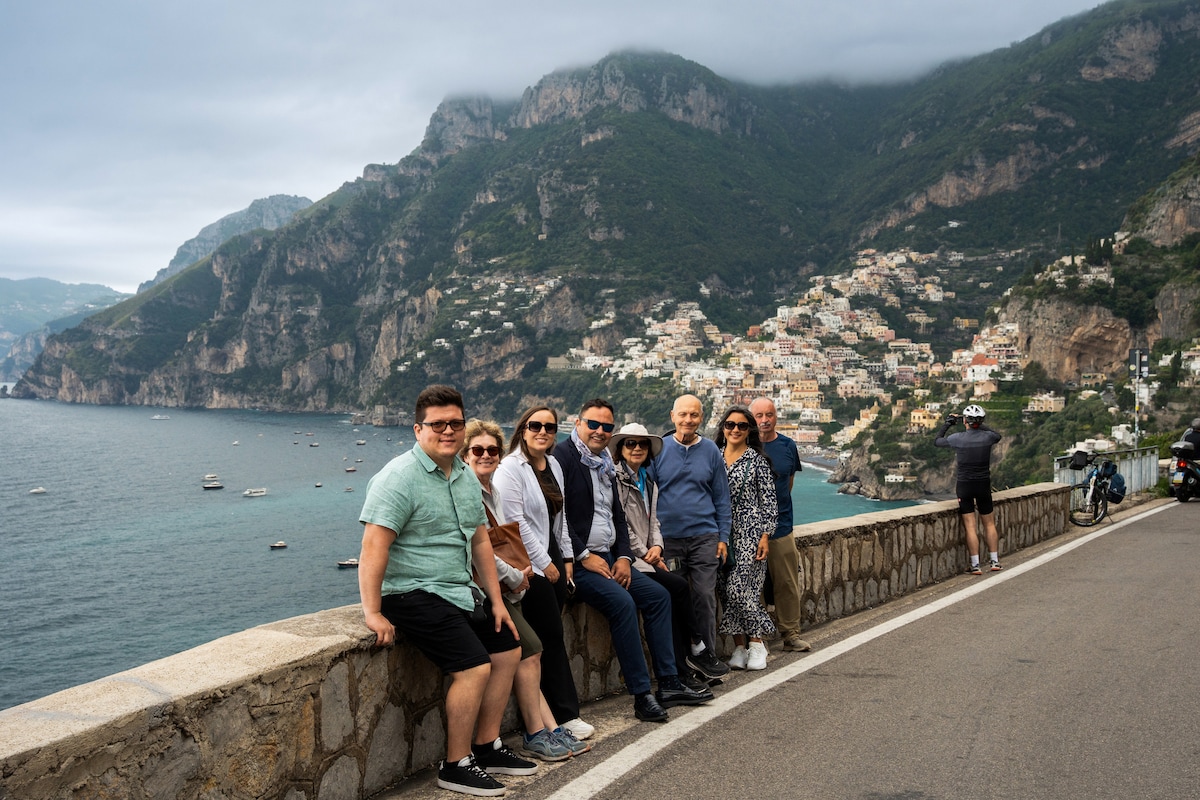
Discover the Amalfi Coast
Sun, Feb 22 • 9:00 AM
80142, Naples, Campania, Italy
View details
Nearby attractions of Fountain of Aeolus
Teatro Città di Pace
Bagno of Venus
Fountain of Diana and Actaeon
Zabihian Art Gallery | Tappeti Persiani, Orientali e Moderni
English Garden
Aperia
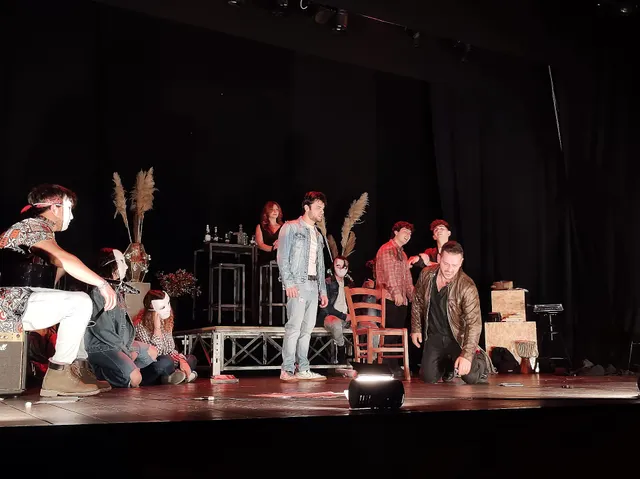
Teatro Città di Pace
4.2
(268)
Open 24 hours
Click for details
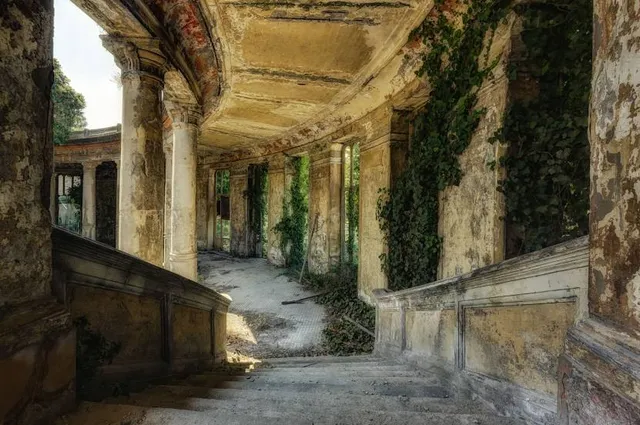
Bagno of Venus
4.8
(397)
Closed
Click for details
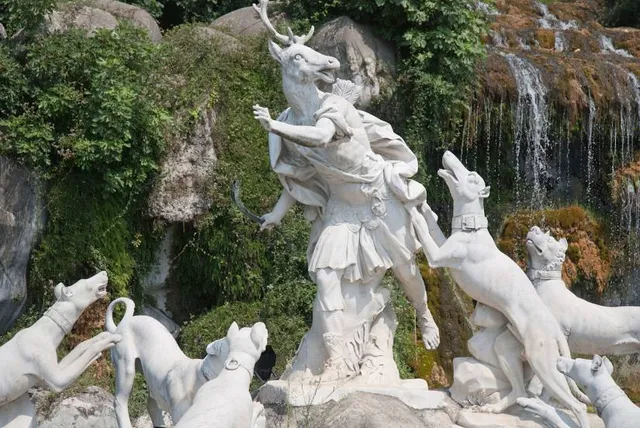
Fountain of Diana and Actaeon
4.8
(915)
Open 24 hours
Click for details

Zabihian Art Gallery | Tappeti Persiani, Orientali e Moderni
5.0
(8)
Open until 12:00 AM
Click for details
Nearby restaurants of Fountain of Aeolus
Osteria Pizzeria Terra Mia
La Vera Bellezza - Trattoria e Pizzeria
La Locanda Di Mimi By Marco
Caffè Santillo Torrefazione
Pasticceria Pieretti
Il Palazzo del Gusto
Chillout Pub
Cambia-Menti di Ciccio Vitiello
Manouche Bistrot B&B
Ristorantino Diana&Atteone
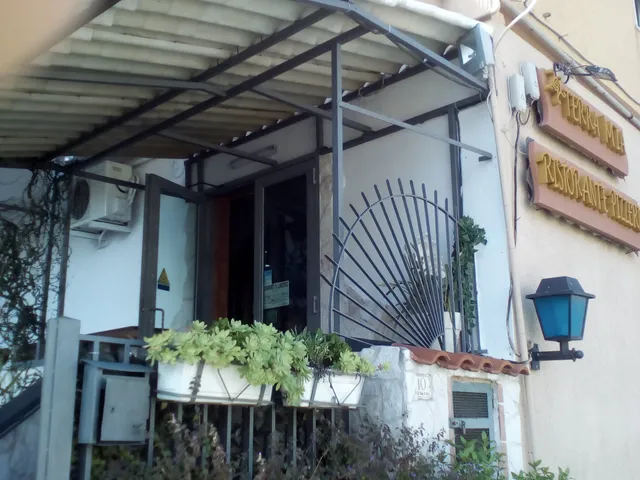
Osteria Pizzeria Terra Mia
4.3
(344)
Closed
Click for details

La Vera Bellezza - Trattoria e Pizzeria
4.5
(425)
Open until 12:00 AM
Click for details
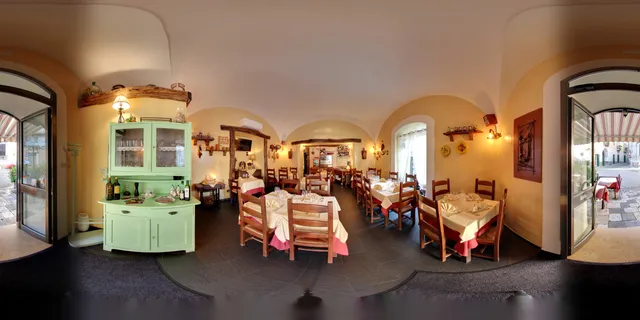
La Locanda Di Mimi By Marco
4.5
(174)
Closed
Click for details
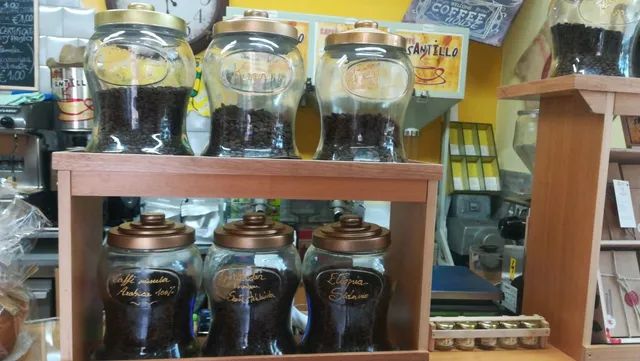
Caffè Santillo Torrefazione
4.9
(33)
$
Open until 12:00 AM
Click for details
Nearby local services of Fountain of Aeolus
BonCelì Caserta di Annalisa - Specializzati nel Senza Glutine e Bio
B&C Computer
Vanessa Sound Sas
Fontana di Venere e Adone
Arredamenti Visone Vasar Srl
Escape room Caserta
DEGRA
Cioccolateria Biscotteria Paolillo
Nuts x nut's frutta secca, Caserta.
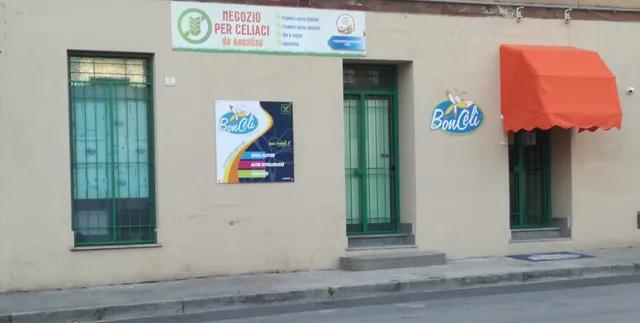
BonCelì Caserta di Annalisa - Specializzati nel Senza Glutine e Bio
4.5
(39)
Click for details
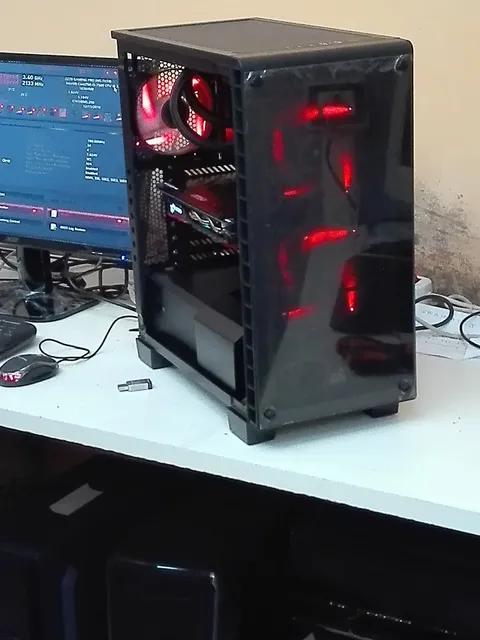
B&C Computer
4.3
(57)
Click for details

Vanessa Sound Sas
4.5
(758)
Click for details
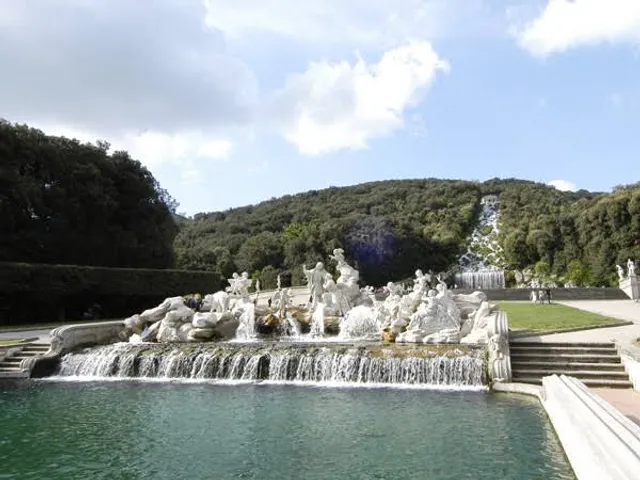
Fontana di Venere e Adone
4.9
(22)
Click for details