HTML SitemapExplore
logo
Find Things to DoFind The Best Restaurants

Fountain of Diana and Actaeon — Attraction in Caserta

Name
Fountain of Diana and Actaeon
Description
Nearby attractions
English Garden
81100 Caserta, Province of Caserta, Italy
Bagno of Venus
Parco Reale, 81100 Caserta CE, Italy
Aperia
Parco Reale, 81100 Caserta CE, Italy
Zabihian Art Gallery | Tappeti Persiani, Orientali e Moderni
Piazza Madonna di Pompei, 7, 81100 Caserta CE, Italy
Fountain of Aeolus
Parco Reale, 81100 Caserta CE, Italy
Teatro Città di Pace
Via Santissimo Nome di Maria, 1/B, 81100 Caserta CE, Italy
Nearby restaurants
Ristorantino Diana&Atteone
Via Maria Cristina Di Savoia, 81100 Caserta CE, Italy
Manouche Bistrot B&B
Via Bellomo, 14, 81100 Caserta CE, Italy
Leucio Ristorante e Pizzeria
Via dei Giardini Reali, 86, 81100 Briano CE, Italy
Cambia-Menti di Ciccio Vitiello
Via Generale Pasquale Tenga, 84, 81100 Caserta CE, Italy
Verdevasinicola
Via Catauli, 25, 81100 Caserta CE, Italy
Sweet Lounge Bistró
Via Catauli, 10, 81100 Caserta CE, Italy
Osteria Pizzeria Terra Mia
Via Santissimo Nome di Maria, 10, 81100 Caserta CE, Italy
La Locanda Di Mimi By Marco
Largo Borzacchiello, 5, 81100 Caserta CE, Italy
Le Trame - Intreccio di sapori
Viale degli Antichi Platani, 49, 81100 Caserta CE, Italy
Re Sole
P., Via Generale Pasquale Tenga, 141, 81100 Caserta CE, Italy
Nearby hotels
Caserta Reggia House
Via dei Giardini, 54, 81100 Caserta CE, Italy
Civico 34
Via Papa Gennaro, 34, 81100 Caserta CE, Italy
Domy House
Via Ponte, 54, 81100 Caserta CE, Italy
Related posts
Keywords
Fountain of Diana and Actaeon tourism.Fountain of Diana and Actaeon hotels.Fountain of Diana and Actaeon bed and breakfast. flights to Fountain of Diana and Actaeon.Fountain of Diana and Actaeon attractions.Fountain of Diana and Actaeon restaurants.Fountain of Diana and Actaeon travel.Fountain of Diana and Actaeon travel guide.Fountain of Diana and Actaeon travel blog.Fountain of Diana and Actaeon pictures.Fountain of Diana and Actaeon photos.Fountain of Diana and Actaeon travel tips.Fountain of Diana and Actaeon maps.Fountain of Diana and Actaeon things to do.
Fountain of Diana and Actaeon things to do, attractions, restaurants, events info and trip planning
Fountain of Diana and Actaeon
ItalyCampaniaCasertaFountain of Diana and Actaeon

Basic Info

Fountain of Diana and Actaeon

Parco Reale, 81100 Caserta CE, Italy
4.8(879)
Open 24 hours
Save
spot

Ratings & Description

Info

Cultural
Outdoor
Accessibility
attractions: English Garden, Bagno of Venus, Aperia, Zabihian Art Gallery | Tappeti Persiani, Orientali e Moderni, Fountain of Aeolus, Teatro Città di Pace, restaurants: Ristorantino Diana&Atteone, Manouche Bistrot B&B, Leucio Ristorante e Pizzeria, Cambia-Menti di Ciccio Vitiello, Verdevasinicola, Sweet Lounge Bistró, Osteria Pizzeria Terra Mia, La Locanda Di Mimi By Marco, Le Trame - Intreccio di sapori, Re Sole
logoLearn more insights from Wanderboat AI.

Plan your stay

hotel
Pet-friendly Hotels in Caserta
Find a cozy hotel nearby and make it a full experience.

hotel
Affordable Hotels in Caserta
Find a cozy hotel nearby and make it a full experience.

hotel
The Coolest Hotels You Haven't Heard Of (Yet)
Find a cozy hotel nearby and make it a full experience.

hotel
Trending Stays Worth the Hype in Caserta
Find a cozy hotel nearby and make it a full experience.

Reviews

Nearby attractions of Fountain of Diana and Actaeon

English Garden

Bagno of Venus

Aperia

Zabihian Art Gallery | Tappeti Persiani, Orientali e Moderni

Fountain of Aeolus

Teatro Città di Pace

English Garden

English Garden

4.7

(1.5K)

Closed
Click for details
Bagno of Venus

Bagno of Venus

4.8

(379)

Open 24 hours
Click for details
Aperia

Aperia

4.5

(70)

Open 24 hours
Click for details
Zabihian Art Gallery | Tappeti Persiani, Orientali e Moderni

Zabihian Art Gallery | Tappeti Persiani, Orientali e Moderni

5.0

(8)

Open until 12:00 AM
Click for details

Things to do nearby

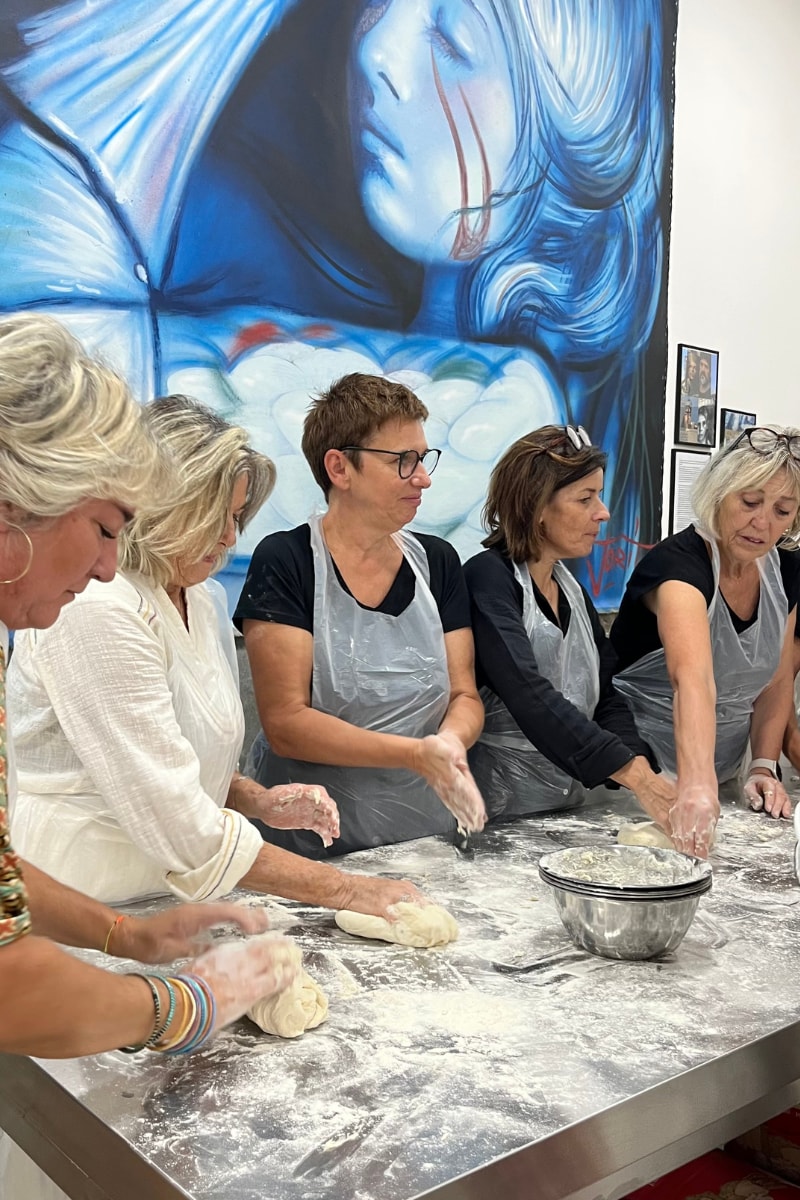
Neapolitan pizza lesson with appetizer and drink
Sun, Dec 7 • 5:30 PM
80139, Naples, Campania, Italy
View details
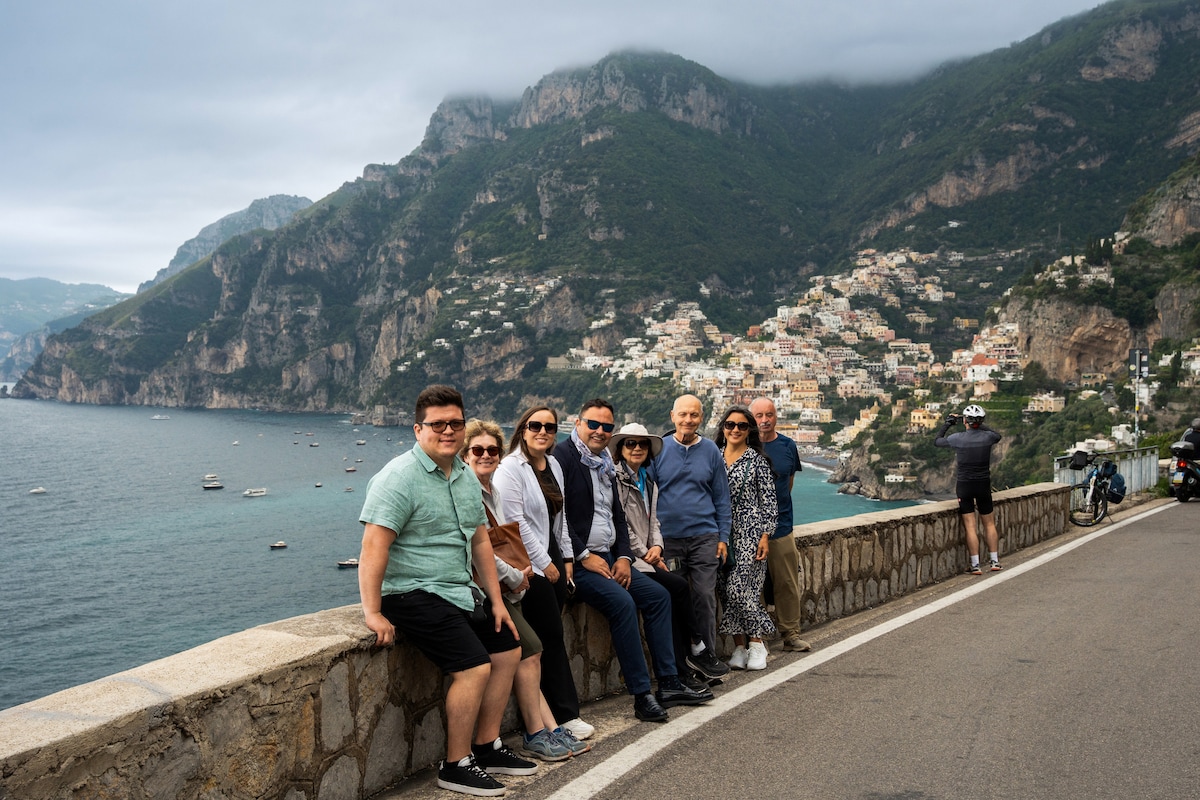
Panoramic and Historical Tour of Naples
Mon, Dec 8 • 9:30 AM
80132, Naples, Campania, Italy
View details
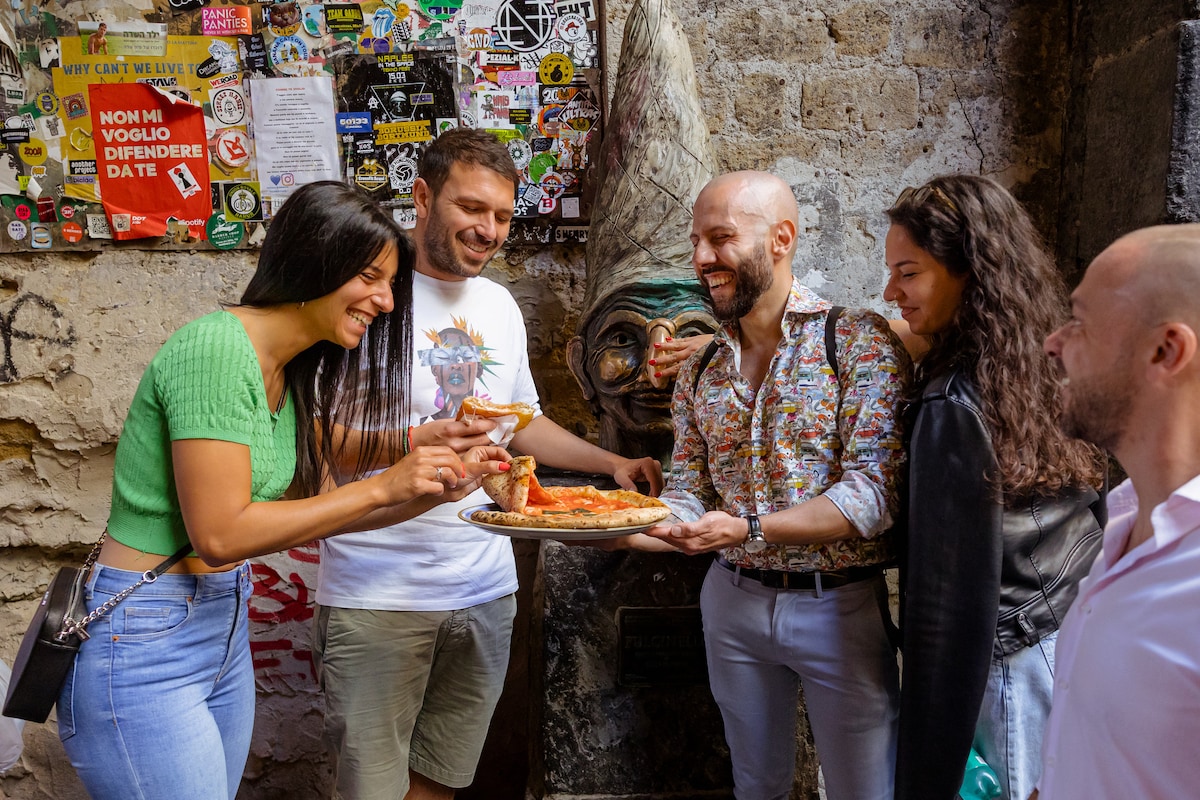
Naples Street Food with a Local - Full Meal
Sun, Dec 7 • 6:00 PM
80135, Naples, Campania, Italy
View details

Nearby restaurants of Fountain of Diana and Actaeon

Ristorantino Diana&Atteone

Manouche Bistrot B&B

Leucio Ristorante e Pizzeria

Cambia-Menti di Ciccio Vitiello

Verdevasinicola

Sweet Lounge Bistró

Osteria Pizzeria Terra Mia

La Locanda Di Mimi By Marco

Le Trame - Intreccio di sapori

Re Sole

Ristorantino Diana&Atteone

Ristorantino Diana&Atteone

3.7

(239)

Click for details
Manouche Bistrot B&B

Manouche Bistrot B&B

4.5

(143)

Click for details
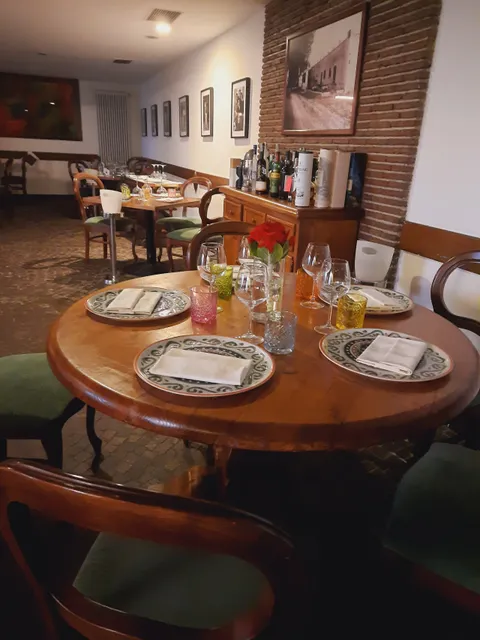
Leucio Ristorante e Pizzeria

Leucio Ristorante e Pizzeria

4.2

(226)

$$

Click for details
Cambia-Menti di Ciccio Vitiello

Cambia-Menti di Ciccio Vitiello

4.2

(1.7K)

Click for details
Get the Appoverlay
Get the AppOne tap to find yournext favorite spots!
Wanderboat LogoWanderboat

Your everyday Al companion for getaway ideas

CompanyAbout Us
InformationAI Trip PlannerSitemap
SocialXInstagramTiktokLinkedin
LegalTerms of ServicePrivacy Policy

Get the app

© 2025 Wanderboat. All rights reserved.
logo

Reviews of Fountain of Diana and Actaeon

4.8
(879)
avatar
5.0
7y

Caserta (pronounced kaˈzɛrta or[kaˈsɛrta]) is the capital of the province of Caserta in the Campania region of Italy. It is an important agricultural, commercial and industrial comune and city. Caserta is located on the edge of the Campanian plain at the foot of the Campanian Subapennine mountain range. The city is best known for the Palace of Caserta. Modern Caserta was established around the defensive tower built in Lombard times by Pando, Prince of Capua. Pando destroyed the original city around 863. The tower is now part of the Palazzo della Prefettura which was once the seat of the counts of Caserta, as well as a royal residence. The original population moved from Casertavecchia(former bishopric seat) to the current site in the 16th century. Casertavecchia was built on the Roman town of Casam Irtam (the name Caserta is a subsequent contraction of Casa(m) Irta(m) meaning "home village located above"). The city and vicinity were the property of the Acquaviva family who, being pressed by huge debts, sold all the land to the royal family. The royal family then selected Caserta for the construction of their new palace which, being inland, was seen as more defensible than the previous palace fronting the Bay of Naples. At the end of World War II, the royal palace served as the seat of the Supreme Allied Commander. The first Allied war trial took place here in 1945; German general Anton Dostler was sentenced to death and executed nearby, in Aversa. Pope Francis visited Caserta on Monday, 28 June 2014, together with a friend named Giovanni Traettino who pastors an evangelical, charismatic/Pentecostal Protestant church. The Pope apologized for the complicity of some Catholics in the persecution of Protestant Pentecostals during the fascist...

   Read more
avatar
5.0
2y

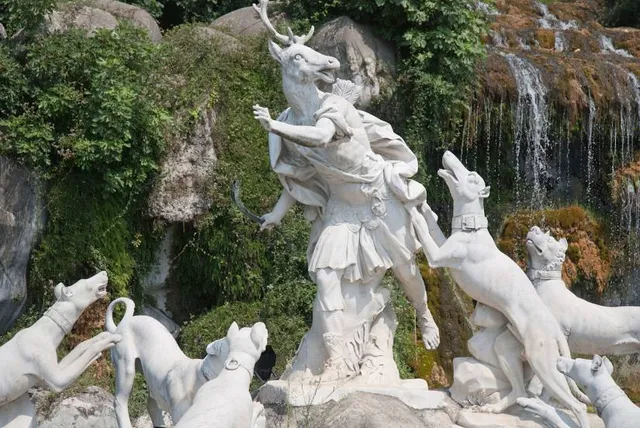
La Fontana di Diana e Atteone è una delle fontane più iconiche della Reggia di Caserta. Si trova nella parte nord del parco, alla fine della Via d'Acqua, e rappresenta un episodio del mito greco di Diana e Atteone.

La fontana è composta da due gruppi scultorei in marmo bianco di Carrara, realizzati da Paolo Persico, Angelo Brunelli, Tommaso e Pietro Solari e Andrea Violani tra il 1785 e il 1789.

Il gruppo scultoreo principale raffigura Diana, la dea della caccia, mentre sta facendo il bagno in una grotta con le sue ninfe. Atteone, un giovane cacciatore, si aggira per il bosco e, incuriosito, si avvicina alla grotta. All'improvviso, Diana si accorge di lui e, per punirlo di averla spiata, lo trasforma in un cervo.

Il gruppo scultoreo secondario raffigura Atteone, ormai trasformato in cervo, che viene sbranato dai suoi stessi cani da caccia.

La fontana è circondata da un bacino ellittico, delimitato da finti scogli, da cui sgorga l'acqua della cascata del Monte Briano. L'acqua della cascata, che simboleggia la purificazione, scorre tra le due scene del mito, creando un effetto suggestivo e drammatico.

La Fontana di Diana e Atteone è un'opera di grande bellezza e maestria artistica. È un capolavoro del barocco italiano e uno dei più importanti esempi di fontana...

   Read more
avatar
5.0
1y

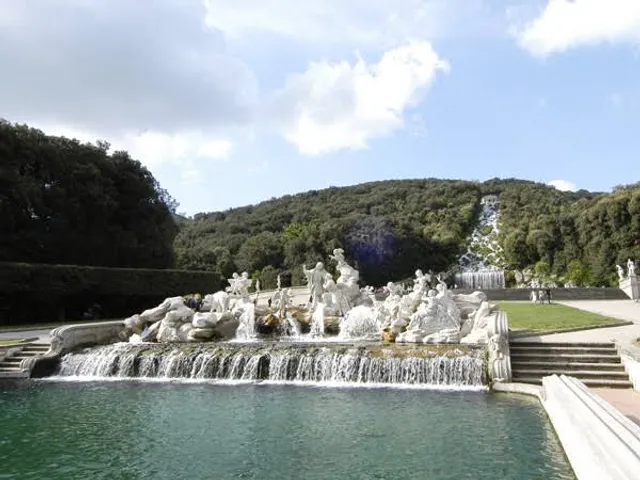
La Fontana di Diana e Atteone si trova nella Reggia di Caserta ed è la sesta che incontriamo nei meravigliosi Giardini Reali, lungo la spettacolare “Via d’acqua”, un lungo rettilineo interrotto da queste splendide fontane e accompagnato ai lati da lecci e da varie panchine le quali permettono di godere di questo paesaggio unico nel suo genere.

In questa monumentale fontana, arrivano con impeto, tramite una grandiosa cascata di oltre 80 metri, le acque dell’acquedotto Carolino, le quali si riversano nel grande bacino ellittico, formato da rocce artificiali, che la delimita.

L’insieme dell’apparato scultoreo, vuole celebrare il mito di Diana dea della caccia molto diffuso in queste zone ricco di boschi e selvaggina.

Per questo ii lati della cascata vi sono due gruppi scultorei che rappresentano altrettante scene:

La prima sulla destra che ritrae Diana che si copre le nudità dopo avere fatto il bagno circondata dalle Ninfe, la quale guarda con severità il giovane Atteone che la stava spiando.

La seconda sulla sinistra rappresenta il giovane cacciatore Atteone, con la faretra e le frecce sulle spalle, il quale per punizione della dea, inizia a trasformarsi in un cervo e per questo non essendo riconosciuto viene sbranato...

   Read more
Page 1 of 7
Previous
Next

Posts

Davide YangDavide Yang
Caserta (pronounced [kaˈzɛrta] ( listen) or[kaˈsɛrta]) is the capital of the province of Caserta in the Campania region of Italy. It is an important agricultural, commercial and industrial comune and city. Caserta is located on the edge of the Campanian plain at the foot of the Campanian Subapennine mountain range. The city is best known for the Palace of Caserta. Modern Caserta was established around the defensive tower built in Lombard times by Pando, Prince of Capua. Pando destroyed the original city around 863. The tower is now part of the Palazzo della Prefettura which was once the seat of the counts of Caserta, as well as a royal residence. The original population moved from Casertavecchia(former bishopric seat) to the current site in the 16th century. Casertavecchia was built on the Roman town of Casam Irtam (the name Caserta is a subsequent contraction of Casa(m) Irta(m) meaning "home village located above"). The city and vicinity were the property of the Acquaviva family who, being pressed by huge debts, sold all the land to the royal family. The royal family then selected Caserta for the construction of their new palace which, being inland, was seen as more defensible than the previous palace fronting the Bay of Naples. At the end of World War II, the royal palace served as the seat of the Supreme Allied Commander. The first Allied war trial took place here in 1945; German general Anton Dostler was sentenced to death and executed nearby, in Aversa. Pope Francis visited Caserta on Monday, 28 June 2014, together with a friend named Giovanni Traettino who pastors an evangelical, charismatic/Pentecostal Protestant church. The Pope apologized for the complicity of some Catholics in the persecution of Protestant Pentecostals during the fascist regime in Italy.
Stefano PrinaStefano Prina
La Fontana di Diana e Atteone è una delle fontane più iconiche della Reggia di Caserta. Si trova nella parte nord del parco, alla fine della Via d'Acqua, e rappresenta un episodio del mito greco di Diana e Atteone. La fontana è composta da due gruppi scultorei in marmo bianco di Carrara, realizzati da Paolo Persico, Angelo Brunelli, Tommaso e Pietro Solari e Andrea Violani tra il 1785 e il 1789. Il gruppo scultoreo principale raffigura Diana, la dea della caccia, mentre sta facendo il bagno in una grotta con le sue ninfe. Atteone, un giovane cacciatore, si aggira per il bosco e, incuriosito, si avvicina alla grotta. All'improvviso, Diana si accorge di lui e, per punirlo di averla spiata, lo trasforma in un cervo. Il gruppo scultoreo secondario raffigura Atteone, ormai trasformato in cervo, che viene sbranato dai suoi stessi cani da caccia. La fontana è circondata da un bacino ellittico, delimitato da finti scogli, da cui sgorga l'acqua della cascata del Monte Briano. L'acqua della cascata, che simboleggia la purificazione, scorre tra le due scene del mito, creando un effetto suggestivo e drammatico. La Fontana di Diana e Atteone è un'opera di grande bellezza e maestria artistica. È un capolavoro del barocco italiano e uno dei più importanti esempi di fontana monumentale in Europa.
Stefano ManzoStefano Manzo
La Fontana di Diana e Atteone si trova nella Reggia di Caserta ed è la sesta che incontriamo nei meravigliosi Giardini Reali, lungo la spettacolare “Via d’acqua”, un lungo rettilineo interrotto da queste splendide fontane e accompagnato ai lati da lecci e da varie panchine le quali permettono di godere di questo paesaggio unico nel suo genere. In questa monumentale fontana, arrivano con impeto, tramite una grandiosa cascata di oltre 80 metri, le acque dell’acquedotto Carolino, le quali si riversano nel grande bacino ellittico, formato da rocce artificiali, che la delimita. L’insieme dell’apparato scultoreo, vuole celebrare il mito di Diana dea della caccia molto diffuso in queste zone ricco di boschi e selvaggina. Per questo ii lati della cascata vi sono due gruppi scultorei che rappresentano altrettante scene: La prima sulla destra che ritrae Diana che si copre le nudità dopo avere fatto il bagno circondata dalle Ninfe, la quale guarda con severità il giovane Atteone che la stava spiando. La seconda sulla sinistra rappresenta il giovane cacciatore Atteone, con la faretra e le frecce sulle spalle, il quale per punizione della dea, inizia a trasformarsi in un cervo e per questo non essendo riconosciuto viene sbranato dai sui cani.
See more posts
See more posts
hotel
Find your stay

Pet-friendly Hotels in Caserta

Find a cozy hotel nearby and make it a full experience.

Caserta (pronounced [kaˈzɛrta] ( listen) or[kaˈsɛrta]) is the capital of the province of Caserta in the Campania region of Italy. It is an important agricultural, commercial and industrial comune and city. Caserta is located on the edge of the Campanian plain at the foot of the Campanian Subapennine mountain range. The city is best known for the Palace of Caserta. Modern Caserta was established around the defensive tower built in Lombard times by Pando, Prince of Capua. Pando destroyed the original city around 863. The tower is now part of the Palazzo della Prefettura which was once the seat of the counts of Caserta, as well as a royal residence. The original population moved from Casertavecchia(former bishopric seat) to the current site in the 16th century. Casertavecchia was built on the Roman town of Casam Irtam (the name Caserta is a subsequent contraction of Casa(m) Irta(m) meaning "home village located above"). The city and vicinity were the property of the Acquaviva family who, being pressed by huge debts, sold all the land to the royal family. The royal family then selected Caserta for the construction of their new palace which, being inland, was seen as more defensible than the previous palace fronting the Bay of Naples. At the end of World War II, the royal palace served as the seat of the Supreme Allied Commander. The first Allied war trial took place here in 1945; German general Anton Dostler was sentenced to death and executed nearby, in Aversa. Pope Francis visited Caserta on Monday, 28 June 2014, together with a friend named Giovanni Traettino who pastors an evangelical, charismatic/Pentecostal Protestant church. The Pope apologized for the complicity of some Catholics in the persecution of Protestant Pentecostals during the fascist regime in Italy.
Davide Yang

Davide Yang

hotel
Find your stay

Affordable Hotels in Caserta

Find a cozy hotel nearby and make it a full experience.

Get the Appoverlay
Get the AppOne tap to find yournext favorite spots!
La Fontana di Diana e Atteone è una delle fontane più iconiche della Reggia di Caserta. Si trova nella parte nord del parco, alla fine della Via d'Acqua, e rappresenta un episodio del mito greco di Diana e Atteone. La fontana è composta da due gruppi scultorei in marmo bianco di Carrara, realizzati da Paolo Persico, Angelo Brunelli, Tommaso e Pietro Solari e Andrea Violani tra il 1785 e il 1789. Il gruppo scultoreo principale raffigura Diana, la dea della caccia, mentre sta facendo il bagno in una grotta con le sue ninfe. Atteone, un giovane cacciatore, si aggira per il bosco e, incuriosito, si avvicina alla grotta. All'improvviso, Diana si accorge di lui e, per punirlo di averla spiata, lo trasforma in un cervo. Il gruppo scultoreo secondario raffigura Atteone, ormai trasformato in cervo, che viene sbranato dai suoi stessi cani da caccia. La fontana è circondata da un bacino ellittico, delimitato da finti scogli, da cui sgorga l'acqua della cascata del Monte Briano. L'acqua della cascata, che simboleggia la purificazione, scorre tra le due scene del mito, creando un effetto suggestivo e drammatico. La Fontana di Diana e Atteone è un'opera di grande bellezza e maestria artistica. È un capolavoro del barocco italiano e uno dei più importanti esempi di fontana monumentale in Europa.
Stefano Prina

Stefano Prina

hotel
Find your stay

The Coolest Hotels You Haven't Heard Of (Yet)

Find a cozy hotel nearby and make it a full experience.

hotel
Find your stay

Trending Stays Worth the Hype in Caserta

Find a cozy hotel nearby and make it a full experience.

La Fontana di Diana e Atteone si trova nella Reggia di Caserta ed è la sesta che incontriamo nei meravigliosi Giardini Reali, lungo la spettacolare “Via d’acqua”, un lungo rettilineo interrotto da queste splendide fontane e accompagnato ai lati da lecci e da varie panchine le quali permettono di godere di questo paesaggio unico nel suo genere. In questa monumentale fontana, arrivano con impeto, tramite una grandiosa cascata di oltre 80 metri, le acque dell’acquedotto Carolino, le quali si riversano nel grande bacino ellittico, formato da rocce artificiali, che la delimita. L’insieme dell’apparato scultoreo, vuole celebrare il mito di Diana dea della caccia molto diffuso in queste zone ricco di boschi e selvaggina. Per questo ii lati della cascata vi sono due gruppi scultorei che rappresentano altrettante scene: La prima sulla destra che ritrae Diana che si copre le nudità dopo avere fatto il bagno circondata dalle Ninfe, la quale guarda con severità il giovane Atteone che la stava spiando. La seconda sulla sinistra rappresenta il giovane cacciatore Atteone, con la faretra e le frecce sulle spalle, il quale per punizione della dea, inizia a trasformarsi in un cervo e per questo non essendo riconosciuto viene sbranato dai sui cani.
Stefano Manzo

Stefano Manzo

See more posts
See more posts