EX-CE-LLENT! First and foremost it is FREE (tourist may occasionally be asked to contribute with 1 eur donation) It is closed on MOndays.
That being said, if you are fond of archaeologu and especially of naval and Roman findings that's the place for you.
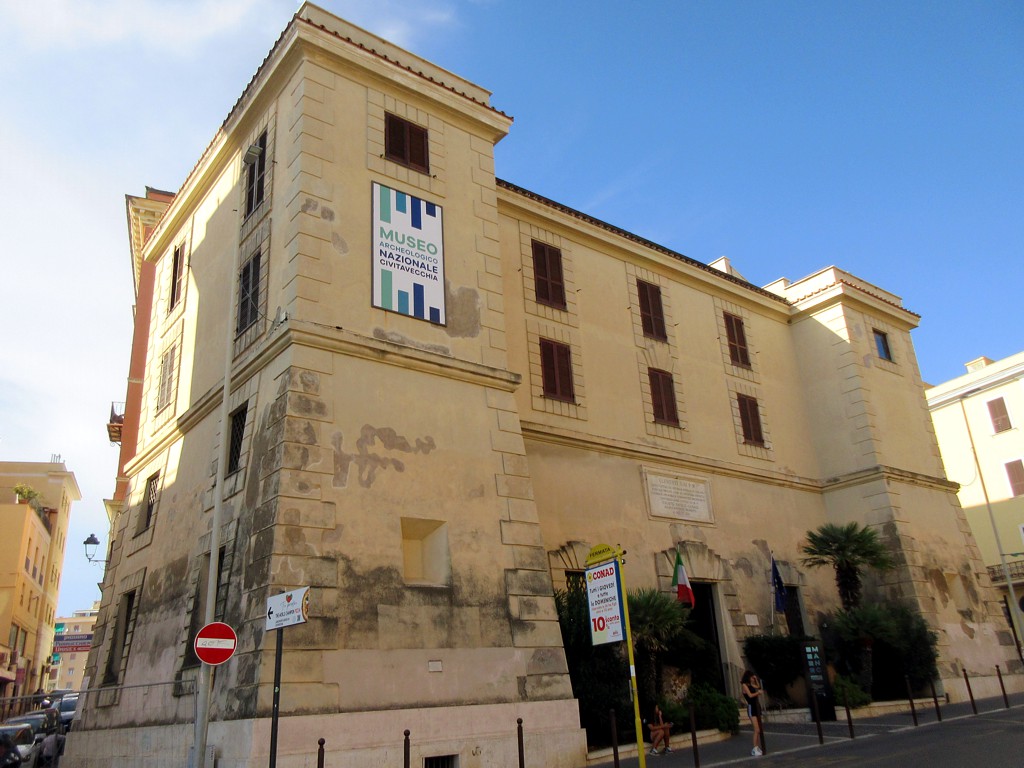
The museum o is located in a XVIII century, three story building and houses relics from the ancient city of Centumcellae (the town name in the Roman age, see history and Centumcellae) and from the surrounding area.
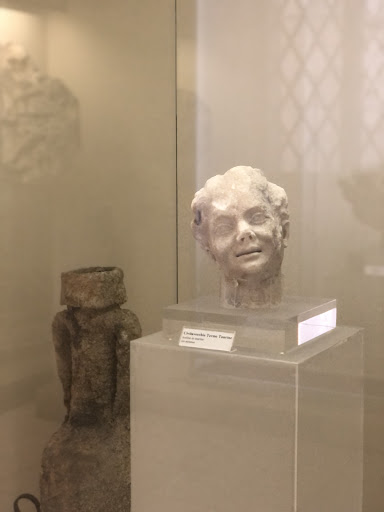
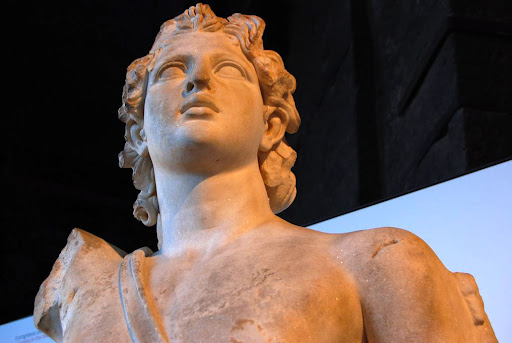
Ground floor: various marble roman heads, one of which representing the young emperor Trajan. One of the finest pieces on this floor is a statue of the Greek God of the Sun Apollo (I century B.C.), discovered in Santa Marinella during the excavation of a roman villa, supposedly the summer residence of the roman jurist Ulpian, and which would indeed reproduce the Colossus of Rhodes.
First floor: ceramic and bronze relics from different excavation sites (Civitaveccchia, Tolfa, Allumiere, Luni, Santa Severa), among which some impressing bucchero potteries from the VII-VI century B.C.; several black ceramics from the IV century B.C. and various bronze and golden jewels.
Second floor: Villanovan relics such as a biconical urn and a hut one, both from the VII century B.C. The bronzes include many buckles and clasps, several engraved mirrors and one beautiful helmet. A notable presence among the ceramics in exposition is that of red and black-figure vessels, most probably imported from Attica.
For direction on what to do in Civitavecchia and its touristic attractions we invite you to give a look to our community-operated tourist website...
Read moreThe small museum contained in the Clemente XIII palace , collects the most important statuary discovery in the archaeological excavations in this part of Taurine Bath, La Mattonara Necropolis, Punta del Pecoraro and others archeological excavations was an important work experience of Centumcellae Association, the most remarkable works can be seen immediately in the first room, ground floor: -sarcophagus of an urban factory with a clypeus image of the defined supported by vitorie and hunting posts of the II-III Century AD, -the wonderful statue of Apollo (I century), Apollo delivered people from epidemics, yet he is also a god who could bring ill-health and deadly plague with his arrows. As the god of Mousike (art of Muses), Apollo presides over all music, songs, dance and poetry. He is the inventor of string-music, and the frequent companion of the Muses, functioning as their chorus leader in celebrations. The lyre is a common attribute of Apollo. -Athena Parthenos of Phidia, There have been many replicas and works inspired by the statue, in both ancient and modern times. Athena was the Greek goddess of wisdom. A Statue also exhibited in the Louvre Museum. Among the local guides Andrea Romanet did an excellent job on cataloging all the finds. A different visit of the city in a short time you can admire the olms of the Ancient Port of Rome and finds found in the surrounding areas of Civitavecchia. For people in ♿️ ask the staff inside and they will let you in through the suitable entrance. The museum is equipped with 🚾 and an elevator to go up to the...
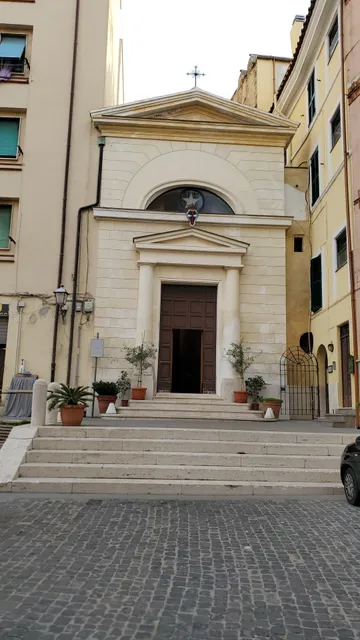
Read morell Museo archeologico nazionale di Civitavecchia, ospitato nel settecentesco palazzo di Clemente XIII (già sede della guarnigione pontificia), custodisce una serie di reperti archeologici provenienti dall'antica Centumcellae e dall'intero comprensorio. Il museo, sito in piazza Cavour 1, Il Museo occupa la sede monumentale della ex Dogana pontificia voluta da Clemente XIII, così come attesta l’iscrizione sopra l’ingresso della struttura. Negli anni ‘70 è stato definitivamente allestito per accogliere i materiali archeologici provenienti dal vecchio Museo Civico e pertinenti i rinvenimenti dal territorio di Civitavecchia e dall'antistante litorale, come pure dalle zone limitrofe (S. Marinella, Allumiere, Tolfa, ecc.). L'entrata è gratuita
Il Museo Archeologico di Civitavecchia presenta un percorso articolato su tre su tre piani, con testimonianze a partire dagli albori della civiltà, per tutta l'età antica, fino al medioevo.
PIANO TERRA Al piano terra tra i reperti di maggiore interesse potete ammirare una statua del dio Apollo (I sec. d.C.), rinvenuta durante gli scavi nella villa Simonetti di Santa Marinella, antica residenza estiva del giurista romano Eneo Domizio Ulpiano. Molto probabilmente si tratta di una riproduzione del Colosso di Rodi. Di particolare importanza a anche una riproduzione dell'Athena Parthenos di Fidia risalente alla metà del II sec. d. C. e alcune teste marmoree, tra le quali una raffigurante l'imperatore Marco Aurelio da giovane. Recentemente al piano terra è stata anche inaugurata una nuova Sala Epigrafica, che ospita oltre alle magnifiche epigrafi romane della Flotta imperiale, anche due nuovi preziosissimi reperti: una testa di ninfa di età adrianea ritrovata nei pressi delle Terme Taurine e una Polena con busto femminile in bronzo massiccio d'età romana, rinvenuta a metà 800 nel porto, donata dall'allora principe D'Ardia al Museo Nazionale.
PRIMO PIANO Al primo piano del Museo potete ammirare reperti in ceramica e bronzo provenienti prevalentemente dal territorio intorno Civitavecchia (Tolfa, Allumiere, Luni sul Mignone e Santa Severa) e alcuni esempi di Bucchero Estrusco. In particolare un calice decorato ad impressione (VII secolo a.C.), uno splendido balsamario con figura femminile inginocchiata davanti ad un'altra (di ispirazione e provenienza Egiziana, VI secolo a.C.), ed alcuni vasi di ceramica a vernice nera (IV secolo a.C.). Da non perdere anche alcuni reperti in metallo con un anello in bronzo ed un orecchino d'oro di pregevole raffinatezza.
SECONDO PIANO Al secondo piano si possono ammirare reperti di provenienza varia suddivisi per classe di materiale e cronologia. Nel primo settore della sala sono esposti oggetti di epoca villanoviana; tra i materiali dei corredi vi è un ossuario biconico ed uno del tipo a capanna risalente al VII sec. a.C. Tra i numerosi oggetti in bronzo, i più importanti sono una serie di fibule ed alcuni specchi incisi. Si trovano inoltre raccolti alcuni materiali in ceramica provenienti dal territorio di Cerveteri (VII sec. a.C.); molto interessante è la serie di vasi a figure nere e rosse di importazione attica. Per ultimo si può ammirare una raccolta di ceramica medioevale, rinvenuta nell'area della Rocca ed attribuita al Bramante.
TERZO PIANO Al terzo ed ultimo piano infine si trova un laboratorio di restauro...
Read more