Fortezza Michelangelo things to do, attractions, restaurants, events info and trip planning
Basic Info
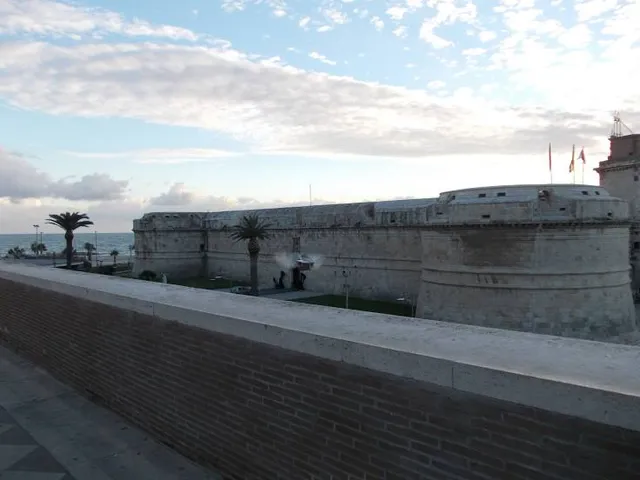
Fortezza Michelangelo
Calata Cesare Laurenti, 5, 00053 Civitavecchia RM, Italy
4.6(324)
Open until 12:00 AM
Save
spot
spot
Ratings & Description
Info
Cultural
Scenic
Family friendly
attractions: Museo Archeologico Nazionale di Civitavecchia, Centro storico di Civitavecchia, Curia Diocesana di Civitavecchia, Spiaggia il pirgo, restaurants: McDonald's Civitavecchia, Ristorante MAA “Seafood e lounge bar”, Cruise Cafe | Home-Made | Burger | Poké | Brunch | Civitavecchia, Trattoria Sora Maria, Ristorante Pizzeria Da Baffone, Antica Salumeria Enoteca Sebastiani dal 1840, SEMPLICE, Pizzeria Del Ghetto, Chalet degli Eventi di Chalet Garibaldi S.a.s., Da Vitale, local businesses: F.C. Bartender lab, Chiesa della Stella
 Learn more insights from Wanderboat AI.
Phone
+39 0766 19431
Open hoursSee all hours
ThuOpen 24 hoursOpen
Plan your stay

Pet-friendly Hotels in Civitavecchia
Find a cozy hotel nearby and make it a full experience.

Affordable Hotels in Civitavecchia
Find a cozy hotel nearby and make it a full experience.

The Coolest Hotels You Haven't Heard Of (Yet)
Find a cozy hotel nearby and make it a full experience.

Trending Stays Worth the Hype in Civitavecchia
Find a cozy hotel nearby and make it a full experience.
Reviews
Live events
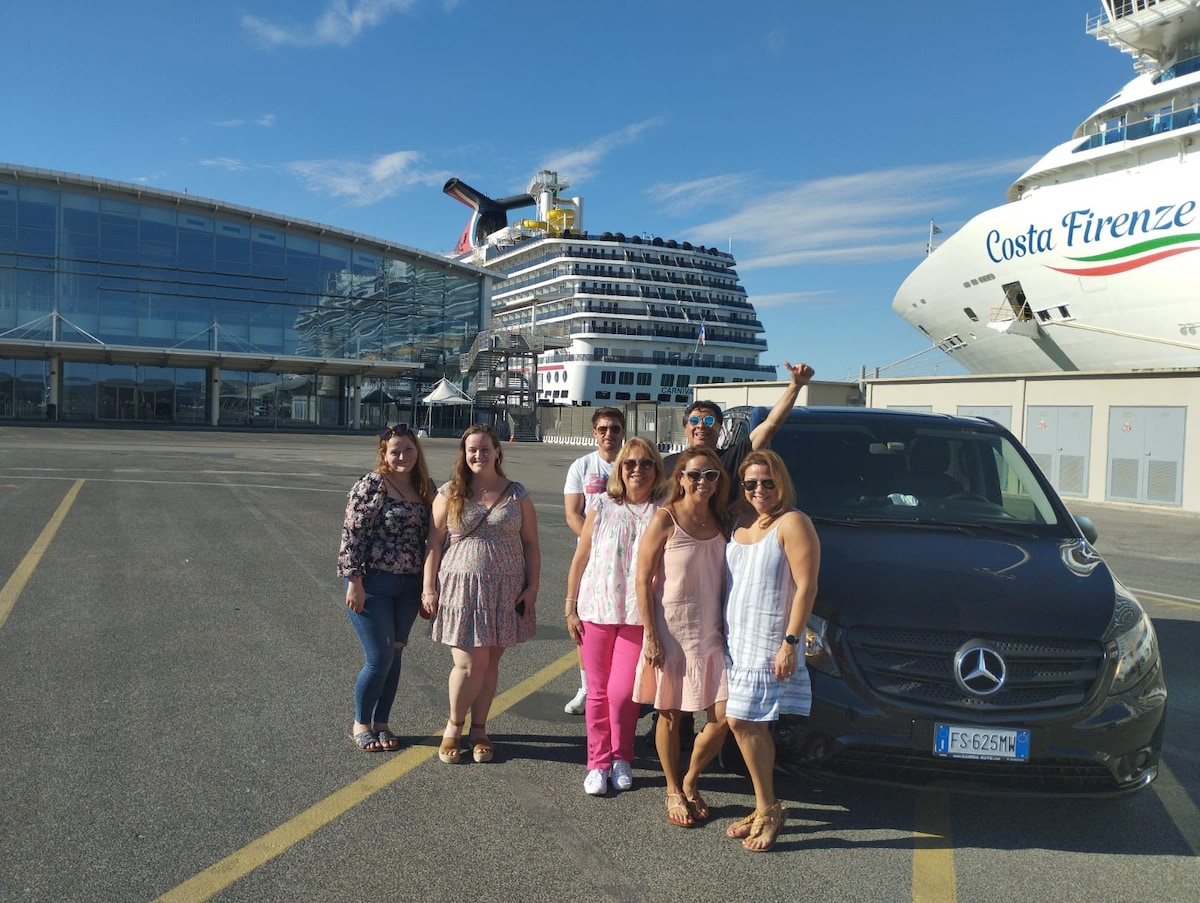
Shore excursion Civitavecchia to Rome & theVatican
Mon, Mar 2 • 8:00 AM
00053, Civitavecchia, Lazio, Italy
View details
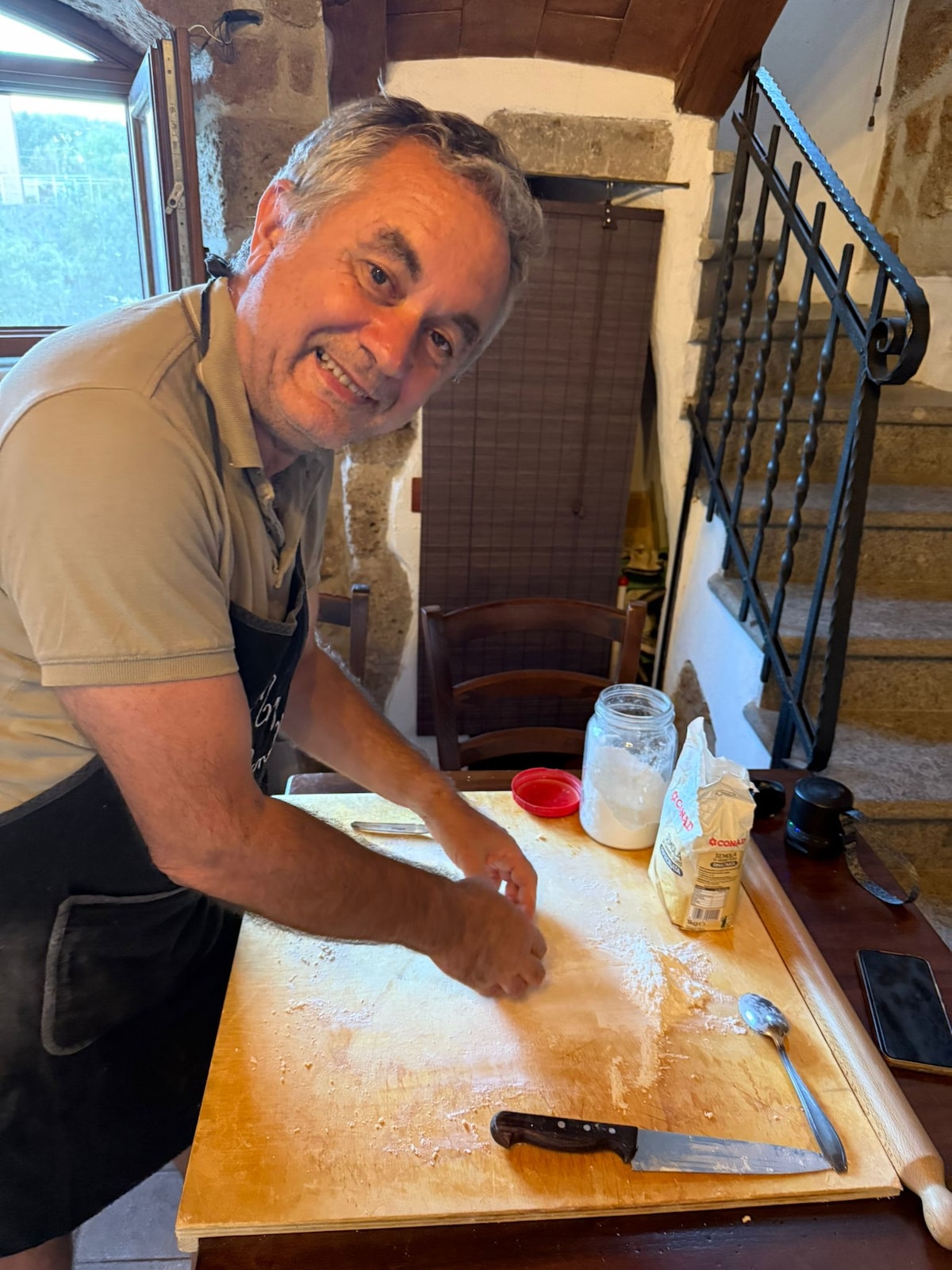
Learn Pasta Making in a Historic Italian Village
Sat, Feb 28 • 6:00 PM
01010, Barbarano Romano, Lazio, Italy
View details
Nearby attractions of Fortezza Michelangelo
Museo Archeologico Nazionale di Civitavecchia
Centro storico di Civitavecchia
Curia Diocesana di Civitavecchia
Spiaggia il pirgo
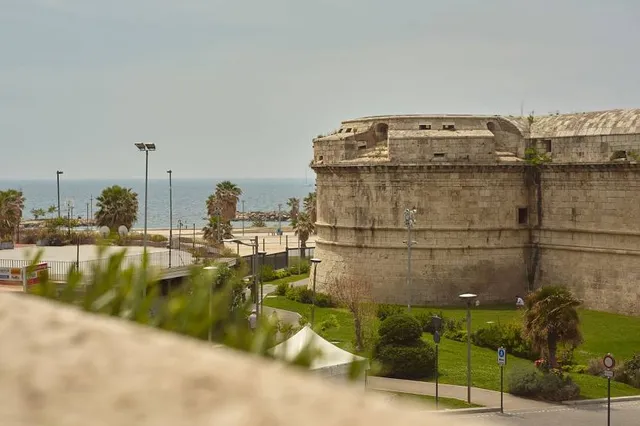
Museo Archeologico Nazionale di Civitavecchia
4.2
(138)
Open 24 hours
Click for details
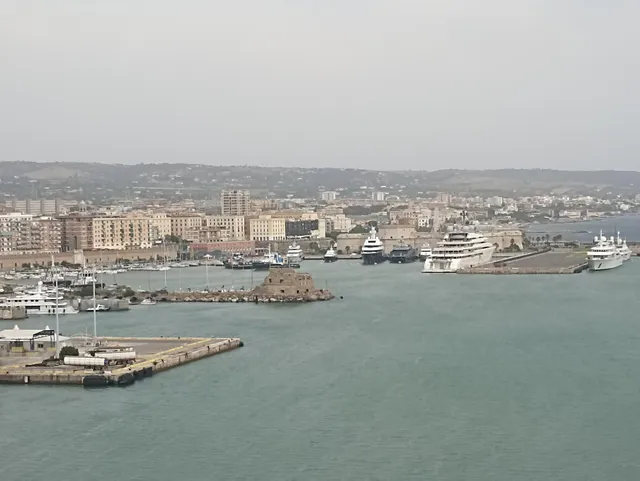
Centro storico di Civitavecchia
4.1
(49)
Open until 12:00 AM
Click for details
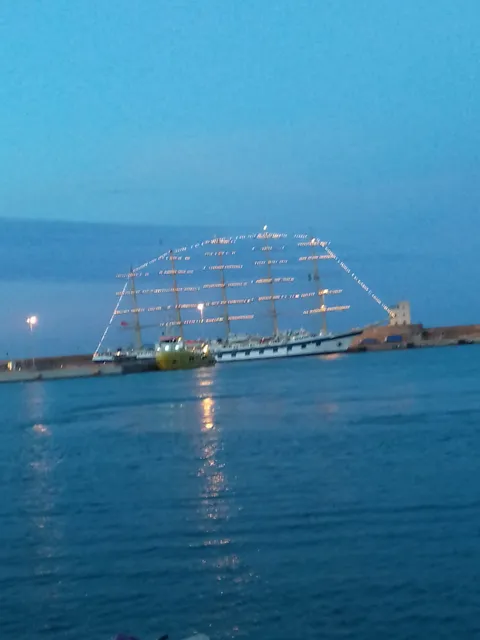
Curia Diocesana di Civitavecchia
4.4
(18)
Open 24 hours
Click for details
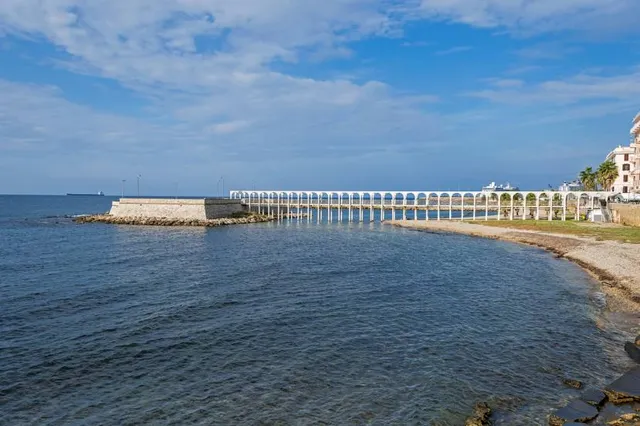
Spiaggia il pirgo
3.9
(77)
Open 24 hours
Click for details
Nearby restaurants of Fortezza Michelangelo
McDonald's Civitavecchia
Ristorante MAA “Seafood e lounge bar”
Cruise Cafe | Home-Made | Burger | Poké | Brunch | Civitavecchia
Trattoria Sora Maria
Ristorante Pizzeria Da Baffone
Antica Salumeria Enoteca Sebastiani dal 1840
SEMPLICE
Pizzeria Del Ghetto
Chalet degli Eventi di Chalet Garibaldi S.a.s.
Da Vitale
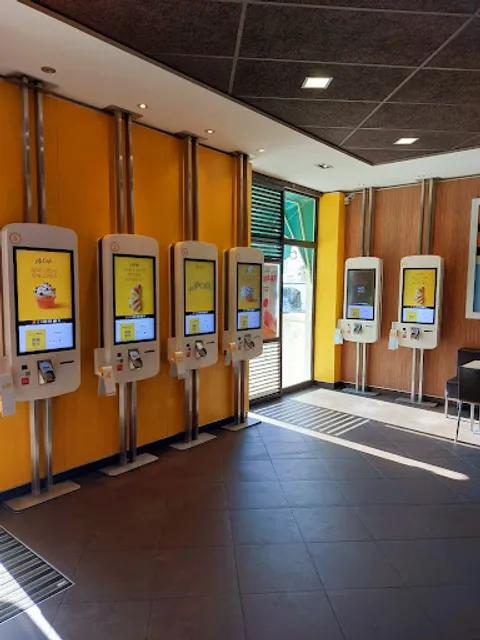
McDonald's Civitavecchia
3.7
(1.3K)
Open until 12:00 AM
Click for details
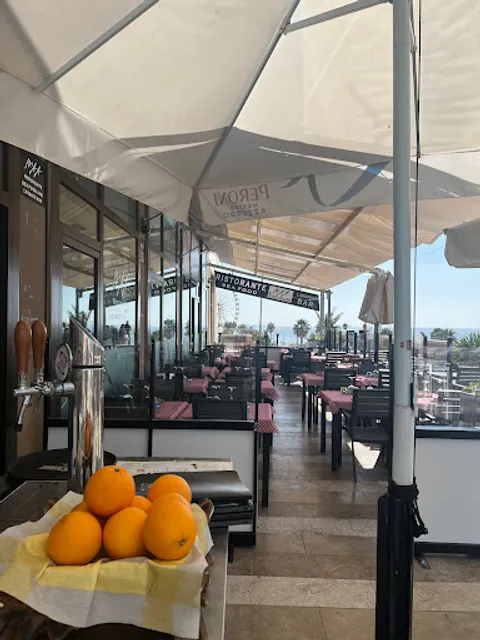
Ristorante MAA “Seafood e lounge bar”
4.0
(287)
Open until 1:00 AM
Click for details
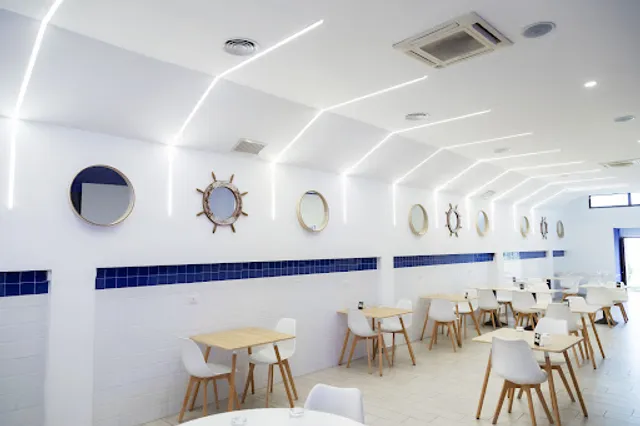
Cruise Cafe | Home-Made | Burger | Poké | Brunch | Civitavecchia
4.4
(222)
Click for details
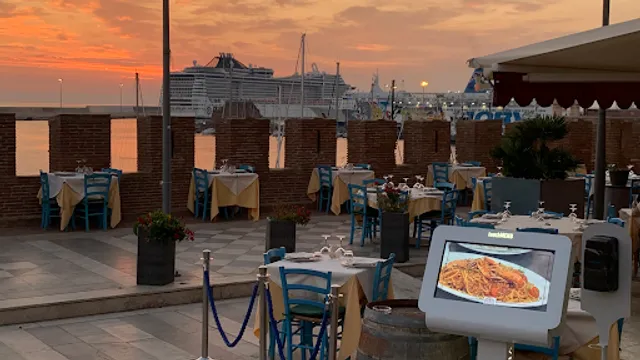
Trattoria Sora Maria
4.3
(804)
$$
Open until 12:00 AM
Click for details
Nearby local services of Fortezza Michelangelo
F.C. Bartender lab
Chiesa della Stella
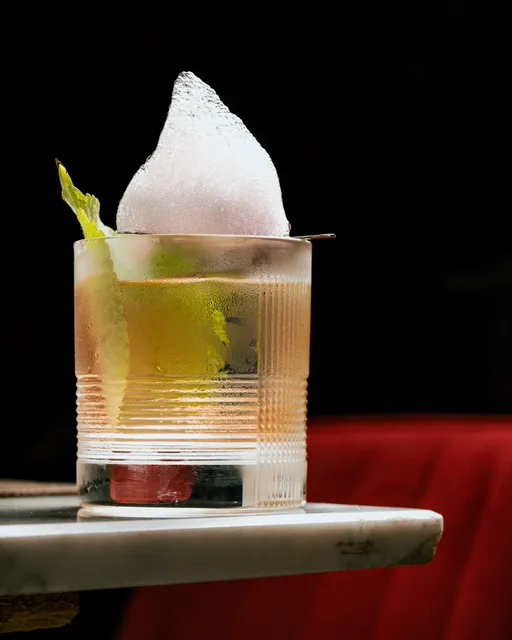
F.C. Bartender lab
5.0
(11)
Click for details
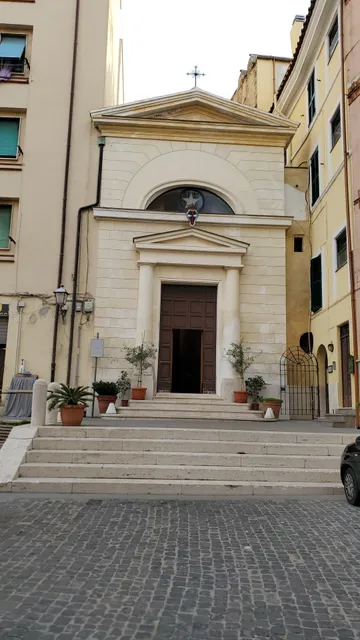
Chiesa della Stella
4.6
(11)
Click for details