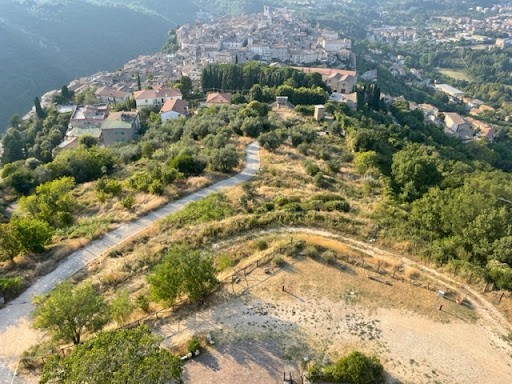
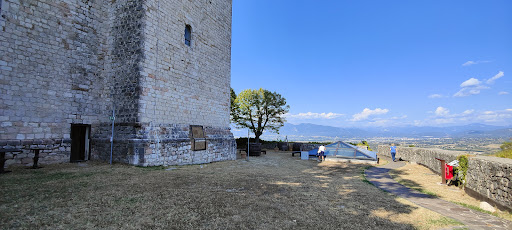
Rocca Di Narni things to do, attractions, restaurants, events info and trip planning
Basic Info
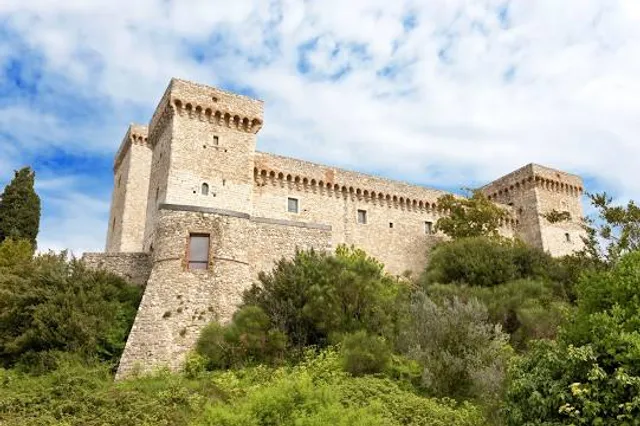
Rocca Di Narni
Via di Feronia, 05035 Narni TR, Italy
4.2(852)
Closed

tickets
Save
spot
spot
Ratings & Description
Info
Cultural
Outdoor
Scenic
attractions: Centro Storico di Narni, Cathedral of Saint Juvenal, NarniAdventures, Narni Sotterranea, Museo della Città e del territorio in Palazzo Eroli, Associazione Corsa all'Anello di Narni, Church of Saint Mary 'Impensole', restaurants: Hostaria "All'Antico Torchio", L'Oste all'Uno - Food & Wine, Ristorante Il Gattamelata, La Bottega Del Giullare, La Gallina Liberata, La Valletta Osteria Contemporanea, Ristorante Pizzeria "I Ghibellini", Terra & Arte, Osteria Le Stranezze Terziere Mezule Narni, CARDONA Caffetteria - Ciberia - Gelateria senza lattosio e senza Glutine, local businesses:
 Learn more insights from Wanderboat AI.
Phone
+39 800 266 300
Website
archeoares.it
Open hoursSee all hours
Sun10 AM - 5 PMClosed
Plan your stay

Pet-friendly Hotels in Narni
Find a cozy hotel nearby and make it a full experience.

Affordable Hotels in Narni
Find a cozy hotel nearby and make it a full experience.

The Coolest Hotels You Haven't Heard Of (Yet)
Find a cozy hotel nearby and make it a full experience.

Trending Stays Worth the Hype in Narni
Find a cozy hotel nearby and make it a full experience.
Reviews
Live events
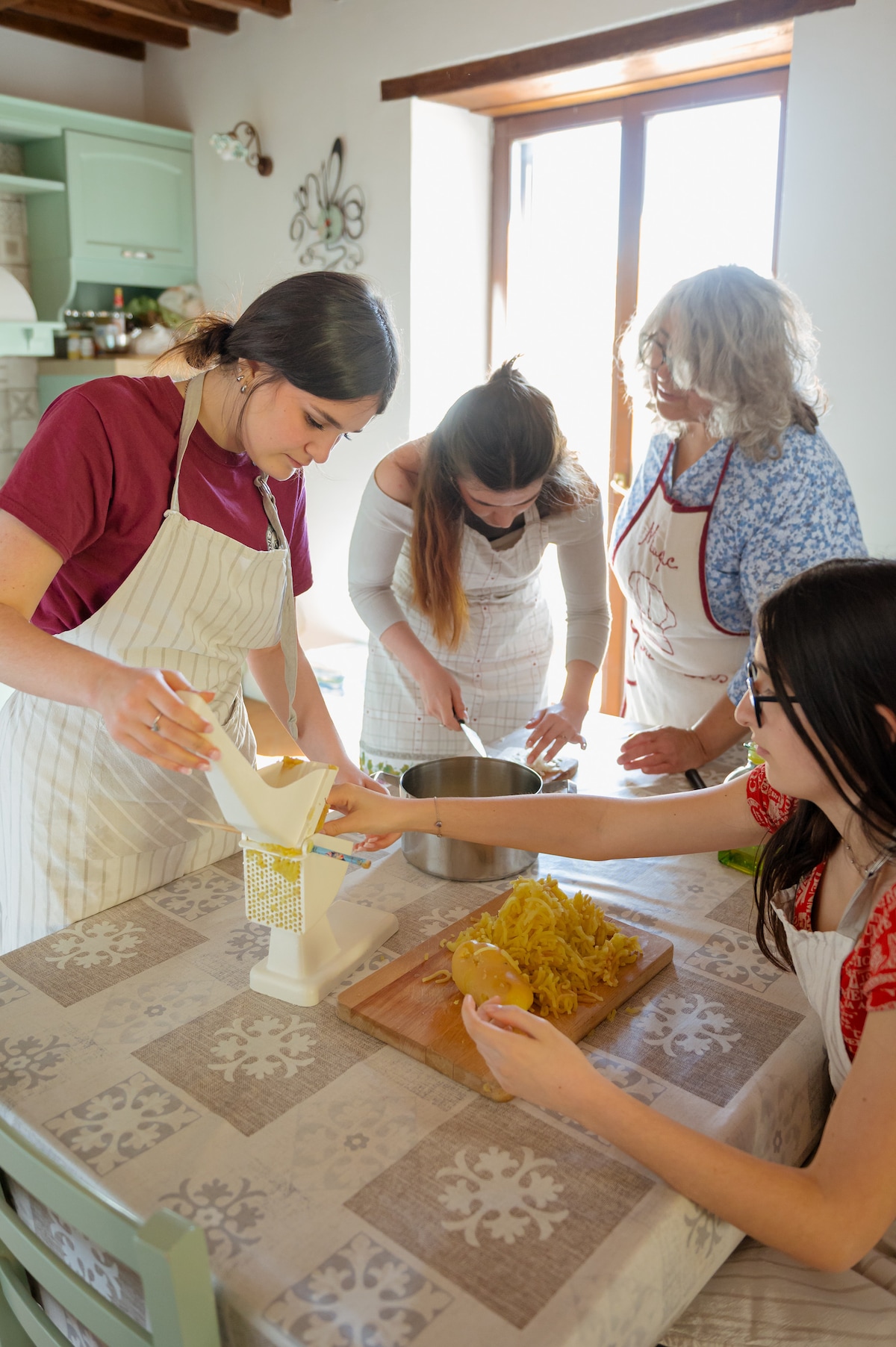
Cook & Eat fresh pasta in an umbrian country house
Sun, Feb 8 • 10:00 AM
05020, Palombara-Palazzo, Umbria, Italy
View details
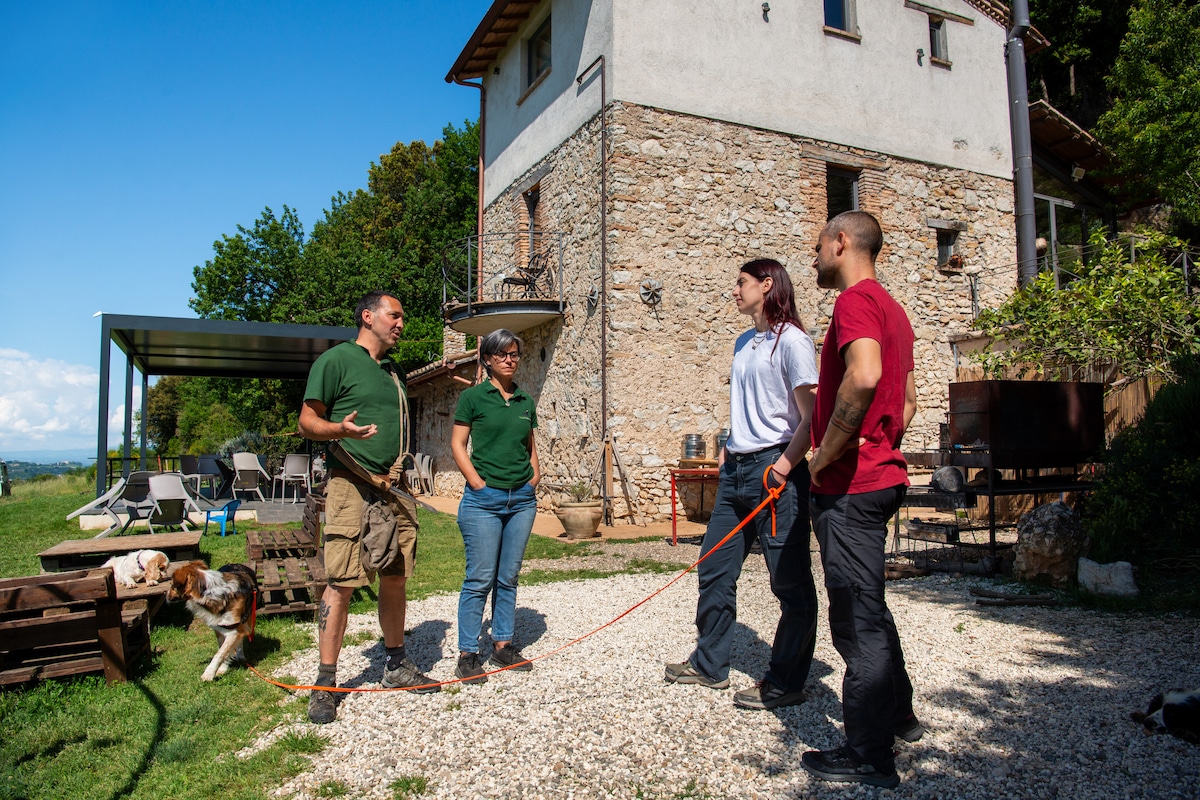
Discover the Truffle Experience, the truffle hunt
Sun, Feb 8 • 10:00 AM
02049, Torri in Sabina, Lazio, Italy
View details
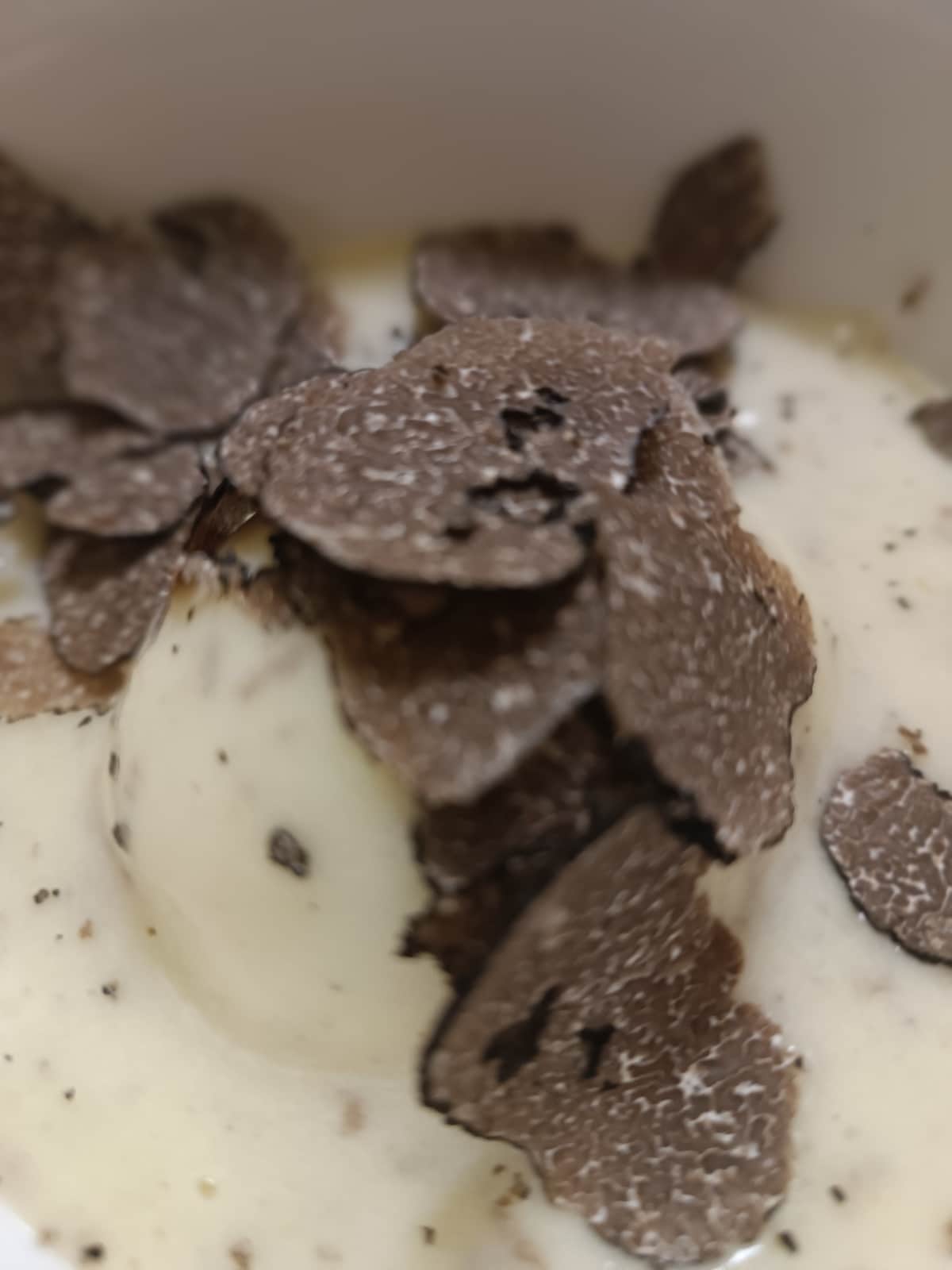
Truffle Cooking Class in the Umbrian countryside
Mon, Feb 9 • 11:00 AM
05035, Narni, Umbria, Italy
View details
Nearby attractions of Rocca Di Narni
Centro Storico di Narni
Cathedral of Saint Juvenal
NarniAdventures
Narni Sotterranea
Museo della Città e del territorio in Palazzo Eroli
Associazione Corsa all'Anello di Narni
Church of Saint Mary 'Impensole'
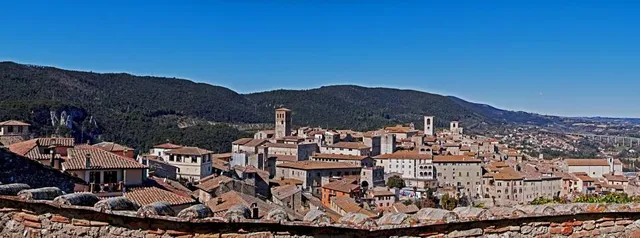
Centro Storico di Narni
4.6
(522)
Open 24 hours
Click for details
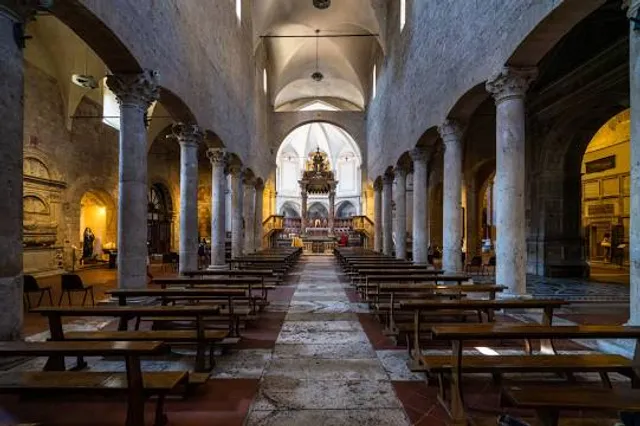
Cathedral of Saint Juvenal
4.7
(111)
Closed
Click for details
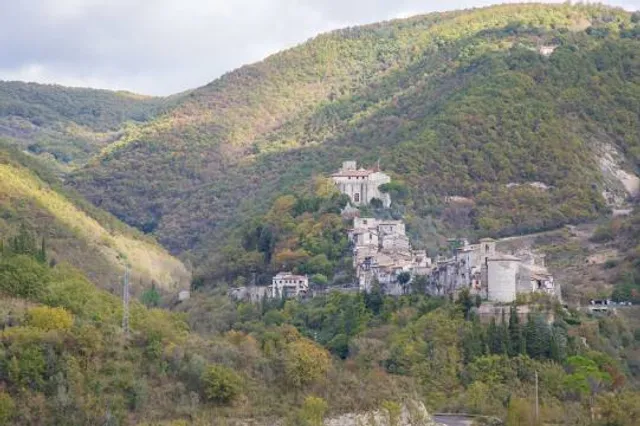
NarniAdventures
4.9
(55)
Open until 12:00 AM
Click for details
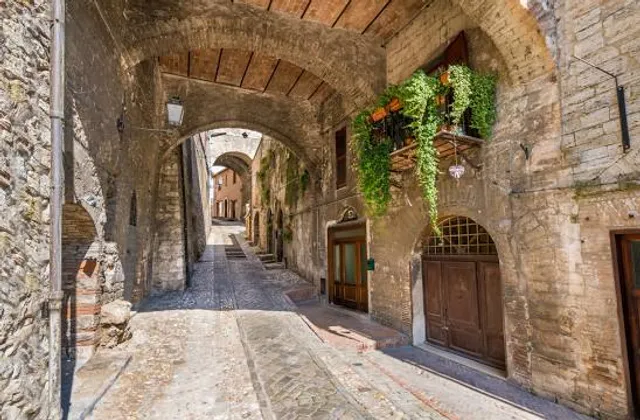
Narni Sotterranea
4.8
(2.9K)
Closed
Click for details
Nearby restaurants of Rocca Di Narni
Hostaria "All'Antico Torchio"
L'Oste all'Uno - Food & Wine
Ristorante Il Gattamelata
La Bottega Del Giullare
La Gallina Liberata
La Valletta Osteria Contemporanea
Ristorante Pizzeria "I Ghibellini"
Terra & Arte
Osteria Le Stranezze Terziere Mezule Narni
CARDONA Caffetteria - Ciberia - Gelateria senza lattosio e senza Glutine
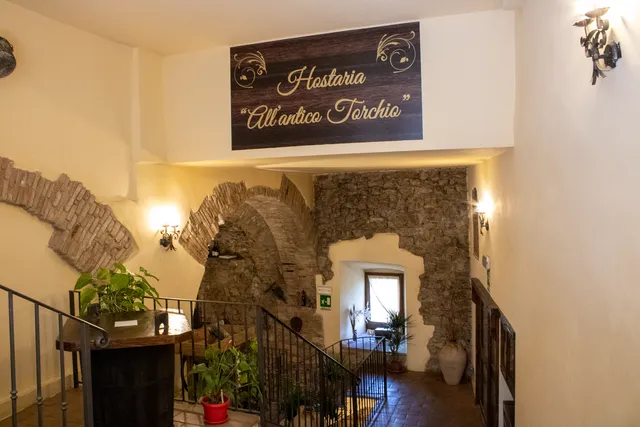
Hostaria "All'Antico Torchio"
4.5
(271)
Closed
Click for details
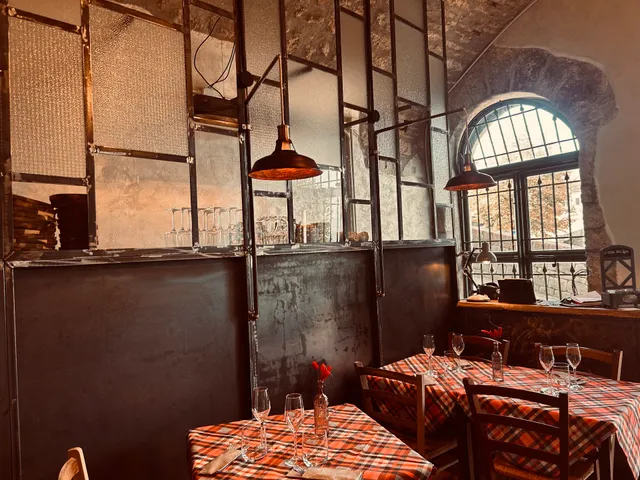
L'Oste all'Uno - Food & Wine
4.6
(102)
Closed
Click for details
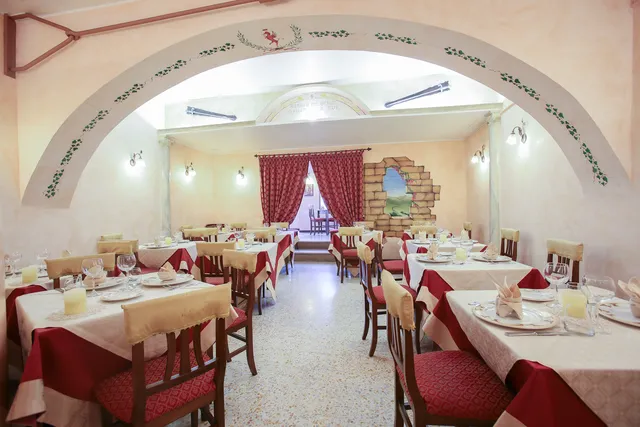
Ristorante Il Gattamelata
4.0
(242)
Closed
Click for details
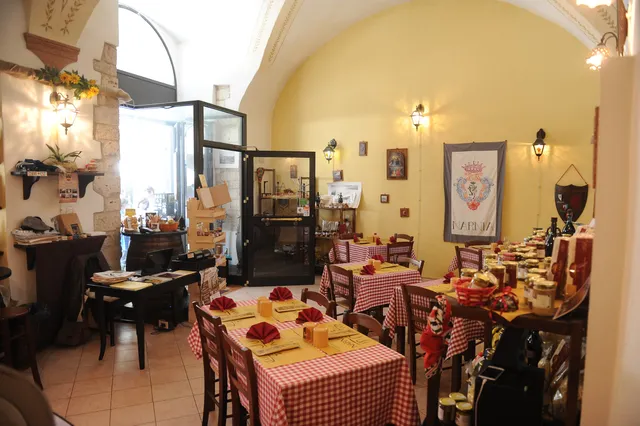
La Bottega Del Giullare
4.4
(848)
Closed
Click for details