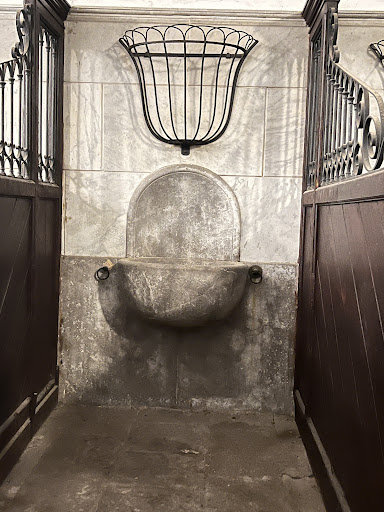
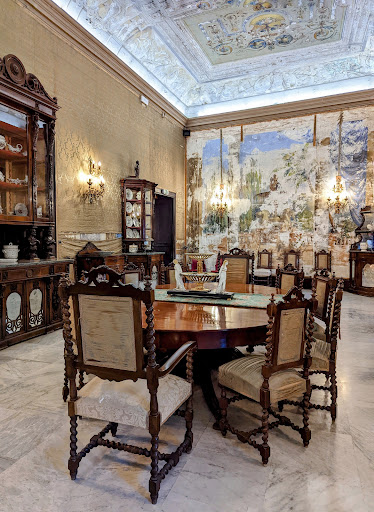
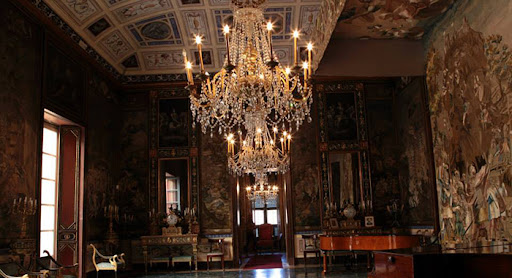
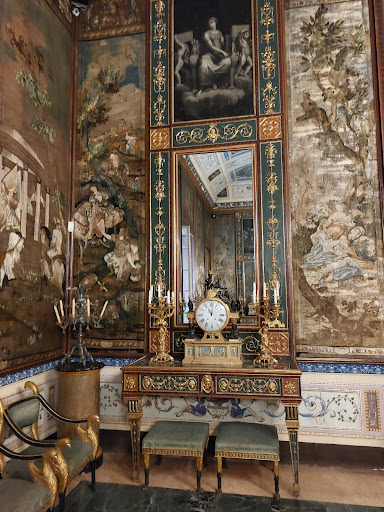
Museo Palazzo Mirto Casa Museo things to do, attractions, restaurants, events info and trip planning
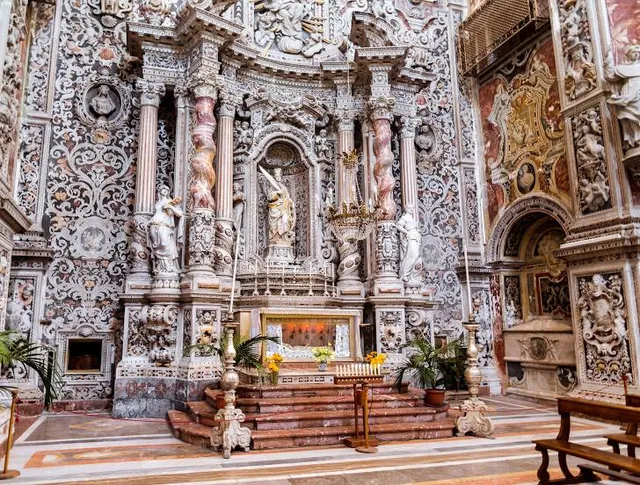
Basic Info
Museo Palazzo Mirto Casa Museo
Via Merlo, 2, 90133 Palermo PA, Italy
4.5(640)
Open 24 hours
Save
spot
spot
Ratings & Description
Info
The Palazzo Filangeri-Cutò is a Baroque-style aristocratic palace located on via Maqueda 26 in the ancient quarter of Albergheria of central Palermo, region of Sicily, Italy.
Cultural
Family friendly
Accessibility
attractions: Giardino Garibaldi, Palazzo Chiaramonte Steri, Palazzo Abatellis, Basilica di San Francesco d'Assisi, L’albero dei 150 anni dell’Unità d’Italia (Ficus Macrophylla Subsp), Modern Art Gallery Sant'Anna, Museo internazionale delle marionette Antonio Pasqualino, Giardino dei Giusti, Palazzo Butera, RizzutoGallery, restaurants: Ancient Saint Francis Focaccia Shop, Nni Franco U Vastiddaru, Moka Sushi, Osteria Mangia e Bevi - Piazza Marina, Pizzeria Polleria Pelledoca, Carizzi d'amuri, A'nìca Ristorante & Pizza Gourmet, Le Pergamene, Quid gusto siciliano, Osteria Trabucco
 Learn more insights from Wanderboat AI.
Phone
+39 091 778 3343
Website
facebook.com
Plan your stay

Pet-friendly Hotels in Palermo
Find a cozy hotel nearby and make it a full experience.

Affordable Hotels in Palermo
Find a cozy hotel nearby and make it a full experience.

The Coolest Hotels You Haven't Heard Of (Yet)
Find a cozy hotel nearby and make it a full experience.

Trending Stays Worth the Hype in Palermo
Find a cozy hotel nearby and make it a full experience.
Reviews
Nearby attractions of Museo Palazzo Mirto Casa Museo
Giardino Garibaldi
Palazzo Chiaramonte Steri
Palazzo Abatellis
Basilica di San Francesco d'Assisi
L’albero dei 150 anni dell’Unità d’Italia (Ficus Macrophylla Subsp)
Modern Art Gallery Sant'Anna
Museo internazionale delle marionette Antonio Pasqualino
Giardino dei Giusti
Palazzo Butera
RizzutoGallery
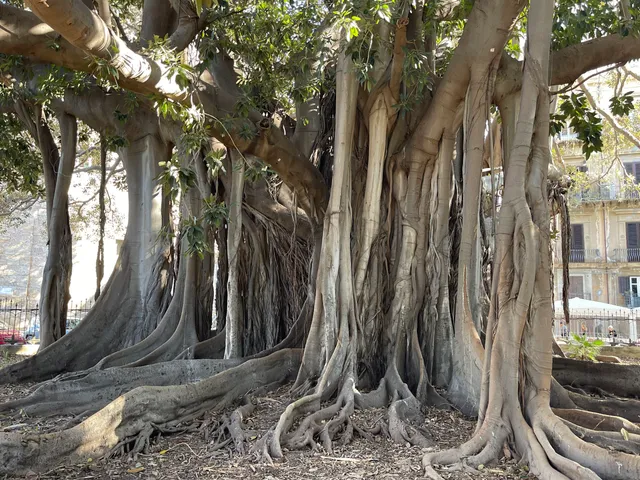
Giardino Garibaldi
4.5
(2.5K)
Open 24 hours
Click for details
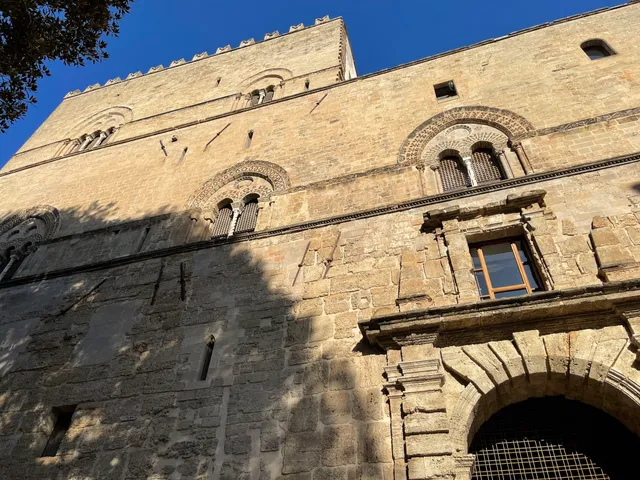
Palazzo Chiaramonte Steri
4.5
(527)
Open 24 hours
Click for details
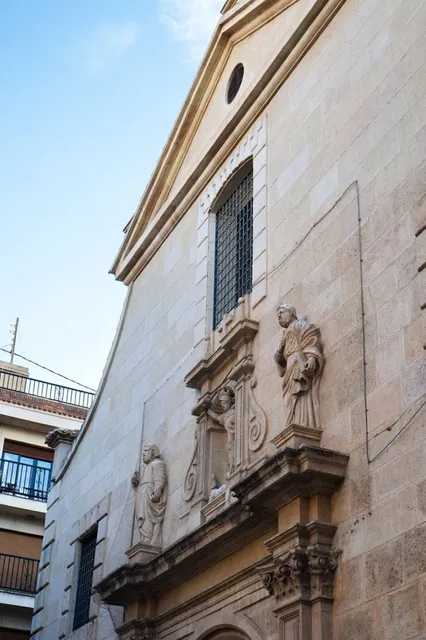
Palazzo Abatellis
4.5
(1.3K)
Open 24 hours
Click for details
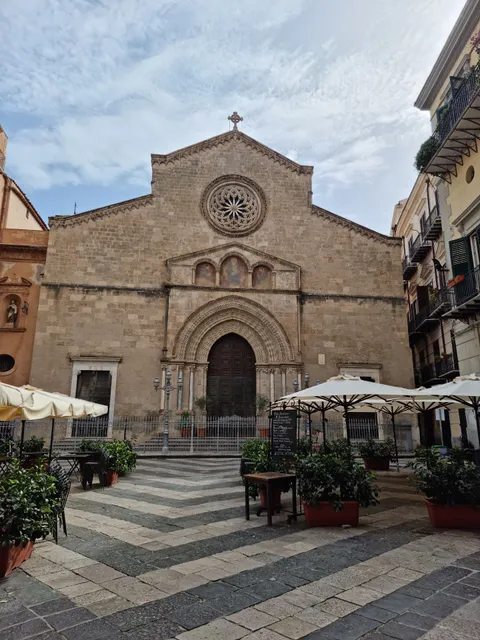
Basilica di San Francesco d'Assisi
4.7
(347)
Open 24 hours
Click for details
Things to do nearby
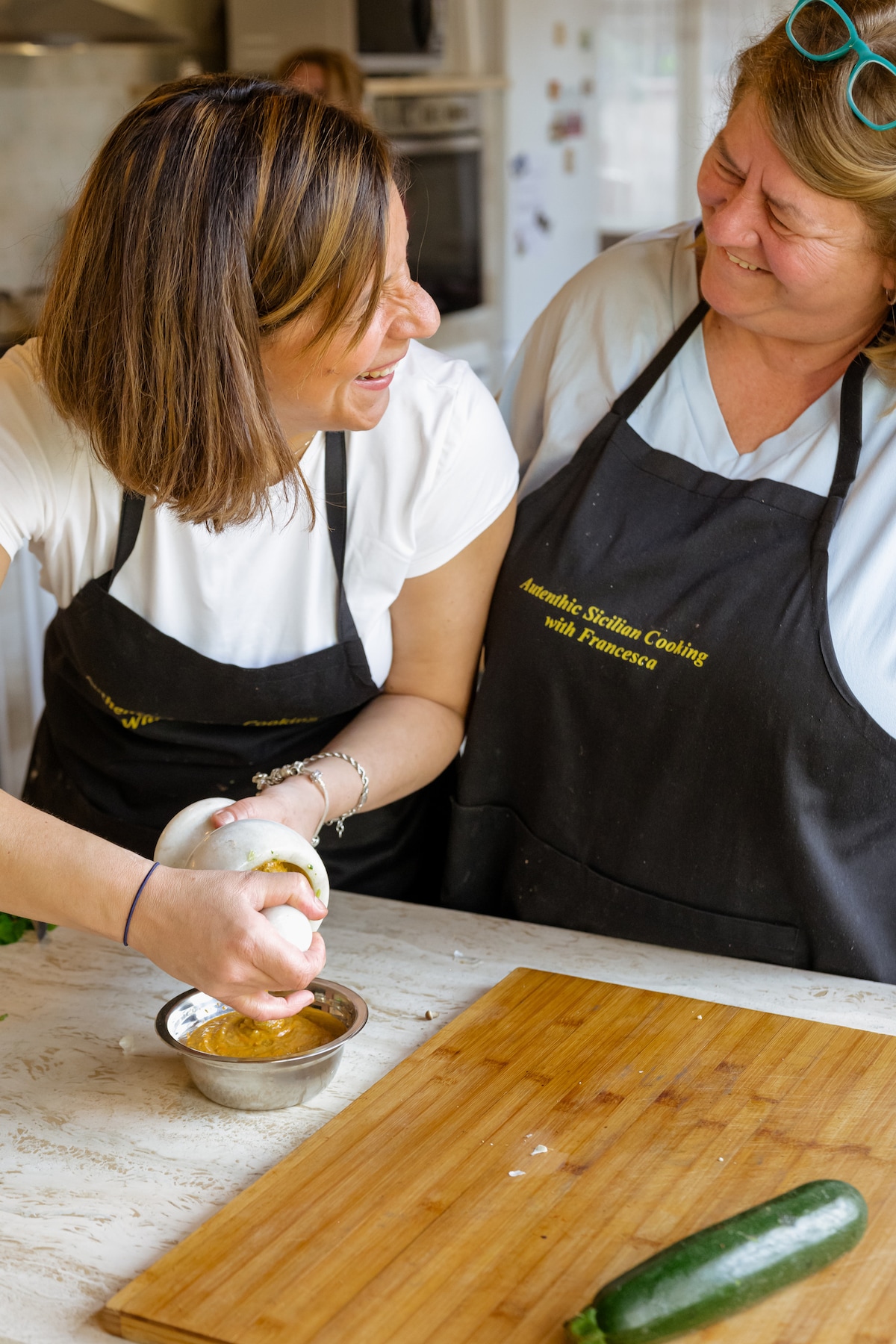
Authentic Sicilian Cooking in Palermo
Tue, Dec 23 • 10:30 AM
90011, Bagheria, Sicily, Italy
View details
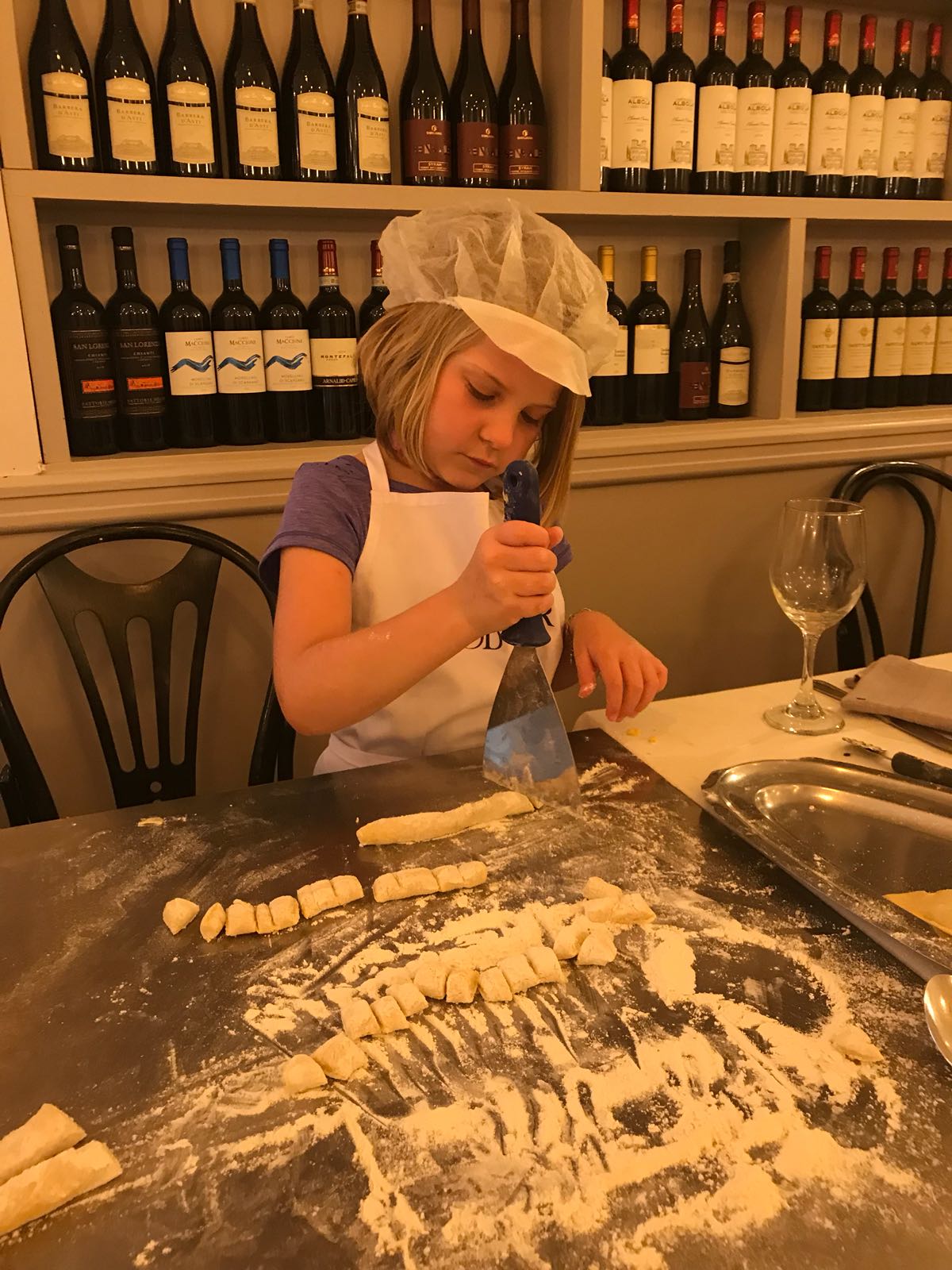
Palermo pasta & tiramisu cooking class with wine
Mon, Dec 22 • 12:00 PM
90137, Palermo, Sicily, Italy
View details
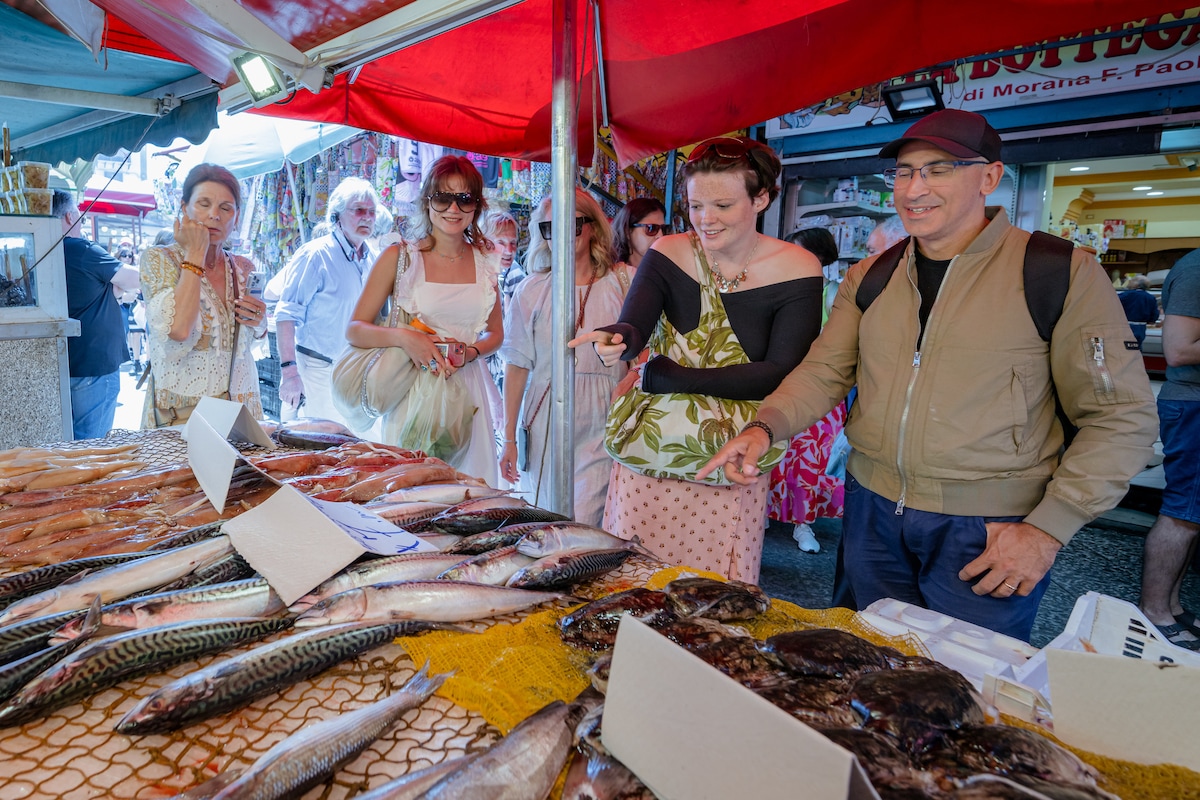
Walking Tour Palermo: history and street food
Mon, Dec 22 • 9:30 AM
90133, Palermo, Sicily, Italy
View details
Nearby restaurants of Museo Palazzo Mirto Casa Museo
Ancient Saint Francis Focaccia Shop
Nni Franco U Vastiddaru
Moka Sushi
Osteria Mangia e Bevi - Piazza Marina
Pizzeria Polleria Pelledoca
Carizzi d'amuri
A'nìca Ristorante & Pizza Gourmet
Le Pergamene
Quid gusto siciliano
Osteria Trabucco
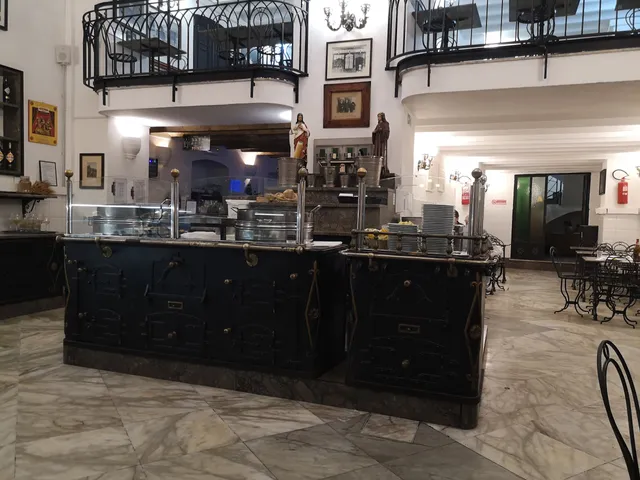
Ancient Saint Francis Focaccia Shop
3.9
(3.9K)
Click for details
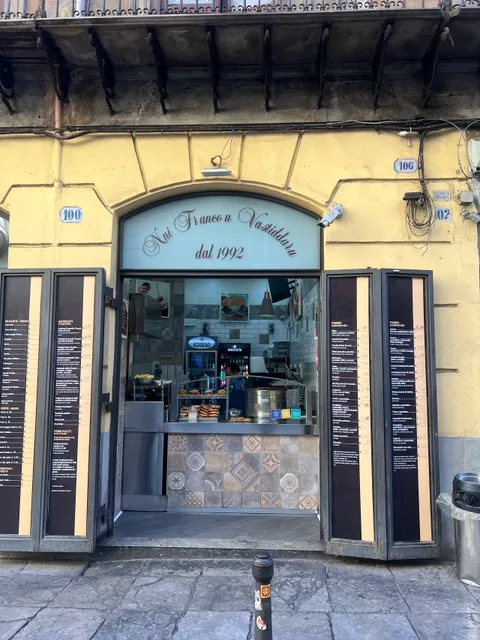
Nni Franco U Vastiddaru
4.1
(2.9K)
Click for details
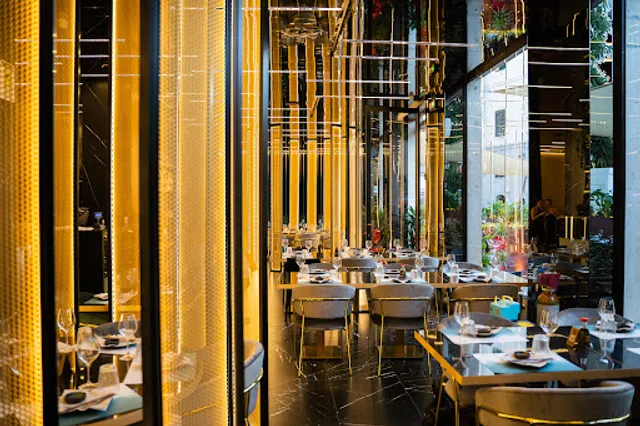
Moka Sushi
4.1
(277)
Click for details
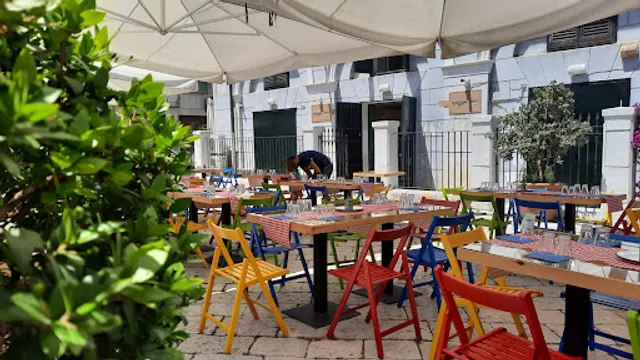
Osteria Mangia e Bevi - Piazza Marina
4.0
(438)
Click for details