Scuola Grande di San Rocco things to do, attractions, restaurants, events info and trip planning
Basic Info
Scuola Grande di San Rocco
Campo S. Rocco, 3052, 30125 Venezia VE, Italy
4.8(2.6K)
Closed


tickets
Save
spot
spot
Ratings & Description
Info
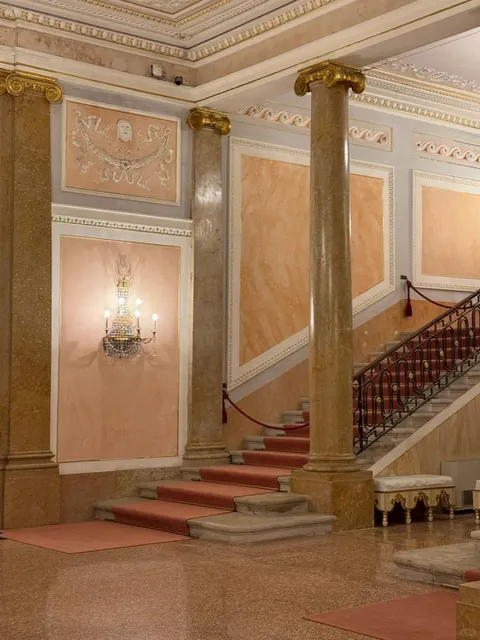
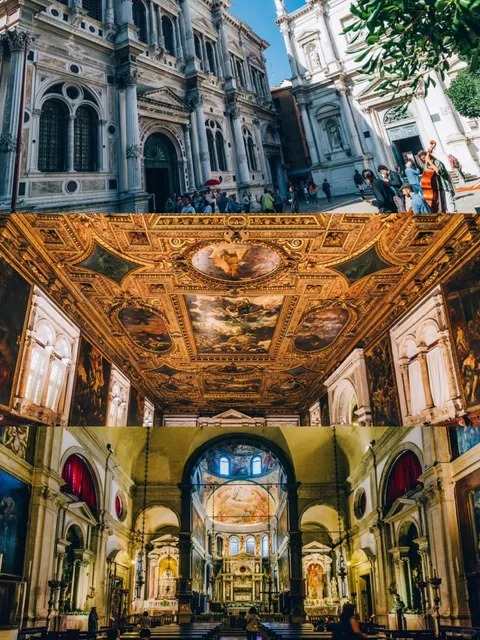
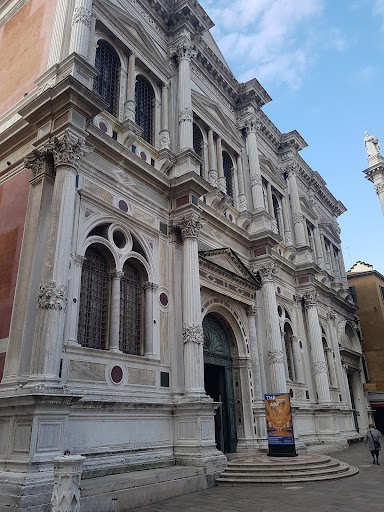
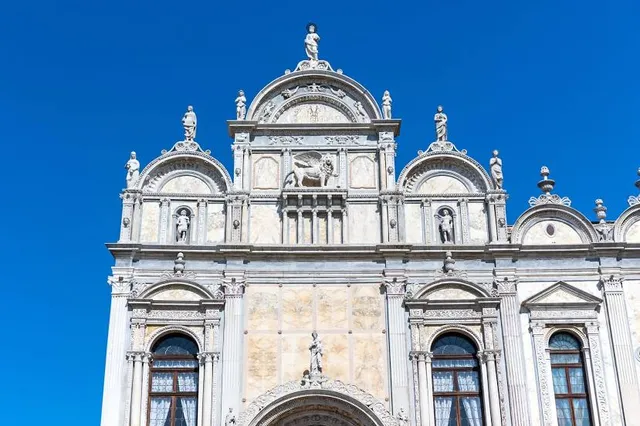
The Scuola Grande di San Rocco is a building in Venice, northern Italy. It is noted for its collection of paintings by Tintoretto and generally agreed to include some of his finest work.
Cultural
Accessibility
attractions: Basilica S.Maria Gloriosa dei Frari, Church of Saint Roch, Chiesa Parrocchiale di San Pantalon, Campo San Tomà, Scuola Grande San Giovanni Evangelista di Venezia, Ca' Rezzonico, Università Ca' Foscari, Grassi Palace, Carlo Goldoni's House, Ca' Macana Original, restaurants: Impronta Restaurant Venice, Pasticceria Tonolo, Osteria Fanal del Codega, Ristorante Pizzeria Dolfin, Dolce Vita Venezia, Estro, Caffé San Rocco, Il Refettorio, Trattoria Dona Onesta, Adagio, local businesses: Da Vinci Interactive Museum Venezia - Scoletta di San Rocco, Malefatte e Meraviglie di Rio Terà, Grand Canal, Gnostic Tower Dorsoduro, Creature di Gomma - Venice Vintage Toys, Atelier Marega, Escape Venice ASD-APS - Escape Room Venezia, iQueen Store - negozio vodafone & Iliad - DHL Express, La Bottega Del Gusto Snc, Team SAS Computing
 Learn more insights from Wanderboat AI.
Phone
+39 041 523 4864
Website
scuolagrandesanrocco.it
Open hoursSee all hours
Wed9:30 AM - 5:30 PMClosed
Plan your stay

Pet-friendly Hotels in Venice
Find a cozy hotel nearby and make it a full experience.

Affordable Hotels in Venice
Find a cozy hotel nearby and make it a full experience.

The Coolest Hotels You Haven't Heard Of (Yet)
Find a cozy hotel nearby and make it a full experience.

Trending Stays Worth the Hype in Venice
Find a cozy hotel nearby and make it a full experience.
Reviews
Live events

Legends, Ghosts and Ghouls of Venice
Wed, Feb 11 • 9:00 PM
30121, Venice, Veneto, Italy
View details

STELLAR-PARTY
Thu, Feb 12 • 7:00 PM
45 Via Fratelli Bandiera, 30175 Venezia
View details
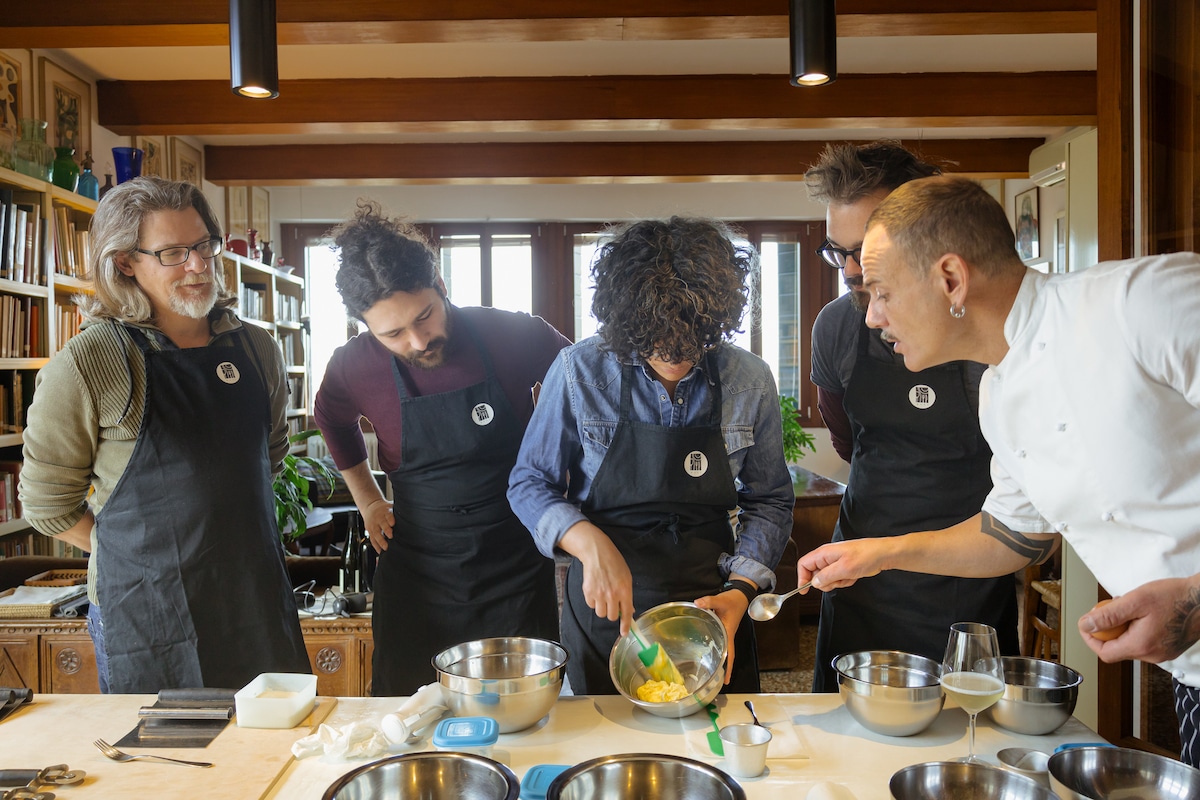
Hands-on cooking class: tiramisù and fresh pasta
Wed, Feb 11 • 5:00 PM
30100, Venice, Veneto, Italy
View details
Nearby attractions of Scuola Grande di San Rocco
Basilica S.Maria Gloriosa dei Frari
Church of Saint Roch
Chiesa Parrocchiale di San Pantalon
Campo San Tomà
Scuola Grande San Giovanni Evangelista di Venezia
Ca' Rezzonico
Università Ca' Foscari
Grassi Palace
Carlo Goldoni's House
Ca' Macana Original
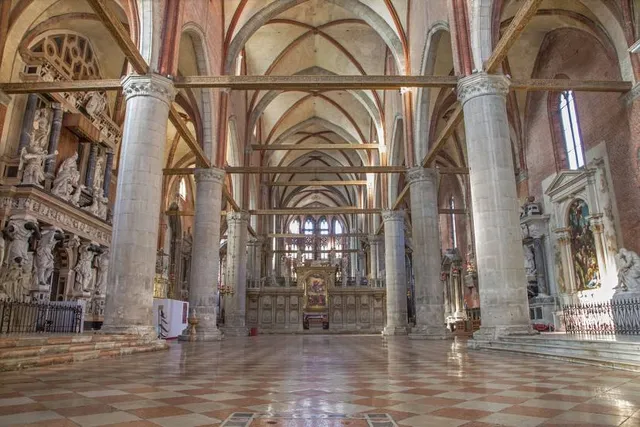
Basilica S.Maria Gloriosa dei Frari
4.7
(5K)
Closed
Click for details
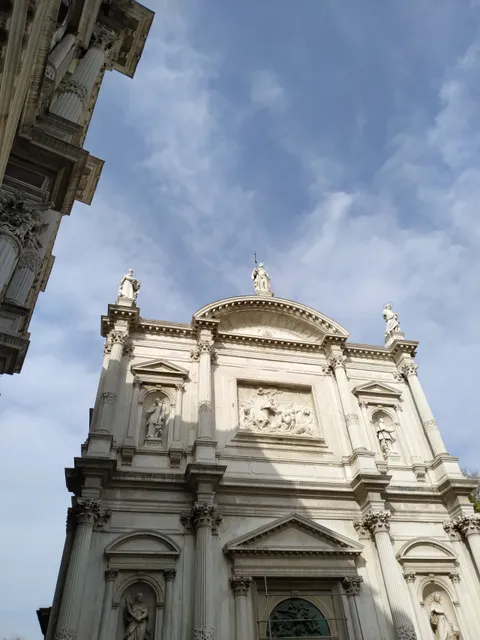
Church of Saint Roch
4.6
(260)
Closed
Click for details
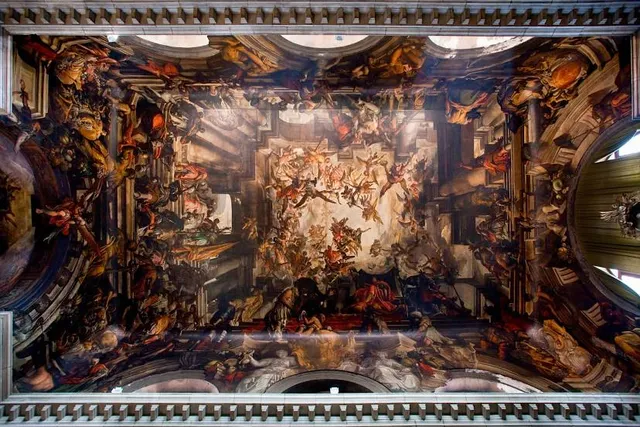
Chiesa Parrocchiale di San Pantalon
4.7
(830)
Closed
Click for details
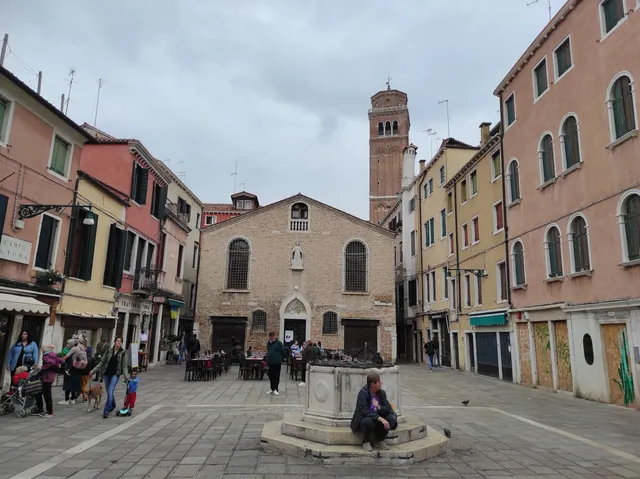
Campo San Tomà
4.5
(678)
Open until 12:00 AM
Click for details
Nearby restaurants of Scuola Grande di San Rocco
Impronta Restaurant Venice
Pasticceria Tonolo
Osteria Fanal del Codega
Ristorante Pizzeria Dolfin
Dolce Vita Venezia
Estro
Caffé San Rocco
Il Refettorio
Trattoria Dona Onesta
Adagio
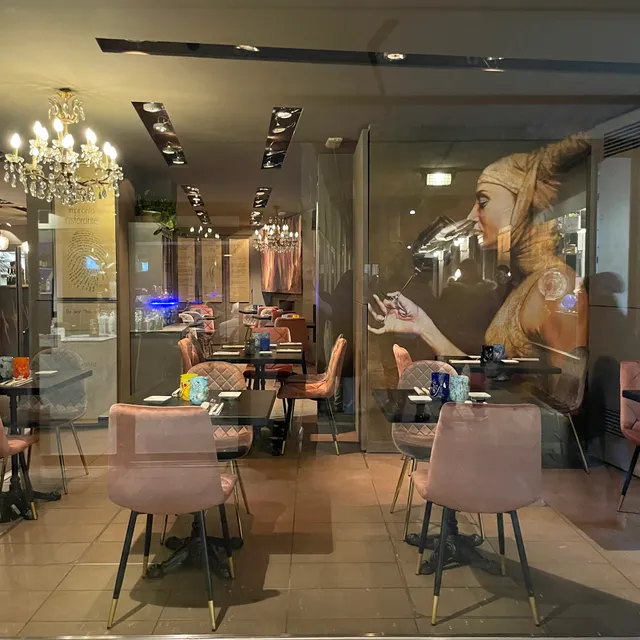
Impronta Restaurant Venice
4.8
(1.8K)
$$
Open until 12:00 AM
Click for details
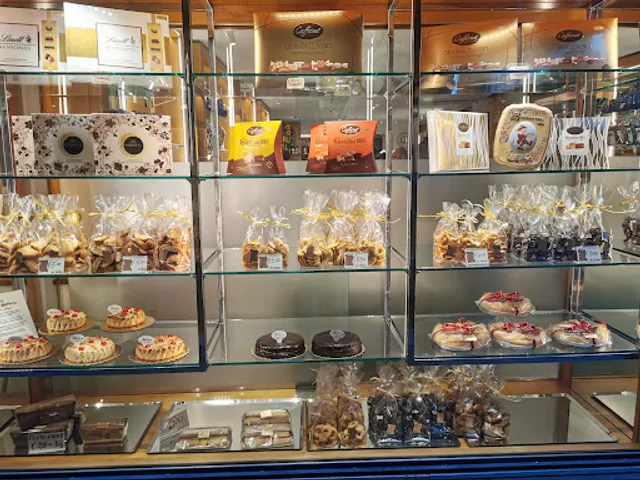
Pasticceria Tonolo
4.6
(1.3K)
$
Closed
Click for details
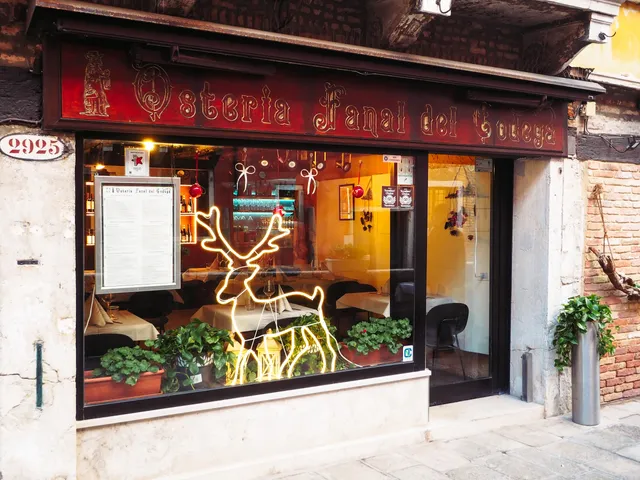
Osteria Fanal del Codega
4.7
(1.3K)
$$
Open until 12:00 AM
Click for details
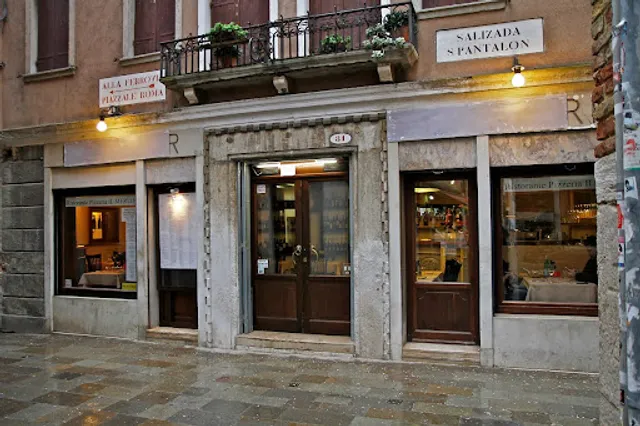
Ristorante Pizzeria Dolfin
4.5
(1.4K)
Open until 12:00 AM
Click for details
Nearby local services of Scuola Grande di San Rocco
Da Vinci Interactive Museum Venezia - Scoletta di San Rocco
Malefatte e Meraviglie di Rio Terà
Grand Canal
Gnostic Tower Dorsoduro
Creature di Gomma - Venice Vintage Toys
Atelier Marega
Escape Venice ASD-APS - Escape Room Venezia
iQueen Store - negozio vodafone & Iliad - DHL Express
La Bottega Del Gusto Snc
Team SAS Computing
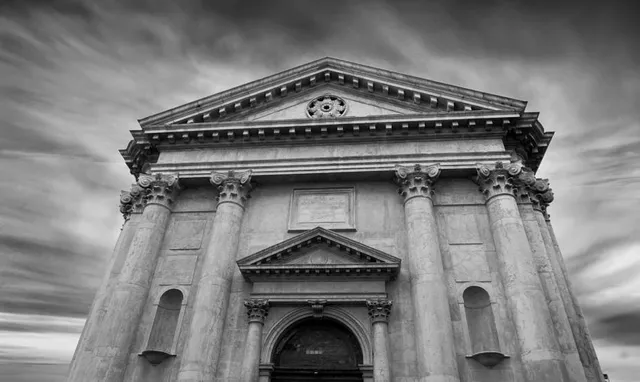
Da Vinci Interactive Museum Venezia - Scoletta di San Rocco
4.5
(1.5K)
Click for details
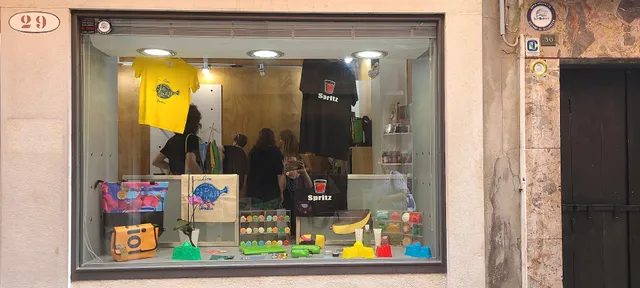
Malefatte e Meraviglie di Rio Terà
4.4
(739)
Click for details
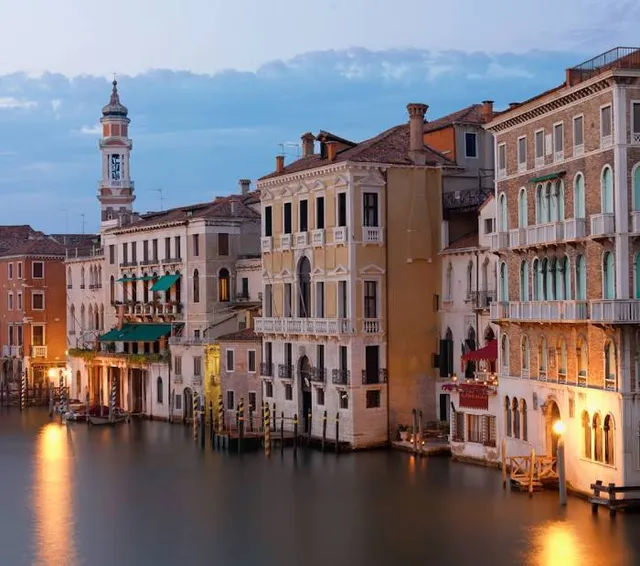
Grand Canal
4.8
(1.4K)
Click for details
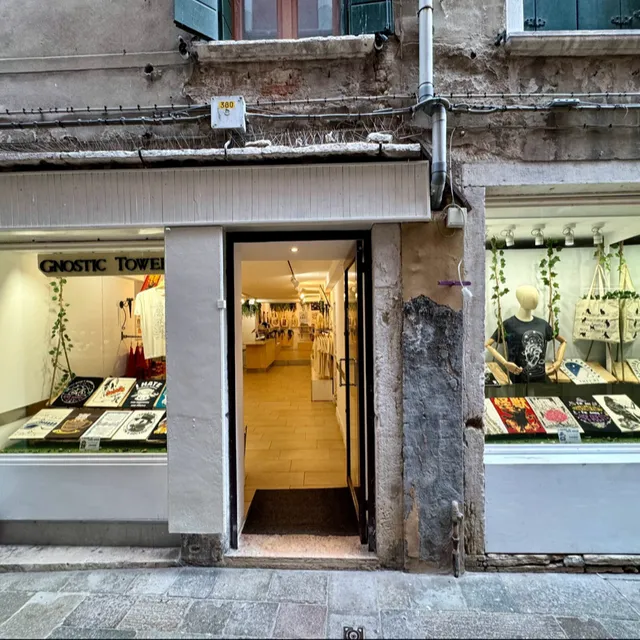
Gnostic Tower Dorsoduro
5.0
(109)
Click for details