National Etruscan Museum Rocca Albornoz things to do, attractions, restaurants, events info and trip planning
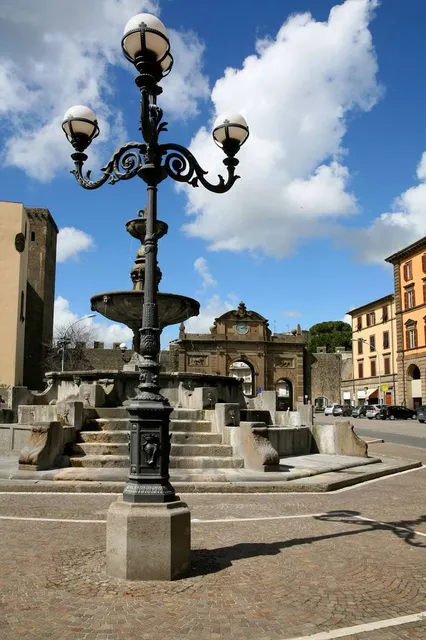
Basic Info
National Etruscan Museum Rocca Albornoz
Piazza della Rocca, 21b, 01100 Viterbo VT, Italy
4.5(351)
Open until 12:00 AM
Save
spot
spot
Ratings & Description
Info
Cultural
Family friendly
Accessibility
attractions: San Francesco, Viterbo, Casa di Santa Rosa, Santuario di Santa Rosa, Santuario di Santa Rosa, Palazzo dei Papi di Viterbo, Porta della Verità, Pargiococo di Simona Natili, Viterbo Sotterranea, Museo dei Portici, Museo Civico "Luigi Rossi Danielli", restaurants: Caffè Grandori, Chalet Garbini 1908, La Piccola Trattoria, Antica Taverna, La Buca di San Faustino, Ristorante La Cina, La Cava Pizzeria, Ristoria Nonna Pappa, Beer Shock, Pizzeria Baldini, local businesses: Lawn Garden - public park, Piazza del Plebiscito, Chiesa della Santissima Trinità - Santuario Cittadino di Maria Santissima Liberatrice, Italian Post Office Post, Fontana di Santo Stefano, Centro Commerciale Tuscia, Ufficio Postale Poste Italiane, Chiesa di Sant'Angelo in Spatha, Fontana Grande, Diocese of Viterbo
 Learn more insights from Wanderboat AI.
Phone
+39 0761 325929
Website
cultura.gov.it
Open hoursSee all hours
Tue8:30 AM - 7:30 PMOpen
Plan your stay

Pet-friendly Hotels in Viterbo
Find a cozy hotel nearby and make it a full experience.

Affordable Hotels in Viterbo
Find a cozy hotel nearby and make it a full experience.

The Coolest Hotels You Haven't Heard Of (Yet)
Find a cozy hotel nearby and make it a full experience.

Trending Stays Worth the Hype in Viterbo
Find a cozy hotel nearby and make it a full experience.
Reviews
Live events
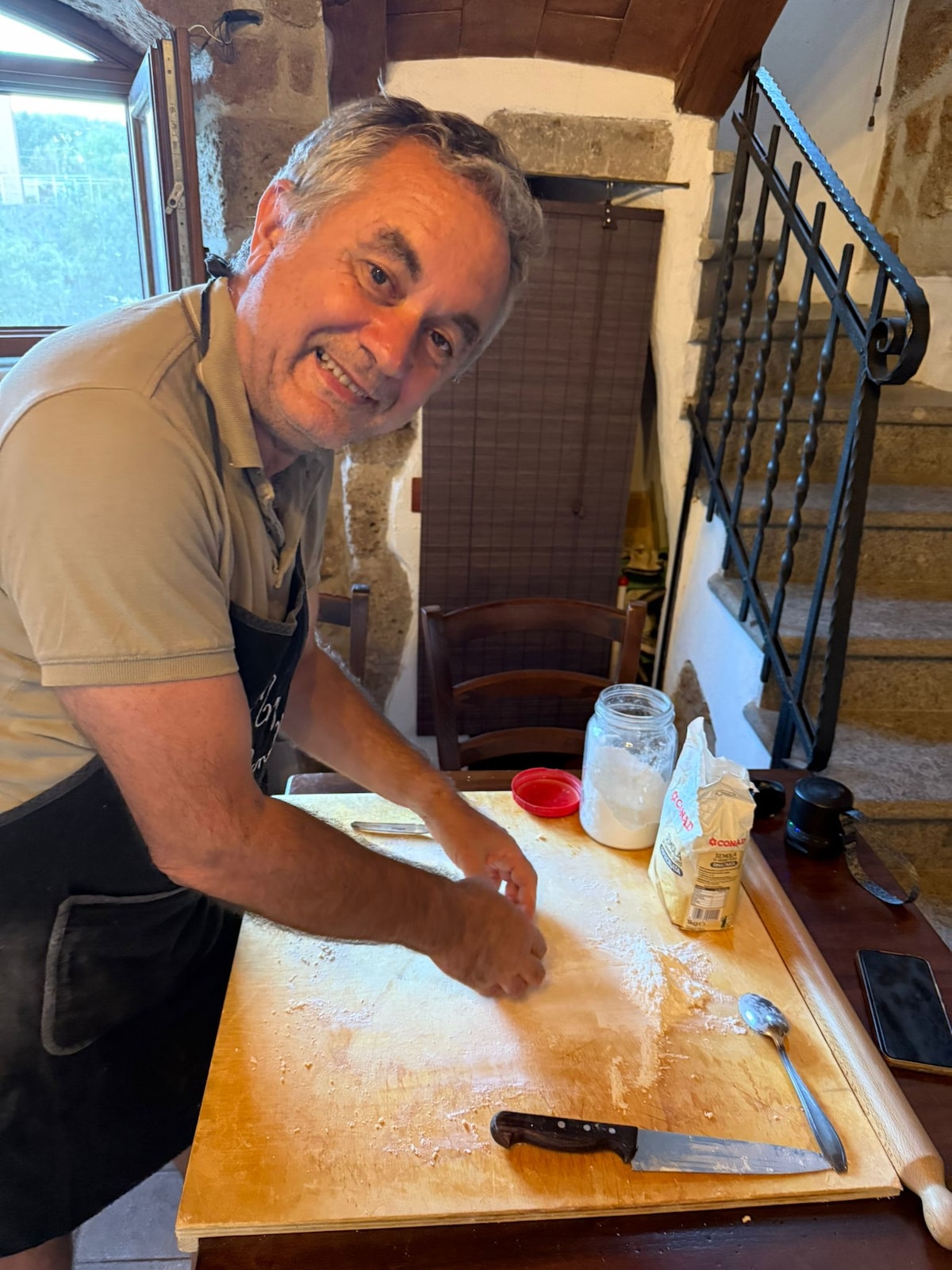
Learn Pasta Making in a Historic Italian Village
Sat, Feb 28 • 6:00 PM
01010, Barbarano Romano, Lazio, Italy
View details
Nearby attractions of National Etruscan Museum Rocca Albornoz
San Francesco, Viterbo
Casa di Santa Rosa
Santuario di Santa Rosa
Santuario di Santa Rosa
Palazzo dei Papi di Viterbo
Porta della Verità
Pargiococo di Simona Natili
Viterbo Sotterranea
Museo dei Portici
Museo Civico "Luigi Rossi Danielli"
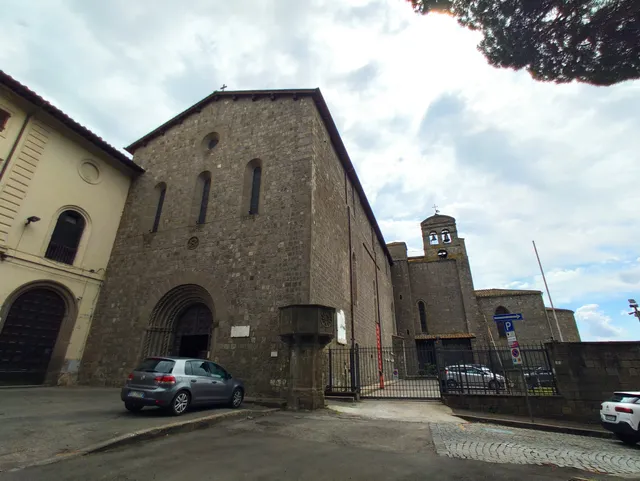
San Francesco, Viterbo
4.6
(148)
Closed
Click for details
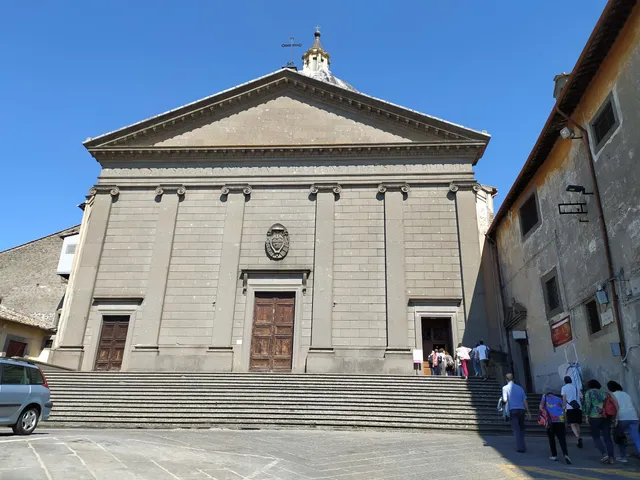
Casa di Santa Rosa
4.7
(163)
Open until 12:00 AM
Click for details
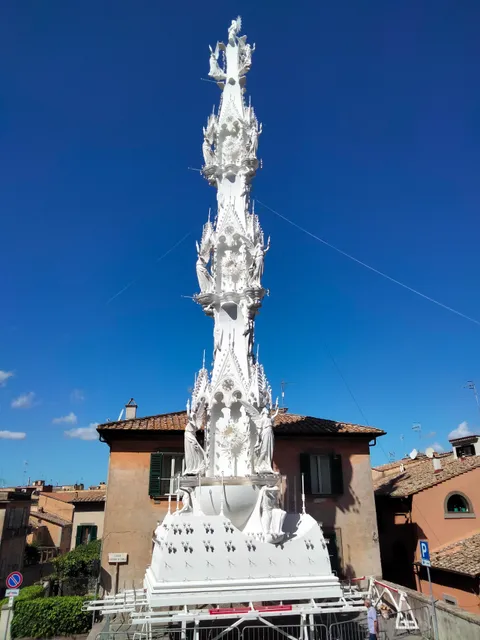
Santuario di Santa Rosa
4.7
(320)
Open until 7:00 PM
Click for details

Santuario di Santa Rosa
4.7
(312)
Open until 7:00 PM
Click for details
Nearby restaurants of National Etruscan Museum Rocca Albornoz
Caffè Grandori
Chalet Garbini 1908
La Piccola Trattoria
Antica Taverna
La Buca di San Faustino
Ristorante La Cina
La Cava Pizzeria
Ristoria Nonna Pappa
Beer Shock
Pizzeria Baldini
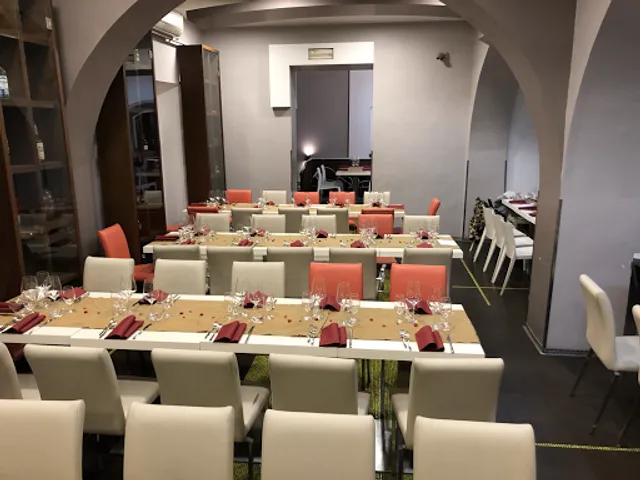
Caffè Grandori
4.2
(636)
Open until 12:00 AM
Click for details
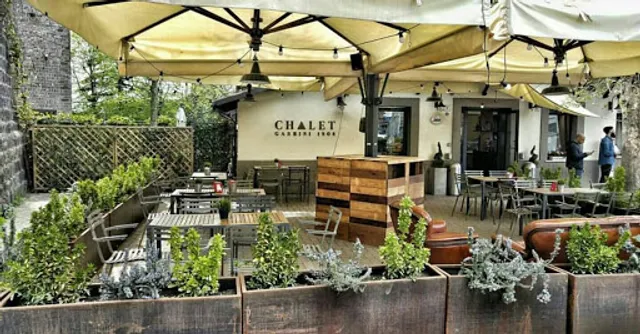
Chalet Garbini 1908
4.4
(180)
Open until 12:00 AM
Click for details
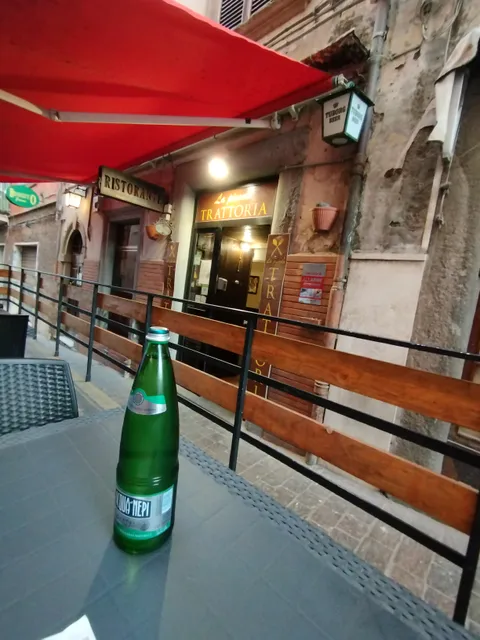
La Piccola Trattoria
4.3
(385)
Closed
Click for details
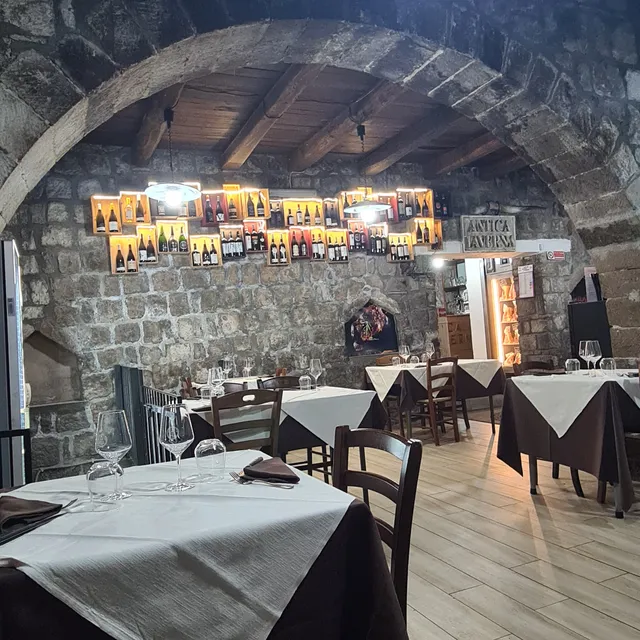
Antica Taverna
4.6
(1.0K)
Closed
Click for details
Nearby local services of National Etruscan Museum Rocca Albornoz
Lawn Garden - public park
Piazza del Plebiscito
Chiesa della Santissima Trinità - Santuario Cittadino di Maria Santissima Liberatrice
Italian Post Office Post
Fontana di Santo Stefano
Centro Commerciale Tuscia
Ufficio Postale Poste Italiane
Chiesa di Sant'Angelo in Spatha
Fontana Grande
Diocese of Viterbo
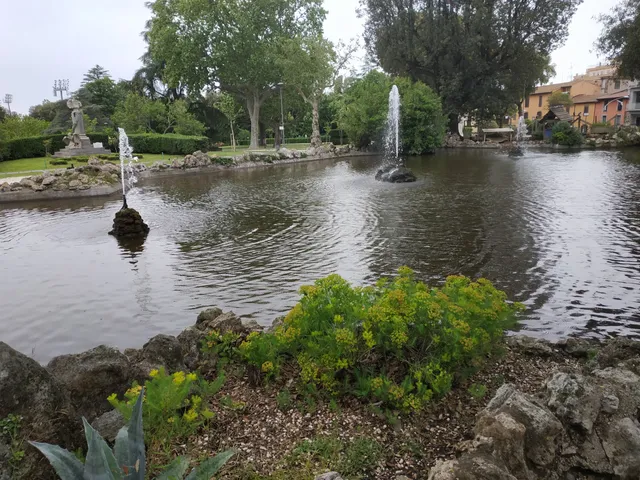
Lawn Garden - public park
3.9
(649)
Click for details

Piazza del Plebiscito
4.3
(1.4K)
Click for details
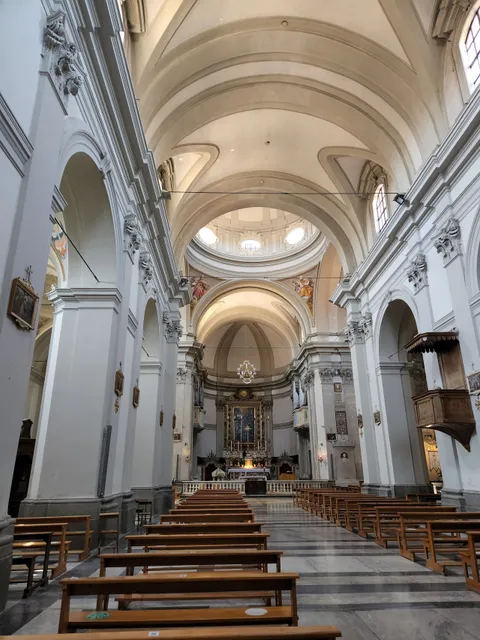
Chiesa della Santissima Trinità - Santuario Cittadino di Maria Santissima Liberatrice
4.8
(72)
Click for details
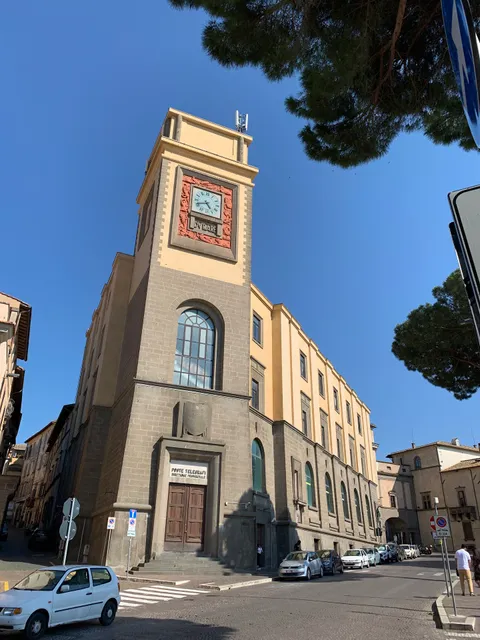
Italian Post Office Post
2.6
(56)
Click for details