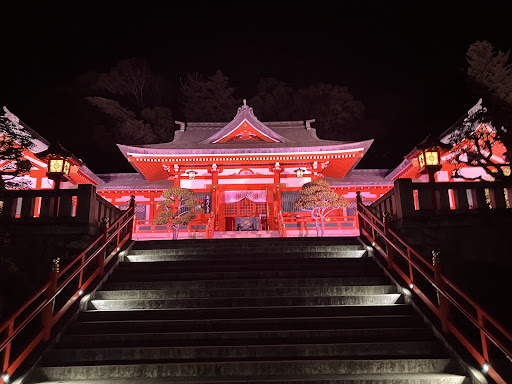
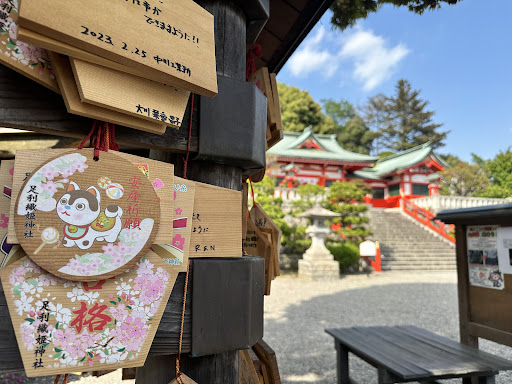
Ashikaga Orihime-jinja Shrine things to do, attractions, restaurants, events info and trip planning
Basic Info
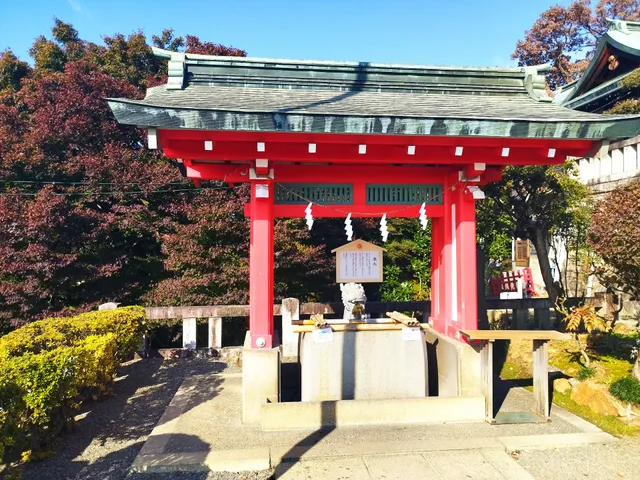
Ashikaga Orihime-jinja Shrine
3889 Nishinomiyacho, Ashikaga, Tochigi 326-0817, Japan
4.3(1.8K)
Open until 12:00 AM
Save
spot
spot
Ratings & Description
Info
Cultural
Scenic
Family friendly
attractions: Orihime Park, 物外軒, Ashikaga Textile Tradition Hall, Banna-ji Temple, Tokushoji Temple, Ashikaga School, Ashikaga Museum of Art, Jonenji, 栃木県足利市大日苑, Taiheikikan, restaurants: 喜千, Cafe Endive, 泰鵬 本店, TSUMIKI, 預言Cafe足利, 盛京亭, imaru, 竹葉鮨, うお久, 割烹 竹一, local businesses: Ashikaga Orihime-jinja Shrine, 手打ちそば 伊とう, Orihime Shrine, 舟定屋 本店, Yamakawa Park, 上州屋餅店, Tokushōji Temple, Banna-ji, 香雲堂, Sho Zenji
 Learn more insights from Wanderboat AI.
Phone
+81 284-22-0313
Website
orihimejinjya.com
Open hoursSee all hours
MonOpen 24 hoursOpen
Plan your stay

Pet-friendly Hotels in Ashikaga
Find a cozy hotel nearby and make it a full experience.

Affordable Hotels in Ashikaga
Find a cozy hotel nearby and make it a full experience.

The Coolest Hotels You Haven't Heard Of (Yet)
Find a cozy hotel nearby and make it a full experience.

Trending Stays Worth the Hype in Ashikaga
Find a cozy hotel nearby and make it a full experience.
Reviews
Live events
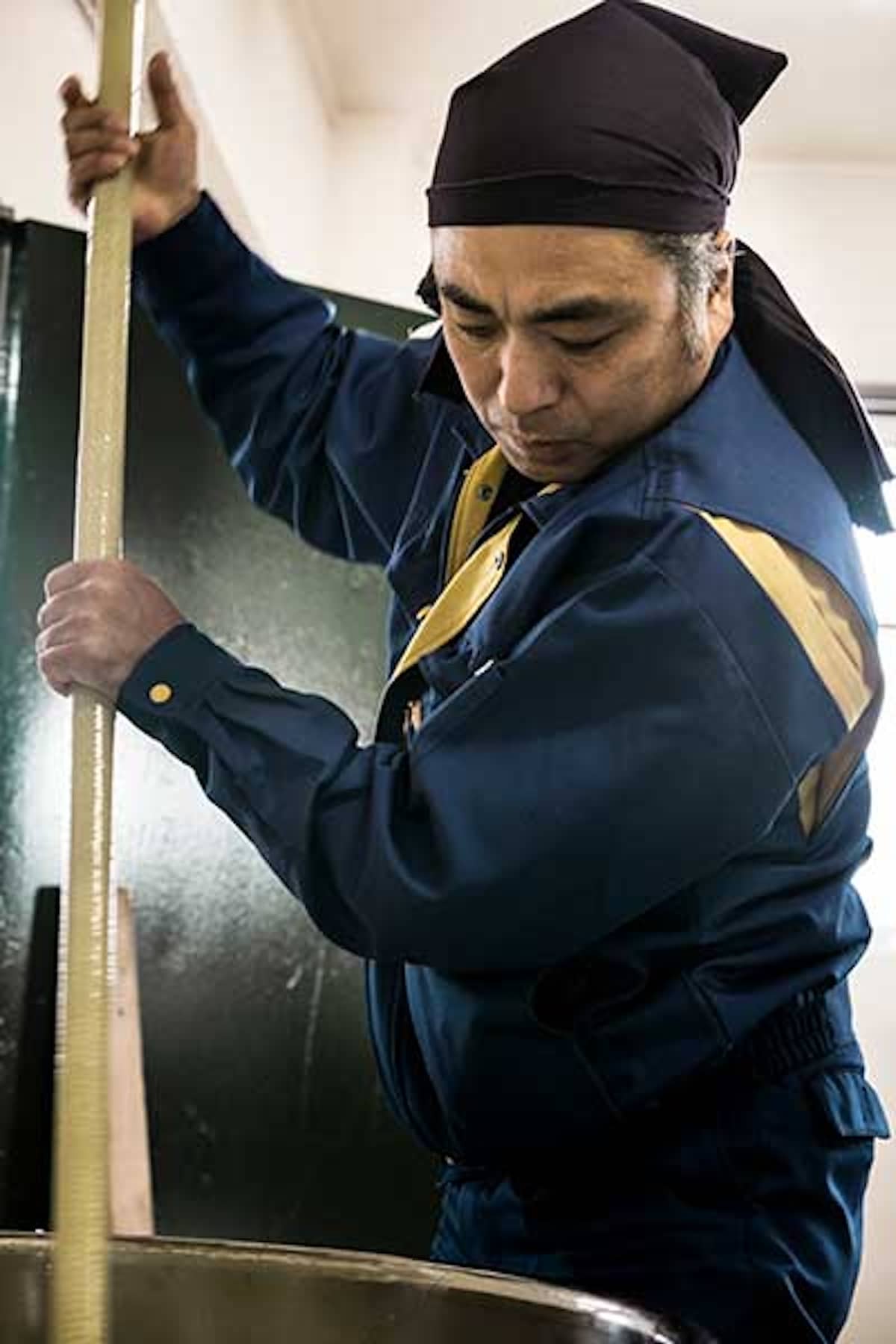
Experience at Aoki Sake Brewery
Sake tasting & brewery tour
Mon, Feb 9 • 9:00 AM
306-0023, Ibaraki, Koga, Japan
View details
Nearby attractions of Ashikaga Orihime-jinja Shrine
Orihime Park
物外軒
Ashikaga Textile Tradition Hall
Banna-ji Temple
Tokushoji Temple
Ashikaga School
Ashikaga Museum of Art
Jonenji
栃木県足利市大日苑
Taiheikikan
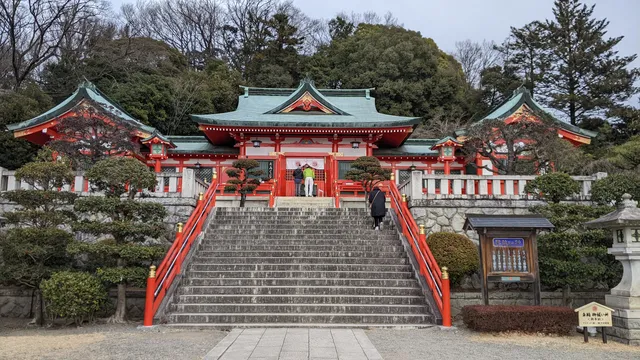
Orihime Park
4.1
(337)
Open until 12:00 AM
Click for details
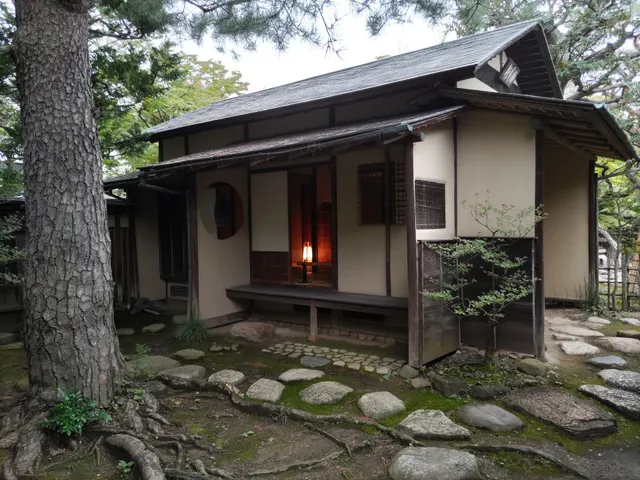
物外軒
4.6
(32)
Open until 12:00 AM
Click for details
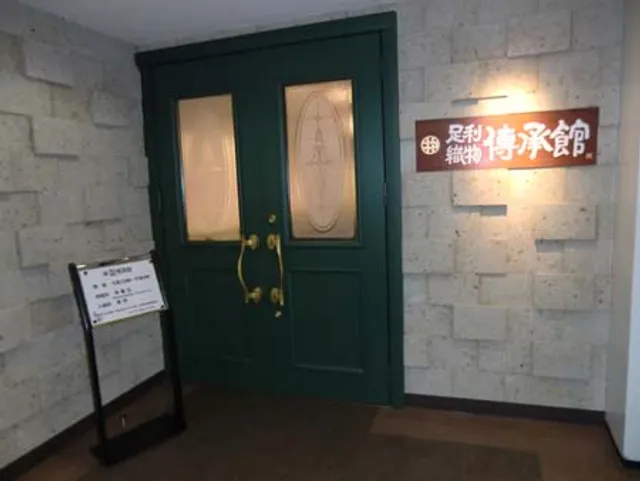
Ashikaga Textile Tradition Hall
4.0
(19)
Open 24 hours
Click for details
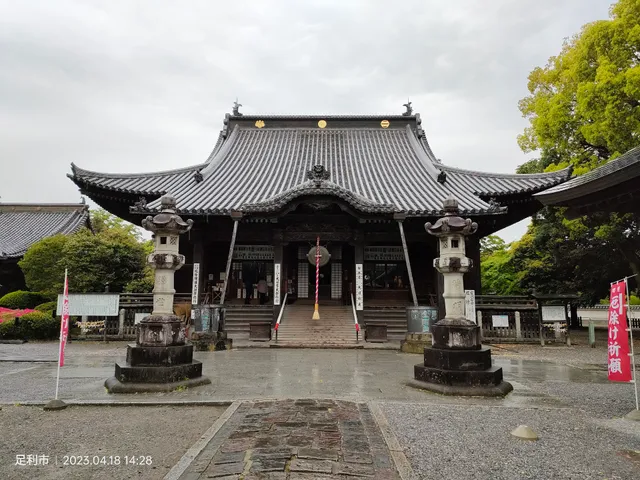
Banna-ji Temple
4.3
(1.2K)
Closed
Click for details
Nearby restaurants of Ashikaga Orihime-jinja Shrine
喜千
Cafe Endive
泰鵬 本店
TSUMIKI
預言Cafe足利
盛京亭
imaru
竹葉鮨
うお久
割烹 竹一
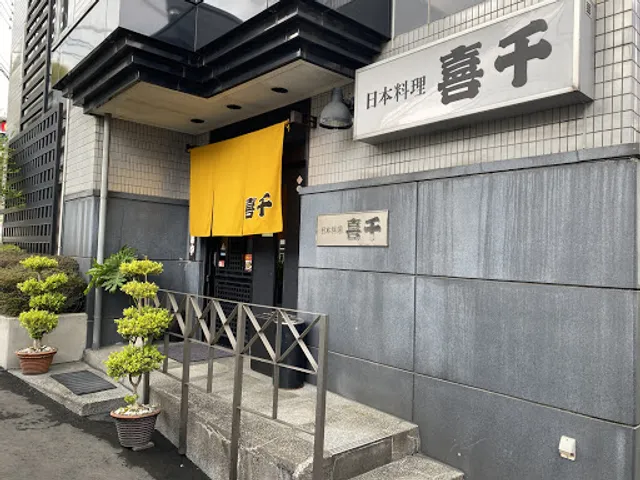
喜千
4.0
(55)
Open until 12:00 AM
Click for details
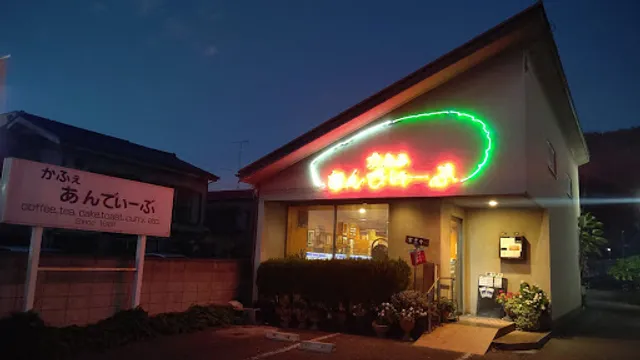
Cafe Endive
4.4
(91)
Closed
Click for details
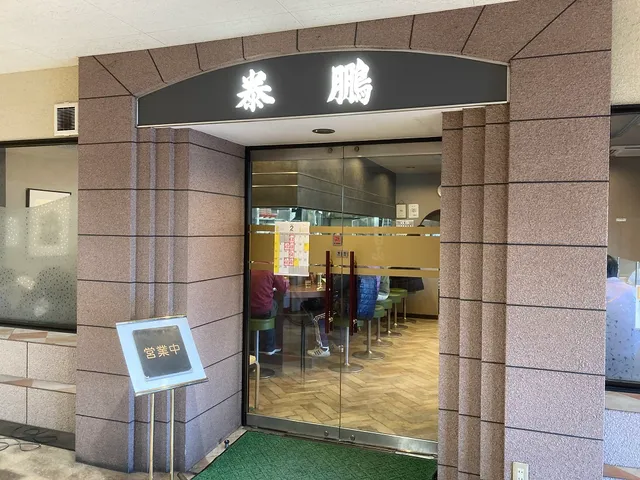
泰鵬 本店
4.2
(222)
Closed
Click for details
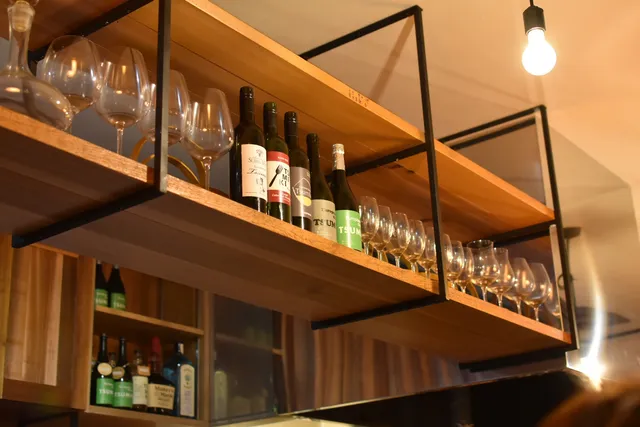
TSUMIKI
4.2
(111)
Open until 12:00 AM
Click for details
Nearby local services of Ashikaga Orihime-jinja Shrine
Ashikaga Orihime-jinja Shrine
手打ちそば 伊とう
Orihime Shrine
舟定屋 本店
Yamakawa Park
上州屋餅店
Tokushōji Temple
Banna-ji
香雲堂
Sho Zenji
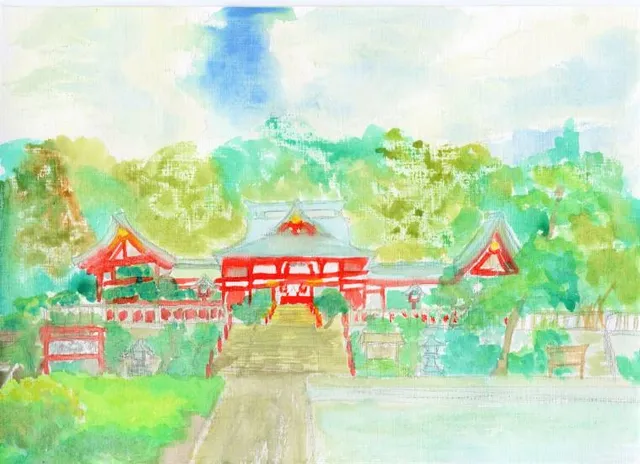
Ashikaga Orihime-jinja Shrine
4.3
(1.5K)
Click for details
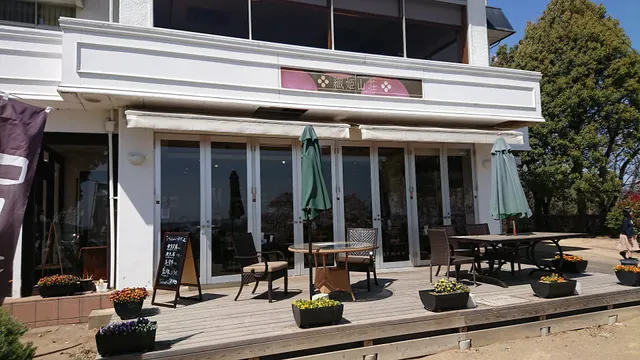
手打ちそば 伊とう
4.2
(108)
Click for details
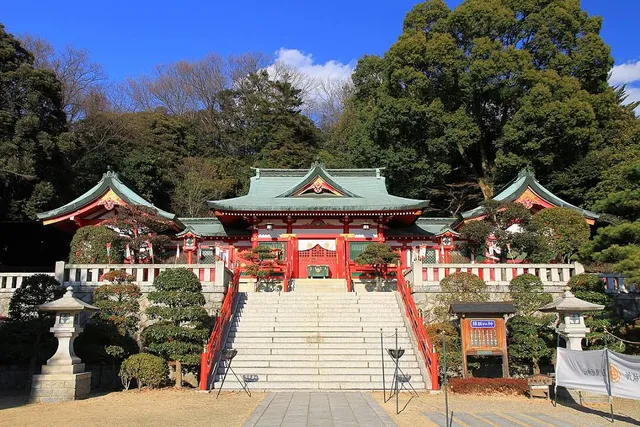
Orihime Shrine
3.9
(10)
Click for details
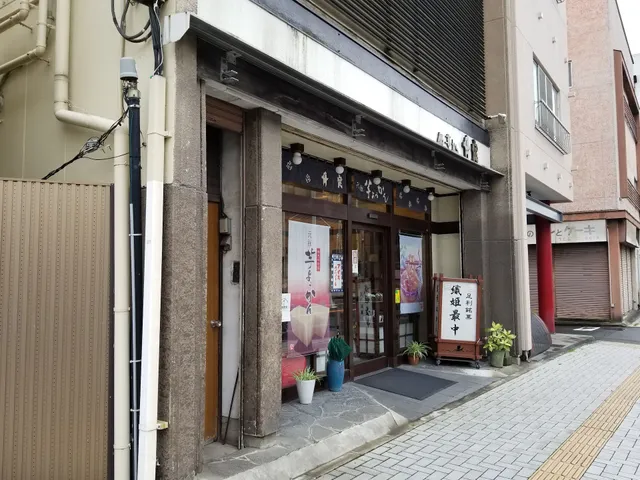
舟定屋 本店
4.4
(67)
Click for details