As we shuffled through the Hiroshima Peace Museum alongside the throngs of tourists, I wondered what was the point. The museum was so packed that you were basically pushed along by the crowd and dared now take time to read or see much. I even got frustrated with those who stopped to observe the museum exhibits and consequently slowed down the progress of the crowd and created further human traffic jams.
While this specific museum requires a major upgrade to handle the crowds and an update of its exhibits and layout, my thoughts wandered to the experience and impact of museums related to peace, war and genocide. As a firm proponent of non-violent action against oppression and a staunch anti-war advocate, I often think about how to convince more people to shift away from their overt or tacit support of violence for political motives - otherwise known as war or oppression. There are sufficient books and documentaries for anyone curious about the benefits of non-violence, yet only a very small percentage of the population is aware of the potential of non-violence. Nearly everyone has the belief that there is no real alternative to war.
With numerous ongoing violent conflicts in 2025 - Ukraine, Palestine, D.R.C., Sudan, Myanmar, and elsewhere, it is an unsettling time for many. Not only are there ongoing conflicts, but many world leaders express pro-war sentiment on a regular basis and there seems to be a true failure to deescalate conflicts and rhetoric. Words can lead to violence. It is just as important to stem the vitriol as it is to find paths to peace in ongoing conflicts. As we exited the museum, my family and I were happy to be done with the unpleasant experience, but I thought to myself how much of an impact the Hiroshima Peace Museum or other peace museums really have. How many people who are made aware of the horrors of war do anything afterwards? I suspect the number is quite low. This is presumably similar to any single life experience. No one changes their beliefs or actions after a single experience, but only and rarely after numerous experiences and events that shake their underlying assumptions about a topic or issue.
Anyone who has studied war and the history of man and violence will be aware of the horrendous suffering we are capable of inflicting on each other. In more situations than I can recall, war was caused or encouraged by a few small groups of people who believed they had the right answer or who were unwilling to compromise. It seems unlikely that we will change human nature or that we will move away from hierarchical structures where one person and their entourage have disproportionate power over a large body of human beings who want to live, breathe and enjoy their time on earth. We must therefore not only focus on teaching the horrors of war, but place much more focus on the alternatives to war that actually work. No self respecting warm blooded human wants to be trampled on. People will fight back if pushed. If the belief remains that violence is the only way to combat violence, we are doomed to continue to our past. We must find a way to educate and more importantly, train people and groups in the tactics and practices and strategies of non-violent non-cooperation that can stop war and force the uncompromising leaders to compromise or capitulate.
Much of the work to document this has been done by the Albert Einstein Institute and its creator Gene Sharp. This work needs to be somehow better communicated and offered in a compelling way to help protect ourselves from ourselves. One day, when I have more free time, I would very much like to contribute to this effort. In the meantime, I simply encourage all those who decide to visit peace museums from Hiroshima to Yad Vashem to understand that there are other paths to affecting political change that do not require tanks, guns,...
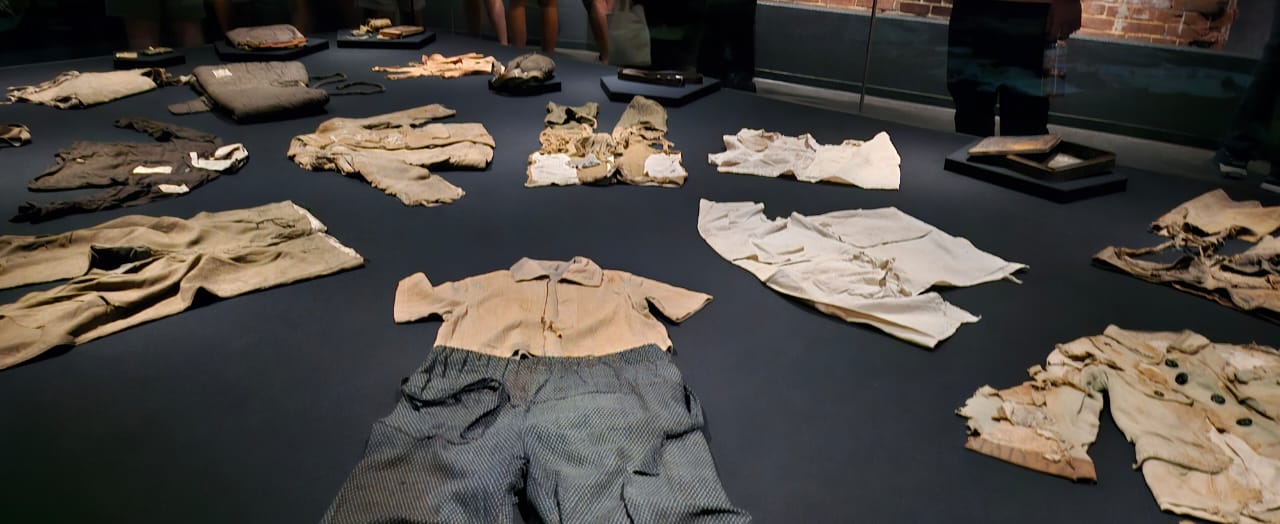
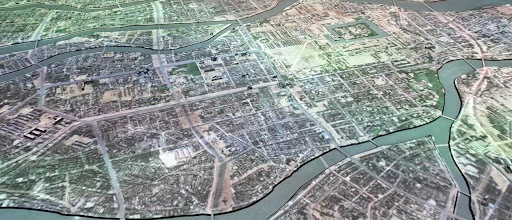
Read moreA. Opening Hours : 8.30 to 18.00 hours B. Entry Ticket: ¥ 200, Junior students free C. Location : 1-2 Nakajima-chō, Naka-ku, Hiroshima D. Travel mode: Acessible public transport F. PHOTOGRAPHY : Allowed, This museum opened in 1955 to house the evidences of fallout nuclear bombing in the town on 6th August 1945. We visited this place during our recent trip to Japan. Once you enter you will be guided with a series of wall papered photographs of Hiroshima town both before and after the explosion. Within 10 seconds almost everything within a radius of 2 km destroyed. 140k lives were lost and next few generations wasted. In the centre of a hall there is a circular glass dome where the effects if pre and post explosion are Displayed in a nice video graphy. Lot of remnants of dresses, household goods, building structures are displayed. The photographs of some of the victims are also there. There is a stall where you can buy Souvenir. The visit to this spine chilling exhibits make one sad but put also in front of tithe reality of human cruelty.
A A. Opening Hours : 8.30 to 18.00 hours B. Entry Ticket: ¥ 200, Junior students free C. Location : 1-2 Nakajima-chō, Naka-ku, Hiroshima D. Travel mode: Acessible public transport F. PHOTOGRAPHY : Allowed, This museum opened in 1955 to house the evidences of fallout nuclear bombing in the town on 6th August 1945. We visited this place during our recent trip to Japan. Once you enter you will be guided with a series of wall papered photographs of Hiroshima town both before and after the explosion. Within 10 seconds almost everything within a radius of 2 km destroyed. 140k lives were lost and next few generations wasted. In the centre of a hall there is a circular glass dome where the effects if pre and post explosion are Displayed in a nice video graphy. Lot of remnants of dresses, household goods, building structures are displayed. The photographs of some of the victims are also there. There is a stall where you can buy Souvenir. The visit to this spine chilling exhibits make one sad but put also in front of tithe reality of human cruelty.
A must see to become a witness to the ravage of atomic warfare.
see to become a witness to the ravage of...
Read moreLong review ahead
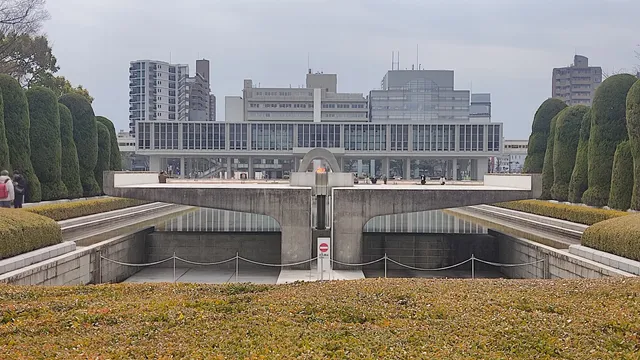
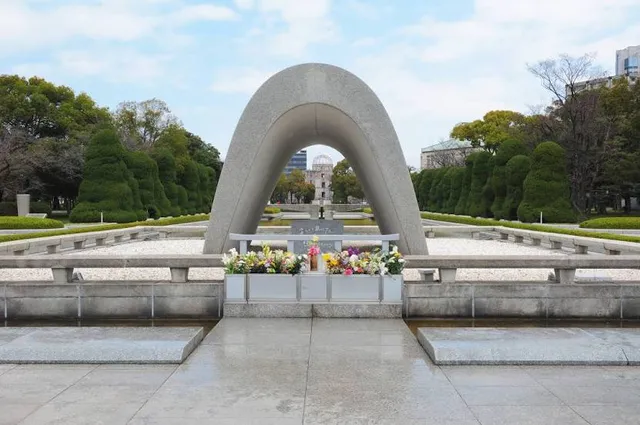
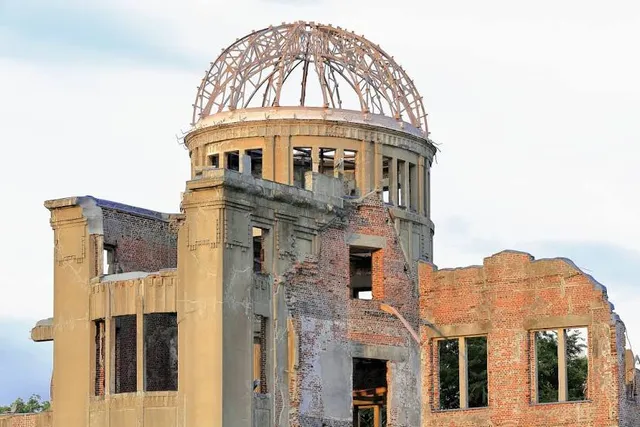
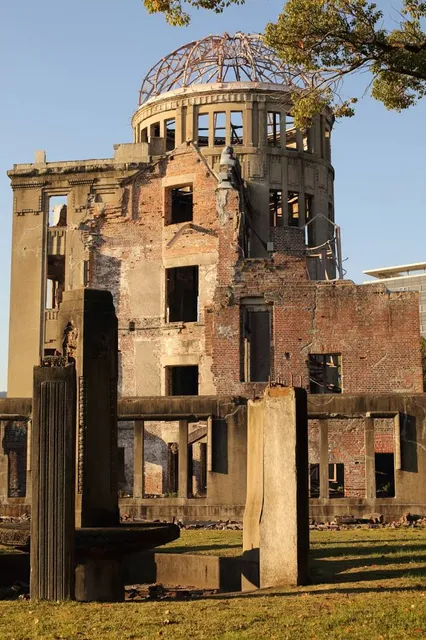
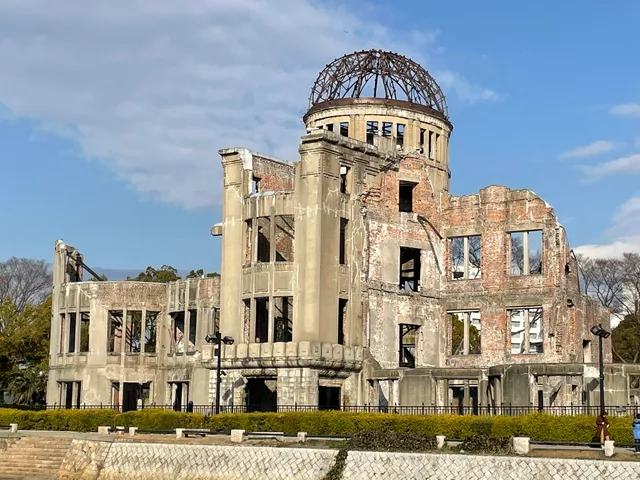
Whilst waiting for my wife to go through the museum, I had some time to myself to sit down along the overpass looking at the dome and the fountain. During this time, I decided to take a look at the low rated reviews of this place for fun and came across some interesting, yet valid points to this place. (Also came across a 1-star review of no description of said review and just a selfie of the person who made the review, lol)
The Hiroshima Peace Memorial Museum is a poignant and thought-provoking experience that offers a glimpse into the devastating consequences of nuclear warfare. While it's a somber visit, it's essential for understanding the importance of peace and the enduring impact of nuclear weapons.
During my recent visit, I had the opportunity to reflect on the museum's purpose and address some of the common criticisms. While I understand concerns about the lack of emphasis on Japan's pre-war actions and the issue of overcrowding, I believe the museum effectively fulfills its core objectives. The museum's primary focus is on the aftermath of the atomic bombing, providing a powerful testament to the horrific consequences of nuclear war. While a more comprehensive historical overview would be beneficial, the museum's emphasis on the immediate and long-term effects of the bombing is crucial for understanding the profound impact of nuclear weapons on humanity.
Regarding overcrowding, it's a valid concern, especially during peak tourist seasons. Fortunately, I was able to avoid the crowds by visiting early on a weekday. However, the museum's efforts to gather visitor feedback through QR codes demonstrate its commitment to addressing this issue and ensuring a more enjoyable experience for all. Overall, the Hiroshima Peace Memorial Museum is a powerful and essential visit for anyone interested in the history of nuclear warfare and the importance of peace. While there is room for improvement in certain areas, its focus on the devastating consequences of the atomic bombing and its commitment to promoting peace make it a valuable and...
Read more