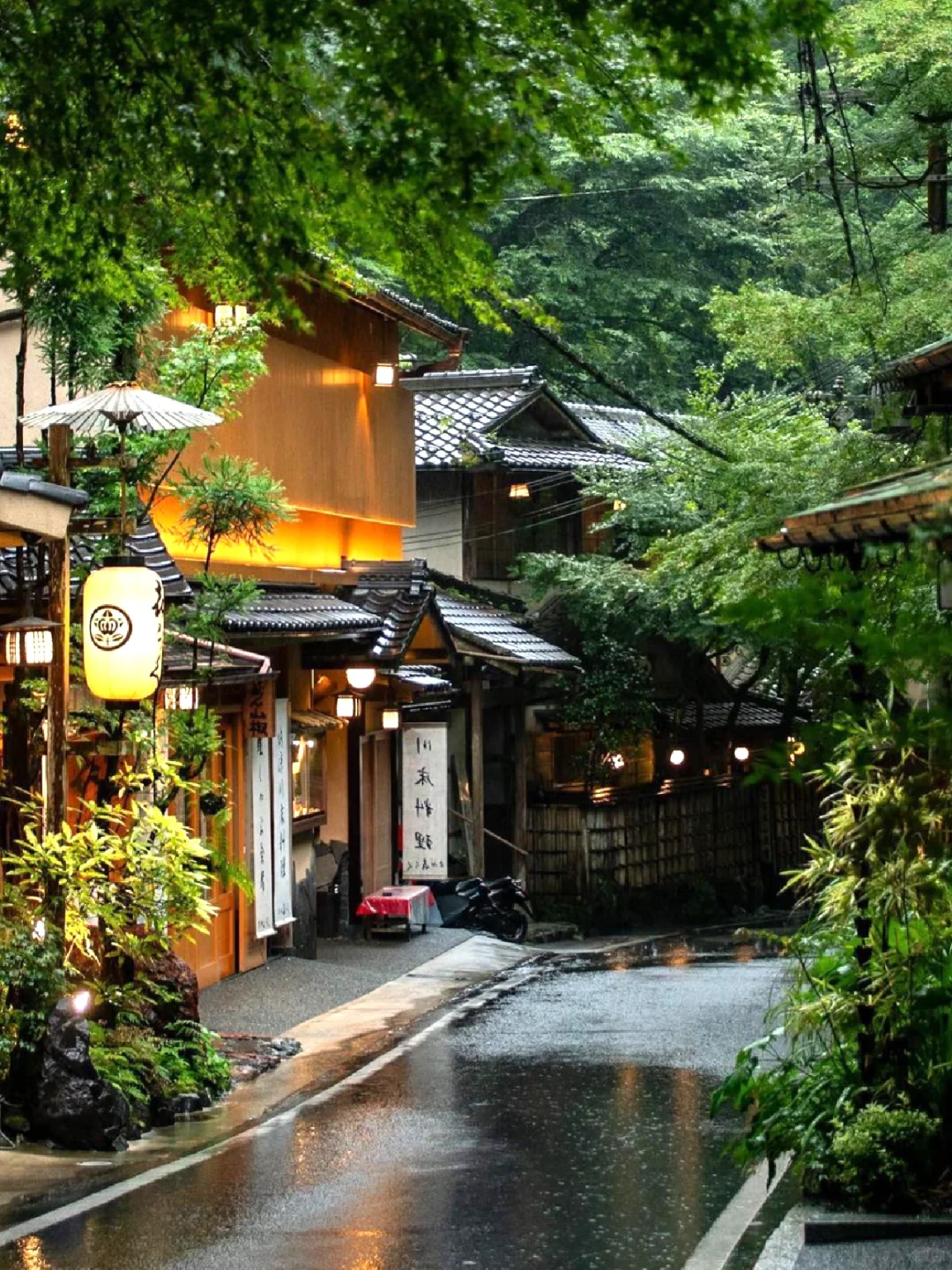
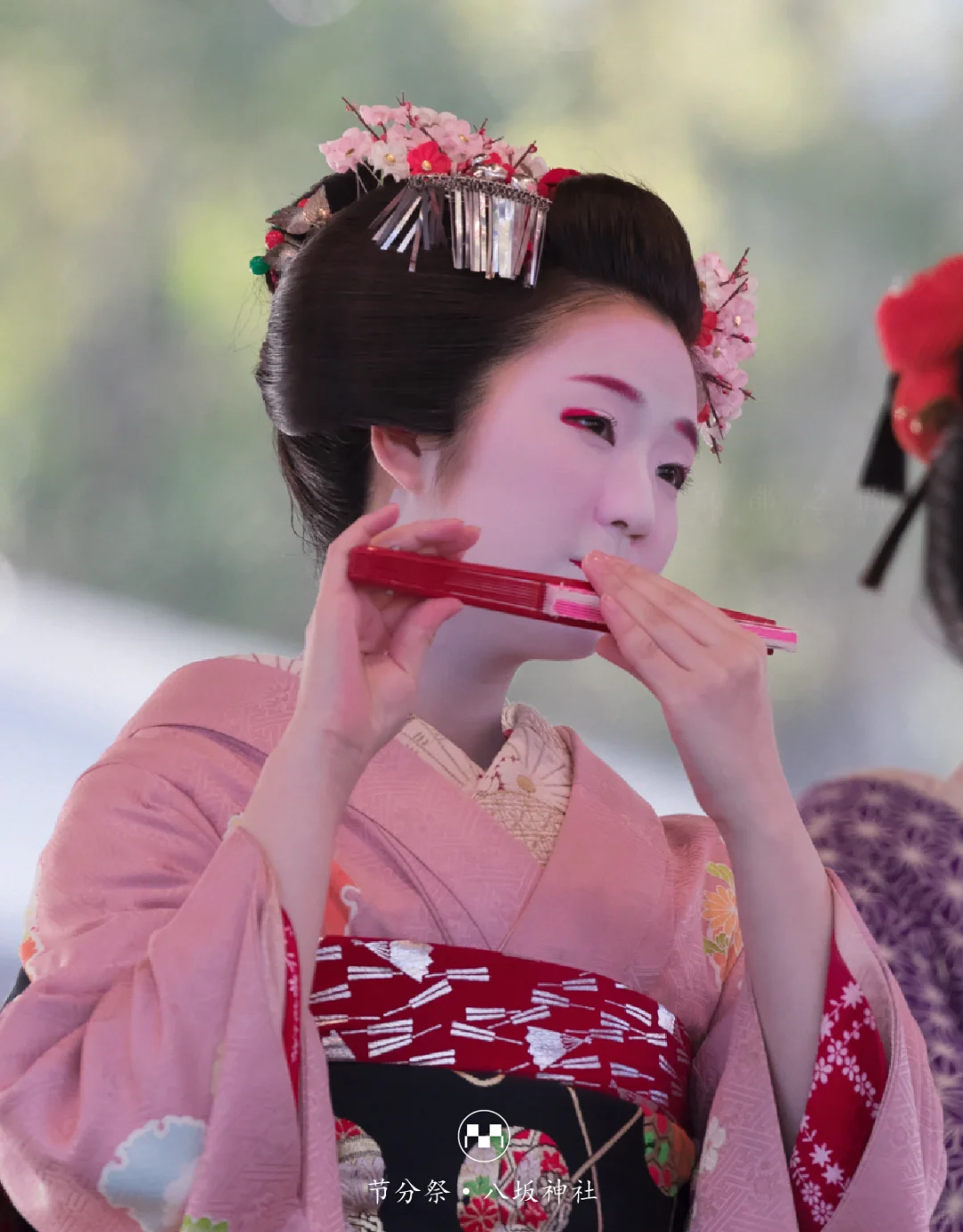
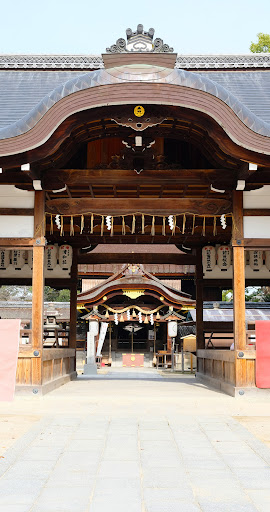
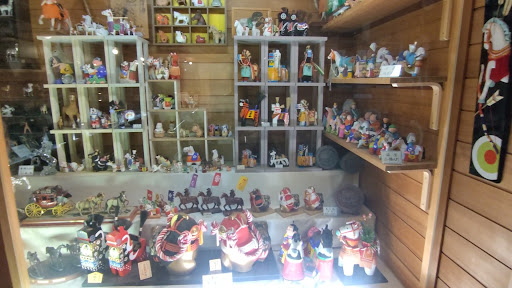
Fujinomori Shrine things to do, attractions, restaurants, events info and trip planning
Basic Info
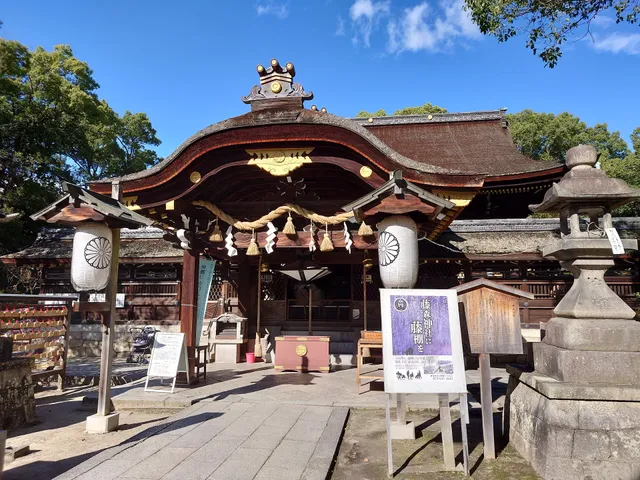
Fujinomori Shrine
609 Fukakusa Toriizakicho, Fushimi Ward, Kyoto, 612-0864, Japan
4.2(1.3K)
Open until 12:00 AM
Save
spot
spot
Ratings & Description
Info
Cultural
Scenic
Entertainment
Family friendly
Accessibility
attractions: Kyoto Municipal Science Center for Youth, Bokusen-ji, Miyako Ecology Center (Kyoto Municipal Center for Promotion of Environment Protection), Eishun-ji Temple, Fushimi Incline, Kaihō-ji Temple, Mausoleum of Emperor Ninmyō, restaurants: Minori, Suisenkaku, つのか酒坊, Kamui, 和(なごみ)いけやん, coco・Kirari, ナッティー, Blon, Shot Bar Sumizome 655, Boulange JuriCoのお店 (ブーランジェ・ジュリコノオミセ), local businesses: Fujinomori Shrine, Homotsuden, Fujinomori-jinja Shrine, Igaya, Kyoto Showa Retro Ippô-do, Gunjin-yu, Jozenji, Takarayu, DAISO, Gyoza Fukuyoshi, AQUA SHOP wasabi
 Learn more insights from Wanderboat AI.
Phone
+81 75-641-1045
Website
fujinomorijinjya.or.jp
Open hoursSee all hours
ThuOpen 24 hoursOpen
Plan your stay

Pet-friendly Hotels in Kyoto
Find a cozy hotel nearby and make it a full experience.

Affordable Hotels in Kyoto
Find a cozy hotel nearby and make it a full experience.

The Coolest Hotels You Haven't Heard Of (Yet)
Find a cozy hotel nearby and make it a full experience.

Trending Stays Worth the Hype in Kyoto
Find a cozy hotel nearby and make it a full experience.
Reviews
Live events
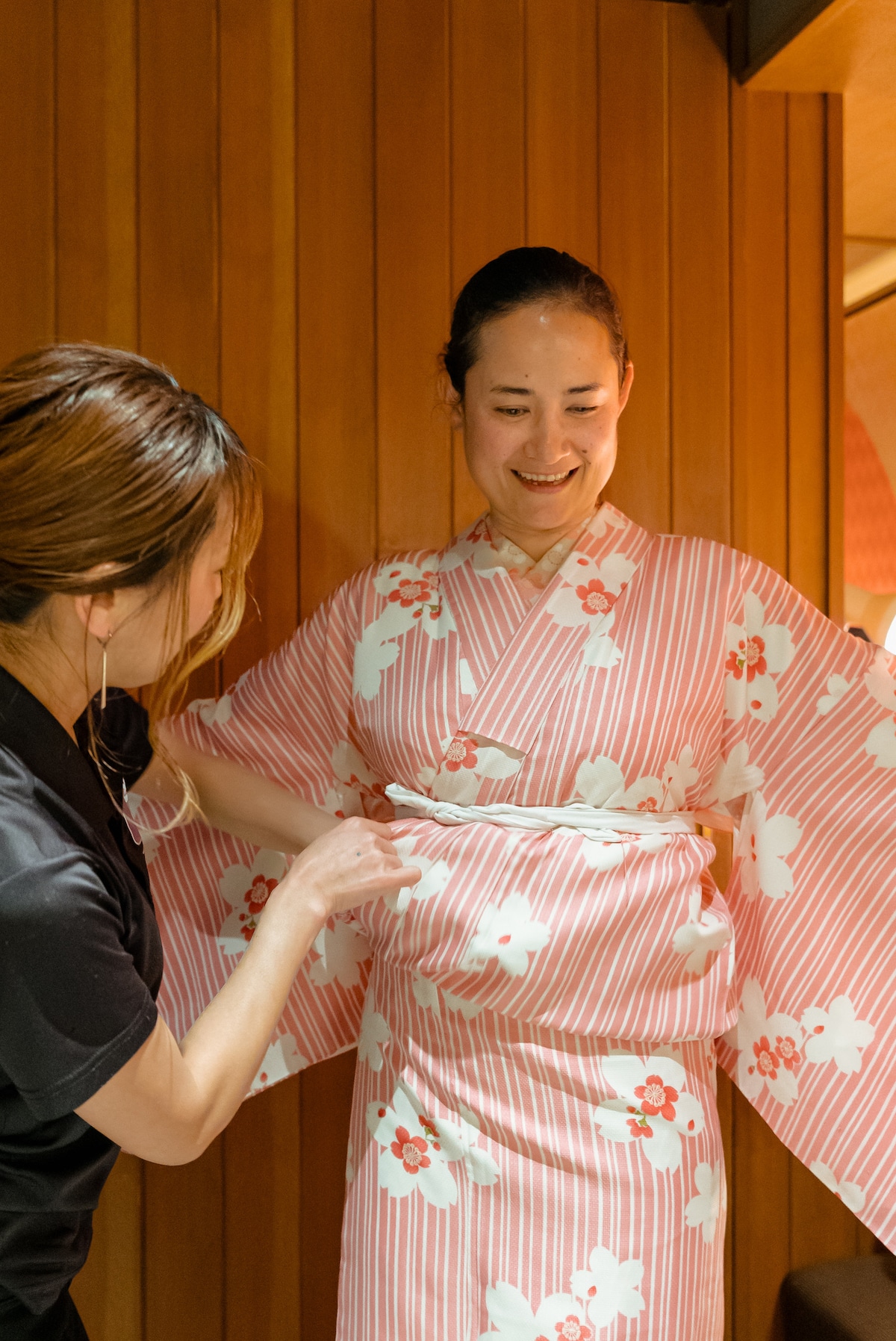
Explore Kyoto in a Kimono
Thu, Feb 26 • 10:00 AM
605-0005, Kyoto, Kyoto, Japan
View details
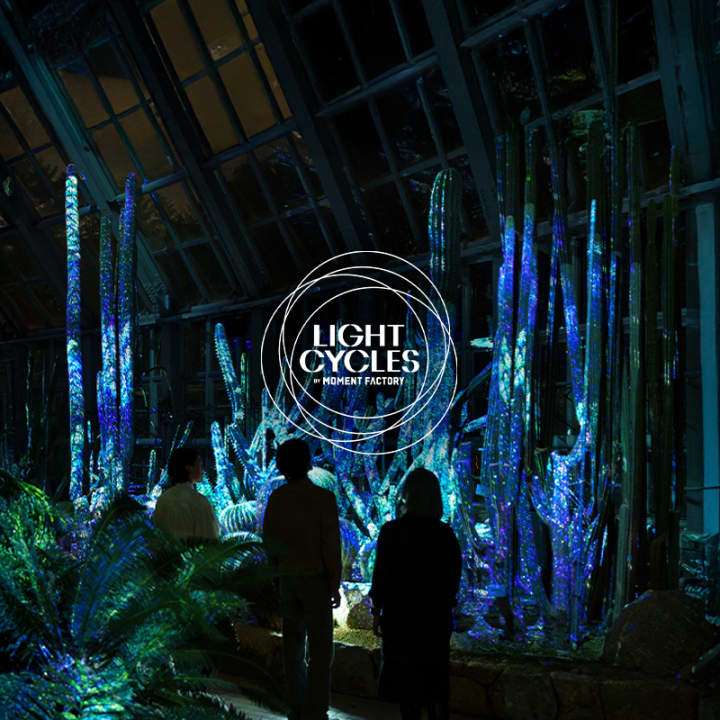
京都府立植物園:LIGHT CYCLES KYOTO (ライトサイクル京都)
Thu, Feb 26 • 6:00 PM
京都市左京区下鴨半木町, 606-0823
View details
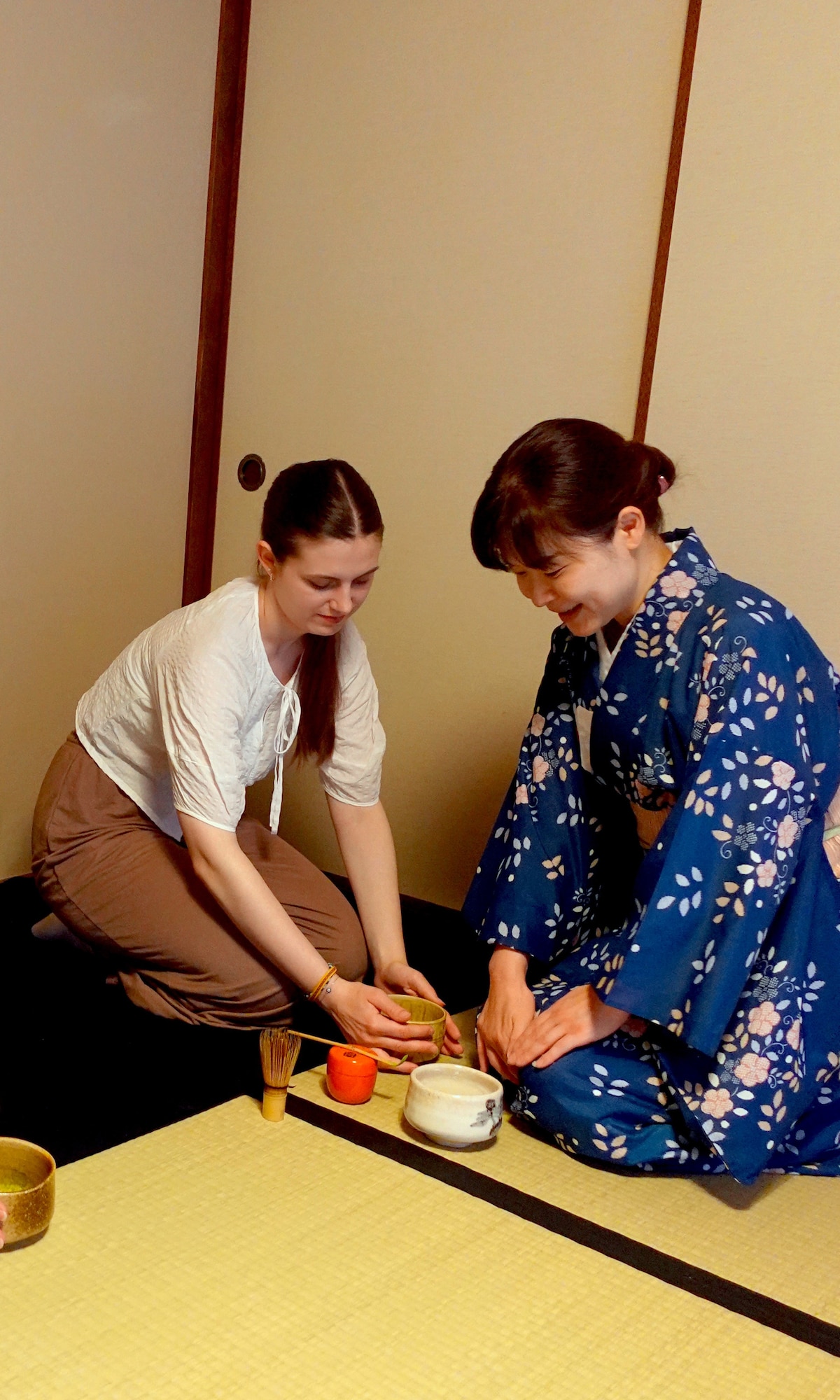
Learn tea ceremony in traditional Kyoto townhouse
Fri, Feb 27 • 1:00 PM
600-8397, Kyoto, Kyoto, Japan
View details
Nearby attractions of Fujinomori Shrine
Kyoto Municipal Science Center for Youth
Bokusen-ji
Miyako Ecology Center (Kyoto Municipal Center for Promotion of Environment Protection)
Eishun-ji Temple
Fushimi Incline
Kaihō-ji Temple
Mausoleum of Emperor Ninmyō
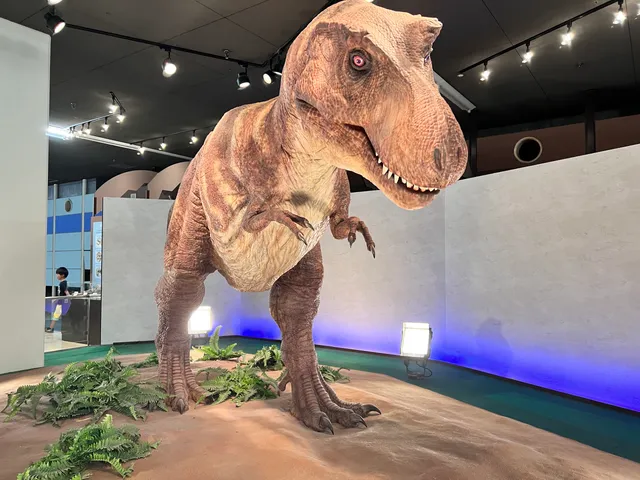
Kyoto Municipal Science Center for Youth
4.2
(603)
Open until 12:00 AM
Click for details
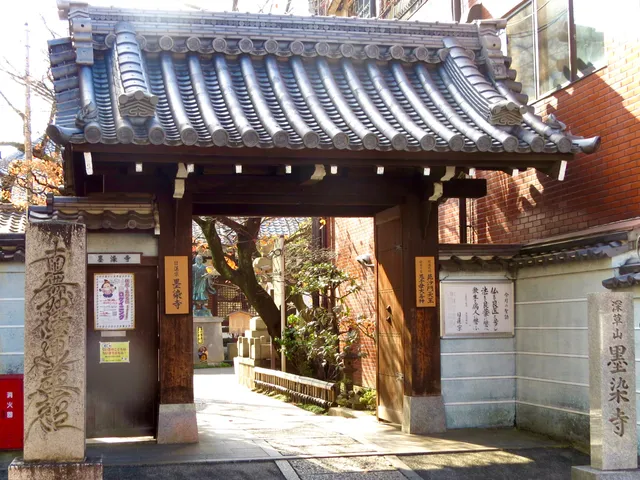
Bokusen-ji
4.1
(91)
Open 24 hours
Click for details
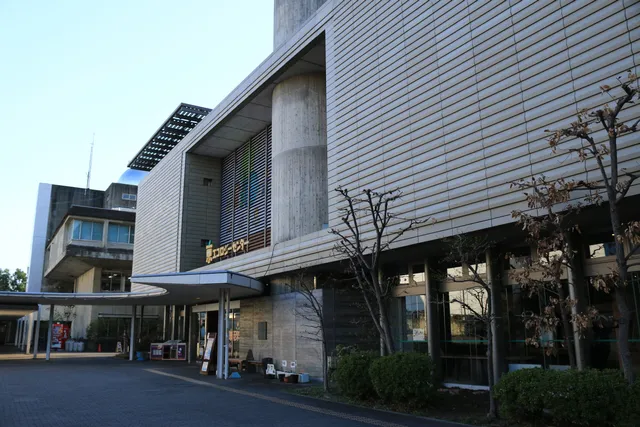
Miyako Ecology Center (Kyoto Municipal Center for Promotion of Environment Protection)
4.0
(104)
Open until 12:00 AM
Click for details

Eishun-ji Temple
4.3
(41)
Open 24 hours
Click for details
Nearby restaurants of Fujinomori Shrine
Minori
Suisenkaku
つのか酒坊
Kamui
和(なごみ)いけやん
coco・Kirari
ナッティー
Blon
Shot Bar Sumizome 655
Boulange JuriCoのお店 (ブーランジェ・ジュリコノオミセ)
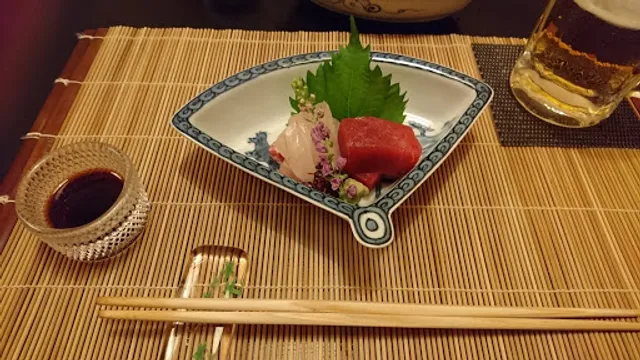
Minori
4.5
(14)
Closed
Click for details
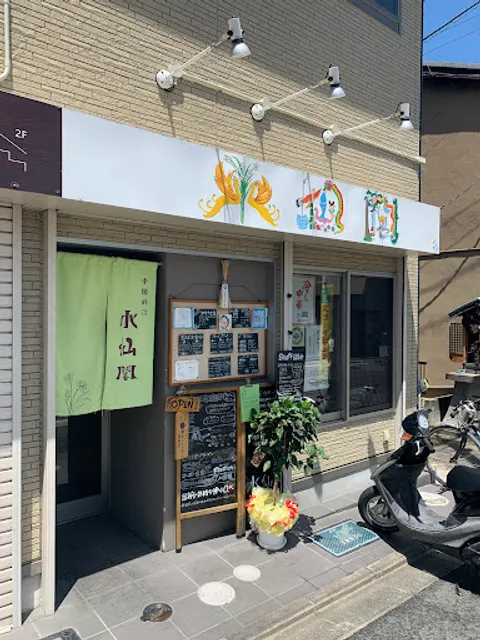
Suisenkaku
4.3
(46)
Open until 12:00 AM
Click for details
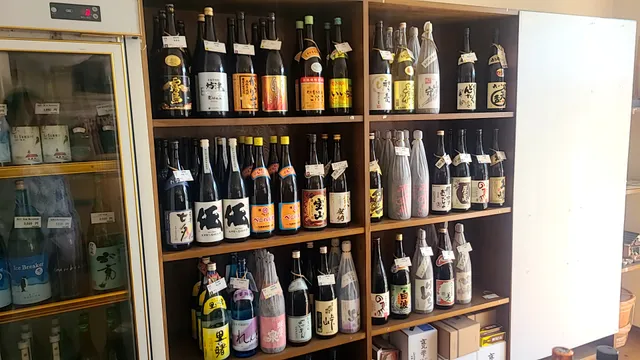
つのか酒坊
4.8
(16)
Open until 12:00 AM
Click for details
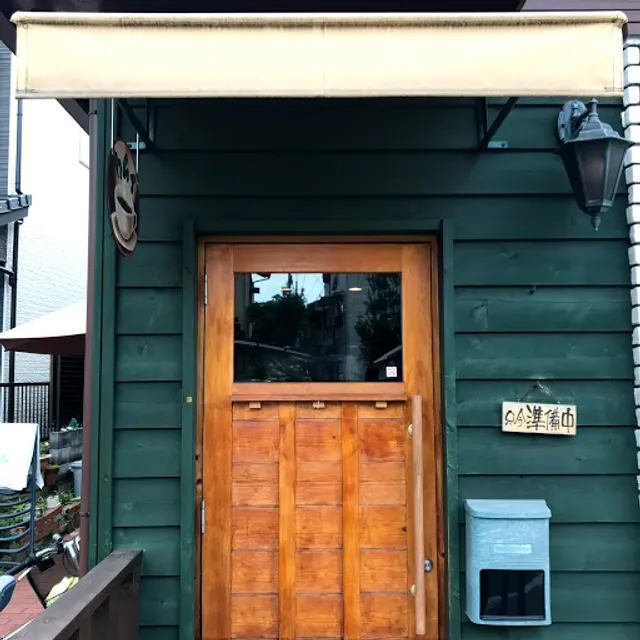
Kamui
4.4
(11)
Closed
Click for details
Nearby local services of Fujinomori Shrine
Fujinomori Shrine
Homotsuden, Fujinomori-jinja Shrine
Igaya
Kyoto Showa Retro Ippô-do
Gunjin-yu
Jozenji
Takarayu
DAISO
Gyoza Fukuyoshi
AQUA SHOP wasabi
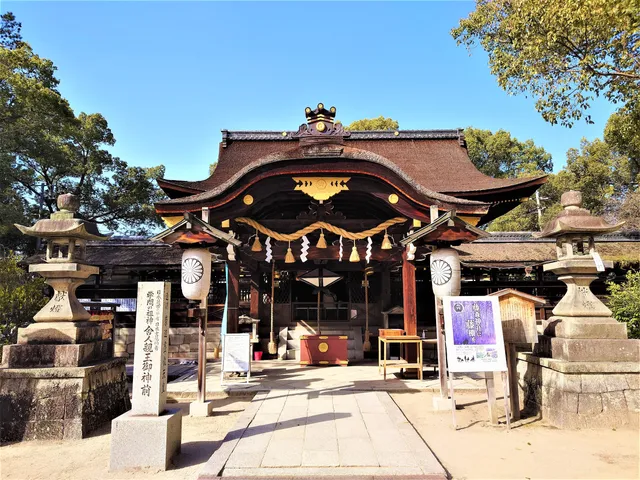
Fujinomori Shrine
4.2
(1.0K)
Click for details
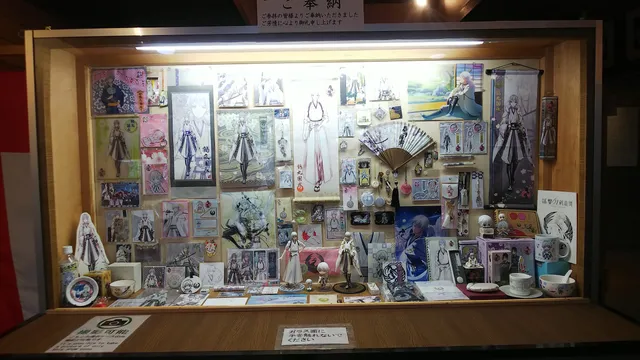
Homotsuden, Fujinomori-jinja Shrine
4.4
(11)
Click for details
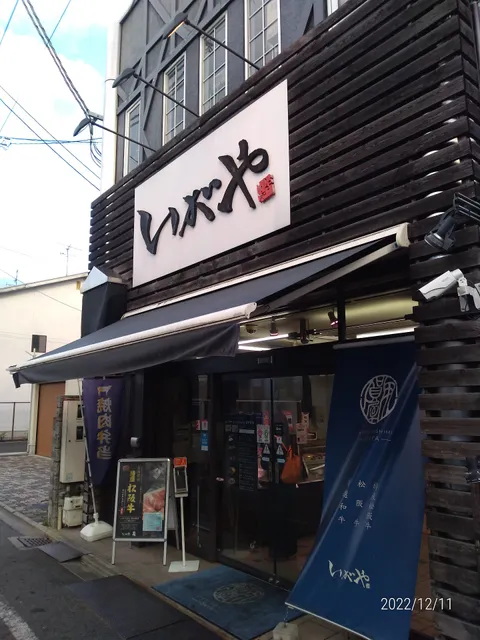
Igaya
3.7
(36)
Click for details
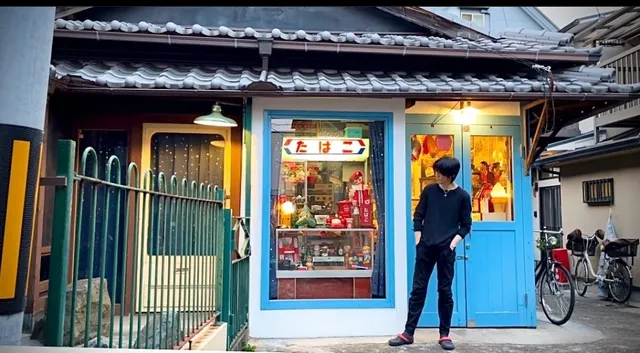
Kyoto Showa Retro Ippô-do
4.3
(23)
Click for details