Sen-Oku Hakukokan Museum things to do, attractions, restaurants, events info and trip planning
Basic Info
Sen-Oku Hakukokan Museum
24 Shishigatani Shimomiyanomaecho, Sakyo Ward, Kyoto, 606-8431, Japan
4.4(314)
Open 24 hours

tickets
Save
spot
spot
Ratings & Description
Info
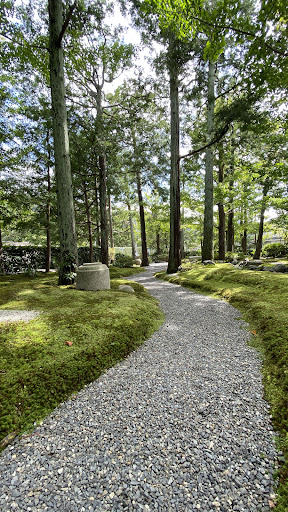
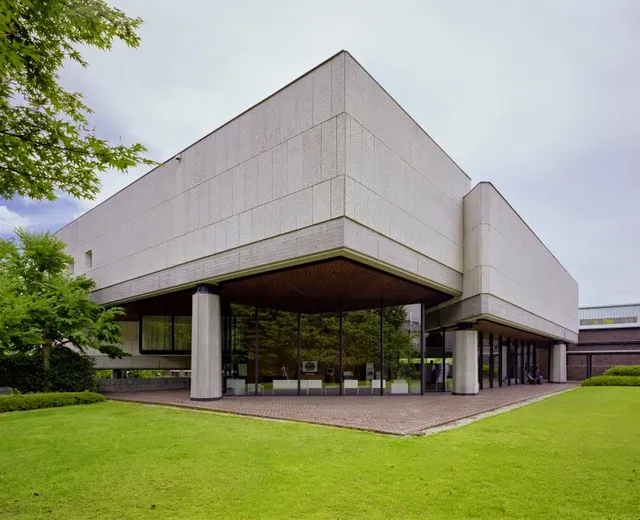
Sen-oku Hakuko Kan is located in Kyoto, Japan and houses a large collection of Chinese bronze vessels, Chinese and Japanese mirrors, and a few Chinese bronze Buddhist figures. The collection was brought together by Sumitomo Kichizaemon VII before his death in 1926.
Cultural
Accessibility
attractions: Eikandō, Okazaki Shrine, Ōtoyo Shrine, 住友有芳園, Kōun-ji Temple, Kumano Nyakuōji Shrine, Shinshō Gokurakuji (Shinnyodō) Temple, Chabad Jewish Center Kyoto - חבד קיוטו | Kosher Food, Nanzen-ji Temple, Reikan-ji, restaurants: Hinode Udon, Botanic Coffee Kyoto, Asano Cafe & Lunch, Café de Whojé, Breizh Café Crêperie - Kyoto, Tea House Assam, Mignonne, Doutor, Toro Toro, Kissa Haku, local businesses: Gonta, Eikan-dō Temple, Okazaki-jinja Shrine, Nisanmaru - Antique Kimono Shop and Café Fumimaro, Konkai Kōmyō-ji Temple, 京四季, Shinshō Gokuraku-ji (Shinnyo-dō) Temple, Fresco - Okazaki, General Gate, Okazaki Betsuin Temple
 Learn more insights from Wanderboat AI.
Phone
+81 75-771-6411
Website
sen-oku.or.jp
Plan your stay

Pet-friendly Hotels in Kyoto
Find a cozy hotel nearby and make it a full experience.

Affordable Hotels in Kyoto
Find a cozy hotel nearby and make it a full experience.

The Coolest Hotels You Haven't Heard Of (Yet)
Find a cozy hotel nearby and make it a full experience.

Trending Stays Worth the Hype in Kyoto
Find a cozy hotel nearby and make it a full experience.
Reviews
Live events
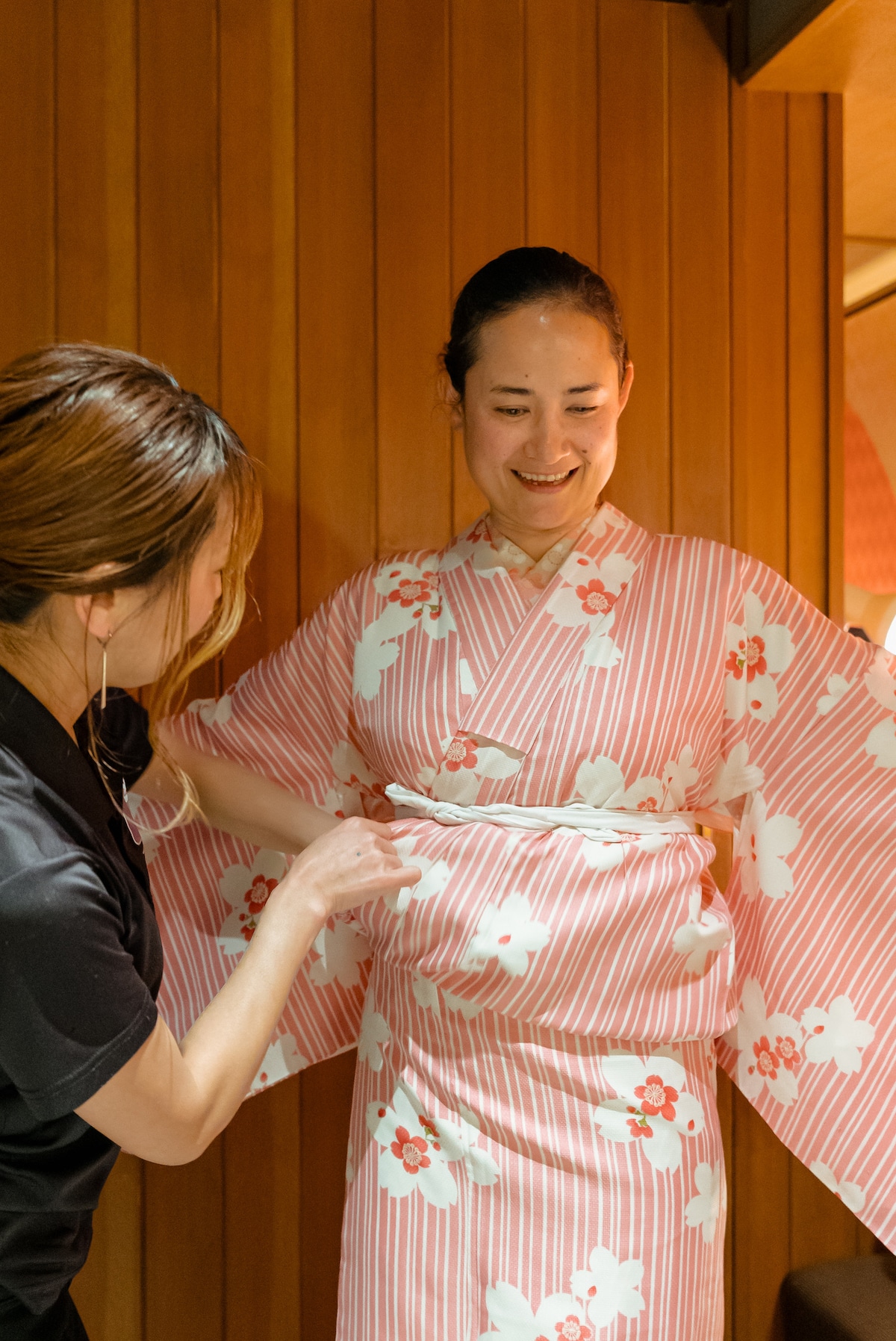
Explore Kyoto in a Kimono
Thu, Feb 26 • 10:00 AM
605-0005, Kyoto, Kyoto, Japan
View details
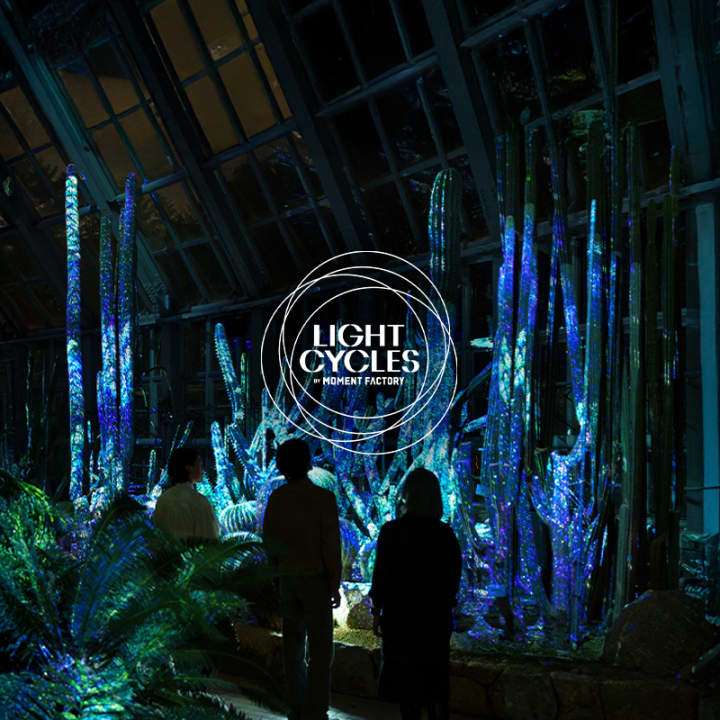
京都府立植物園:LIGHT CYCLES KYOTO (ライトサイクル京都)
Thu, Feb 26 • 6:00 PM
京都市左京区下鴨半木町, 606-0823
View details
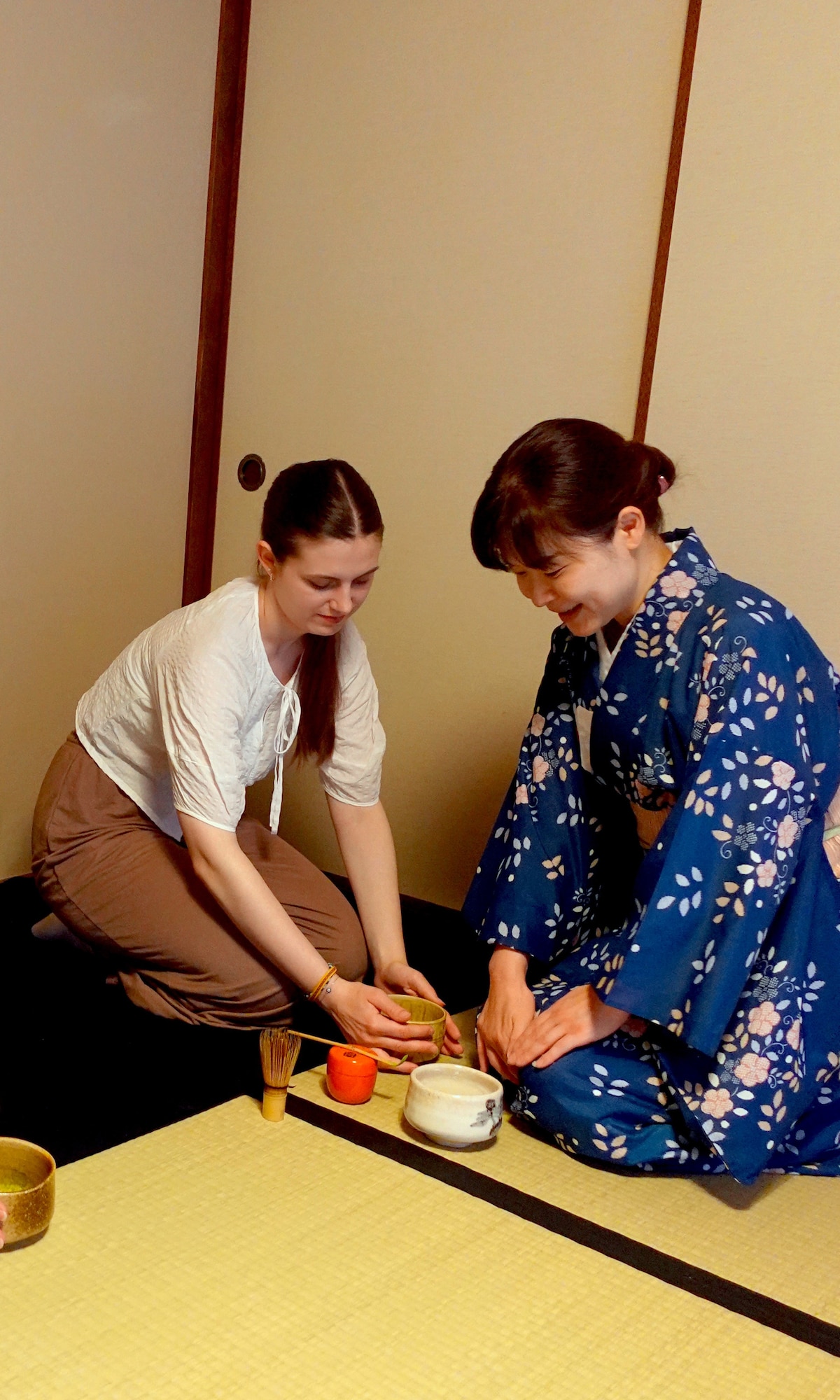
Learn tea ceremony in traditional Kyoto townhouse
Fri, Feb 27 • 1:00 PM
600-8397, Kyoto, Kyoto, Japan
View details
Nearby attractions of Sen-Oku Hakukokan Museum
Eikandō
Okazaki Shrine
Ōtoyo Shrine
住友有芳園
Kōun-ji Temple
Kumano Nyakuōji Shrine
Shinshō Gokurakuji (Shinnyodō) Temple
Chabad Jewish Center Kyoto - חבד קיוטו | Kosher Food
Nanzen-ji Temple
Reikan-ji
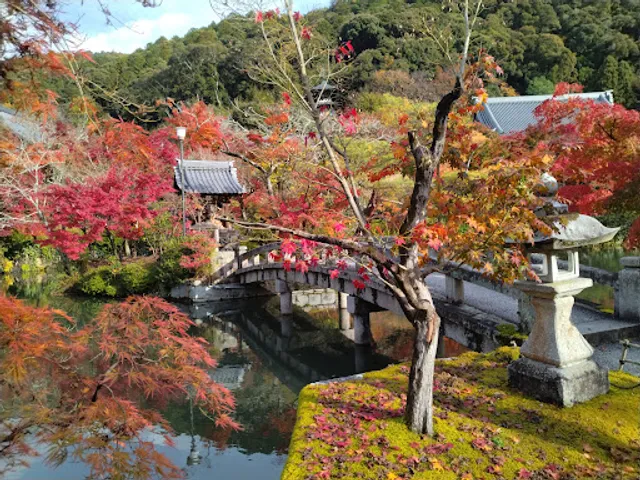
Eikandō
4.6
(4.1K)
Closed
Click for details
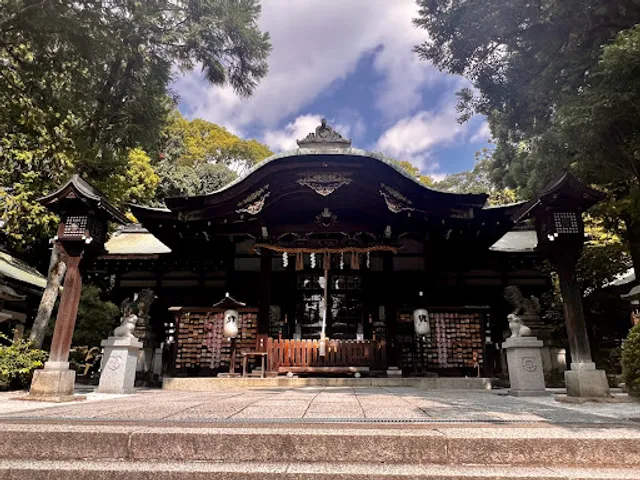
Okazaki Shrine
4.4
(1.7K)
Closed
Click for details
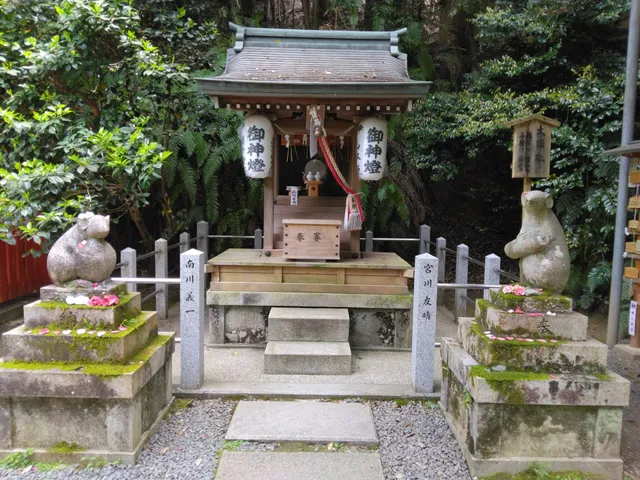
Ōtoyo Shrine
4.3
(711)
Open until 12:00 AM
Click for details
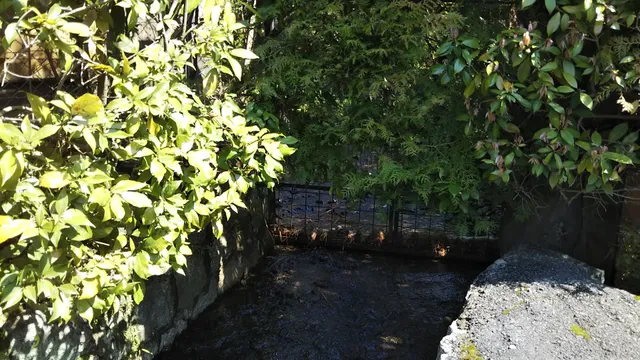
住友有芳園
4.6
(16)
Open 24 hours
Click for details
Nearby restaurants of Sen-Oku Hakukokan Museum
Hinode Udon
Botanic Coffee Kyoto
Asano Cafe & Lunch
Café de Whojé
Breizh Café Crêperie - Kyoto
Tea House Assam
Mignonne
Doutor
Toro Toro
Kissa Haku
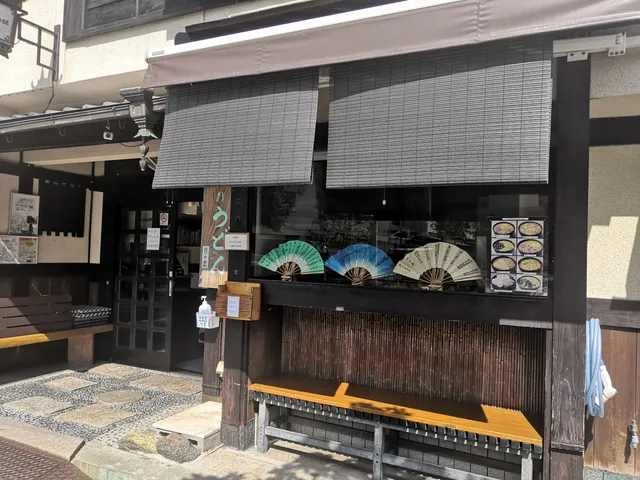
Hinode Udon
4.3
(698)
Closed
Click for details
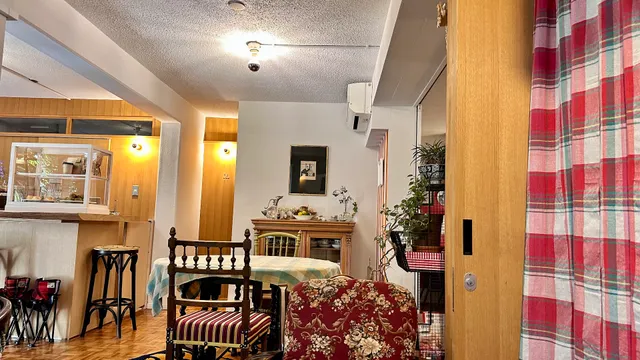
Botanic Coffee Kyoto
4.6
(200)
Closed
Click for details
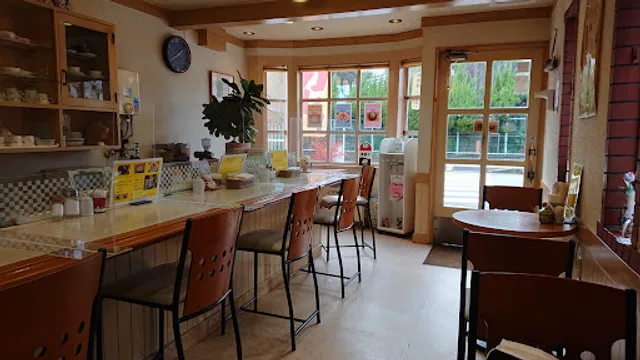
Asano Cafe & Lunch
4.8
(197)
Open until 4:00 PM
Click for details
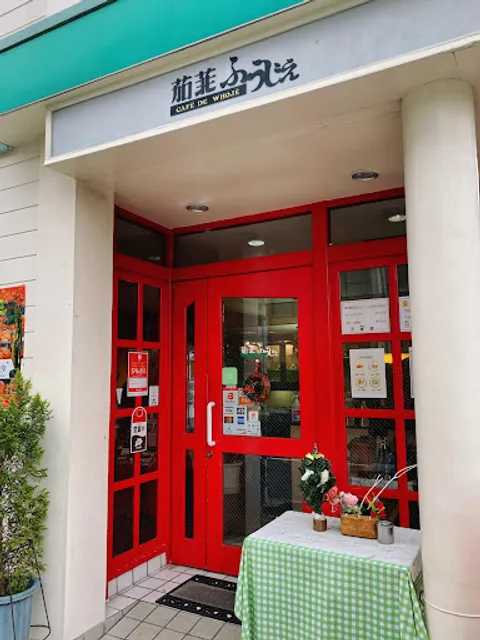
Café de Whojé
4.4
(158)
Open until 12:00 AM
Click for details
Nearby local services of Sen-Oku Hakukokan Museum
Gonta
Eikan-dō Temple
Okazaki-jinja Shrine
Nisanmaru - Antique Kimono Shop and Café Fumimaro
Konkai Kōmyō-ji Temple
京四季
Shinshō Gokuraku-ji (Shinnyo-dō) Temple
Fresco - Okazaki
General Gate
Okazaki Betsuin Temple
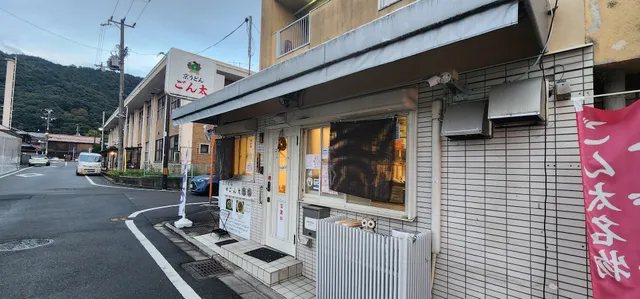
Gonta
4.6
(198)
Click for details
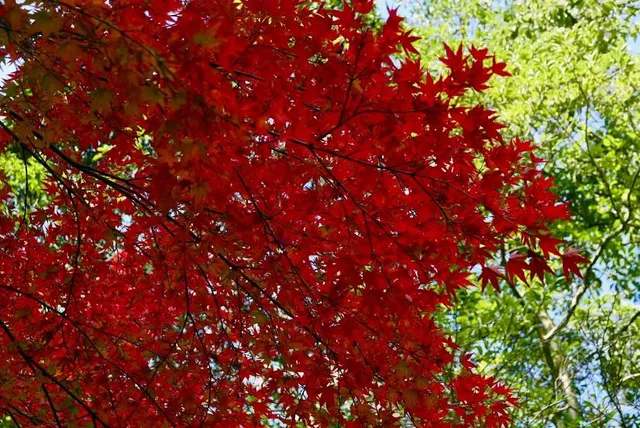
Eikan-dō Temple
4.6
(2.9K)
Click for details
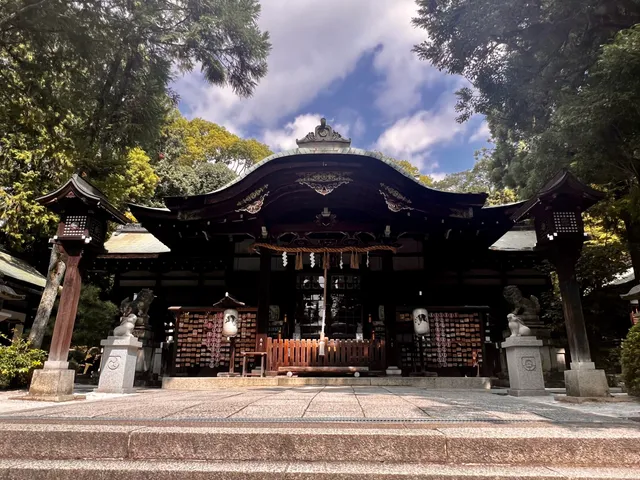
Okazaki-jinja Shrine
4.3
(1.4K)
Click for details
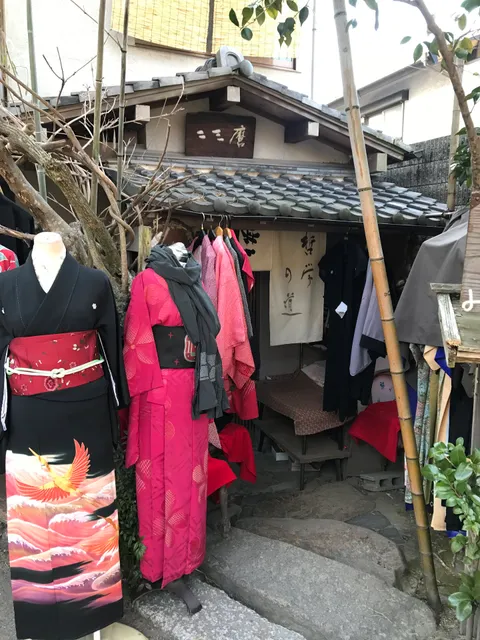
Nisanmaru - Antique Kimono Shop and Café Fumimaro
4.9
(13)
Click for details