Nagasaki Atomic Bomb Museum things to do, attractions, restaurants, events info and trip planning
Basic Info
Nagasaki Atomic Bomb Museum
7-8 Hiranomachi, Nagasaki, 852-8117, Japan
4.5(4.4K)
Closed


tickets
Save
spot
spot
Ratings & Description
Info
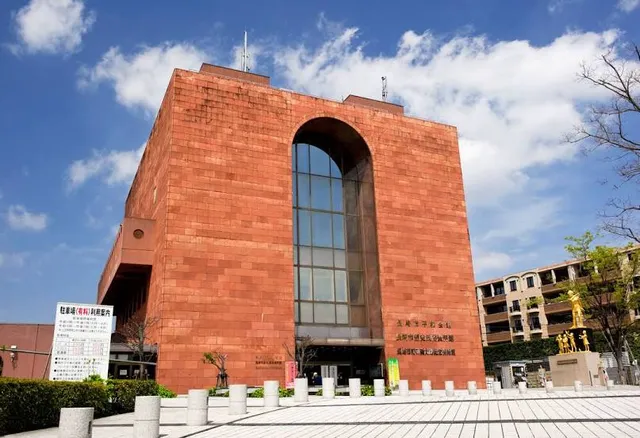
The Nagasaki Atomic Bomb Museum is in the city of Nagasaki, Japan. The museum is a remembrance to the atomic bombing of Nagasaki by the United States of America 9 August 1945 at 11:02:35 am. Next to the museum is the Nagasaki National Peace Memorial Hall for the Atomic Bomb Victims, built in 2003.
Cultural
Accessibility
attractions: Nagasaki National Peace Memorial Hall for the Atomic Bomb Victims, Hypocenter Park, Nagasaki City Museum of History and Folklore, Peace Park Nagasaki, Urakami Cathedral Wall Remnant, Nagasakishi Noguchiyataro Memorial Museum, Fountain of Peace, Peace Park & Former Site of Air-raid Shelters in Matsuyama-machi, Peace Statue, Urakami Christian Museum, restaurants: Horaiken, Tange Diner, Shandong Province, Peace Cafe, 長崎アザレア, 焼鳥平次 西洋館前店, Café Green Door, Ichimentei Hamaguchiten, Peace Town Cafe, juma cafe, local businesses: Peace Park, usedselectジャムルゥ(JAMRUE), Plat Mall Nagasaki, Nitori, TSUTAYA 遊ING城山店, Nagasaki University Hospital, Hill Overlooking the Cathedral, Nagasaki Baseball Stadium, 山里観光市場, 雨上がり晴天なり
 Learn more insights from Wanderboat AI.
Phone
+81 95-844-1231
Website
nabmuseum.jp
Open hoursSee all hours
Mon8:30 AM - 5:30 PMClosed
Plan your stay

Pet-friendly Hotels in Nagasaki
Find a cozy hotel nearby and make it a full experience.

Affordable Hotels in Nagasaki
Find a cozy hotel nearby and make it a full experience.

The Coolest Hotels You Haven't Heard Of (Yet)
Find a cozy hotel nearby and make it a full experience.

Trending Stays Worth the Hype in Nagasaki
Find a cozy hotel nearby and make it a full experience.
Reviews
Live events
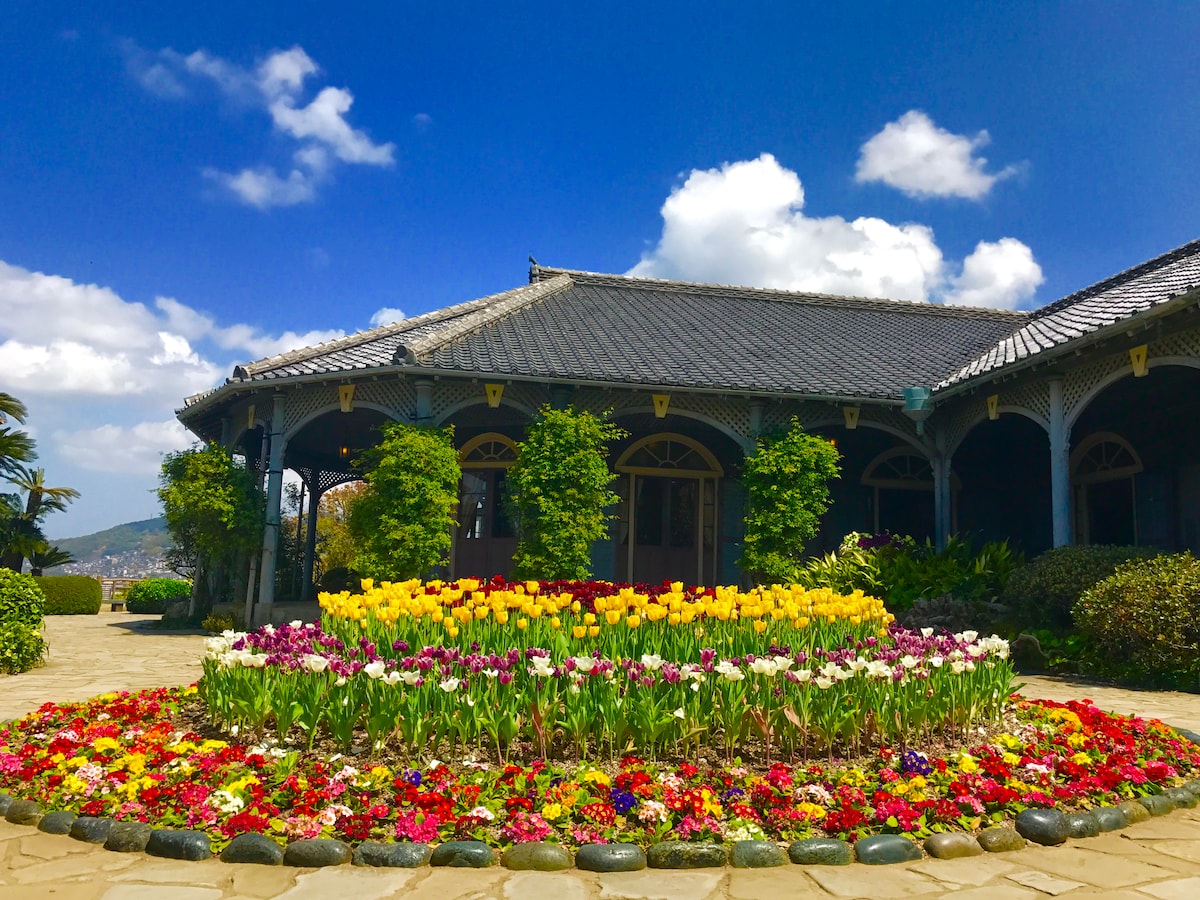
Nagasaki Highlights Private Half Day Tour by Tram
Mon, Feb 23 • 8:00 AM
850-0921, Nagasaki, Nagasaki, Japan
View details
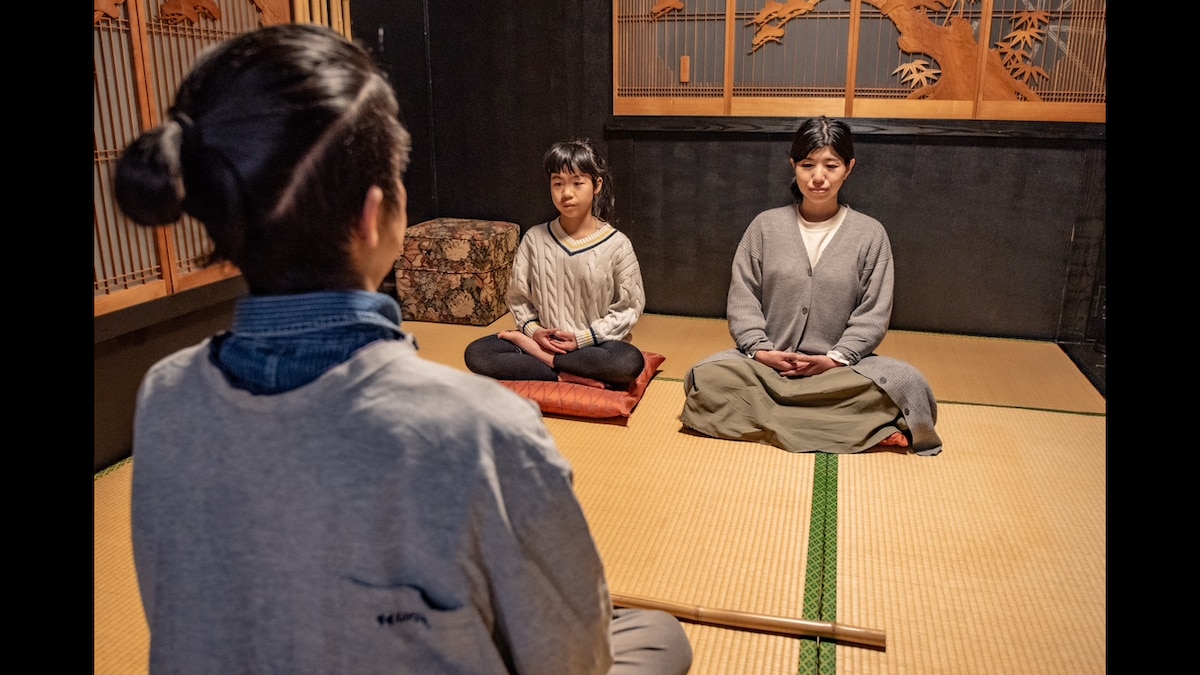
A time to experience authentic Zen, and learn self-improvement skills that you can use throughout your life in a concrete way through zazen
Mon, Feb 23 • 9:00 AM
859-3921, Nagasaki, Higashisonogi, Higashisonogi District, Japan
View details
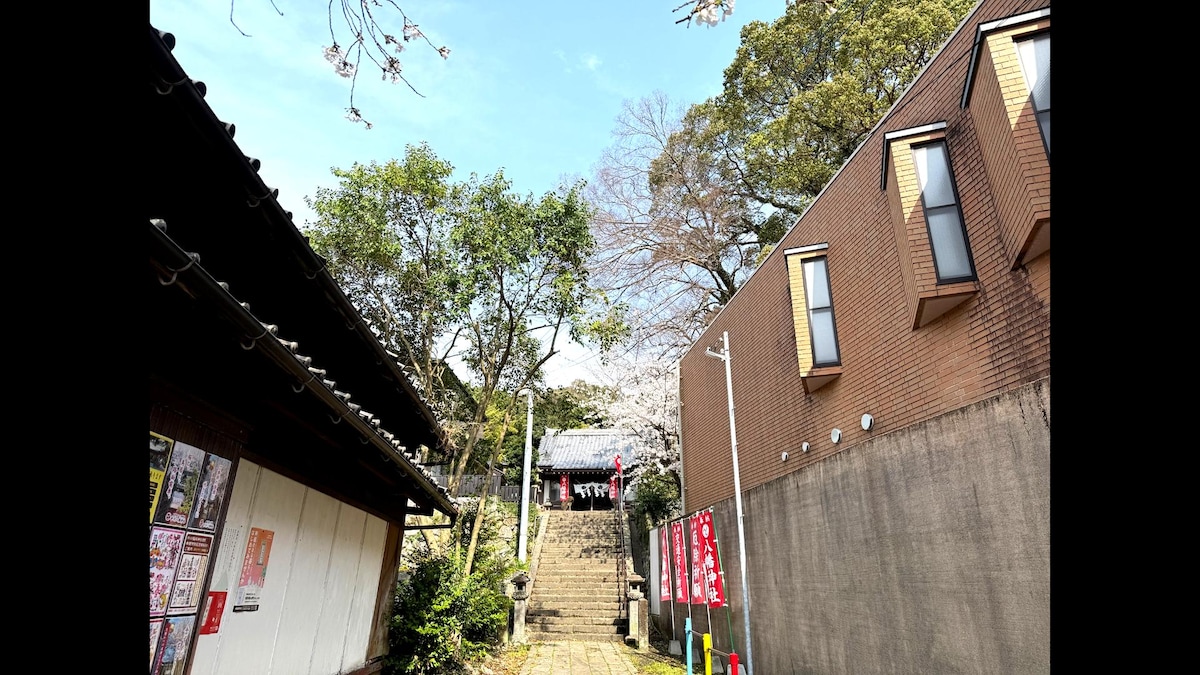
Authentic Kendo Experience with the Prestigious Baba School: A Journey of the Heart that Begins and Ends with Respect
Mon, Feb 23 • 10:00 AM
850-0013, Nagasaki, Nagasaki, Japan
View details
Nearby attractions of Nagasaki Atomic Bomb Museum
Nagasaki National Peace Memorial Hall for the Atomic Bomb Victims
Hypocenter Park
Nagasaki City Museum of History and Folklore
Peace Park Nagasaki
Urakami Cathedral Wall Remnant
Nagasakishi Noguchiyataro Memorial Museum
Fountain of Peace
Peace Park & Former Site of Air-raid Shelters in Matsuyama-machi
Peace Statue
Urakami Christian Museum
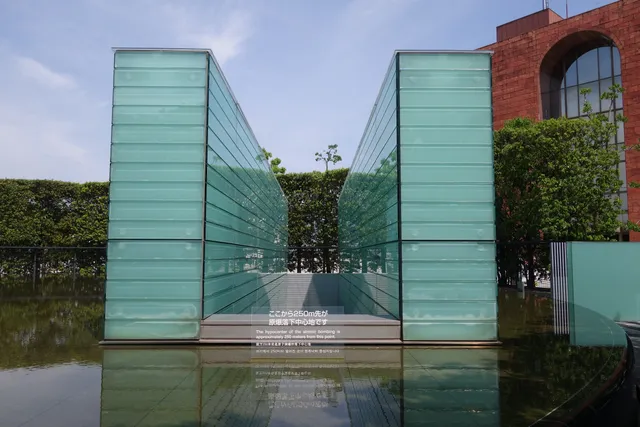
Nagasaki National Peace Memorial Hall for the Atomic Bomb Victims
4.5
(390)
Closed
Click for details
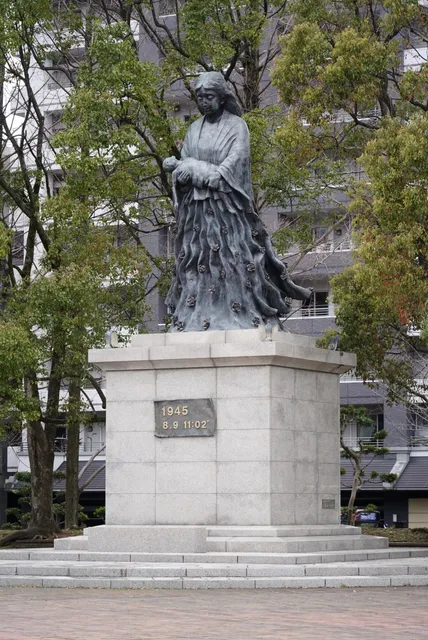
Hypocenter Park
4.4
(315)
Closed
Click for details
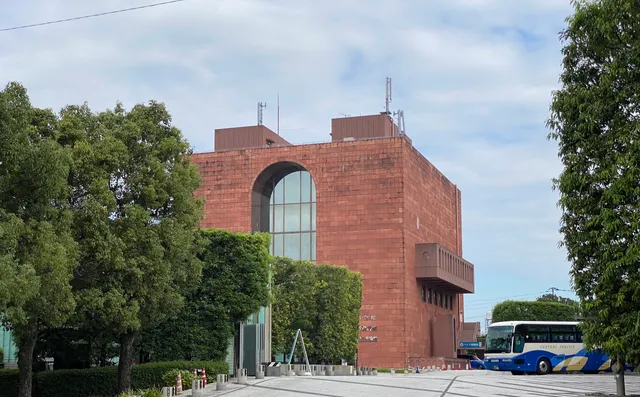
Nagasaki City Museum of History and Folklore
4.0
(48)
Open until 12:00 AM
Click for details
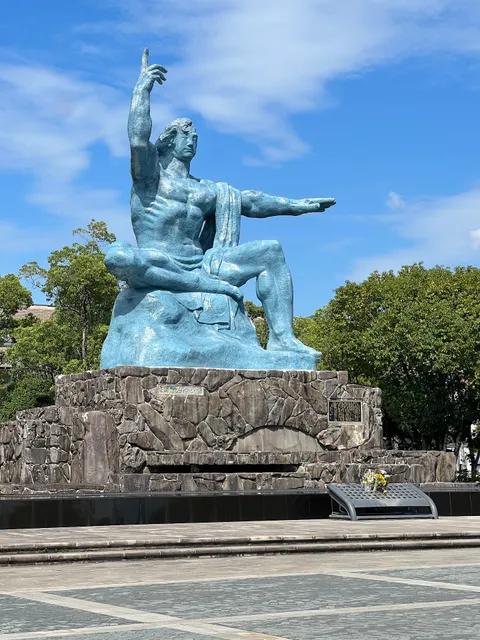
Peace Park Nagasaki
4.3
(3.9K)
Open until 12:00 AM
Click for details
Nearby restaurants of Nagasaki Atomic Bomb Museum
Horaiken
Tange Diner
Shandong Province
Peace Cafe
長崎アザレア
焼鳥平次 西洋館前店
Café Green Door
Ichimentei Hamaguchiten
Peace Town Cafe
juma cafe
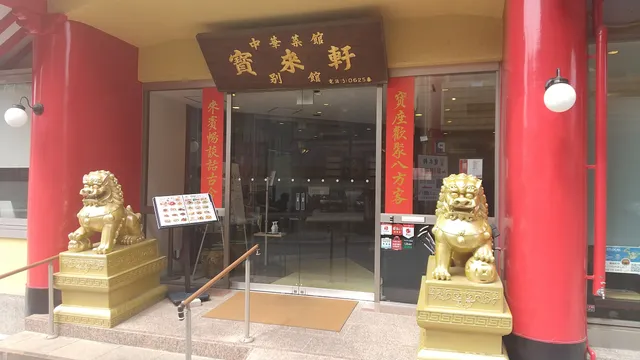
Horaiken
4.1
(535)
Closed
Click for details
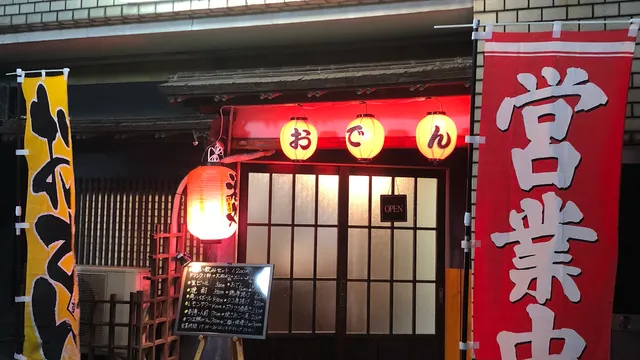
Tange Diner
4.5
(64)
Open until 12:00 AM
Click for details
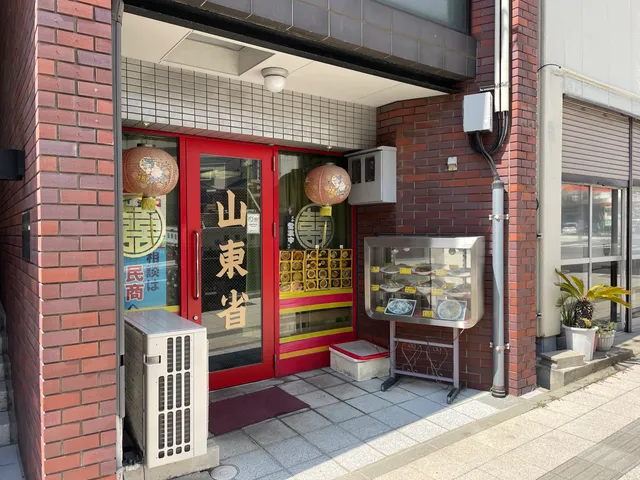
Shandong Province
4.2
(135)
Closed
Click for details
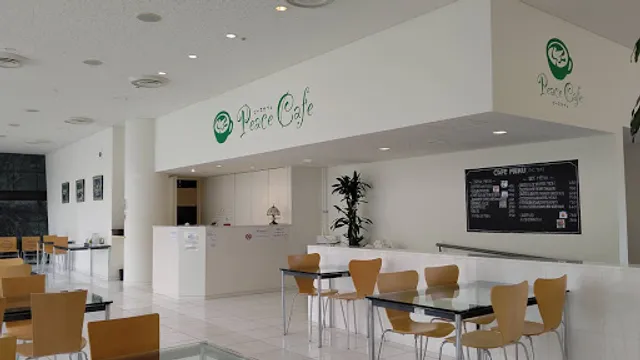
Peace Cafe
3.8
(18)
Closed
Click for details
Nearby local services of Nagasaki Atomic Bomb Museum
Peace Park
usedselectジャムルゥ(JAMRUE)
Plat Mall Nagasaki
Nitori
TSUTAYA 遊ING城山店
Nagasaki University Hospital
Hill Overlooking the Cathedral
Nagasaki Baseball Stadium
山里観光市場
雨上がり晴天なり
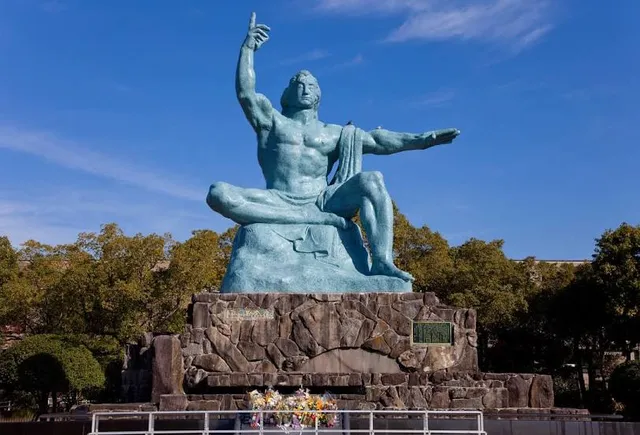
Peace Park
4.3
(3.2K)
Click for details
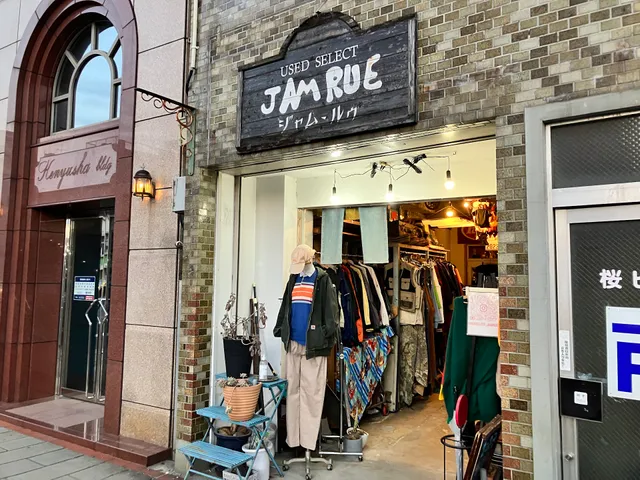
usedselectジャムルゥ(JAMRUE)
4.6
(21)
Click for details
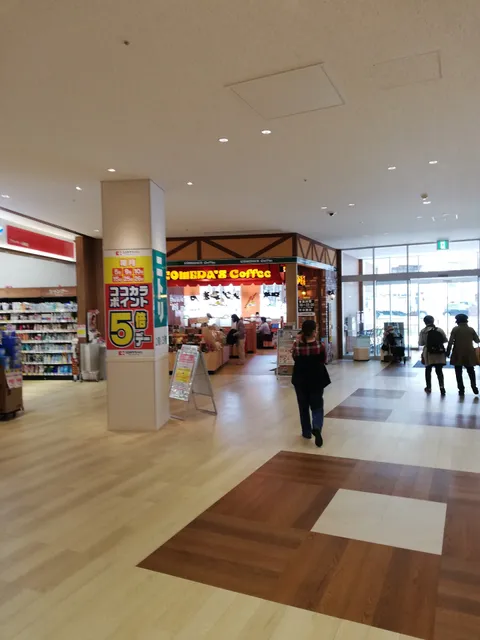
Plat Mall Nagasaki
3.8
(191)
Click for details
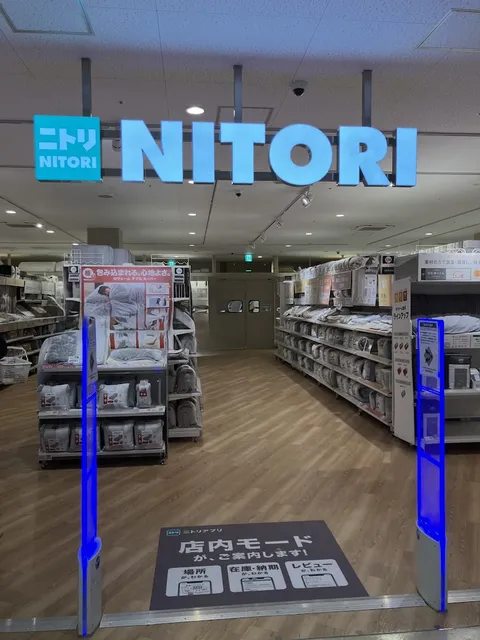
Nitori
3.7
(42)
Click for details