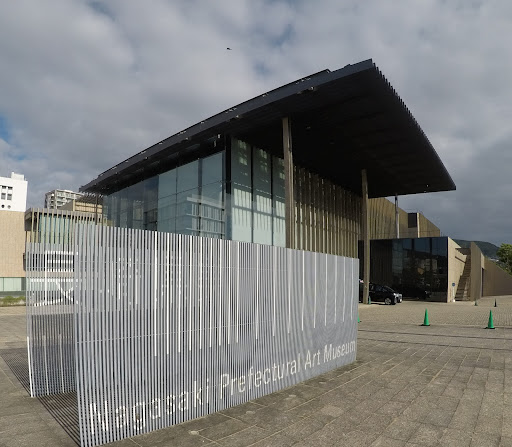
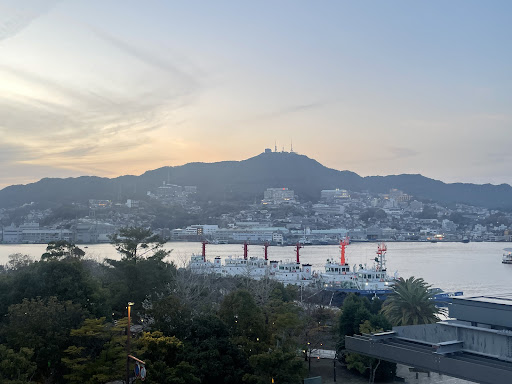
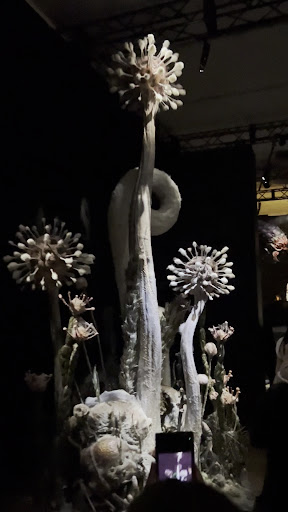
Nagasaki Prefectural Art Museum things to do, attractions, restaurants, events info and trip planning
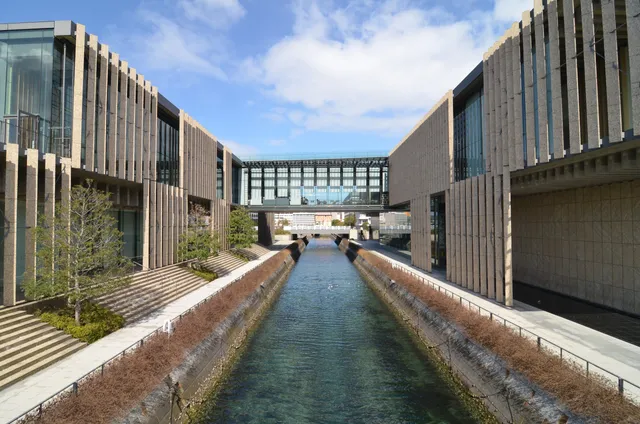
Basic Info
Nagasaki Prefectural Art Museum
2-1 Dejimamachi, Nagasaki, 850-0862, Japan
4.2(1.1K)
Closed


tickets
Save
spot
spot
Ratings & Description
Info
Nagasaki Prefectural Art Museum opened in Nagasaki, Nagasaki Prefecture, Japan, in 2005. The collection comprises artworks relating to Nagasaki as well as works of Spanish art collected by Suma Yakichiro, special envoy to Spain during the Second World War.
Cultural
Accessibility
attractions: Nagasaki Seaside Park, Site of the Former Dutch Trading Post on Dejima, Nagasaki Shinchi Chinatown, Dutch Slope, Minato Park, (一社)長崎国際観光コンベンション協会, Dejima-omotemon-bashi Park, The monument of the first railway in Japan, Kanko Maru, namcoゆめタウン夢彩都店, restaurants: Attic, Nagasaki Dejima Wharf, Seafood Market Nagasaki Port Dejima Wharf Branch, Nagasaki Prefectural Art Museum Cafe, Red Lantern, ATTIC COFFEE 2nd, Cafe Restaurant Dejima Terrace, Cafe lx, Curry Diner Alii カフェ 出島店, Parfait Restaurant Hawaii, local businesses: AEON Nagasaki, Youme Town Yumesaito, Irohaya, Bunmeido Souhonten Main Store, UNIQLO, Nagasaki Port Terminal Building, トーカンマンション活水通り, Hobizon Nagasakiten, ベスト電器 長崎夢彩都店, Former Consulate Of United Kingdom In Nagasaki
 Learn more insights from Wanderboat AI.
Phone
+81 95-833-2110
Website
nagasaki-museum.jp
Open hoursSee all hours
Tue10 AM - 8 PMClosed
Plan your stay

Pet-friendly Hotels in Nagasaki
Find a cozy hotel nearby and make it a full experience.

Affordable Hotels in Nagasaki
Find a cozy hotel nearby and make it a full experience.

The Coolest Hotels You Haven't Heard Of (Yet)
Find a cozy hotel nearby and make it a full experience.

Trending Stays Worth the Hype in Nagasaki
Find a cozy hotel nearby and make it a full experience.
Reviews
Live events
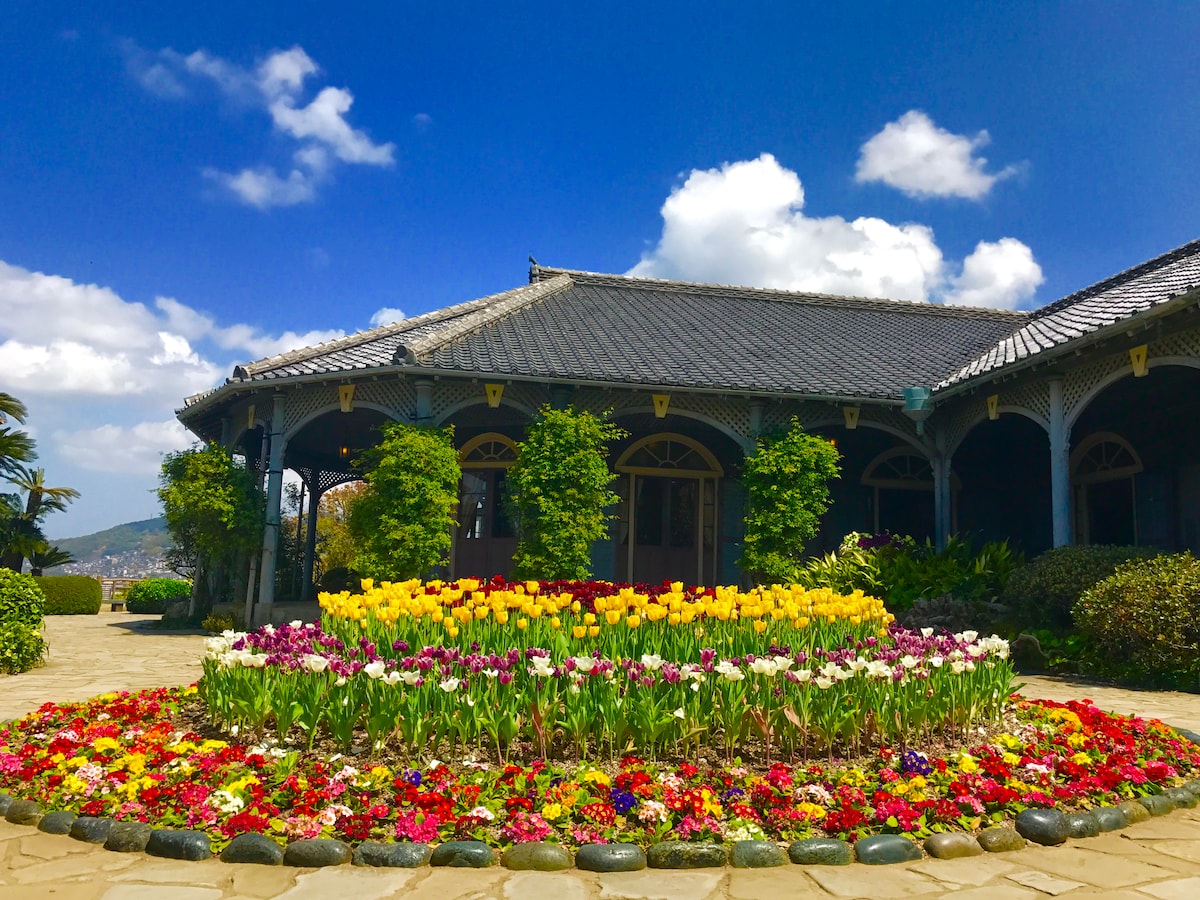
Nagasaki Highlights Private Half Day Tour by Tram
Tue, Feb 10 • 8:00 AM
850-0921, Nagasaki, Nagasaki, Japan
View details
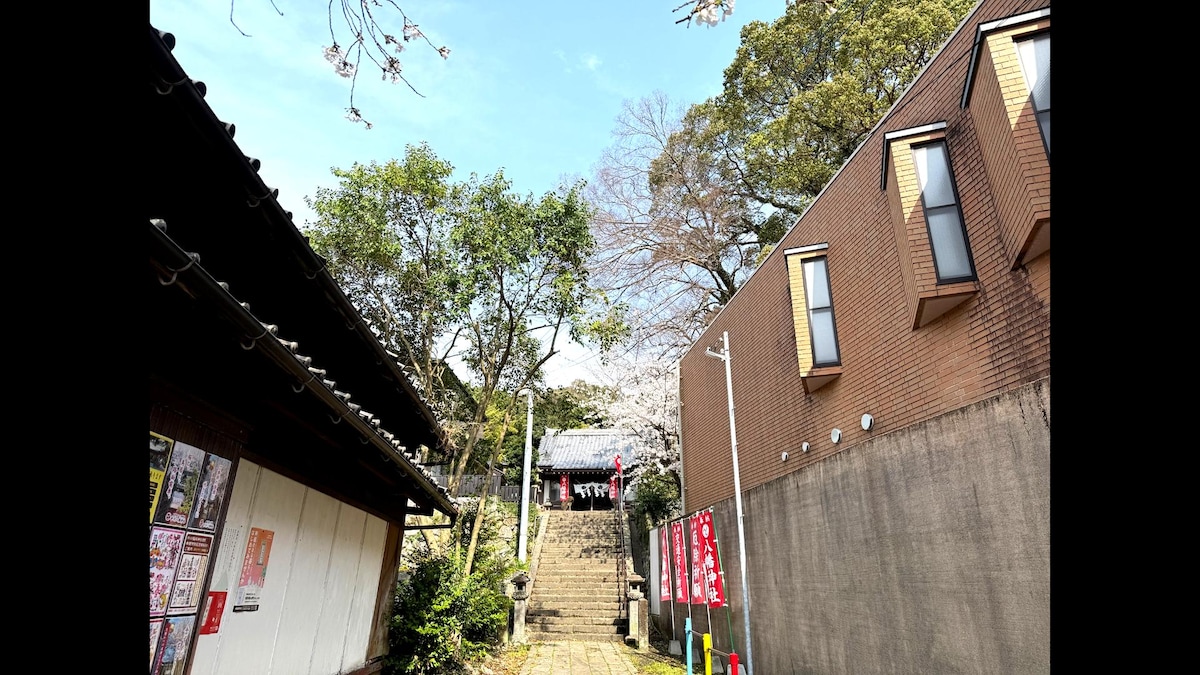
Authentic Kendo Experience with the Prestigious Baba School: A Journey of the Heart that Begins and Ends with Respect
Tue, Feb 10 • 10:00 AM
850-0013, Nagasaki, Nagasaki, Japan
View details
Nearby attractions of Nagasaki Prefectural Art Museum
Nagasaki Seaside Park
Site of the Former Dutch Trading Post on Dejima
Nagasaki Shinchi Chinatown
Dutch Slope
Minato Park
(一社)長崎国際観光コンベンション協会
Dejima-omotemon-bashi Park
The monument of the first railway in Japan
Kanko Maru
namcoゆめタウン夢彩都店
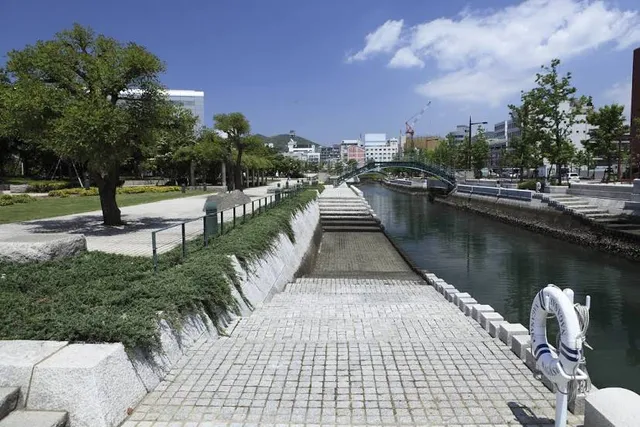
Nagasaki Seaside Park
4.3
(1.4K)
Open until 12:00 AM
Click for details
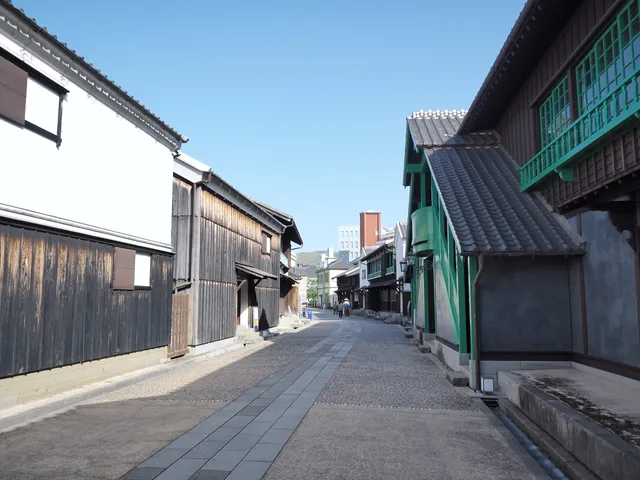
Site of the Former Dutch Trading Post on Dejima
4.2
(355)
Closed
Click for details
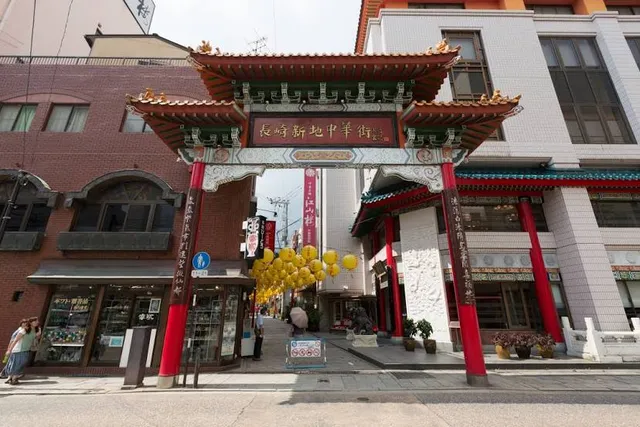
Nagasaki Shinchi Chinatown
3.7
(3.9K)
Closed
Click for details
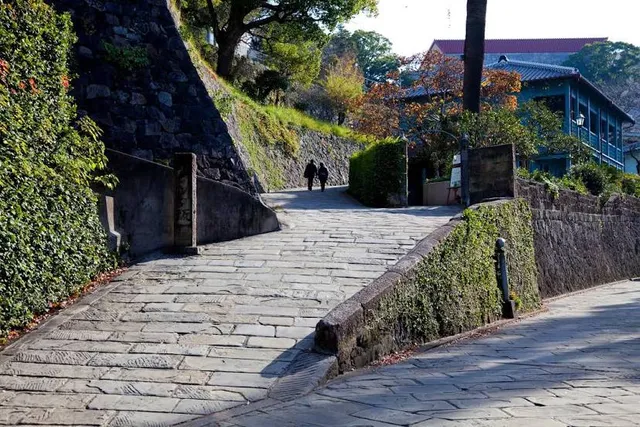
Dutch Slope
3.7
(794)
Open 24 hours
Click for details
Nearby restaurants of Nagasaki Prefectural Art Museum
Attic
Nagasaki Dejima Wharf
Seafood Market Nagasaki Port Dejima Wharf Branch
Nagasaki Prefectural Art Museum Cafe
Red Lantern
ATTIC COFFEE 2nd
Cafe Restaurant Dejima Terrace
Cafe lx
Curry Diner Alii カフェ 出島店
Parfait Restaurant Hawaii
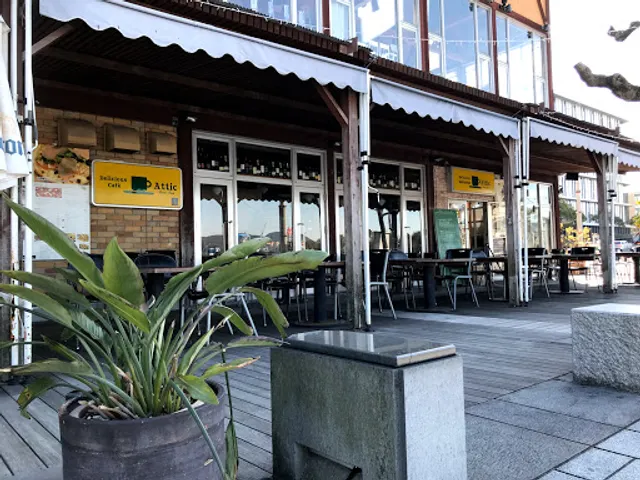
Attic
4.3
(375)
Closed
Click for details
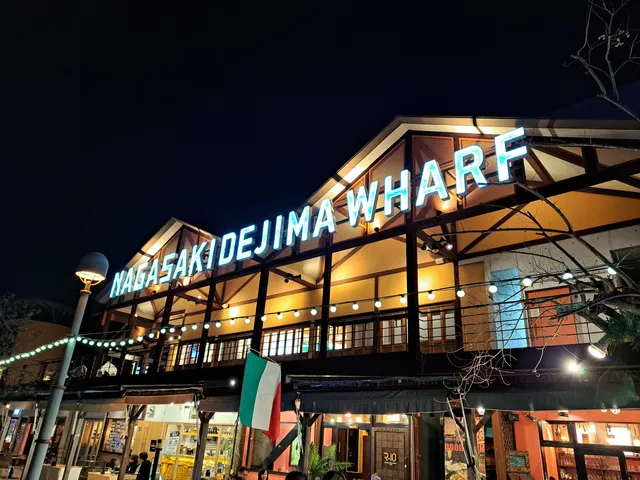
Nagasaki Dejima Wharf
4.0
(371)
Closed
Click for details
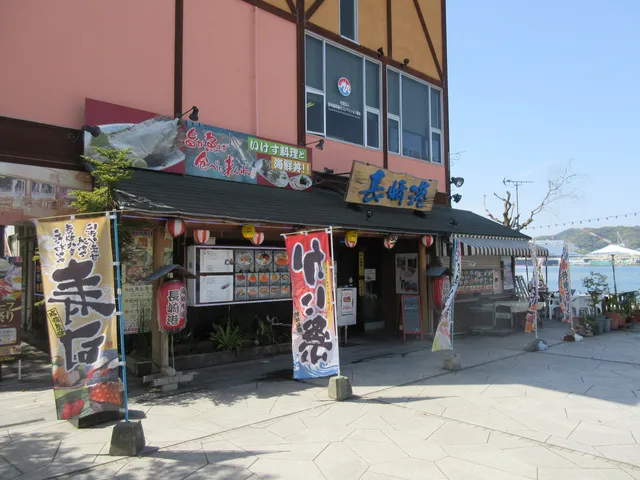
Seafood Market Nagasaki Port Dejima Wharf Branch
3.7
(1.1K)
Closed
Click for details
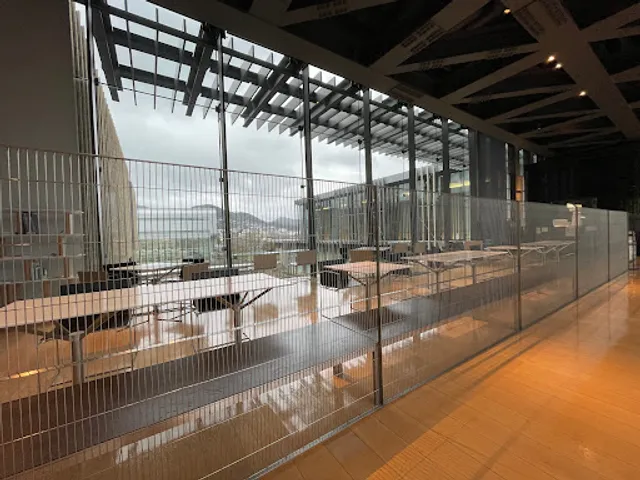
Nagasaki Prefectural Art Museum Cafe
4.2
(19)
Closed
Click for details
Nearby local services of Nagasaki Prefectural Art Museum
AEON Nagasaki
Youme Town Yumesaito
Irohaya
Bunmeido Souhonten Main Store
UNIQLO
Nagasaki Port Terminal Building
トーカンマンション活水通り
Hobizon Nagasakiten
ベスト電器 長崎夢彩都店
Former Consulate Of United Kingdom In Nagasaki
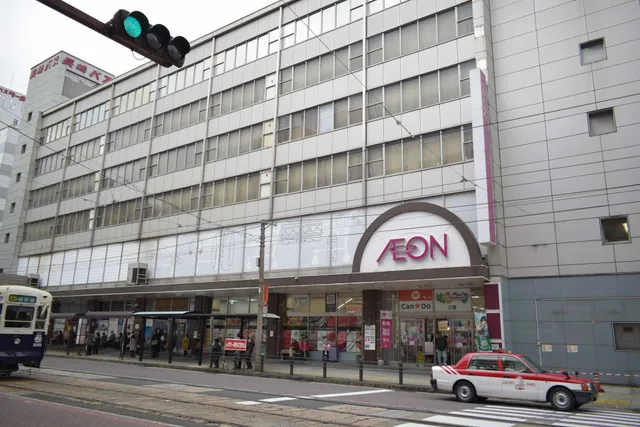
AEON Nagasaki
3.6
(294)
Click for details
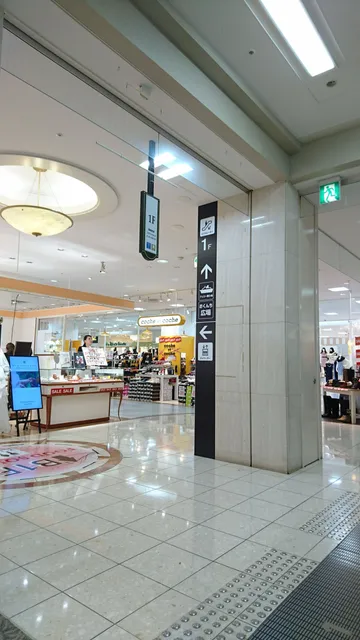
Youme Town Yumesaito
3.9
(2K)
Click for details
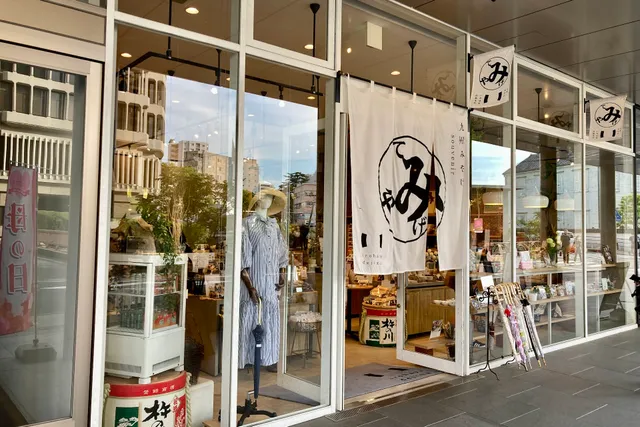
Irohaya
4.8
(140)
Click for details

Bunmeido Souhonten Main Store
4.3
(324)
Click for details