Earthquake Science Museum things to do, attractions, restaurants, events info and trip planning
Basic Info
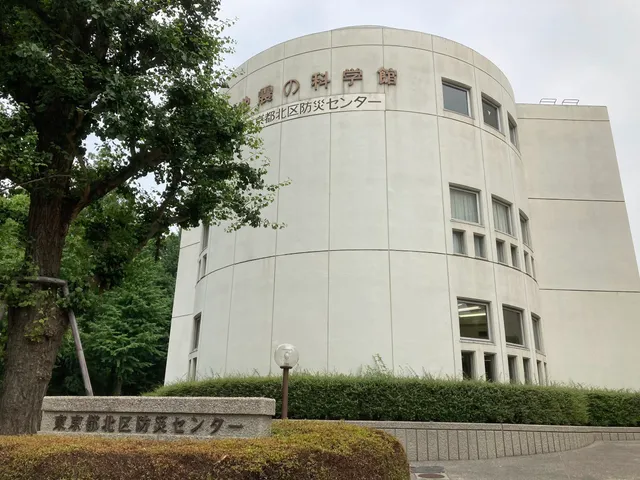
Earthquake Science Museum
2 Chome-1-6 Nishigahara, Kita City, Tokyo 114-0024, Japan
4.0(199)
Closed
Save
spot
spot
Ratings & Description
Info
Cultural
Entertainment
Family friendly
Accessibility
attractions: Takinogawa Park, Hiratsuka Shrine, Otani Museum, Kyu-Furukawa Gardens, Jokan-ji, Terrace No.2 (Rose Garden), Site of Hiratsuka Castle, Nanasha-jinja Shrine, Tea house, Nishigahara Ichiri-zuka milestone, restaurants: cocofulu, Hyakkiro, Sushi Haru, Retrofish Cafe, Orange Peko, Masuya, Family foods, Kalika Indian Cuisine, Kitamura, Ramen Fujimaru, local businesses: Former Furukawa Gardens, Kami-Nakazato Station, National Printing Bureau - Tokyo Plant, 勝ち花.com, Shimofuri Shopping Street, 都生花, 89's flower, Tokyo Somei Onsen SAKURA, Can*Do Komagome Satsuki Street, Mannenzan Shorinji
 Learn more insights from Wanderboat AI.
Phone
+81 3-3940-1811
Website
city.kita.tokyo.jp
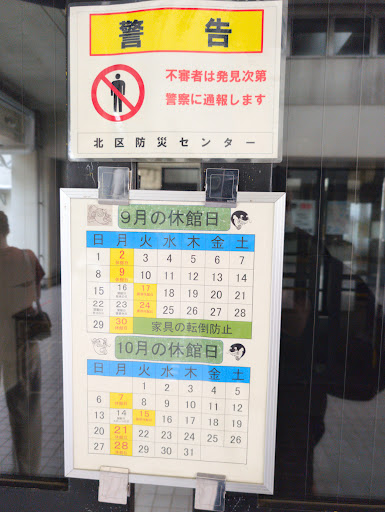
Open hoursSee all hours
Sun9 AM - 5 PMClosed
Plan your stay

Pet-friendly Hotels in Tokyo
Find a cozy hotel nearby and make it a full experience.

Affordable Hotels in Tokyo
Find a cozy hotel nearby and make it a full experience.

The Coolest Hotels You Haven't Heard Of (Yet)
Find a cozy hotel nearby and make it a full experience.

Trending Stays Worth the Hype in Tokyo
Find a cozy hotel nearby and make it a full experience.
Reviews
Live events
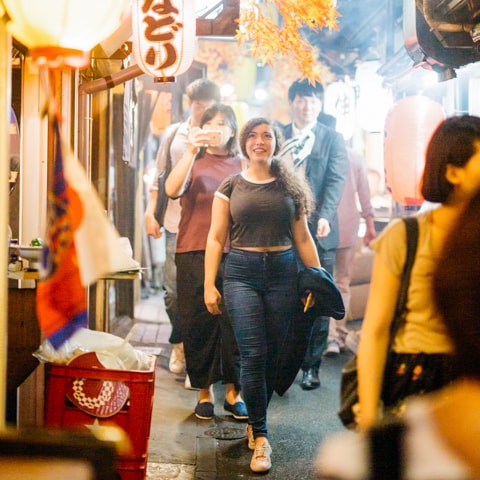
Shinjuku Izakaya Tour with an Expert
Sun, Feb 8 • 11:30 AM
160-0023, Tokyo Prefecture, Shinjuku City, Japan
View details
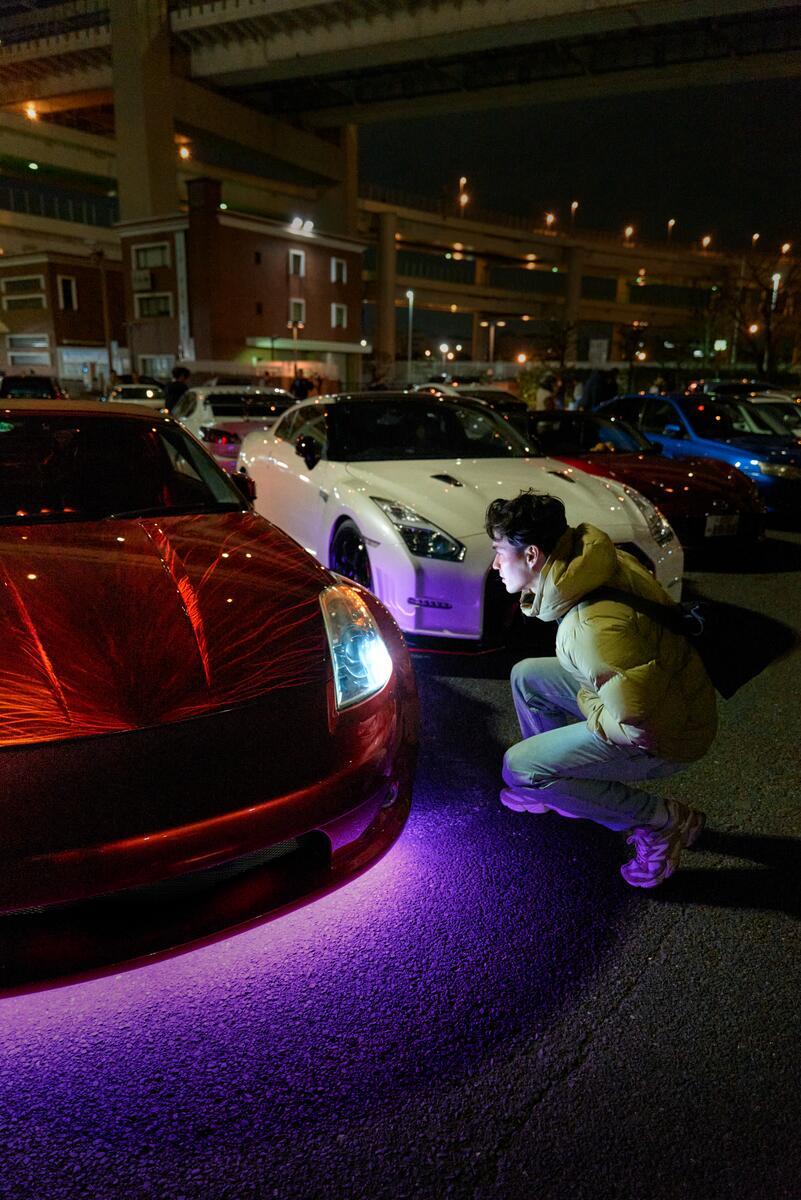
Drive Tokyo’s car culture in a Nissan Skyline
Sun, Feb 8 • 9:30 AM
150-0047, Tokyo Prefecture, Shibuya, Japan
View details

Learn to make traditional Sashiko embroidery
Sun, Feb 8 • 10:30 AM
167-0032, Tokyo Prefecture, Suginami City, Japan
View details
Nearby attractions of Earthquake Science Museum
Takinogawa Park
Hiratsuka Shrine
Otani Museum
Kyu-Furukawa Gardens
Jokan-ji
Terrace No.2 (Rose Garden)
Site of Hiratsuka Castle
Nanasha-jinja Shrine
Tea house
Nishigahara Ichiri-zuka milestone
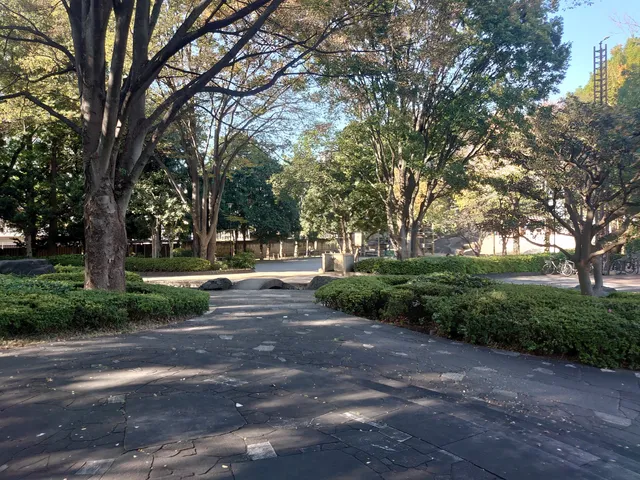
Takinogawa Park
3.9
(170)
Open until 12:00 AM
Click for details
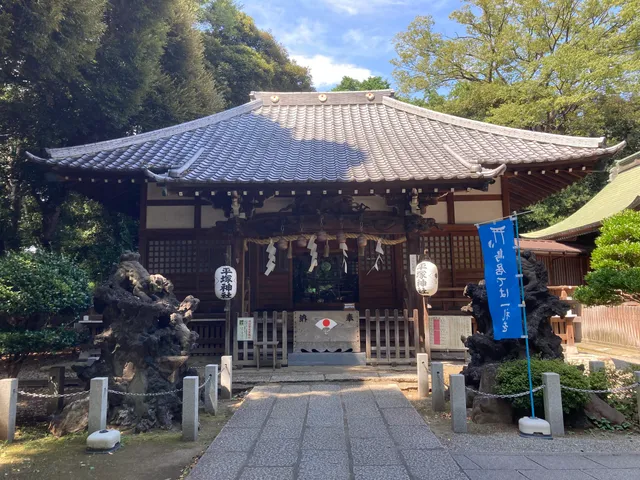
Hiratsuka Shrine
4.0
(294)
Open 24 hours
Click for details
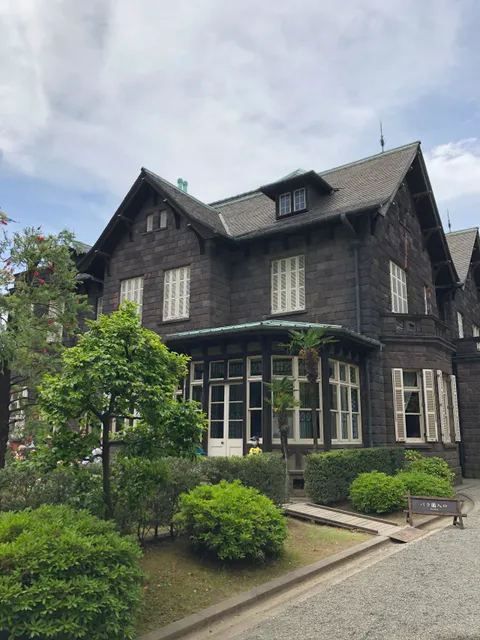
Otani Museum
4.2
(208)
Closed
Click for details
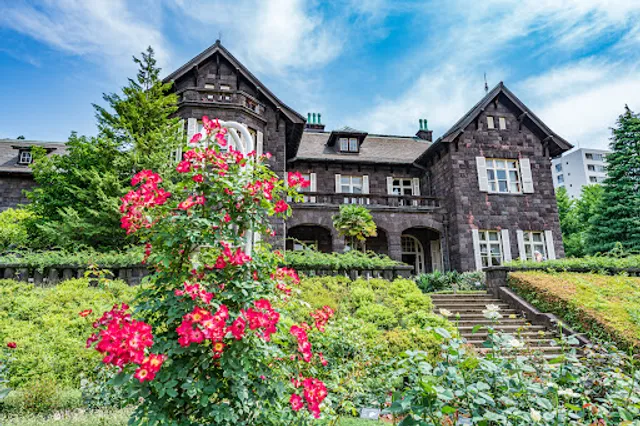
Kyu-Furukawa Gardens
4.2
(224)
Closed
Click for details
Nearby restaurants of Earthquake Science Museum
cocofulu
Hyakkiro
Sushi Haru
Retrofish Cafe
Orange Peko
Masuya
Family foods
Kalika Indian Cuisine
Kitamura
Ramen Fujimaru
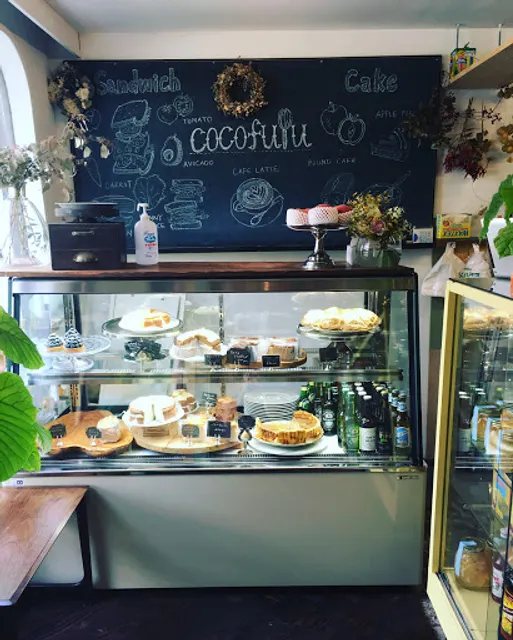
cocofulu
4.4
(183)
Open until 12:00 AM
Click for details

Hyakkiro
4.3
(196)
Open until 12:00 AM
Click for details
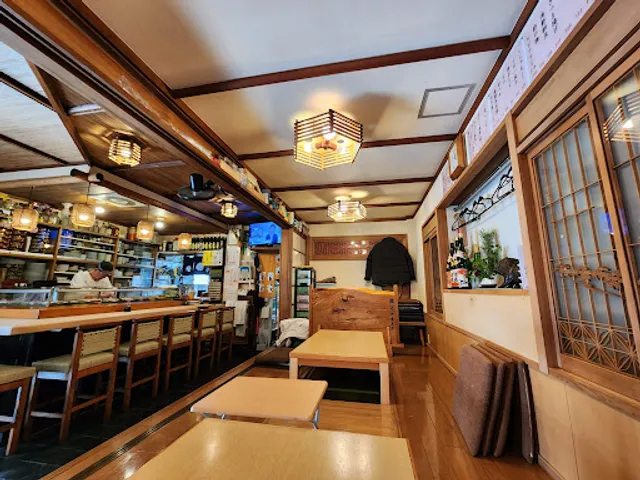
Sushi Haru
3.8
(45)
Closed
Click for details
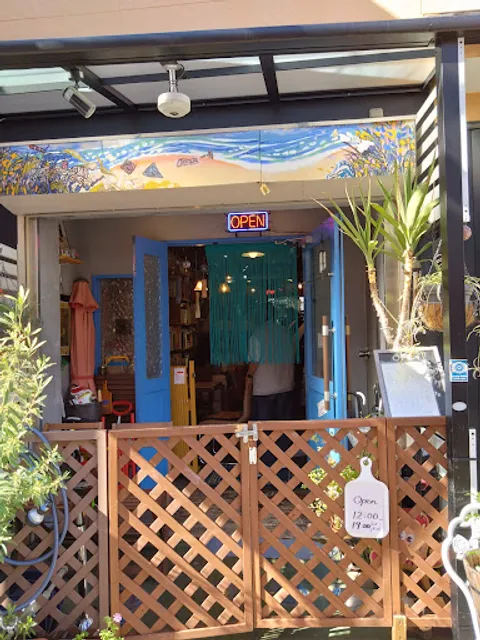
Retrofish Cafe
4.4
(49)
Closed
Click for details
Nearby local services of Earthquake Science Museum
Former Furukawa Gardens
Kami-Nakazato Station
National Printing Bureau - Tokyo Plant
勝ち花.com
Shimofuri Shopping Street
都生花
89's flower
Tokyo Somei Onsen SAKURA
Can*Do Komagome Satsuki Street
Mannenzan Shorinji
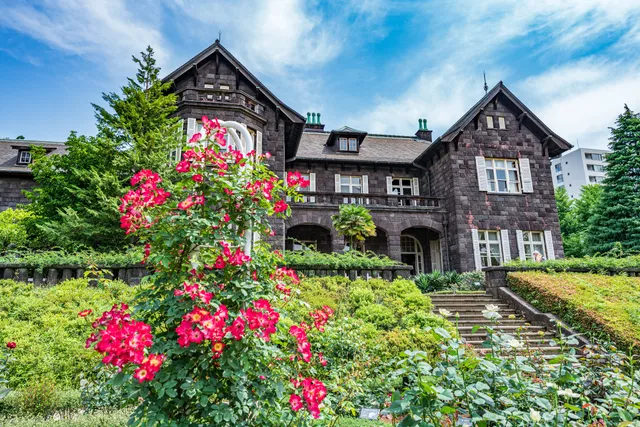
Former Furukawa Gardens
4.2
(2.1K)
Click for details
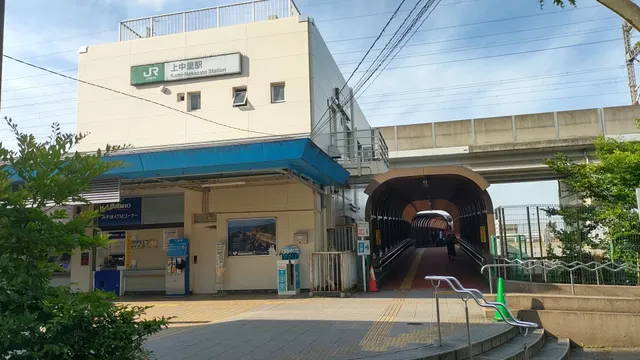
Kami-Nakazato Station
3.5
(92)
Click for details
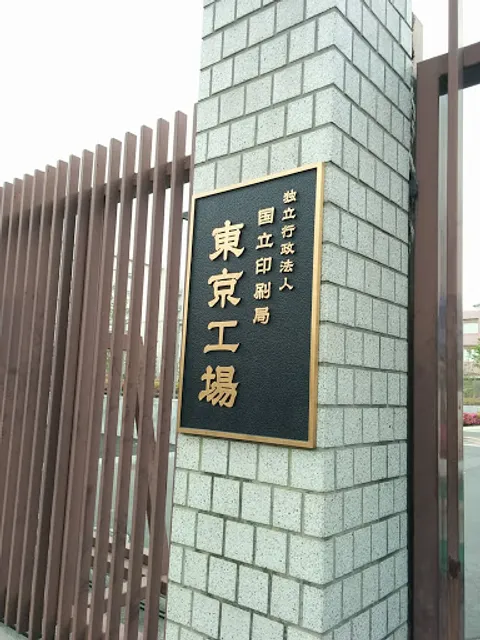
National Printing Bureau - Tokyo Plant
3.8
(38)
Click for details
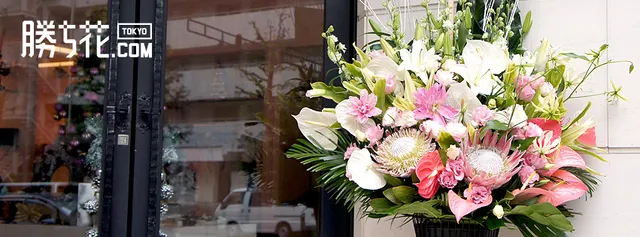
勝ち花.com
5.0
(24)
Click for details