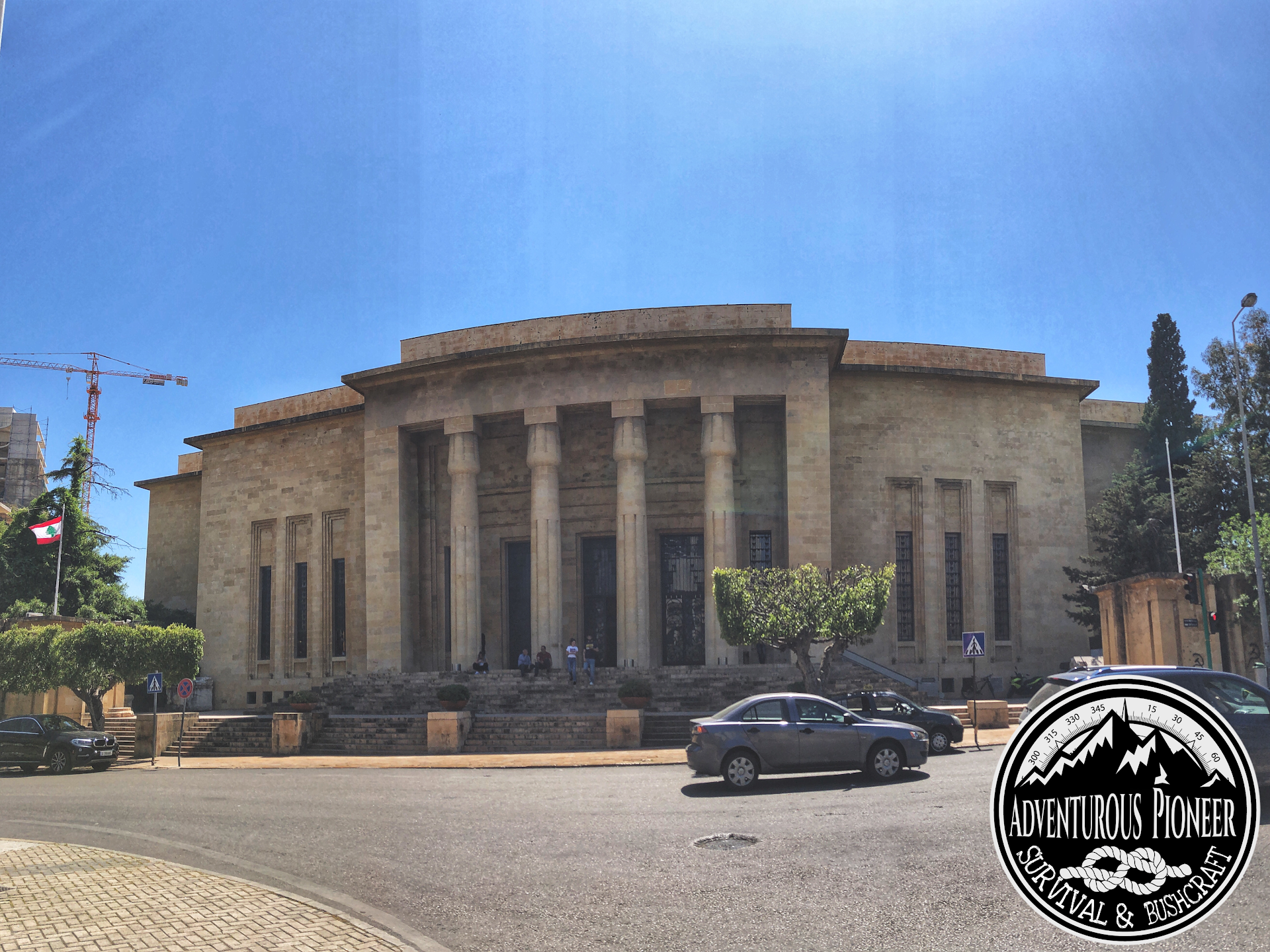
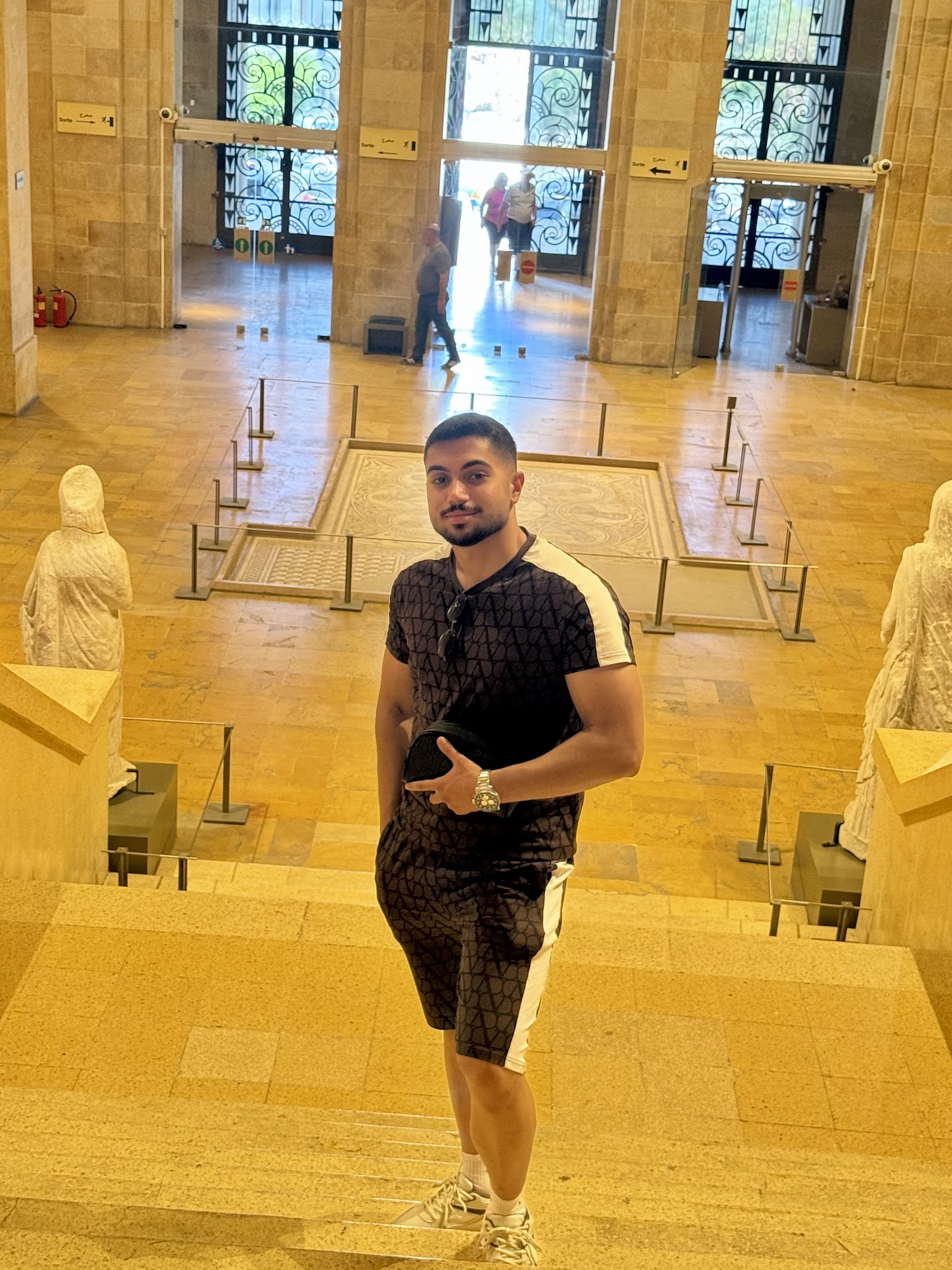
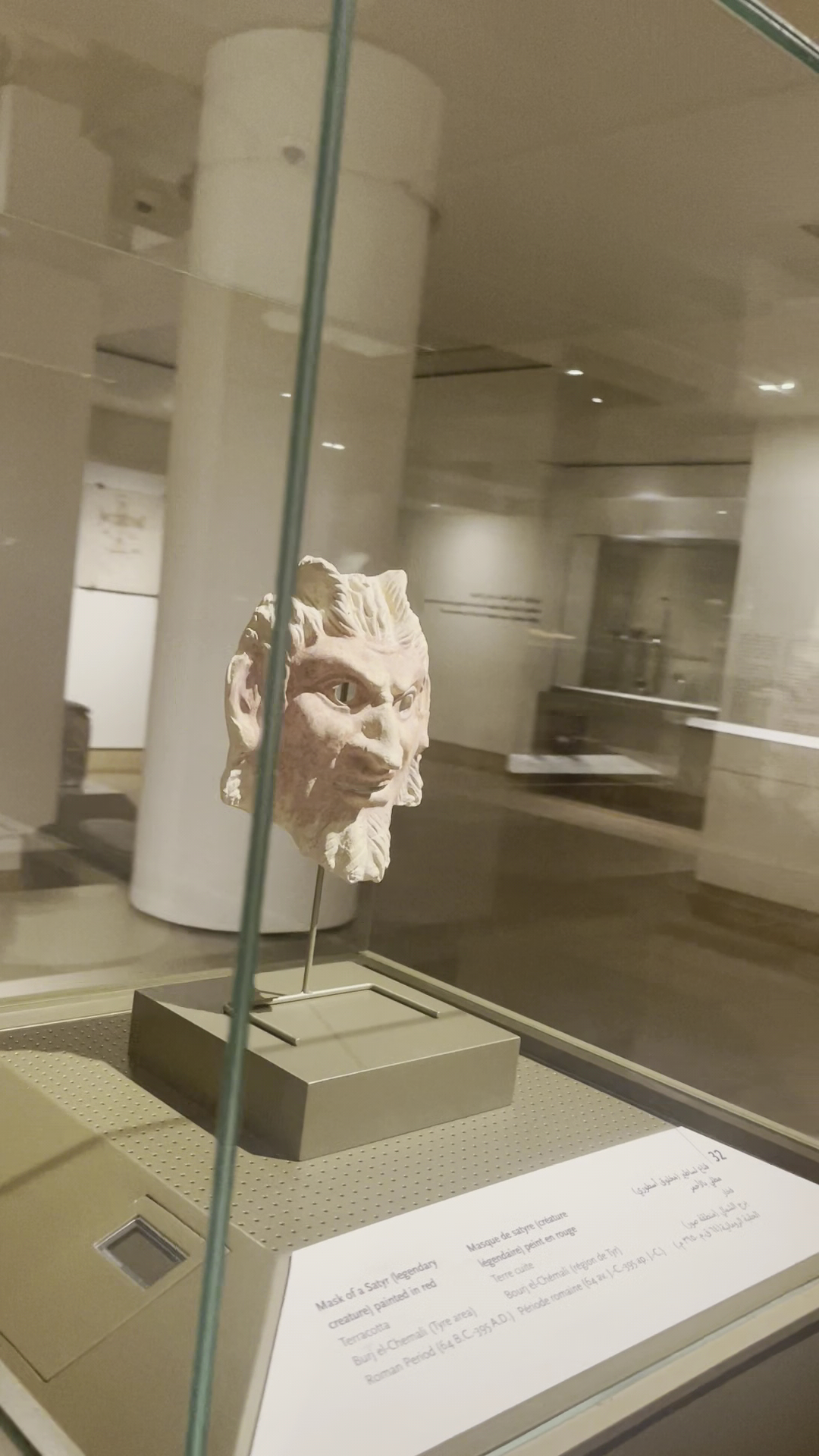
National Museum of Beirut things to do, attractions, restaurants, events info and trip planning
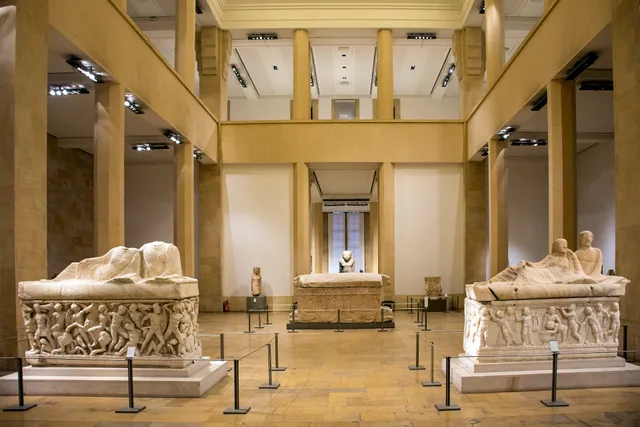
Basic Info
National Museum of Beirut
National museum of Beirut, Mathaf, Lebanon
4.5(1.3K)
Open 24 hours
Save
spot
spot
Ratings & Description
Info
Cultural
Family friendly
Accessibility
attractions: MIM Mineral Museum, Horsh Beirut, Abed Al Rahman Benawf Mosque - Al Sidani, Al Arab Mosque, Abu Bakr Siddeek Mosque #3, Al Amlieh mosque, restaurants: Mum & I, Onno Bistro, Pamai Chop, Café Badaro, Hawa Chicken - Furn el Chebbak, Pause Café, Mr. Brown, Chicken Way, Croissant Hallab, local businesses: Game Bros LB
 Learn more insights from Wanderboat AI.
Phone
+961 1 426 703
Website
museebeyrouth-liban.org
Plan your stay

Pet-friendly Hotels in Mazraa
Find a cozy hotel nearby and make it a full experience.

Affordable Hotels in Mazraa
Find a cozy hotel nearby and make it a full experience.

The Coolest Hotels You Haven't Heard Of (Yet)
Find a cozy hotel nearby and make it a full experience.

Trending Stays Worth the Hype in Mazraa
Find a cozy hotel nearby and make it a full experience.
Reviews
Nearby attractions of National Museum of Beirut
MIM Mineral Museum
Horsh Beirut
Abed Al Rahman Benawf Mosque - Al Sidani
Al Arab Mosque
Abu Bakr Siddeek Mosque #3
Al Amlieh mosque
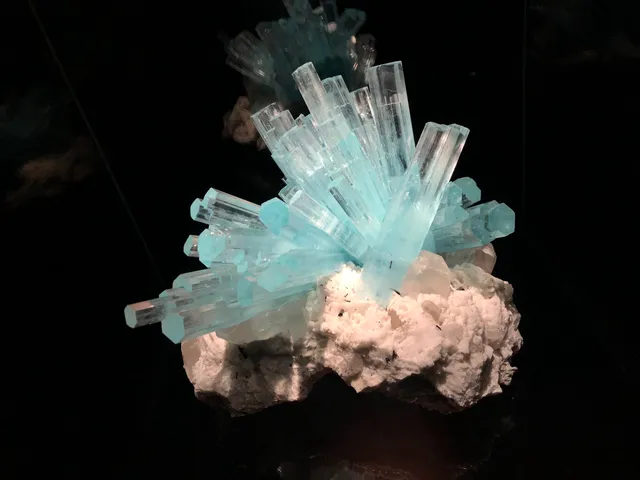
MIM Mineral Museum
4.8
(402)
Open until 12:00 AM
Click for details
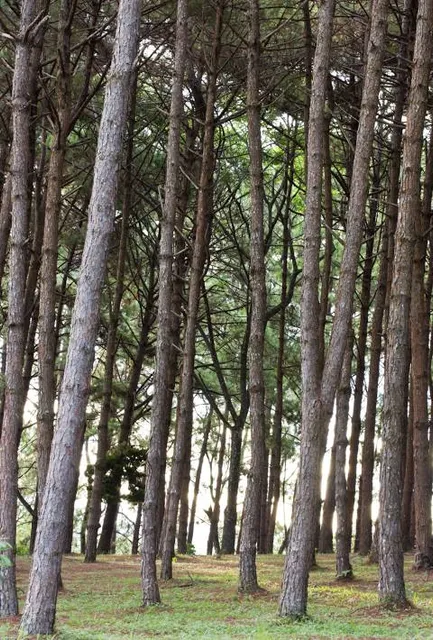
Horsh Beirut
4.1
(1.0K)
Closed
Click for details
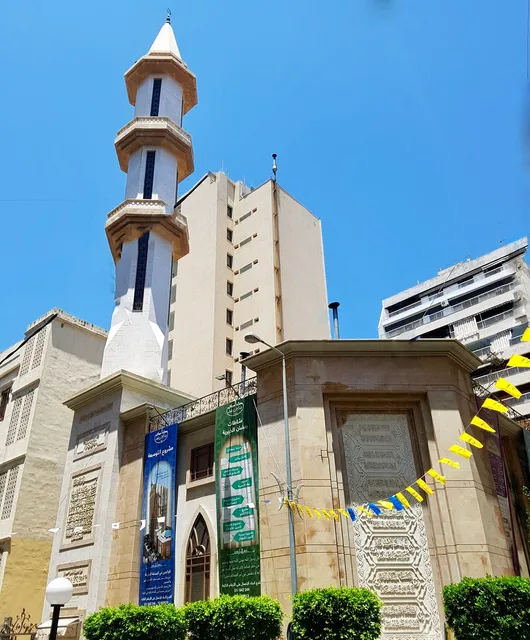
Abed Al Rahman Benawf Mosque - Al Sidani
4.6
(65)
Open until 9:00 PM
Click for details
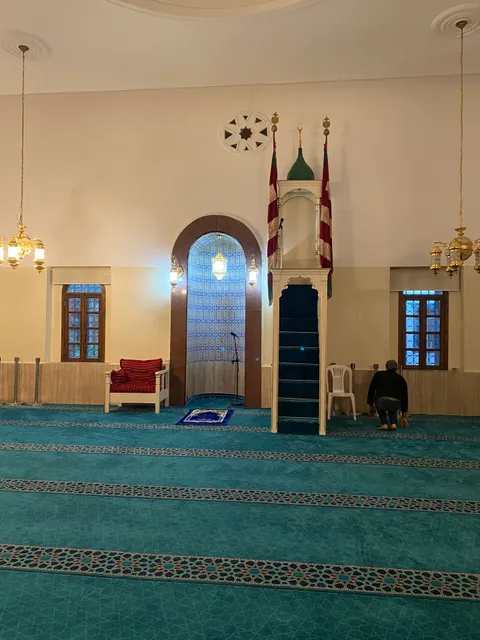
Al Arab Mosque
4.6
(52)
Open 24 hours
Click for details
Nearby restaurants of National Museum of Beirut
Mum & I
Onno Bistro
Pamai Chop
Café Badaro
Hawa Chicken - Furn el Chebbak
Pause Café
Mr. Brown
Chicken Way
Croissant Hallab
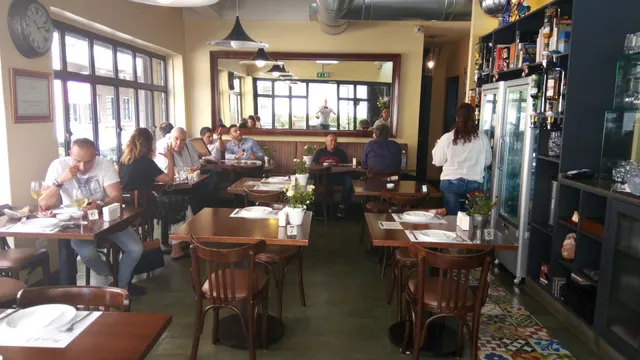
Mum & I
4.2
(92)
Open until 7:00 PM
Click for details
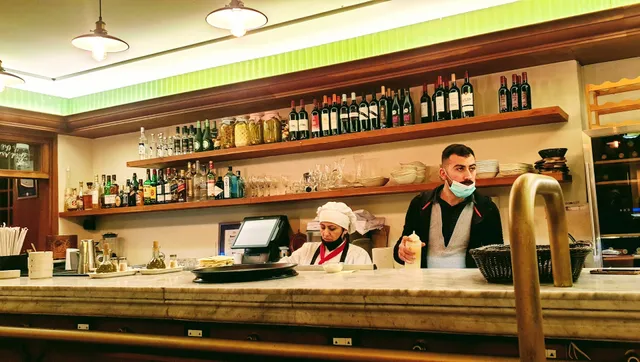
Onno Bistro
4.4
(426)
Open until 11:30 PM
Click for details
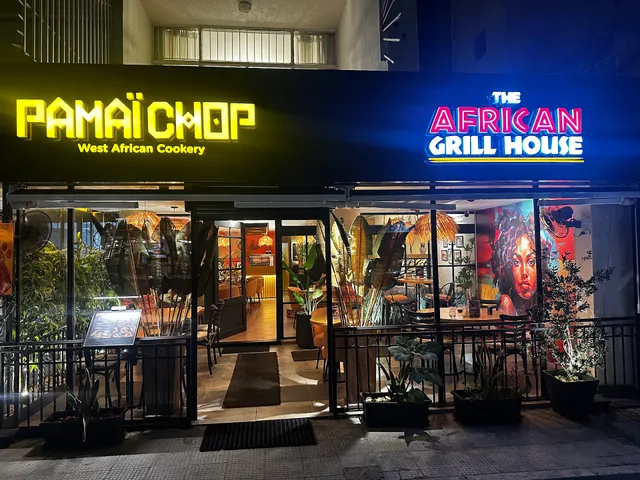
Pamai Chop
4.5
(28)
Open until 11:30 PM
Click for details
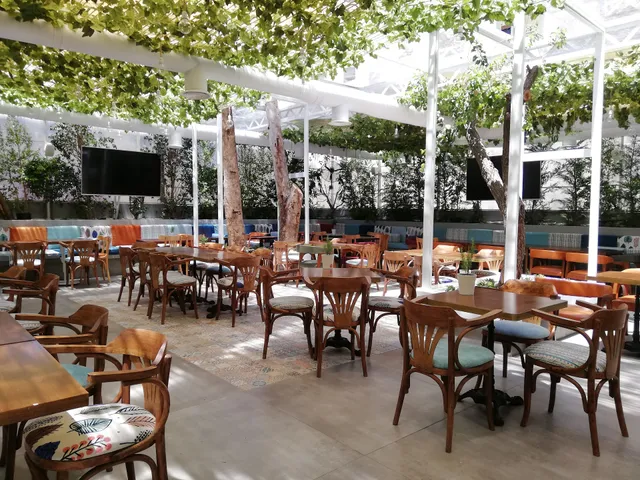
Café Badaro
4.2
(236)
Open until 1:00 AM
Click for details
Nearby local services of National Museum of Beirut
Game Bros LB
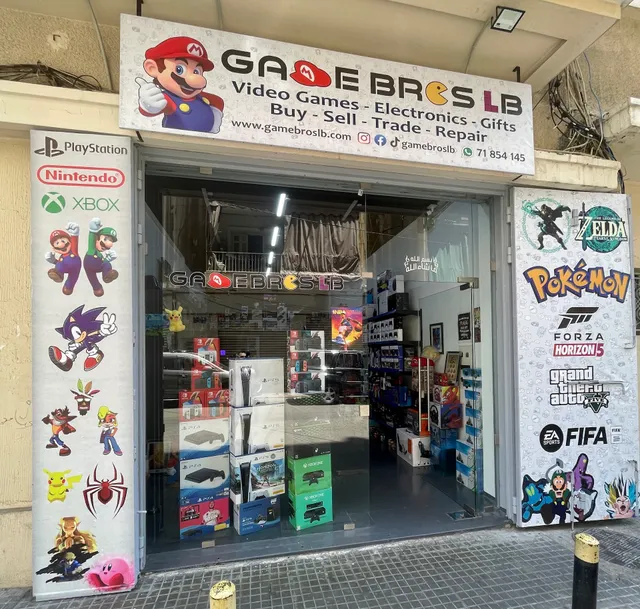
Game Bros LB
4.9
(72)
Click for details