Archaeological Museum of Mazatlán things to do, attractions, restaurants, events info and trip planning
Basic Info
Archaeological Museum of Mazatlán
Sixto Osuna 76, Centro, 82000 Mazatlán, Sin., Mexico
4.3(241)
Open until 5:00 PM

tickets
Save
spot
spot
Ratings & Description
Info
Cultural
Family friendly
Accessibility
attractions: Museo de Arte de Mazatlán, Plazuela Machado, Callejón Liverpool, Monumento a Pedro Infante, Carpa Olivera "Alberca de Mar", Angela Peralta Theater, Shield of Sinaloa, El Venadito, Casas de colores, Casa Haas, restaurants: Looney Bean Coffee Olas Altas, La Fonda de Chalio, Rico´s Café - Olas Altas, Vancouver Olas Altas, Macaws Bar & Bistro, Angelina's Kitchen, El Presidio Cocina de México, Belmar Bar, La Antigua (Centro Histórico), Casa Mayora Mazatlán, local businesses: Catedral Basílica de la Inmaculada Concepción, Mazatlán City Hall, Wings Army Machado, Pino Suarez Mazatlan Market, Instituto Municipal de Cultura, Turísmo y Arte de Mazatlán, Old Mazatlán Condominiums, Bodega Aurrera Express, Playa Azul, Maz Tamales, Malecón, Tortillería Zaragoza
 Learn more insights from Wanderboat AI.
Phone
+52 669 981 1455
Website
mediateca.inah.gob.mx
Open hoursSee all hours
Sun10 AM - 5 PMOpen
Plan your stay

Pet-friendly Hotels in CENTRO
Find a cozy hotel nearby and make it a full experience.

Affordable Hotels in CENTRO
Find a cozy hotel nearby and make it a full experience.

The Coolest Hotels You Haven't Heard Of (Yet)
Find a cozy hotel nearby and make it a full experience.

Trending Stays Worth the Hype in CENTRO
Find a cozy hotel nearby and make it a full experience.
Reviews
Live events
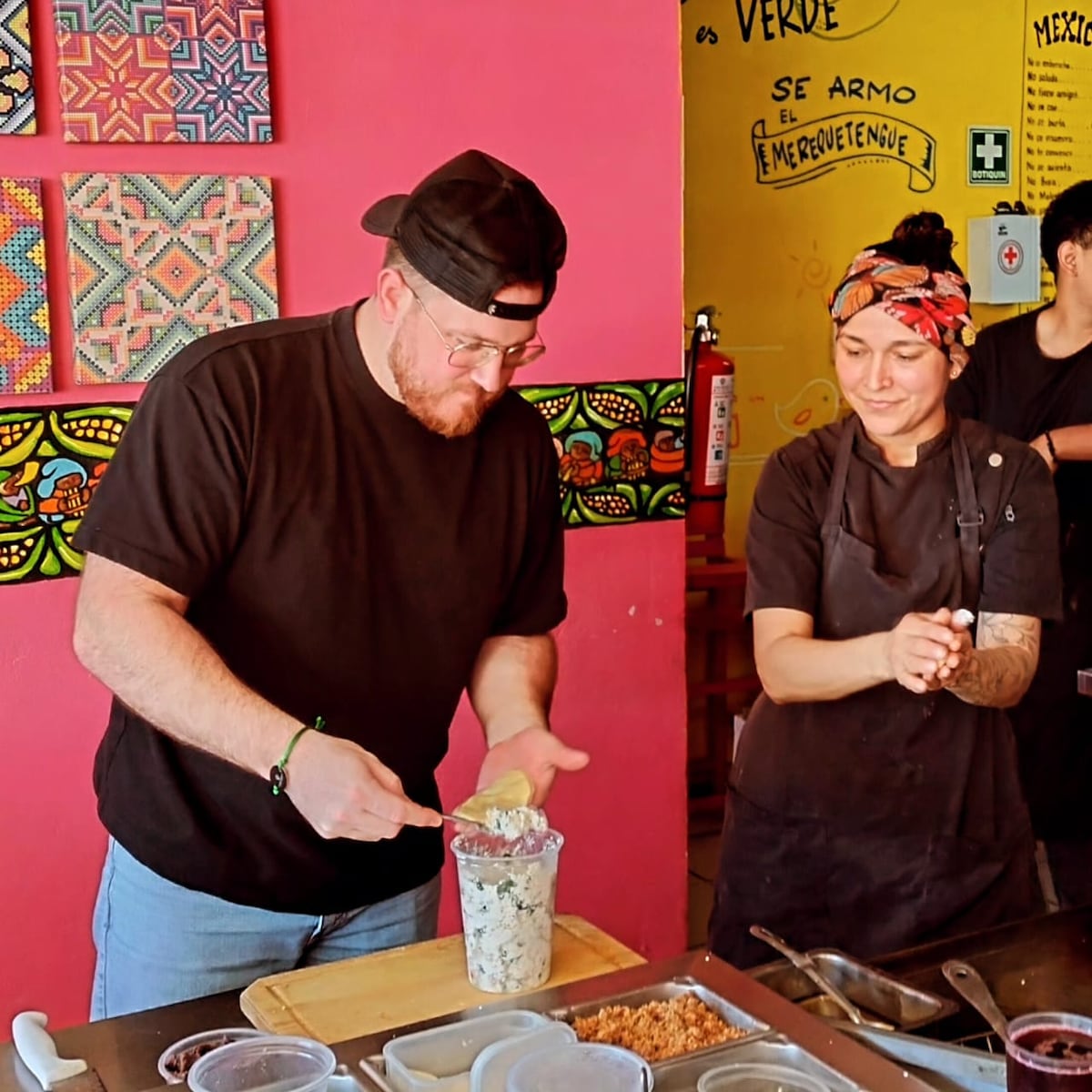
Explore Mazatláns working-class food culture
Wed, Feb 11 • 9:00 AM
82000, Mazatlán, Sinaloa, Mexico
View details
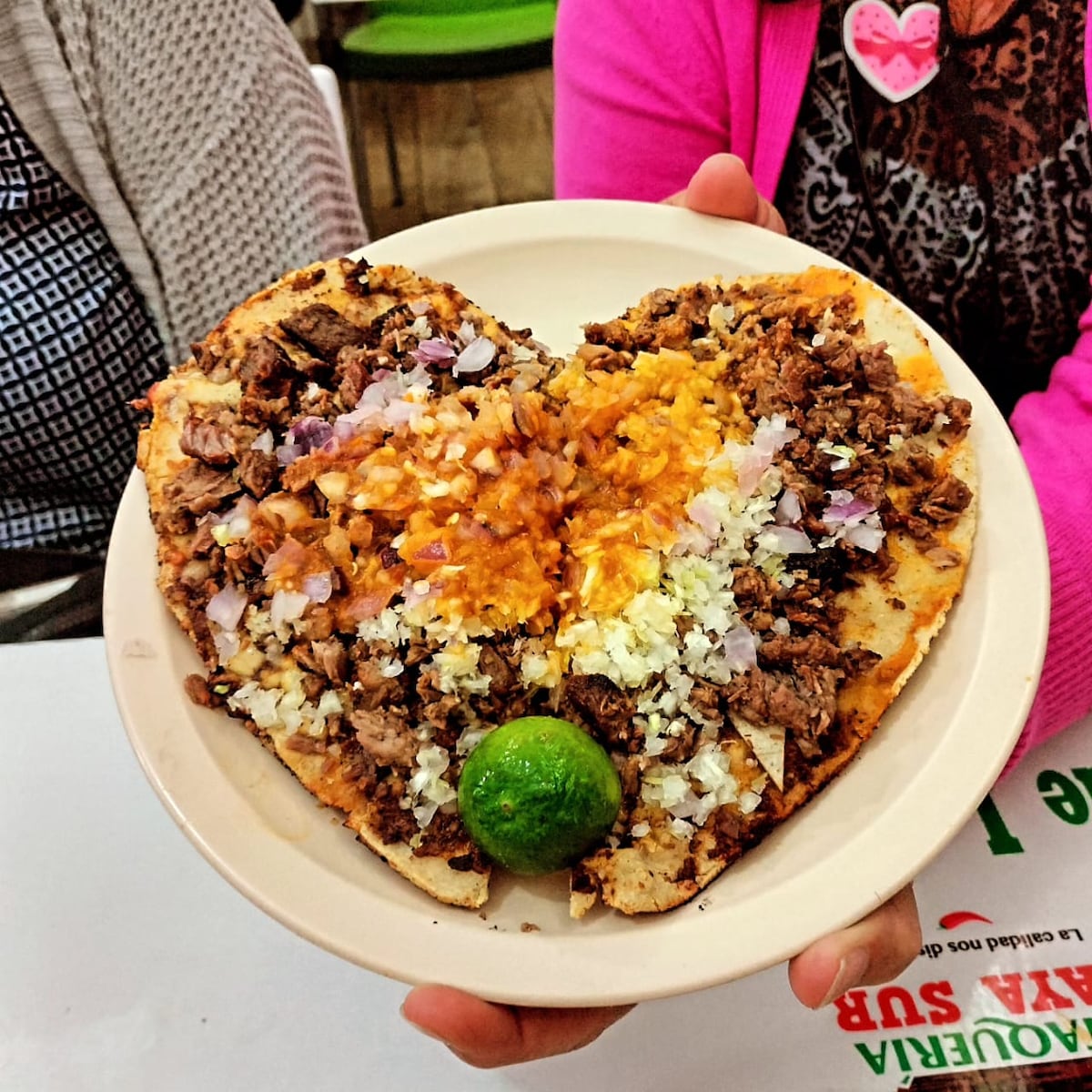
Tour Mazatláns eateries at night with a guide
Sat, Feb 14 • 5:00 PM
82000, Mazatlan, Sinaloa, Mexico
View details
Nearby attractions of Archaeological Museum of Mazatlán
Museo de Arte de Mazatlán
Plazuela Machado
Callejón Liverpool
Monumento a Pedro Infante
Carpa Olivera "Alberca de Mar"
Angela Peralta Theater
Shield of Sinaloa
El Venadito
Casas de colores
Casa Haas
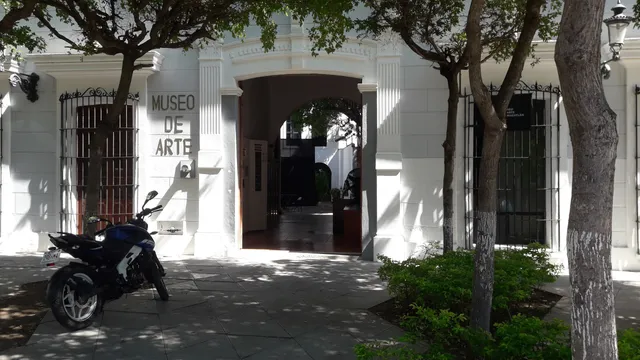
Museo de Arte de Mazatlán
4.5
(171)
Closed
Click for details
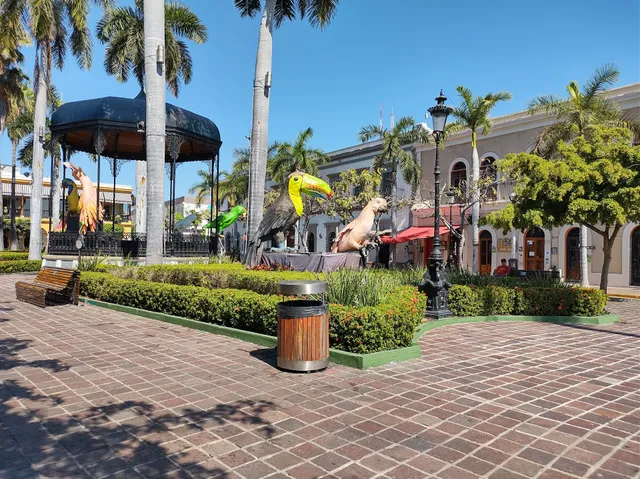
Plazuela Machado
4.8
(7.9K)
Open until 12:00 AM
Click for details
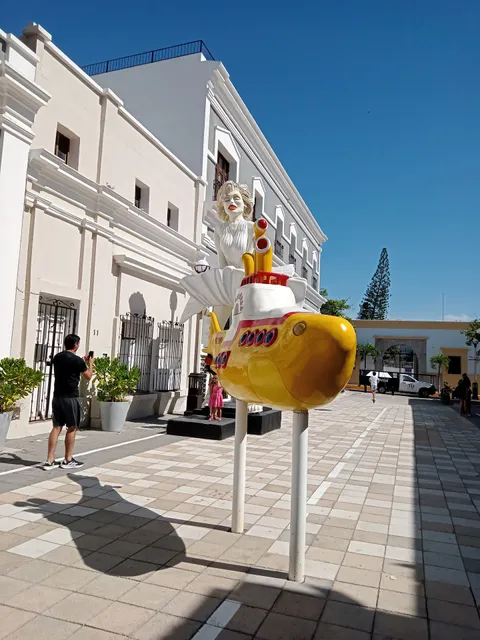
Callejón Liverpool
4.6
(557)
Open until 12:00 AM
Click for details
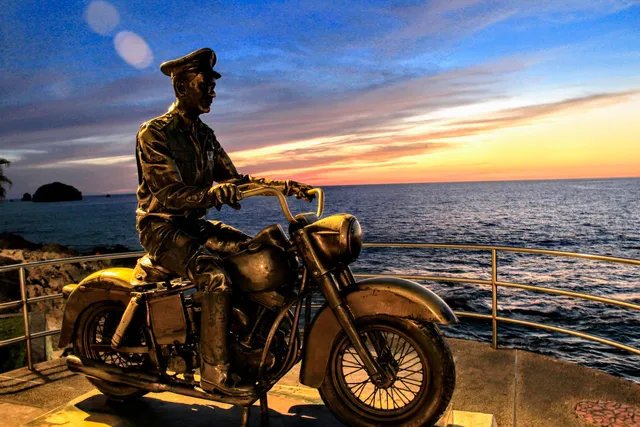
Monumento a Pedro Infante
4.7
(623)
Open until 12:00 AM
Click for details
Nearby restaurants of Archaeological Museum of Mazatlán
Looney Bean Coffee Olas Altas
La Fonda de Chalio
Rico´s Café - Olas Altas
Vancouver Olas Altas
Macaws Bar & Bistro
Angelina's Kitchen
El Presidio Cocina de México
Belmar Bar
La Antigua (Centro Histórico)
Casa Mayora Mazatlán
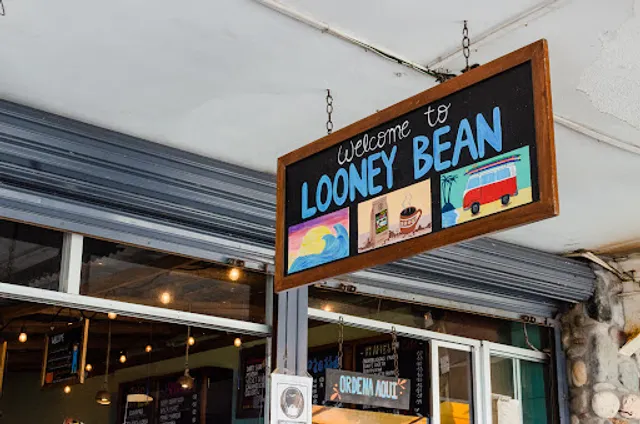
Looney Bean Coffee Olas Altas
4.7
(814)
Open until 10:00 PM
Click for details
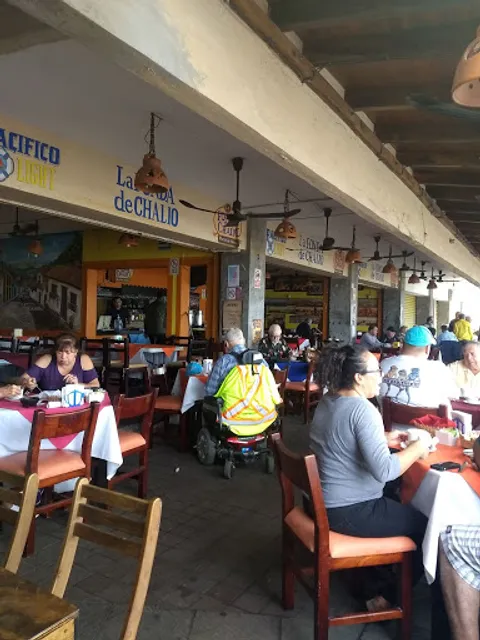
La Fonda de Chalio
4.0
(571)
Click for details

Rico´s Café - Olas Altas
4.5
(669)
Open until 11:00 PM
Click for details
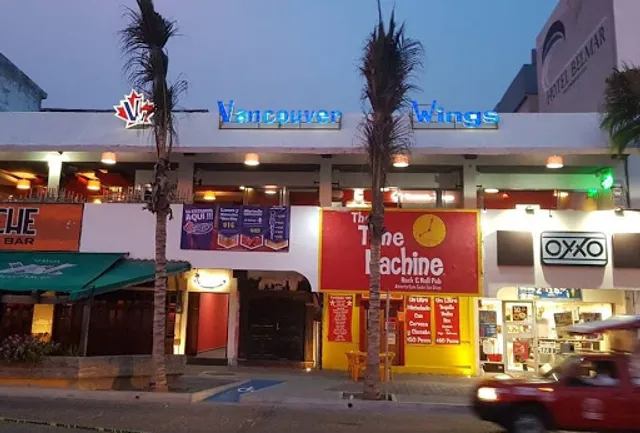
Vancouver Olas Altas
4.1
(269)
$$
Open until 2:00 AM
Click for details
Nearby local services of Archaeological Museum of Mazatlán
Catedral Basílica de la Inmaculada Concepción
Mazatlán City Hall
Wings Army Machado
Pino Suarez Mazatlan Market
Instituto Municipal de Cultura, Turísmo y Arte de Mazatlán
Old Mazatlán Condominiums
Bodega Aurrera Express, Playa Azul
Maz Tamales
Malecón
Tortillería Zaragoza
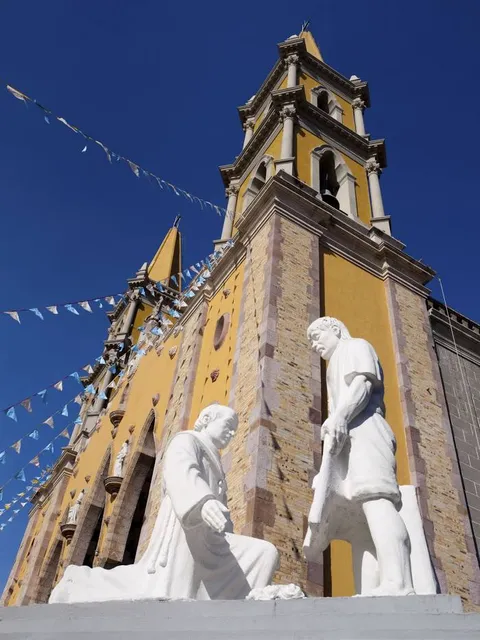
Catedral Basílica de la Inmaculada Concepción
4.7
(4.8K)
Click for details
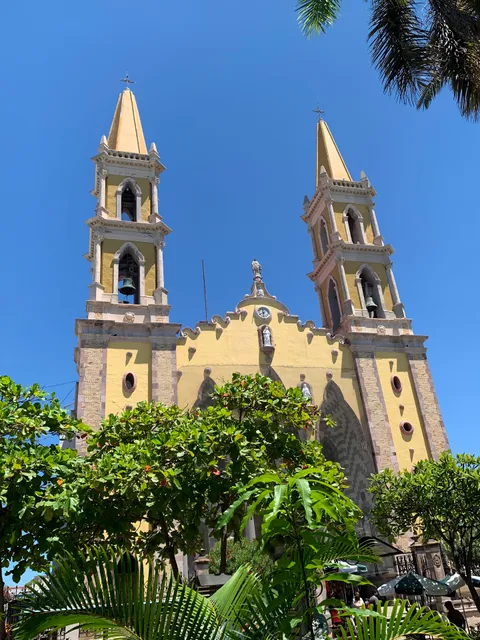
Mazatlán City Hall
4.2
(248)
Click for details

Wings Army Machado
4.2
(11)
Click for details
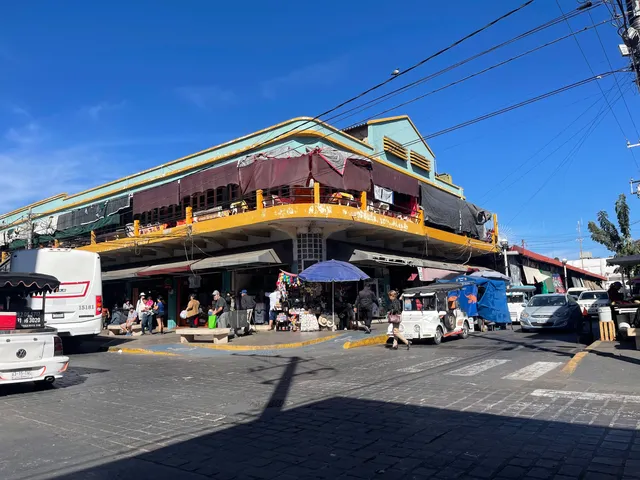
Pino Suarez Mazatlan Market
4.4
(6.6K)
Click for details