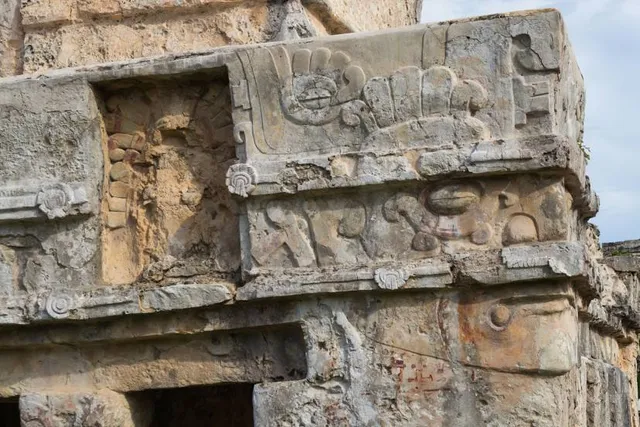
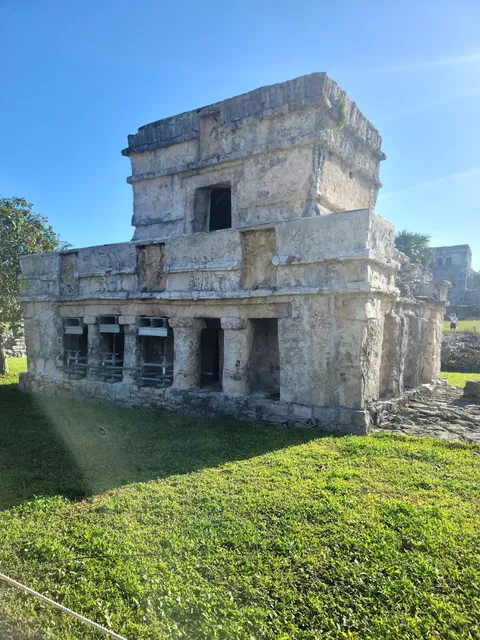
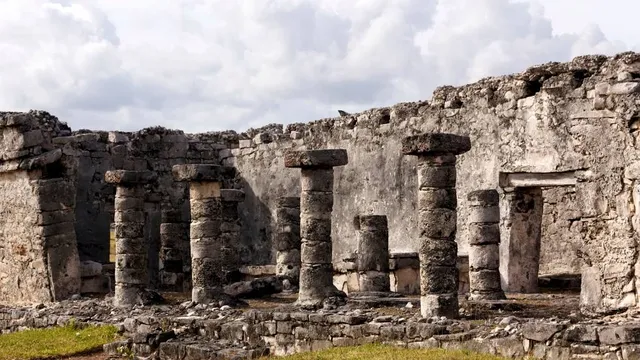
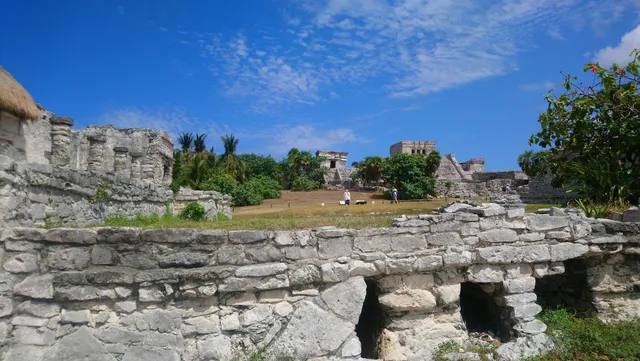
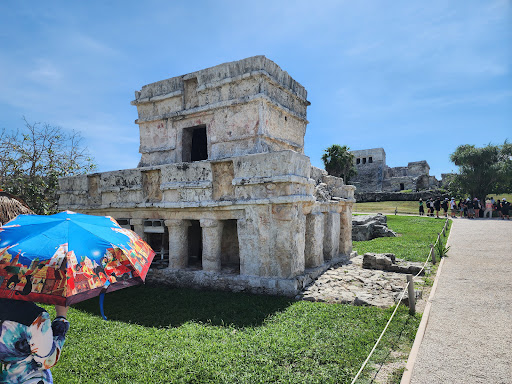
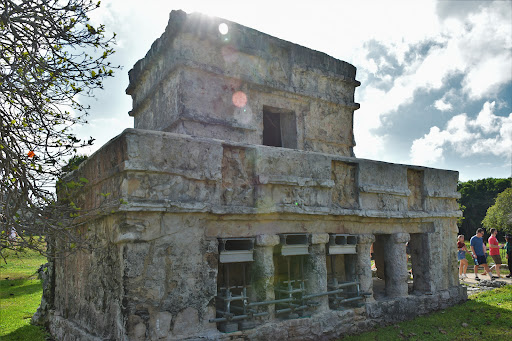
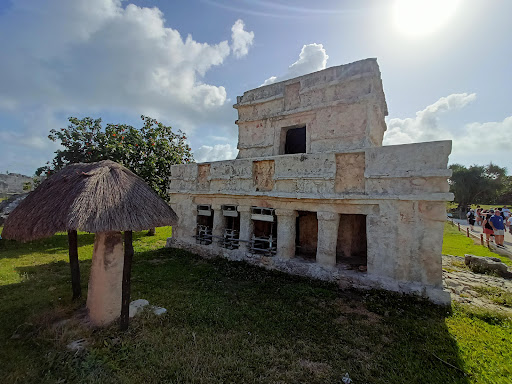
Templo de Los Frescos: Tulum’s Ancient Canvas of Maya Spirituality and Legend Nestled within the ancient walled city of Tulum, Mexico, the Templo de Los Frescos stands as a captivating testament to the artistic and spiritual achievements of the Maya civilization. This temple, whose name translates to the "Temple of the Frescoes," is renowned for its intricate and well-preserved murals that offer a vivid glimpse into the beliefs, rituals, and daily life of the ancient Maya. Beyond its historical significance, the Templo de Los Frescos is also steeped in legend, adding layers of mystery and intrigue to its legacy.
The Templo de Los Frescos was constructed during the late Postclassic period of Maya history, around the 13th to 15th centuries AD, making it one of the later additions to the city of Tulum. This temple served both as a religious site and an astronomical observatory, reflecting the Maya’s deep connection to the cosmos and their belief in the divine influence of celestial events on earthly affairs.
The temple’s architecture is distinct, with a two-story structure that includes a small sanctuary on the upper level. The most striking feature of the Templo de Los Frescos is, of course, its murals. These frescoes, painted with natural pigments derived from the region’s minerals and plants, depict a rich tapestry of Maya deities, supernatural beings, and cosmic symbols. The frescoes are a masterful blend of art and storytelling, conveying the Maya’s complex cosmology and the importance of maintaining harmony between the human, natural, and divine realms.
Among the depicted deities is Chaac, the rain god, often shown with his distinctive hooked nose and serpent-like features, emphasizing the importance of rain and water to the agricultural Maya. Other figures include the descending god, a mysterious figure that appears frequently in Tulum’s iconography, thought to represent a deity associated with Venus or the setting sun. The frescoes also illustrate scenes of ritual, sacrifice, and the afterlife, providing a rare and invaluable insight into the spiritual life of the Maya.
The Templo de Los Frescos is not only a window into the spiritual world of the Maya but also a site around which many legends have grown. One of the most enduring tales speaks of a powerful shaman who was the keeper of the temple’s sacred knowledge. This shaman was said to have the ability to commune with the gods through the images on the temple’s walls, interpreting their messages and ensuring that the people of Tulum lived in accordance with divine will.
According to legend, the shaman could animate the frescoes during sacred ceremonies, bringing the painted deities to life in a dazzling display of light and color. The gods, embodied in these living murals, would then impart their wisdom and blessings upon the city. It is said that during these ceremonies, the air would hum with energy, and those who were present could feel the presence of the divine all around them.
Another legend tells of a hidden chamber within the Templo de Los Frescos that houses a sacred artifact known as the Eye of the Gods. This artifact, believed to be a crystal or gemstone of extraordinary power, was said to grant the shaman the ability to see into the future and to communicate with the spiritual world. The legend suggests that the Eye of the Gods was used to protect Tulum from invaders and natural disasters, guiding the leaders of the city in times of crisis. To this day, the exact location of this chamber remains a mystery, sparking the imaginations of both archaeologists and treasure seekers.
Today, the Templo de Los Frescos continues to draw visitors who are captivated by its beauty and historical significance. The frescoes, though weathered by time, still retain much of their original vibrancy, allowing modern viewers to connect with the ancient artists who created them.
Standing before these ancient murals, one can almost hear the whispers of the past—the shaman’s incantations, the prayers of the people, and the timeless stories of...
Read more(Note: I write these reviews in part for my own nationwide business clients, for travel and activity inspiration. Follow me for more! I’m a financial planner - CFP®️practitioner - with a focus on retirement wealth strategies, primarily serving businesswomen and LGBTQ individuals. #VirtualPlanningCraftedWithCare®️)
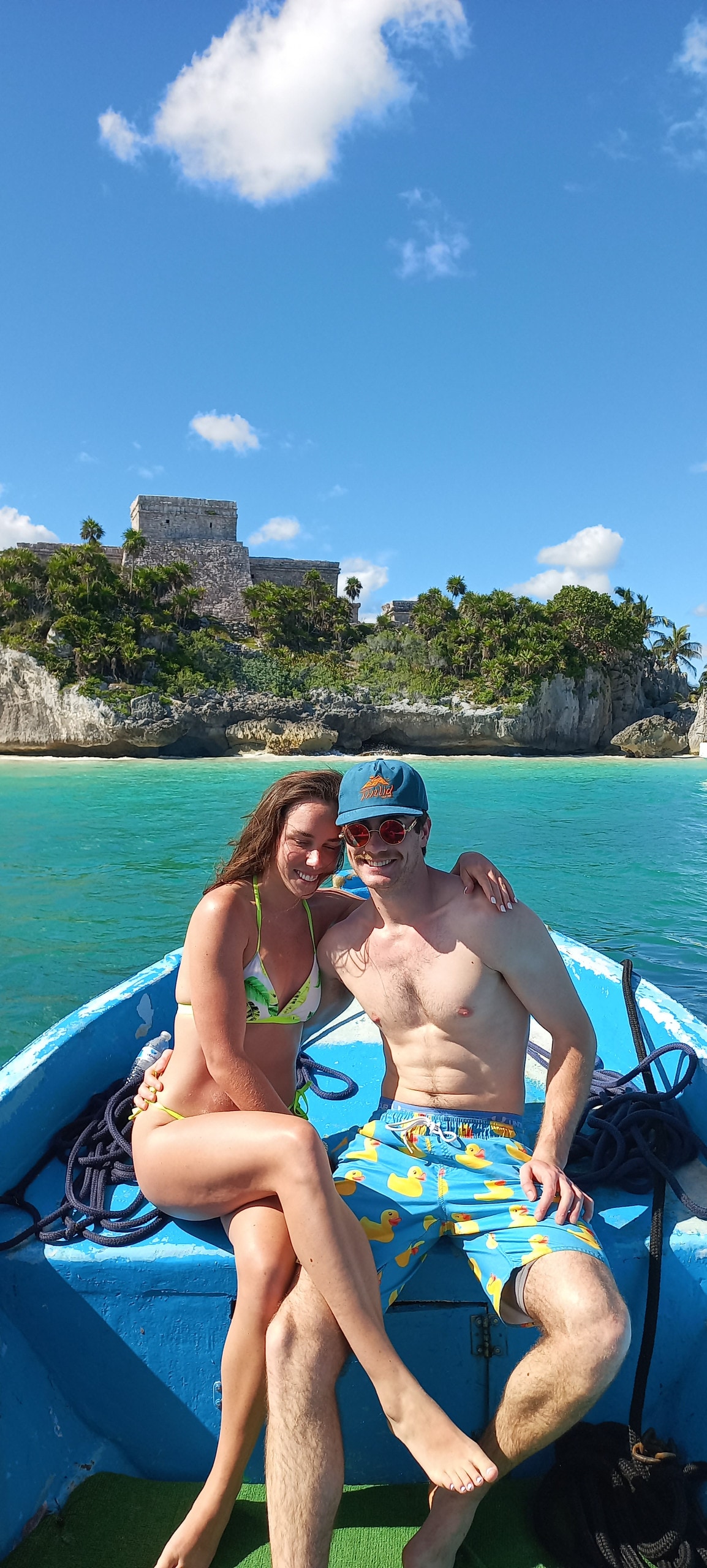
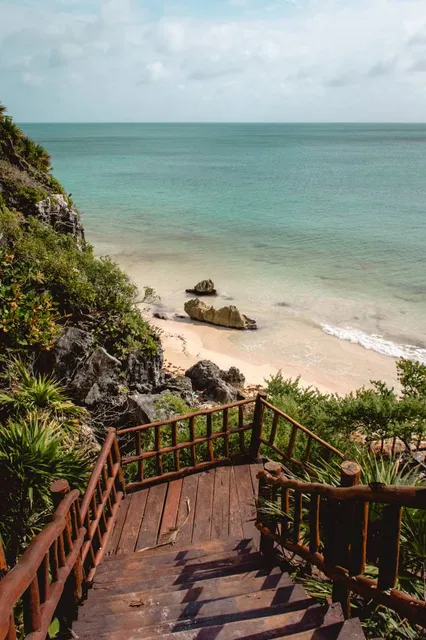
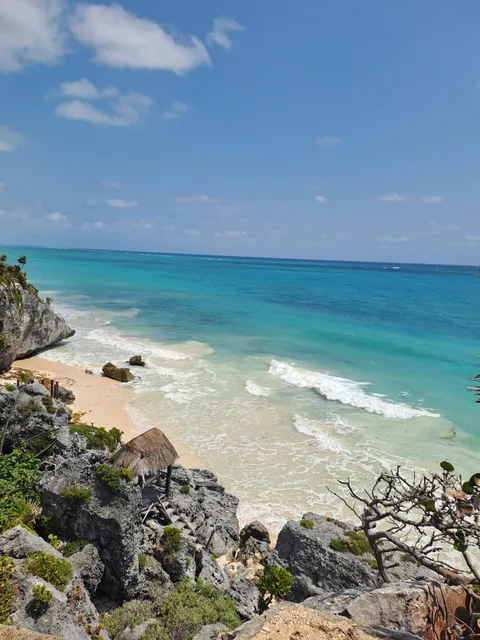
This may have been my favorite tourist attraction of all. I greatly enjoy anthropology, so this site did not disappoint. It's located right on the coast, on a high cliff. You experience a cool breeze from the water even though the temps can get scorching. The site is well organized and well maintained. They have lots of informational plaques that you can read.
We opted to get a tour guide, which for us was terrific in helping us navigate the space but also because our guide shared a lot of knowledge with us as he pointed out the most historically significant sites within the whole ruins complex.
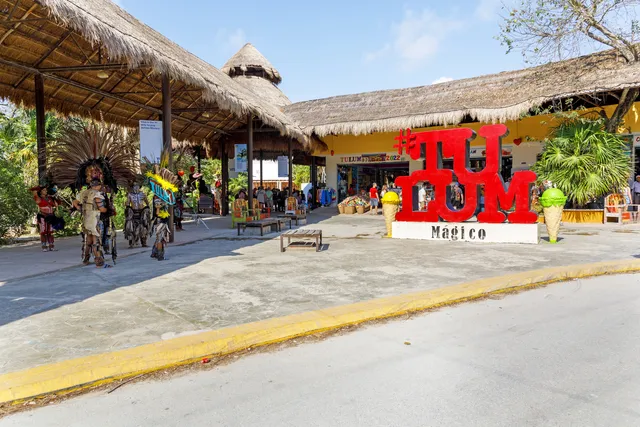
TIP #1: Getting In. We opted to rent a car and drive from our resort about 30 mins away. Highways were safe and well marked and our GPS from our phones worked really well. Finding the place was easy. However, when you first approach the ruins, you will be bombarded by unofficial "tour guides" who will be a middle man in getting you the tickets you need. They will offer to organize it all for you and navigate you to the entrance. Given this was our very first experience with this, we "fell for it". We did it so you don't have to. All these guys do is offer to translate from English to Spanish, which is unnecessary since everyone speaks English. Then they will find a guide for you, tell you were to park and buy your ticket. For that, you end up paying a significant up charge for this “service”. I recommend that you drive right by them until you get to the parking area. There you can pay for parking, find an OFFICIAL tour guide with a federal Mexican ID guide badge, and purchase your tickets.
If you take a tour bus, this won’t be an issue, but then you are stuck on someone else’s time schedule and you can’t move around the property as freely.
TIP#2: What to bring. You’ll be away from the major towns. While things will be available for purchase, it will be pricy as this is how locals make their money. I’m perfectly fine with that on occasion, but too much of this and you’ll overspend very easily. So, bring your water bottle! The ruins will not allow plastic to enter the site, so you’ll have to leave it behind or buy yourself a reusable bottle at one of the shops.
Next, it’s very hot any sunny. Consider bringing or buying sunblock because there is limited shade. Alternatively, the guides all carried umbrellas for shade. If you’re carrying a backpack, that’s an even better idea. They will check your bags, but you can bring them in. Note: you can not bring in lighters or tobacco or any kind of drugs (including marijuana).
Finally, they do have several rest rooms, but they do not always have toilet paper available. Bring some with you. They often are missing toilet seats, so if you need to be able to sit for mobility reasons, be prepared to bring some sort of seat cover or Clorox wipes, etc., to clean the toilet bowl. Though, we did find that the staff kept rest rooms very clean in most places. I found them cleaner than I find most public rest rooms in the US.
Overall, we found Tulum to be good exercise. Might not be appropriate if you have a wheelchair or other mobility needs. It was also very educational. The crowds got big, so go early and try for a weekday. Appeared to be LGBTQ-friendly and family-friendly if you are travelling with kids. The cost was also quite reasonable because of current exchange rates. Nothing in Mexico was what I’d consider expensive for the perspective of a...
Read moreterrible treatment of people and animals. There are many people (beggars) in front of the entrance who aggressively insist on taking pictures with animals and insult you if you refuse. The animals look terrible, in the heat without food and water. The entrance fee is more than 500 pesos, because they force you to buy an entrance to the Jaguar Park, where there is nothing to see, without a bracelet the Jaguar Park is not allowed, and the archaeological excavation zone is a different place, it has a separate entrance and a separate fee. You can't bring water. And inside you can only buy water. They say this is to protect nature. But knowing how they treat animals at the entrance - there is clearly no protection of nature there. There is also a lot of garbage inside the park, for example near the...
Read more