HTML SitemapExplore
logo
Find Things to DoFind The Best Restaurants

Tulum — Attraction in Quintana Roo

Name
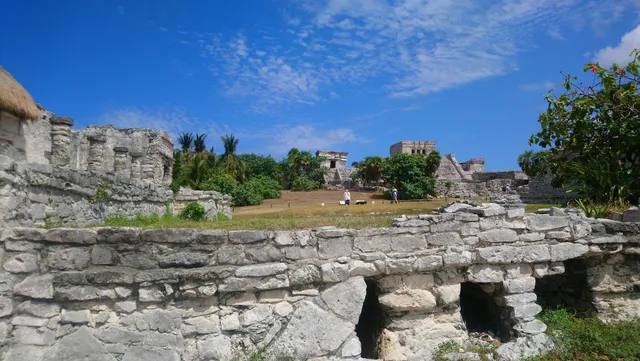
Tulum
Description
Nearby attractions
El Castillo
Zona Hotelera Tulum, 77765 Tulum, Quintana Roo, Mexico
Playa Ruinas
Zona Hotelera Tulum, 77765 Tulum, Quintana Roo, Mexico
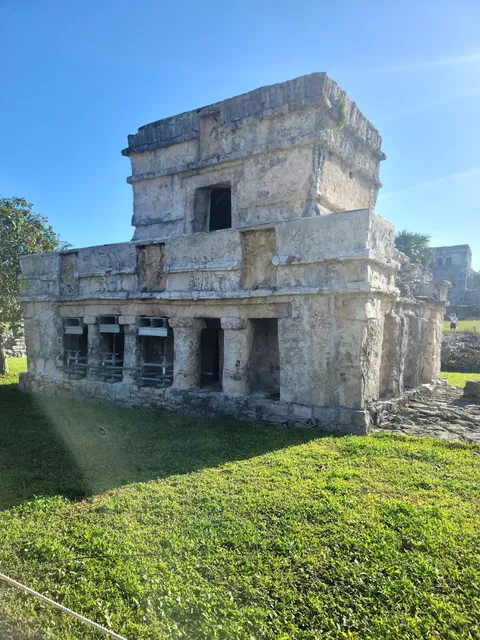
Temple of the Frescoes
Unnamed Road, Q.R., Mexico
Templo Maya (Tulum Playa)
5HR6+P2, Zona Hotelera Tulum, 77765 Tulum, Q.R., Mexico
Templo del la Serie Inicial
Zona Hotelera Tulum, 77765 Tulum, Quintana Roo, Mexico
Cenote Manati
Cancun - Chetumal Km 230, Zona Hotelera Tulum, 307, 77780 Tulum, Q.R., Mexico
Templo del Dios del Viento
Zona Hotelera Tulum, Quintana Roo, Mexico
Casa del Chultún
Unnamed Road, Zona Hotelera Tulum, Q.R., Mexico
Great Plateform
Zona Hotelera Tulum, 77765 Tulum, Quintana Roo, Mexico
Temple 54
Carretera Federal, Cancun - Chetumal Km 230, Zona Hotelera Tulum, 307, 77780 Tulum, Q.R., Mexico
Nearby restaurants
Don Cafeto Tulum Ruinas
77764 Crucero de las Ruinas de Tulum, Quintana Roo, Mexico
Santa Fe Tulum Beach Club
Zona Hotelera Tulum, Tulum, Quintana Roo, Mexico
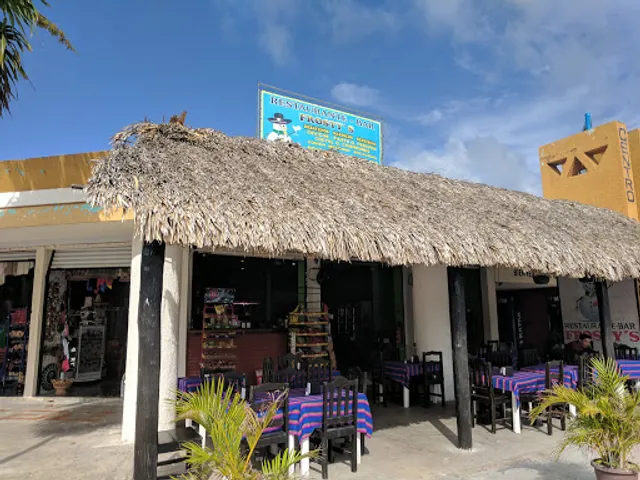
Restaurante-bar Frosty's
Carr. Tulum - Cancún 121, 77764 Crucero de las Ruinas de Tulum, Q.R., Mexico
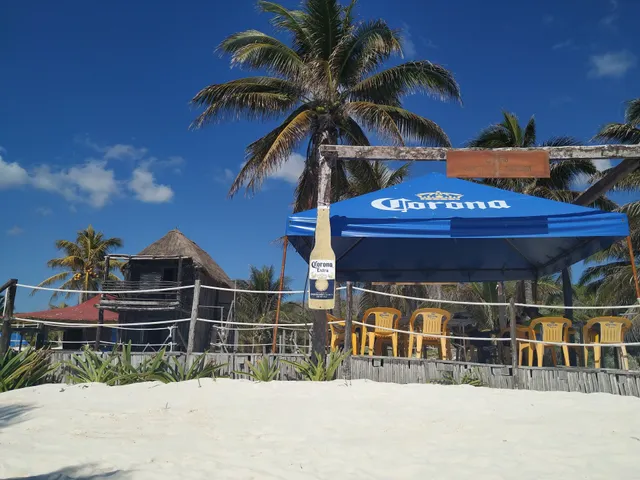
Beach Club Bar
Unnamed Road, Zona Hotelera Tulum, Q.R., Mexico
Alito Beach Club Tulum
Punta Allen, Carr. Cancún - Tulum Km 0.47, Zona Hotelera Tulum, 77760 Tulum, Q.R., Mexico
La Diosa Tulum
Av. Boca Paila Km.0.5, Zona Hotelera Tulum, 77780 Tulum, Q.R., Mexico
zazilkinbeachclubtulum
Km 0.47, Carr. Tulum - Cancún, 77780 Tulum, Q.R., Mexico
Subway
Centro Artesanal Tulum, Local 34 Tulum Ruins, 77780 Tulum, Q.R., Mexico
Nearby hotels
Andreas Tulum
Ruinas de Tulum, Manzana Av, 24, 77780 Tulum, Q.R., Mexico
Zazil Kin
Km 0.47, Carr. Tulum - Cancún, Zona Hotelera, 77780, Mexico
Jungle House Tulum Hotel & Hostal
Crucero Ruinas, Tulum km. 237, 77760 Tulum, Q.R., Mexico
Hotel Acuario Tulum
Crucero Zona Arqueológica Km 131, 77780 Tulum, Q.R., Mexico
The Free Hostel
Carretera Cancún Calle 19 Colonia Tumben Kaa Km 121, 77760 Tulum, Q.R., Mexico
Related posts
Keywords
Tulum tourism.Tulum hotels.Tulum bed and breakfast. flights to Tulum.Tulum attractions.Tulum restaurants.Tulum travel.Tulum travel guide.Tulum travel blog.Tulum pictures.Tulum photos.Tulum travel tips.Tulum maps.Tulum things to do.
Tulum things to do, attractions, restaurants, events info and trip planning
Tulum
MexicoQuintana RooTulum

Basic Info

Tulum

Zona Hotelera Tulum, 77765 Tulum, Quintana Roo, Mexico
4.7(24.2K)
Open 24 hours
Save
spot

Ratings & Description

Info

Cultural
Outdoor
Scenic
Family friendly
attractions: El Castillo, Playa Ruinas, Temple of the Frescoes, Templo Maya (Tulum Playa), Templo del la Serie Inicial, Cenote Manati, Templo del Dios del Viento, Casa del Chultún, Great Plateform, Temple 54, restaurants: Don Cafeto Tulum Ruinas, Santa Fe Tulum Beach Club, Restaurante-bar Frosty's, Beach Club Bar, Alito Beach Club Tulum, La Diosa Tulum, zazilkinbeachclubtulum, Subway
logoLearn more insights from Wanderboat AI.
Phone
+52 983 837 2411
Website
inah.gob.mx

Plan your stay

hotel
Pet-friendly Hotels in Quintana Roo
Find a cozy hotel nearby and make it a full experience.
hotel
Affordable Hotels in Quintana Roo
Find a cozy hotel nearby and make it a full experience.
hotel
The Coolest Hotels You Haven't Heard Of (Yet)
Find a cozy hotel nearby and make it a full experience.
hotel
Trending Stays Worth the Hype in Quintana Roo
Find a cozy hotel nearby and make it a full experience.

Reviews

Nearby attractions of Tulum

El Castillo

Playa Ruinas

Temple of the Frescoes

Templo Maya (Tulum Playa)

Templo del la Serie Inicial

Cenote Manati

Templo del Dios del Viento

Casa del Chultún

Great Plateform

Temple 54

El Castillo

El Castillo

4.8

(531)

Open until 5:00 PM
Click for details
Playa Ruinas

Playa Ruinas

4.6

(809)

Open 24 hours
Click for details
Temple of the Frescoes

Temple of the Frescoes

4.7

(54)

Open 24 hours
Click for details
Templo Maya (Tulum Playa)

Templo Maya (Tulum Playa)

4.4

(31)

Open 24 hours
Click for details

Things to do nearby

Explore Three Cenotes By Bike with mayan snack
Sun, Dec 7 • 9:00 AM
77774, Ciudad Chemuyil, Quintana Roo, Mexico
View details
Tulum Taco Tour
Tulum Taco Tour
Sat, Dec 6 • 8:00 PM
77750, Tulum, Quintana Roo, Mexico
View details
Snorkeling and GoPro with turtles in Akumal
Sat, Dec 6 • 1:30 PM
77776, Akumal, Quintana Roo, Mexico
View details

Nearby restaurants of Tulum

Don Cafeto Tulum Ruinas

Santa Fe Tulum Beach Club

Restaurante-bar Frosty's

Beach Club Bar

Alito Beach Club Tulum

La Diosa Tulum

zazilkinbeachclubtulum

Subway

Don Cafeto Tulum Ruinas

Don Cafeto Tulum Ruinas

4.2

(170)

$

Click for details
Santa Fe Tulum Beach Club

Santa Fe Tulum Beach Club

2.9

(95)

Click for details
Restaurante-bar Frosty's

Restaurante-bar Frosty's

4.1

(78)

Click for details
Beach Club Bar

Beach Club Bar

3.3

(105)

Click for details
Get the Appoverlay
Get the AppOne tap to find yournext favorite spots!
Wanderboat LogoWanderboat

Your everyday Al companion for getaway ideas

CompanyAbout Us
InformationAI Trip PlannerSitemap
SocialXInstagramTiktokLinkedin
LegalTerms of ServicePrivacy Policy

Get the app

© 2025 Wanderboat. All rights reserved.
logo

Reviews of Tulum

4.7
(24,217)
avatar
5.0
1y

Perched on the edge of a cliff where the ancient stone structures meet the endless blue of the Caribbean Sea, Tulum is a site that pulses with mystery, history, and an air of the supernatural. This walled city, one of the last great strongholds of the Maya civilization, is not just an archaeological wonder; it is a place where the boundary between the earthly and the divine feels particularly thin. Tulum, with its enigmatic temples, sacred cenotes, and haunting legends, is often seen as a gateway to both the past and the mystical realms beyond our understanding. Founded around the end of the first millennium AD, Tulum flourished between the 13th and 15th centuries as a crucial port city within the extensive Maya trade network. Unlike other inland cities, Tulum’s strategic coastal position made it a hub of commerce, where goods such as obsidian, jade, textiles, and precious metals were exchanged. The city’s fortifications—thick limestone walls that still stand today—speak to its significance as a place of both economic and military power. Tulum’s architecture is distinct, blending typical Maya construction techniques with adaptations suited to its coastal environment. The most iconic structure, El Castillo, served as a temple and lighthouse, guiding seafarers safely through the dangerous coral reefs. The city was meticulously designed with religious and astronomical precision; many of its buildings are aligned with key celestial events, such as the solstices and equinoxes, reflecting the Maya’s deep understanding of the cosmos and their belief in its influence over human affairs. But Tulum was more than just a bustling trade center—it was a spiritual stronghold, a place where the Maya connected with their gods and sought protection from the forces of nature and the unknown. One of the most compelling aspects of Tulum is the rich tapestry of legends and mystical theories that surround it. Among the most intriguing is the belief that Tulum was a gateway to Xibalba, the Maya underworld. Xibalba, often described as a place of darkness and fear, was thought to be the destination of souls after death, a realm ruled by the gods of death and disease. The entrance to this underworld was believed to lie in the depths of the cenotes—sacred freshwater sinkholes scattered across the Yucatán Peninsula. These cenotes, including those near Tulum, were considered portals through which the dead could travel to the afterlife. It is said that the priests of Tulum, known for their powerful connection to the gods, would perform rituals at these cenotes to communicate with the spirits of the dead and to seek their favor. These rituals were shrouded in secrecy, involving offerings of jade, gold, and sometimes even human sacrifices. The energy of these ancient ceremonies is said to linger in the air, and many visitors report feeling an otherworldly presence when near the cenotes, as if the boundary between the living and the dead is blurred. Another legend speaks of the Descending God, a mysterious figure depicted in many of Tulum’s temples. This deity, often shown diving headfirst toward the earth, is believed by some to represent a celestial being, possibly linked to Venus or the setting sun. The Descending God is thought to have been a protector of Tulum, guarding the city from invaders and natural disasters. Some theories even suggest that this god was an ancient astronaut or a being from another realm, sent to Earth to guide and protect the Maya people. The prevalence of the Descending God in Tulum’s iconography has fueled speculation about the city’s connection to otherworldly beings and advanced knowledge. There is also a chilling tale of La Bruja de Tulum, the Witch of Tulum, who is said to have lived in the city during its decline. According to legend, she was a powerful sorceress who made a pact with the underworld gods, granting her eternal life in exchange for her soul. The witch was feared by the people of Tulum, who believed she could command the elements and control the...

   Read more
avatar
4.0
5w

As of October 2025

Arrival and Parking On the way to the Jaguar Park, you’ll meet many “official-looking” people trying to sell tours or parking spots — just keep driving to the main parking area, which opens at 8:00 AM and closes at 6:30 PM.

To reach the Tulum Ruins, you must pass through the Jaguar Park, so you’ll need to pay two entrance fees (Park: 415 MXN, Ruins: 100 MXN) plus a parking fee if you arrive by car. Tickets can be bought directly at the park entrance (cash or card).

Opening Hours • Jaguar Park entrance: from 8:00 AM • Tulum Ruins: open 8:00 AM – 5:00 PM, Last entry at 3:30 PM We’re not sure about the official closing time for the Jaguar Park or the electric shuttles.

Getting Around Small electric shuttles run every 5–10 minutes between the ruins entrance and the lower entrance of the Jaguar Park, stopping at nearly every beach club along the way. They’re free and included in the park admission.

If you prefer walking, you can also follow the road along the coast — but the distance and heat can make the shuttle a much more pleasant option.

Rules and Restrictions At the park entrance, your bags will be checked. Single-use items (like plastic bottles, disposable packaging, cigarettes, or vapes) are not allowed. Reusable containers — such as food in tupperware or drinks in thermos bottles — are perfectly fine.

Visiting the Ruins There are a few local guides offering tours near the entrance; we didn’t take one. You’ll find some informational signs, but they’re quite limited. Shade is very rare, so make sure to bring sunscreen, a hat, and plenty of water.

The ruins themselves are beautiful, and you can easily spend around two hours exploring the green park and enjoying the sea view. Access to Playa Tortugas and Playa Ruinas was closed during our visit (October 2025). Even in the off-season, it was pleasantly busy but not crowded.

After the Visit If you leave the site near the side temple toward the lighthouse, you’ll pass a small cafeteria where you can refill on drinks (around 30 MXN for a can of water).

From there, you can follow a narrow path directly to Playa Pescadores, and continue to Playa Paraíso — either along the beach or the road. We weren’t asked to pay any additional entrance fees there.

The free electric shuttle also runs along this road parallel to the beach and takes you back to the park entrance — it comes every few minutes (as of October 2025).

Beach Options There are several beach clubs along the route, though not too many — and you can also find spots to lie on the beach for free without having to...

   Read more
avatar
5.0
44w

(Note: I write these reviews in part for my own nationwide business clients, for travel and activity inspiration. Follow me for more! I’m a financial planner - CFP®️practitioner - with a focus on retirement wealth strategies, primarily serving business women and LGBTQ individuals. #VirtualPlanningCraftedWithCare®️)

One the of most important aspects of preparing for your golden years is to have a plan for socialization, continued learning and activities that require body movement, to maintain both mental and physical health as you age.

Visiting ancient ruins are the perfect example! My husband and I traveled to Mexico and took time to visit this site. It was well worth the visit.

Do a little homework in advance. We wanted to use a tour guide, to educate us about the site. It was also the first visit, so we welcomed the additional guidance. But know that this comes with a substantial price tag. We were greeted by a private tour company just outside the gates. They were very helpful but our package cost $90/person for entrance tickets, a tourism tax, parking and a guided tour that lasted about 20 minutes total. He only guides you in and shows you the key points of the ruins. He also showed us the layout and told us what not to miss. For us, totally worth it. If you’re local or prefer to navigate this on your own, save the money and go straight to the main parking area. You get tickets at the gate.

Tip: no plastic is allowed in, so bring your stainless steel water bottles. Bring sun block too! You’ll be in mostly direct sunlight and it’s strong here all year round.

The place is well laid out. Easy to walk but does have several areas with steps. I think a mobility needs can be accommodated for the most part but ask in advance.

The ruins themselves are not the largest of them in Mexico. But it’s right on the beach which allows for a terrific breeze as you walk around and a gorgeous view. Take your time so you can read all the informational plaques of that’s your thing.

These ruins, like many, have structures that align with the equinoxes and solstices. That’s right up my alley. It’s very much a spiritual place.

Overall, beautiful historical area. So far this part of Mexico has struck me as LGBTQ friendly, family friendly and excellent for retirees.

Check out my profile for my reviews...

   Read more
Page 1 of 7
Previous
Next

Posts

Your browser does not support the video tag.
vegans.ontherunvegans.ontherun
Tierra Verde is a unique spot! You must get the 5 tacos platter! You get to try many flavours at a good price 🔥It is on both the Dinner and Lunch menu! #tulum #veganmexico #plantbased #vegan #vegantravel #vegantacos #tulumvegan #veganblogger
Al UtkinsonAl Utkinson
Perched on the edge of a cliff where the ancient stone structures meet the endless blue of the Caribbean Sea, Tulum is a site that pulses with mystery, history, and an air of the supernatural. This walled city, one of the last great strongholds of the Maya civilization, is not just an archaeological wonder; it is a place where the boundary between the earthly and the divine feels particularly thin. Tulum, with its enigmatic temples, sacred cenotes, and haunting legends, is often seen as a gateway to both the past and the mystical realms beyond our understanding. Founded around the end of the first millennium AD, Tulum flourished between the 13th and 15th centuries as a crucial port city within the extensive Maya trade network. Unlike other inland cities, Tulum’s strategic coastal position made it a hub of commerce, where goods such as obsidian, jade, textiles, and precious metals were exchanged. The city’s fortifications—thick limestone walls that still stand today—speak to its significance as a place of both economic and military power. Tulum’s architecture is distinct, blending typical Maya construction techniques with adaptations suited to its coastal environment. The most iconic structure, El Castillo, served as a temple and lighthouse, guiding seafarers safely through the dangerous coral reefs. The city was meticulously designed with religious and astronomical precision; many of its buildings are aligned with key celestial events, such as the solstices and equinoxes, reflecting the Maya’s deep understanding of the cosmos and their belief in its influence over human affairs. But Tulum was more than just a bustling trade center—it was a spiritual stronghold, a place where the Maya connected with their gods and sought protection from the forces of nature and the unknown. One of the most compelling aspects of Tulum is the rich tapestry of legends and mystical theories that surround it. Among the most intriguing is the belief that Tulum was a gateway to Xibalba, the Maya underworld. Xibalba, often described as a place of darkness and fear, was thought to be the destination of souls after death, a realm ruled by the gods of death and disease. The entrance to this underworld was believed to lie in the depths of the cenotes—sacred freshwater sinkholes scattered across the Yucatán Peninsula. These cenotes, including those near Tulum, were considered portals through which the dead could travel to the afterlife. It is said that the priests of Tulum, known for their powerful connection to the gods, would perform rituals at these cenotes to communicate with the spirits of the dead and to seek their favor. These rituals were shrouded in secrecy, involving offerings of jade, gold, and sometimes even human sacrifices. The energy of these ancient ceremonies is said to linger in the air, and many visitors report feeling an otherworldly presence when near the cenotes, as if the boundary between the living and the dead is blurred. Another legend speaks of the Descending God, a mysterious figure depicted in many of Tulum’s temples. This deity, often shown diving headfirst toward the earth, is believed by some to represent a celestial being, possibly linked to Venus or the setting sun. The Descending God is thought to have been a protector of Tulum, guarding the city from invaders and natural disasters. Some theories even suggest that this god was an ancient astronaut or a being from another realm, sent to Earth to guide and protect the Maya people. The prevalence of the Descending God in Tulum’s iconography has fueled speculation about the city’s connection to otherworldly beings and advanced knowledge. There is also a chilling tale of La Bruja de Tulum, the Witch of Tulum, who is said to have lived in the city during its decline. According to legend, she was a powerful sorceress who made a pact with the underworld gods, granting her eternal life in exchange for her soul. The witch was feared by the people of Tulum, who believed she could command the elements and control the minds of men.
Karen Melo Ticas, CFPKaren Melo Ticas, CFP
(Note: I write these reviews in part for my own nationwide business clients, for travel and activity inspiration. Follow me for more! I’m a financial planner - CFP®️practitioner - with a focus on retirement wealth strategies, primarily serving business women and LGBTQ individuals. #VirtualPlanningCraftedWithCare®️) One the of most important aspects of preparing for your golden years is to have a plan for socialization, continued learning and activities that require body movement, to maintain both mental and physical health as you age. Visiting ancient ruins are the perfect example! My husband and I traveled to Mexico and took time to visit this site. It was well worth the visit. Do a little homework in advance. We wanted to use a tour guide, to educate us about the site. It was also the first visit, so we welcomed the additional guidance. But know that this comes with a substantial price tag. We were greeted by a private tour company just outside the gates. They were very helpful but our package cost $90/person for entrance tickets, a tourism tax, parking and a guided tour that lasted about 20 minutes total. He only guides you in and shows you the key points of the ruins. He also showed us the layout and told us what not to miss. For us, totally worth it. If you’re local or prefer to navigate this on your own, save the money and go straight to the main parking area. You get tickets at the gate. Tip: no plastic is allowed in, so bring your stainless steel water bottles. Bring sun block too! You’ll be in mostly direct sunlight and it’s strong here all year round. The place is well laid out. Easy to walk but does have several areas with steps. I think a mobility needs can be accommodated for the most part but ask in advance. The ruins themselves are not the largest of them in Mexico. But it’s right on the beach which allows for a terrific breeze as you walk around and a gorgeous view. Take your time so you can read all the informational plaques of that’s your thing. These ruins, like many, have structures that align with the equinoxes and solstices. That’s right up my alley. It’s very much a spiritual place. Overall, beautiful historical area. So far this part of Mexico has struck me as LGBTQ friendly, family friendly and excellent for retirees. Check out my profile for my reviews around this area.
See more posts
See more posts
hotel
Find your stay

Pet-friendly Hotels in Quintana Roo

Find a cozy hotel nearby and make it a full experience.

Tierra Verde is a unique spot! You must get the 5 tacos platter! You get to try many flavours at a good price 🔥It is on both the Dinner and Lunch menu! #tulum #veganmexico #plantbased #vegan #vegantravel #vegantacos #tulumvegan #veganblogger
vegans.ontherun

vegans.ontherun

hotel
Find your stay

Affordable Hotels in Quintana Roo

Find a cozy hotel nearby and make it a full experience.

Get the Appoverlay
Get the AppOne tap to find yournext favorite spots!
Perched on the edge of a cliff where the ancient stone structures meet the endless blue of the Caribbean Sea, Tulum is a site that pulses with mystery, history, and an air of the supernatural. This walled city, one of the last great strongholds of the Maya civilization, is not just an archaeological wonder; it is a place where the boundary between the earthly and the divine feels particularly thin. Tulum, with its enigmatic temples, sacred cenotes, and haunting legends, is often seen as a gateway to both the past and the mystical realms beyond our understanding. Founded around the end of the first millennium AD, Tulum flourished between the 13th and 15th centuries as a crucial port city within the extensive Maya trade network. Unlike other inland cities, Tulum’s strategic coastal position made it a hub of commerce, where goods such as obsidian, jade, textiles, and precious metals were exchanged. The city’s fortifications—thick limestone walls that still stand today—speak to its significance as a place of both economic and military power. Tulum’s architecture is distinct, blending typical Maya construction techniques with adaptations suited to its coastal environment. The most iconic structure, El Castillo, served as a temple and lighthouse, guiding seafarers safely through the dangerous coral reefs. The city was meticulously designed with religious and astronomical precision; many of its buildings are aligned with key celestial events, such as the solstices and equinoxes, reflecting the Maya’s deep understanding of the cosmos and their belief in its influence over human affairs. But Tulum was more than just a bustling trade center—it was a spiritual stronghold, a place where the Maya connected with their gods and sought protection from the forces of nature and the unknown. One of the most compelling aspects of Tulum is the rich tapestry of legends and mystical theories that surround it. Among the most intriguing is the belief that Tulum was a gateway to Xibalba, the Maya underworld. Xibalba, often described as a place of darkness and fear, was thought to be the destination of souls after death, a realm ruled by the gods of death and disease. The entrance to this underworld was believed to lie in the depths of the cenotes—sacred freshwater sinkholes scattered across the Yucatán Peninsula. These cenotes, including those near Tulum, were considered portals through which the dead could travel to the afterlife. It is said that the priests of Tulum, known for their powerful connection to the gods, would perform rituals at these cenotes to communicate with the spirits of the dead and to seek their favor. These rituals were shrouded in secrecy, involving offerings of jade, gold, and sometimes even human sacrifices. The energy of these ancient ceremonies is said to linger in the air, and many visitors report feeling an otherworldly presence when near the cenotes, as if the boundary between the living and the dead is blurred. Another legend speaks of the Descending God, a mysterious figure depicted in many of Tulum’s temples. This deity, often shown diving headfirst toward the earth, is believed by some to represent a celestial being, possibly linked to Venus or the setting sun. The Descending God is thought to have been a protector of Tulum, guarding the city from invaders and natural disasters. Some theories even suggest that this god was an ancient astronaut or a being from another realm, sent to Earth to guide and protect the Maya people. The prevalence of the Descending God in Tulum’s iconography has fueled speculation about the city’s connection to otherworldly beings and advanced knowledge. There is also a chilling tale of La Bruja de Tulum, the Witch of Tulum, who is said to have lived in the city during its decline. According to legend, she was a powerful sorceress who made a pact with the underworld gods, granting her eternal life in exchange for her soul. The witch was feared by the people of Tulum, who believed she could command the elements and control the minds of men.
Al Utkinson

Al Utkinson

hotel
Find your stay

The Coolest Hotels You Haven't Heard Of (Yet)

Find a cozy hotel nearby and make it a full experience.

hotel
Find your stay

Trending Stays Worth the Hype in Quintana Roo

Find a cozy hotel nearby and make it a full experience.

(Note: I write these reviews in part for my own nationwide business clients, for travel and activity inspiration. Follow me for more! I’m a financial planner - CFP®️practitioner - with a focus on retirement wealth strategies, primarily serving business women and LGBTQ individuals. #VirtualPlanningCraftedWithCare®️) One the of most important aspects of preparing for your golden years is to have a plan for socialization, continued learning and activities that require body movement, to maintain both mental and physical health as you age. Visiting ancient ruins are the perfect example! My husband and I traveled to Mexico and took time to visit this site. It was well worth the visit. Do a little homework in advance. We wanted to use a tour guide, to educate us about the site. It was also the first visit, so we welcomed the additional guidance. But know that this comes with a substantial price tag. We were greeted by a private tour company just outside the gates. They were very helpful but our package cost $90/person for entrance tickets, a tourism tax, parking and a guided tour that lasted about 20 minutes total. He only guides you in and shows you the key points of the ruins. He also showed us the layout and told us what not to miss. For us, totally worth it. If you’re local or prefer to navigate this on your own, save the money and go straight to the main parking area. You get tickets at the gate. Tip: no plastic is allowed in, so bring your stainless steel water bottles. Bring sun block too! You’ll be in mostly direct sunlight and it’s strong here all year round. The place is well laid out. Easy to walk but does have several areas with steps. I think a mobility needs can be accommodated for the most part but ask in advance. The ruins themselves are not the largest of them in Mexico. But it’s right on the beach which allows for a terrific breeze as you walk around and a gorgeous view. Take your time so you can read all the informational plaques of that’s your thing. These ruins, like many, have structures that align with the equinoxes and solstices. That’s right up my alley. It’s very much a spiritual place. Overall, beautiful historical area. So far this part of Mexico has struck me as LGBTQ friendly, family friendly and excellent for retirees. Check out my profile for my reviews around this area.
Karen Melo Ticas, CFP

Karen Melo Ticas, CFP

See more posts
See more posts