Mausoleum of Mohammed V things to do, attractions, restaurants, events info and trip planning
Basic Info
Mausoleum of Mohammed V
25FH+3C2, Rabat, Morocco
4.6(1.7K)
Open until 6:00 PM
Save
spot
spot
Ratings & Description
Info
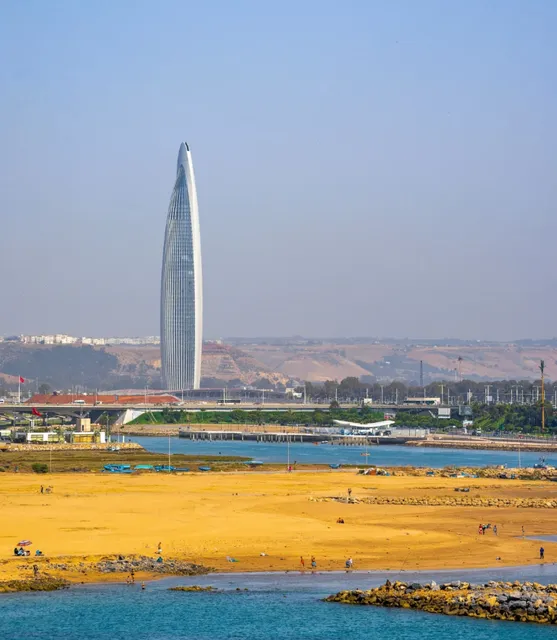
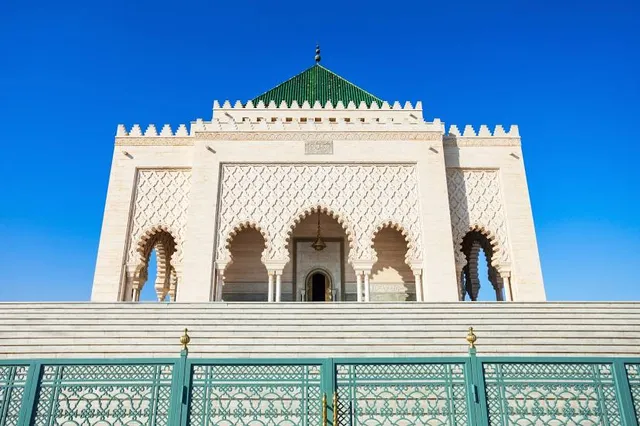
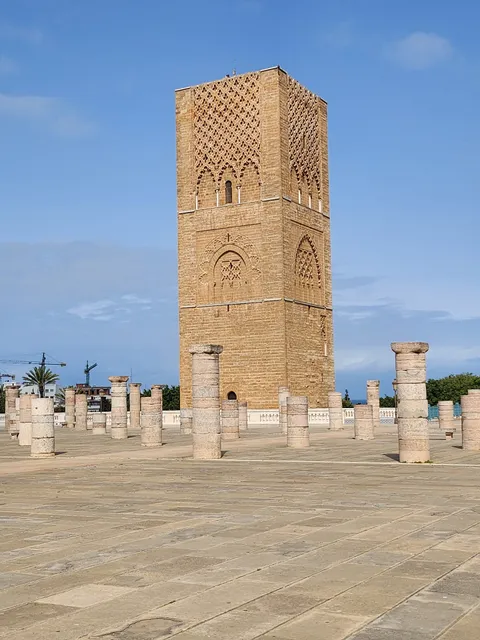
The Mausoleum of Mohammed V is a mausoleum located across from the Hassan Tower in Rabat, Morocco. It contains the tombs of the Moroccan king Mohammed V and his two sons, late King Hassan II and Prince Abdallah.
Cultural
Accessibility
attractions: Hassan Tower, Hassan tour spacious square monument, Hassan Tower Pigeon Garden, Marina sale, Corniche Bouregreg, restaurants: Pizza des Gourmets, Moojood , Tour Hassan, Rabat, La Creperia, Nostalagia Café-Restaurant, Coq Magic Hassan, Al Marsa - paella, Restaurant Marea, Aya Rosa اية روز, La Casa Di Carta, Restaurant La Capitale, local businesses: Hassan II Bridge, Montecristo Rabat, Mondolini, 9 Av. Patrice Lumumba
 Learn more insights from Wanderboat AI.
Open hoursSee all hours
Wed8 AM - 6 PMOpen
Plan your stay

Pet-friendly Hotels in Hassan حسان
Find a cozy hotel nearby and make it a full experience.

Affordable Hotels in Hassan حسان
Find a cozy hotel nearby and make it a full experience.

The Coolest Hotels You Haven't Heard Of (Yet)
Find a cozy hotel nearby and make it a full experience.

Trending Stays Worth the Hype in Hassan حسان
Find a cozy hotel nearby and make it a full experience.
Reviews
Live events

Candlelight : Soirée spéciale Saint-Valentin
Sat, Feb 14 • 7:00 PM
X4WC+4FV, Av. Moustapha Assayeh, Rabat, 10000
View details

Rejoins le meilleur cours de cuisine marocaine avec le chef Khadija ( plus de 35 ans dexpérience )
Wed, Feb 11 • 3:00 PM
CCR2+38W - Abou Dabi
View details
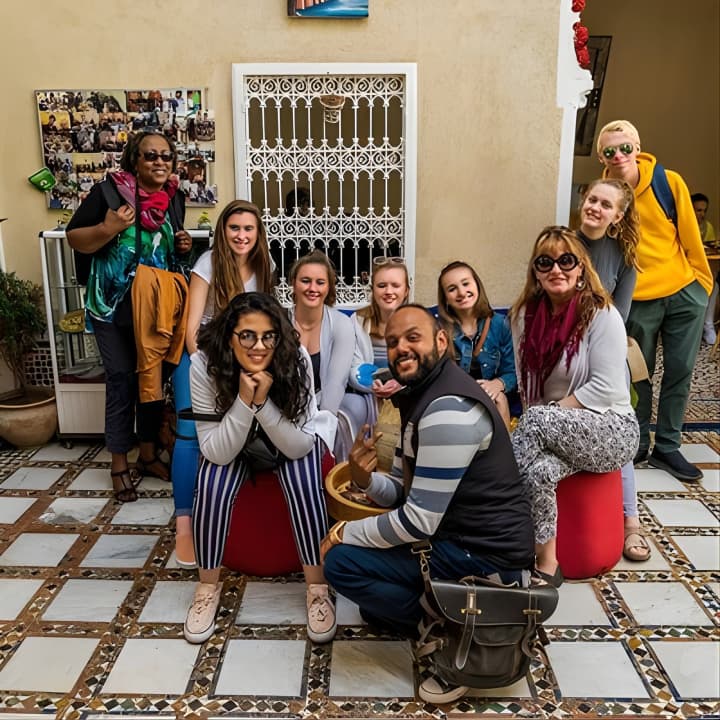
Visite gastronomique de Rabat dans la vieille ville
Wed, Feb 11 • 5:00 PM
Rabat
View details
Nearby attractions of Mausoleum of Mohammed V
Hassan Tower
Hassan tour spacious square monument
Hassan Tower Pigeon Garden
Marina sale
Corniche Bouregreg
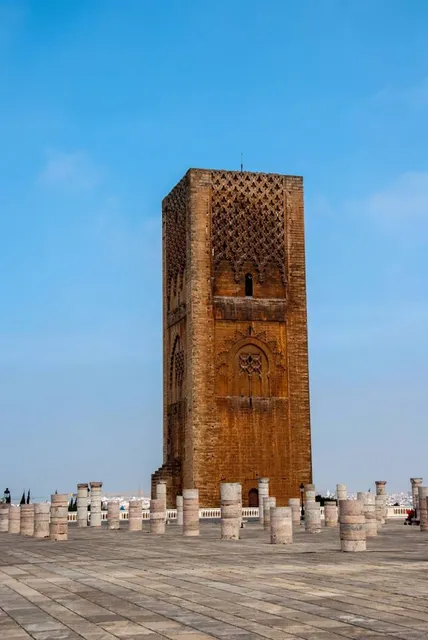
Hassan Tower
4.6
(4.6K)
Open until 10:45 PM
Click for details
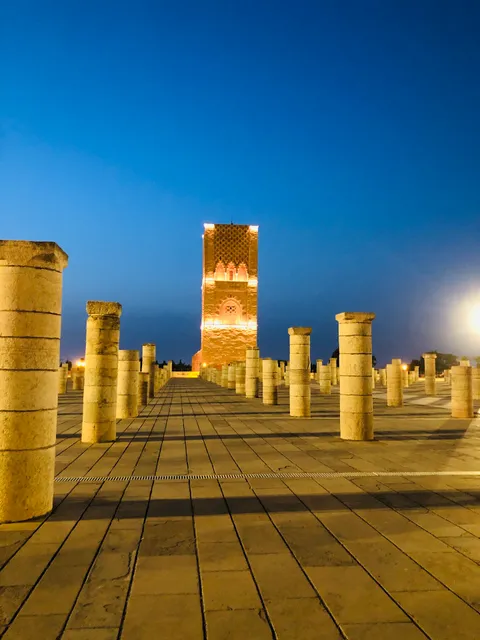
Hassan tour spacious square monument
4.0
(20)
Open until 12:00 AM
Click for details
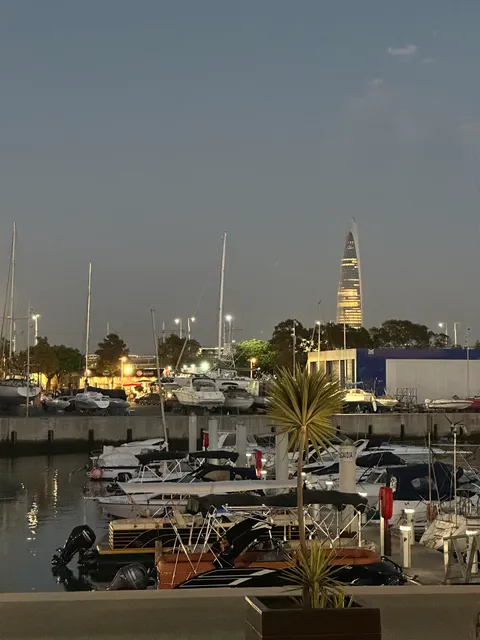
Hassan Tower Pigeon Garden
4.6
(12)
Open until 12:00 AM
Click for details
Marina sale
4.3
(53)
Open 24 hours
Click for details
Nearby restaurants of Mausoleum of Mohammed V
Pizza des Gourmets
Moojood , Tour Hassan, Rabat
La Creperia
Nostalagia Café-Restaurant
Coq Magic Hassan
Al Marsa - paella
Restaurant Marea
Aya Rosa اية روز
La Casa Di Carta
Restaurant La Capitale
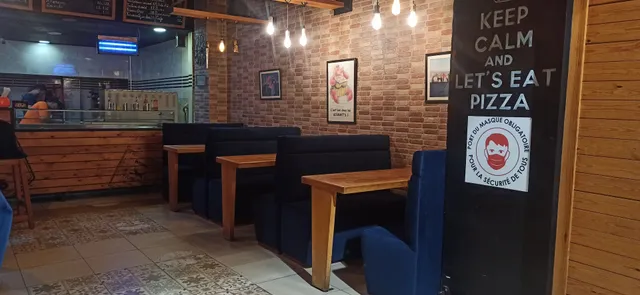
Pizza des Gourmets
4.3
(283)
Open until 11:00 PM
Click for details
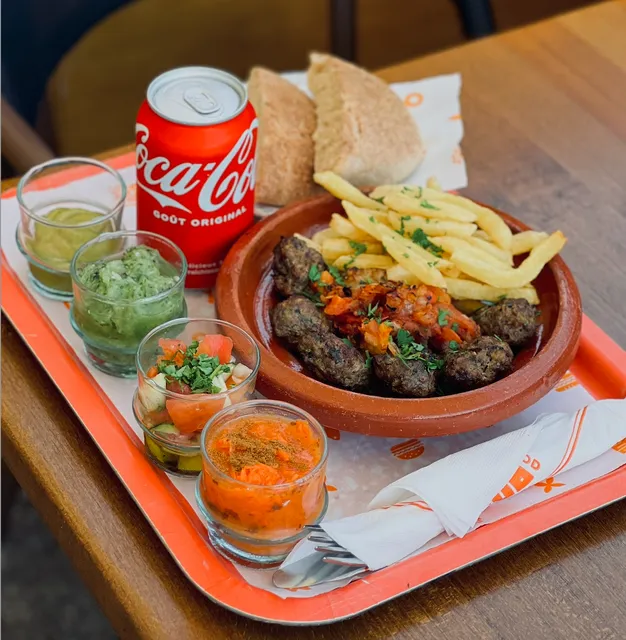
Moojood , Tour Hassan, Rabat
5.0
(7)
Open until 5:00 PM
Click for details
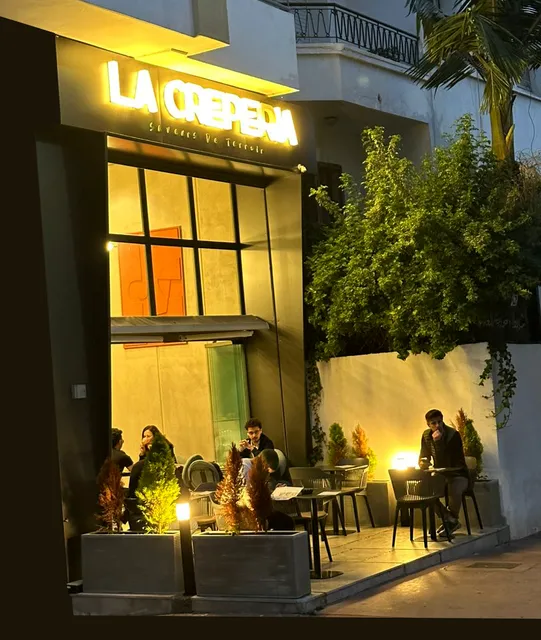
La Creperia
4.3
(123)
Click for details
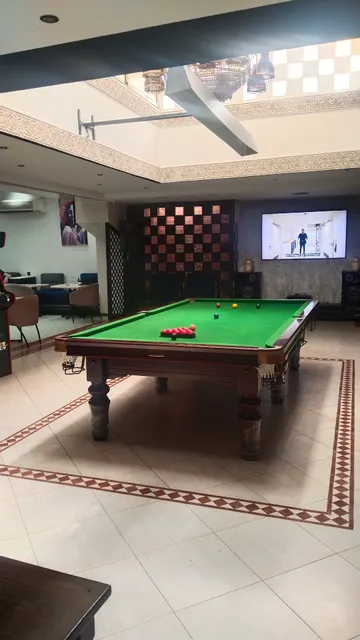
Nostalagia Café-Restaurant
4.2
(35)
Open until 9:00 PM
Click for details
Nearby local services of Mausoleum of Mohammed V
Hassan II Bridge
Montecristo Rabat
Mondolini
9 Av. Patrice Lumumba
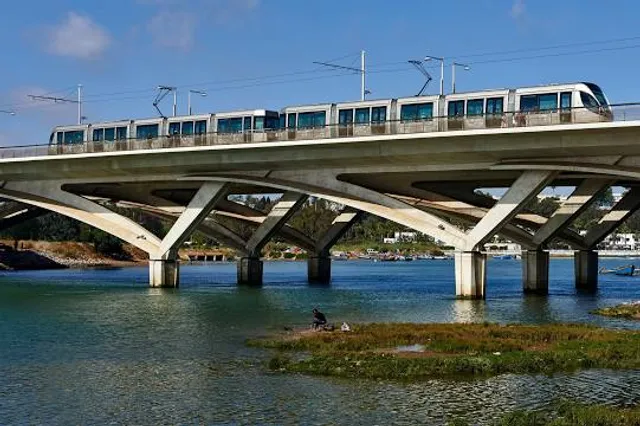
Hassan II Bridge
4.3
(82)
Click for details
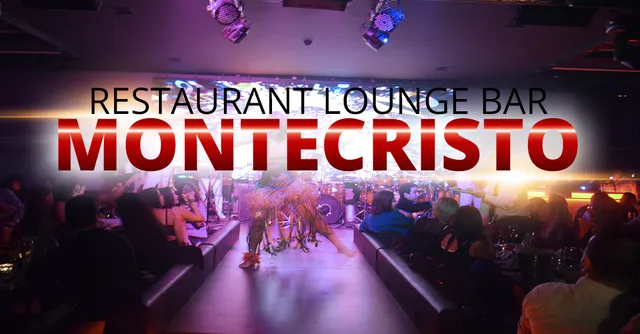
Montecristo Rabat
3.8
(231)
Click for details

Mondolini
3.6
(57)
Click for details

9 Av. Patrice Lumumba
4.8
(12)
Click for details