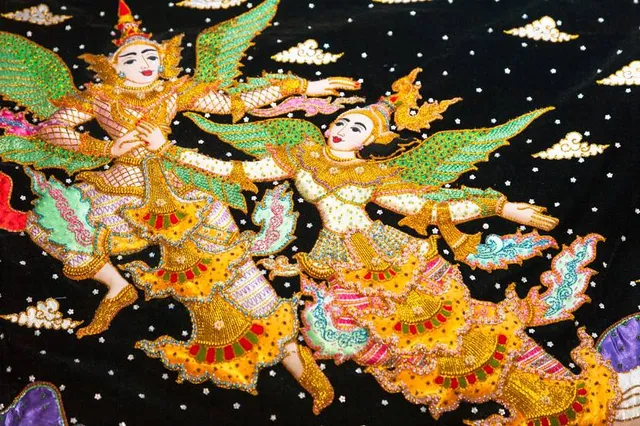
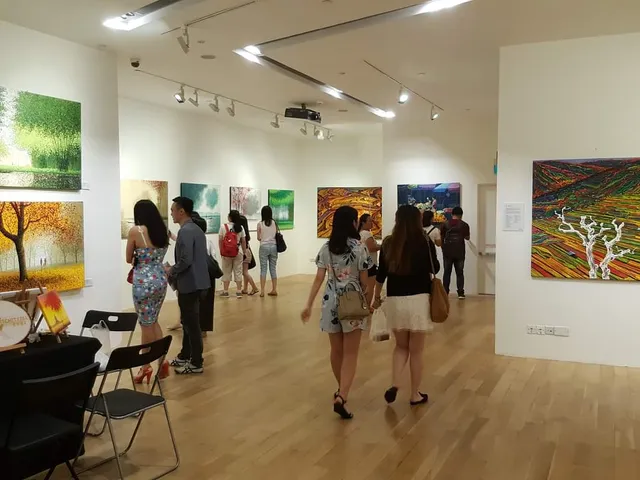
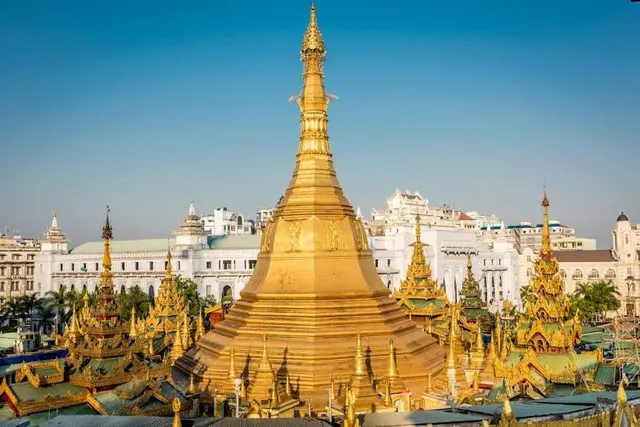
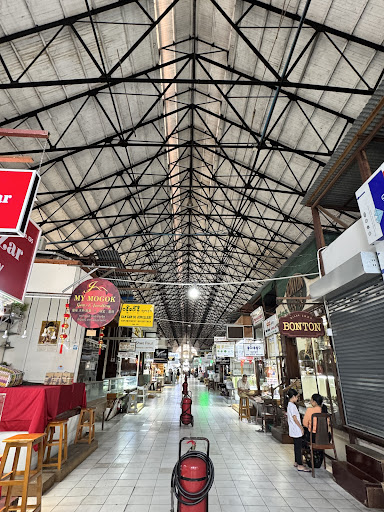
Bogyoke Aung San Market (formerly Scott's Market) is a major bazaarlocated in Pabedan township in central Yangon, Myanmar. Known for its colonial architecture and inner cobblestone streets, the market is a major tourist destination, dominated by antique, Burmese handicraft and jewellery shops, art galleries, and clothing stores. Bogyoke Market is a popular to exchange currency. The market also has a number of stores for local shoppers, selling medicine, foodstuffs, garments and foreign goods. If you are in Yangon, you should visit this market. This market is famous for jade and stones. Ruby is one of the best quality in world. You can buy valuables, precious jewellery here. If you interest in painting, hand made crafts and Myanmar Cultural products, you must visit this market. You can find so many paintings which made by small colourful stones on cloth. There are two market as Bogyoke Aung San Market. The old one is main market where mostly foreigners are interested.
ဗိုလ်ချုပ်အောင်ဆန်းစျေး (ယခင် Scott စျေး) သည် ရန်ကုန်မြို့လယ်၊ ပန်းပဲတန်းမြို့နယ်တွင်အဓိကရောင်းဝယ်သောစျေးကွက်ဖြစ်သည်။ ကိုလိုနီခေတ်ဗိသုကာနှင့်အတွင်းကျောက်တုံးကျောက်တုံးလမ်းများကြောင့်လူသိများသောစျေးကွက်သည်ရှေးဟောင်းရှေးဟောင်းမြန်မာ့လက်မှုပညာနှင့်လက်ဝတ်ရတနာဆိုင်များ၊ အနုပညာပြခန်းများနှင့်အဝတ်အထည်စတိုးဆိုင်များ၏အဓိကနေရာဖြစ်သည်။ ဗိုလ်ချုပ်စျေးဟာငွေကြေးလဲလှယ်တဲ့နေရာမှာလူကြိုက်များပါတယ်။ စျေးကွက်တွင်ဒေသခံစျေးဝယ်သူများအတွက်ဆေးဆိုင်များ၊ စားသောက်ကုန်များ၊ အဝတ်အထည်များနှင့်နိုင်ငံခြားကုန်ပစ္စည်းများရောင်းချသည့်ဆိုင်များစွာရှိသည်။ သင်ရန်ကုန်တွင်ရှိလျှင်ဤစျေးကွက်ကိုသွားသင့်သည်။ ဤစျေးကွက်သည်ကျောက်စိမ်းနှင့်ကျောက်ခဲများဖြင့်ကျော်ကြားသည်။ ပတ္တမြားသည်ကမ္ဘာပေါ်တွင်အကောင်းဆုံးအရည်အသွေးတစ်ခုဖြစ်သည်။ သင်ဒီမှာအဖိုးတန်ကျောက်မျက်ရတနာများဝယ်ယူနိုင်ပါသည်။ အကယ်၍ သင်သည်ပန်းချီ၊ လက်ဖြင့်ပြုလုပ်သောလက်မှုပညာနှင့်မြန်မာ့ယဉ်ကျေးမှုဆိုင်ရာထုတ်ကုန်များကိုစိတ်ဝင်စားလျှင်ဤစျေးကွက်ကိုသွားရမည်။ အထည်ပေါ်၌ရောင်စုံကျောက်တုံးများဖြင့်ပြုလုပ်ထားသောပန်းချီကားများစွာကိုသင်တွေ့ရှိနိုင်သည်။ ဗိုလ်ချုပ်အောင်ဆန်းစျေးလိုစျေးကွက်နှစ်ခုရှိတယ်။ ...
Read moreReturning to Bogyoke Aung San Market after five long years was a bittersweet experience. My first encounter with this iconic market dates back to 2005, and since then, I've had the pleasure of visiting Myanmar multiple times, witnessing its gradual evolution. However, this latest visit in the summer of 2024 left me with a heavy heart.
In 2019, before the world was turned upside down by the pandemic, Scott Market was a bustling hub, teeming with life and vibrancy. Every corner was filled with shops displaying Myanmar’s rich tapestry of culture—jewelers showcasing dazzling gems, vendors offering traditional attire, and stalls brimming with the aroma of authentic local cuisine. It was a sensory overload, in the best possible way, with throngs of tourists eager to soak in the charm and essence of Myanmar.
Yet, this time around, the atmosphere was markedly different. Many of the once-thriving shops now stood empty, their shutters closed, and the usual crowds were nowhere to be seen. The vibrancy that had once defined Scott Market had dimmed, a reflection of the challenging times Myanmar has faced in recent years.
To be fair, Scott Market is an old, traditional marketplace, and the age of the place does show. The air can be heavy with the scent of spices, old wood, and time-worn fabrics, and the heat can be intense, especially in the summer. But even these aspects add to its authenticity and charm, reminding visitors that they are stepping into a space that is deeply rooted in Myanmar's history and culture.
Despite the evident changes, some things remained unchanged—the warmth and resilience of the people. Though fewer in number, the shopkeepers who greeted us did so with the same genuine smiles and friendly demeanor that have always made us feel so welcome. This enduring spirit is what continues to draw my family back to Myanmar time and time again. The kindness and hospitality of the Burmese people are unparalleled, leaving an indelible mark on our hearts with each visit.
Spending over two weeks in Yangon, I found it to be far more peaceful than media portrayals might suggest. Not once did we feel unsafe during our stay. The city has certainly changed, with fuel shortages causing long lines at gas stations, but even this had an unexpected silver lining—the notorious traffic congestion that once plagued Yangon had significantly lessened, leaving the air noticeably cleaner.
In conclusion, while Bogyoke Aung San Market may no longer be the bustling marketplace it once was, it still holds a special place in our hearts. The market, much like Myanmar itself, has faced hardships, but its essence—the warmth, the smiles, the welcoming atmosphere—remains intact. I write this five-star review not just as a reflection of our visit, but as a heartfelt wish that Myanmar’s economic situation and current challenges are peacefully resolved, allowing its people to move beyond these difficult times. Scott Market is not just a place to shop; it's a place to connect with the heart of Myanmar.
5년 만에 다시 찾은 스콧 마켓은 저에게 안타까운 경험이었습니다. 이 상징적인 시장과 처음 방문한 것은 2005년이고, 그 후로도 여러 번 미얀마를 방문하며 시장의 변화를 지켜봐 왔습니다. 하지만 이번 2024년 여름 방문은 마음이 무거웠습니다.
2019년, 팬데믹이 세계를 뒤흔들기 전만 해도 스콧 마켓은 생동감 넘치는 활기찬 공간이었습니다. 보석 상점들은 반짝이는 보석들을 자랑했고, 전통 의상을 파는 상점들과 현지 음식을 판매하는 가게들로 시장 구석구석이 가득 차 있었습니다. 하지만 이번 방문에서는 분위기가 크게 달라져 있었습니다. 한때 번창하던 상점들 중 많은 곳이 문을 닫았고, 관광객들도 거의 보이지 않았습니다. 스콧 마켓을 정의하던 활기가 사라진 모습은 최근 몇 년간 미얀마가 겪어온 어려운 시기를 반영하고 있었습니다.
솔직히 말하자면, 스콧 마켓은 오래된 정통 시장이기 때문에 시장의 세월이 느껴지는 곳입니다. 향신료, 오래된 목재, 세월을 머금은 직물의 냄새가 가득하고, 특히 여름에는 더위가 매우 강렬합니다. 하지만 이러한 부분들조차도 이곳의 진정성과 매력의 일부로, 방문객들에게 미얀마의 역사와 문화를 깊이 느낄 수 있게 해줍니다.
그럼에도 불구하고 변하지 않은 것들도 있었습니다. 바로 사람들의 따뜻함과 강인함입니다. 비록 방문객은 줄었지만, 우리를 맞이해 준 상인들은 여전히 진심 어린 미소와 친절한 태도로 우리를 반겨주었습니다. 이러한 변함없는 모습은 우리 가족이 미얀마를 자주 찾는 이유이기도 합니다. 어려운 상황 속에서도 미소를 잃지 않는 미얀마 사람들의 친절은 그 어떤 것과도 비교할 수 없을 만큼 특별한 경험이었습니다.
양곤에서 2주 넘게 머무는 동안 미디어에서 묘사하는 것보다 훨씬 평온하게 느껴졌습니다. 우리의 체류 동안 한 번도 불안함을 느낀 적이 없었습니다. 도시에는 변화가 있었고, 연료 부족으로 주유소에 긴 줄이 생기는 상황이었지만, 이것조차도 양곤의 가장 큰 단점이었던 교통 체증을 크게 줄여주어...
Read moreLove the city and the market. Residential buildings seem to be relics from old Pedro Almodovar films what with their exteriors painted in bright primary colors; still, many seem to be from 70s Bombay where the un-painted splotched buildings, with uneven moss and creepers exude a certain regality that's accorded to older, worn out but not decrypt buildings; these buildings are not looking for a face lift; they are and should be content to be their gorgeous septuagenarian selves ; like beautiful women, these buildings made my head turn again and again; and they stayed in my mind two years later;
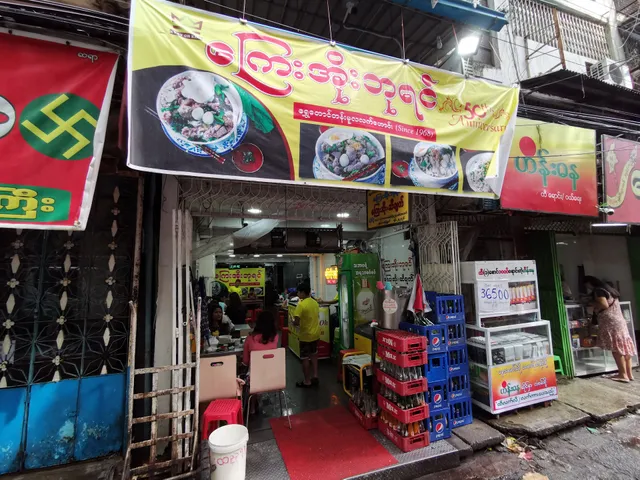
The street furniture consists of street food vendors with their round necklace of tables surrounded by the smallest pendants of chairs; these chairs looks like they were made for toddlers, their height is non existent and look like m&m candy in their bight red blue green colors; in the middle of the table is a tea pot which is always full of hot tea;
Burmese hospitality is such that any tired sailor sailing through its cities can sit at these tables and imbibe tea while watching the whole wide world in sarong sashay by!
All I can do is lift my tea cup to the city and salute it; it gave me a refreshing elixir during some interesting times I was...
Read more