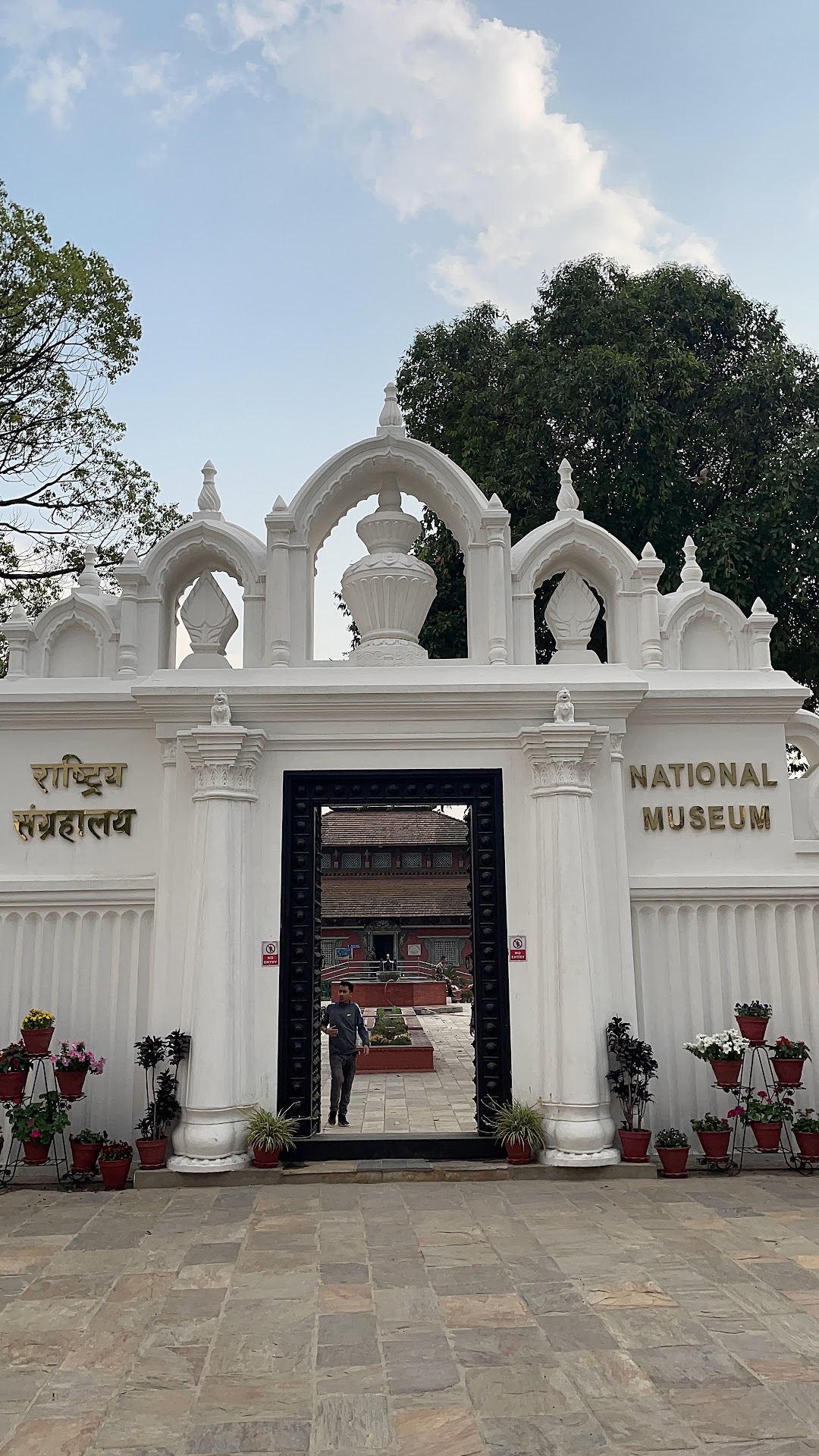
The National Museum of Nepal, also known as the Rashtriya Museum, is one of the most important cultural institutions in the country, showcasing the rich history, art, and heritage of Nepal. Located in Chhauni, Kathmandu, the museum offers a comprehensive look at Nepalβs diverse cultural and historical evolution. Established in 1957, the National Museum is a vital repository of Nepal's past, with exhibits spanning centuries of artistic, historical, and archaeological significance.
The museum is divided into three main sections: the Natural History Section, the Art Gallery, and the Historical Section. Each section is thoughtfully curated to reflect Nepal's heritage, from ancient artifacts to contemporary art. The museum provides a detailed and immersive experience for those interested in learning about the nation's diverse cultural tapestry.
Natural History Section
The Natural History Section is dedicated to showcasing Nepalβs rich biodiversity and natural resources. This section highlights the country's diverse ecosystems, from the tropical lowlands to the towering Himalayas. Visitors can view specimens of rare flora and fauna, as well as exhibits on Nepalβs wildlife, such as the endangered Bengal tiger, one-horned rhinoceros, and snow leopard. This section provides educational insight into the ecological importance of Nepal, making it a crucial space for nature lovers and conservationists.
Art Gallery
The Art Gallery is the most visually striking part of the National Museum, containing exquisite examples of Nepalese art spanning several centuries. The gallery houses sculptures, paintings, and religious artifacts that represent the rich artistic traditions of the Kathmandu Valley and beyond. The museumβs collection of medieval and ancient Nepalese art, including images of Hindu and Buddhist deities, is particularly impressive. The intricate metalwork, wood carvings, and paubha (traditional Newar scroll paintings) are key highlights, showcasing Nepalβs mastery in both religious and secular art forms. The Art Gallery also displays the development of art in Nepal from early periods to the modern era, offering insights into changing artistic styles and cultural influences.
Historical Section
The Historical Section of the museum is a treasure trove of artifacts that reflect the political and cultural evolution of Nepal. Visitors can find collections of ancient coins, manuscripts, tools, and weapons, providing a glimpse into the country's long history. Of particular interest is the exhibit on the unification of Nepal under King Prithvi Narayan Shah, as well as the history of the Shah dynasty and the role of the monarchy in Nepalese society. The museum also features displays on the rise of Buddhism and Hinduism in Nepal, showcasing religious symbols and ancient scriptures.
A notable feature of this section is the collection of items from Nepal's royal history, including garments, thrones, and personal belongings of past kings and queens. The museum's focus on both the secular and sacred history of Nepal provides a well-rounded view of the country's heritage.
Outdoor Exhibits and the Chhauni Military Museum
In addition to the indoor galleries, the museum grounds feature outdoor exhibits that further enrich the visitor experience. The Chhauni Military Museum, located on the same premises, offers insight into Nepal's military history, displaying various military uniforms, weapons, and artifacts related to the countryβs military past. The museum also houses military vehicles and exhibits detailing Nepal's role in international peacekeeping missions and its long-standing military traditions.
Educational Value and Preservation
The National Museum of Nepal plays a vital role in preserving and showcasing the country's cultural heritage. It is not only an educational resource for Nepali citizens but also a popular destination for tourists interested in Nepalβs history and culture. The museum hosts various events, exhibitions, and educational programs, helping to raise awareness about the importance of...
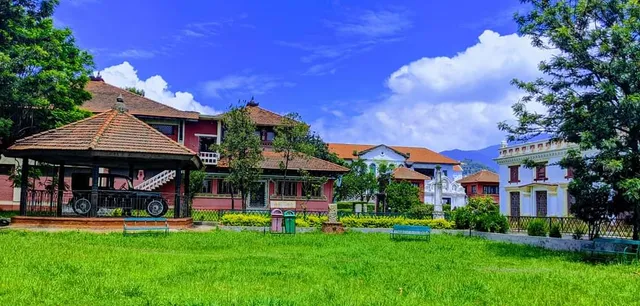
Β Β Β Read moreNational Museum, located at the base of Swayambhu, a sacred hill in the Kathmandu Valley, is the first Nepalese museum. Covering an area of approximately 50 Ropani (27.38 hectares), the museum comprises various buildings, gardens, and open spaces within its premises. Its primary function is to preserve and exhibit rare and valuable art treasures.
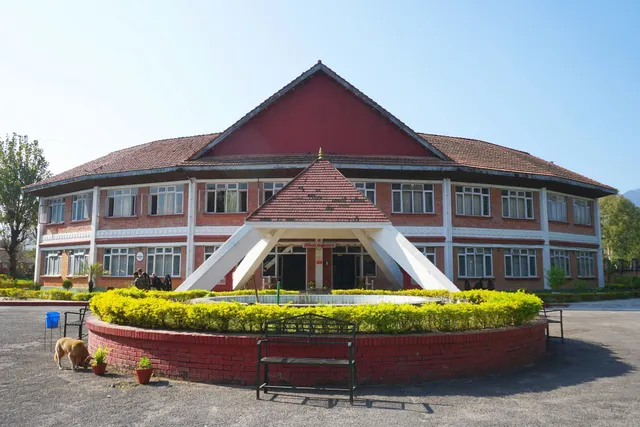
History The museum has a rich history, initially serving as an Arsenal house constructed in 1824 by Prime Minister General Bhimsen Thapa. In 1926, Rana Prime Minister Chandra Shumsher added two wings to the north and south of the main building and renamed it Silkhana Museum. Later, in 1938, Rana Prime Minister Juddha Shumsher renamed it Nepal Museum and opened its doors to the public on February 12, 1939.
Initially, the buildings that house the National Museum were not intended for the storage, conservation, preservation, and display of art treasures. As the museum developed, it became challenging to manage in an appropriate manner. In response to this need, Prime Minister Juddha Shumsher established the Judhha Jatiya Kala Bhavan in front of the Nepal Museum in 1943 A.D. It was opened to the public on April 18, 1943.
In addition to this, the museum has an art section dedicated to the Buddhist collection, which was expanded with financial support from the Japanese government in 1997 A.D.
Over time, the National Museum has undergone changes in its administrative system and management situation. Initially, from its establishment until 1951 A.D., it operated as a separate department of the government. From 1951 A.D., its administrative authority was transferred to the Ministry of Education under the leadership of a curator, which continued until 1962 A.D. Thereafter, the Department of Archaeology has been managing the museum.
As the museum has evolved, its name has also changed. It was originally known as the Arsenal Museum, which was transformed into the Nepal Museum in 1939 Later on, in 1968, it was renamed the National Museum, which remains popular to this day.
Currently, the museum's historical galleries, Judhhajatiya art galleries, and Buddhist art galleries offer services to visitors, including students, domestic and international tourists. Over time, it has become an important destination for those interested in art and history.
The museum also has an auditorium having a sitting capacity of 142 participants with a comfortable chair with a podium facilitated, a good audiovisual and lighting system. It complexes are provided with gardens and are also good for a day's outing for a family with children and spend a day in an academic tour and relaxation.
Location The National Museum of Nepal is in the city of Kathmandu at a short distance from the stupa. The classical building of the museum is on the Western side of the river Vishnu against a hilly background.[2] Entering the museum, on the left is the Art Gallery displaying statues, wood carvings and paintings. The building straight ahead is the Buddhist Art Gallery displaying Buddhist art objects while the building on the right is the Museum of...
Β Β Β Read moreVisiting the National Museum in Chhauni, Kathmandu, was an enriching experience that surpassed all my expectations. Stepping through its doors felt like embarking on a captivating journey through Nepal's rich history and diverse culture, leaving me with a profound appreciation for the nation's heritage.
From the moment I entered, the museum's architecture and surroundings exuded a sense of grandeur and reverence. The well-maintained gardens and traditional architectural elements set the stage for the cultural treasures that awaited within.
The exhibits were a true reflection of the museum's commitment to preserving and showcasing Nepal's cultural heritage. Each gallery was thoughtfully curated, featuring an impressive array of artifacts, sculptures, paintings, and historical documents. I was thrilled to witness centuries-old artifacts that shed light on Nepal's fascinating past and the evolution of its civilization.
What truly stood out was the attention to detail in the presentation of exhibits. The descriptions and information panels accompanying each display were informative and engaging, providing valuable insights into the significance and context of the artifacts. As a history enthusiast, I found myself captivated by the stories and anecdotes shared throughout the museum.
The museum's knowledgeable and courteous staff further enhanced the experience. They were readily available to answer questions and eager to share their knowledge about the exhibits, fostering a deeper understanding of Nepal's cultural legacy.
One of the highlights of my visit was the section dedicated to the various ethnic groups of Nepal. The museum's efforts to celebrate diversity and inclusivity were commendable, as they beautifully showcased the unique customs, traditions, and artistic expressions of different communities.
The National Museum also impressed me with its use of technology to augment the visitor's experience. Interactive displays, multimedia presentations, and audio guides offered an immersive and educational journey, especially for younger visitors.
The museum's commitment to preserving and restoring artifacts was evident in the conservation laboratory, where experts worked diligently to safeguard Nepal's cultural treasures for future generations.
Furthermore, the National Museum's location in Chhauni, Kathmandu, provides a tranquil setting away from the bustling city, allowing visitors to immerse themselves fully in the cultural experience.
In conclusion, my visit to the National Museum in Chhauni, Kathmandu, was a truly memorable and enlightening experience. It left me with a deeper connection to Nepal's vibrant past and a profound appreciation for its rich cultural heritage. I highly recommend this museum to both locals and tourists seeking to explore the heart and soul of...
Β Β Β Read more