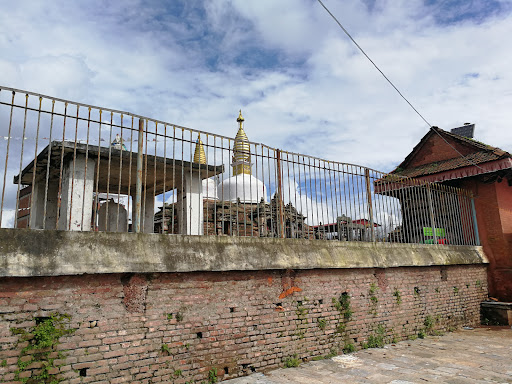
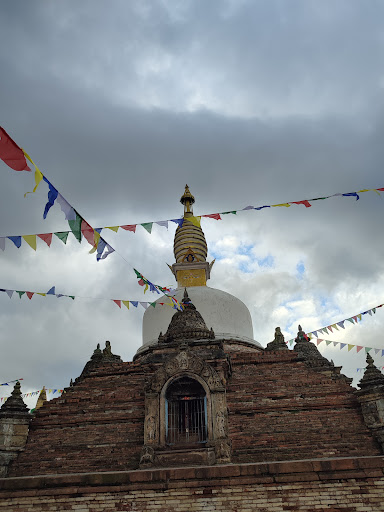
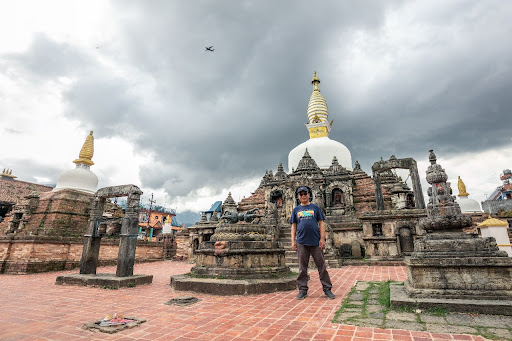
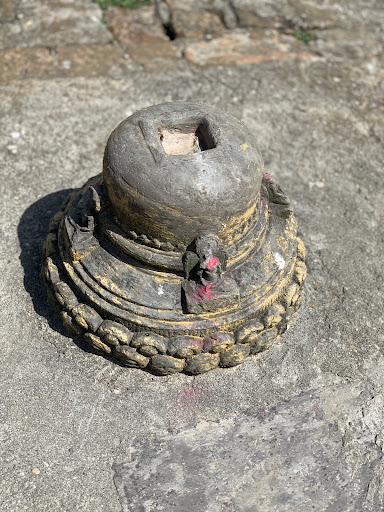
Chilancho things to do, attractions, restaurants, events info and trip planning
Basic Info
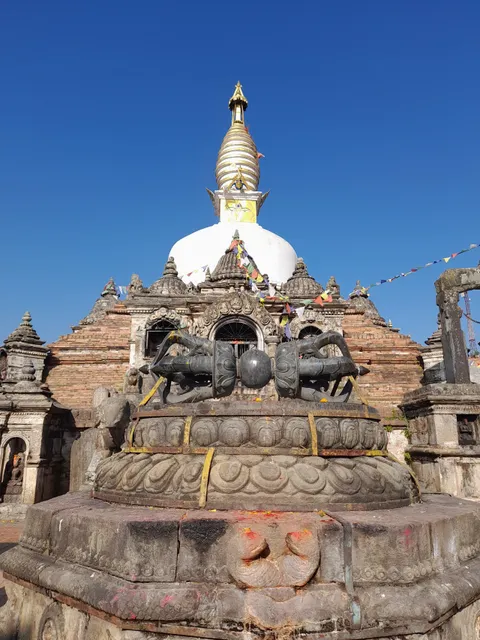
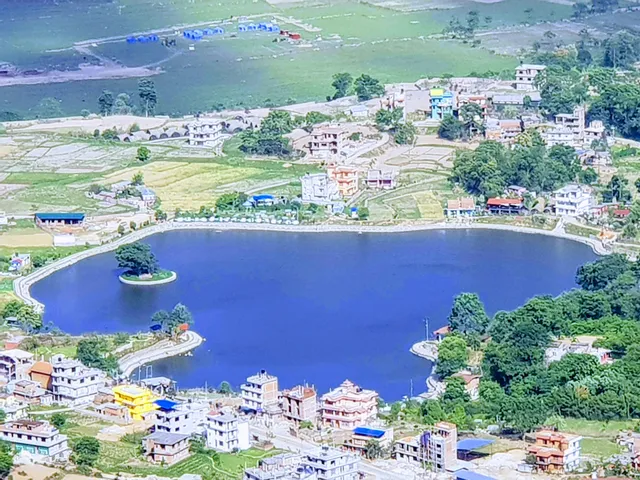
Chilancho
M7GH+Q5F, Kirtipur 44618, Nepal
4.6(266)
Open 24 hours
Save
spot
spot
Ratings & Description
Info
Cultural
Scenic
Outdoor
Relaxation
Off the beaten path
attractions: Bagh Bhairab Temple, Uma Maheshwar Temple, restaurants: Newa: Lahana, Ka:shi Cafe, Lounge & Bar Kirtipur, D' Aroma Cafe, White House Newa Restro, Bagh Bhairab Burger House, Capital Burger House & Cafe, Pipal Cafe (पिपल क्याफे ), Layaku Durbar Restaurant and Heritage Home, Khukuri a lounge restaurant & bar, Chicken Station Kirtipur
 Learn more insights from Wanderboat AI.
Phone
+977 986-0523658
Plan your stay

Pet-friendly Hotels in Kirtipur Municipality
Find a cozy hotel nearby and make it a full experience.

Affordable Hotels in Kirtipur Municipality
Find a cozy hotel nearby and make it a full experience.

The Coolest Hotels You Haven't Heard Of (Yet)
Find a cozy hotel nearby and make it a full experience.

Trending Stays Worth the Hype in Kirtipur Municipality
Find a cozy hotel nearby and make it a full experience.
Reviews
Nearby attractions of Chilancho
Bagh Bhairab Temple
Uma Maheshwar Temple
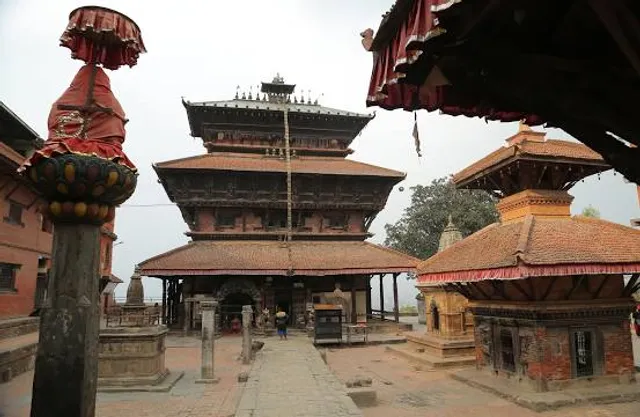
Bagh Bhairab Temple
4.6
(498)
Open 24 hours
Click for details
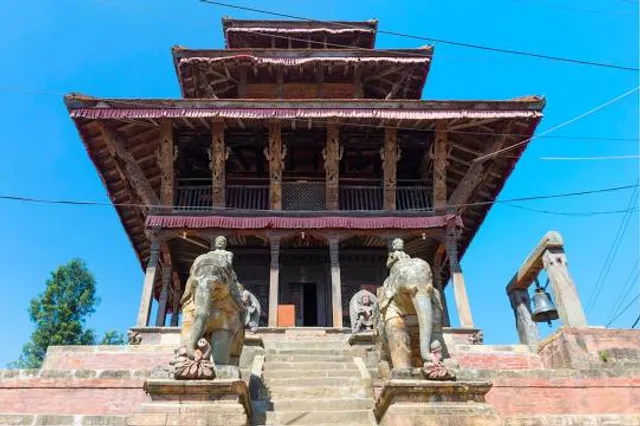
Uma Maheshwar Temple
4.6
(558)
Open 24 hours
Click for details
Things to do nearby
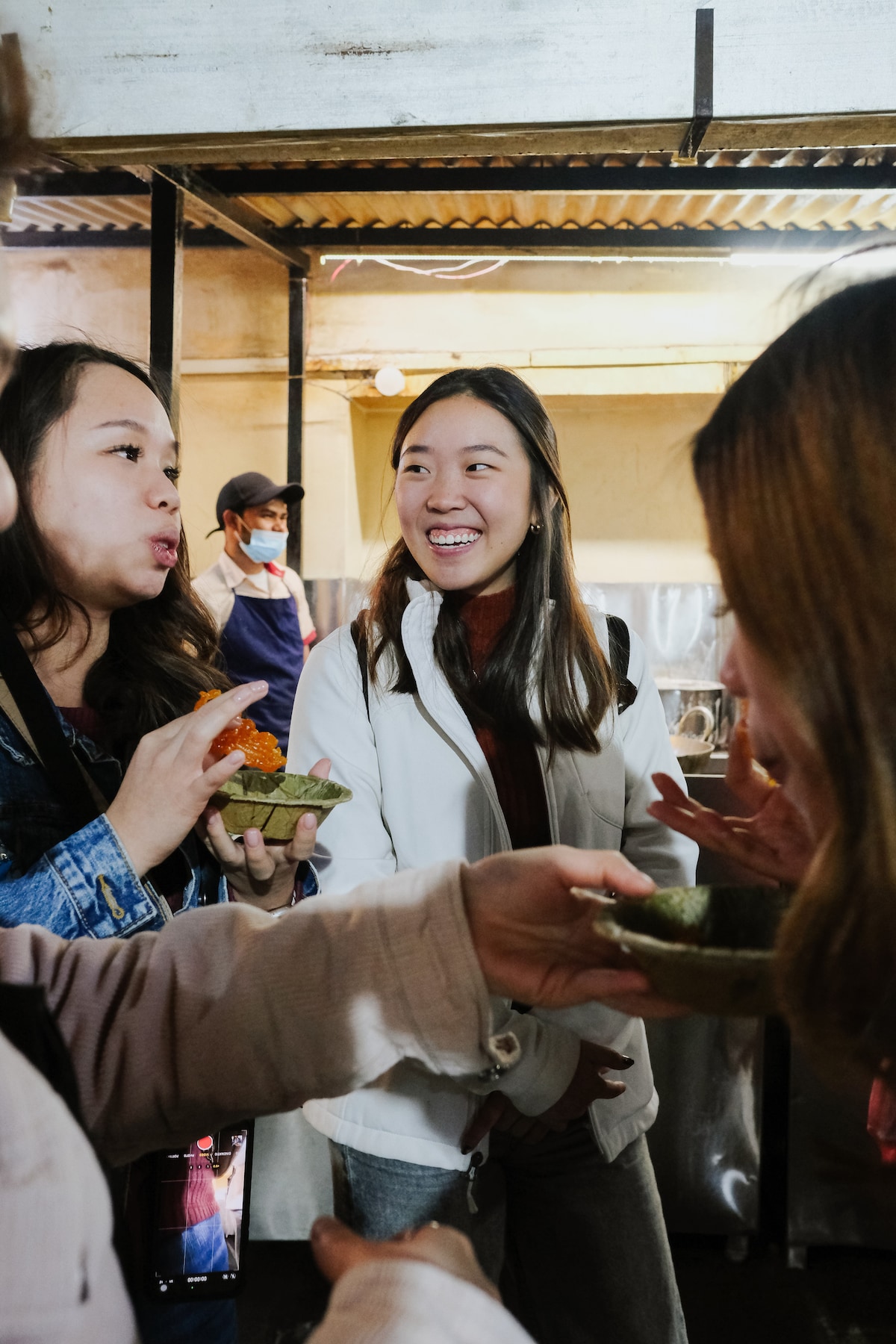
Explore hidden Nepali eateries
Sun, Dec 28 • 2:00 PM
Kathmandu, Bagmati Province 44600, Nepal
View details
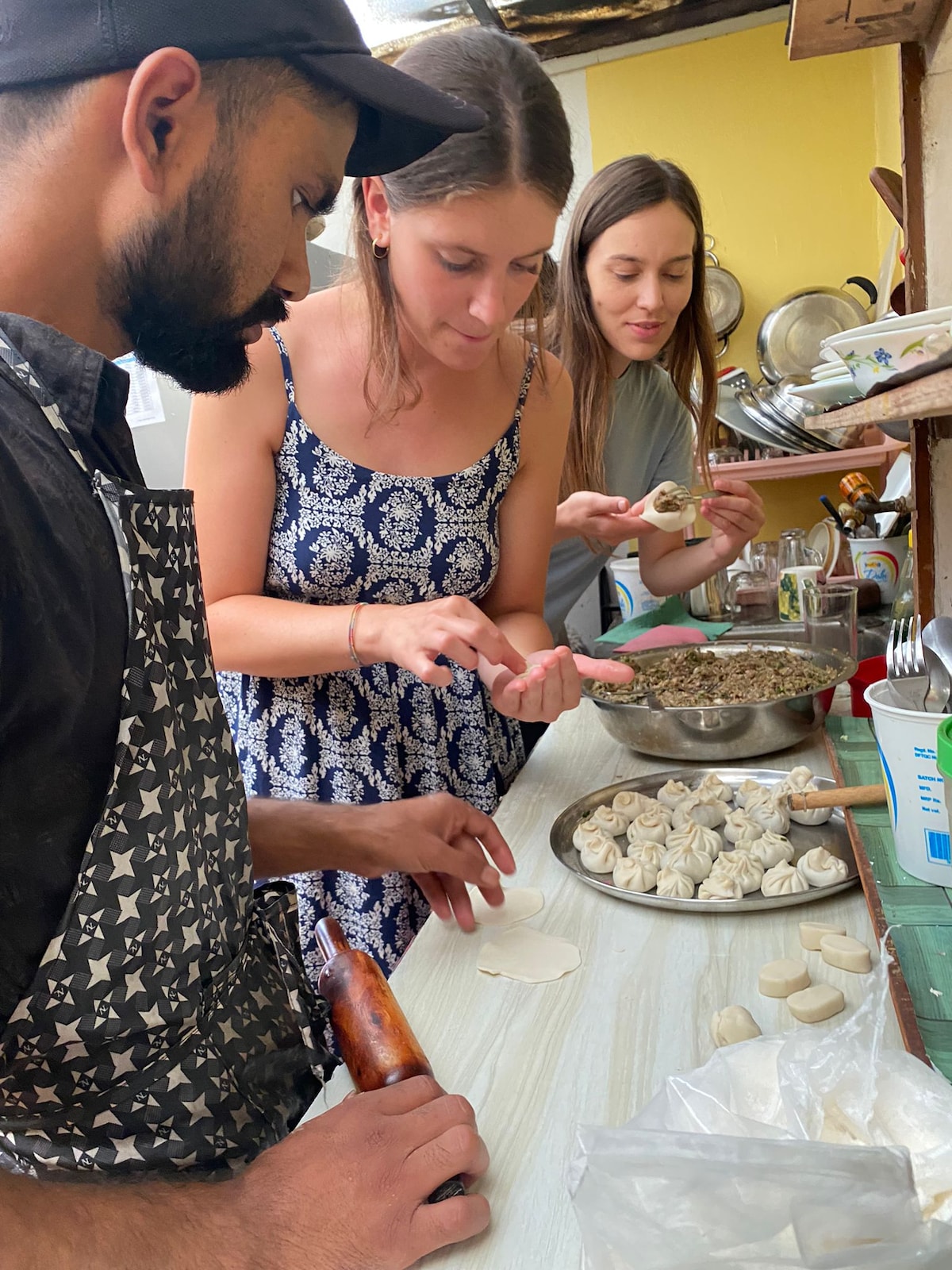
Learn Nepali cooking in Patan
Sun, Dec 28 • 10:00 AM
Lalitpur, Bagmati Province 44600, Nepal
View details
Nearby restaurants of Chilancho
Newa: Lahana
Ka:shi Cafe, Lounge & Bar Kirtipur
D' Aroma Cafe
White House Newa Restro
Bagh Bhairab Burger House
Capital Burger House & Cafe
Pipal Cafe (पिपल क्याफे )
Layaku Durbar Restaurant and Heritage Home
Khukuri a lounge restaurant & bar
Chicken Station Kirtipur
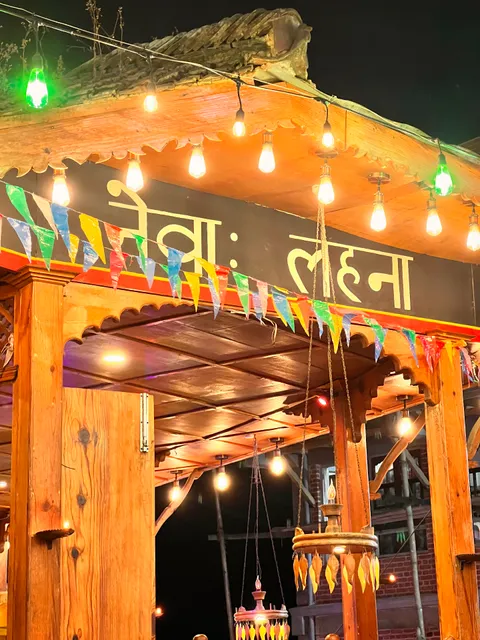
Newa: Lahana
4.0
(1.3K)
Click for details
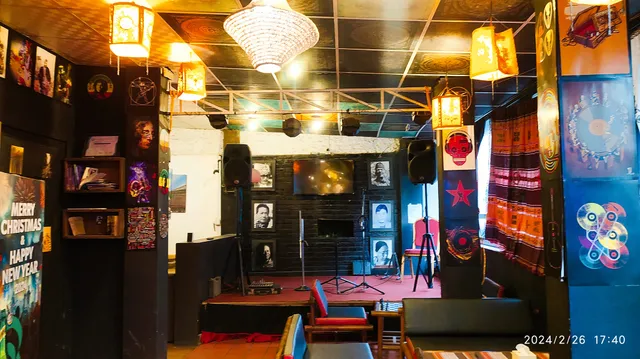
Ka:shi Cafe, Lounge & Bar Kirtipur
3.9
(241)
Click for details
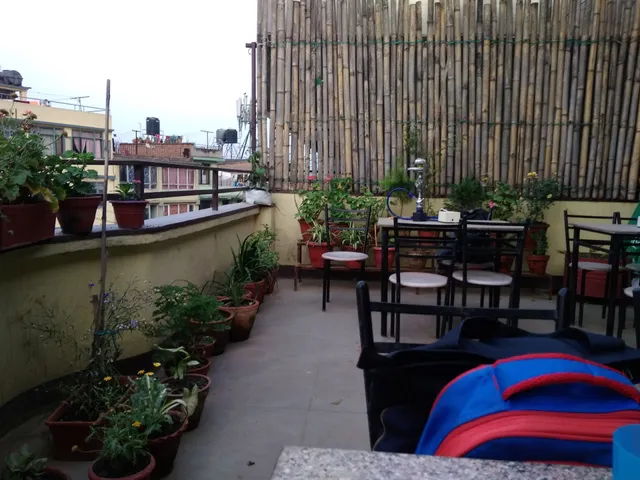
D' Aroma Cafe
3.4
(63)
Click for details
White House Newa Restro
3.6
(13)
Click for details