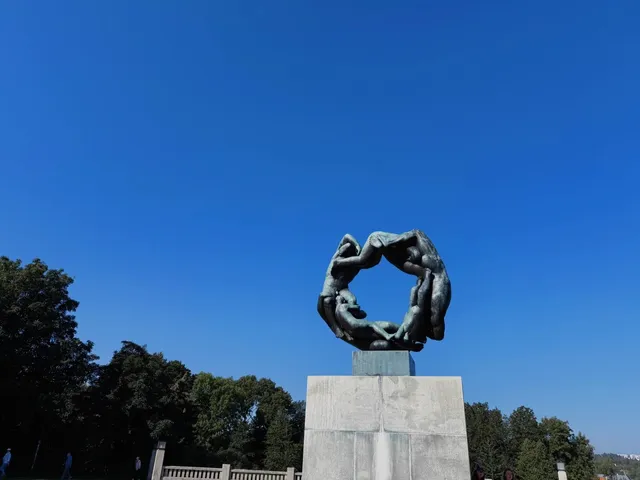
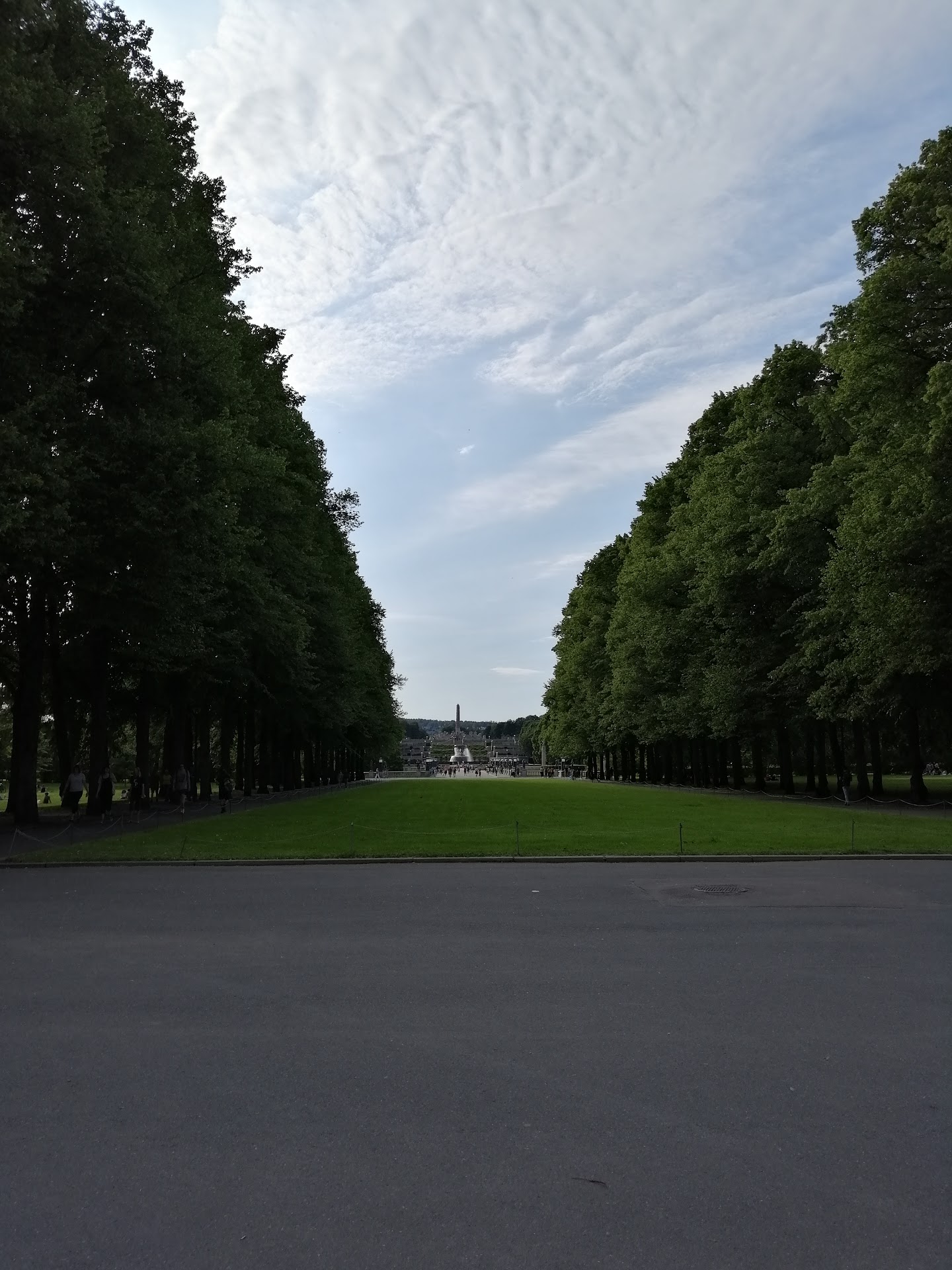
Frognerparken things to do, attractions, restaurants, events info and trip planning

Basic Info
Frognerparken
Kirkeveien, 0268 Oslo, Norway
4.7(8.6K)
Open 24 hours
Save
spot
spot
Ratings & Description
Info
Outdoor
Cultural
Family friendly
Pet friendly
attractions: The Vigeland Park, Oslo City Museum (Oslo Bymuseum), Gustav Vigeland Statue, The Vigeland Museum, Sirkusteltet Frognerparken, Oslo Tramway Museum Carriage Hall 5, Valkyrie plass, Oslo Public Library, Majorstuen, Skøyenparken, restaurants: Anne på landet - Frognerparken, Herregårdskroen, Tatakii Asian, Dar Al Maghreb | Marokkansk Restaurant, Curry and Ketchup, Frenchie Frognerparken, Mini Thai & Sushi, À L’aise, Oslo Museumskafe, Piazza Italia, local businesses: El Monolito, Frogner Manor, Jacob's Majorstuen, Roll Sushi Majorstua, Langaardsløkken, Pancetta Pizza Briskeby, Lett, Pancetta Pizza - Majorstua, Kaffebønnen AS, LETT Valkyrien
 Learn more insights from Wanderboat AI.
Phone
+47 21 80 21 80
Website
oslo.kommune.no
Plan your stay

Pet-friendly Hotels in Oslo
Find a cozy hotel nearby and make it a full experience.

Affordable Hotels in Oslo
Find a cozy hotel nearby and make it a full experience.

The Coolest Hotels You Haven't Heard Of (Yet)
Find a cozy hotel nearby and make it a full experience.

Trending Stays Worth the Hype in Oslo
Find a cozy hotel nearby and make it a full experience.
Reviews
Live events
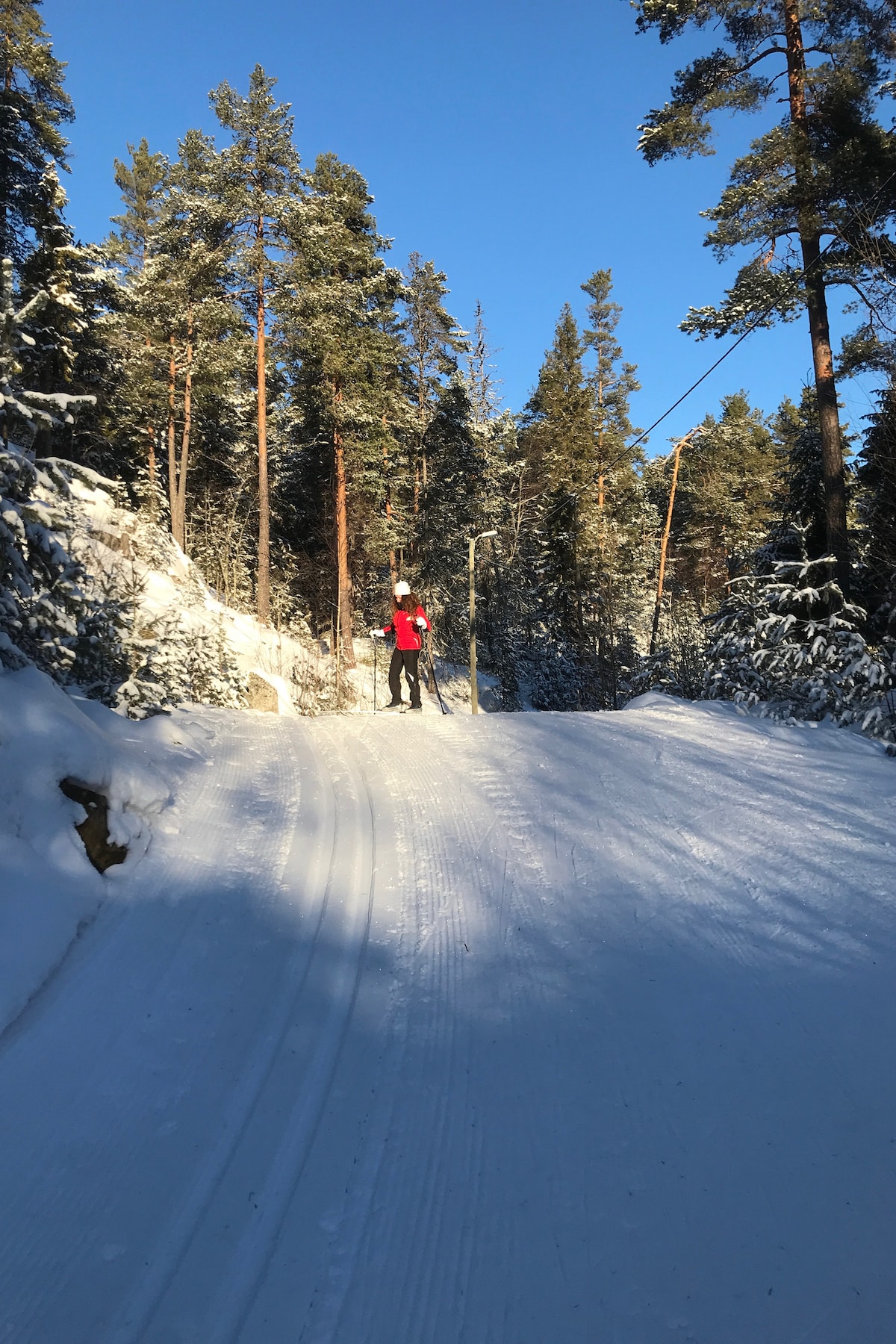
The Norwegian Skiing Experience
Tue, Feb 24 • 12:00 PM
0694, Oslo, Norway
View details
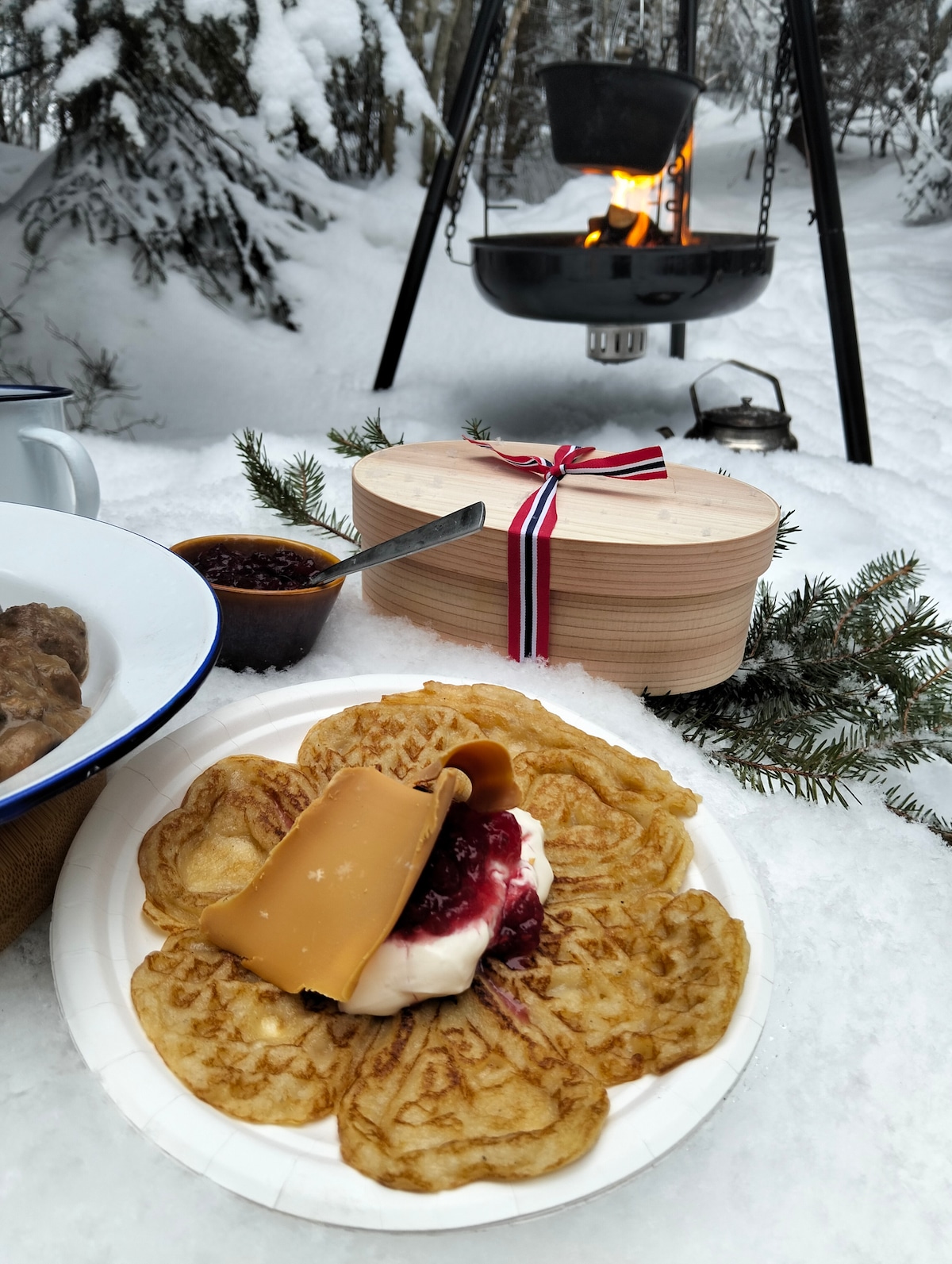
Oslo’s Food Tour: Nature Walk and Forest Feast
Tue, Feb 24 • 2:00 PM
0791, Oslo, Norway
View details
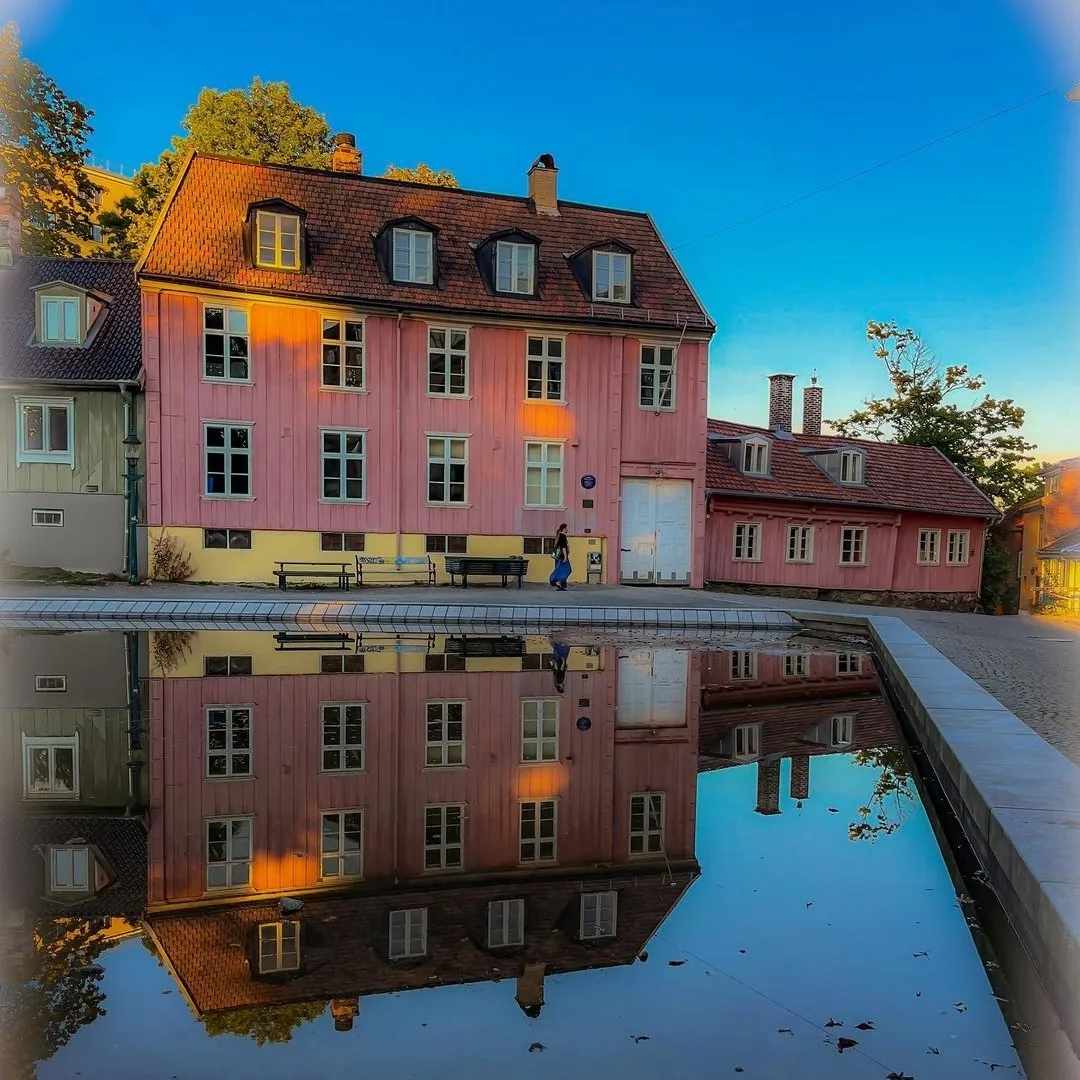
Norwegian Food Tour & Hidden Gems of Oslo CityWalk
Tue, Feb 24 • 12:00 PM
0154, Oslo, Norway
View details
Nearby attractions of Frognerparken
The Vigeland Park
Oslo City Museum (Oslo Bymuseum)
Gustav Vigeland Statue
The Vigeland Museum
Sirkusteltet Frognerparken
Oslo Tramway Museum Carriage Hall 5
Valkyrie plass
Oslo Public Library, Majorstuen
Skøyenparken
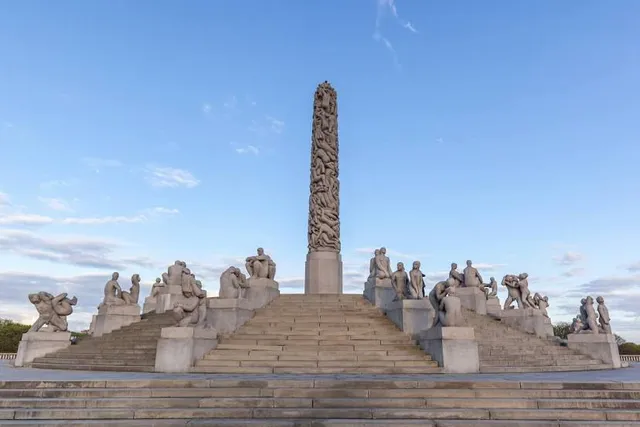
The Vigeland Park
4.7
(9.3K)
Open until 12:00 AM
Click for details
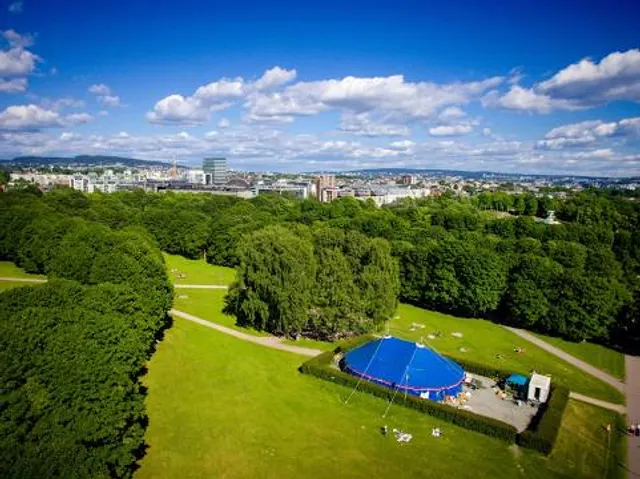
Oslo City Museum (Oslo Bymuseum)
4.3
(352)
Open until 12:00 AM
Click for details
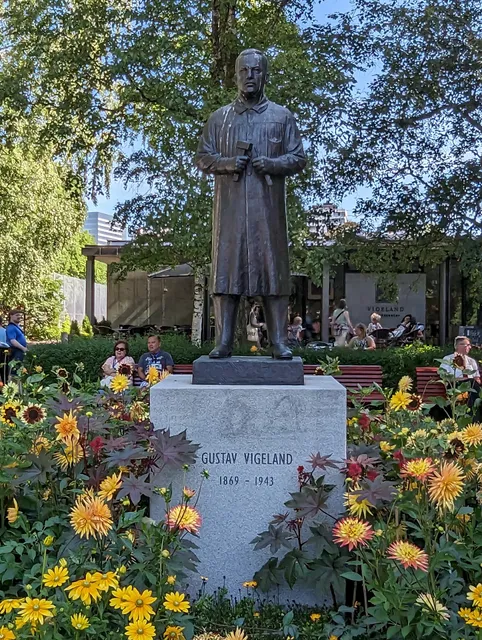
Gustav Vigeland Statue
4.7
(76)
Open until 12:00 AM
Click for details
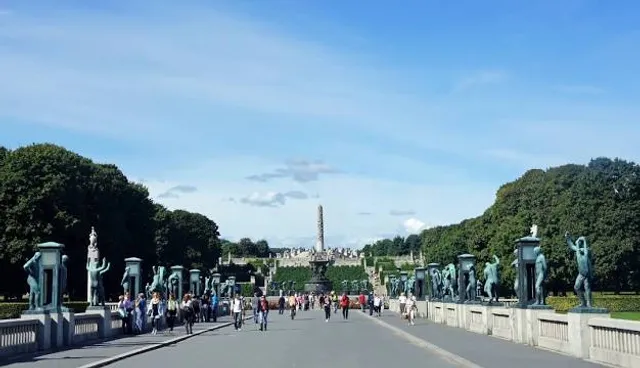
The Vigeland Museum
4.6
(449)
Open until 12:00 AM
Click for details
Nearby restaurants of Frognerparken
Anne på landet - Frognerparken
Herregårdskroen
Tatakii Asian
Dar Al Maghreb | Marokkansk Restaurant
Curry and Ketchup
Frenchie Frognerparken
Mini Thai & Sushi
À L’aise
Oslo Museumskafe
Piazza Italia
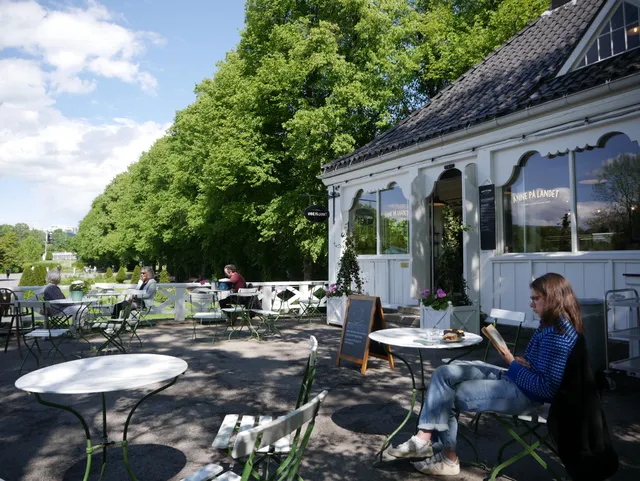
Anne på landet - Frognerparken
4.2
(343)
Open until 4:00 PM
Click for details
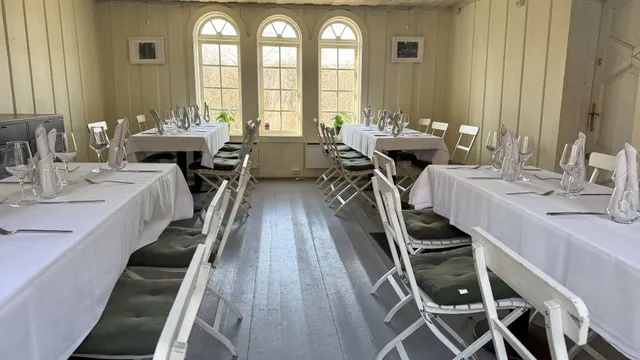
Herregårdskroen
3.9
(193)
$$
Click for details
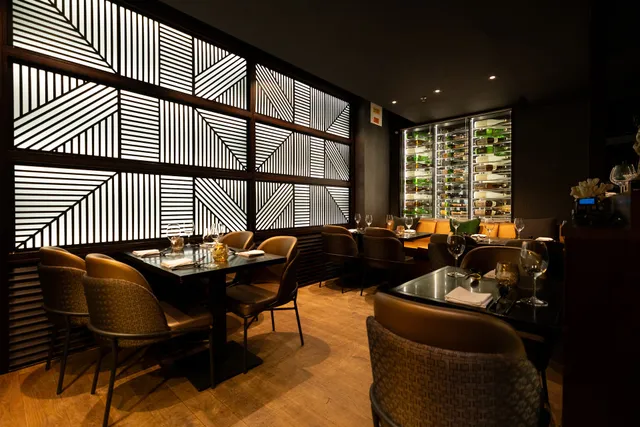
Tatakii Asian
4.3
(489)
$$$
Closed
Click for details

Dar Al Maghreb | Marokkansk Restaurant
4.6
(69)
Open until 12:00 AM
Click for details
Nearby local services of Frognerparken
El Monolito
Frogner Manor
Jacob's Majorstuen
Roll Sushi Majorstua
Langaardsløkken
Pancetta Pizza Briskeby
Lett
Pancetta Pizza - Majorstua
Kaffebønnen AS
LETT Valkyrien

El Monolito
4.7
(449)
Click for details
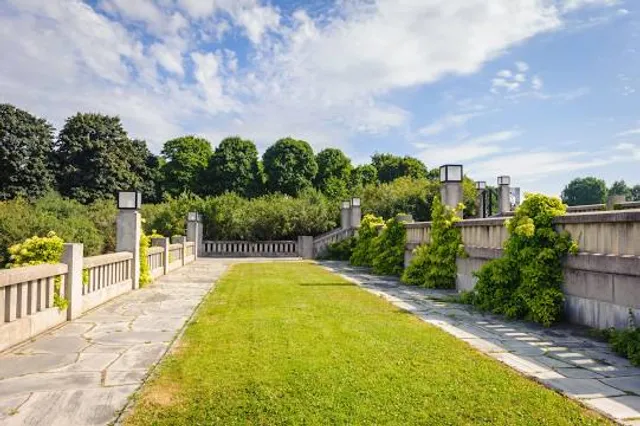
Frogner Manor
4.7
(15)
Click for details
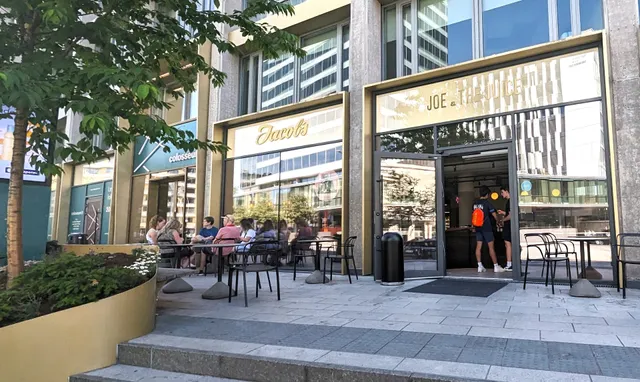
Jacob's Majorstuen
4.6
(461)
Click for details
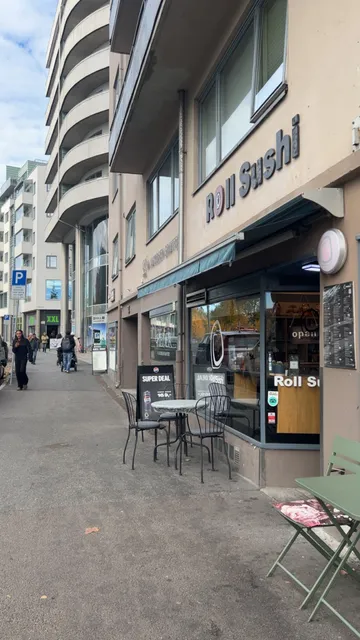
Roll Sushi Majorstua
4.7
(202)
Click for details