NTNU Vitenskapsmuseet things to do, attractions, restaurants, events info and trip planning
Basic Info
NTNU Vitenskapsmuseet
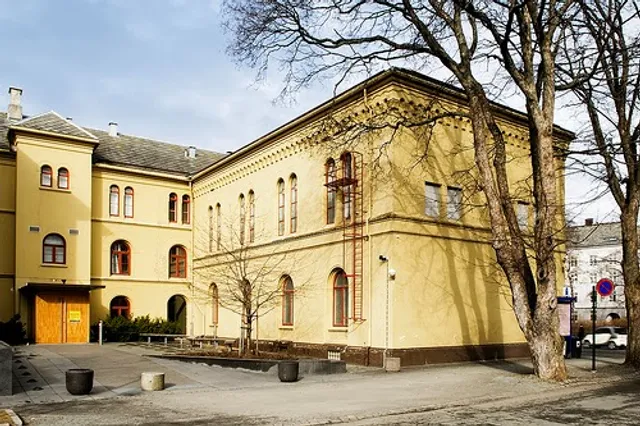
Erling Skakkes gate 47B, 7012 Trondheim, Norway
4.4(397)
Open until 4:00 PM

tickets
Save
spot
spot
Ratings & Description
Info
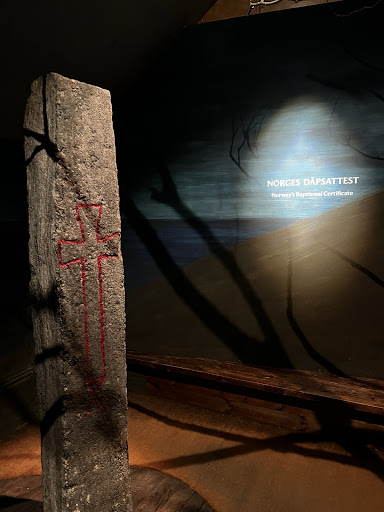
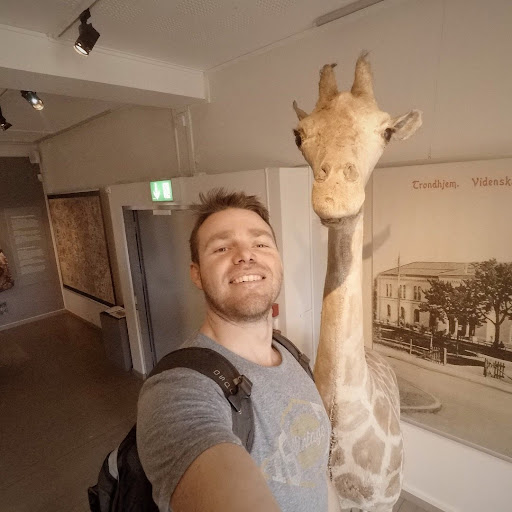
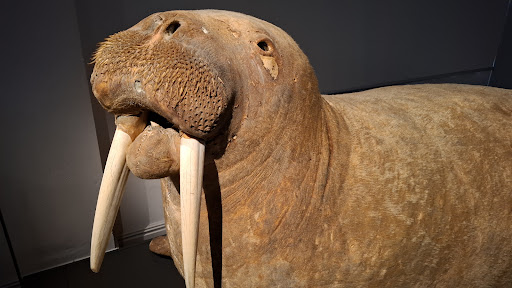
The NTNU University Museum in Trondheim is one of seven Norwegian university museums with natural and cultural history collections and exhibits. The museum has research and administrative responsibility over archaeology and biology in Central Norway.
Cultural
Family friendly
Accessibility
attractions: Suhmhuset (NTNU Vitenskapsmuseet), Nidaros Cathedral, Justice Museum, Norsk Døvemuseum, Trondheim Kunstmuseum, Olav Tryggvason, St. Olav Domkirke, Jewish Museum Trondheim, National Museum of Decorative Arts, The Armoury, restaurants: Stammen Café & Bar, Phu Yen, Amber Restaurant, Cafe Dublin Irish pub & restaurant, Emilies Eld Restaurant & Bar, Frati restaurant, Alma's, Kieglekroa, ØX Tap Room, Napoli, local businesses: Cafe Two Towers, Vi Fire Cafe & Interiør, Ila Brainnstasjon, Eventyr Håndverkssjokolade
 Learn more insights from Wanderboat AI.
Phone
+47 73 59 21 60
Website
vitenskapsmuseet.no
Open hoursSee all hours
Sun11 AM - 4 PMOpen
Plan your stay

Pet-friendly Hotels in Trondheim
Find a cozy hotel nearby and make it a full experience.

Affordable Hotels in Trondheim
Find a cozy hotel nearby and make it a full experience.

The Coolest Hotels You Haven't Heard Of (Yet)
Find a cozy hotel nearby and make it a full experience.

Trending Stays Worth the Hype in Trondheim
Find a cozy hotel nearby and make it a full experience.
Reviews
Live events
Trondheim Private Walking Tour with Local
Sun, Feb 22 • 10:00 AM
7011, Trondheim, Norway
View details
Nearby attractions of NTNU Vitenskapsmuseet
Suhmhuset (NTNU Vitenskapsmuseet)
Nidaros Cathedral
Justice Museum
Norsk Døvemuseum
Trondheim Kunstmuseum
Olav Tryggvason
St. Olav Domkirke
Jewish Museum Trondheim
National Museum of Decorative Arts
The Armoury
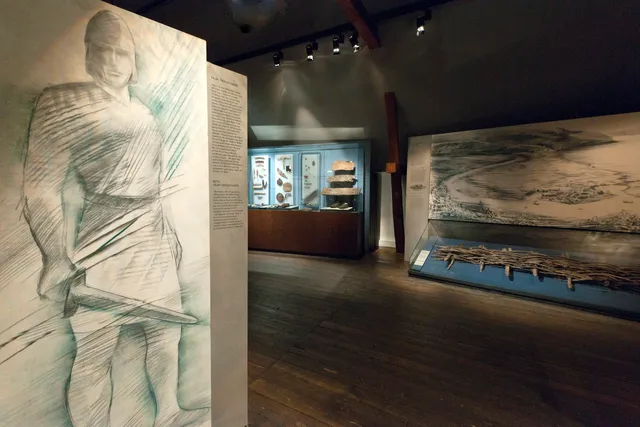
Suhmhuset (NTNU Vitenskapsmuseet)
4.6
(15)
Open until 4:00 PM
Click for details
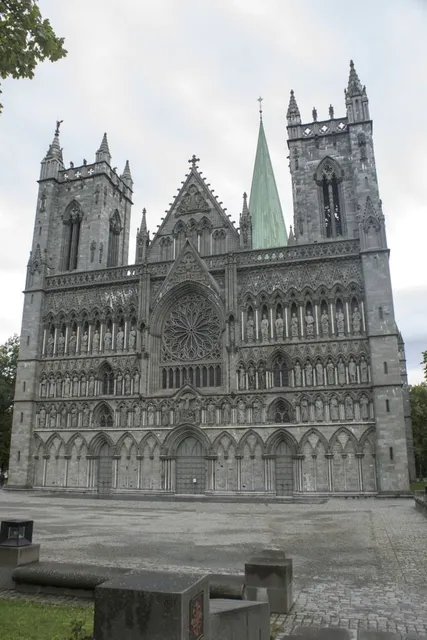
Nidaros Cathedral
4.7
(4.6K)
Closed
Click for details
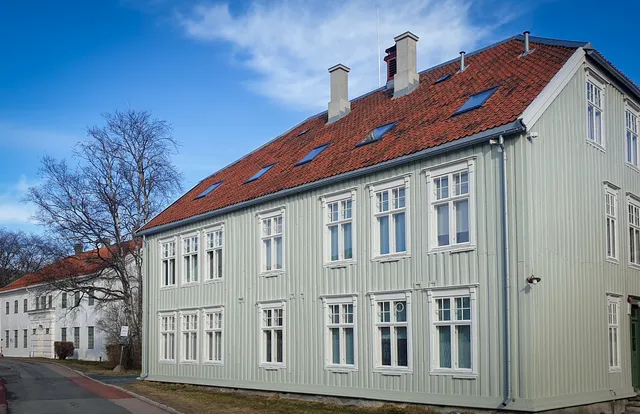
Justice Museum
4.3
(124)
Open until 4:00 PM
Click for details
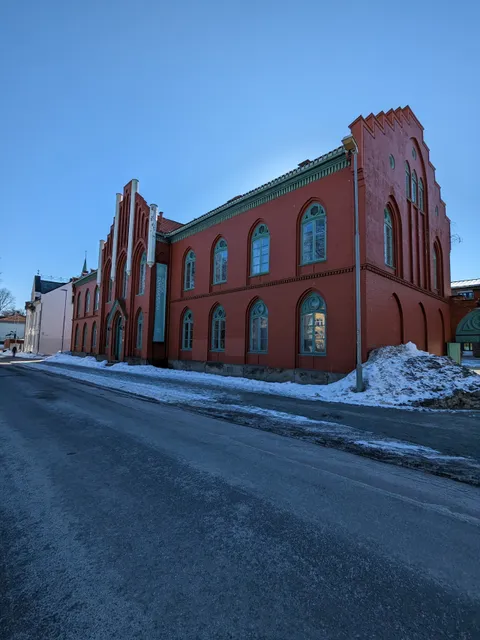
Norsk Døvemuseum
4.2
(37)
Open until 12:00 AM
Click for details
Nearby restaurants of NTNU Vitenskapsmuseet
Stammen Café & Bar
Phu Yen
Amber Restaurant
Cafe Dublin Irish pub & restaurant
Emilies Eld Restaurant & Bar
Frati restaurant
Alma's
Kieglekroa
ØX Tap Room
Napoli

Stammen Café & Bar
4.8
(116)
Click for details
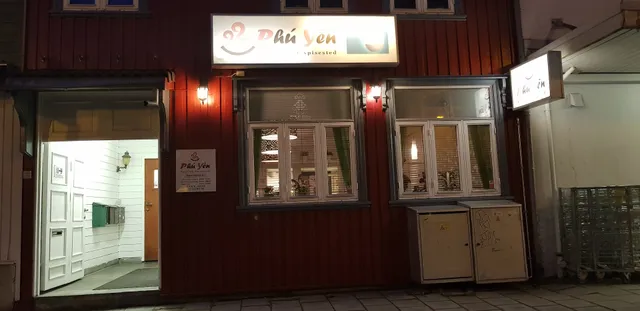
Phu Yen
4.7
(337)
Closed
Click for details
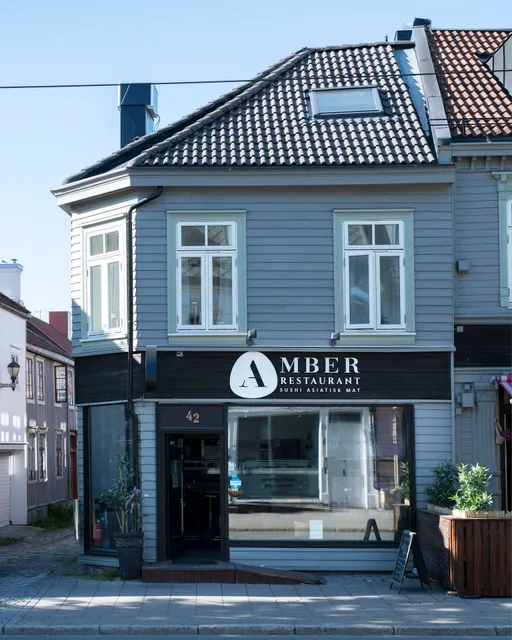
Amber Restaurant
4.3
(344)
$$
Closed
Click for details
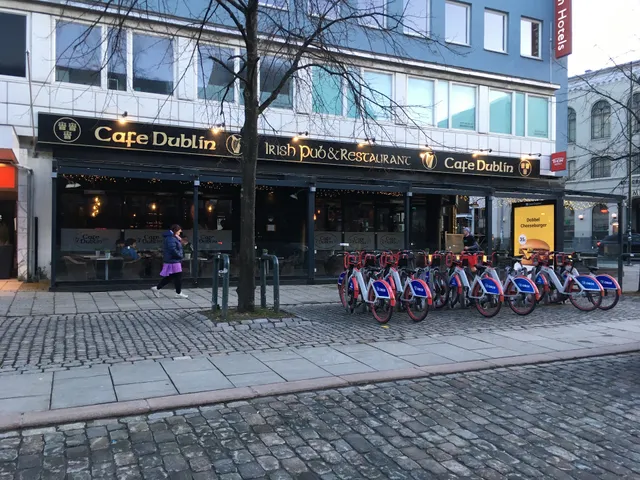
Cafe Dublin Irish pub & restaurant
4.1
(654)
$$
Closed
Click for details
Nearby local services of NTNU Vitenskapsmuseet
Cafe Two Towers
Vi Fire Cafe & Interiør
Ila Brainnstasjon
Eventyr Håndverkssjokolade
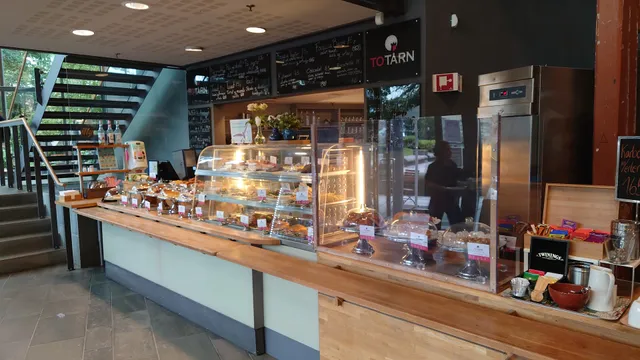
Cafe Two Towers
4.0
(89)
Click for details
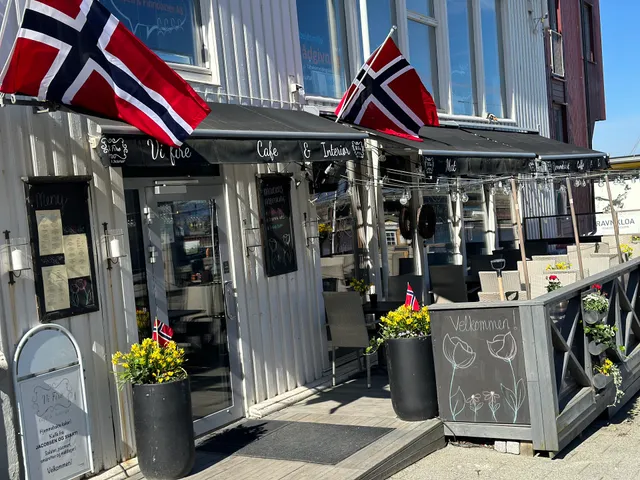
Vi Fire Cafe & Interiør
4.6
(112)
Click for details
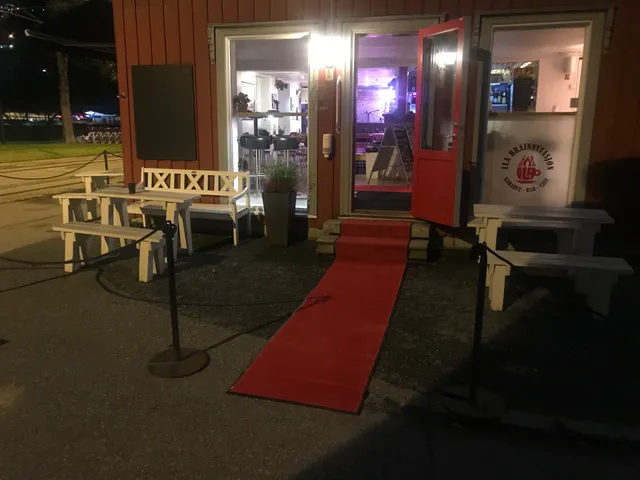
Ila Brainnstasjon
4.6
(223)
Click for details
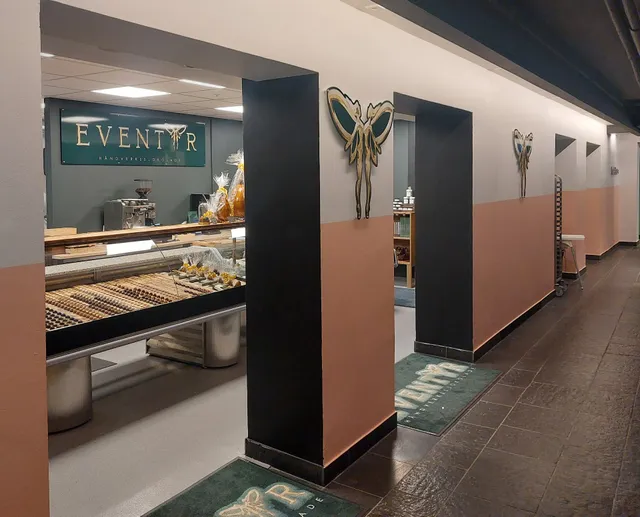
Eventyr Håndverkssjokolade
5.0
(9)
Click for details