The National Museum of Pakistan in Karachi is a captivating institution that encapsulates the rich history and diverse cultural heritage of the region. Situated in the heart of the city, this museum offers visitors a compelling journey through time, beginning with the ancient civilizations of Harappa and Mohenjo-Daro. These exhibits, featuring artifacts like pottery, seals, and figurines, provide a fascinating glimpse into the lives of the Indus Valley people, showcasing their advanced urban planning and sophisticated craftsmanship.
Moving forward in history, the museum transitions seamlessly into displays highlighting the Aryans' arrival and subsequent cultural contributions. The Arya Tehzeeb section explores this era through relics, coins, and sculptures, shedding light on the early influences that shaped the region's identity.
One of the museum's standout sections is dedicated to Buddhism, showcasing relics from Gandhara and Taxila. This collection includes intricately carved sculptures of Buddha and Bodhisattvas, offering a serene insight into the Buddhist artistry that once flourished in these lands.
The Islamic Gallery is another highlight, presenting a vast array of artifacts ranging from calligraphy and ceramics to metalwork and textiles. This section beautifully illustrates the evolution of Islamic art and architecture in the Indian subcontinent, reflecting the diverse cultural interactions that defined the region's history.
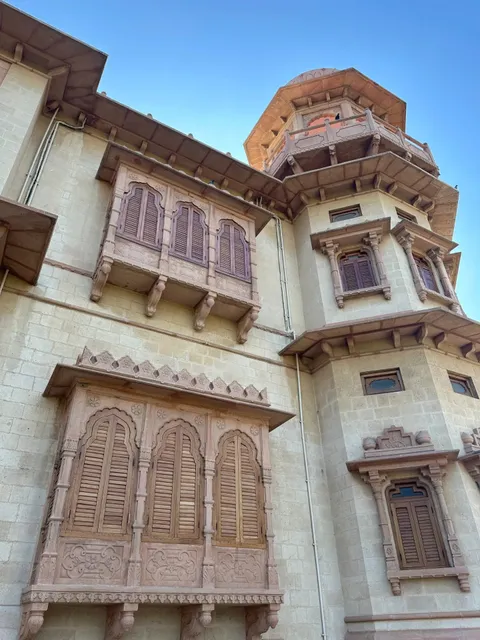
The museum's layout is well-designed, guiding visitors through these different epochs with clarity and coherence. Each exhibit is accompanied by informative descriptions, enhancing the overall educational experience. Moreover, the museum's ambiance is enhanced by its location within a historic building, adding to the sense of immersion in Pakistan's past.
Overall, the National Museum of Pakistan in Karachi is a must-visit for anyone interested in history, archaeology, or cultural studies. Its comprehensive collection and thoughtful curation make it an invaluable resource for understanding the rich tapestry of...
Read moreI visited the Pakistan National Museum in Karachi last Sunday, and honestly, it was a pretty cool experience. I’d been meaning to check it out for a while, and I’m glad I finally did.
The museum has a calm, almost peaceful vibe. As soon as I walked in, I was greeted by huge display cases filled with ancient artifacts from the Indus Valley Civilization—some of the items were over 5,000 years old! It’s crazy to think about how advanced those people were back then.
There are a bunch of different galleries—each one focused on something unique. I especially liked the Gandhara art section, with all the Buddhist sculptures, and the Islamic calligraphy gallery, which was full of beautifully preserved manuscripts. There’s also a Freedom Movement gallery that felt pretty powerful, with old photos, letters, and personal items from the people who fought for Pakistan’s independence.
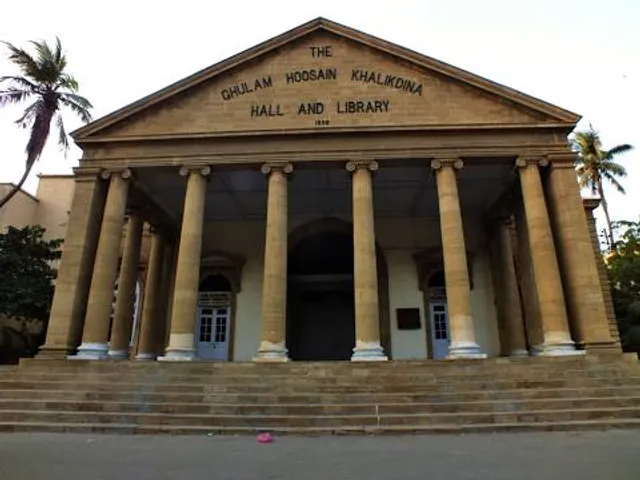
The museum building itself is a bit old, and some of the signs could definitely use an update. Still, the exhibits are well-maintained and organized in a way that makes it easy to explore at your own pace. I didn’t see too many visitors, which made it feel like I had the whole place to myself.
One thing I noticed is that the museum could really benefit from more interactive stuff—maybe some digital guides or audio tours—but overall, it’s a great place to spend a few hours if you're into history or just want to see a different side of Pakistan’s culture.
Definitely recommend checking it out if you're in Karachi. It’s a hidden gem that more people...
Read moreDon't waste your time visiting this shell of a former museum. The building and the garden are absolutely falling apart with no maintenance done in a very long time. After the entrance to the museum, the visitors are greeted with the long walk through the lawn which is in absolutely abysmal condition. The clay pots were strewn across the center lane, most of them shattered in pieces. The museum has two floors but upon entrance we were directed to head upstairs where we found most of the galleries locked and the galleries that were unlocked and accessible didn't have any working fans, lights or AC but direct sunlight to the displays. After walking through the very limited collection including some very rare ancient artifacts, Qurans and pre partition materials, my heart wept at the poor condition of the displays. The hot temperature, humidity and sun light are taking a toll on the displays. The rare manuscripts and artifacts are falling apart in these conditions. The worse part is that the priest king bust on display is a replica made of plaster and not the real thing that I went to see. The staff at the museum are definitely not qualified and looked like people installed to collect govt cheques. They prevented us from even trying to explore the ground floor and most of them were sleeping in the hallways. If you please know anyone who can save the artifacts please tell them to preserve these for future...
Read more