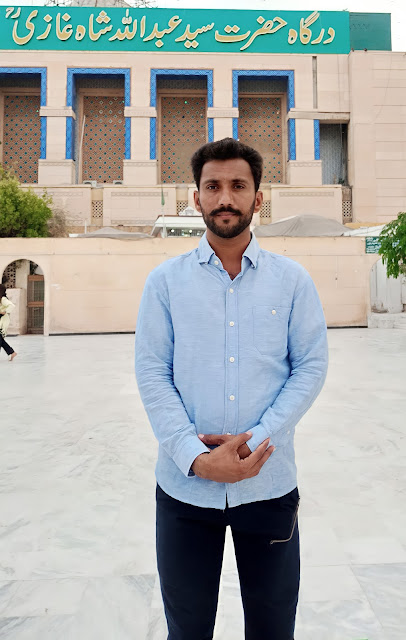
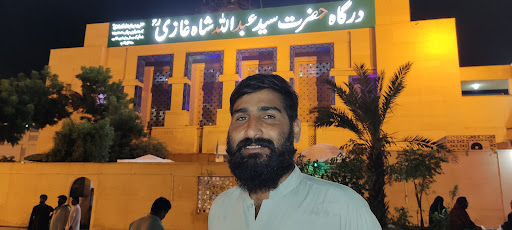
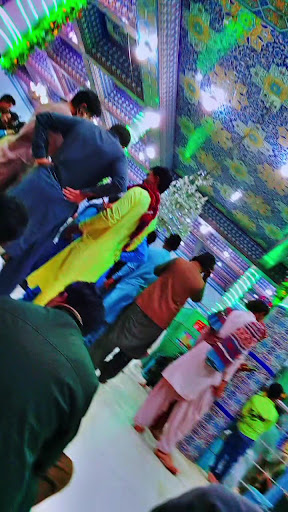
HTML SitemapExplore
logo
Find Things to DoFind The Best Restaurants

Shrine Hazrat Syed Abdullah Shah Ghazi — Attraction in Karachi Division

Name
Shrine Hazrat Syed Abdullah Shah Ghazi
Description
Nearby attractions
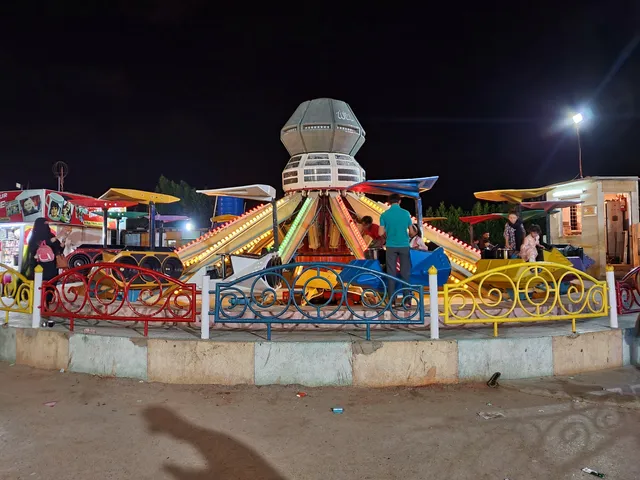
Jabees Funland
R26H+6GG, Block 3 Clifton, Karachi, 75600, Pakistan
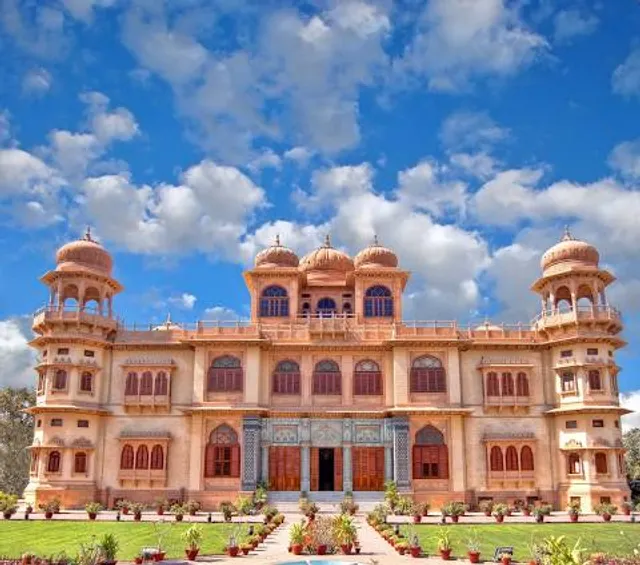
Mohatta Palace Museum
7 Hatim Alvi Rd, Block 5 Old Clifton, Karachi, 75600, Pakistan
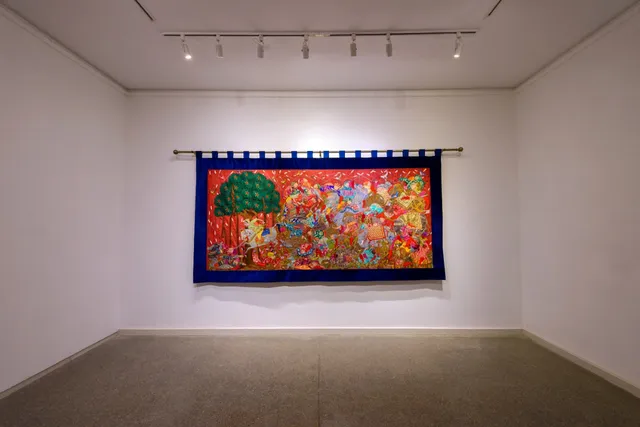
Canvas Gallery
D-40, 1, Kehkashan Block 4 Clifton, Karachi, 75600, Pakistan
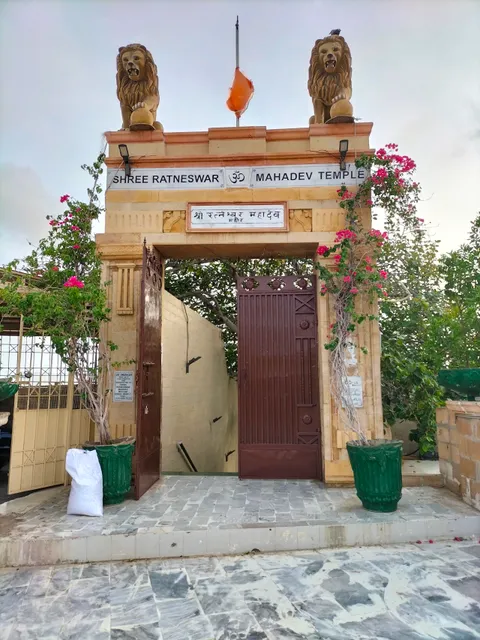
Shree Ratneswar Mahadev Mandir
R26G+XPR, Block 3 Clifton, Karachi, 75600, Pakistan
Zamzama Park
Khayaban-e-Shujaat, DHA Phase 5 Defence V Defence Housing Authority, Karachi, 75500, Pakistan
Jehangir Kothari Parade
R26G+V67, Shahrah-e-Firdousi, Block 3 Clifton, Karachi, 75600, Pakistan
Koel Gallery
R25M+4RP, Block 4 Clifton, Karachi, Pakistan
Clifton Art Gallery
F-44/1 , Block، 4 E St, DHA Phase 5 Defence V Clifton, Karachi, 75600, Pakistan
Beach View Park
R23G+JXF, Block 3 Clifton, Karachi, Pakistan
Nearby restaurants
Cafe Flo
d82, 1 26th Street, Block 4 Clifton, Karachi, 75500, Pakistan
Koel Cafe
F 42، F 42/2، 2, Block 4 Clifton, Karachi, 75600, Pakistan
Casa Villa
Plot D 74, Clifton Block 4 Of, 26th Street, Block 4 Clifton, Karachi, 75600, Pakistan
E Street Mews Cafe
F42 E St, Block 4 Clifton, Karachi, Pakistan
The Patio - Contemporary Fusion Restaurant
F-50/1 F-Street, Block 4 Clifton, Karachi, 75500, Pakistan
Cafe Aylanto
D 141, Block 4 Clifton, Karachi, 74600, Pakistan
Xander's Clifton
C32, E St, Block 4 Clifton, Karachi, 75500, Pakistan
Big Tree House
Bungalow No.76 Hatim Alvi Road, Old Clifton Rd, Karachi, Defence V Karachi, 75500, Pakistan
Nearby hotels
Related posts
Keywords
Shrine Hazrat Syed Abdullah Shah Ghazi tourism.Shrine Hazrat Syed Abdullah Shah Ghazi hotels.Shrine Hazrat Syed Abdullah Shah Ghazi bed and breakfast. flights to Shrine Hazrat Syed Abdullah Shah Ghazi.Shrine Hazrat Syed Abdullah Shah Ghazi attractions.Shrine Hazrat Syed Abdullah Shah Ghazi restaurants.Shrine Hazrat Syed Abdullah Shah Ghazi travel.Shrine Hazrat Syed Abdullah Shah Ghazi travel guide.Shrine Hazrat Syed Abdullah Shah Ghazi travel blog.Shrine Hazrat Syed Abdullah Shah Ghazi pictures.Shrine Hazrat Syed Abdullah Shah Ghazi photos.Shrine Hazrat Syed Abdullah Shah Ghazi travel tips.Shrine Hazrat Syed Abdullah Shah Ghazi maps.Shrine Hazrat Syed Abdullah Shah Ghazi things to do.
Shrine Hazrat Syed Abdullah Shah Ghazi things to do, attractions, restaurants, events info and trip planning
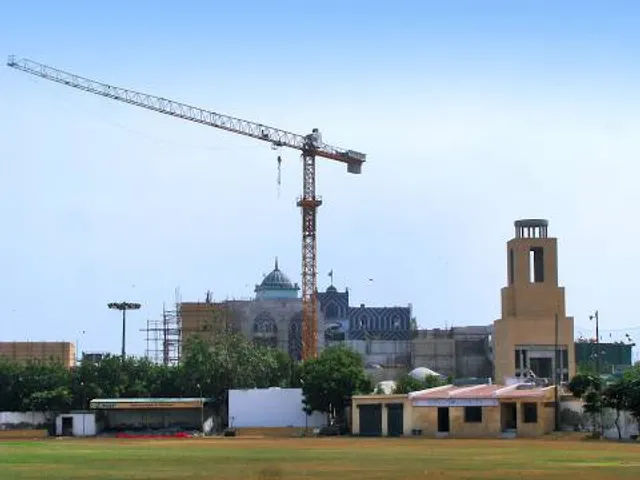
Shrine Hazrat Syed Abdullah Shah Ghazi
PakistanSindhKarachi DivisionShrine Hazrat Syed Abdullah Shah Ghazi

Basic Info

Shrine Hazrat Syed Abdullah Shah Ghazi

Shahrah-e-Firdousi, Block 4 Block 3 Clifton, Karachi, 75600, Pakistan
4.6(1.9K)
Closed
Save
spot

Ratings & Description

Info

Cultural
Family friendly
attractions: Jabees Funland, Mohatta Palace Museum, Canvas Gallery, Shree Ratneswar Mahadev Mandir, Zamzama Park, Jehangir Kothari Parade, Koel Gallery, Clifton Art Gallery, Beach View Park, restaurants: Cafe Flo, Koel Cafe, Casa Villa, E Street Mews Cafe, The Patio - Contemporary Fusion Restaurant, Cafe Aylanto, Xander's Clifton, Big Tree House
logoLearn more insights from Wanderboat AI.
Phone
+92 321 2583964
Open hoursSee all hours
Sat7 AM - 11:30 PMClosed

Plan your stay

hotel
Pet-friendly Hotels in Karachi Division
Find a cozy hotel nearby and make it a full experience.
hotel
Affordable Hotels in Karachi Division
Find a cozy hotel nearby and make it a full experience.
hotel
The Coolest Hotels You Haven't Heard Of (Yet)
Find a cozy hotel nearby and make it a full experience.
hotel
Trending Stays Worth the Hype in Karachi Division
Find a cozy hotel nearby and make it a full experience.

Reviews

Nearby attractions of Shrine Hazrat Syed Abdullah Shah Ghazi

Jabees Funland

Mohatta Palace Museum

Canvas Gallery

Shree Ratneswar Mahadev Mandir

Zamzama Park

Jehangir Kothari Parade

Koel Gallery

Clifton Art Gallery

Beach View Park

Jabees Funland

Jabees Funland

4.1

(99)

Open 24 hours
Click for details
Mohatta Palace Museum

Mohatta Palace Museum

4.5

(2.4K)

Open 24 hours
Click for details
Canvas Gallery

Canvas Gallery

4.4

(90)

Open 24 hours
Click for details
Shree Ratneswar Mahadev Mandir

Shree Ratneswar Mahadev Mandir

4.7

(136)

Open 24 hours
Click for details

Nearby restaurants of Shrine Hazrat Syed Abdullah Shah Ghazi

Cafe Flo

Koel Cafe

Casa Villa

E Street Mews Cafe

The Patio - Contemporary Fusion Restaurant

Cafe Aylanto

Xander's Clifton

Big Tree House

Cafe Flo

Cafe Flo

4.2

(1.5K)

Click for details
Koel Cafe

Koel Cafe

4.1

(1.2K)

$$$

Click for details
Casa Villa

Casa Villa

4.1

(575)

$$$

Click for details
E Street Mews Cafe

E Street Mews Cafe

4.1

(778)

Click for details
Get the Appoverlay
Get the AppOne tap to find yournext favorite spots!
Wanderboat LogoWanderboat

Your everyday Al companion for getaway ideas

CompanyAbout Us
InformationAI Trip PlannerSitemap
SocialXInstagramTiktokLinkedin
LegalTerms of ServicePrivacy Policy

Get the app

© 2025 Wanderboat. All rights reserved.
logo

Reviews of Shrine Hazrat Syed Abdullah Shah Ghazi

4.6
(1,916)
avatar
5.0
3y

NISBAT:

Abdullah Shah Ghazi (Arabic: عبد الله شاه غازي) (c. 720) was an eighth-century Muslim mystic and Sufi whose shrine is located in Clifton in Karachi, in Sindh province of Pakistan. His real name was Abdullah al-Ashtar. His father, Muhammad al-Nafs al-Zakiyya, was a descendant of Muhammad through his daughter Fatimah.

Abdullah Shah Ghazi (Arabic: عبد الله شاه غازي‎) (c. 720) was an eighth-century Muslim mystic and Sufi whose shrine is located in the Clifton neighbourhood of Karachi, Pakistan.

LIFE:

According to the city of Karachi's historian and architect, Suhail Lari, being the son of Muhammad al-Nafs al-Zakiyya, Abdullah Shah Ghazi was of the Ahl al-Bayt (member of the household of Muhammad). He was born in Medina in 720 and arrived in Sindh as an Arab merchant. Another noted historian, M. Daudpota, says that Ghazi came to the area from Iraq with Muhammad bin Qasim's army and took part in fighting Sindh's Hindu ruler Raja Dahir in the seventh century. Abdullah Shah Ghazi was said to have been killed by the army of Muhammad bin Qasim in a forest, with devotees returning his body to a site on the coast where he is said to have first stepped foot in Sindh. He was buried atop a hillock in Karachi along with his brother Misry Shah.

SHRINE:

The tomb is built on a high platform, though the body is kept in a subterranean crypt. The shrine is made of a high, square chamber and a green-and-white striped dome, decorated with Sindhi tilework, flags and buntings. The shrine attracts a steady stream of devotees who caress the silver railing around the burial place and drape it with garlands of flowers. The shrine is said to be particularly popular with Urdu-speakers and Punjabis. As a sign of cooperation among different faiths, some Christian and Hindu community members are occasionally seen also at the shrine.

Until the early 1950s, the shrine was a small hut on top of a sandy hill in Clifton. The shrine was built, expanded and beautified by the then custodian of the shrine, Murshid Nadir Ali Shah in the mid-1950s, as it had begun to attract devotional attention. The shrine expansion and pilgrims attracted the festivities, free meals for all and the devotional music such as Qawwali. In 1962, The Auqāf department took administrative control of the shrine. In 2011, the shrine was handed over to a private company, M/s Bahria.

Abdullah Shah Ghazi shrine was attacked in 2010 by militants who detonated two suicide bombs at the shrine, killing 10 and injuring 50.

The shrine's management is still able to provide two daily meals free to...

   Read more
avatar
4.0
2y

There are two versions on who Abdullah Shah Ghazi was.

One states that Abdullah Shah Ghazi was Syed Abu Muhammad Abdullah Al Ishtar from the lineage of the Prophet Muhammad from the linage of Hasan Ibne Ali Ibne Abu Talib.[2] He was born in Medina in the year 720 and arrived in Sindh in the year 760 as a merchant and brought with him a large number of horses purchased from Kufa, Iraq. He was given a warm welcome as he belonged to a saadat family, the noblest in Islam.

A second version has been given by, Dr. Umar Bin Muhammad Daudpota proposes that the real name of Abdullah Shah was General Abdulla bin Nabhan. Who along with another senior commander, Badil bin Tuhafa, had launched a military expedition against the local ruler, Raja Dahir. The assault was a response to the activities of Raja Dahir, who was seen as encouraging pirates to raid Arab shipping. The war is generally attributed to being triggered by a noble woman who wrote to the then Governor of Basra, Al-Hajjaj ibn Yusuf, that she had been kidnapped. Al Hajjaj then wrote a letter to the Raja Dahir who replied that he did not exercise any control over pirates in his kingdom thereby triggering a military expedition that ensued at Debal, near modern-day Karachi. Later, a second mission was entrusted to a young commander, Muhammad bin Qasim who successfully defeated the Raja and rescued the noble woman and the other Muslim prisoners.

While Muhammad bin Qasim pressed on to topple the Raja and conquer, Abdullah Shah continued to live and preach Islam in Sindh. Beside preaching, Abdullah Shah was very fond of hunting. In old times, Sindh had plenty of wildlife like ibex, urial, blue bull, gazelle and deer. In his passion for hunting, Abdullah used to go far from the base and while he had was far enough away he was intercepted by the enemy. Out-numbered, he preferred to fight rather than submitting and it is because of this display of valor he was given the title of "Ghazi" meaning...

   Read more
avatar
5.0
2y

The Shrine of Hazrat Syed Abdullah Shah Ghazi is a prominent religious site located in Karachi, Pakistan. It is dedicated to Hazrat Syed Abdullah Shah Ghazi, a revered Sufi saint who is believed to have arrived in the region during the 8th century.

Hazrat Syed Abdullah Shah Ghazi, also known as Abdullah Shah Ghazi, was a descendant of the Prophet Muhammad. According to historical accounts, he came to Sindh, the southern province of Pakistan, to spread the teachings of Islam and to engage in spiritual practices. He settled in the coastal city of Karachi, then a small fishing village.

Hazrat Syed Abdullah Shah Ghazi was known for his piety, wisdom, and miraculous powers. He played a significant role in the conversion of local people to Islam and was highly respected by both Muslims and non-Muslims alike. Legend has it that he used his supernatural abilities to protect the city from natural disasters, such as storms and floods.

The shrine dedicated to Hazrat Syed Abdullah Shah Ghazi was built on the hilltop where he is said to have meditated and eventually passed away. Over the centuries, the shrine has been expanded and renovated several times, becoming a significant pilgrimage site for devotees from all over the country.

Today, the shrine is visited by thousands of people, especially on Thursdays and Fridays, which are considered auspicious days for seeking blessings. The architecture of the shrine is a blend of traditional Islamic and Mughal styles, featuring a domed structure with intricate tile work and calligraphy.

The Shrine of Hazrat Syed Abdullah Shah Ghazi stands as a symbol of spiritual heritage and religious harmony in Karachi, attracting both believers and curious visitors who are interested in experiencing the rich cultural and religious traditions...

   Read more
Page 1 of 7
Previous
Next

Posts

Adv Imam Raheem Bux MaharAdv Imam Raheem Bux Mahar
NISBAT: Abdullah Shah Ghazi (Arabic: عبد الله شاه غازي) (c. 720) was an eighth-century Muslim mystic and Sufi whose shrine is located in Clifton in Karachi, in Sindh province of Pakistan. His real name was Abdullah al-Ashtar. His father, Muhammad al-Nafs al-Zakiyya, was a descendant of Muhammad through his daughter Fatimah. Abdullah Shah Ghazi (Arabic: عبد الله شاه غازي‎) (c. 720) was an eighth-century Muslim mystic and Sufi whose shrine is located in the Clifton neighbourhood of Karachi, Pakistan. LIFE: According to the city of Karachi's historian and architect, Suhail Lari, being the son of Muhammad al-Nafs al-Zakiyya, Abdullah Shah Ghazi was of the Ahl al-Bayt (member of the household of Muhammad). He was born in Medina in 720 and arrived in Sindh as an Arab merchant. Another noted historian, M. Daudpota, says that Ghazi came to the area from Iraq with Muhammad bin Qasim's army and took part in fighting Sindh's Hindu ruler Raja Dahir in the seventh century. Abdullah Shah Ghazi was said to have been killed by the army of Muhammad bin Qasim in a forest, with devotees returning his body to a site on the coast where he is said to have first stepped foot in Sindh. He was buried atop a hillock in Karachi along with his brother Misry Shah. SHRINE: The tomb is built on a high platform, though the body is kept in a subterranean crypt. The shrine is made of a high, square chamber and a green-and-white striped dome, decorated with Sindhi tilework, flags and buntings. The shrine attracts a steady stream of devotees who caress the silver railing around the burial place and drape it with garlands of flowers. The shrine is said to be particularly popular with Urdu-speakers and Punjabis. As a sign of cooperation among different faiths, some Christian and Hindu community members are occasionally seen also at the shrine. Until the early 1950s, the shrine was a small hut on top of a sandy hill in Clifton. The shrine was built, expanded and beautified by the then custodian of the shrine, Murshid Nadir Ali Shah in the mid-1950s, as it had begun to attract devotional attention. The shrine expansion and pilgrims attracted the festivities, free meals for all and the devotional music such as Qawwali. In 1962, The Auqāf department took administrative control of the shrine. In 2011, the shrine was handed over to a private company, M/s Bahria. Abdullah Shah Ghazi shrine was attacked in 2010 by militants who detonated two suicide bombs at the shrine, killing 10 and injuring 50. The shrine's management is still able to provide two daily meals free to anyone in need.
Inam KhanInam Khan
There are two versions on who Abdullah Shah Ghazi was. One states that Abdullah Shah Ghazi was Syed Abu Muhammad Abdullah Al Ishtar from the lineage of the Prophet Muhammad from the linage of Hasan Ibne Ali Ibne Abu Talib.[2] He was born in Medina in the year 720 and arrived in Sindh in the year 760 as a merchant and brought with him a large number of horses purchased from Kufa, Iraq. He was given a warm welcome as he belonged to a saadat family, the noblest in Islam. A second version has been given by, Dr. Umar Bin Muhammad Daudpota proposes that the real name of Abdullah Shah was General Abdulla bin Nabhan. Who along with another senior commander, Badil bin Tuhafa, had launched a military expedition against the local ruler, Raja Dahir. The assault was a response to the activities of Raja Dahir, who was seen as encouraging pirates to raid Arab shipping. The war is generally attributed to being triggered by a noble woman who wrote to the then Governor of Basra, Al-Hajjaj ibn Yusuf, that she had been kidnapped. Al Hajjaj then wrote a letter to the Raja Dahir who replied that he did not exercise any control over pirates in his kingdom thereby triggering a military expedition that ensued at Debal, near modern-day Karachi. Later, a second mission was entrusted to a young commander, Muhammad bin Qasim who successfully defeated the Raja and rescued the noble woman and the other Muslim prisoners. While Muhammad bin Qasim pressed on to topple the Raja and conquer, Abdullah Shah continued to live and preach Islam in Sindh. Beside preaching, Abdullah Shah was very fond of hunting. In old times, Sindh had plenty of wildlife like ibex, urial, blue bull, gazelle and deer. In his passion for hunting, Abdullah used to go far from the base and while he had was far enough away he was intercepted by the enemy. Out-numbered, he preferred to fight rather than submitting and it is because of this display of valor he was given the title of "Ghazi" meaning "victorious".
Attiya KhaliqAttiya Khaliq
Shrine building is good enough, worth watching as it is adjacent to Bahria icon tower it looks more beautiful. View of Ibn ě Qasim Park and beach from shrine verandah is fabulous. Problem is with management and followers. Security is satisfactory as there is check point for both males and females. You've to remove your shoes in verandah and have to go to shrine through stairs bare feet, as weather is mostly hot and it's uncomfortable to walk bare feet so wear socks when you go there. Cleanliness is below average, after walking bare feet you'll get your soles all dirty, socks will help. When you reach the main shrine, there's so much suffocation and torridity due to no ventilation system and crowd. I don't want to comment on followers, in view of not hurting anyone's feelings. The spiritual feeling was masked due to over crowding, and suffocation. There are few other things other than shrine, few other graves, some small cradles in which infertile women put money and swing it, in hope to get children, a small pond and a mosque, communal meal(langar) facility is available for visitors. There's is business for meals as well, who cook caldrons on order. There are a lot of vendors selling different things. A lot of homeless people keep on sitting and lying around the shrine on roads and foot paths for meals and charity. For those who plan to go there for just visiting the building, don't go on Thursday and Friday as major crowd on these days. Select a cool weather day, wear socks, keep water along and don't take valuables there. Pictures aren't allowed inside shrine, but it can be done with some tricks.
See more posts
See more posts
hotel
Find your stay

Pet-friendly Hotels in Karachi Division

Find a cozy hotel nearby and make it a full experience.

NISBAT: Abdullah Shah Ghazi (Arabic: عبد الله شاه غازي) (c. 720) was an eighth-century Muslim mystic and Sufi whose shrine is located in Clifton in Karachi, in Sindh province of Pakistan. His real name was Abdullah al-Ashtar. His father, Muhammad al-Nafs al-Zakiyya, was a descendant of Muhammad through his daughter Fatimah. Abdullah Shah Ghazi (Arabic: عبد الله شاه غازي‎) (c. 720) was an eighth-century Muslim mystic and Sufi whose shrine is located in the Clifton neighbourhood of Karachi, Pakistan. LIFE: According to the city of Karachi's historian and architect, Suhail Lari, being the son of Muhammad al-Nafs al-Zakiyya, Abdullah Shah Ghazi was of the Ahl al-Bayt (member of the household of Muhammad). He was born in Medina in 720 and arrived in Sindh as an Arab merchant. Another noted historian, M. Daudpota, says that Ghazi came to the area from Iraq with Muhammad bin Qasim's army and took part in fighting Sindh's Hindu ruler Raja Dahir in the seventh century. Abdullah Shah Ghazi was said to have been killed by the army of Muhammad bin Qasim in a forest, with devotees returning his body to a site on the coast where he is said to have first stepped foot in Sindh. He was buried atop a hillock in Karachi along with his brother Misry Shah. SHRINE: The tomb is built on a high platform, though the body is kept in a subterranean crypt. The shrine is made of a high, square chamber and a green-and-white striped dome, decorated with Sindhi tilework, flags and buntings. The shrine attracts a steady stream of devotees who caress the silver railing around the burial place and drape it with garlands of flowers. The shrine is said to be particularly popular with Urdu-speakers and Punjabis. As a sign of cooperation among different faiths, some Christian and Hindu community members are occasionally seen also at the shrine. Until the early 1950s, the shrine was a small hut on top of a sandy hill in Clifton. The shrine was built, expanded and beautified by the then custodian of the shrine, Murshid Nadir Ali Shah in the mid-1950s, as it had begun to attract devotional attention. The shrine expansion and pilgrims attracted the festivities, free meals for all and the devotional music such as Qawwali. In 1962, The Auqāf department took administrative control of the shrine. In 2011, the shrine was handed over to a private company, M/s Bahria. Abdullah Shah Ghazi shrine was attacked in 2010 by militants who detonated two suicide bombs at the shrine, killing 10 and injuring 50. The shrine's management is still able to provide two daily meals free to anyone in need.
Adv Imam Raheem Bux Mahar

Adv Imam Raheem Bux Mahar

hotel
Find your stay

Affordable Hotels in Karachi Division

Find a cozy hotel nearby and make it a full experience.

Get the Appoverlay
Get the AppOne tap to find yournext favorite spots!
There are two versions on who Abdullah Shah Ghazi was. One states that Abdullah Shah Ghazi was Syed Abu Muhammad Abdullah Al Ishtar from the lineage of the Prophet Muhammad from the linage of Hasan Ibne Ali Ibne Abu Talib.[2] He was born in Medina in the year 720 and arrived in Sindh in the year 760 as a merchant and brought with him a large number of horses purchased from Kufa, Iraq. He was given a warm welcome as he belonged to a saadat family, the noblest in Islam. A second version has been given by, Dr. Umar Bin Muhammad Daudpota proposes that the real name of Abdullah Shah was General Abdulla bin Nabhan. Who along with another senior commander, Badil bin Tuhafa, had launched a military expedition against the local ruler, Raja Dahir. The assault was a response to the activities of Raja Dahir, who was seen as encouraging pirates to raid Arab shipping. The war is generally attributed to being triggered by a noble woman who wrote to the then Governor of Basra, Al-Hajjaj ibn Yusuf, that she had been kidnapped. Al Hajjaj then wrote a letter to the Raja Dahir who replied that he did not exercise any control over pirates in his kingdom thereby triggering a military expedition that ensued at Debal, near modern-day Karachi. Later, a second mission was entrusted to a young commander, Muhammad bin Qasim who successfully defeated the Raja and rescued the noble woman and the other Muslim prisoners. While Muhammad bin Qasim pressed on to topple the Raja and conquer, Abdullah Shah continued to live and preach Islam in Sindh. Beside preaching, Abdullah Shah was very fond of hunting. In old times, Sindh had plenty of wildlife like ibex, urial, blue bull, gazelle and deer. In his passion for hunting, Abdullah used to go far from the base and while he had was far enough away he was intercepted by the enemy. Out-numbered, he preferred to fight rather than submitting and it is because of this display of valor he was given the title of "Ghazi" meaning "victorious".
Inam Khan

Inam Khan

hotel
Find your stay

The Coolest Hotels You Haven't Heard Of (Yet)

Find a cozy hotel nearby and make it a full experience.

hotel
Find your stay

Trending Stays Worth the Hype in Karachi Division

Find a cozy hotel nearby and make it a full experience.

Shrine building is good enough, worth watching as it is adjacent to Bahria icon tower it looks more beautiful. View of Ibn ě Qasim Park and beach from shrine verandah is fabulous. Problem is with management and followers. Security is satisfactory as there is check point for both males and females. You've to remove your shoes in verandah and have to go to shrine through stairs bare feet, as weather is mostly hot and it's uncomfortable to walk bare feet so wear socks when you go there. Cleanliness is below average, after walking bare feet you'll get your soles all dirty, socks will help. When you reach the main shrine, there's so much suffocation and torridity due to no ventilation system and crowd. I don't want to comment on followers, in view of not hurting anyone's feelings. The spiritual feeling was masked due to over crowding, and suffocation. There are few other things other than shrine, few other graves, some small cradles in which infertile women put money and swing it, in hope to get children, a small pond and a mosque, communal meal(langar) facility is available for visitors. There's is business for meals as well, who cook caldrons on order. There are a lot of vendors selling different things. A lot of homeless people keep on sitting and lying around the shrine on roads and foot paths for meals and charity. For those who plan to go there for just visiting the building, don't go on Thursday and Friday as major crowd on these days. Select a cool weather day, wear socks, keep water along and don't take valuables there. Pictures aren't allowed inside shrine, but it can be done with some tricks.
Attiya Khaliq

Attiya Khaliq

See more posts
See more posts