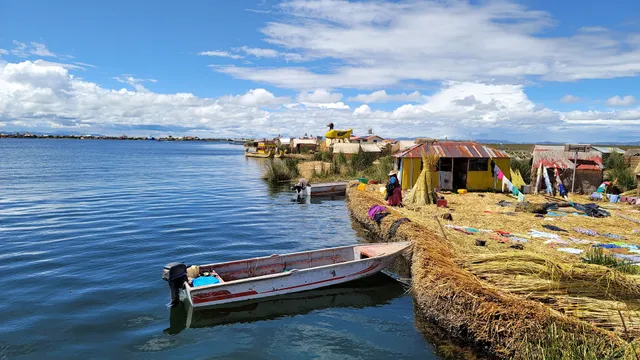
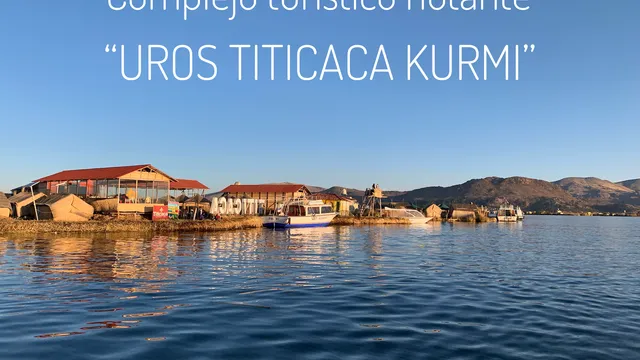
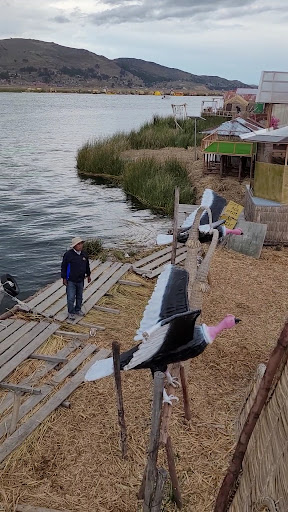
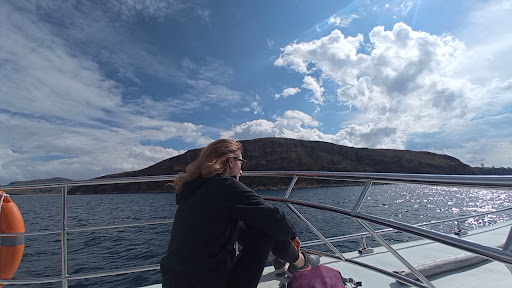
Visiting the floating islands left me with a lasting sour taste. What should have been a cultural experience felt more like a staged tourist trap—complete with forced selling and a pointless “optional” boat ride that was anything but optional.
The most disturbing part was watching indigenous people put on a performance of hardship for financial gain. Centuries ago, these islands had a real purpose, but today they exist purely for show. Ironically, you won’t learn any of that history during the tour.
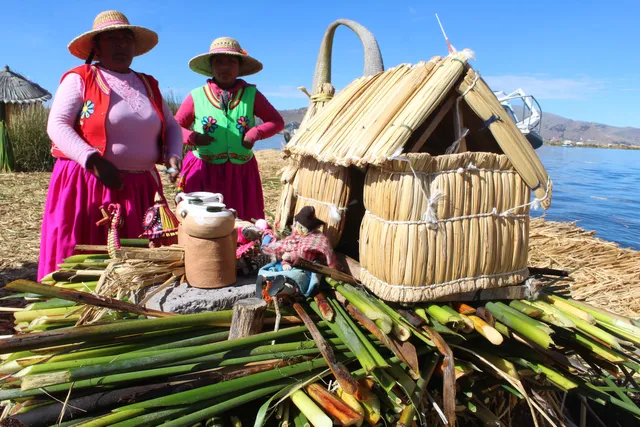
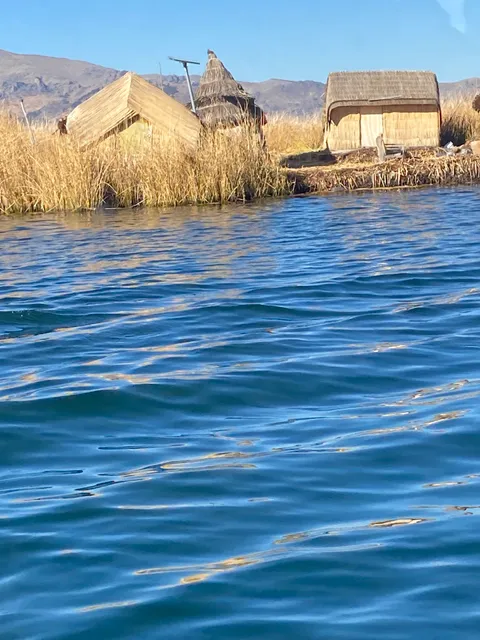
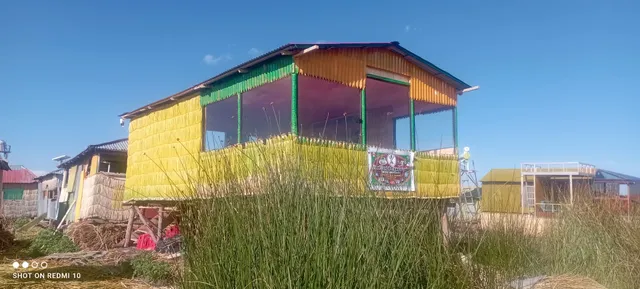
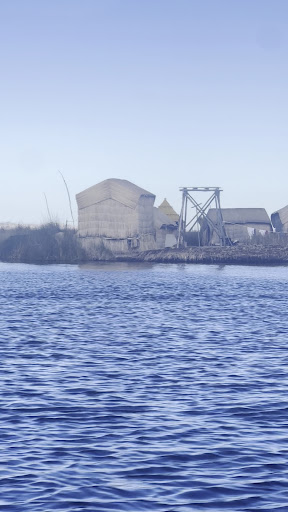
The visit follows the same formula: you’re ferried out by motorboat, given a quick demonstration of how the islands are built, then divided into groups and shown the cramped huts where “residents” supposedly live—five to nine people in a bare 14m² room. Guilt builds, and just as it peaks, an “improvised” market appears, selling overpriced souvenirs likely manufactured elsewhere.
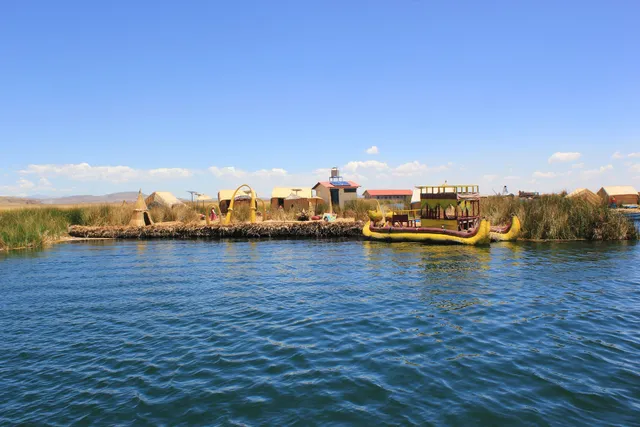
Next comes the so-called “invitation” to board their reed boats. In reality, it’s mandatory, and only once you’re seated do they demand an extra 10 soles. The boats make for cute Instagram shots but serve no purpose other than shuttling tourists to yet another souvenir stop.
This kind of contrived, exploitative tourism doesn’t benefit the community nor the travelers. There could be far better ways to experience the natural beauty of Lake Titicaca through genuine, community-based tourism initiatives—without resorting to what I’d call plastic tourism.
As an experienced traveler, I strongly advise against this tour. Tour operators should stop promoting it, and visitors should reconsider stopping in Puno if this is the main attraction. Neither the tourists nor the local “actors” gain from this charade, and it’s a form of tourism best left...
Read moreI am glad I visited the islands. They are a unique and beautiful place. The islands are a big tourist attraction when in Puno, and it seems that the people living on the islands have come to rely on the money spent there. There is a strict schedule for the tourists to follow. You don't get to choose where you go or which island you visit.
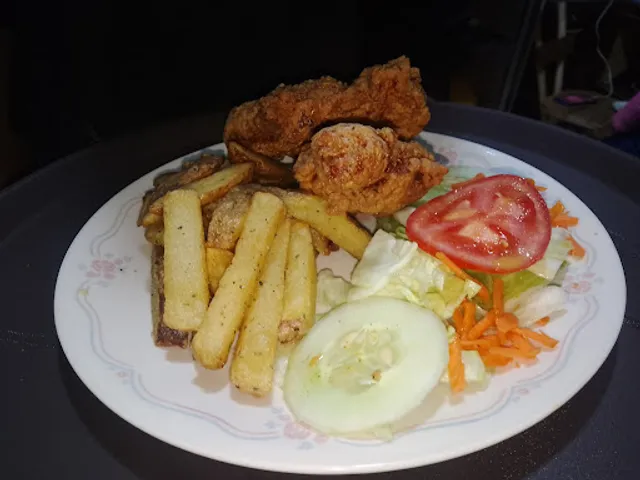
Everyone is welcomed to the island, and an explanation is given on how they make the islands and their daily lives. You are then separated into groups to look at the souvenirs. I did feel a bit of pressure to buy souvenirs, but they are very expensive compared to the mainland. Everyone is then boarded onto a reed boat. We are told to pay a donation, and then we are told we didn't pay enough. They should say from the start how much we need to pay. A few young children sing a song while on the boat, and you are expected to give them a donation. It's a short boat ride to the next island with a souvenir shop, restaurant, and place to take photos. There was one man serving who kept shouting at everyone, didn't know why, but it was off-putting. I had trout, which was delicious and well priced, but they didn't give me the soup starter. Before I knew it, I was told to get back on the boat to leave the island and head back to the mainland.
I wouldn't visit again. Once is enough. Make sure you bring plenty of money with you.
I bought my ticket at the harbour. I don't know if booking a tour would give you a different experience.
Everyone was welcoming and friendly.
I wish I could give more stars, but the shouty man, lack of communication for reed boat price, and the pressure to spend are the...
Read moreThe travel agency arranges the trip to the floating islands. The island is assigned each time. I guess the government wants everyone has a chance to make money. I doubt you can visit the island by yourself. The people will start with illustration how they cut the grass roots and grass to build the floating platform. Then they build simple houses on top of the platform. There are at least hundreds of floating islands. All look similar. Next they show the house they live and explain their lifestyle. Next step is to sell you souvenir they made. Then they ask if you want to ride the famous totora reed boat which is made of straw. However they don’t row the boat. They use a motor ship to push the boat. Of course it is not free. It is interesting to learn their life. On the other hand it becomes...
Read more