HTML SitemapExplore
logo
Find Things to DoFind The Best Restaurants

Ma-Cho Temple (Taoist Temple) — Attraction in San Fernando

Name
Ma-Cho Temple (Taoist Temple)
Description
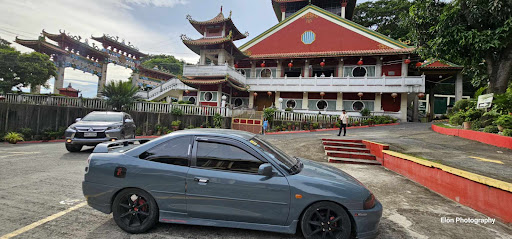
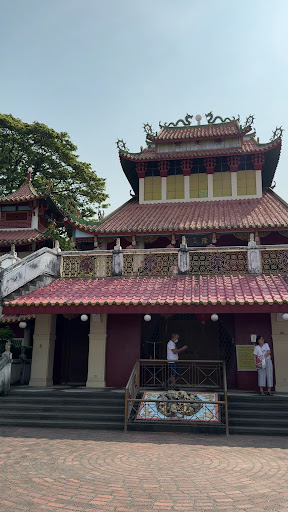
The Ma-Cho, Mazu or Ma Cho Temple is a Taoist temple to the Chinese Sea-Goddess Mazu located on Quezon Avenue in Barangay II, San Fernando, La Union in the Philippines.
Nearby attractions
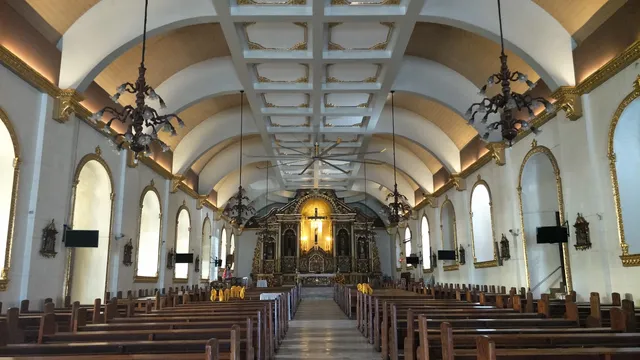
Cathedral Parish of Saint William the Hermit (Diocese of San Fernando de La Union)
J889+72V, San Fernando City, La Union, Philippines
Nearby restaurants
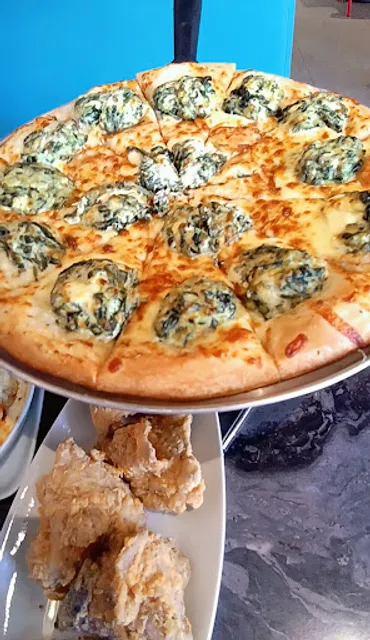
Angel's Pizza - La Union
Citiplace Building, Brgy. 3 Quezon Ave, San Fernando City, La Union, Philippines
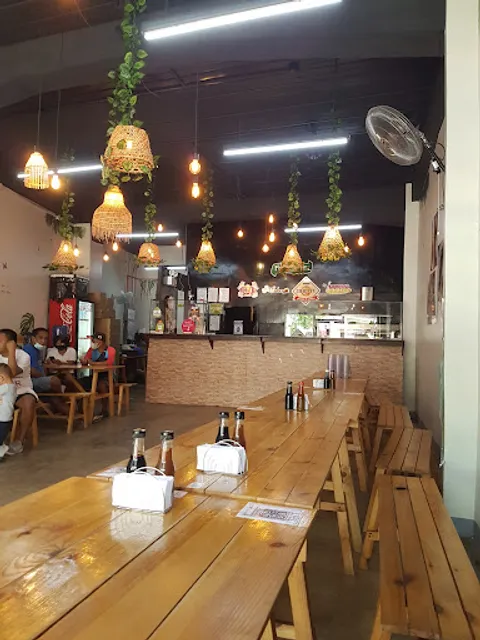
The Food Cartel - San Fernando City
Sea & Sky Hotel, Quezon Ave, San Fernando City, 2500 La Union, Philippines
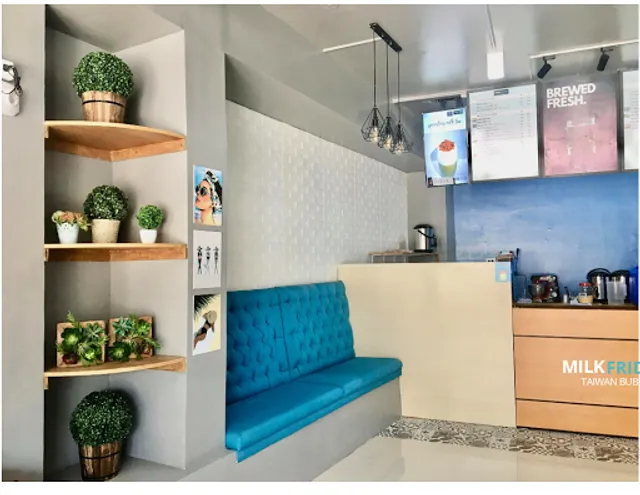
Milk Fridge La Union
669 Quezon Ave, San Fernando City, La Union, Philippines
Taipan Garden Restaurant
P. Burgos St, San Fernando City, La Union, Philippines
Happy Tummy Restaurant
Quezon Avenue, San Fernando City, 2500 La Union, Philippines
Midtown Food Palace
100 Quezon Ave, San Fernando City, 2500 La Union, Philippines
Kawbin's Restaurant
National Highway, Quezon Ave, San Fernando City, 2500 La Union, Philippines
Shibuya Ramen Food House PH - La Union
Osias St, Brgy III, San Fernando City, 2500 La Union, Philippines
Muchas Gracias Family Restaurant
J89C+228, Zandueta St, San Fernando City, La Union, Philippines
Greenwich
Quezon Avenue, Cor P. Burgos St, San Fernando City, 2500 La Union, Philippines
Nearby hotels
Sea and Sky Hotel and Restaurant
J8F8+47H, National Highway, San Fernando City, 2500 La Union, Philippines
Kadangyan by 3Bu Hostel
J898+R4M, Rivera St, Brgy III, San Fernando City, 2500 La Union, Philippines
Balay Ni Manuel Ken Maria Boutique Hotel
2 Almeida St, San Fernando City, 2500 La Union, Philippines
Hotel Elegant
J8GF+GV4, Biday Bridge, San Juan, La Union, Philippines
Hotel Mikka
J898+XMG, Quezon Avenue, San Fernando, 680 MacArthur Hwy, San Fernando City, 2500 La Union, Philippines
Related posts
Keywords
Ma-Cho Temple (Taoist Temple) tourism.Ma-Cho Temple (Taoist Temple) hotels.Ma-Cho Temple (Taoist Temple) bed and breakfast. flights to Ma-Cho Temple (Taoist Temple).Ma-Cho Temple (Taoist Temple) attractions.Ma-Cho Temple (Taoist Temple) restaurants.Ma-Cho Temple (Taoist Temple) travel.Ma-Cho Temple (Taoist Temple) travel guide.Ma-Cho Temple (Taoist Temple) travel blog.Ma-Cho Temple (Taoist Temple) pictures.Ma-Cho Temple (Taoist Temple) photos.Ma-Cho Temple (Taoist Temple) travel tips.Ma-Cho Temple (Taoist Temple) maps.Ma-Cho Temple (Taoist Temple) things to do.
Ma-Cho Temple (Taoist Temple) things to do, attractions, restaurants, events info and trip planning
Ma-Cho Temple (Taoist Temple)
PhilippinesLa UnionSan FernandoMa-Cho Temple (Taoist Temple)

Basic Info

Ma-Cho Temple (Taoist Temple)

J8C8+FX2, Ma-Cho Temple Driveway, Quezon Ave, San Fernando City, La Union, Philippines
4.5(764)
Closed
Save
spot

Ratings & Description

Info

The Ma-Cho, Mazu or Ma Cho Temple is a Taoist temple to the Chinese Sea-Goddess Mazu located on Quezon Avenue in Barangay II, San Fernando, La Union in the Philippines.

Cultural
Scenic
Relaxation
Family friendly
Accessibility
attractions: Cathedral Parish of Saint William the Hermit (Diocese of San Fernando de La Union), restaurants: Angel's Pizza - La Union, The Food Cartel - San Fernando City, Milk Fridge La Union, Taipan Garden Restaurant, Happy Tummy Restaurant, Midtown Food Palace, Kawbin's Restaurant, Shibuya Ramen Food House PH - La Union, Muchas Gracias Family Restaurant, Greenwich
logoLearn more insights from Wanderboat AI.
Phone
+63 72 242 2533
Website
machotemple.org
Open hoursSee all hours
Sat8 AM - 5 PMClosed

Plan your stay

hotel
Pet-friendly Hotels in San Fernando
Find a cozy hotel nearby and make it a full experience.
hotel
Affordable Hotels in San Fernando
Find a cozy hotel nearby and make it a full experience.
hotel
The Coolest Hotels You Haven't Heard Of (Yet)
Find a cozy hotel nearby and make it a full experience.
hotel
Trending Stays Worth the Hype in San Fernando
Find a cozy hotel nearby and make it a full experience.

Reviews

Nearby attractions of Ma-Cho Temple (Taoist Temple)

Cathedral Parish of Saint William the Hermit (Diocese of San Fernando de La Union)

Cathedral Parish of Saint William the Hermit (Diocese of San Fernando de La Union)

Cathedral Parish of Saint William the Hermit (Diocese of San Fernando de La Union)

4.7

(136)

Open 24 hours
Click for details

Nearby restaurants of Ma-Cho Temple (Taoist Temple)

Angel's Pizza - La Union

The Food Cartel - San Fernando City

Milk Fridge La Union

Taipan Garden Restaurant

Happy Tummy Restaurant

Midtown Food Palace

Kawbin's Restaurant

Shibuya Ramen Food House PH - La Union

Muchas Gracias Family Restaurant

Greenwich

Angel's Pizza - La Union

Angel's Pizza - La Union

4.1

(62)

$$

Click for details
The Food Cartel - San Fernando City

The Food Cartel - San Fernando City

4.2

(53)

Click for details
Milk Fridge La Union

Milk Fridge La Union

3.9

(8)

Click for details
Taipan Garden Restaurant

Taipan Garden Restaurant

3.8

(130)

Click for details
Get the Appoverlay
Get the AppOne tap to find yournext favorite spots!
Wanderboat LogoWanderboat

Your everyday Al companion for getaway ideas

CompanyAbout Us
InformationAI Trip PlannerSitemap
SocialXInstagramTiktokLinkedin
LegalTerms of ServicePrivacy Policy

Get the app

© 2025 Wanderboat. All rights reserved.
logo

Reviews of Ma-Cho Temple (Taoist Temple)

4.5
(764)
avatar
4.0
27w

Certainly! Here's a comprehensive review of Ma-Cho Temple in the Philippines, based on general knowledge and visitor feedback up to 2023:

Ma-Cho Temple - Full Review

Overview: Ma-Cho Temple is a prominent Taoist temple located in San Juan, La Union, Philippines. It is one of the most visited religious sites in the region and is renowned for its scenic location, cultural significance, and spiritual atmosphere. The temple is dedicated to Ma-Cho, the Chinese sea goddess, and serves as a place of worship, cultural preservation, and tourism.

Location & Accessibility

Position:** Situated on a hilltop overlooking the South China Sea, offering panoramic views of the coastline and surrounding areas. Accessibility:** Located about 10-15 minutes from San Juan town proper and around 30 minutes from San Fernando City, the capital of La Union. Accessible by private vehicle, motorcycle, or tricycle. There are also walking paths for those who enjoy a scenic hike.

Architecture & Design

Pros: Traditional Chinese Architecture:** Features intricate dragon carvings, pagoda-style roofs, and vibrant colors that reflect Chinese cultural heritage. Statues & Shrines:** The main altar houses a large statue of Ma-Cho, along with other deities and guardian figures. Beautiful Grounds:** Well-maintained gardens, stone pathways, and decorative lanterns create a tranquil, spiritual ambiance. Panoramic Views:** The elevated location provides breathtaking vistas of the sea and surrounding landscape, especially during sunrise and sunset.

Cons: Maintenance:** Some areas may show signs of aging or wear, typical of older religious sites, but overall, the grounds are well-kept.

Religious & Cultural Significance

Pros: Spiritual Atmosphere:** Visitors often report a peaceful environment conducive to prayer, reflection, and meditation. Cultural Events:** The temple hosts festivals, especially during Chinese New Year and other traditional Chinese celebrations, attracting local devotees and tourists alike. Community Role:** Serves as a cultural hub for the Chinese-Filipino community and those interested in Chinese spirituality and traditions.

Cons: Commercialization:** During festivals or peak times, the area can become crowded, which might detract from the serene experience.

Visitor Experience

Pros: Scenic & Photogenic:** The view and architecture make it a popular spot for photos, especially at dawn or dusk. Peaceful Environment:** Generally quiet, especially early in the morning, ideal for prayer and reflection. Cultural Insight:** Provides visitors with a glimpse into Chinese-Filipino religious practices and cultural heritage.

Cons: Facilities:** Basic amenities are available, but there might be limited food options or shaded rest areas. Accessibility:** The hilltop location can be challenging for elderly visitors or those with mobility issues due to uneven pathways and stairs.

Tips for Visitors

Visit early in the morning or late afternoon for the best lighting and cooler temperatures. Respect the religious customs; dress modestly and observe silence or respectful behavior. Bring cash for offerings, donations, or purchasing souvenirs. Combine your visit with nearby attractions like beaches or other local sites in La Union.

Overall Impression

Ma-Cho Temple is a must-visit for those interested in Chinese culture, spirituality, or seeking a peaceful retreat with stunning scenery. Its blend of religious significance and natural beauty makes it a unique landmark in La Union.

Strengths: Beautiful architecture, panoramic views, cultural richness, peaceful atmosphere. Weaknesses: Accessibility challenges for some visitors, occasional crowds during festivals, basic facilities.

http://www.bgcmakatiortigas.com

for your real estate needs contact us.

Rich...

   Read more
avatar
5.0
20w

The Ma‑Cho Temple is a Taoist shrine dedicated to Mazu (also called Ma‑Cho), the revered Chinese sea goddess who protects fishermen and seafarers .

Located in Barangay II along Quezon Avenue in San Fernando, it sits atop a hill about 70 feet (21 m) above sea level, overlooking the South China Sea and San Fernando Bay .

🏗 History & Significance

The temple's cornerstone was laid on September 11, 1975, and it was officially inaugurated in December 1978, though construction began late 1976 .

It was built through the efforts of Filipino‑Chinese devotees led by Dy Keh Hio, with support from Tourism Secretary Jose D. Aspiras, and designed by architect Thomas Diokno .

🧱 Architecture & Features

The seven‑story temple is built on a spacious one‑hectare lot and features an unusual five‑door Gate—rare among Chinese temples that typically have three .

Key highlights include: the Majestic Five Door Gate, statues of the 18 Chinese Saints, two circular ponds with water lilies and koi, animal statues symbolizing good luck, a golden dragon emblem, Drum Tower, Bell Tower, a Liang Thing Pagoda, and Bamboo Garden .

The standout interior feature is the “spider‑type” dome: an 11‑tiered interlinking wood-carving ceiling made of camphor wood imported from Taiwan/China—designed by Taiwanese architect Shu Ing Tung .

🙏 Spiritual Practices & Inclusivity

The 8‑inch icon of Mazu is enshrined at the main altar; many devotees equate her with the Virgin of Caysasay—a Catholic figure in Taal, Batangas .

A bi‑weekly practice called “Buyong” involves interpreting messages from Mazu, where devotees ask personal or spiritual questions .

The temple is welcoming to all, regardless of religion—including many Catholics who visit the site .

🕒 Visiting Info & Tips

Open daily from around 7:00 AM to 5:00 PM .

No entrance fee, though donations are welcomed and incense products are available onsite for offerings .

Dress respectfully: avoid shorts, sleeveless tops, sleeveless garments, or slippers when entering the temple .

How to get there: From San Fernando City Plaza, take a tricycle and ask to be dropped off at Ma‑Cho Temple along the main highway .

📋 Summary Table

Feature Details

Deity Mazu (Ma‑Cho), Goddess of the Sea Location Barangay II, Quezon Ave, San Fernando City Alt. & Stories 70 ft above sea level, 7 stories high Built Cornerstone: Sept 1975; construction: late '76; inauguration: Dec 1978 Highlights Five‑door gate, 18 saints statues, koi ponds, drum & bell towers, pagoda, bamboo garden, 11‑tiered spider dome Icon 8″ statue of Mazu (linked to Our Lady of Caysasay) Practices Buyong sessions to receive messages Visiting Hours Daily 7 AM–5 PM Fees Free entry; donations accepted Dress Code Modest attire required Transport Tip Tricycle from city plaza; visible archway along highway

✨ Why Visit?

Ma‑Cho Temple stands as the first Taoist temple in the Philippines and is widely regarded as among the largest outside China. Its richly symbolic architecture, serene gardens, and striking views make it both a cultural landmark and a peaceful place of worship and...

   Read more
avatar
5.0
3y

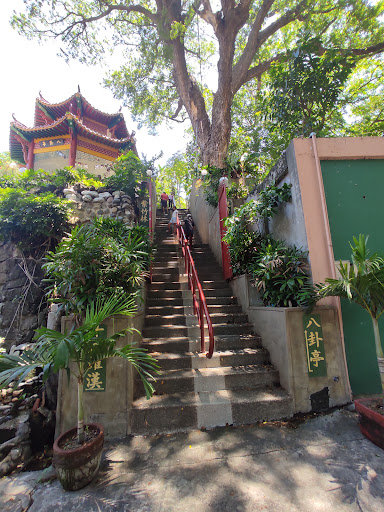
Balanced chinese temple grounds with several garden points of tourist interest. Wander on your own, there are no guides, so you don't know if you've seen the entire temple grounds or not. There's much climbing and walking uphill too. As long as you're outdoors, you can freely take pictures of this Taoist temple. Only outdoor picture taking is allowed.

Inside the altar chamber area, you need to pay 50 pesos to light 3 incense sticks to kneel on the cushion and offer at the center of the pot. The grandma guarding the temple altar inside is strict and not friendly, so stay clear unless you're a practitioner. Be mindful and respectful, quietly move so you don't disturb those coming in. The grandma is strict that everyone going inside those chambers need to wear face mask before going inside and to pay for the incense sticks if you want to experience their worship style.

Outside, the key points for pictures are: large gate, the bamboos, the octagonal pond, the numerous stone statues, and the scenery by the stairs. There are some candles lit outside and some small statues with names of the donors underneath. There's a big Ronald McDonald's statue at the ground floor outside where you can sit down to rest, but I was too lazy to make the turn inside to get there again from the outside.

If you have the time, come early to avoid the crowd and the sun, it's hot outside. It's an okay tourist spot, but could be better if there was some kind of guide, story, or info about their beliefs in the place near the entrance or the...

   Read more
Page 1 of 7
Previous
Next

Posts

Znematic TravelZnematic Travel
The Ma‑Cho Temple is a Taoist shrine dedicated to Mazu (also called Ma‑Cho), the revered Chinese sea goddess who protects fishermen and seafarers . Located in Barangay II along Quezon Avenue in San Fernando, it sits atop a hill about 70 feet (21 m) above sea level, overlooking the South China Sea and San Fernando Bay . 🏗 History & Significance The temple's cornerstone was laid on September 11, 1975, and it was officially inaugurated in December 1978, though construction began late 1976 . It was built through the efforts of Filipino‑Chinese devotees led by Dy Keh Hio, with support from Tourism Secretary Jose D. Aspiras, and designed by architect Thomas Diokno . 🧱 Architecture & Features The seven‑story temple is built on a spacious one‑hectare lot and features an unusual five‑door Gate—rare among Chinese temples that typically have three . Key highlights include: the Majestic Five Door Gate, statues of the 18 Chinese Saints, two circular ponds with water lilies and koi, animal statues symbolizing good luck, a golden dragon emblem, Drum Tower, Bell Tower, a Liang Thing Pagoda, and Bamboo Garden . The standout interior feature is the “spider‑type” dome: an 11‑tiered interlinking wood-carving ceiling made of camphor wood imported from Taiwan/China—designed by Taiwanese architect Shu Ing Tung . 🙏 Spiritual Practices & Inclusivity The 8‑inch icon of Mazu is enshrined at the main altar; many devotees equate her with the Virgin of Caysasay—a Catholic figure in Taal, Batangas . A bi‑weekly practice called “Buyong” involves interpreting messages from Mazu, where devotees ask personal or spiritual questions . The temple is welcoming to all, regardless of religion—including many Catholics who visit the site . 🕒 Visiting Info & Tips Open daily from around 7:00 AM to 5:00 PM . No entrance fee, though donations are welcomed and incense products are available onsite for offerings . Dress respectfully: avoid shorts, sleeveless tops, sleeveless garments, or slippers when entering the temple . How to get there: From San Fernando City Plaza, take a tricycle and ask to be dropped off at Ma‑Cho Temple along the main highway . 📋 Summary Table Feature Details Deity Mazu (Ma‑Cho), Goddess of the Sea Location Barangay II, Quezon Ave, San Fernando City Alt. & Stories 70 ft above sea level, 7 stories high Built Cornerstone: Sept 1975; construction: late '76; inauguration: Dec 1978 Highlights Five‑door gate, 18 saints statues, koi ponds, drum & bell towers, pagoda, bamboo garden, 11‑tiered spider dome Icon 8″ statue of Mazu (linked to Our Lady of Caysasay) Practices Buyong sessions to receive messages Visiting Hours Daily 7 AM–5 PM Fees Free entry; donations accepted Dress Code Modest attire required Transport Tip Tricycle from city plaza; visible archway along highway ✨ Why Visit? Ma‑Cho Temple stands as the first Taoist temple in the Philippines and is widely regarded as among the largest outside China. Its richly symbolic architecture, serene gardens, and striking views make it both a cultural landmark and a peaceful place of worship and reflection .
May NMay N
Balanced chinese temple grounds with several garden points of tourist interest. Wander on your own, there are no guides, so you don't know if you've seen the entire temple grounds or not. There's much climbing and walking uphill too. As long as you're outdoors, you can freely take pictures of this Taoist temple. Only outdoor picture taking is allowed. Inside the altar chamber area, you need to pay 50 pesos to light 3 incense sticks to kneel on the cushion and offer at the center of the pot. The grandma guarding the temple altar inside is strict and not friendly, so stay clear unless you're a practitioner. Be mindful and respectful, quietly move so you don't disturb those coming in. The grandma is strict that everyone going inside those chambers need to wear face mask before going inside and to pay for the incense sticks if you want to experience their worship style. Outside, the key points for pictures are: large gate, the bamboos, the octagonal pond, the numerous stone statues, and the scenery by the stairs. There are some candles lit outside and some small statues with names of the donors underneath. There's a big Ronald McDonald's statue at the ground floor outside where you can sit down to rest, but I was too lazy to make the turn inside to get there again from the outside. If you have the time, come early to avoid the crowd and the sun, it's hot outside. It's an okay tourist spot, but could be better if there was some kind of guide, story, or info about their beliefs in the place near the entrance or the walking spots.
JMA21JMA21
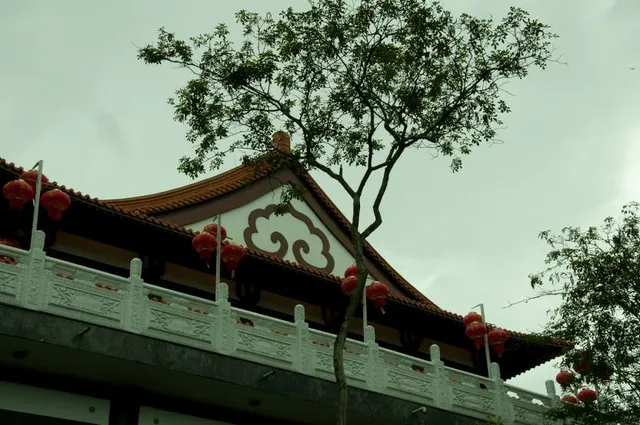
The Ma-Cho Taoist Temple, located in San Fernando, La Union, Philippines, is a striking testament to the rich cultural and spiritual tapestry of the region. Built in 1975, this temple is dedicated to Ma-Cho, a Chinese sea goddess, also known as Mazu, who is revered by both Chinese and Filipino devotees. Perched on a hill, the temple offers a panoramic view of the city and the West Philippine Sea. Its architecture is a blend of traditional Chinese design and local influences, featuring ornate dragon sculptures, vibrant red and gold hues, and intricate carvings that depict scenes from Taoist mythology. Visitors enter through a grand archway adorned with symbolic motifs, leading to the main courtyard where incense wafts through the air, creating a serene atmosphere. The temple complex includes several pavilions, prayer halls, and a pagoda, each serving different religious functions and offering spaces for meditation and reflection. The Ma-Cho Temple is not only a place of worship but also a cultural hub, hosting various festivals and events throughout the year. The most notable is the annual feast of Ma-Cho, celebrated with vibrant processions, traditional music, and dance, drawing devotees and tourists alike. Stepping into the Ma-Cho Taoist Temple is like entering a sanctuary where history, spirituality, and culture converge, offering a glimpse into the profound devotion and traditions that have been preserved over centuries.
See more posts
See more posts
hotel
Find your stay

Pet-friendly Hotels in San Fernando

Find a cozy hotel nearby and make it a full experience.

The Ma‑Cho Temple is a Taoist shrine dedicated to Mazu (also called Ma‑Cho), the revered Chinese sea goddess who protects fishermen and seafarers . Located in Barangay II along Quezon Avenue in San Fernando, it sits atop a hill about 70 feet (21 m) above sea level, overlooking the South China Sea and San Fernando Bay . 🏗 History & Significance The temple's cornerstone was laid on September 11, 1975, and it was officially inaugurated in December 1978, though construction began late 1976 . It was built through the efforts of Filipino‑Chinese devotees led by Dy Keh Hio, with support from Tourism Secretary Jose D. Aspiras, and designed by architect Thomas Diokno . 🧱 Architecture & Features The seven‑story temple is built on a spacious one‑hectare lot and features an unusual five‑door Gate—rare among Chinese temples that typically have three . Key highlights include: the Majestic Five Door Gate, statues of the 18 Chinese Saints, two circular ponds with water lilies and koi, animal statues symbolizing good luck, a golden dragon emblem, Drum Tower, Bell Tower, a Liang Thing Pagoda, and Bamboo Garden . The standout interior feature is the “spider‑type” dome: an 11‑tiered interlinking wood-carving ceiling made of camphor wood imported from Taiwan/China—designed by Taiwanese architect Shu Ing Tung . 🙏 Spiritual Practices & Inclusivity The 8‑inch icon of Mazu is enshrined at the main altar; many devotees equate her with the Virgin of Caysasay—a Catholic figure in Taal, Batangas . A bi‑weekly practice called “Buyong” involves interpreting messages from Mazu, where devotees ask personal or spiritual questions . The temple is welcoming to all, regardless of religion—including many Catholics who visit the site . 🕒 Visiting Info & Tips Open daily from around 7:00 AM to 5:00 PM . No entrance fee, though donations are welcomed and incense products are available onsite for offerings . Dress respectfully: avoid shorts, sleeveless tops, sleeveless garments, or slippers when entering the temple . How to get there: From San Fernando City Plaza, take a tricycle and ask to be dropped off at Ma‑Cho Temple along the main highway . 📋 Summary Table Feature Details Deity Mazu (Ma‑Cho), Goddess of the Sea Location Barangay II, Quezon Ave, San Fernando City Alt. & Stories 70 ft above sea level, 7 stories high Built Cornerstone: Sept 1975; construction: late '76; inauguration: Dec 1978 Highlights Five‑door gate, 18 saints statues, koi ponds, drum & bell towers, pagoda, bamboo garden, 11‑tiered spider dome Icon 8″ statue of Mazu (linked to Our Lady of Caysasay) Practices Buyong sessions to receive messages Visiting Hours Daily 7 AM–5 PM Fees Free entry; donations accepted Dress Code Modest attire required Transport Tip Tricycle from city plaza; visible archway along highway ✨ Why Visit? Ma‑Cho Temple stands as the first Taoist temple in the Philippines and is widely regarded as among the largest outside China. Its richly symbolic architecture, serene gardens, and striking views make it both a cultural landmark and a peaceful place of worship and reflection .
Znematic Travel

Znematic Travel

hotel
Find your stay

Affordable Hotels in San Fernando

Find a cozy hotel nearby and make it a full experience.

Get the Appoverlay
Get the AppOne tap to find yournext favorite spots!
Balanced chinese temple grounds with several garden points of tourist interest. Wander on your own, there are no guides, so you don't know if you've seen the entire temple grounds or not. There's much climbing and walking uphill too. As long as you're outdoors, you can freely take pictures of this Taoist temple. Only outdoor picture taking is allowed. Inside the altar chamber area, you need to pay 50 pesos to light 3 incense sticks to kneel on the cushion and offer at the center of the pot. The grandma guarding the temple altar inside is strict and not friendly, so stay clear unless you're a practitioner. Be mindful and respectful, quietly move so you don't disturb those coming in. The grandma is strict that everyone going inside those chambers need to wear face mask before going inside and to pay for the incense sticks if you want to experience their worship style. Outside, the key points for pictures are: large gate, the bamboos, the octagonal pond, the numerous stone statues, and the scenery by the stairs. There are some candles lit outside and some small statues with names of the donors underneath. There's a big Ronald McDonald's statue at the ground floor outside where you can sit down to rest, but I was too lazy to make the turn inside to get there again from the outside. If you have the time, come early to avoid the crowd and the sun, it's hot outside. It's an okay tourist spot, but could be better if there was some kind of guide, story, or info about their beliefs in the place near the entrance or the walking spots.
May N

May N

hotel
Find your stay

The Coolest Hotels You Haven't Heard Of (Yet)

Find a cozy hotel nearby and make it a full experience.

hotel
Find your stay

Trending Stays Worth the Hype in San Fernando

Find a cozy hotel nearby and make it a full experience.

The Ma-Cho Taoist Temple, located in San Fernando, La Union, Philippines, is a striking testament to the rich cultural and spiritual tapestry of the region. Built in 1975, this temple is dedicated to Ma-Cho, a Chinese sea goddess, also known as Mazu, who is revered by both Chinese and Filipino devotees. Perched on a hill, the temple offers a panoramic view of the city and the West Philippine Sea. Its architecture is a blend of traditional Chinese design and local influences, featuring ornate dragon sculptures, vibrant red and gold hues, and intricate carvings that depict scenes from Taoist mythology. Visitors enter through a grand archway adorned with symbolic motifs, leading to the main courtyard where incense wafts through the air, creating a serene atmosphere. The temple complex includes several pavilions, prayer halls, and a pagoda, each serving different religious functions and offering spaces for meditation and reflection. The Ma-Cho Temple is not only a place of worship but also a cultural hub, hosting various festivals and events throughout the year. The most notable is the annual feast of Ma-Cho, celebrated with vibrant processions, traditional music, and dance, drawing devotees and tourists alike. Stepping into the Ma-Cho Taoist Temple is like entering a sanctuary where history, spirituality, and culture converge, offering a glimpse into the profound devotion and traditions that have been preserved over centuries.
JMA21

JMA21

See more posts
See more posts