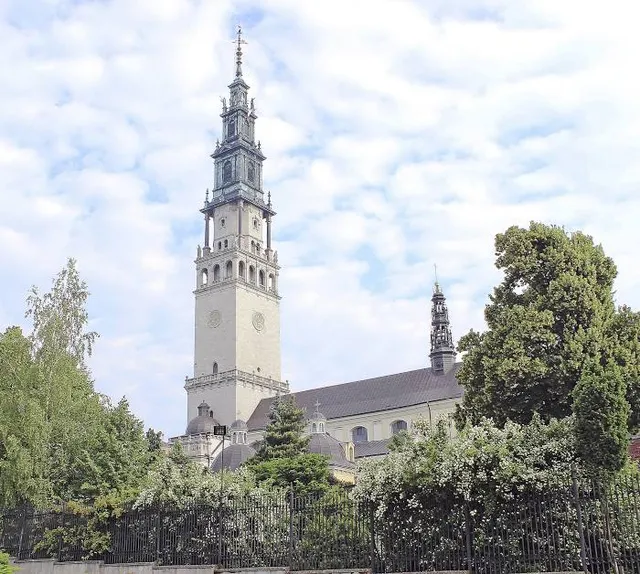
Jasna Góra, the spiritual and religious heart of Poland, holds a special place in the hearts of Catholics around the world, including myself. As a devout Catholic, my visit to Jasna Góra was a deeply moving and profound experience that strengthened my faith and left an indelible mark on my soul.
Jasna Góra, meaning "Bright Mountain," is home to the revered Our Lady of Częstochowa icon, also known as the Black Madonna. This sacred image, believed to have been painted by St. Luke the Evangelist, emanates a powerful spiritual presence that draws pilgrims from far and wide. Upon entering the sanctuary, I was immediately overwhelmed by a sense of awe and reverence, fully aware of the holy ground on which I stood.
Worshipping in the magnificent Pauline monastery within the walls of Jasna Góra was a truly divine experience. The holy atmosphere permeated every corner, inviting deep introspection and prayer. Participating in Mass and joining fellow pilgrims in worship enhanced the sense of unity and devotion. The beauty of the liturgy, the Gregorian chants, and the profound reverence displayed by the clergy and faithful created an environment conducive to encountering the divine.
The highlight of my visit was the pilgrimage to the chapel in which the Black Madonna resides. As I approached the icon, I felt an overwhelming sense of peace and comfort enveloping my spirit. The Black Madonna, with her serene countenance and loving gaze, seemed to reach deep into my heart, providing solace and strength. I knelt in prayer, entrusting my hopes, fears, and aspirations to the intercession of Our Lady.
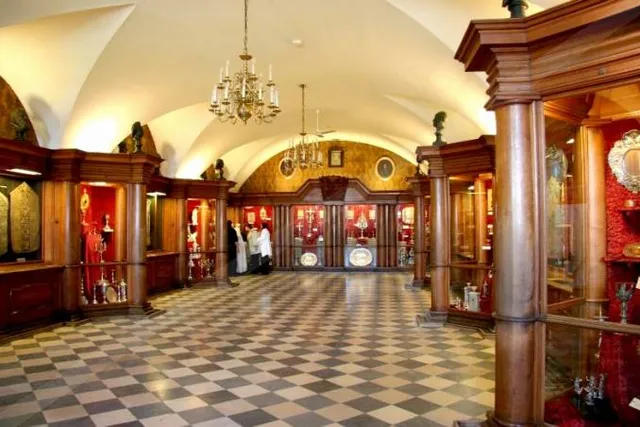
The Jasna Góra monastery also houses a vast treasure trove of religious artifacts, including precious relics and votive offerings. The opportunity to venerate these relics, touch the holy objects, and bear witness to the countless expressions of faith left by devotees over the centuries was a humbling experience. It served as a powerful reminder of the enduring devotion and the profound impact of faith on the lives of countless individuals.
Furthermore, the presence of the Pauline monks, who tirelessly serve as custodians of the sanctuary, added to the profound spiritual ambiance. Their dedication to prayer, their hospitality, and their willingness to guide and counsel pilgrims revealed their deep commitment to their vocation. The warmth and humility they exuded reflected the transformative power of the Gospel lived out in their lives.
Jasna Góra is not just a physical place; it is a spiritual oasis that nourishes the soul and fosters an intimate encounter with God. It is a haven where Catholics can journey closer to Christ through the intercession of Our Lady of Częstochowa. My visit to Jasna Góra left me with a renewed sense of faith, a deeper understanding of the power of prayer, and a strengthened connection to the universal Catholic community.
In conclusion, Jasna Góra is a sacred pilgrimage site that holds immense religious significance for Catholics. Its rich history, the veneration of the Black Madonna, the profound spirituality, and the unwavering devotion of pilgrims and monastic community serve as a beacon of faith and inspiration. A visit to Jasna Góra is not just a journey to a physical location; it is an opportunity for a transformative encounter with the divine and a deepening of one's...
Read moreJasna Góra in Częstochowa is a place of profound spiritual significance and historical importance in Poland. As the country’s most famous pilgrimage site, it is a beacon of faith, drawing millions of visitors each year, particularly those who seek to venerate the revered icon of the Black Madonna.
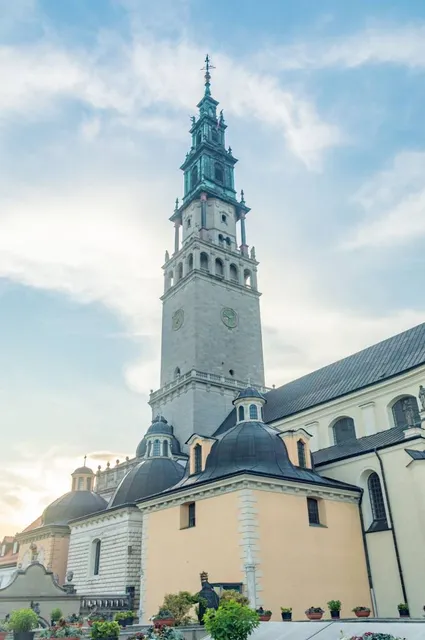
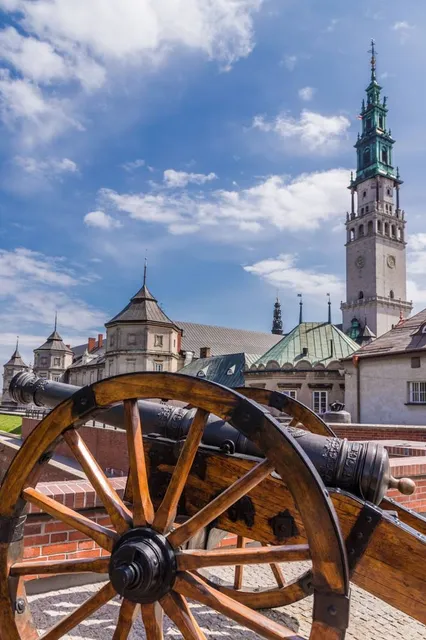
The monastery, perched on a hill overlooking the city, is a blend of architectural styles, from Gothic to Baroque, reflecting centuries of devotion and resilience. The centerpiece, of course, is the Chapel of the Miraculous Image, where the Black Madonna resides—a symbol of hope and endurance for many Poles.
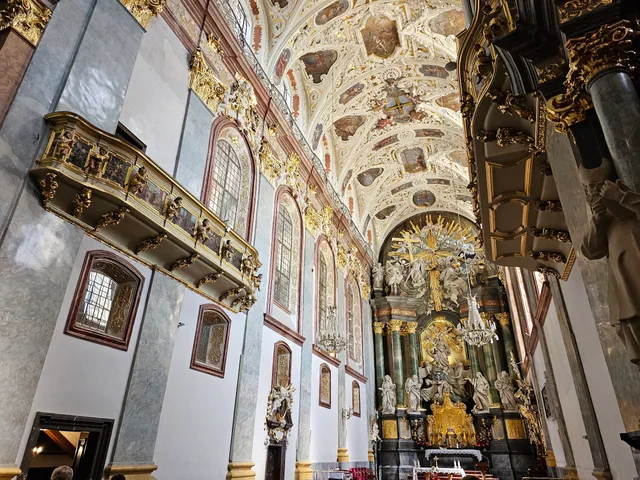
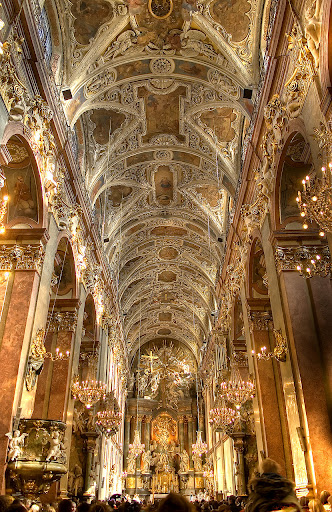
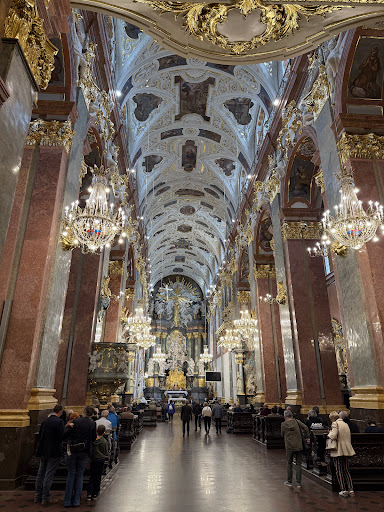
Walking through the complex, one cannot help but be moved by the rich history embedded in its walls. The Basilica of the Holy Cross and Nativity of the Virgin Mary is awe-inspiring with its intricate frescoes and grandiose interior. The museum and treasury, filled with votive offerings and historical artifacts, offer a glimpse into the deep connection between the monastery and the nation’s identity.
But Jasna Góra is not just about history and architecture; it is a living, breathing place of worship. The atmosphere is one of reverence, as pilgrims engage in prayer, reflection, and the age-old tradition of walking on their knees towards the chapel.
In essence, a visit to Jasna Góra is not just a journey to a historical site, but a pilgrimage into the heart of...
Read moreЯсногорський монастир відомий, як місце зберігання Ченстоховської ікони Божої Матері, яку католики шанують як величну реліквію. Ясна Гора — головний об'єкт релігійного паломництва в Польщі. В 1382 році польський князь Владислав Опольский запросив до Польщі з Угорщини монахів ордену паулінів, які заснували монастир на пагорбі поруч з містом Ченстохова. Нова обитель отримала ім'я «Ясна Гора» в честь головної на той час церкви ордену — храму св. Лаврентія на Ясній Горі . На Ясну Гору Владиславом Опольським була перенесена чудотворна ікона Діви Марії. Паломництва до ікони почалися вже в XV столітті. На Пасху 14 квітня 1430 року монастир був атакований бандою грабіжників-гуситів з Богемії, Моравії і Сілезії. Вони пограбували монастир, розбили ікону на три частини і завдали по лику кількох ударів шаблею. Реставрація образу проходила в Кракові при дворі короля Владислава Ягайла. Недосконалі техніки реставрації призвели до того, що, хоча ікону і вдалося зібрати докупи, шрами від шабельних ударів на лику Богородиці все одно проступали крізь свіжу фарбу. В 1466 році монастир пережив ще одну облогу чеської армії. У XVст. в монастирі був збудований новий собор. На початку XVII ст. для захисту від нападів навколо монастиря були зведені міцні стіни, перетворивши Ясну Гору на фортецю. Дуже скоро фортифікаційні споруди монастиря мали витримати суворе випробування на міцність під час так званого "потопу", шведського наступу на Річ Посполиту в 1655 році. Шведський наступ розвивався стрімко, протягом кількох місяців були взяті Познань, Варшава і Краків; польська шляхта масово переходила на бік ворога; король Ян Казимир втік з країни. 18 листопада того ж року шведська армія під командуванням генерала Міллера підступила до стін Ясної Гори. Незважаючи на чисельну перевагу шведів у живій силі (шведів було близько 3 тисяч проти 170 солдат, 20 дворян і 70 монахів в монастирі) настоятель Августин Кордецький вирішив чинити опір завойовникам. Героїчна оборона монастиря примусила шведів відступити і слугувала прикладом для всієї країни. Врешті це призвело до вигнання шведів, що багатьма в Польщі було сприйнято як чудо Богородиці. Повернувшись з вигнання, король Ян Казимир у Латинському кафедральному соборі у Львові виголосив обітницю, в якій урочисто передав Польське королівство, а також Литовське, Руське, Мазовецьке, Жмудське, Інфляндське і Чернігівське князівства під опіку Діви Марії. Натомість, обіцяв звільнити селян від «гноблення і несправедливих обтяжень», чим сподівався заохотити їх до боротьби зі шведами та московитами. Ще кілька нападів монастирю довелось пережити під час Північної війни, в 1702, 1704 і 1705 роках, але вони були також відбиті. В 1716 році монахи монастиря подали в Рим петицію про коронування образу. В 1717 році після отримання згоди від папи Климента XI ікона була коронована в присутності 200 000 паломників. Покладення на голови Дитятка і Матері Божої корон символізувало особливу велич ікони і її чудотворність. Після поразки Барської конфедерації в 1772 році останній пол. король Станіслав Понятовський наказав віддати монастир російським військам. Вдруге монастир був узятий російською армією в 1813 році під час наполеонівських воєн. Тоді настоятель Ясної Гори підніс російським воєначальникам список ікон, який потім зберігався в Казанському соборі Санкт-Петербурга, а після закриття собору в 1932 році перейшов на зберігання в Державний музей історії релігії. Російська армія зруйнувала фортечні стіни Ясної Гори до рівня першого поверху, але, в 1843 році Микола І милостиво дозволив відновити їх. Стіни були відбудовані в дещо іншій конфігурації. В умовах, коли територія Польщі була розділена між іншими державами, Ясногорський монастир і ікона, яка в ньому зберігалася, були трактовані, як символ єдності нації. Так на знаменах учасників Польського повстання 1863-1864 р. був зображений Ченстоховський образ. Під час Другої світової війни монастир був окупований нацистами, масові паломництва обмежені. Після війни Ясна Гора продовжувала бути духовним...
Read more