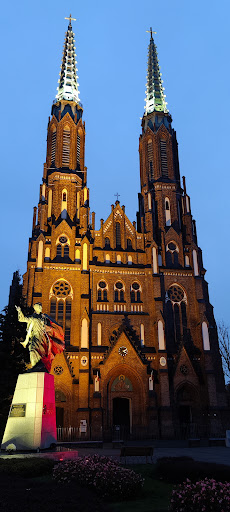
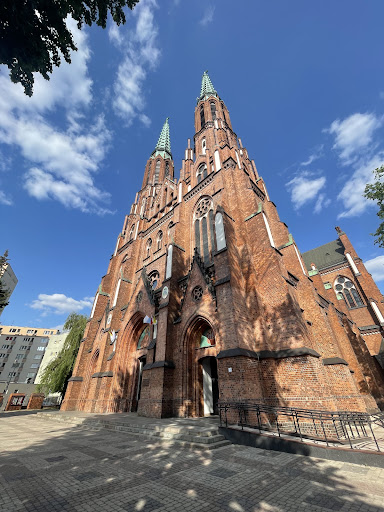
Cathedral of St. Michael the Archangel and St. Florian the Martyr things to do, attractions, restaurants, events info and trip planning
Basic Info
Cathedral of St. Michael the Archangel and St. Florian the Martyr
Floriańska 3, 03-707 Warszawa, Poland
4.7(1.5K)
Open until 7:00 PM
Save
spot
spot
Ratings & Description
Info
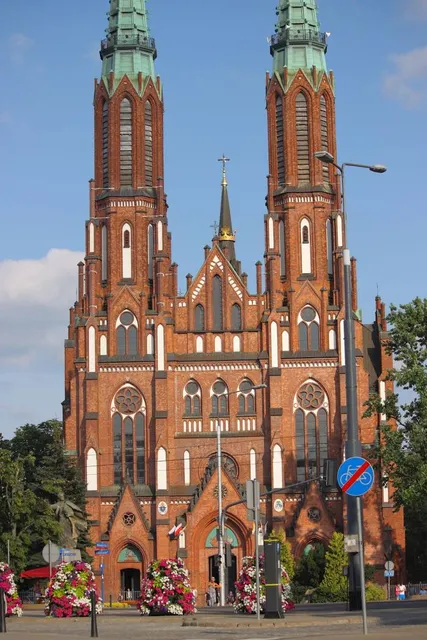
St. Florian's Cathedral, more formally known as the Cathedral of St. Michael the Archangel and St. Florian the Martyr, is a Roman Catholic church and minor basilica, dedicated to St. Florian. The church is located at 3 Floriańska Street in Praga-Północ district of Warsaw.
Cultural
Accessibility
attractions: Park Praski, House under the Owls, Muzeum Warszawskiej Pragi, Eliza Orzeszkowa Statue, City Zoological Garden in Warsaw, Vistula Boulevards, Willa Żabińskich, Warsaw's Printing Museum, Bellisima, restaurants: Rusałka, Le Cedre 61, Boska Praga, Centrum Zarządzania Światem, Praski Butcher grill&wine, Bazar bistro klub sklep, Fiamma, Inclusive Barista, Rosalia restauracja, Takie Miejsce, local businesses: BOTA catering & events, Muzeum Wódki, Ząbkowska 2, Targowa 64, Ząbkowska 5, Bazar Różyckiego, Inżynierska 1, Ratuszowa 1, Białostocka 22, Rope Park Warsaw
 Learn more insights from Wanderboat AI.
Phone
+48 22 619 09 60
Website
katedra-floriana.waw.pl
Open hoursSee all hours
Mon6 AM - 7 PMOpen
Plan your stay

Pet-friendly Hotels in Warsaw
Find a cozy hotel nearby and make it a full experience.

Affordable Hotels in Warsaw
Find a cozy hotel nearby and make it a full experience.

The Coolest Hotels You Haven't Heard Of (Yet)
Find a cozy hotel nearby and make it a full experience.

Trending Stays Worth the Hype in Warsaw
Find a cozy hotel nearby and make it a full experience.
Reviews
Live events
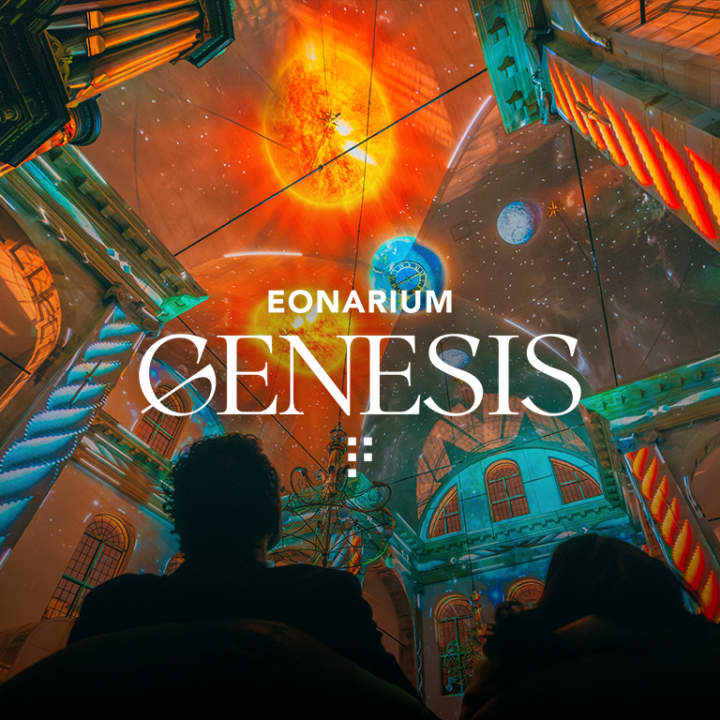
Eonarium Genesis: immersyjny pokaz świetlny
Thu, Feb 19 • 5:30 PM
aleja Solidarności 74, Warszawa, 00-145
View details

Learn to make Polish dumplings
Tue, Feb 17 • 10:00 AM
00-193, Warsaw, Masovian Voivodeship, Poland
View details
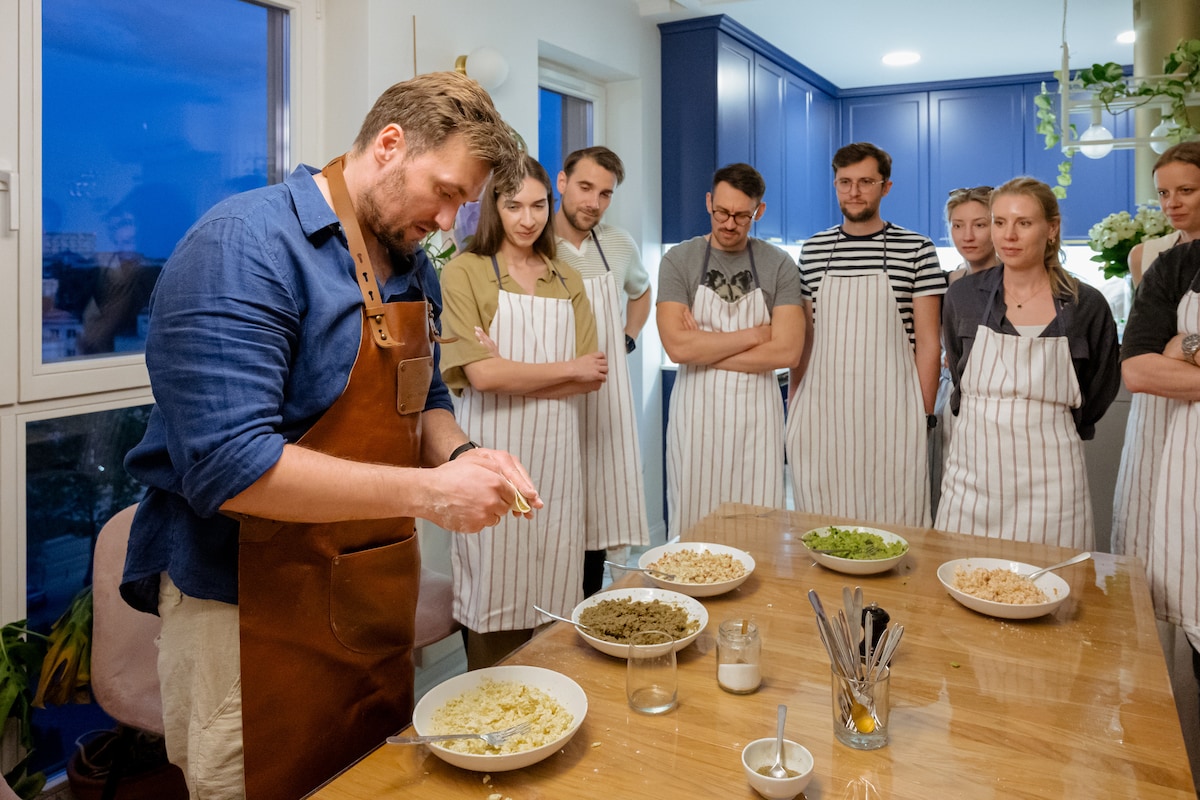
Make pierogi and try liqours with a Warsaw native
Mon, Feb 16 • 5:30 PM
02-353, Warsaw, Masovian Voivodeship, Poland
View details
Nearby attractions of Cathedral of St. Michael the Archangel and St. Florian the Martyr
Park Praski
House under the Owls
Muzeum Warszawskiej Pragi
Eliza Orzeszkowa Statue
City Zoological Garden in Warsaw
Vistula Boulevards
Willa Żabińskich
Warsaw's Printing Museum
Bellisima
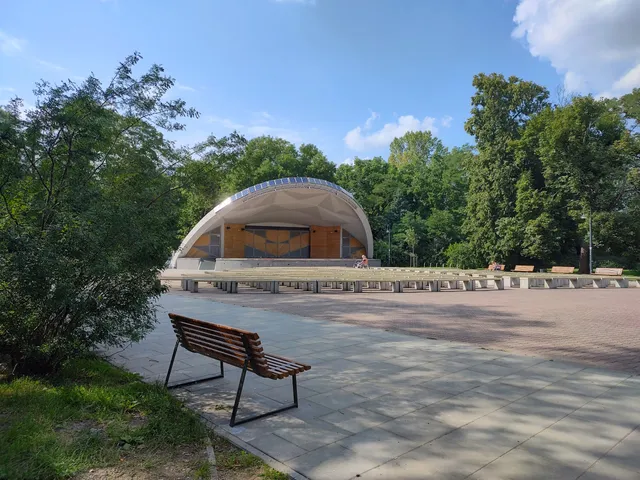
Park Praski
4.6
(3K)
Open until 12:00 AM
Click for details
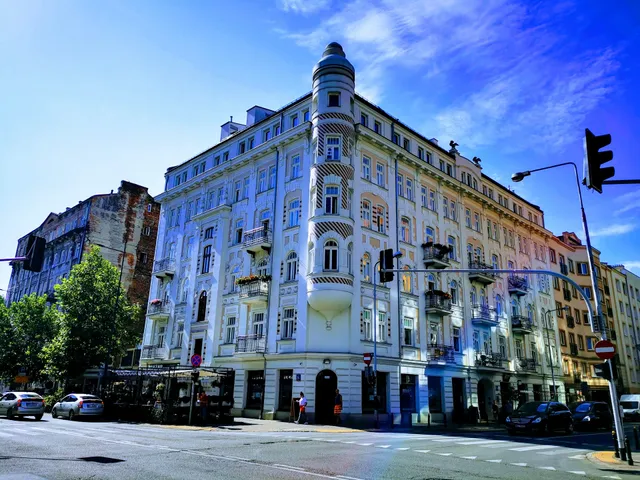
House under the Owls
4.7
(31)
Open 24 hours
Click for details
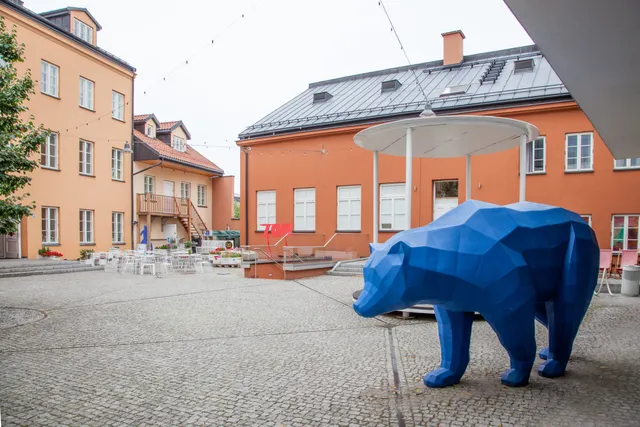
Muzeum Warszawskiej Pragi
4.5
(756)
Open until 12:00 AM
Click for details
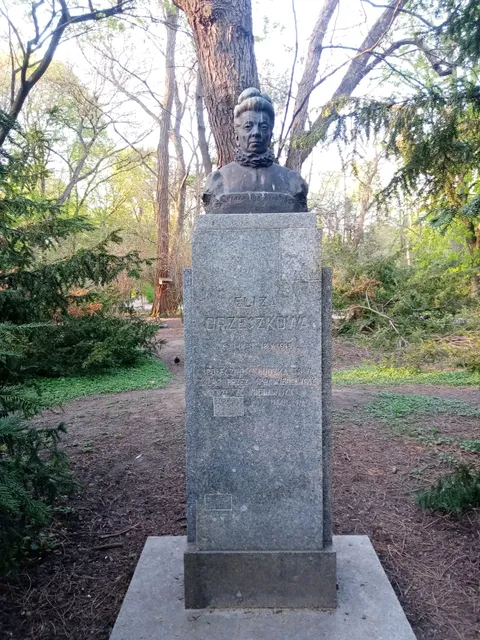
Eliza Orzeszkowa Statue
4.6
(9)
Open until 12:00 AM
Click for details
Nearby restaurants of Cathedral of St. Michael the Archangel and St. Florian the Martyr
Rusałka
Le Cedre 61
Boska Praga
Centrum Zarządzania Światem
Praski Butcher grill&wine
Bazar bistro klub sklep
Fiamma
Inclusive Barista
Rosalia restauracja
Takie Miejsce
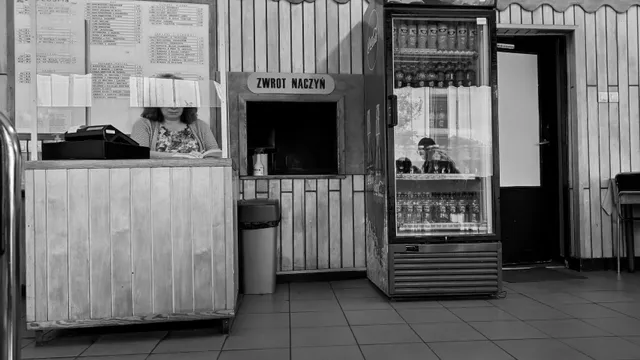
Rusałka
4.3
(1.1K)
Open until 12:00 AM
Click for details
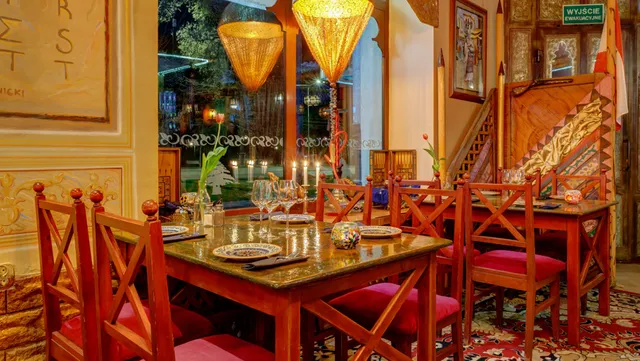
Le Cedre 61
4.6
(1.2K)
$$
Open until 10:30 PM
Click for details
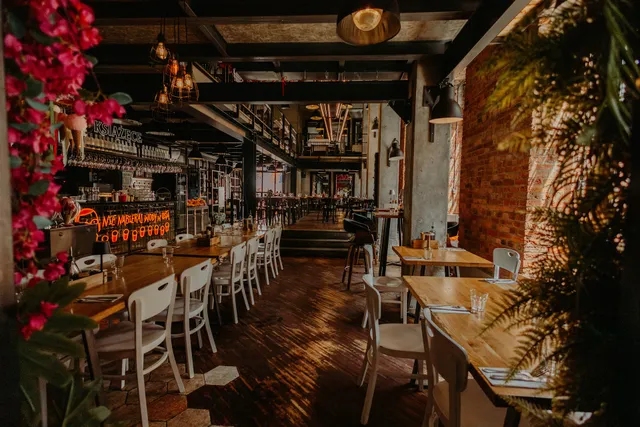
Boska Praga
4.4
(2.2K)
$$
Open until 10:00 PM
Click for details
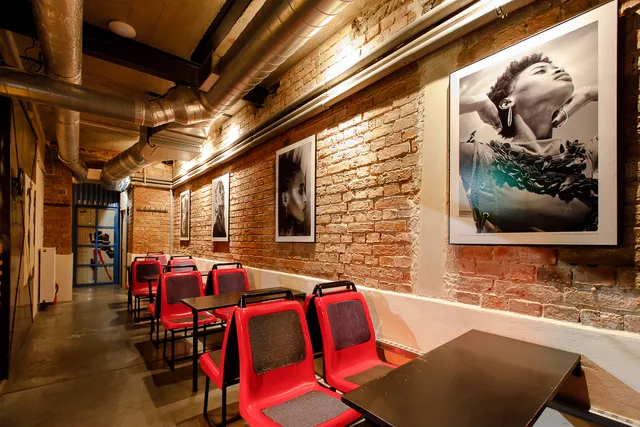
Centrum Zarządzania Światem
4.6
(1.3K)
Open until 10:12 PM
Click for details
Nearby local services of Cathedral of St. Michael the Archangel and St. Florian the Martyr
BOTA catering & events
Muzeum Wódki
Ząbkowska 2
Targowa 64
Ząbkowska 5
Bazar Różyckiego
Inżynierska 1
Ratuszowa 1
Białostocka 22
Rope Park Warsaw

BOTA catering & events
4.8
(394)
Click for details
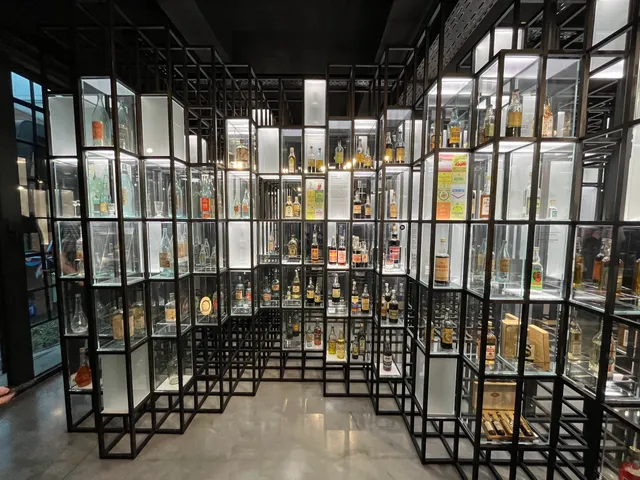
Muzeum Wódki
4.1
(260)
Click for details
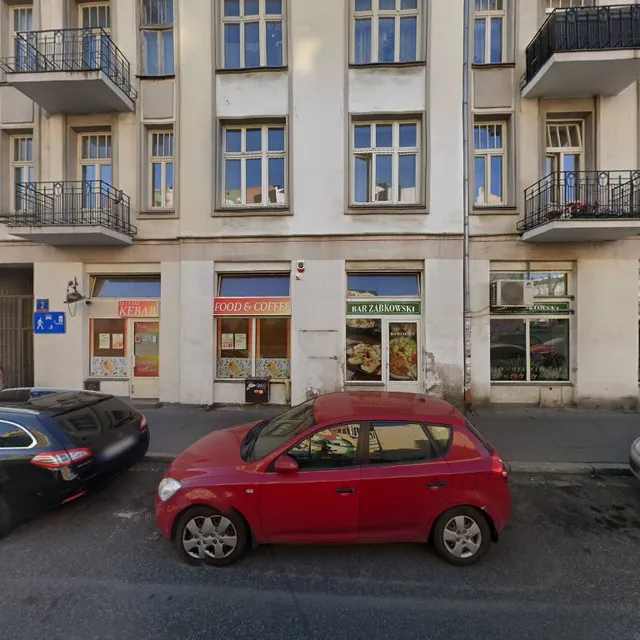
Ząbkowska 2
3.8
(1.1K)
Click for details
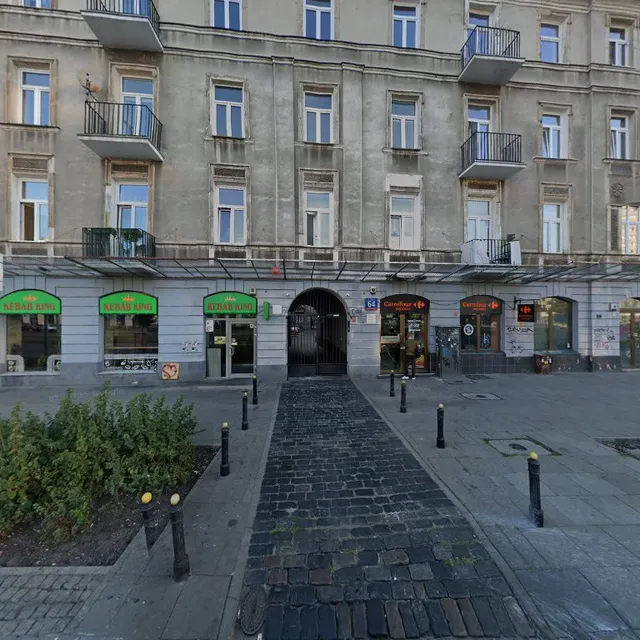
Targowa 64
3.7
(1.1K)
Click for details