The Passage things to do, attractions, restaurants, events info and trip planning
Basic Info
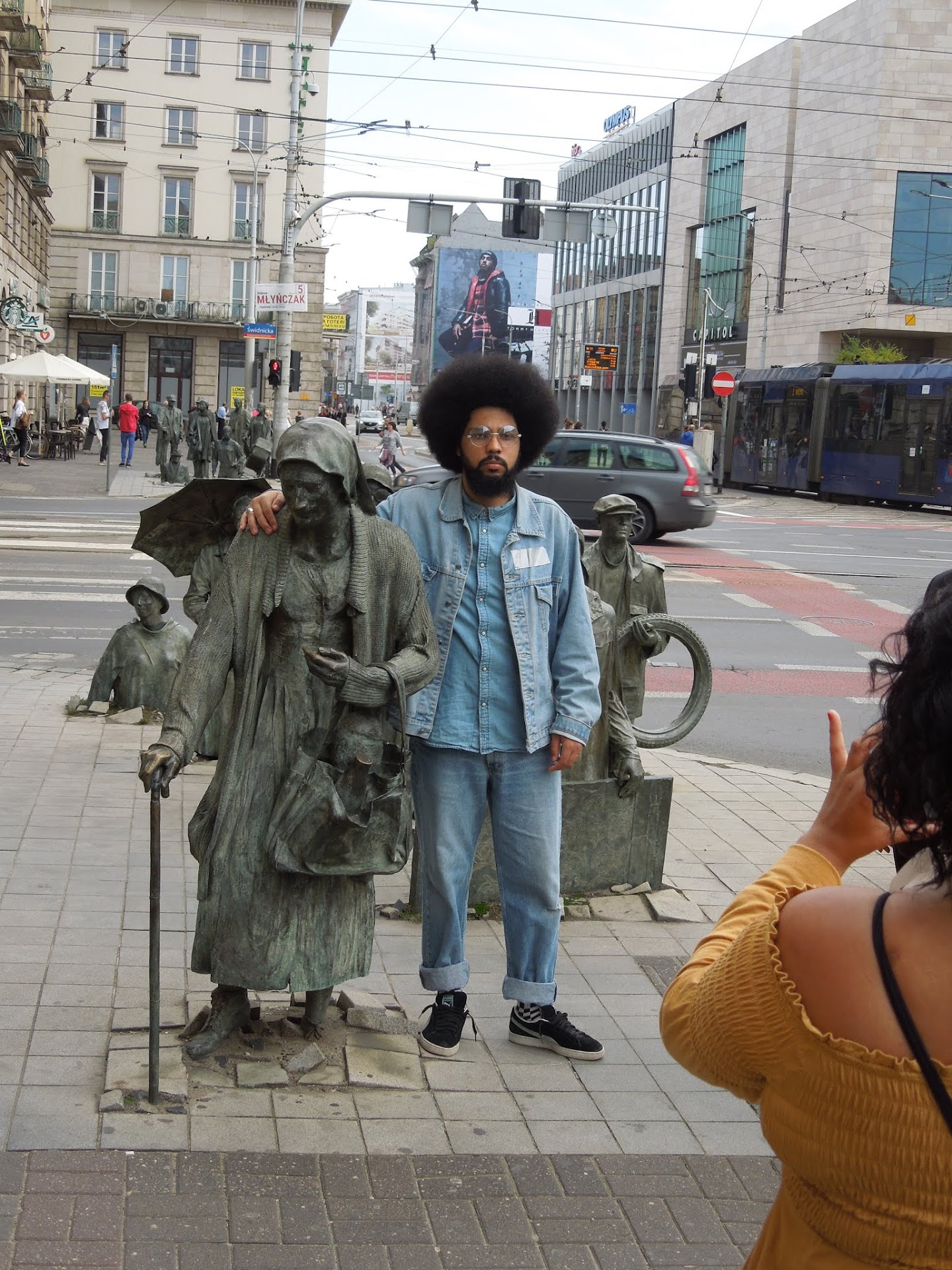
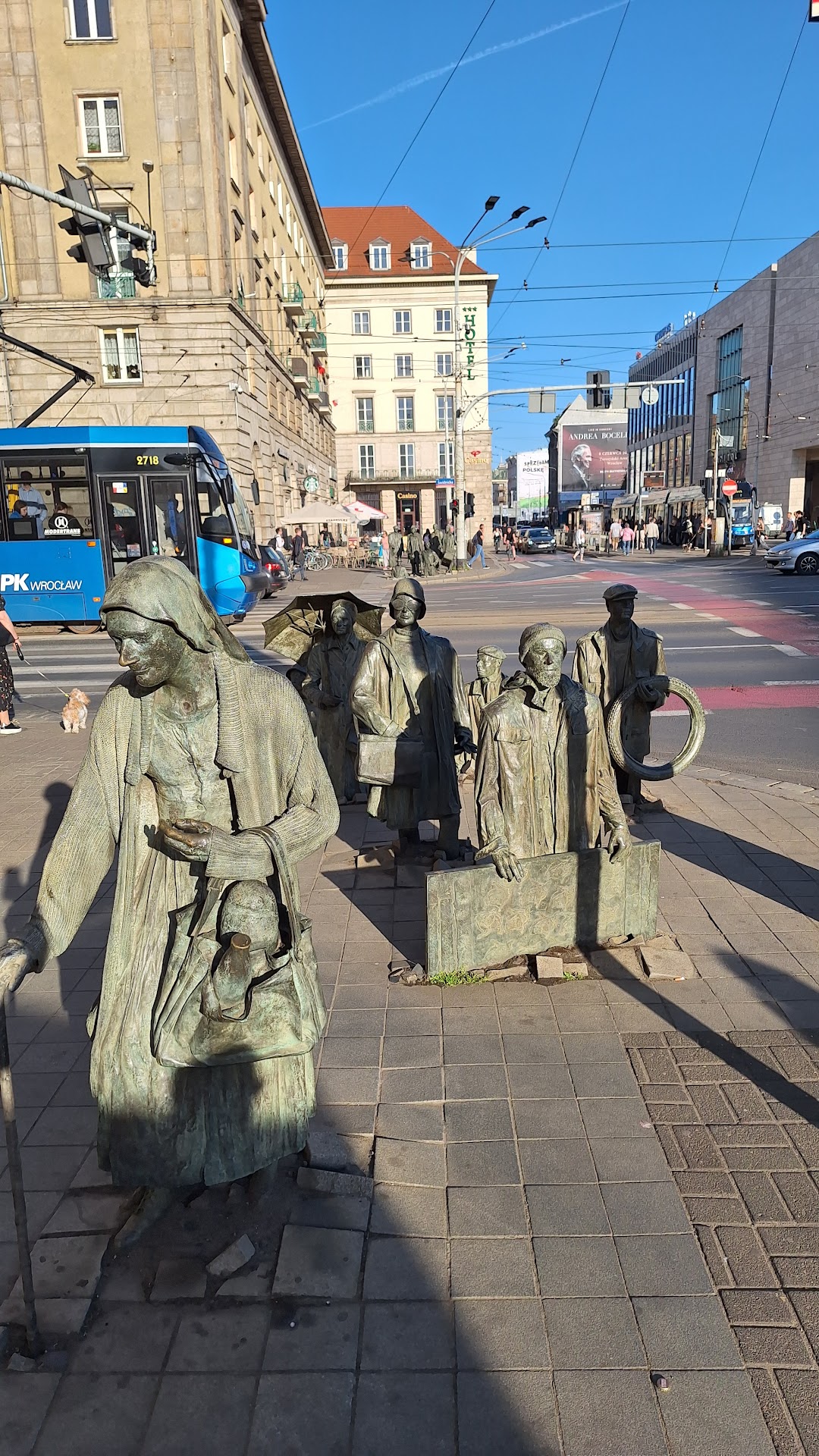
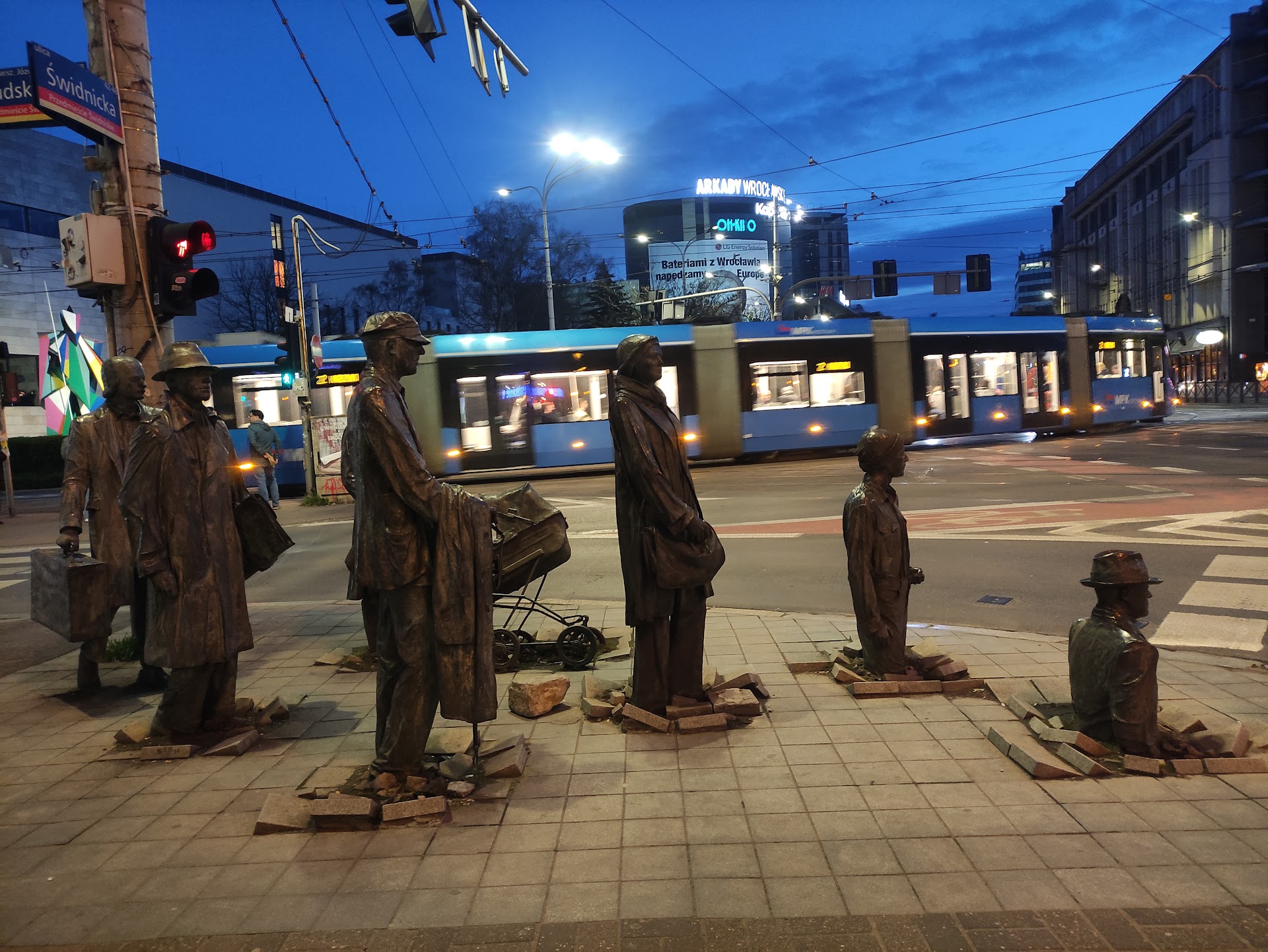
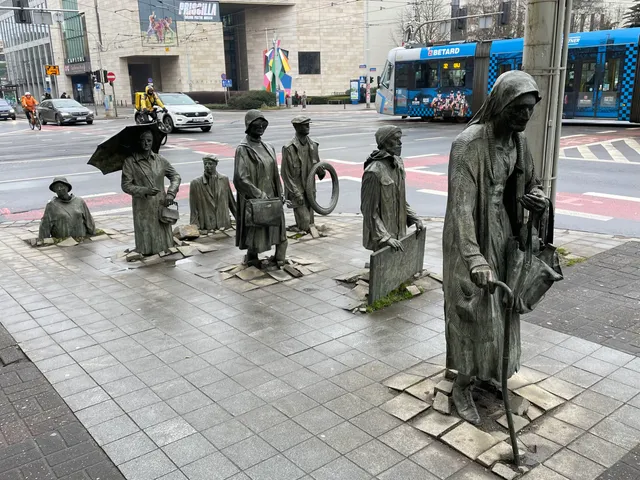
The Passage
Marszałka Józefa Piłsudskiego 56, 50-033 Wrocław, Poland
4.8(1.2K)
Open until 12:00 AM
Save
spot
spot
Ratings & Description
Info
Based on author Justin Cronin's trilogy of the same name, `The Passage' is a character-driven action drama that focuses on Project Noah, a secret medical facility where scientists experiment with a dangerous virus that could lead to the cure for all disease -- but it also could potentially wipe out … MORE
Cultural
Outdoor
Accessibility
attractions: Krasnalka Zikusia, Krasnal Marché Stefek (Ma(Ste)rche(fek)), Opera Wrocławska, Nicolaus Copernicus Park, Monument to Bolesław Chrobry, Krasnal Spadochroniarz, Krasnal Focusik, National Forum of Music, Old Town Promenade, Krasnale Wodne: Puszczający Stateczki, Karmiący Ptaki, Ogrodnik,, restaurants: Restauracja Kuchnia Marché Świdnicka Wrocław, Pizza Si, Kuźnia Dobrych Klimatów, Cuda na Kiju, CULTO, Soup Culture, Pizzeria Sergio Mandini. Oryginalna Pizza Włoska, GARAGE PUB shot & burger, “Siwy Dym” pub, Rumbar.Nasyp, local businesses: Pub Huśtawka, Renoma, Kebab Star Marks & Indyjska Restaurant, Baza, Huta, Marszałka Józefa Piłsudskiego 79, Empik S.A., Soul Train, U Augusta, Pałac Schaffgotschów
 Learn more insights from Wanderboat AI.
Website
wroclaw.pl
Open hoursSee all hours
MonOpen 24 hoursOpen
Plan your stay

Pet-friendly Hotels in Wrocław
Find a cozy hotel nearby and make it a full experience.

Affordable Hotels in Wrocław
Find a cozy hotel nearby and make it a full experience.

The Coolest Hotels You Haven't Heard Of (Yet)
Find a cozy hotel nearby and make it a full experience.

Trending Stays Worth the Hype in Wrocław
Find a cozy hotel nearby and make it a full experience.
Reviews
Live events
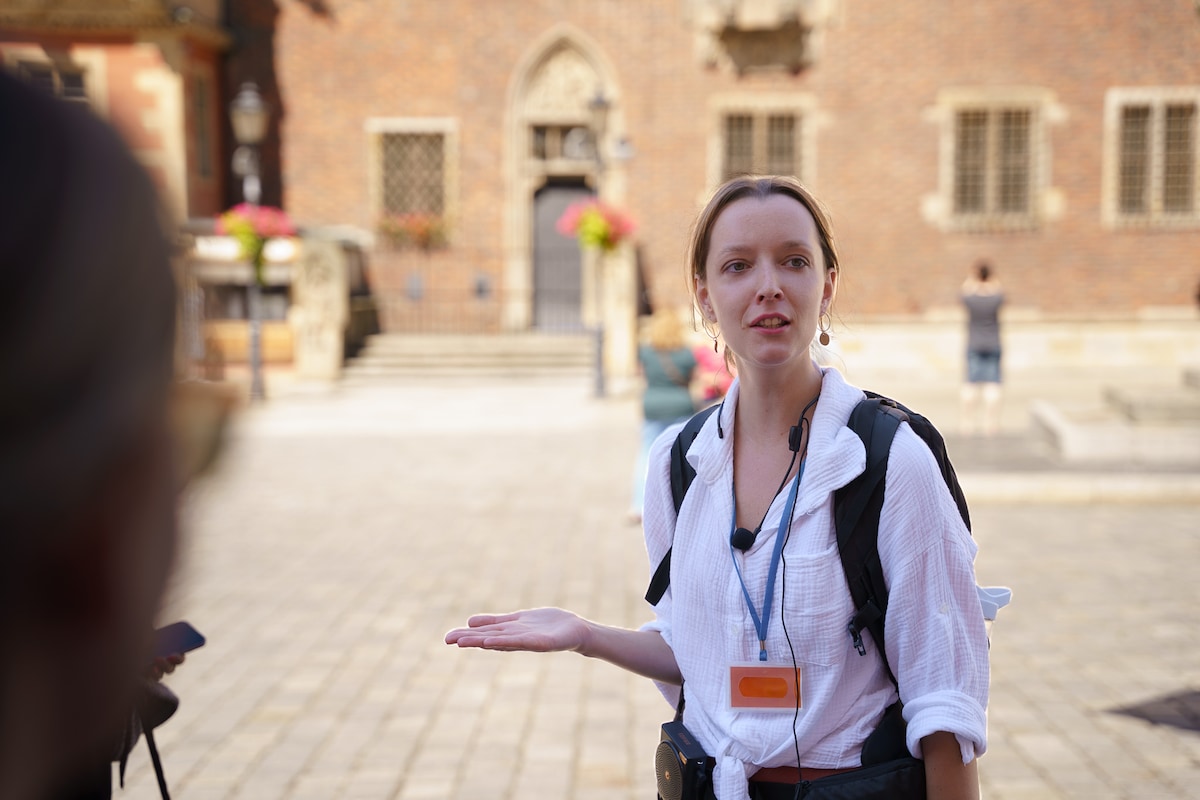
Discover the most beautiful corners of Wrocław
Fri, Feb 27 • 11:00 AM
50-116, Wrocław, Lower Silesian Voivodeship, Poland
View details
Buszując w trawie – krąg kobiet i mężczyzn o seksualności i relacjach
Mon, Feb 23 • 6:00 PM
Masaż tantryczny Akademia Przyjemności, Jabłeczna 18, 50-539 Wrocław, Poland
View details

„Most do relacji” - otwarta grupa wsparcia w budowaniu relacji
Mon, Feb 23 • 6:00 PM
Kostrzyńska, Wrocław, Poland
View details
Nearby attractions of The Passage
Krasnalka Zikusia
Krasnal Marché Stefek (Ma(Ste)rche(fek))
Opera Wrocławska
Nicolaus Copernicus Park
Monument to Bolesław Chrobry
Krasnal Spadochroniarz
Krasnal Focusik
National Forum of Music
Old Town Promenade
Krasnale Wodne: Puszczający Stateczki, Karmiący Ptaki, Ogrodnik,
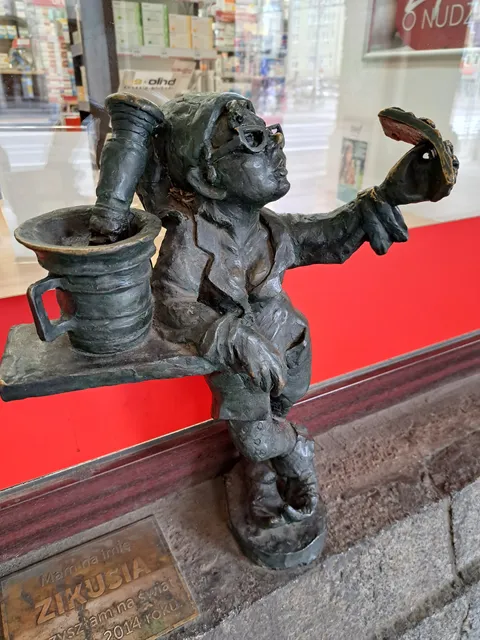
Krasnalka Zikusia
4.9
(16)
Open 24 hours
Click for details
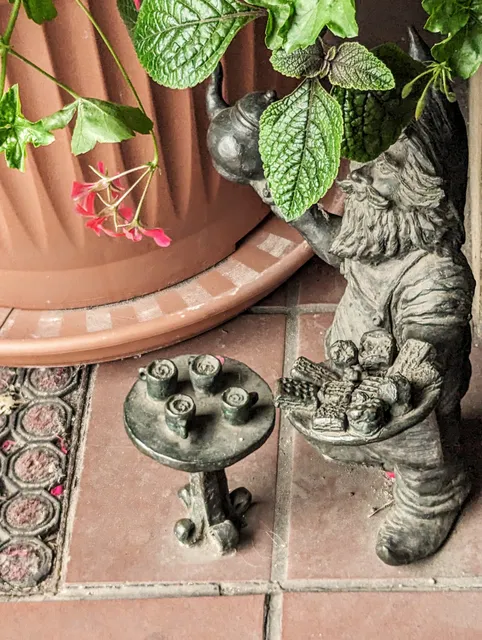
Krasnal Marché Stefek (Ma(Ste)rche(fek))
5.0
(12)
Open until 12:00 AM
Click for details
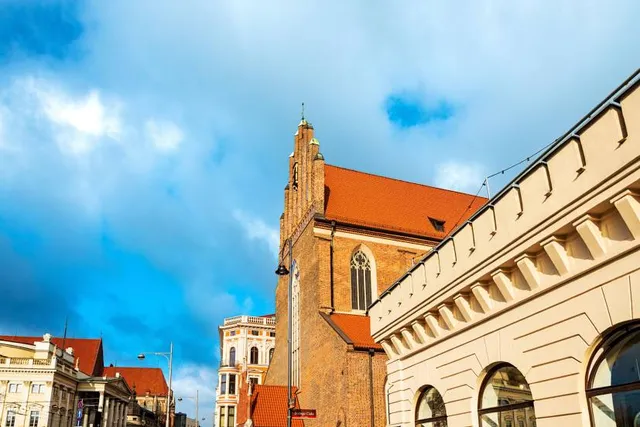
Opera Wrocławska
4.8
(2.4K)
Open 24 hours
Click for details
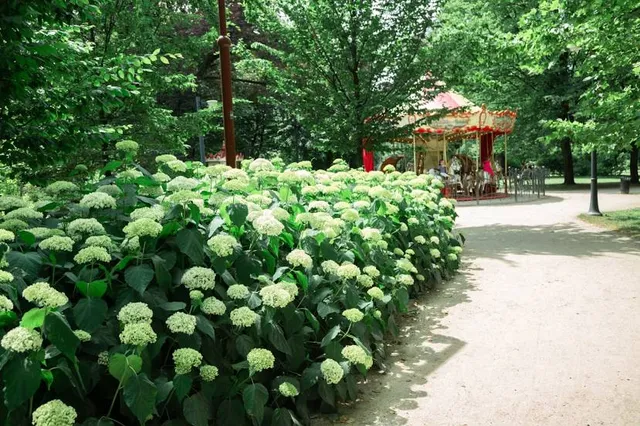
Nicolaus Copernicus Park
4.7
(3.3K)
Closed
Click for details
Nearby restaurants of The Passage
Restauracja Kuchnia Marché Świdnicka Wrocław
Pizza Si
Kuźnia Dobrych Klimatów
Cuda na Kiju
CULTO
Soup Culture
Pizzeria Sergio Mandini. Oryginalna Pizza Włoska
GARAGE PUB shot & burger
“Siwy Dym” pub
Rumbar.Nasyp
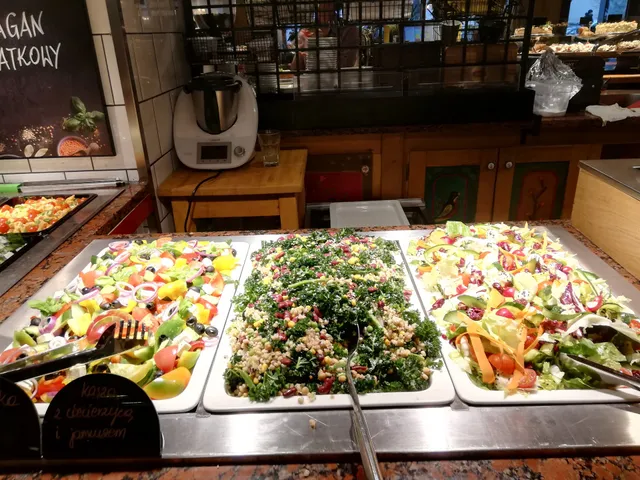
Restauracja Kuchnia Marché Świdnicka Wrocław
4.4
(1.8K)
Closed
Click for details
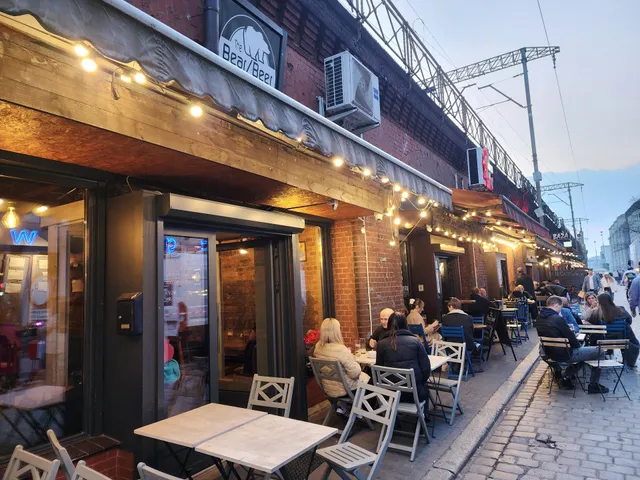
Pizza Si
4.7
(3.3K)
Closed
Click for details
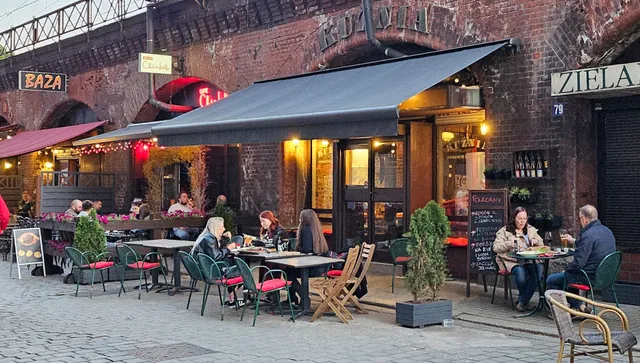
Kuźnia Dobrych Klimatów
4.5
(929)
Closed
Click for details
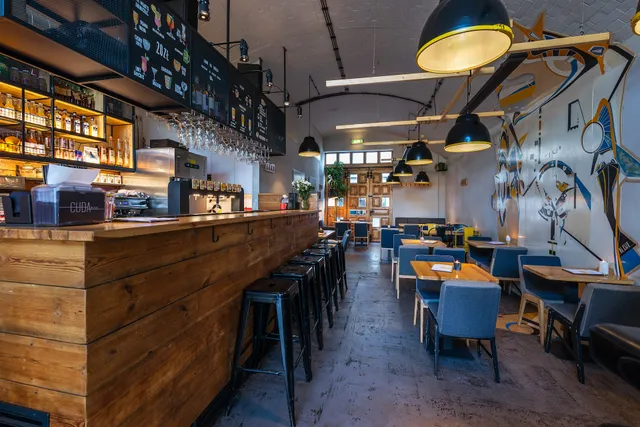
Cuda na Kiju
4.6
(550)
Closed
Click for details
Nearby local services of The Passage
Pub Huśtawka
Renoma
Kebab Star Marks & Indyjska Restaurant
Baza
Huta
Marszałka Józefa Piłsudskiego 79
Empik S.A.
Soul Train
U Augusta
Pałac Schaffgotschów
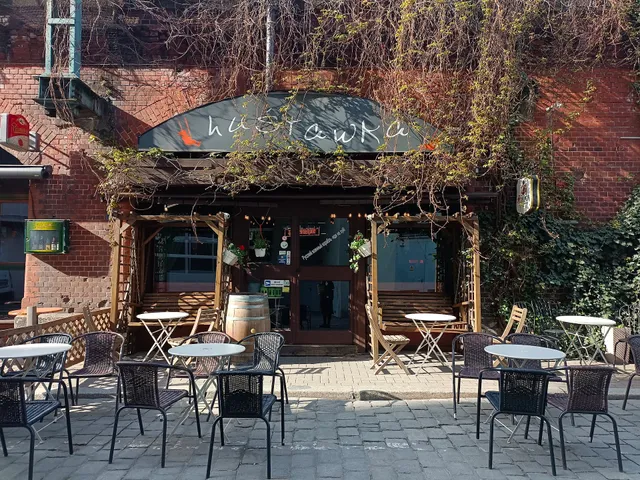
Pub Huśtawka
4.6
(658)
Click for details
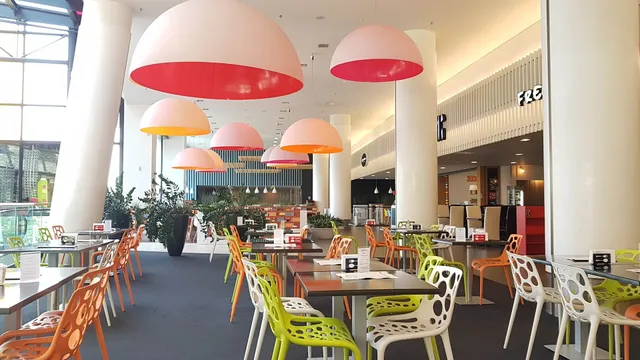
Renoma
4.2
(5.7K)
Click for details
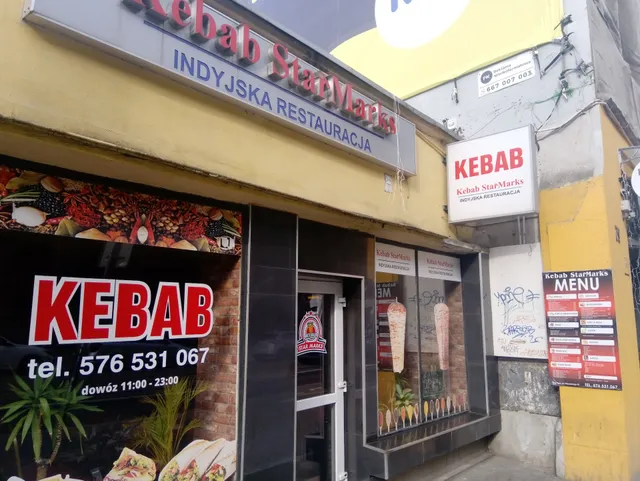
Kebab Star Marks & Indyjska Restaurant
4.2
(895)
Click for details
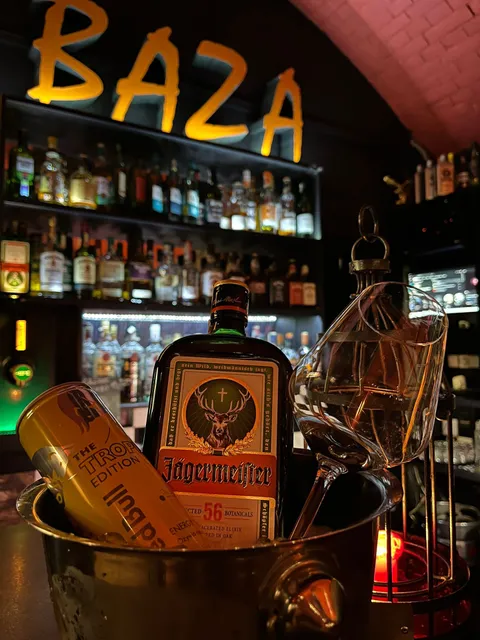
Baza
4.5
(419)
Click for details