I consider the exchange with Erasmus as successful. My only objection is to the organisation dealing with foreign students: ๐๐ป๐๐ฒ๐ฟ๐ป๐ฎ๐๐ถ๐ผ๐ป๐ฎ๐น ๐ฅ๐ฒ๐น๐ฎ๐๐ถ๐ผ๐ป๐ ๐ข๐ณ๐ณ๐ถ๐ฐ๐ฒ - ๐๐ฅ๐. Contacts with this foreign exchange office (I will not mention names, because I respect the privacy), I consider to be the worst of all my exchange experiences. Why?
๐๐ถ๐ฟ๐๐๐น๐: changing the subjects in the LA (Learning Agreement) - the office has its own exchange system, so they don't care about the settlement documents provided by the Union. Now try to explain this to your coordinators at your home university! Once, when I wanted confirmation of the changes that I made, I was told that there had been no changes at all! Not funny!
๐ฆ๐ฒ๐ฐ๐ผ๐ป๐ฑ๐น๐: the 'Transcript of Record' is just another tip of the iceberg that you have to overcome in this convoluted bureaucracy! The office declares that you cannot expect to receive the document before the end of September! However, the University does not take into account the fact that this is often already too late (especially for foreign students who would like to defend their thesis at their Home University at an earlier date). If you pass your subjects at an early date, you are penalised here - with waiting for other students that will pass in rescue session! The office in such cases does not intervene, but only sends a beautifully prepared formula in the student service script - saying: "you have to wait, because this is how long the process takes". In a word, student problems are simply ignored here. I bet it's not the first time this has happened, but it's nothing to worry about (after all, there is EU money). Not to mention that the ability to generate the ToR document should be on the side of the student, not the office - which in many countries is already a standard.
๐ง๐ต๐ถ๐ฟ๐ฑ๐น๐: the documentation itself - the office has its own internal one. Documents prepared on the basis of a template, e.g. Learning Agreement, will be signed, but coordinators from Coimbra will also require filling in the same thing again, but provided by their system! This means filling everything twice, because after all we are Eco! And we love bureaucracy and printers. Any correction, means a change in all the documents. Not to mention that the office is sometimes able to tell you that they won't sign a document that your University requires (because that's what they wrote on the presentation that welcomes all students), but don't ask for the reason! Because the coordinators are not able to answer this question. (Note, not to generalise, this happened in my case).
๐๐ผ๐๐ฟ๐๐ต๐น๐: sending e-mails to the office. We have one e-mail which is accessible to everyone working in the office. You can forget about personal data protection in such situations. It happened many times that I wrote to a particular coordinator (deliberately avoiding particular people who caused the biggest problems in e-mail exchange) and the answer came from other people (of course from the person who I was trying to avoid). Such action clearly leads to abuse and sweeping matters under the carpet! Especially in light of pendemic contact restrictions.
๐๐ป ๐ฐ๐ผ๐ป๐ฐ๐น๐๐๐ถ๐ผ๐ป, I consider the cooperation with the foreign office in Coimbra a failure and I do not recommend this adventure to anyone! I suggest the University to solve the problems mentioned above, because the current bureaucracy destroys the memories of the trip. The idea of the office is "supports foreign students that want to attend FEUC for a period of studies". However, at the moment I think you have deviated far from the initial idea. Maybe it is professional burnout, fatigue? I hope that the following review will bring a moment of reflection. Please do not forget that without students, your office does not exist.
PS. As for the rest of the exchange, i.e. the activities, the organisation of the classes, the students, the lecturers and the infrastructure of the University, I highly recommend it and I was definitely...
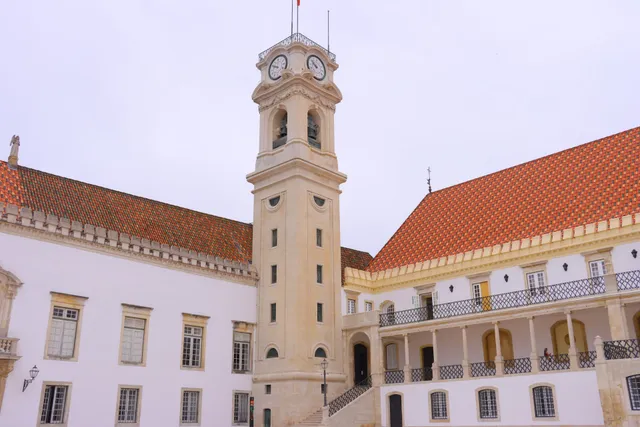
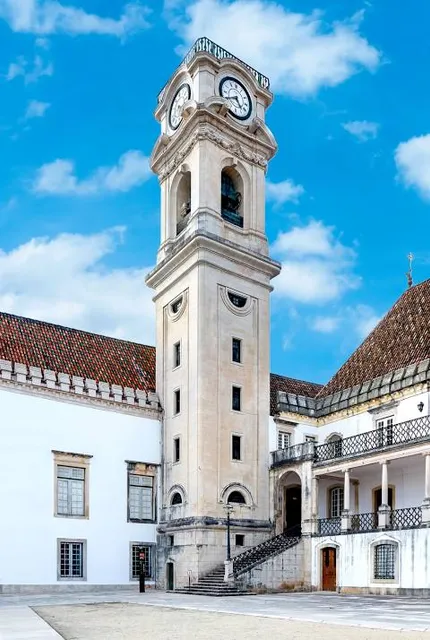
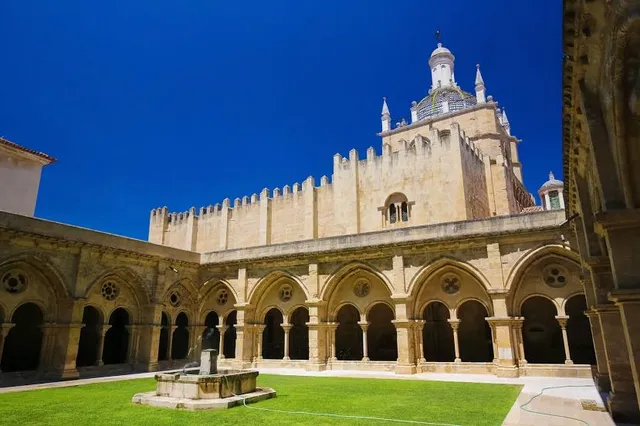
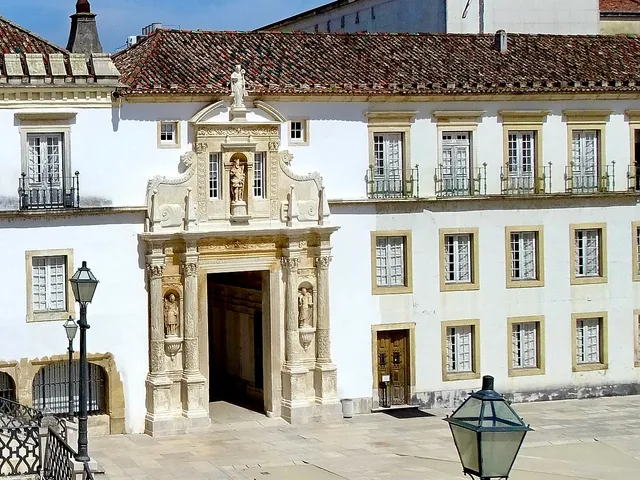
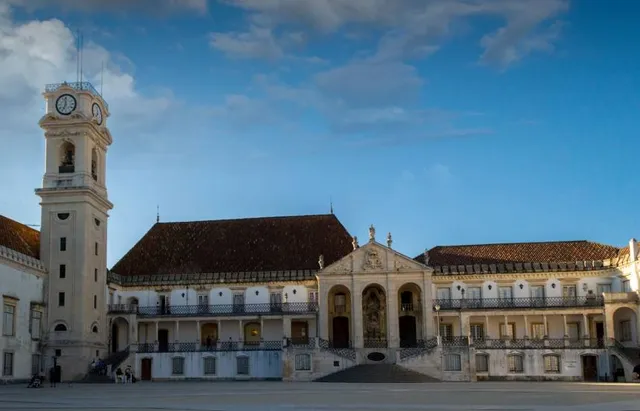
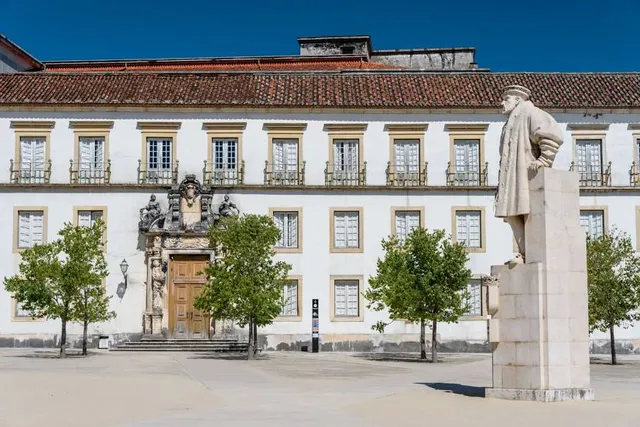
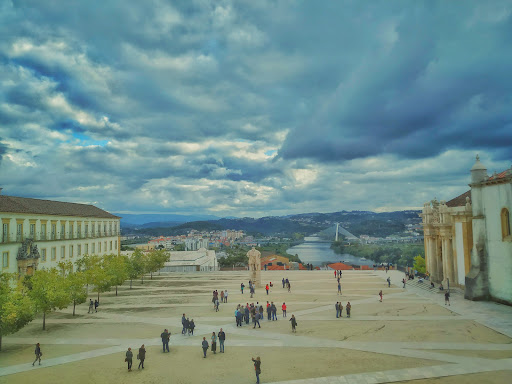
ย ย ย Read moreVisiting the University of Coimbra was nothing short of magical. Walking through its hallowed corridors, youโre not just exploring a campusโyouโre stepping into over seven centuries of history. Founded in 1290 by King Dinis, itโs one of the oldest universities in Europe and was permanently relocated to Coimbra in 1537, where it now occupies the former Royal Palace.
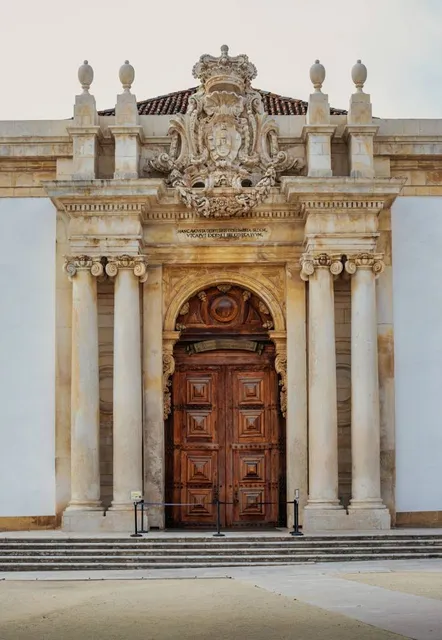
One of the highlights was Saint Michaelโs Chapel, a stunning example of Manueline architecture. Originally built in the 16th century atop a 12th-century oratory, it features intricate tile flooring from 1613, a ceiling painted in the late 1600s, and a Baroque organ from 1737 with nearly 2,000 pipesโstill operational today. We spent time soaking in its serene beauty and ornate details.
The Armoury and Great Hall were equally captivating, steeped in academic tradition and royal legacy. The Hall of Capelos, once a throne room, now hosts major university ceremonies. The Joanina Library, built in the early 18th century, is another marvelโhome to 60,000 volumes and even a colony of bats that help preserve the books!
Tours are well-organized and informative. Pamphlets and guides provide deep insights into each site, and the Paรงo das Escolas tour includes the Royal Palace, Saint Michaelโs Chapel, and the Joanina Library. Itโs a full-day experience thatโs perfect for families and history lovers alike.
Whether youโre drawn by architecture, academia, or Portugalโs cultural heritage, this tour is a must. Coimbraโs university isnโt just a place of learningโitโs a living monument to centuries of intellectual and artistic...
ย ย ย Read moreThe University of Coimbra is not just a university โ itโs a living monument to knowledge, history, and tradition. Walking through its courtyards feels like stepping into the soul of Portugal itself. Every stone seems to hold centuries of stories.
The Joanina Library left me completely speechless. Its baroque beauty is breathtaking, but what touched me most was the delicate balance between grandeur and care โ even the bats that live there play a role in preserving the old books, protecting them from insects through the night. Itโs such a poetic reminder of how nature and history coexist in harmony.
The old academic jail was another powerful stop โ a stark symbol of how seriously the pursuit of knowledge and discipline were once taken. Standing inside, I could almost feel the echoes of students from long ago, their struggles and ambitions still lingering in the air.
Then thereโs the PhD defense room, solemn and majestic, where generations of scholars have presented their final work. The atmosphere there is filled with reverence โ a quiet celebration of dedication and intellect.
What truly makes the University of Coimbra unforgettable is its tradition. From the black capes of the students to the timeless rituals and songs, everything here feels deeply meaningful. Itโs a place where the past and present walk side by side, reminding us that education is not just about learning โ itโs about belonging to...
ย ย ย Read more