National Museum Machado de Castro things to do, attractions, restaurants, events info and trip planning
Basic Info
National Museum Machado de Castro
Largo Dr. José Rodrigues, 3000-236 Coimbra, Portugal
4.7(1.1K)
Closed
Save
spot
spot
Ratings & Description
Info
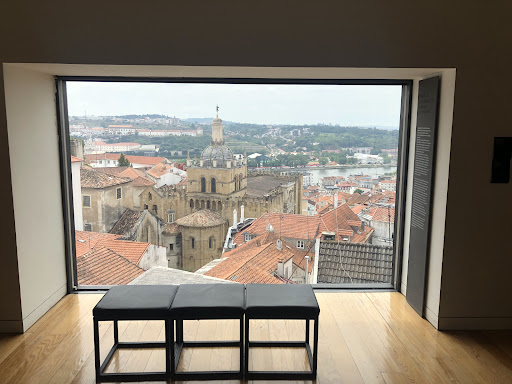
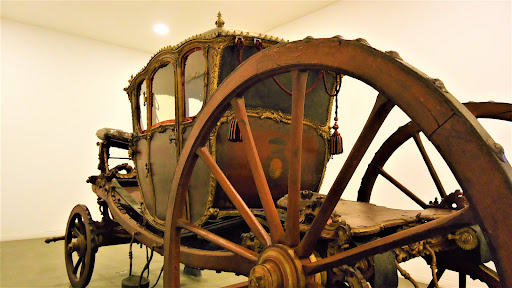
The Machado de Castro National Museum is an art museum in Coimbra, Portugal, named after the renowned Portuguese sculptor Joaquim Machado de Castro. It first opened in 1913 and its latest renovation, which included the addition of a new building, was awarded the Piranesi/Prix de Rome Prize 2014.
Cultural
Accessibility
attractions: Sé Velha - Coimbra, University of Coimbra, New Cathedral, Tower of University of Coimbra, Iron Gate, Saint Michael's Chapel, Museu da Ciência da Universidade de Coimbra, Barbican Gate, Santa Cruz Church, Igreja de São João de Almedina, restaurants: Nau Coffee - Specialty Coffee & Brunch, Restaurante Loggia, Italianino, Restaurante O Burrito, Restaurante O Trovador, Piano Negro, Terraço Da Alta, Restaurante MA, RS Coffee Bar, Restaurante Maria Portuguesa, local businesses: Palacio de las Escuelas, Torre, Biblioteca Joanina, Convent of Christ, Chemistry Laboratory, Estatua de D. Juan III, Jardín Botánico de la Universidad de Coímbra, Acueducto de San Sebastián, Centro de Arte Contemporânea de Coimbra, Vegas Club
 Learn more insights from Wanderboat AI.
Phone
+351 239 853 070
Website
cm-coimbra.pt
Open hoursSee all hours
Thu10 AM - 6 PMClosed
Plan your stay

Pet-friendly Hotels in Coimbra
Find a cozy hotel nearby and make it a full experience.

Affordable Hotels in Coimbra
Find a cozy hotel nearby and make it a full experience.

The Coolest Hotels You Haven't Heard Of (Yet)
Find a cozy hotel nearby and make it a full experience.

Trending Stays Worth the Hype in Coimbra
Find a cozy hotel nearby and make it a full experience.
Reviews
Live events
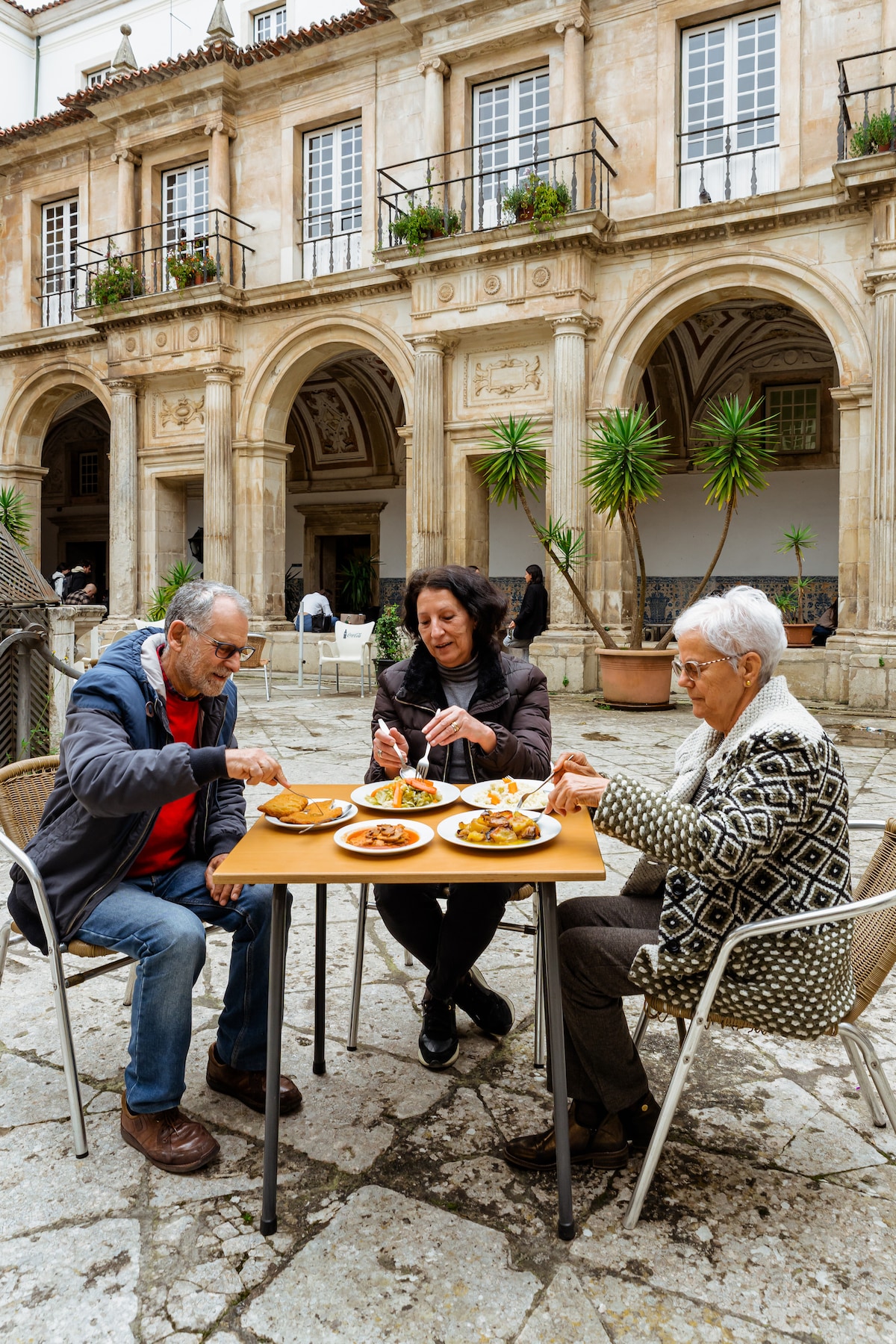
Coimbra Food and Wine Tasting Private Guided Walk
Fri, Feb 27 • 1:30 PM
3000-150, Coimbra, Portugal
View details

Savor Porto Wines in Coimbra’s Timeless Shop
Thu, Feb 26 • 6:00 PM
3000-423, Coimbra, Portugal
View details
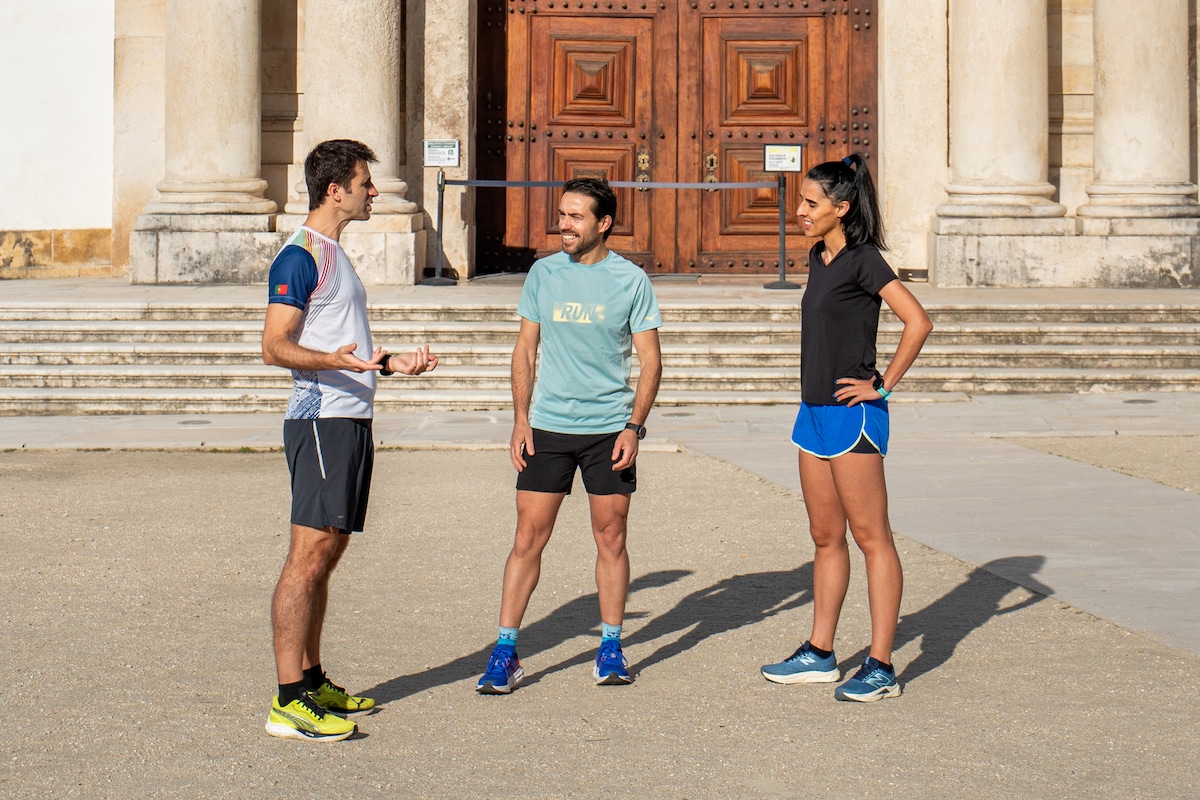
Explore Coimbra on a run
Fri, Feb 27 • 9:00 AM
3000, Coimbra, Portugal
View details
Nearby attractions of National Museum Machado de Castro
Sé Velha - Coimbra
University of Coimbra
New Cathedral
Tower of University of Coimbra
Iron Gate
Saint Michael's Chapel
Museu da Ciência da Universidade de Coimbra
Barbican Gate
Santa Cruz Church
Igreja de São João de Almedina
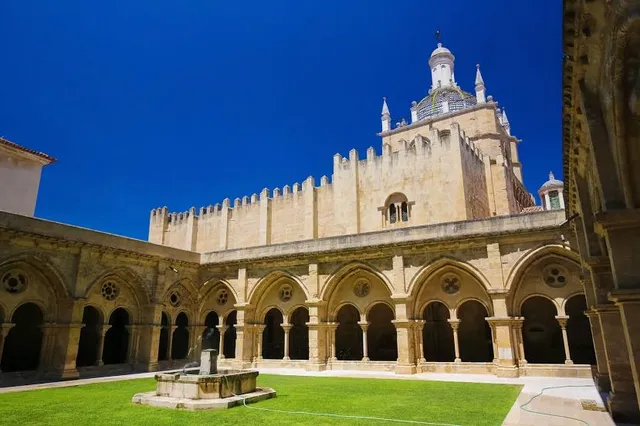
Sé Velha - Coimbra
4.5
(2.2K)
Closed
Click for details
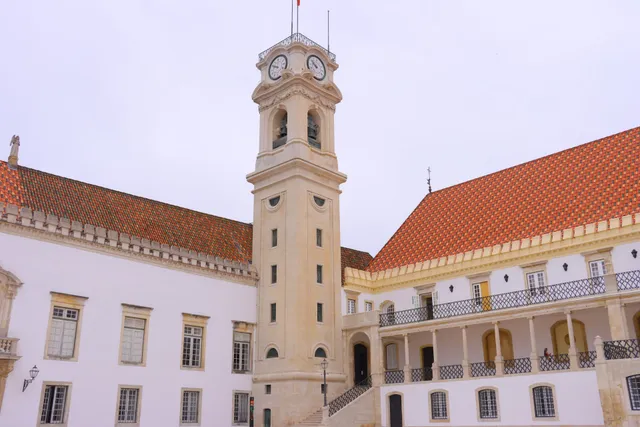
University of Coimbra
4.6
(1.4K)
Open until 8:00 PM
Click for details
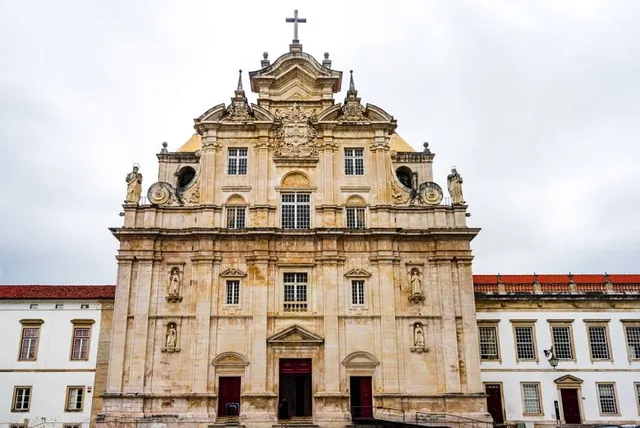
New Cathedral
4.5
(674)
Closed
Click for details
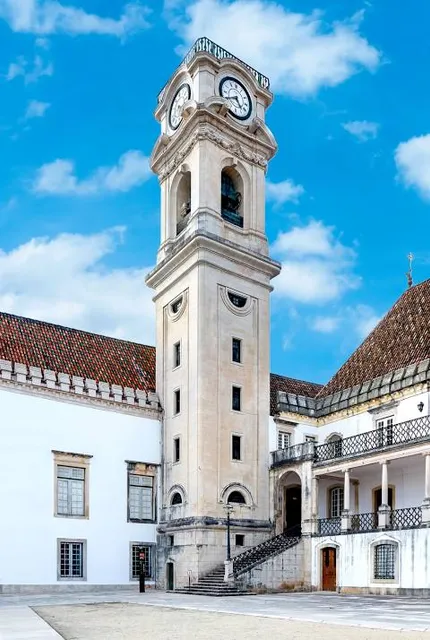
Tower of University of Coimbra
4.6
(492)
Open 24 hours
Click for details
Nearby restaurants of National Museum Machado de Castro
Nau Coffee - Specialty Coffee & Brunch
Restaurante Loggia
Italianino
Restaurante O Burrito
Restaurante O Trovador
Piano Negro
Terraço Da Alta
Restaurante MA
RS Coffee Bar
Restaurante Maria Portuguesa
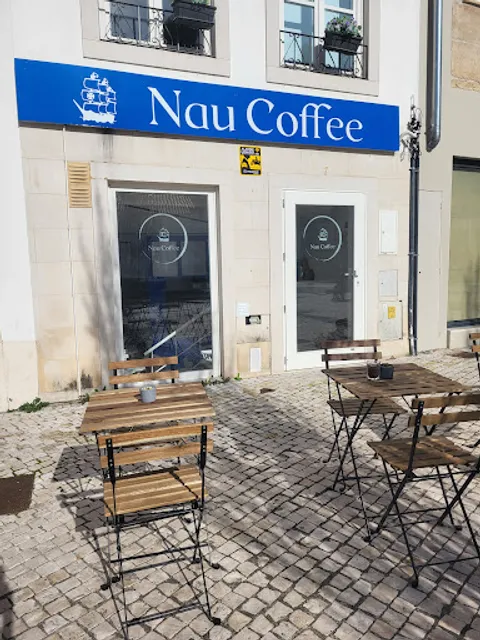
Nau Coffee - Specialty Coffee & Brunch
4.8
(274)
Open until 7:00 PM
Click for details
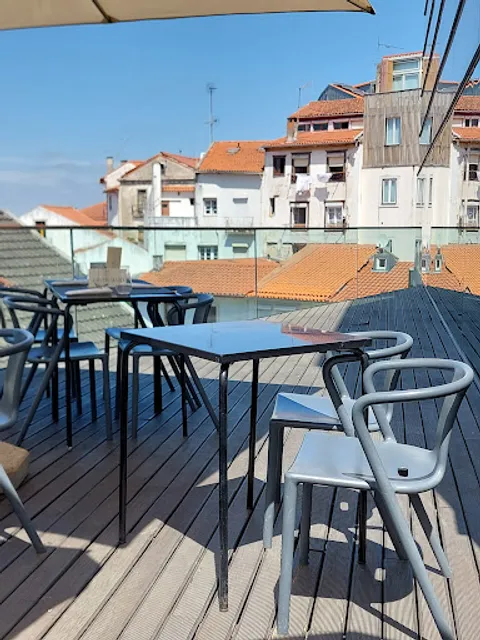
Restaurante Loggia
4.1
(287)
Open until 9:00 PM
Click for details

Italianino
4.7
(380)
Closed
Click for details
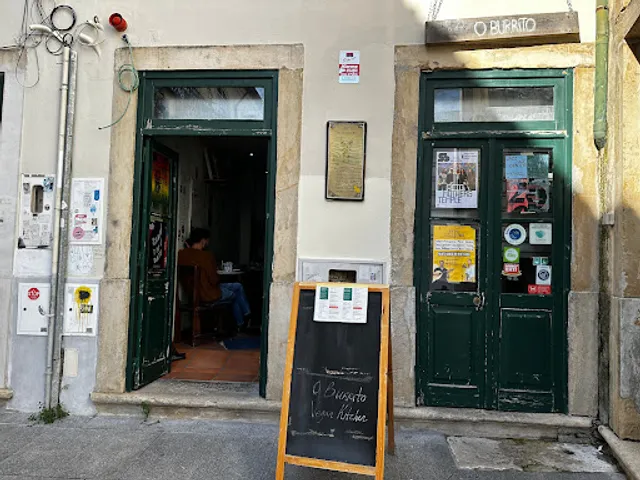
Restaurante O Burrito
4.6
(257)
Closed
Click for details
Nearby local services of National Museum Machado de Castro
Palacio de las Escuelas
Torre
Biblioteca Joanina
Convent of Christ
Chemistry Laboratory
Estatua de D. Juan III
Jardín Botánico de la Universidad de Coímbra
Acueducto de San Sebastián
Centro de Arte Contemporânea de Coimbra
Vegas Club
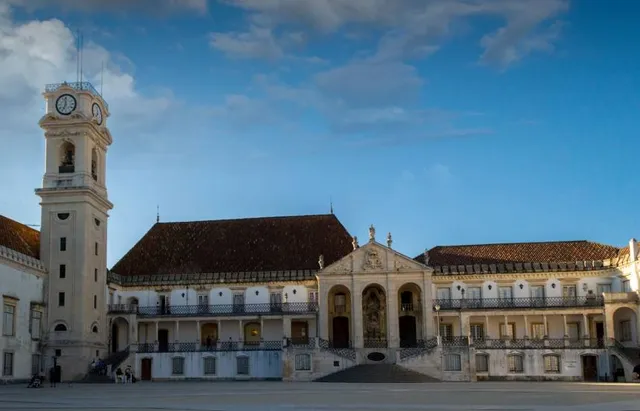
Palacio de las Escuelas
4.5
(6.3K)
Click for details
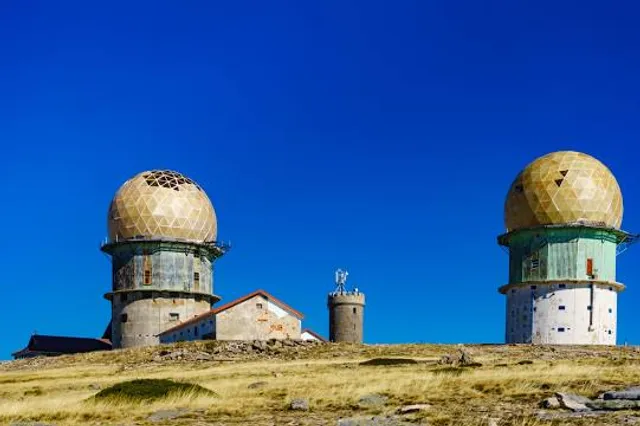
Torre
4.5
(695)
Click for details
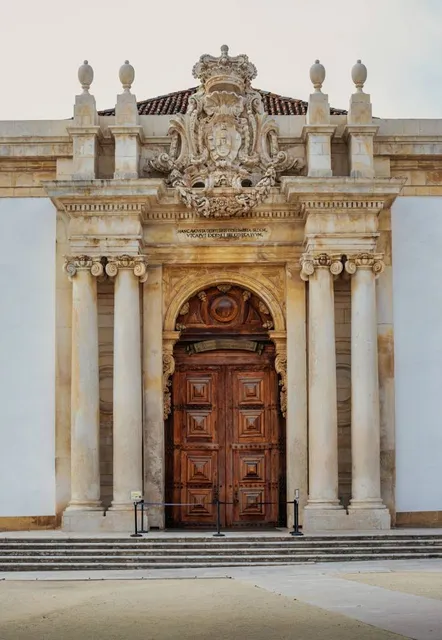
Biblioteca Joanina
3.7
(223)
Click for details
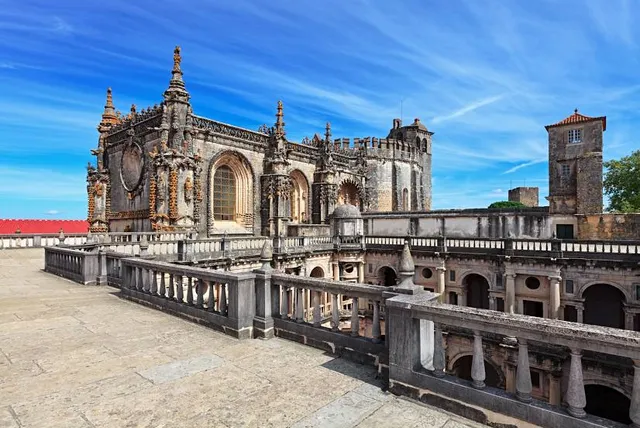
Convent of Christ
4.7
(6.1K)
Click for details