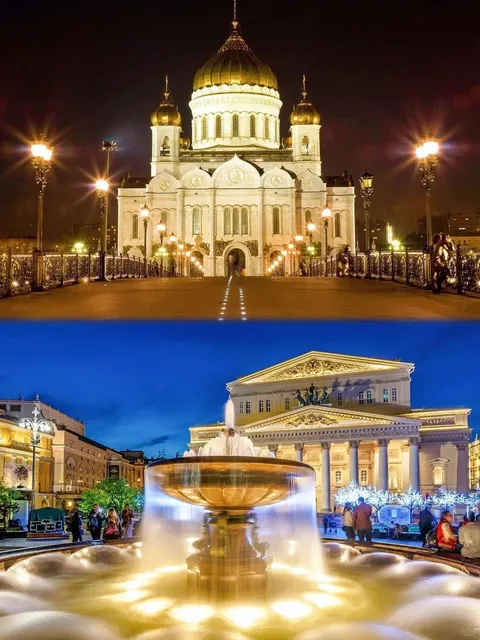
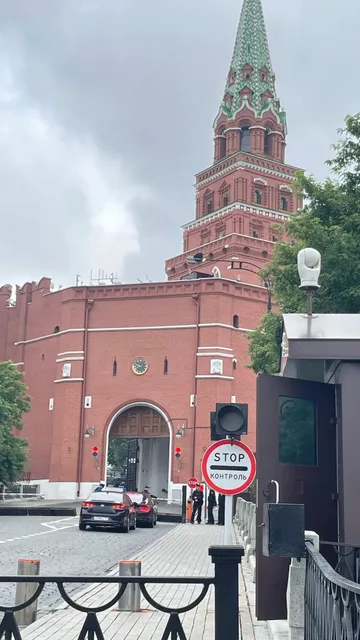
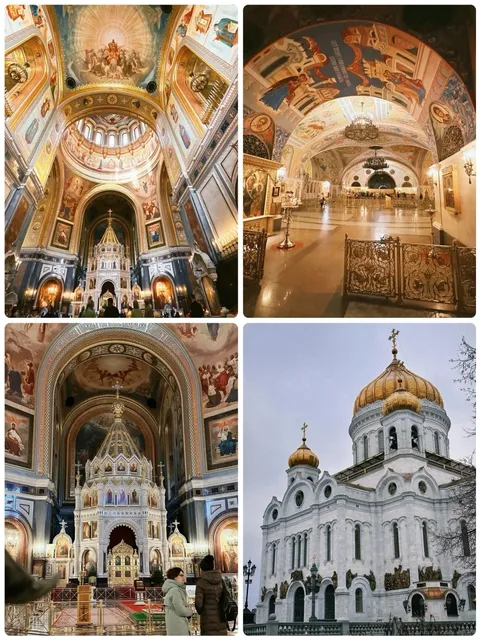
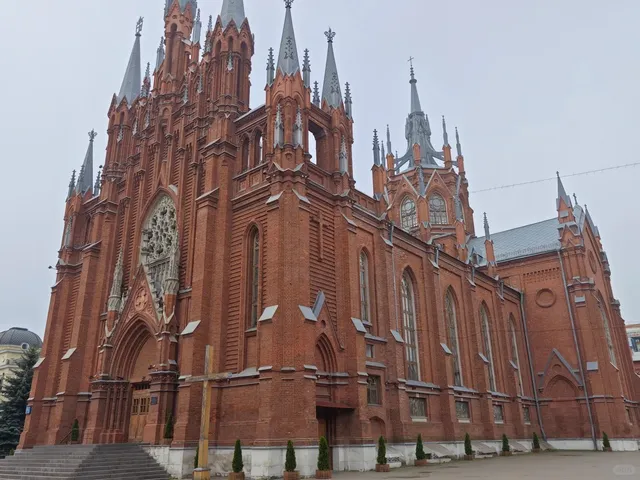
Cathedral of Christ the Saviour things to do, attractions, restaurants, events info and trip planning
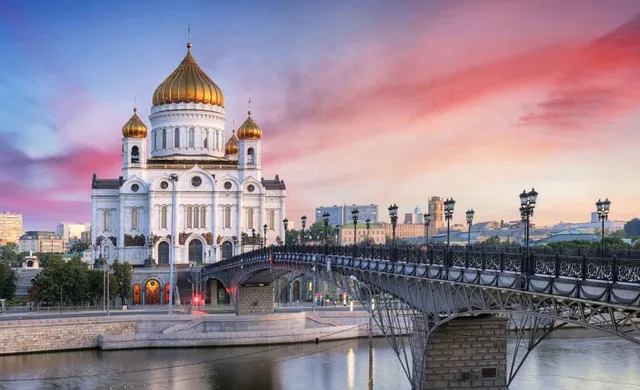
Basic Info
Cathedral of Christ the Saviour
Ulitsa Volkhonka, 15, Moscow, Russia, 119019
4.7(9.3K)
Closed
Save
spot
spot
Ratings & Description
Info
The Cathedral of Christ the Saviour is a Russian Orthodox cathedral in Moscow, Russia, on the northern bank of the Moskva River, a few hundred metres southwest of the Kremlin.
Cultural
Accessibility
attractions: Center for the Arts. Moscow, The Pushkin State Museum of Fine Arts, Ilya Glazunov Gallery, Gallery of 19th and 20th Century European and American Art, Otdel Lichnykh Kollektsiy, Muzey Vosstaniya Mashin, Moscow Museum of Modern Art, Moskovskiy Dom Fotografii, State Pushkin Museum, Gallery of artist Aleksander Shilov, restaurants: Il Patio, Pinzeria by Bontempi, Strelka, Khleb Nasushchnyy, Ресторан YOKO, Хинкальная "Триумф", Shokoladnitsa, Pel'meni, Double-B, Магадан на Красном Октябре, local businesses: Monumento a Vladímir El Grande, Zachatyevsky Monastery, Monumento a Pedro el Grande, Inflot Kruizy I Puteshestviya - Moscow, Salon Krasoty I Zdorov'ya Svoy, Grand Palace, Салон красоты Maya Kitaeva, Church of St. Nicholas in Old Vagankove, Biblioteka imeni Lenina, FIRST Hairservice
 Learn more insights from Wanderboat AI.
Phone
+7 495 637-12-76
Website
xxc.ru
Open hoursSee all hours
Thu10 AM - 6 PMClosed
Plan your stay

Pet-friendly Hotels in Khamovniki District
Find a cozy hotel nearby and make it a full experience.

Affordable Hotels in Khamovniki District
Find a cozy hotel nearby and make it a full experience.

The Coolest Hotels You Haven't Heard Of (Yet)
Find a cozy hotel nearby and make it a full experience.

Trending Stays Worth the Hype in Khamovniki District
Find a cozy hotel nearby and make it a full experience.
Reviews
Nearby attractions of Cathedral of Christ the Saviour
Center for the Arts. Moscow
The Pushkin State Museum of Fine Arts
Ilya Glazunov Gallery
Gallery of 19th and 20th Century European and American Art
Otdel Lichnykh Kollektsiy
Muzey Vosstaniya Mashin
Moscow Museum of Modern Art
Moskovskiy Dom Fotografii
State Pushkin Museum
Gallery of artist Aleksander Shilov
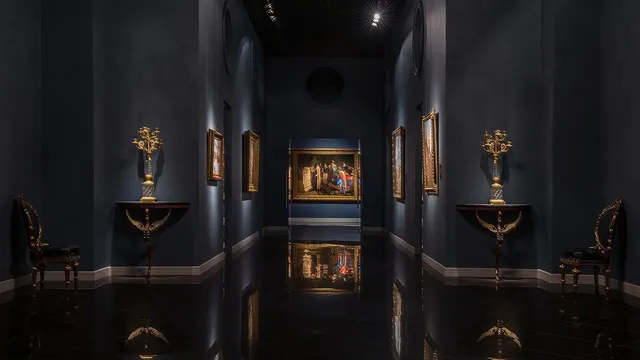
Center for the Arts. Moscow
4.8
(230)
Open until 12:00 AM
Click for details
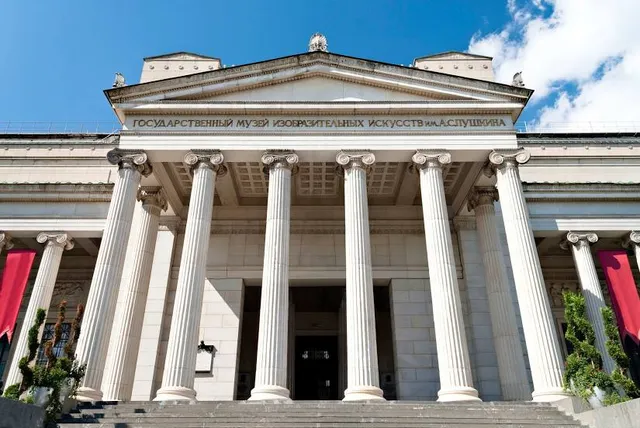
The Pushkin State Museum of Fine Arts
4.8
(7.2K)
Closed
Click for details
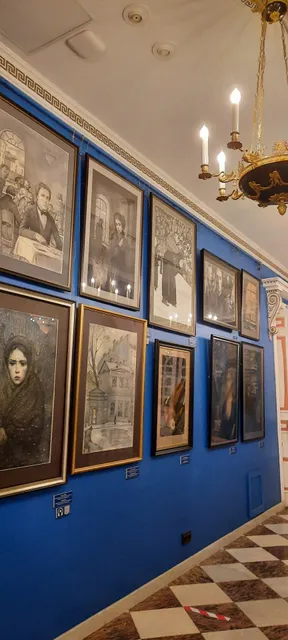
Ilya Glazunov Gallery
4.7
(784)
Closed
Click for details
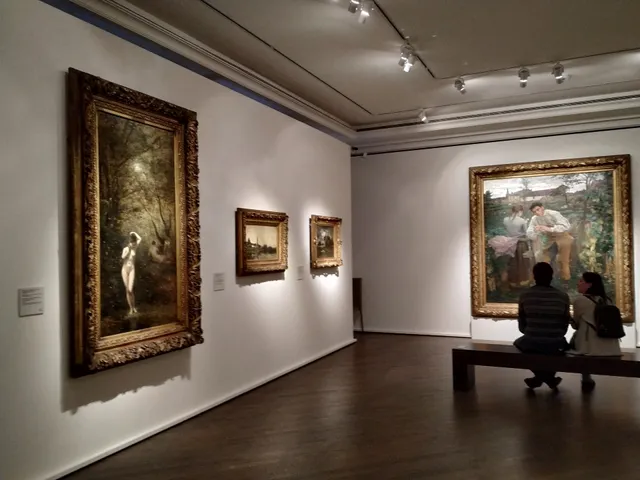
Gallery of 19th and 20th Century European and American Art
4.8
(561)
Closed
Click for details
Nearby restaurants of Cathedral of Christ the Saviour
Il Patio
Pinzeria by Bontempi
Strelka
Khleb Nasushchnyy
Ресторан YOKO
Хинкальная "Триумф"
Shokoladnitsa
Pel'meni
Double-B
Магадан на Красном Октябре
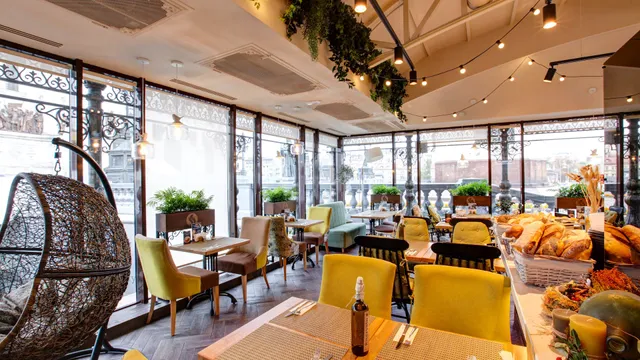
Il Patio
4.4
(553)
$$
Closed
Click for details
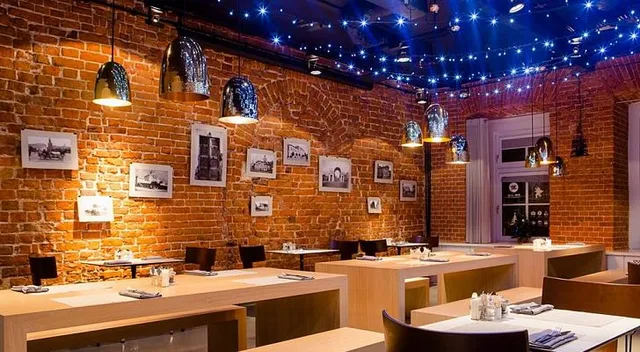
Pinzeria by Bontempi
4.7
(970)
$$
Closed
Click for details
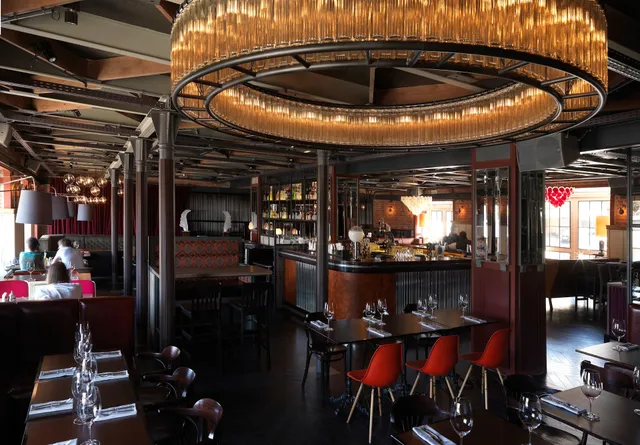
Strelka
4.5
(1.1K)
$$$
Closed
Click for details
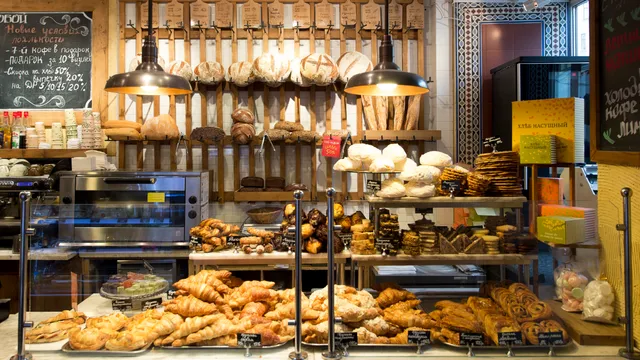
Khleb Nasushchnyy
4.2
(395)
$$
Closed
Click for details
Nearby local services of Cathedral of Christ the Saviour
Monumento a Vladímir El Grande
Zachatyevsky Monastery
Monumento a Pedro el Grande
Inflot Kruizy I Puteshestviya - Moscow
Salon Krasoty I Zdorov'ya Svoy
Grand Palace
Салон красоты Maya Kitaeva
Church of St. Nicholas in Old Vagankove
Biblioteka imeni Lenina
FIRST Hairservice
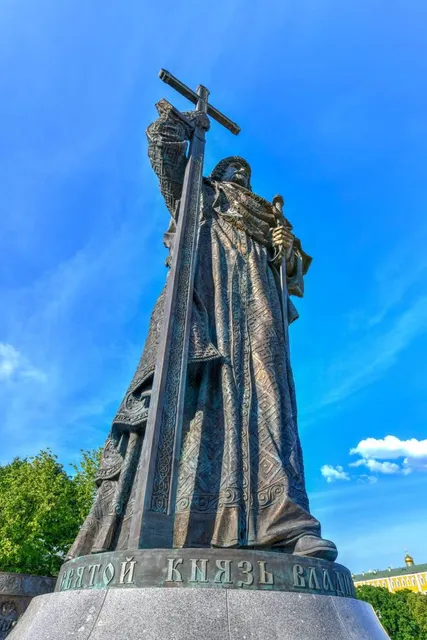
Monumento a Vladímir El Grande
4.6
(1.1K)
Click for details
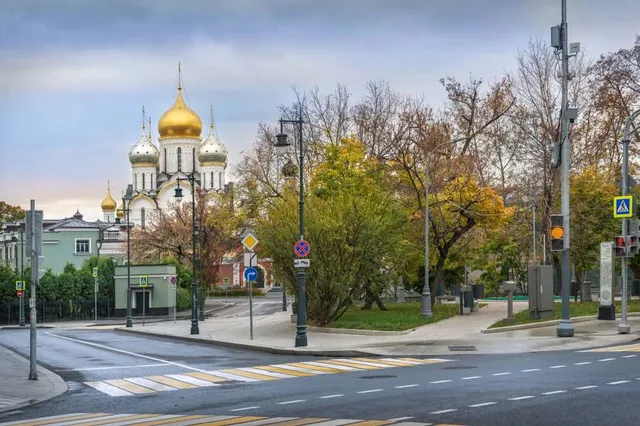
Zachatyevsky Monastery
4.9
(544)
Click for details
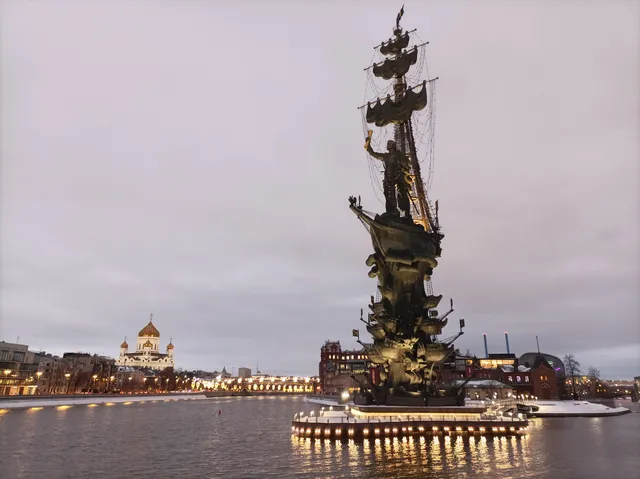
Monumento a Pedro el Grande
4.2
(996)
Click for details

Inflot Kruizy I Puteshestviya - Moscow
4.6
(8)
Click for details