My recent visit to Shakti Sthal, the final resting place of former Prime Minister Indira Gandhi, was a solemn and reflective experience. Situated on the banks of the Yamuna River in Delhi, this memorial serves as a poignant tribute to one of India's most influential leaders, known for her indomitable spirit and unwavering commitment to the nation.
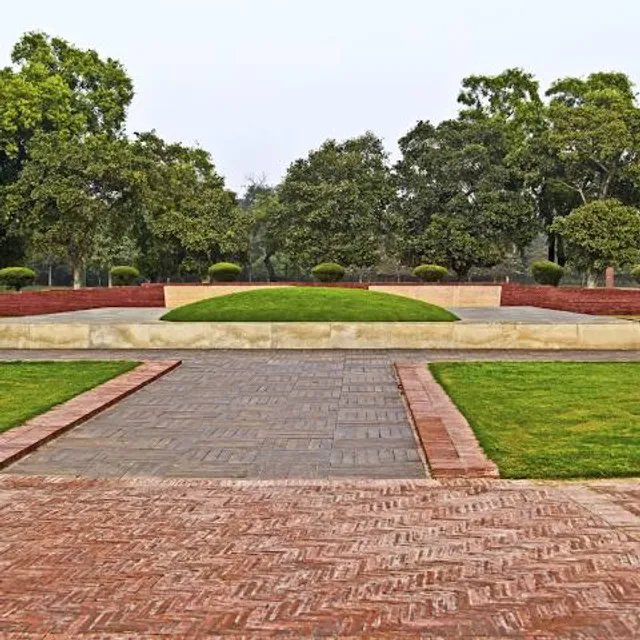
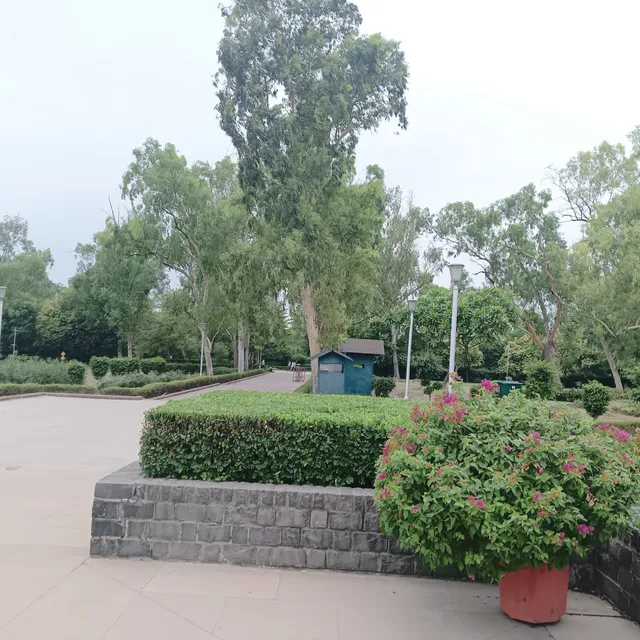
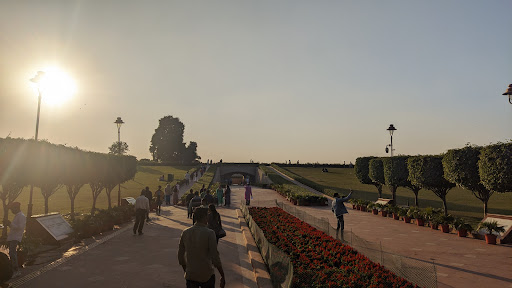
Approaching the memorial, I was struck by its serene and tranquil ambiance, with lush greenery and flowering trees providing a peaceful sanctuary amidst the bustling cityscape of Delhi. The sprawling grounds, dotted with marble pavilions and landscaped gardens, offered a fitting setting for paying homage to the memory of Indira Gandhi.
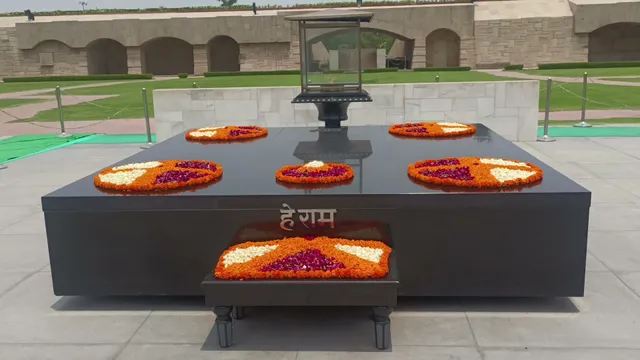
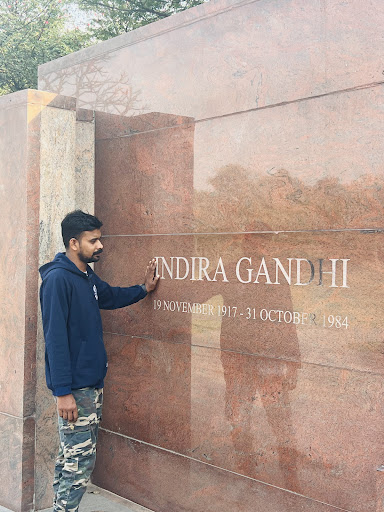
At the heart of Shakti Sthal lies the memorial platform, where visitors can offer their respects and honor the legacy of the late Prime Minister. The imposing black marble slab, inscribed with her name and dates of birth and death, serves as a solemn reminder of her enduring impact on Indian politics and society.
Surrounding the memorial platform are statues and sculptures depicting pivotal moments from Indira Gandhi's life and political career, from her early days as the daughter of Jawaharlal Nehru to her historic tenure as Prime Minister of India. These artistic representations provide a visual narrative of her leadership style, vision, and the challenges she faced during her time in office.
One of the highlights of my visit was the serene atmosphere of the Yamuna River, which flows gently alongside the memorial grounds. The tranquil waters, shimmering in the sunlight, added to the sense of serenity and contemplation that pervaded the entire complex, offering a peaceful refuge for reflection and introspection.
While Shakti Sthal offers a poignant tribute to the memory of Indira Gandhi, some visitors may find the memorial to be lacking in interactive exhibits or informative displays that provide context and insights into her life and legacy. Additionally, the maintenance of the memorial grounds could be improved to ensure a more pristine and welcoming environment for visitors.
In conclusion, Shakti Sthal serves as a fitting tribute to the memory of Indira Gandhi, offering visitors a serene and contemplative space to reflect on her life, legacy, and contributions to the nation. Whether you're a history enthusiast, a political aficionado, or simply seeking a moment of quiet contemplation, a visit to Shakti Sthal is a meaningful and introspective experience that honors the enduring spirit of India's Iron Lady.
Note: Visitors are advised to maintain silence and respect the sanctity of the memorial grounds when visiting Shakti Sthal. Additionally, photography may be restricted in certain areas, so it's recommended to check with the authorities before taking...
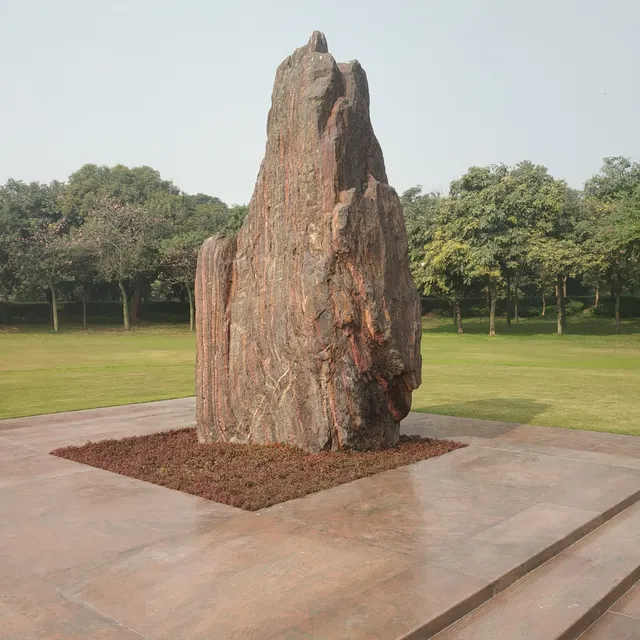
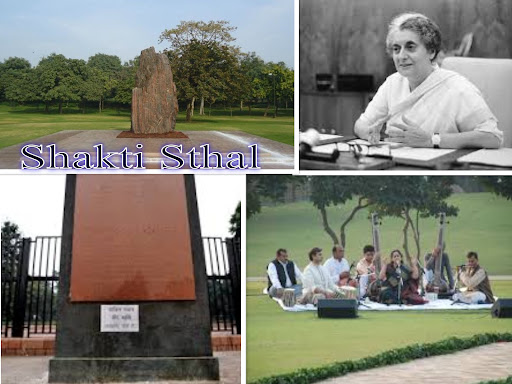
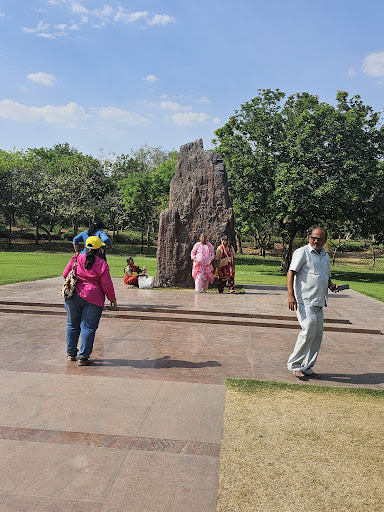
Read moreThe huge ferrous rock weighing more than 25 tonnes installed at the former Prime Minister Indira Gandhi's memorial in New Delhi was sourced from the mines of Sundergarh. When the then central government decided to erect a memorial to Mrs Gandhi, they wanted to portray her as an iron-willed woman. Hence, it was decided to place a monolithic iron ore rock at the site named Shakti Pratthi, meaning "Place of Strength and Power". It is situated between the banks of the Yamuna River and the Mahatma Gandhi Marg, southeast of the Red Fort. The rock is located at Barzuan, one of the mines under the Steel Authority of India Limited, 100 km from Rourkela. The search for the rock was led by the then Director General of the Geological Survey of India, Sailan Mukherjee. Later, with the permission of Pupul Jaikar, a confidant of Mrs. Gandhi, it was installed at Shakti Place.
Mukherjee and retired General Manager (Raw Materials Division) of Rourkela Steel Plant, Ramesh Chandra Mohanty, were trying to find stone in the vicinity of Rourkela. In Barzuan, Mukherjee and Mohanty wandered through a pile of ferrous stones, which eventually zeroed in due to jasper's red color. "Both of us were extremely happy," said Mohanty, an octogenarian. There are other reasons for choosing this stone. “It resembled the shape of the palm tree, the Congress symbol. It had some visible holes caused by jackhammer drilling. It will remind the bullet marks on Mrs Gandhi's body,” he said. The biggest problem, however, was getting the stone down from the Barzuan mines to the valley and from there loaded onto a train. The distance was about 10 km and the terrain was hilly. “From Rourkela it was loaded onto a big mac trailer with the help of a crane. The district administration has suspended traffic on the hilly road for three hours to facilitate the movement of rock,” he said. Later, it was put on a special train and reached Delhi almost non-stop due to special route clearance. On October 31, 1984, two of Mrs Gandhi's Sikh bodyguards assassinated her as she walked through the wicket gate she was guarding. She was shot and died on the way to the hospital. Mrs Gandhi addressed her last public meeting on 30 October 1984 at the Parade Ground in Bhubaneswar. This place is now known as Indira Gandhi Park. However, very few know that Shakti Place, a memorial to the slain Prime Minister, is also...
Read moreShakti Sthal, located in New Delhi, India, is a revered memorial dedicated to the former Prime Minister of India, Indira Gandhi. The term "Shakti" translates to "power" or "strength," symbolizing the influential and dynamic persona of Indira Gandhi during her tenure.
The memorial site is situated on the banks of the tranquil Yamuna River, providing a serene and picturesque setting. Shakti Sthal is designed to reflect the architectural aesthetics of the region, incorporating elements of Indian traditional design and modernist influences.
As visitors enter Shakti Sthal, they are greeted by a sprawling landscaped garden that surrounds the main memorial structure. The lush greenery, colorful flowers, and well-manicured lawns create a peaceful atmosphere, inviting visitors to relax and reflect.
The central memorial structure stands as the focal point of Shakti Sthal. It is a large, dome-shaped building constructed with white marble, symbolizing purity and grace. The dome represents the eternal spirit of Indira Gandhi, while the intricate carvings and motifs on the walls depict her life, achievements, and significant contributions to the nation.
Within the memorial, there is a spacious prayer hall where visitors can pay their respects and offer prayers. The hall exudes a sense of reverence and tranquility, with soft lighting and the fragrance of incense filling the air.
Adjacent to the prayer hall, there is a museum that exhibits a collection of photographs, documents, and personal belongings of Indira Gandhi. The museum serves as a tribute to her life and showcases her political journey, highlighting her role in shaping the nation's destiny.
Shakti Sthal also features a reflecting pool, adding to the serenity of the surroundings. The pool serves as a visual representation of the calmness and depth of Indira Gandhi's leadership.
The memorial site attracts a significant number of visitors, including political leaders, dignitaries, and admirers of Indira Gandhi from all over the world. It is a place of homage, remembrance, and inspiration, where people can pay their respects to one of India's most influential and iconic leaders.
Shakti Sthal stands as a testament to the indomitable spirit and legacy of Indira Gandhi, reminding people of her visionary leadership, dedication to social justice, and unwavering commitment to the progress and...
Read more